Ko Klang
Ko Klang
Ko Klang, Khlong Prasong, Mueang Krabi, Province de Krabi 81000, Thaïlande
A Muslim island at the mouth of the Krabi River, Ko Klang moves to the rhythm of batik, mangroves and car-free villages, just ten minutes by boat from the town centre.
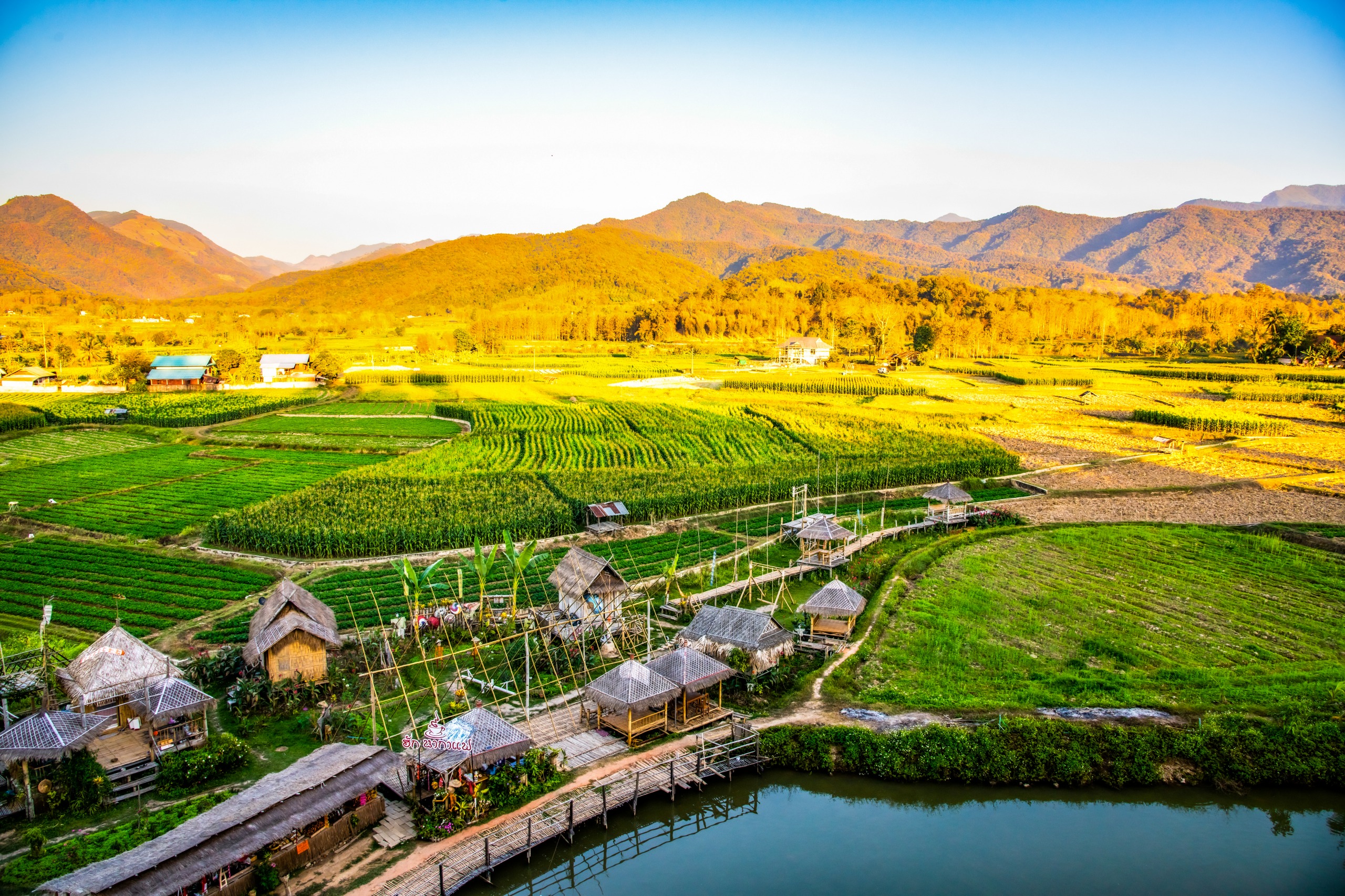
Ko Klang occupies a flat island at the mouth of the Krabi River, a ten-minute boat ride from the town centre. A community of Malay Muslim origin, agriculture, mangroves and textile craftsmanship: the island offers a rural and cultural counterpoint to the crowded beaches of the province.
Why visit Ko Klang
The island, located in Tambon Khlong Prasong (Mueang Krabi District, Krabi Province), has three characteristics that set it apart from other stops in southern Thailand.
First, its cultural identity: the population, around 900 families spread across three villages, is predominantly Muslim. Seven mosques are recorded here, with no Buddhist temples—a notable exception in a province where Theravada Buddhism dominates. This settlement dates back to the arrival of Malay colonists from the south, who brought with them the language, cuisine and textile techniques still practised today.
Second, the way of life: no cars circulate on the island. Movement is by foot, bicycle or motorbike along narrow tracks that connect the hamlets, rice paddies and landing stages.
Finally, the craft work: batik, tie-dyeing, coloured-grain rice cultivation, stingless bee farming and miniature boat-building form a coherent set of activities to experience firsthand, most often in the craftspeople's own homes.
What to see and do at Ko Klang
Batik workshops
Batik, a wax-resist dyeing technique used to protect certain areas during colour baths, was introduced to the island by the first Muslim colonists from Malaysia. Several family workshops offer initiation sessions: applying wax with a tjanting tool, choosing patterns, immersing fabric in successive dye baths. You take home your finished piece. Village women happily wear batik sarongs and use these fabrics for furnishings.
Tie-dyeing
Practised alongside batik, tie-dyeing uses natural dyes extracted locally: tree bark, berries, roots. The fabric is folded, tied around pieces of wood, then dipped to reveal resist patterns. Workshops sell shirts, scarves and bags made using this technique.
Coloured-grain rice
The island cultivates several rice varieties in colours ranging from white to deep red. A traditional production centre demonstrates hulling and milling on old machines still in use, and allows you to buy rice in small bags.
Stingless bees
Essential pollinators of the mangrove, stingless bees (Meliponini) produce a rare honey, more liquid and more tart than conventional bee honey, renowned for its medicinal properties. Local beekeepers explain the production cycle and offer comparative tastings of honey from different ages.
Mangroves by long-tail boat
Boatmen from Ko Klang and Krabi offer trips through channels lined with mangroves. These forests protect the island from erosion and are home to crabs, shrimp, fish and birds. At low tide, you can accompany fishermen to gather clams or watch shrimp fishing.
Miniature boat-building
A few workshops make miniatures of long-tail boats, sold notably as keychains. A quick and affordable activity well suited to a stop with children.
When to visit
The climate is tropical, with an average annual temperature of 25°C and little variation from month to month. Average annual rainfall is 2,818 mm. September is the wettest month (around 362 mm), February the driest (around 69 mm). The dry season, from December to March, remains the most comfortable window for a visit; the monsoon, between May and October, doesn't prevent access but shortens boat outings.
Good to know before your visit
As Ko Klang is a practising Muslim community, a few local customs deserve respect:
- Clothing covering shoulders and knees, particularly near mosques
- No public displays of affection
- No alcohol or pork brought to the island
- By convention, dogs are not welcome in homes and places of prayer
Allow half a day for a focused visit (one workshop + mangroves), a full day to combine several activities and have lunch with a local family.
How to get there
The island is reached in about 10 minutes by boat from Khong Kha Pier, in the heart of Krabi. Long-tail boats accommodate up to 8 passengers. The fare is moderate for a shared round trip; private boat rental for a longer circuit through the mangroves costs considerably more, depending on duration. Four landing stages serve the island and allow you to arrange departures and arrivals from different points.
What to see nearby
Ko Klang fits naturally into a stay in Krabi. Nearby, several sites complement your visit well: Wat Tham Suea, the Tiger Cave temple perched above the jungle; Ao Nang, the main beach resort and departure point for sea excursions; Ao Thalane for mangrove kayaking; and Koh Hong for its enclosed lagoons.
Frequently asked questions
Frequently asked questions
The island is accessible in about 10 minutes by long-tail boat from Khong Kha Pier in central Krabi. Boats carry up to 8 passengers.
Batik initiation, tie-dyeing, a visit to a rice mill, discovery of stingless bees and a boat trip through the mangroves make up a complete day's programme.
December to March, during the dry season. February is the least rainy month. Visits are possible in the rainy season, with a higher risk of showers between May and October, and a peak in September.
As Ko Klang is a Muslim island, avoid overly revealing clothing, public displays of affection and bringing alcohol or pork. No cars circulate: travel is by foot, bicycle or motorbike.
Half a day is enough for one workshop and a short mangrove outing. Allow a full day to visit several craft workshops and have lunch on the island.
To include Ko Klang in a tailor-made itinerary, explore our Thailand travel ideas.
Photos
Also discover
Wat Tham Suea
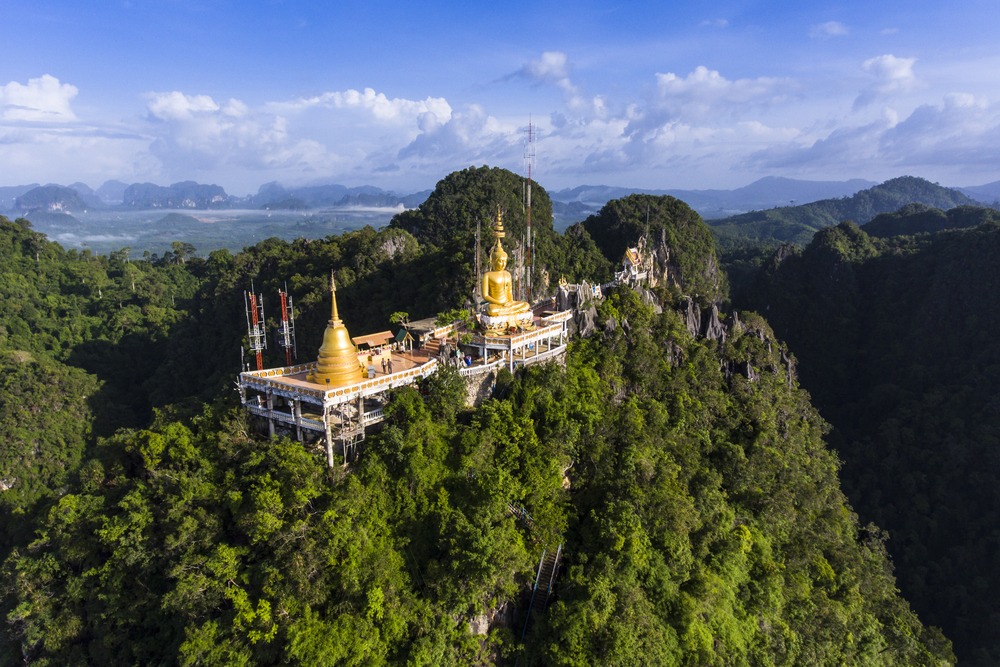
Wat Tham Suea, or Tiger Cave Temple, overlooks Krabi from its 1,260 steps. Sacred caves, centuries-old forest and 360° panorama over limestone cliffs.
Ao Nang
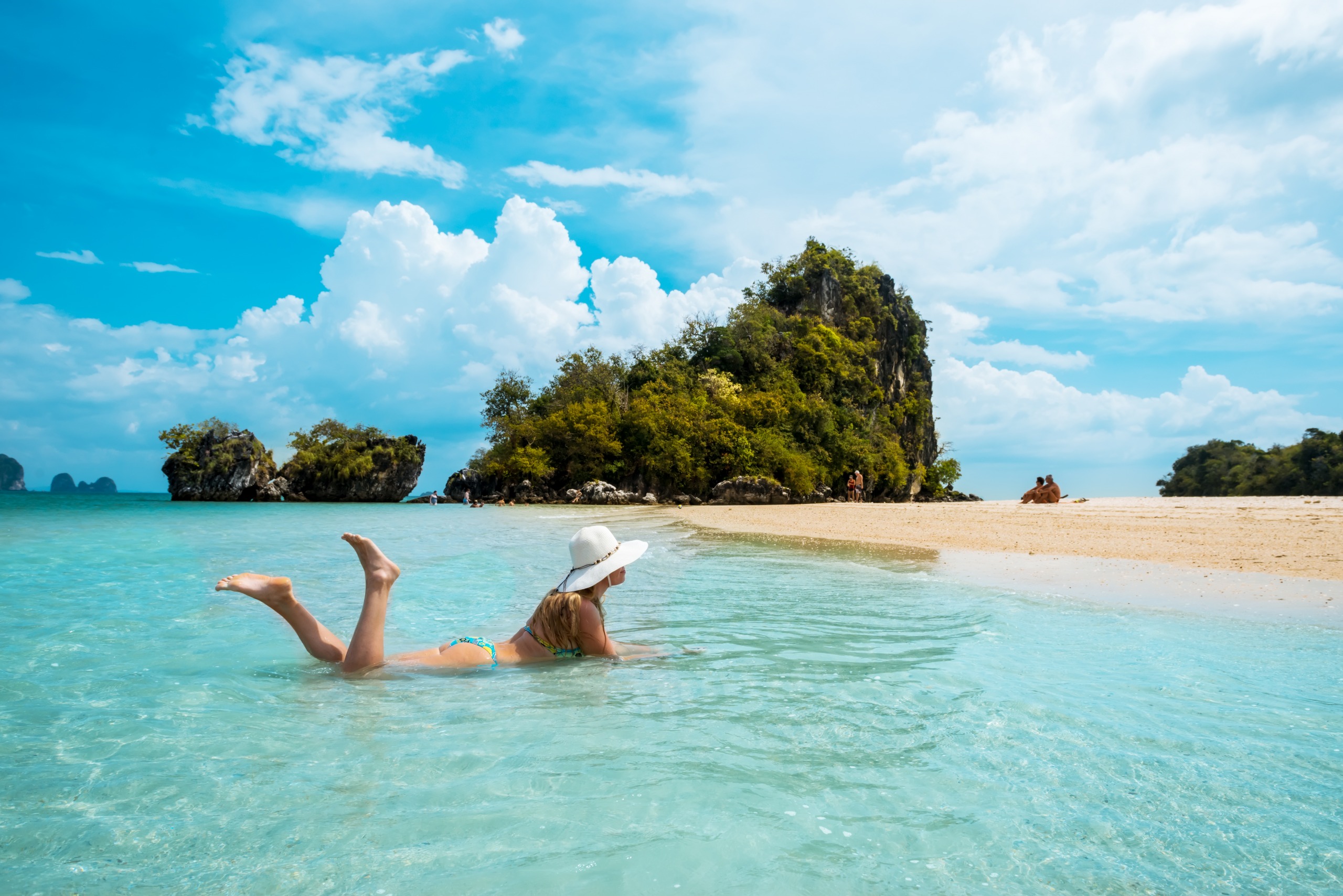
A seaside resort in Krabi province, Ao Nang serves as a base for exploring 83 islets, coral reefs and the limestone cliffs of Railay.
Ao Thalane
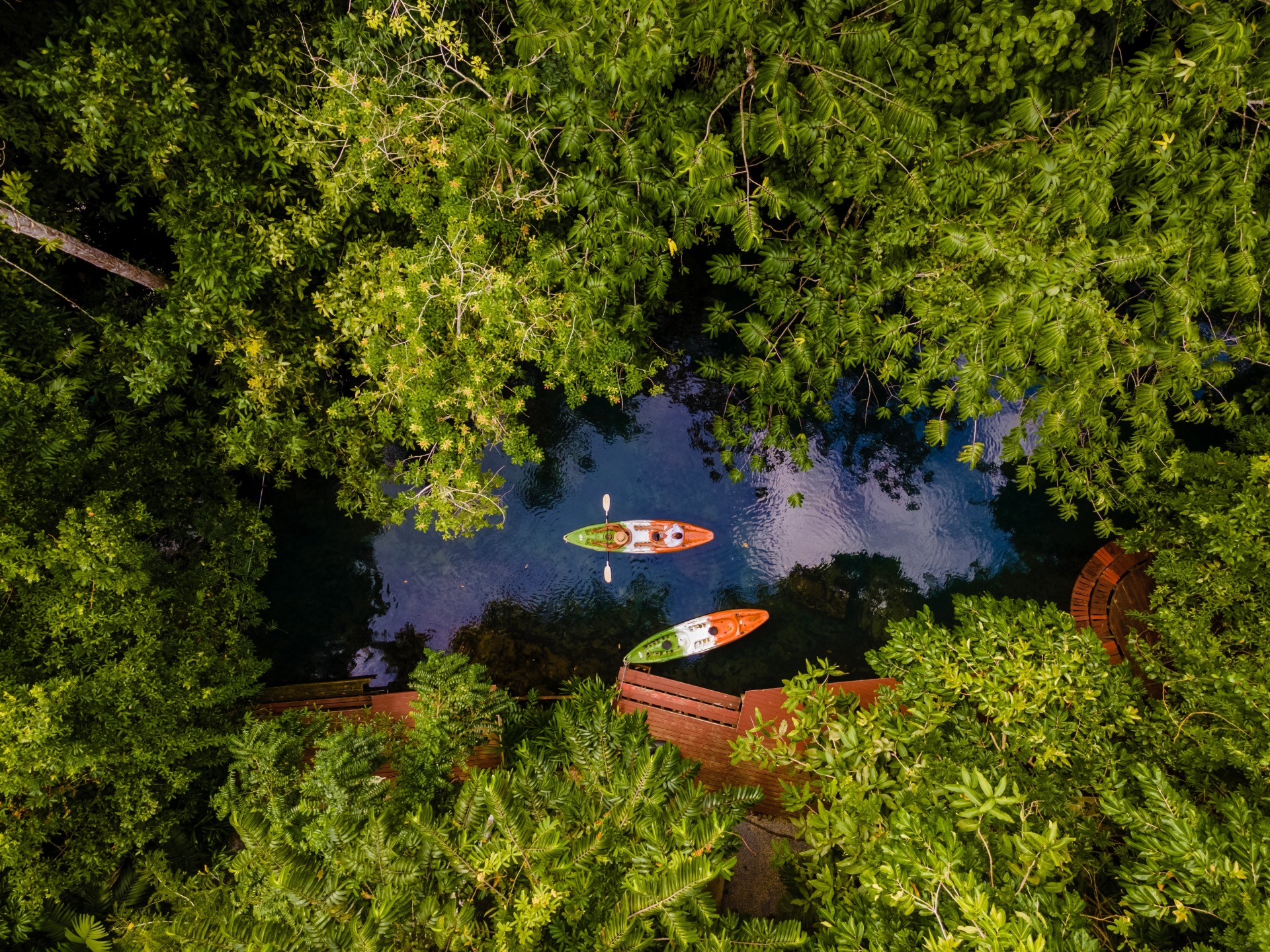
Located 40 km from Krabi, Ao Thalane Bay unfolds between mangroves, limestone cliffs and waterways teeming with diverse wildlife—best explored by kayak.
Interested in this visit?
We can include it in your personalised itinerary.