Khlong Bang Luang Floating Market
Khlong Bang Luang Floating Market
Soi Phet Kasem 20, Khwaeng Pak Khlong Phasi Charoen, Khet Phasi Charoen, Krung Thep Maha Nakhon 10160, Thaïlande
A former floating market turned artistic hub along the Khlong Bang Luang canal in western Bangkok: craftsmanship, puppetry and neighborhood cuisine.
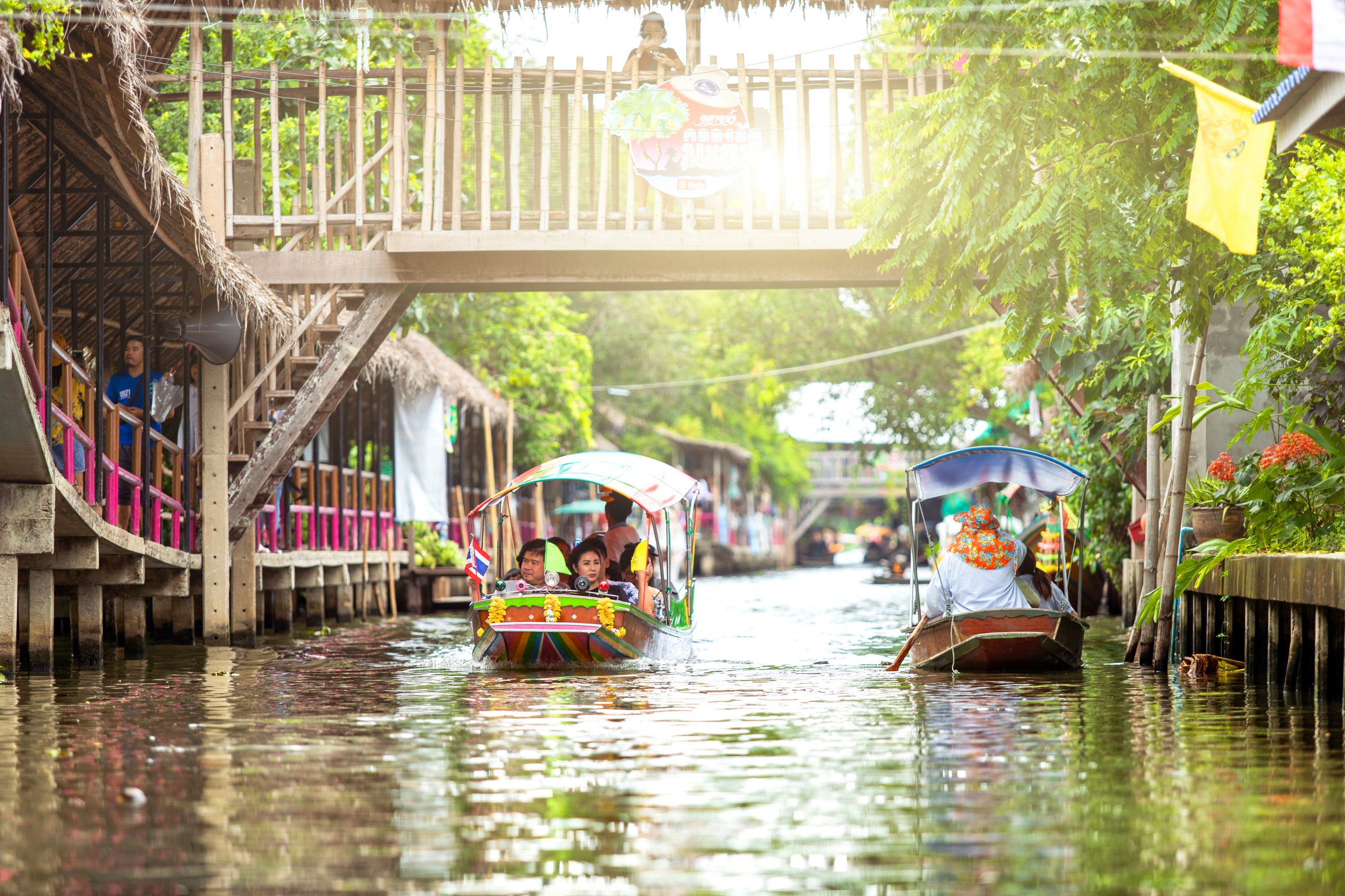
Along the Khlong Bang Luang canal, in the Phasi Charoen district in western Bangkok, a land market stretches along the waterway. Once a floating market, it now brings together craftspeople, galleries and food stalls in a neighborhood atmosphere, away from the capital's conventional tourist circuits.
Why visit Khlong Bang Luang Market
The site's appeal lies in its dual identity: a neighborhood market where you eat and stroll, and an artistic hub organized around the artist's house. You'll encounter few tour groups here, but rather Bangkok residents and craft enthusiasts. The walk along the canal on wooden walkways offers a tangible insight into traditional Thai life tied to the khlongs.
It's a recommended stop if you're looking to complement a visit to the great monuments of the historic center with a more local experience, focused on living arts and traditional crafts.
History of the canal and market
Khlong Bang Luang is part of the waterway network that structured Bangkok's commerce since the 19th century, when merchants sold their goods from boats. The site once hosted lively commercial activity, organized around river trade.
With road development, the market gradually moved from boats to the banks. Today, stalls line the canal: the market is no longer floating in the strict sense, but retains its aquatic anchoring and identity as a cultural crossroads. The presence of artists established in old wooden houses gave it a second life, more oriented toward creation.
What to see and do
The Artist's House (Baan Silapin)
This is the market's anchor point. This former wooden home, open to the canal, houses paintings, handcrafted objects and workspace areas. Entry is free and the atmosphere relaxed; you can watch artisans at work and sometimes participate in small creative sessions on-site.
Every weekend at 2 p.m., a traditional Thai puppet show (hun lakhon lek) is performed at the entrance. The performance is free and often marks the highlight of a Saturday or Sunday visit.
Galleries, workshops and craftsmanship
Several galleries and studios border the canal. You'll find paintings, sculptures and decorative objects created by local artists. Introductory workshops are regularly offered around three main traditional crafts:
- fabric and paper painting;
- textile weaving;
- pottery and modeling.
The stalls also offer textiles, ceramics and wooden objects, at prices generally lower than in the tourist center markets.
Performances and street cuisine
Beyond puppetry, the market occasionally hosts performances of classical masked drama (similar to khon) and folk music. Food stalls offer simple Thai cuisine: stir-fried noodles, curries, coconut-based desserts, ice cream. Budget for casual snacking at low prices throughout your visit.
Practical information
- Visit duration: 1.5 to 3 hours depending on whether you attend the puppet show.
- Entry: free. Workshops and purchases are settled on-site, preferably in cash.
- Days: open daily, with more activity on weekends. Weekdays see some stalls and cafés closing earlier.
- What to bring: light clothing, water, and small change for workshops and food.
When to visit
Weekends concentrate the energy: puppet shows at 2 p.m., active workshops, more stalls open. Weekdays offer a calmer atmosphere, worthwhile if you want to take your time in the artist's house and chat with craftspeople, though with fewer events.
Season-wise, the dry period from November to February remains most comfortable for a walking visit along the canal. During the rainy season, plan to arrive early afternoon to limit late-day thunderstorms.
How to get there
The market is located in Phasi Charoen district, on Bangkok's west bank (Thonburi). Several options are available from the center:
- By boat: the most coherent approach with the location. From the Thonburi pier, long-tail boats travel up the Chao Phraya then through the canal network to Khlong Bang Luang. This works well combined with an excursion on the Thonburi khlongs.
- By taxi or ride-sharing app: the simplest solution from central areas. The journey typically takes 30 to 60 minutes depending on traffic.
- By public transport: Bang Phai MRT station (Blue Line) is within walking distance of the market and offers the most convenient metro access.
Nearby attractions
The market fits well into a day devoted to the west bank and the river. Nearby, several sites complement the visit:
- Wat Arun, the Temple of Dawn, on the same bank.
- Wat Pho and its Reclining Buddha, just across the river.
- The Grand Palace, accessible in minutes by boat.
- Pak Khlong Talat, the flower market, to extend your neighborhood market experience.
Frequently asked questions
Not anymore. Stalls are lined along the canal rather than installed on boats. The location retains its aquatic character, but now functions as a land market.
A performance is given every weekend at 2 p.m. at the entrance near the artist's house. Entry is free.
By taxi or ride-sharing app (30 to 60 minutes depending on traffic), by metro via Bang Phai MRT station, or by boat from the Thonburi pier traveling up the Chao Phraya then through the canals.
Local crafts: woven textiles, ceramics, wooden objects, paintings and creations by artists in the canal-side galleries. Thai street food is also available at numerous stalls.
No. Plan 1.5 to 3 hours depending on whether you attend the puppet show and participate in a workshop. The market combines easily with temples on the west bank in half a day.
Want to extend the experience beyond Bangkok? Discover our tailor-made itineraries in our Thailand travel section.
Photos
Nearby
Also discover
Khlongs of Thonburi
A network of historic canals on the west bank of Bangkok, the khlongs of Thonburi lead to Wat Arun, the Grand Palace and weekend floating markets.
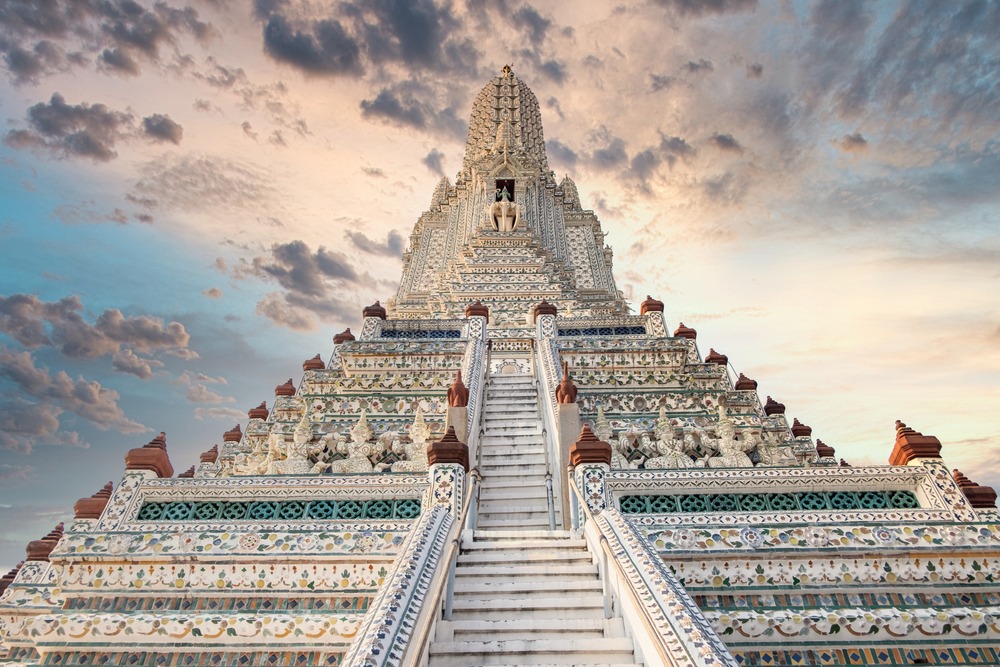
Wat Arun
Wat Arun, or the Temple of Dawn, dominates the western bank of the Chao Phraya in Bangkok with its 70-meter prang covered in porcelain mosaics.
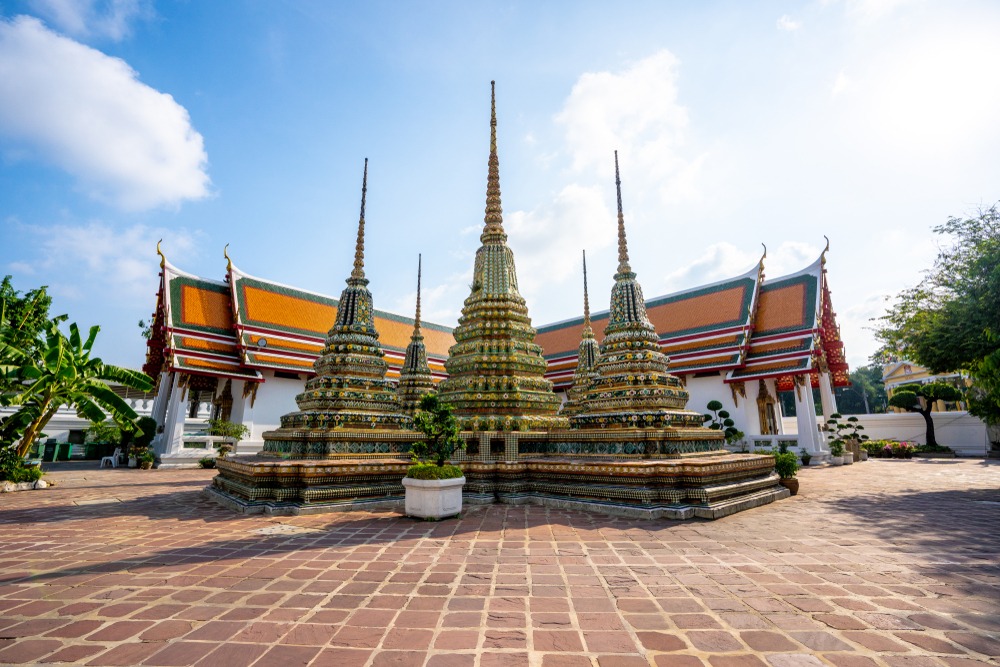
Wat Pho
South of Bangkok's Grand Palace, Wat Pho houses a 46-meter Reclining Buddha, 400 statues, and a UNESCO-recognized Thai massage school.
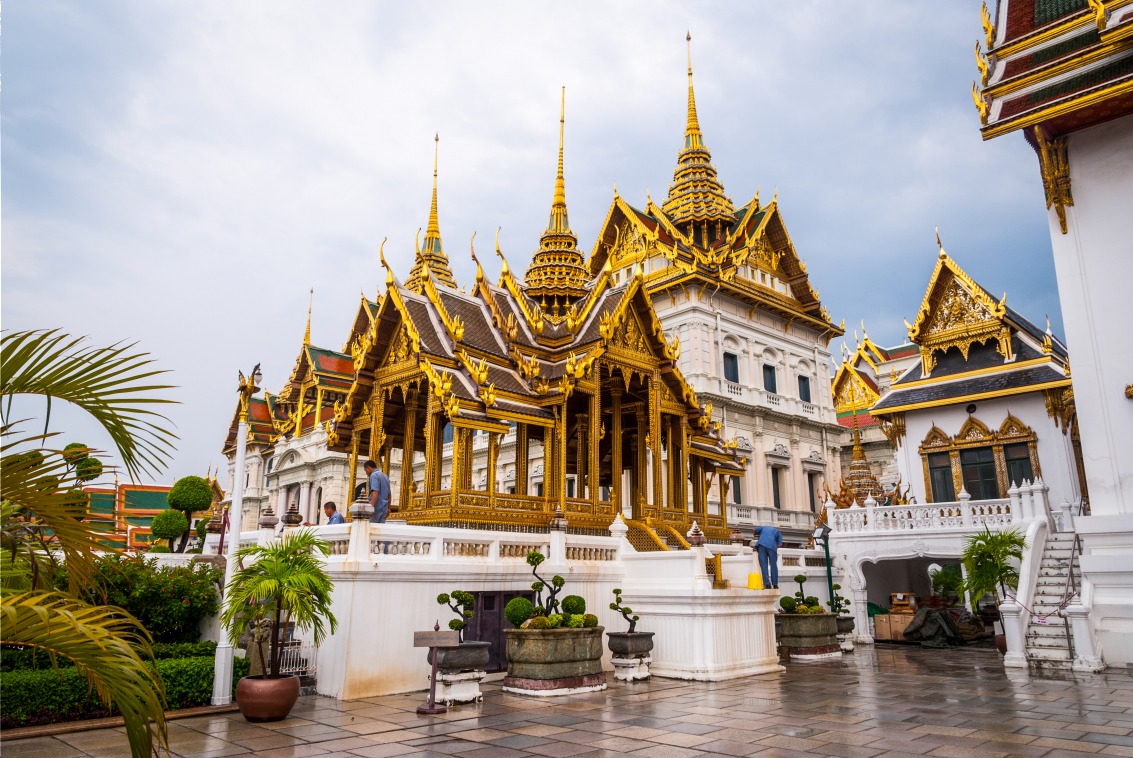
Grand Palace of Bangkok
Royal complex founded in 1782 by Rama I, the Grand Palace of Bangkok houses Wat Phra Kaeo and the Emerald Buddha. Practical guide to prepare your visit.
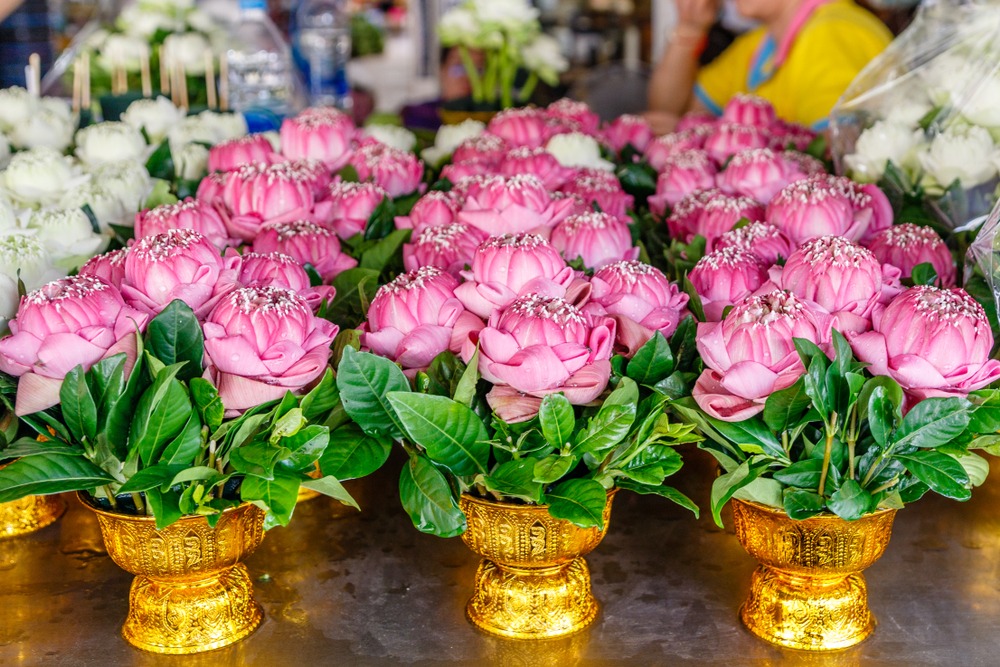
Pak Khlong Talat
Historic flower market in Bangkok, open around the clock near the Chao Phraya, supplying hotels, restaurants and temples in the capital with fresh blooms.
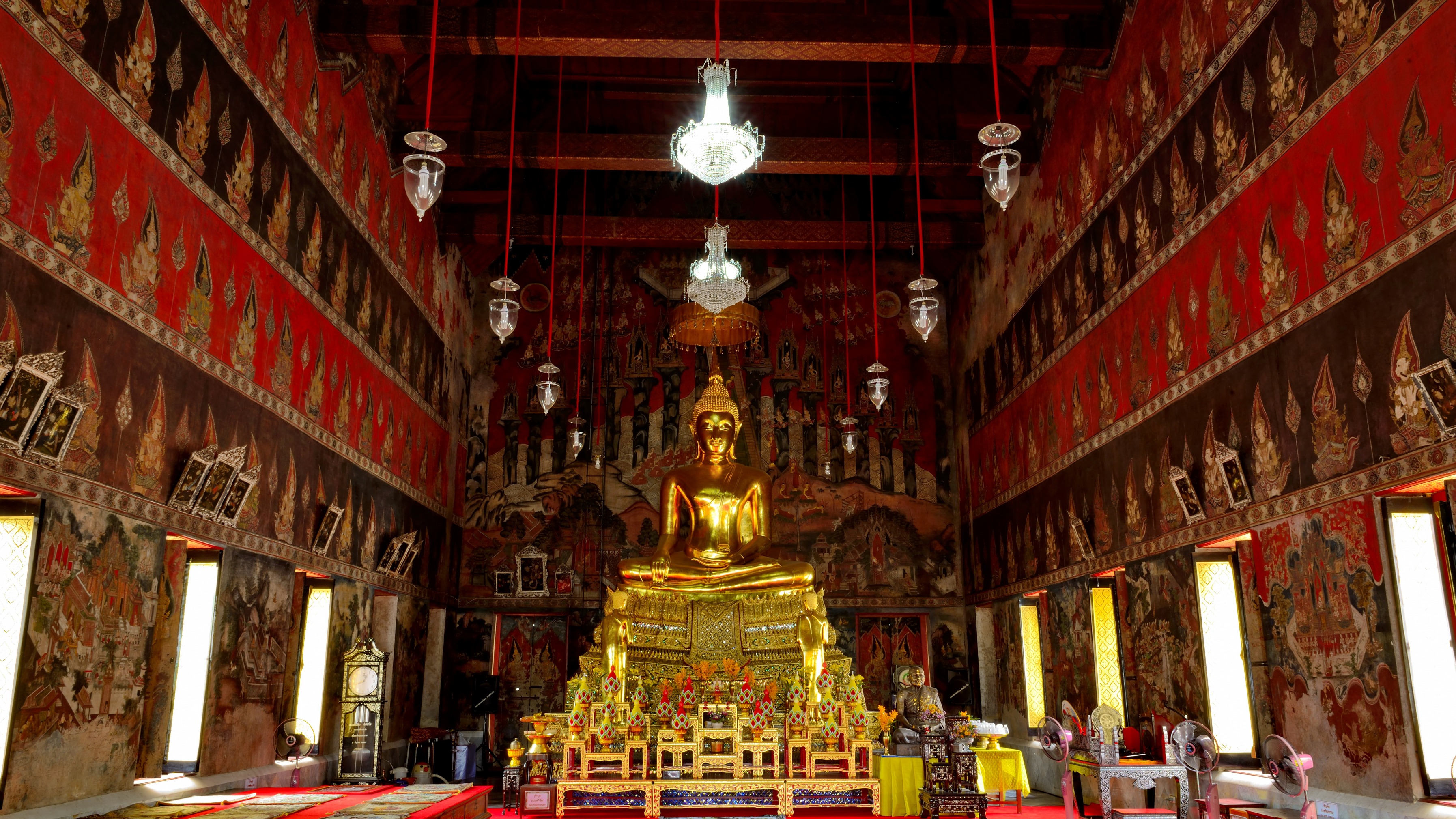
Wat Suwannaram
On the western bank of the Bangkok Noi canal, Wat Suwannaram combines Ayutthaya architecture, Jataka frescoes and the royal history of Siam.
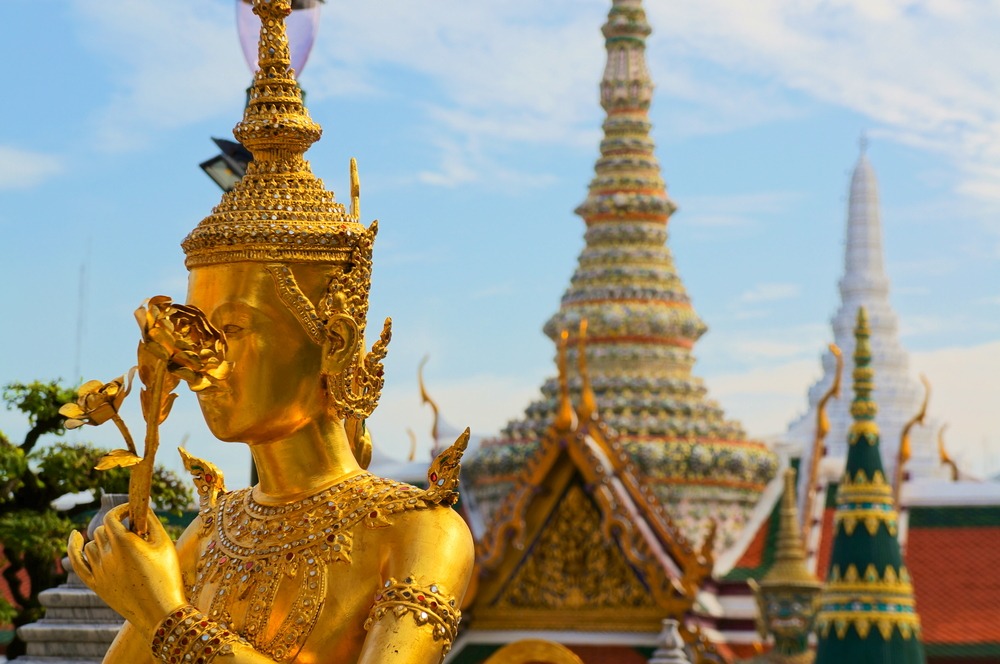
Wat Phra Kaeo
Royal temple of the Emerald Buddha, at the heart of Bangkok's Grand Palace, founded in 1783 by Rama I on the island of Rattanakosin.
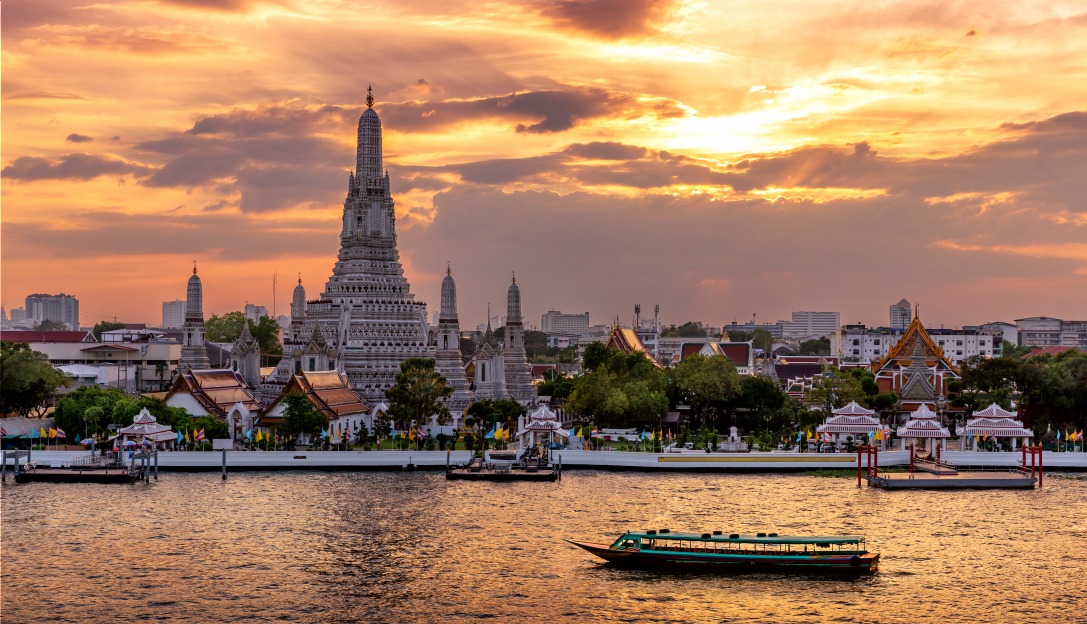
Chao Praya
Spanning 372 km, the Chao Phraya has shaped Bangkok since 1782. Temples, markets, boats: your guide to understanding and exploring the river.
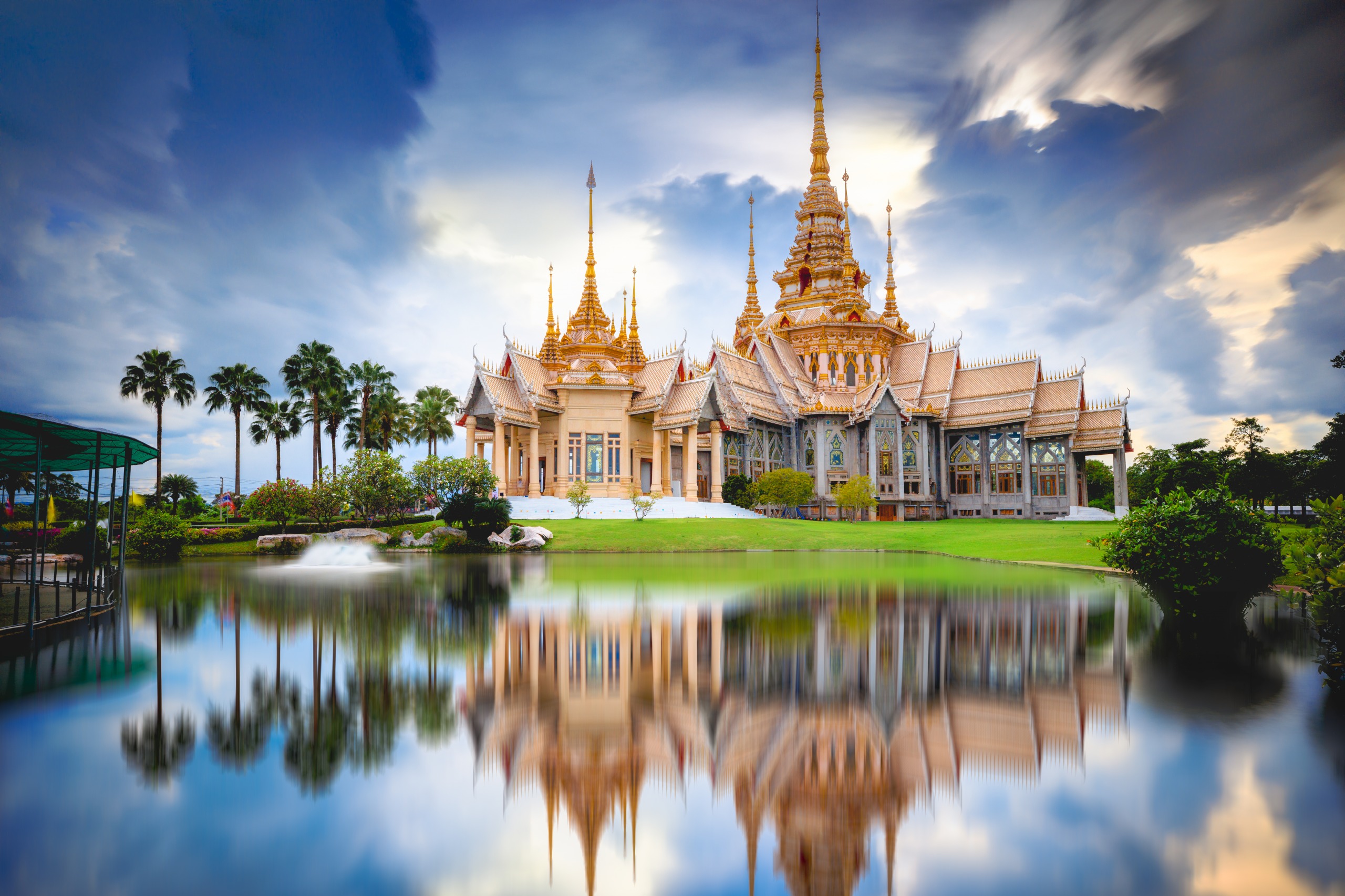
Phra Nakhon District
Phra Nakhon concentrates Bangkok's founding heritage: Grand Palace, Wat Phra Kaeo, Wat Pho, National Museum and the Indian quarter of Phahurat.
Lhong 1919
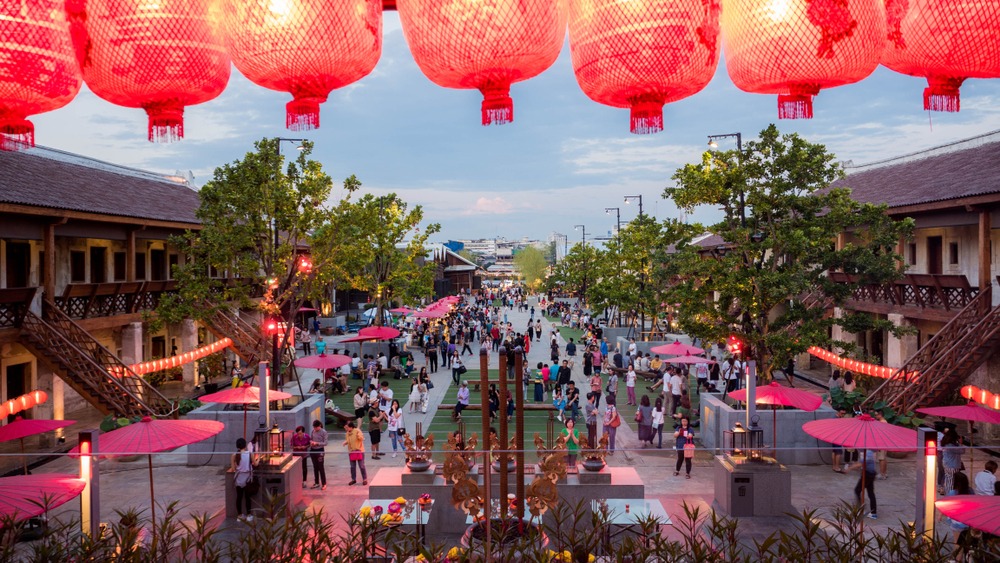
A historic merchant wharf from 1850 on the Chao Phraya River, Lhong 1919 brings together a Sino-Thai mansion, a sanctuary dedicated to Mazu, and artisan shops in the Khlong San district.
Interested in this visit?
We can include it in your personalised itinerary.