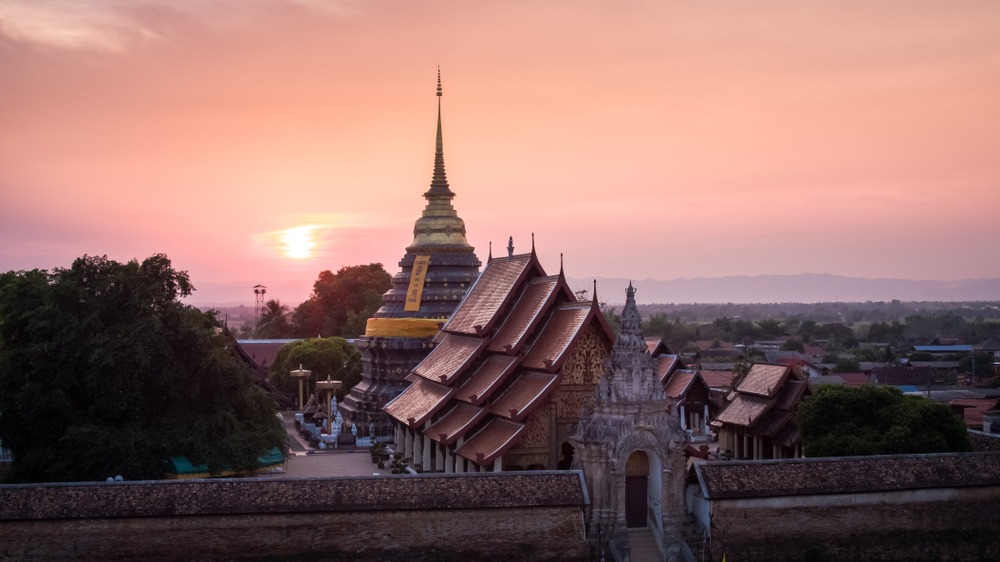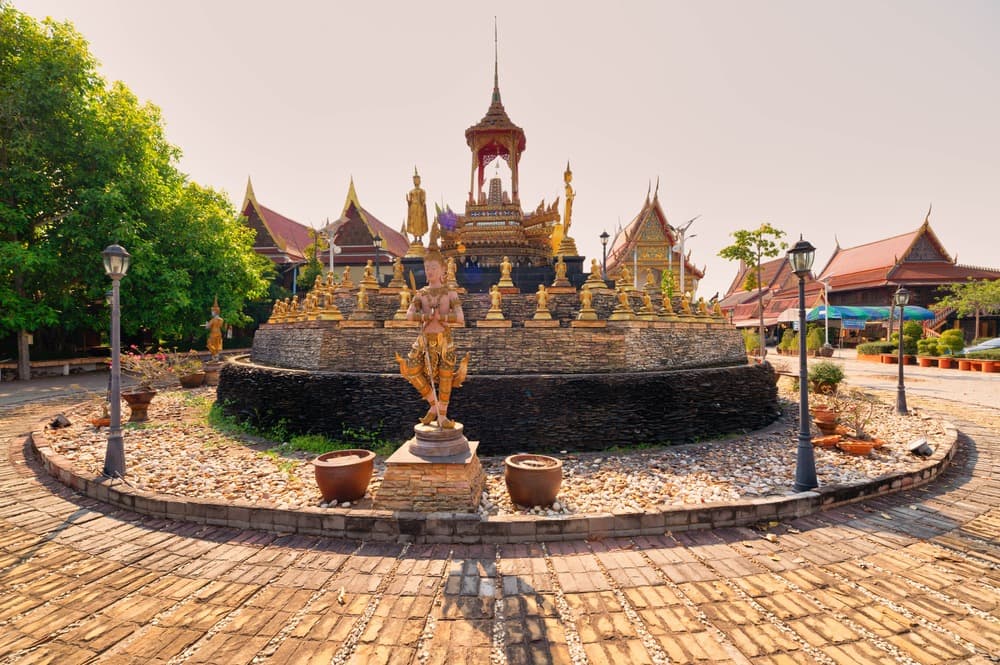
Wat Bang Khae Noi
Wat Bang Khae Noi
43 หมู่ที่ 7 Tambon Khaeo Om, Amphoe Amphawa, Chang Wat Samut Songkhram 75110, Thaïlande
A Buddhist wooden sanctuary founded in 1868 in Amphawa, Wat Bang Khae Noi is visited by ferryboat from the Amphawa pier, on the Mae Klong River.
Wat Bang Khae Noi is located in Kwai Om subdistrict, Amphawa, in Samut Songkhram Province. Nicknamed the "Teak Temple," this Buddhist sanctuary stands out for its interior entirely clad in wood, its mural sculptures narrating the Buddha's past lives, and its location on the banks of the Mae Klong River, accessible by ferryboat from the Amphawa pier.
Why visit Wat Bang Khae Noi
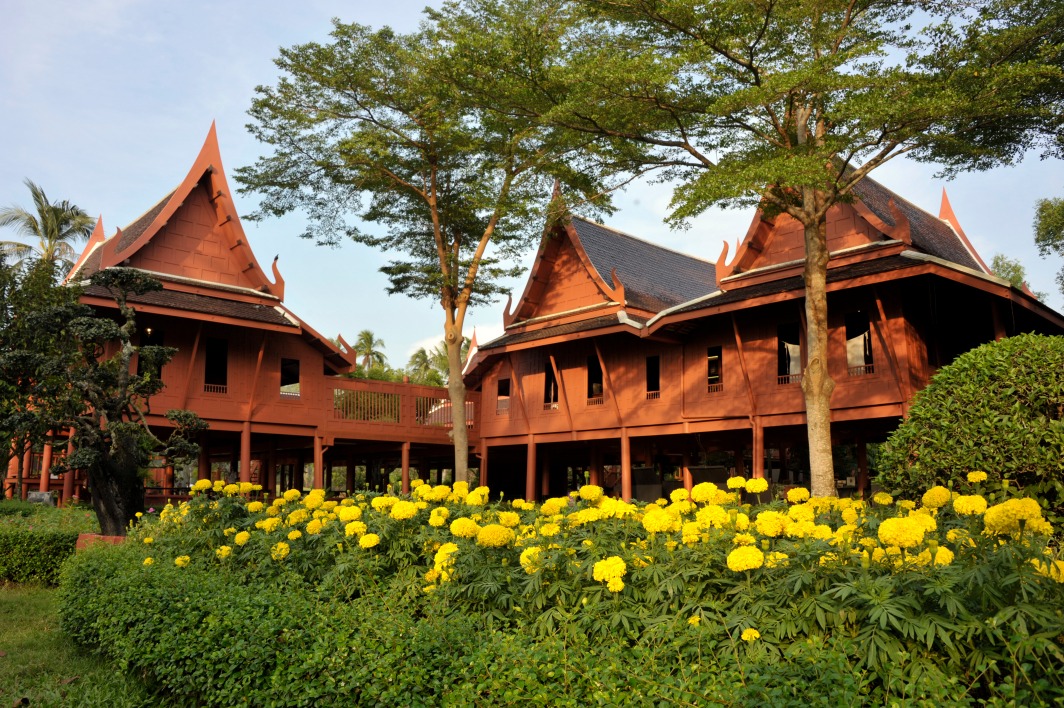
Many Thai temples emphasize gilt and stone. Wat Bang Khae Noi takes the opposite approach: it celebrates wood, from floor to ceiling, right down to the statues. This distinctive design makes it a rare testament to the craftsmanship of artisans from Phetchaburi Province, renowned for their mastery of woodworking.
The site's appeal rests on three elements: the quality of the mural sculptures recounting the Jataka episodes, the main statue carved from Afzelia xylocarpa (a local timber species), and the riverine setting of the visit, which naturally integrates into a boat circuit around Amphawa. Plan for a brief but detail-rich visit.
Temple history
Wat Bang Khae Noi was founded in 1868 by Khun Ying Chui. Originally, the structure did not rest on solid ground: it was built on a bamboo raft, itself tethered to a sacred Bodhi tree. This floating arrangement reflected the aquatic way of life of communities in the Mae Klong delta during the 19th century.
Over the decades, the temple was relocated to dry land. Repairs undertaken after 1945 suffered from substandard materials, leading to new structural damage. Phrakhru Samut Nanthakhun then decided to have a new chapel built. Restoration campaigns continued until 1997, giving the site its current appearance.
What you'll see on site
The main building is entirely wooden. The chapel floor is constructed from Takhian Thong, a dense wood valued for its durability. The walls bear low-relief sculptures illustrating Jataka episodes—the Buddha's past lives before his enlightenment.
Several statues command attention:
The Phra Phuttha Samut Sripichai Wisut-Thimuni, the temple's principal statue;
A 3-meter-tall Buddha statue carved from a single log of Afzelia xylocarpa, a local timber species;
The main Buddha seated at the far end of the hall, with a mural in the background depicting the Buddha's ten final lives (Dasa Jataka);
A wooden Buddha in a pose of victory over the demon Mara, positioned facing the main Buddha;
Stone Buddhas represented as monks holding alms bowls.
The overall atmosphere is more subdued and intimate than the grand, polychrome temples of Bangkok. The contrast with the nearby Wat Bang Kung, famous for its sanctuary enclosed within the roots of a banyan tree, is worth exploring in a single day.
Practical information
Address: 7 Khaeo Om, Amphawa District, Samut Songkhram 75110, Thailand.
Phone: 0 3476 1222.
Allow approximately 1 hour to tour the chapel and observe the sculptures. The temple remains an active place of worship: wear clothing covering shoulders and knees, and remove shoes before entering the sanctuary.
When to visit
Amphawa enjoys a tropical climate with average temperatures around 29°C and annual rainfall of 1,342 mm, concentrated during the rainy season. The most pleasant months to visit Wat Bang Khae Noi fall between November and March, a dry and cooler period. The months from June to September are more humid but remain feasible, though weather should be monitored carefully, especially for the boat crossing.
How to get there
The simplest way is to take a ferryboat from the Amphawa pier. The crossing takes about 30 minutes and often combines with a river circuit visiting several temples in the area.
From Bangkok, allow approximately 1.5 to 2 hours by road to Amphawa depending on traffic, by bus, minivan, or car. Once in Amphawa, head to the pier to board.
What to see nearby
Samut Songkhram region concentrates several sites accessible in a single day:
Wat Bang Kung, a temple nestled within the roots of a fig tree;
The Mae Klong Market, set along an active railway line;
The Damnoen Saduak Floating Market, about an hour's drive away;
The Klong Kone mangrove, ideal for a nature outing at day's end.
Frequently asked questions
Admission to the temple is typically free, as is the case with most Thai Buddhist temples, though a donation is welcome. To confirm access conditions, you can contact the temple at 0 3476 1222.
Allow approximately 45 minutes to 1 hour to walk through the chapel, observe the Jataka sculptures, and view the wooden Buddha statues.
This nickname comes from the extensive use of wood in the sanctuary's construction: flooring, ceilings, carved walls, and several statues. Artisans from Phetchaburi, renowned for their woodworking skills, fashioned the entire ensemble.
First reach Amphawa from Bangkok by bus, minivan, or car (approximately 1.5 to 2 hours depending on traffic), then take a ferryboat from the Amphawa pier for about 30 minutes of travel.
To incorporate Wat Bang Khae Noi into a cultural and river-based itinerary around Amphawa, consult our Thailand travel experiences.
Photos
Nearby
Also discover
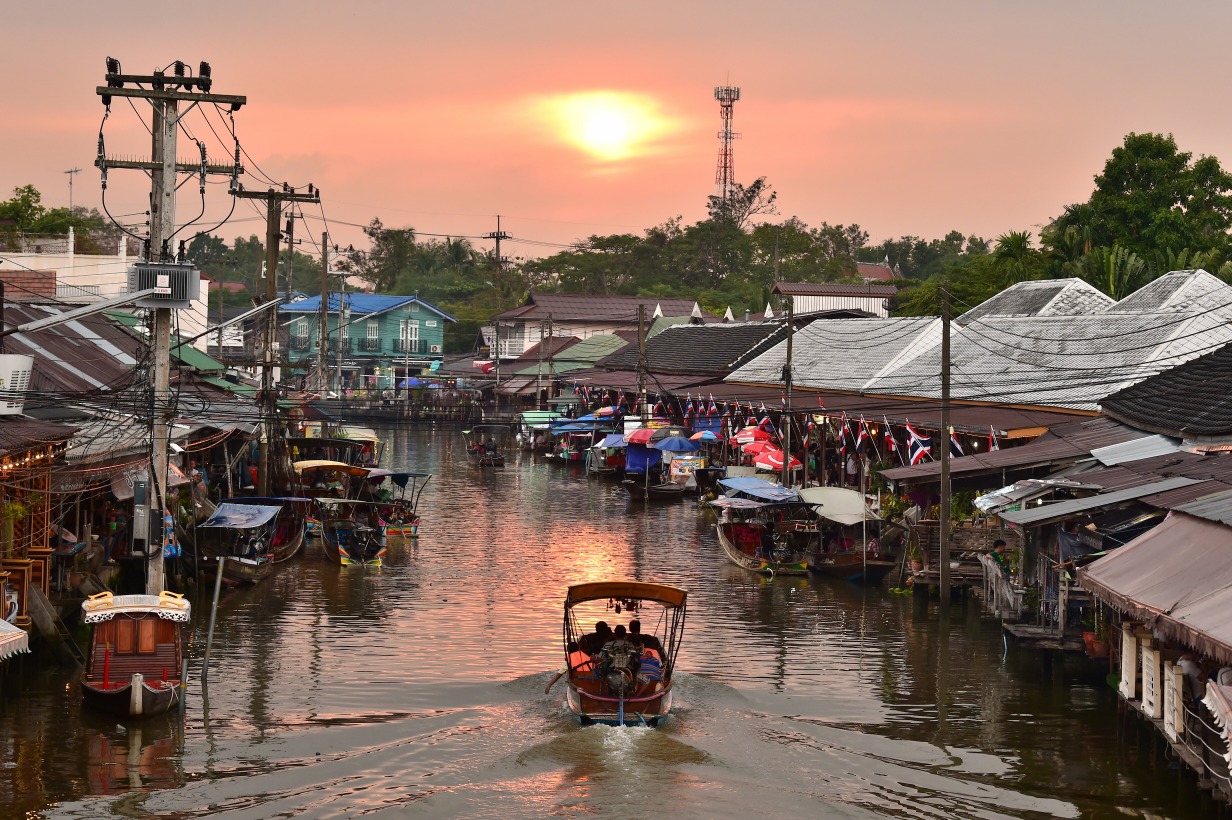
Amphawa and Its Floating Market
Just 70 km from Bangkok, Amphawa captivates with its authentic floating market, boat kitchens and the magic of fireflies at nightfall.
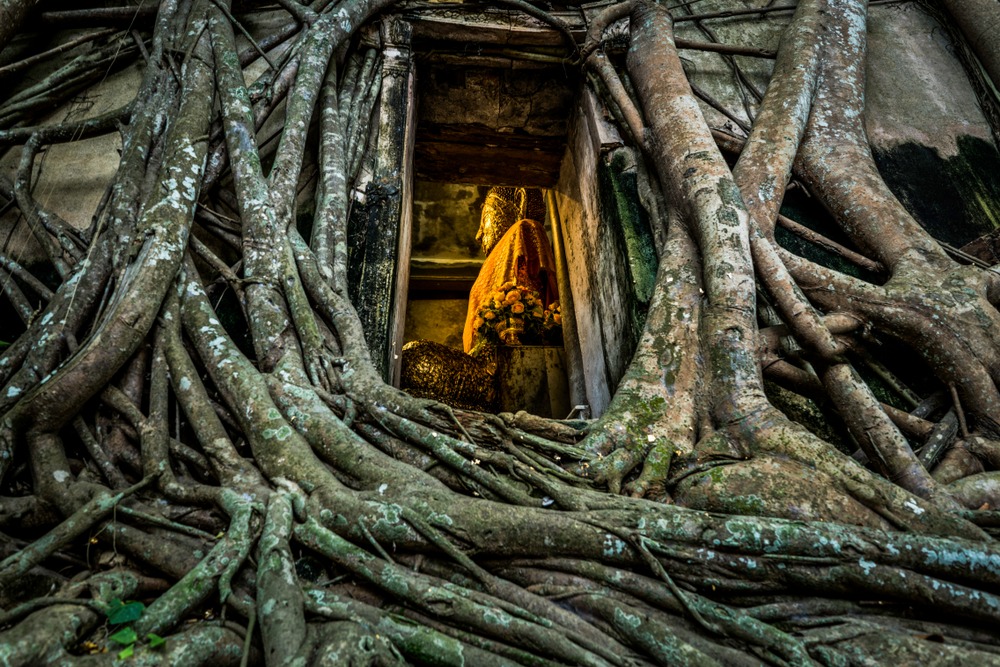
Wat Bang Kung (Kai Bang Kung)
Temple in Samut Songkhram enveloped by a giant banyan tree, Wat Bang Kung preserves the memory of the reconquest led by General Taksin against the Burmese.
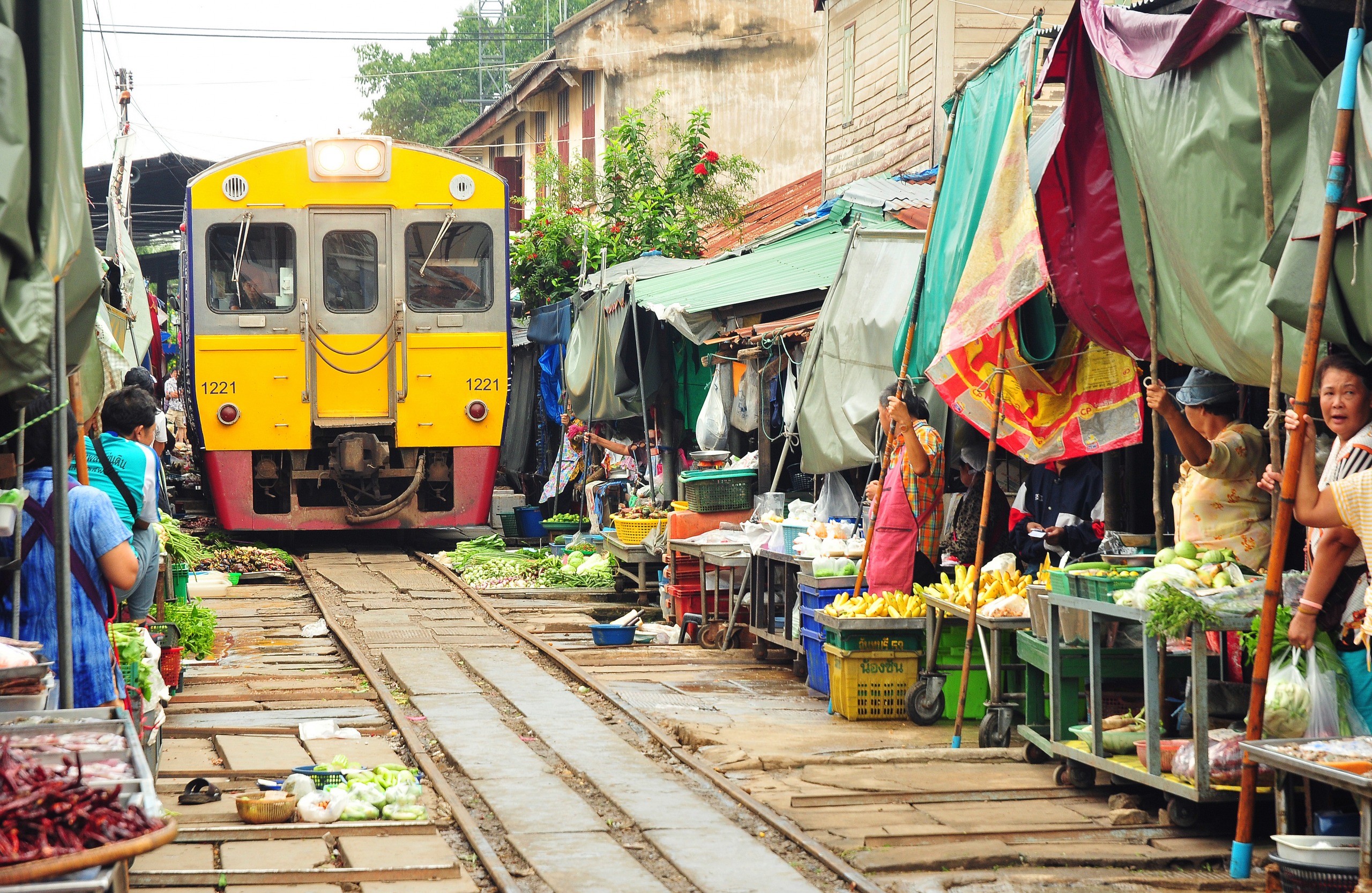
Mae Klong Railway Market
About 80 km from Bangkok, the Mae Klong railway market operates on active train tracks. History, train passage, access and practical tips.
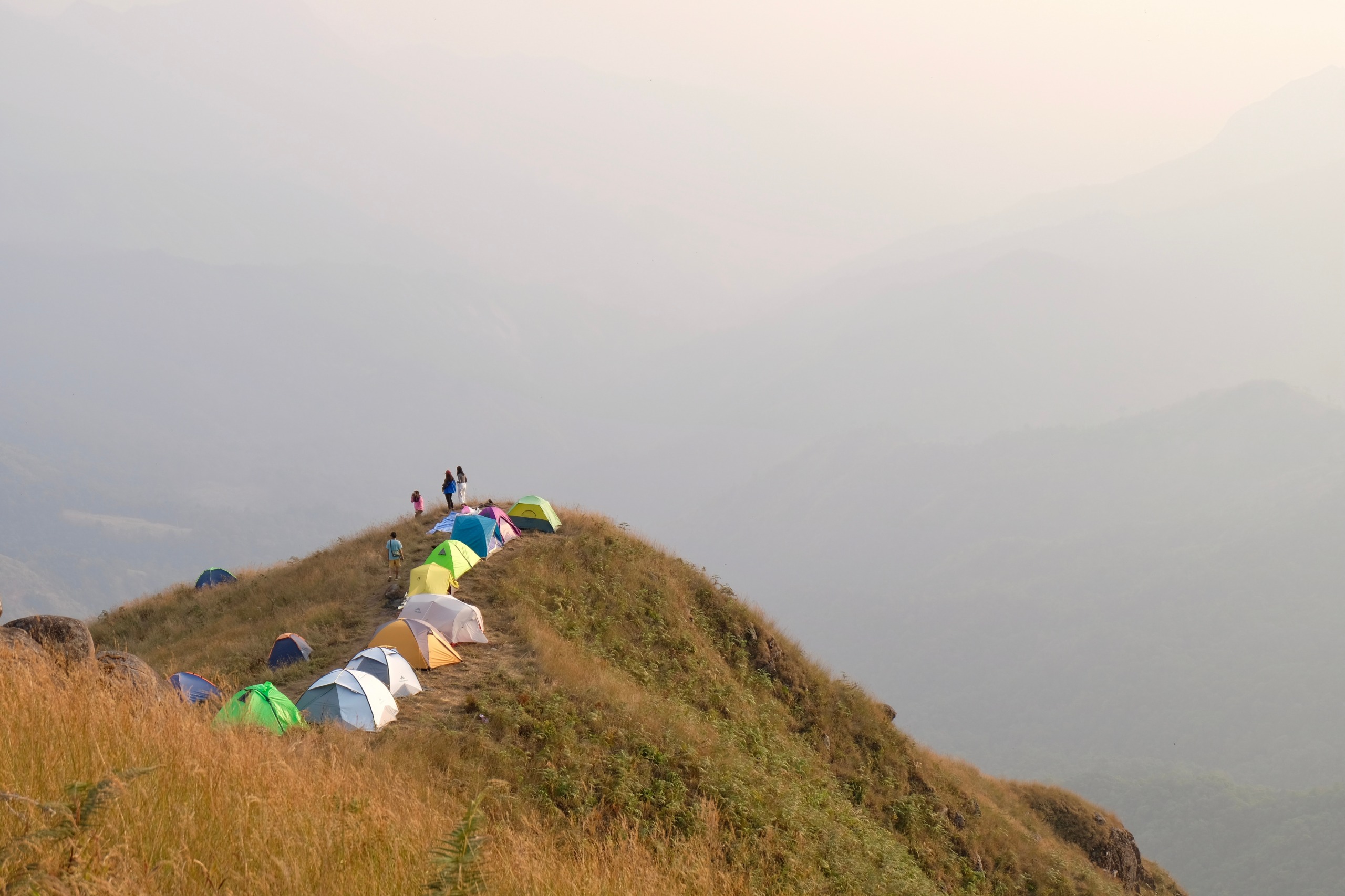
Dawna Range
The Dawna Range stretches 350 km between Thailand and Myanmar. Protected forests, Indochinese tigers, peaks reaching 2,080 m, and Karen villages.
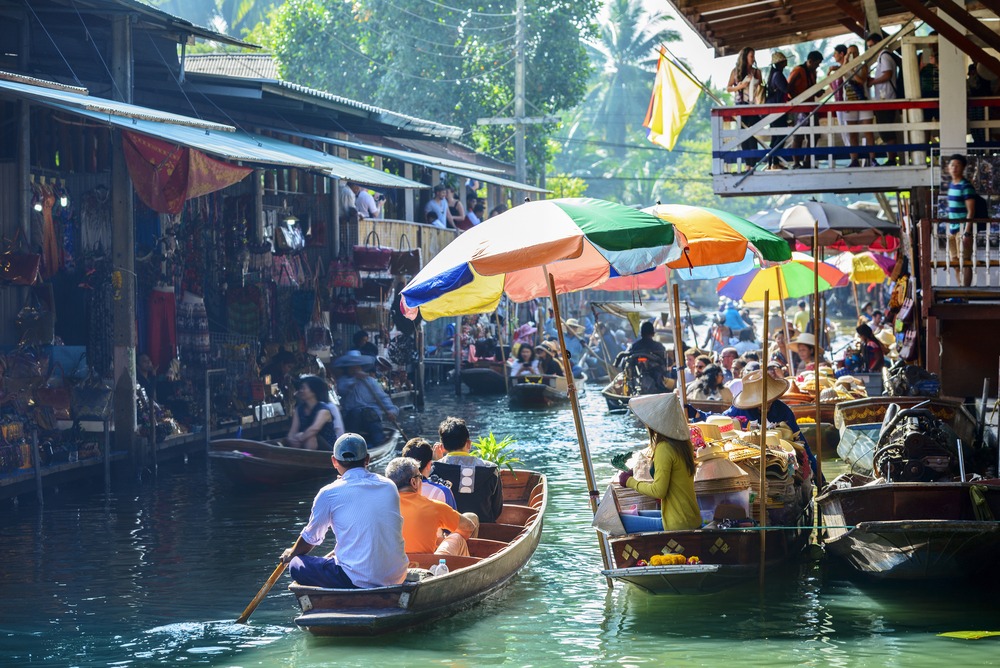
Damnoen Saduak
Located 100 km from Bangkok, Damnoen Saduak is home to Thailand's most famous floating market. Colorful boats, shaded klongs, and riverside street food from dawn onwards.
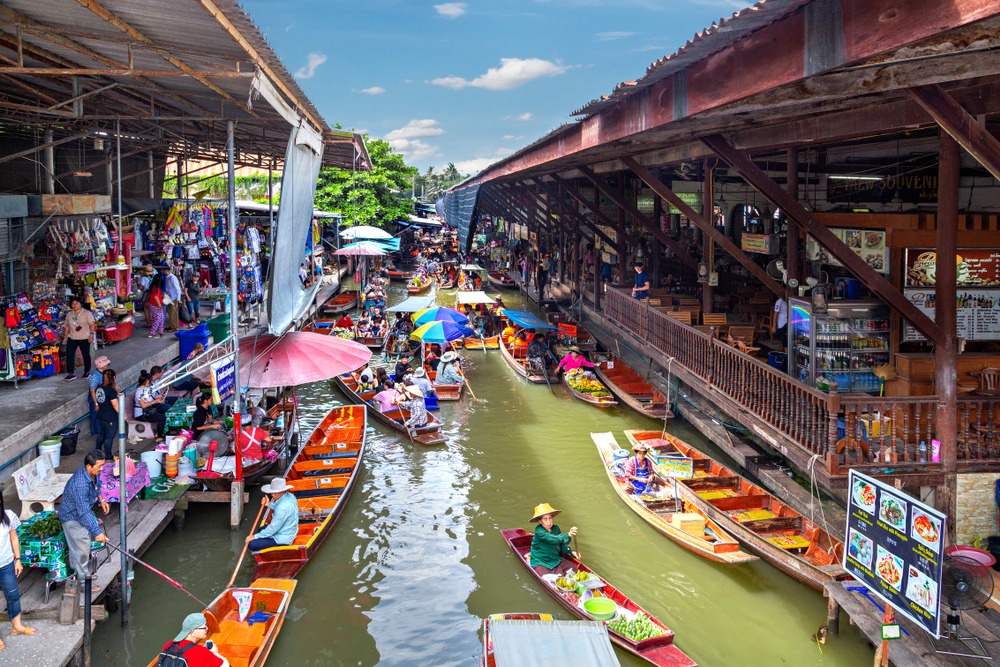
Damnoen Saduak Floating Market
About 100 km southwest of Bangkok, Damnoen Saduak Floating Market brings together long-tail boats, food stalls and crafts on a canal developed in the 19th century.
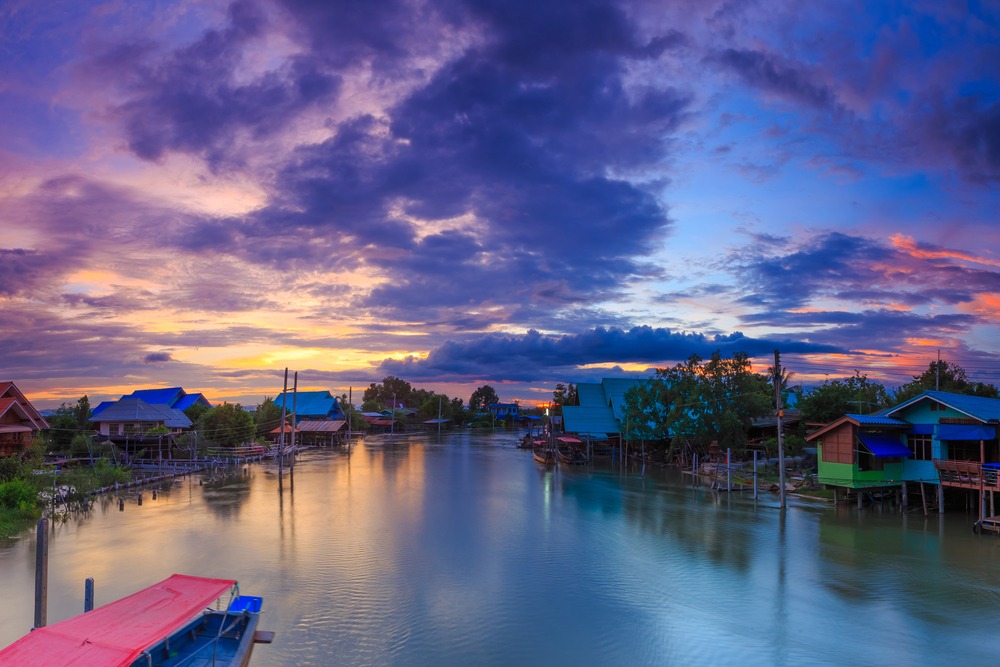
Klong Kone Mangrove
Near Amphawa, Klong Kone Mangrove combines community ecotourism, swimming macaques, oyster farms and evening boat trips to spot fireflies.
Interested in this visit?
We can include it in your personalised itinerary.