Klong Kone Mangrove
Klong Kone Mangrove
Klong Klone Tambon Khlong Khon, Amphoe Mueang Samut Songkhram, Chang Wat Samut Songkhram 75000, Thaïlande
Near Amphawa, Klong Kone Mangrove combines community ecotourism, swimming macaques, oyster farms and evening boat trips to spot fireflies.
About 90 minutes' drive southwest of Bangkok, in Samut Songkram Province, the Klong Kone Mangrove forms a coastal ecosystem where mangrove trees, lagoons, salt marshes and mudflats converge. This community ecotourism site brings together wildlife observation, immersion with fishing families and participation in mangrove reforestation.
Why visit Klong Kone Mangrove
Klong Kone stands apart from the region's major tourist attractions through its participatory approach. A visit here goes beyond a simple boat ride: it opens onto a transitional zone between freshwater and sea, inhabited by swimming macaques, wading birds and crustaceans, and maintained by the villagers themselves as part of a conservation program launched in 1991.
- An intermediate ecosystem between river and the Gulf of Thailand, dominated by mangrove trees
- A colony of macaques with behavior adapted to the marine environment
- Productive activities still visible: oyster farms, mussel cultivation, crab fishing
- A community tourism experience led by residents of Amphawa and Klong Kone
The history of an ecotourism program
The Klong Kone Mangrove long faced significant pressures: logging for timber, conversion to aquaculture ponds, poorly managed tourist activity. As mangroves declined and fish and shrimp nurseries depleted, an ecotourism plan was launched in 1991, accompanied by reforestation operations carried out with local villagers.
Princess Maha Chakri Sirindhorn visited the site several times between 1997 and 2004 to raise awareness among local communities about mangrove conservation. The project underwent adjustments, particularly regarding species selection and planting techniques, before the reforested areas began to regenerate naturally. The mangrove has since played a recognized role in coastal protection and as a relay zone for the reproduction of many marine species.
What to see and do here
The mangrove macaques
The site is home to a significant colony of macaques adapted to the mangrove environment. Beyond fruits and leaves, their diet includes marine arthropods and crabs they hunt in shallow waters: they are in fact good swimmers, which remains rare among these primates. You can observe them moving between branches, mudbanks and shorelines. Physical contact is forbidden; these are wild animals and should be observed at a reasonable distance.
Oyster farms and mussel cultivation
Offshore, oyster farms line their bamboo structures, on which ropes are strung for oysters to attach themselves. Nearby, mussel farms complement this traditional aquaculture economy. The visit lets you understand the stages of cultivation and harvest schedules, explained by the operators themselves.
Participation in village activities
Local associations offer hands-on immersion alongside fishermen: mangrove planting, caring for juveniles in nurseries, crab and crustacean fishing. Plan to walk through mud between the boat and planting areas: shorts and closed-toe sandals are more practical than long pants.
Fireflies and twilight
At sunset, long-tail boats head back to the villages. Several operators offer evening boat rides to observe fireflies blinking in the mangroves along the canal edges: a simple, peaceful activity best enjoyed away from full moon nights.
Practical information
- Visit duration: half a day for the mangrove and macaques; a full day if you add fishing, a meal with locals and evening firefly spotting.
- Rates: indicative and variable depending on the package (simple boat tour, participatory day, evening outing). Proceeds support the community program.
- To bring: sun protection, insect repellent, lightweight quick-dry clothing, closed-toe sandals, water.
- Good to know: do not feed the macaques and keep bags and sunglasses within reach.
When to visit
The dry season, from November to February, offers the most stable conditions for navigation and wildlife observation. From March to May, temperatures rise sharply. The rainy season (June to October) makes access to some nurseries trickier, but is still possible for shorter visits; firefly outings are less reliable in stormy weather. Prefer early morning or late afternoon departures for better light and animal activity.
How to get there
The town of Amphawa is the most convenient starting point for reaching Klong Kone, located about 20 kilometers to the south. From Bangkok, allow approximately 90 minutes' drive outside peak hours. The simplest solution is to rent a vehicle with driver, who can coordinate the visit with a local cooperative. Once there, travel is by long-tail boat.
What to combine nearby
The Samut Songkram region concentrates several complementary sites over a day or weekend:
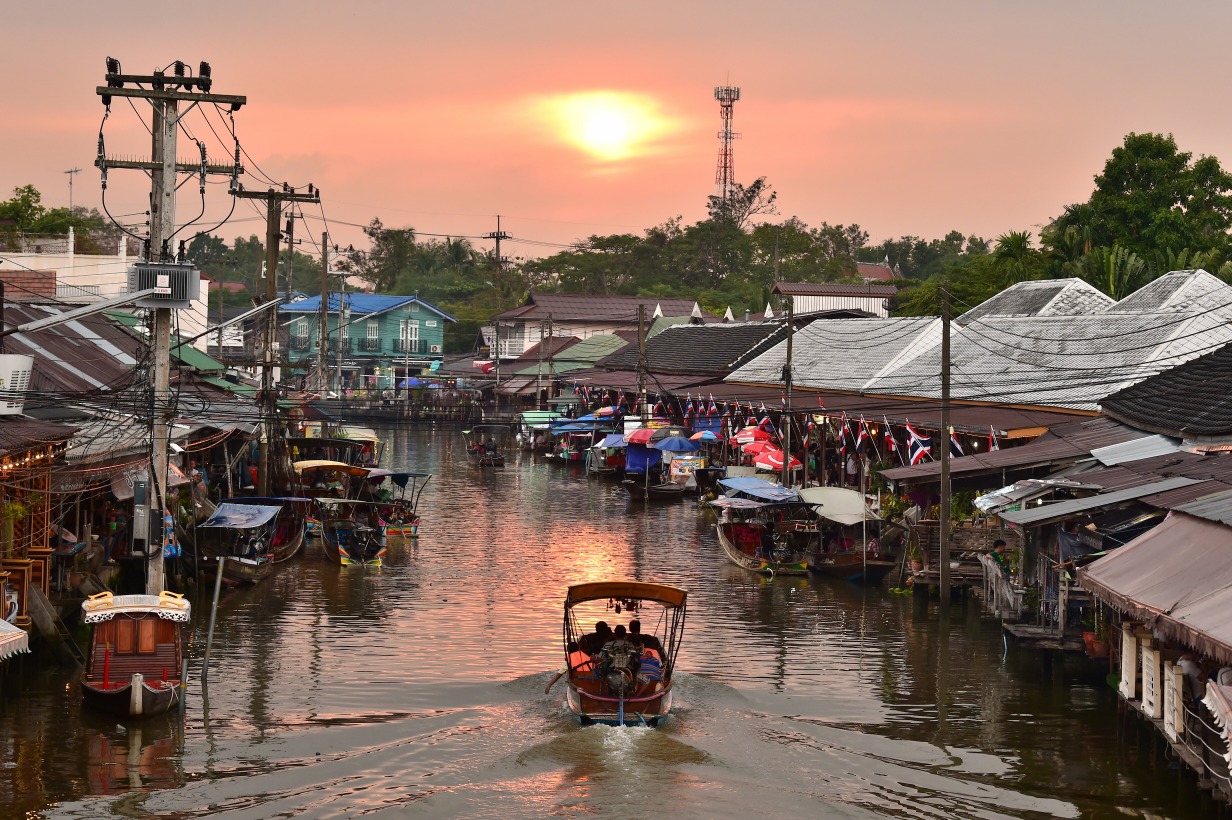
- Amphawa and its floating market, an ideal base and showcase for local cuisine in the evening
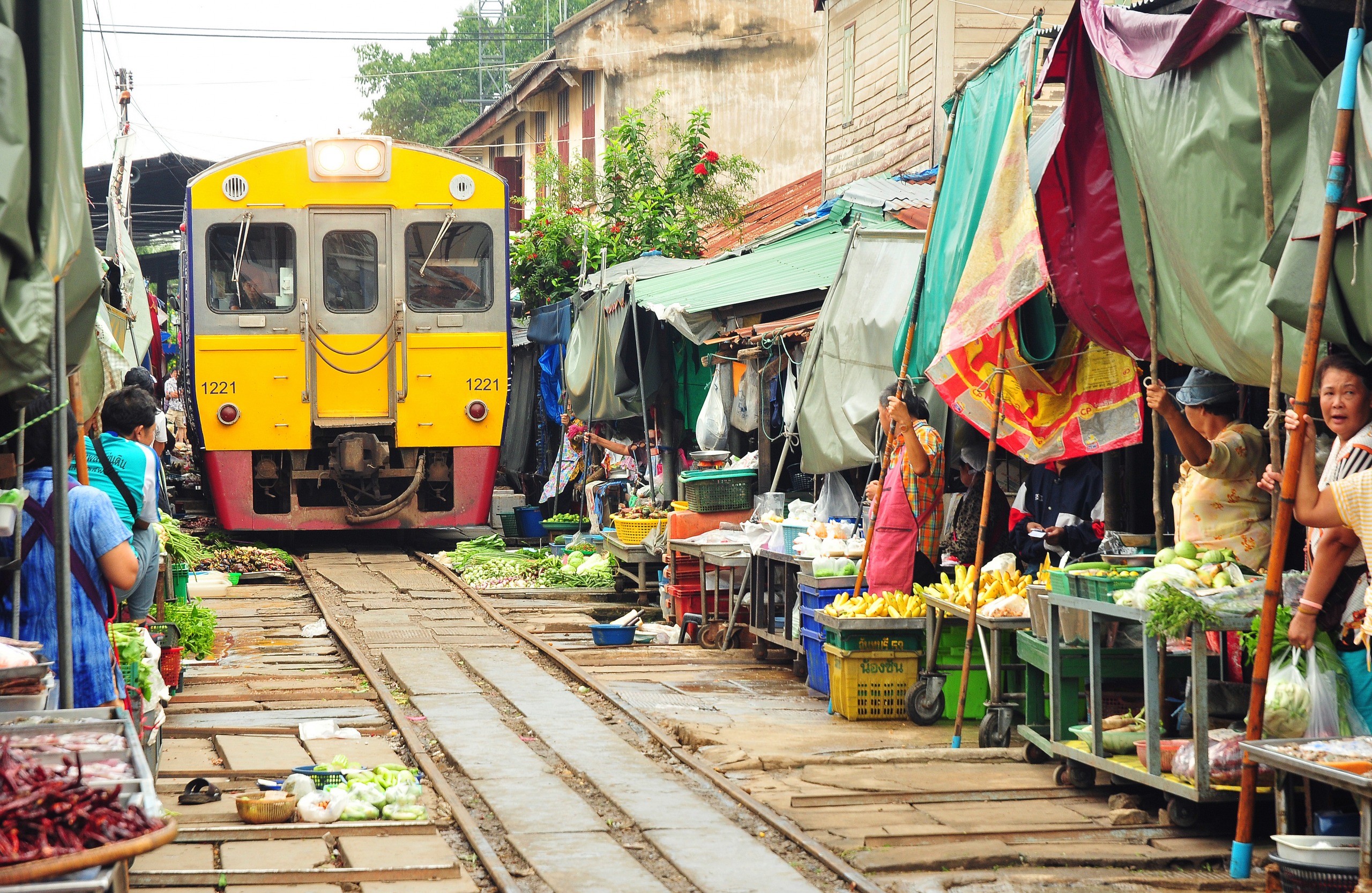
- The Mae Klong railway market, where stalls retract as trains pass
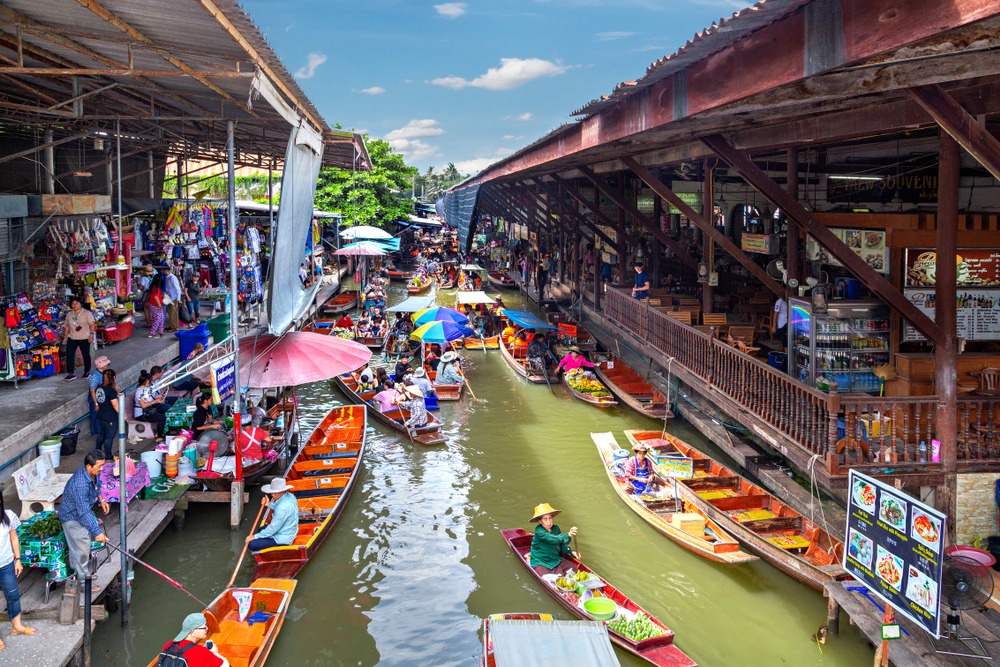
- The Damnoen Saduak floating market, more touristy but photogenic early in the morning
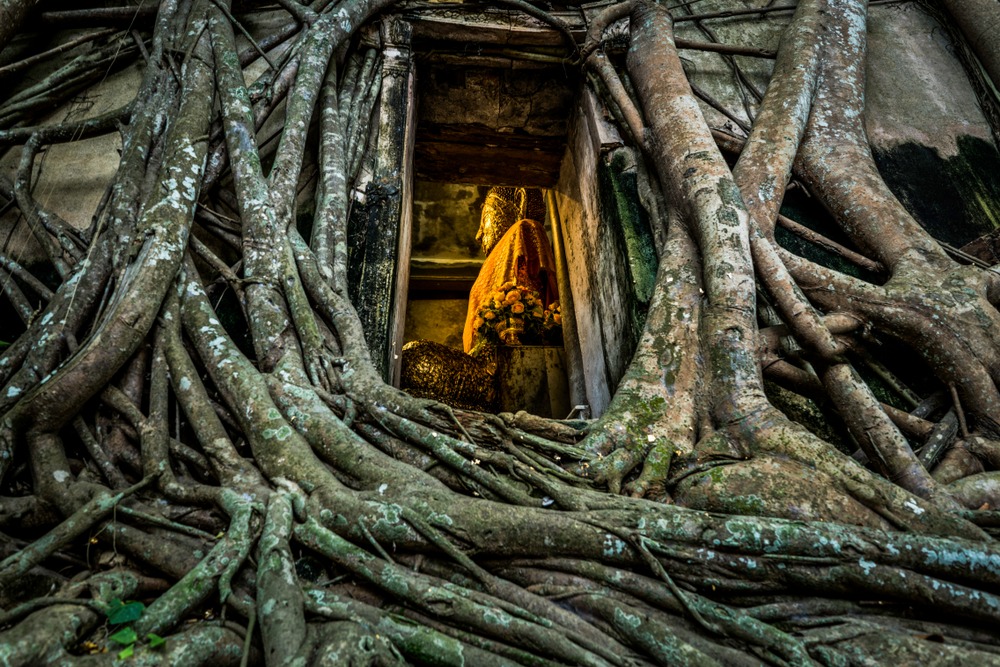
- Wat Bang Kung, a temple nestled within the roots of a banyan tree
Frequently asked questions
Rates depend on the package chosen: simple boat tour, participatory day with a meal at fishermen's homes, or evening outing for fireflies. Budget a moderate amount per person, usually partially returned to the community program.
The dry season, from November to February, is most comfortable for boating and wildlife observation. The rainy season is still feasible for shorter visits, but evening outings are less reliable.
The macaques live wild and are accustomed to human presence, but physical contact is forbidden. Do not feed them and keep your belongings (bags, sunglasses, phones) close to you.
Allow approximately 90 minutes' drive outside peak hours. The most practical approach is to go through Amphawa with a private vehicle and driver, or include the visit in an organized tour.
Lightweight quick-dry clothing, closed-toe sandals (mud walking is frequent), a hat, sun protection and insect repellent, especially for twilight outings.
Include Klong Kone in your trip
Klong Kone Mangrove works well as a one-day stop from Amphawa, before or after a Bangkok stay. To build an itinerary combining coasts, floating markets and nature, consult our Thailand travel ideas.
Photos
Nearby
Also discover
Mae Klong Railway Market
About 80 km from Bangkok, the Mae Klong railway market operates on active train tracks. History, train passage, access and practical tips.
Amphawa and Its Floating Market
Just 70 km from Bangkok, Amphawa captivates with its authentic floating market, boat kitchens and the magic of fireflies at nightfall.
Wat Bang Kung (Kai Bang Kung)
Temple in Samut Songkhram enveloped by a giant banyan tree, Wat Bang Kung preserves the memory of the reconquest led by General Taksin against the Burmese.
Dawna Range
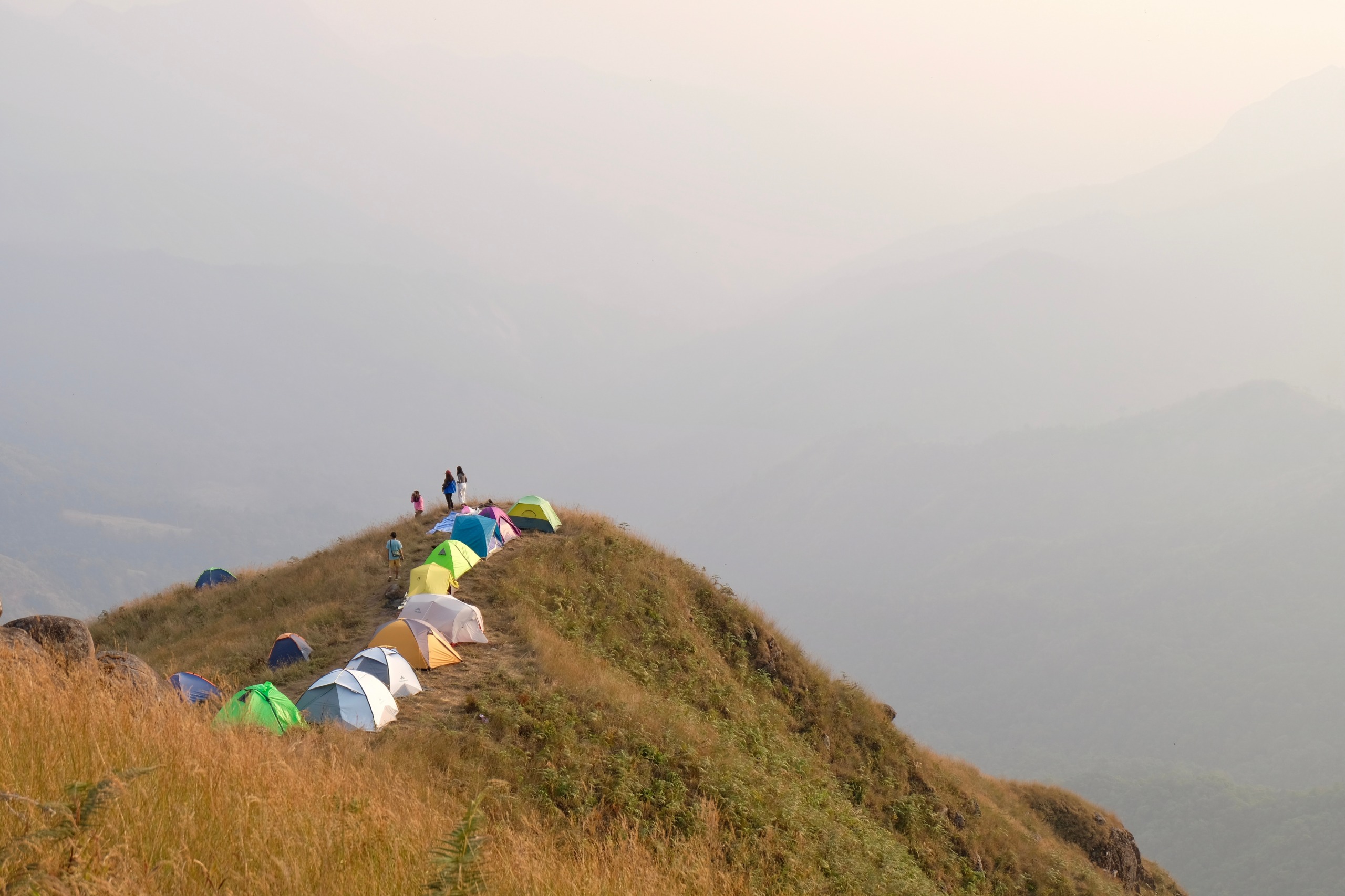
The Dawna Range stretches 350 km between Thailand and Myanmar. Protected forests, Indochinese tigers, peaks reaching 2,080 m, and Karen villages.
Damnoen Saduak
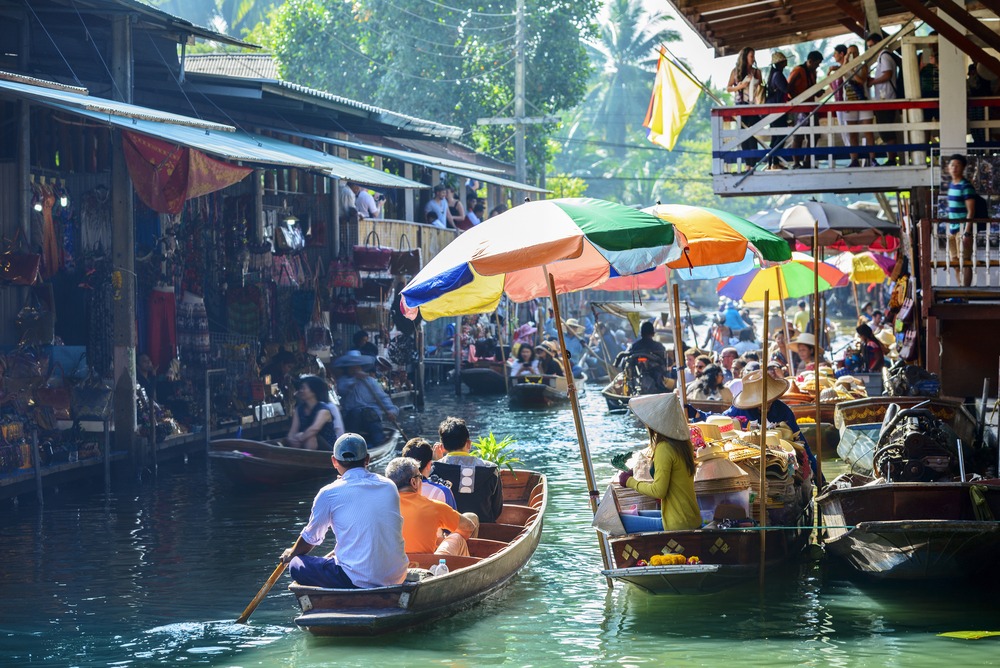
Located 100 km from Bangkok, Damnoen Saduak is home to Thailand's most famous floating market. Colorful boats, shaded klongs, and riverside street food from dawn onwards.
Interested in this visit?
We can include it in your personalised itinerary.