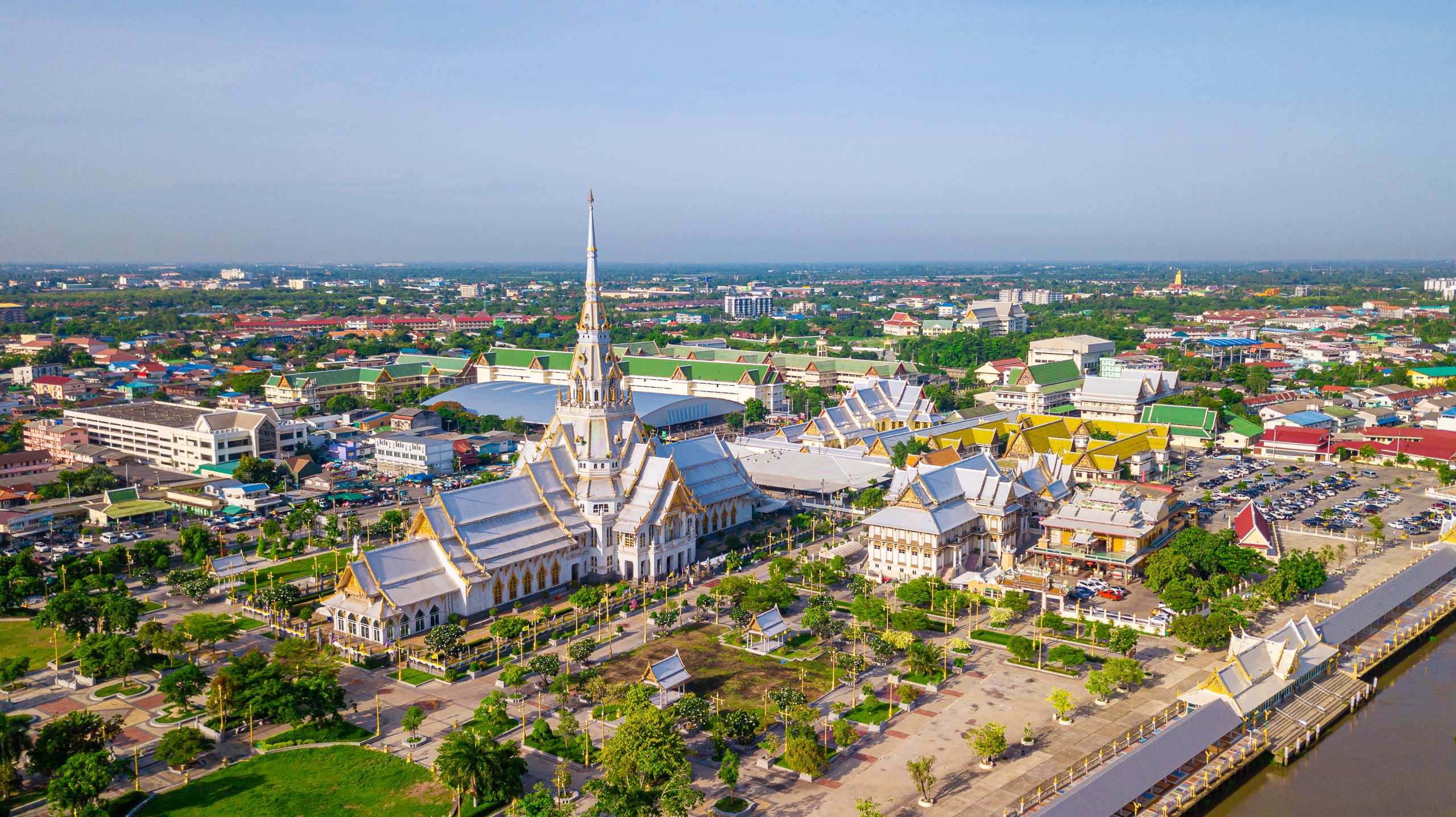
King Rama II Memorial Park
King Rama II Memorial Park
Amphawa, Amphoe Amphawa, Province de Samut Songkhram 75110, Thaïlande
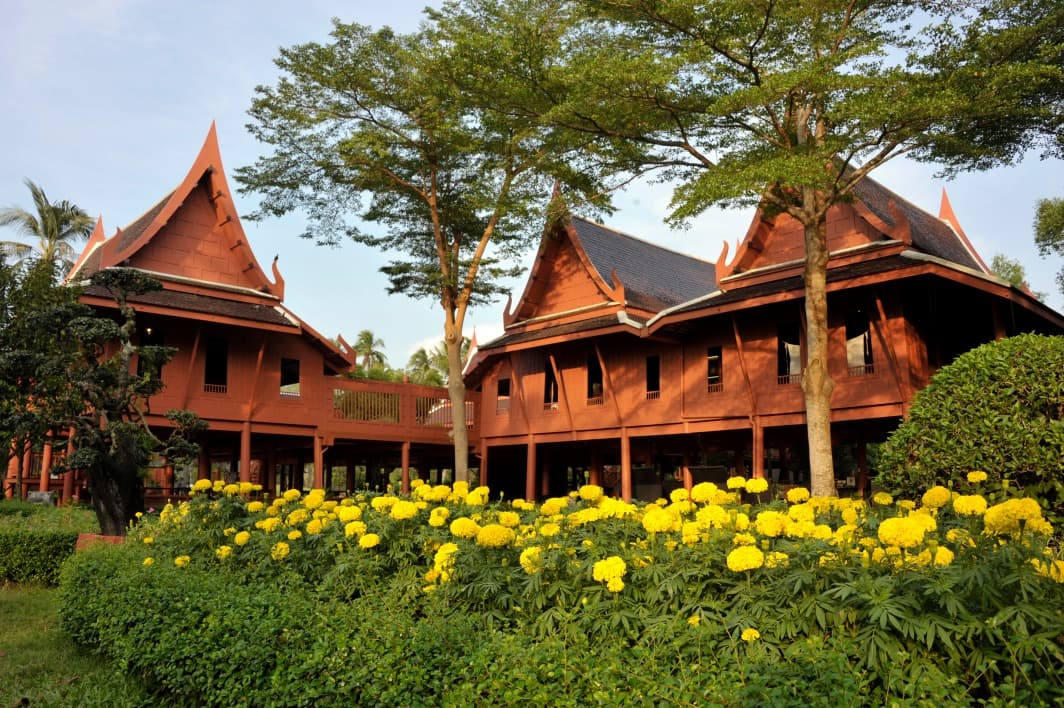
In Amphawa, King Rama II Memorial Park occupies the birthplace of the second Chakri sovereign and brings together a museum, traditional Thai dwelling, and botanical garden.
The King Rama II Memorial Park is located in Amphawa, approximately 90 km southwest of Bangkok. This garden-museum occupies the birthplace of the second sovereign of the Chakri dynasty and presents, through four traditional buildings and a botanical garden, a panorama of Thai culture from the early Rattanakosin era.
Why visit the memorial park
The site combines three points of interest rarely found together in a single visit close to Bangkok: a royal history museum, a recreation of traditional Thai housing, and a botanical garden dedicated to plants mentioned in classical literature. The visit appeals equally to travelers interested in the Chakri dynasty and those wishing to observe the organization of a 19th-century Thai household. The park fits logically into a day that includes the Amphawa floating market, located just a few kilometers away.
History of the royal park
The park honors Rama II, the second sovereign of the Chakri dynasty, who succeeded Rama I upon his death. His reign, marked by relative stability, saw Rattanakosin literature reach its peak, the king himself being a poet and composer. In 1968, UNESCO recognized Rama II on its list of celebrated personalities for his contribution to Thai cultural heritage.
The site chosen for the memorial is not arbitrary: it marks the place where the sovereign was born in February 1767. The project, supported by patrons and defenders of Thai arts, resulted in the creation of an ensemble that combines museum conservation, architectural recreation, and documentary garden.
What to see on site
The memorial combines a documented green space and a museum organized in four distinct buildings, each dedicated to an aspect of traditional Thai life.
The main hall Ho Klang
Central building of the museum, the Ho Klang houses artifacts from the Rattanakosin era: personal effects of King Rama II, period artillery pieces, royal furnishings and sculptures evoking the sovereign's actions. The centerpiece is a life-size statue of Rama II.
The Ho Non Chai hall
This space presents the lifestyle of a Thai man from the period: everyday objects, instruments, bedroom furniture and personal accessories recreating a traditional male interior.
The Ho Non Ying hall
The female counterpart to the previous hall, Ho Non Ying displays the objects and dress codes of Thai women from the early 19th century, featuring textiles, adornments and household utensils.
The Chan Ruean building
The Chan Ruean recreates the utilitarian spaces of the Thai home: kitchen and typical bathroom facilities, with their utensils, water jars and wooden fittings characteristic of traditional housing.
The botanical garden
The public park houses a botanical garden cataloging tropical trees and shrubs mentioned in classical Thai literature, including works composed by Rama II himself. The species are identified, giving the garden an educational purpose directly linked to the works presented in the museum.
Practical information
Duration of visit: allow 1 hour 30 minutes to 2 hours 30 minutes to tour the four buildings and garden
Hours: open during daytime hours, generally from morning to late afternoon (verify on site, possible closure on certain public holidays)
Admission: paid entry at moderate rate, possible surcharge for foreign nationals
On site: an outdoor market offers fruit and local products; parking available
What to bring: clothing covering shoulders and knees out of respect for the memorial character of the site
How to get there
The park is located in the heart of Amphawa, approximately 87 km southwest of Bangkok, in Samut Songkhram province. Access by car or private taxi from Bangkok generally takes between 1 hour 30 minutes and 2 hours depending on traffic.
By public transport, a local bus serves the site from the Amphoe market, in Samut Songkhram district. This line also connects to Mae Klong, Bang Nokkhwaek and Ratchaburi, and stops opposite the park.
What to combine in the surroundings
The memorial integrates easily into a wider excursion around Amphawa and Samut Songkhram:
The Amphawa floating market, the main focal point of the city, especially in late afternoon and on weekends
The Mae Klong railway market, where stalls retract as the train passes
The city of Ratchaburi, accessible by the same local bus line
To extend the cultural dimension, the Chao Sam Phraya National Museum in Ayutthaya complements understanding of Thai dynastic history
Frequently asked questions
Frequently asked questions
The park is located in Amphawa, in Samut Songkhram province, approximately 87 km southwest of Bangkok.
Because it marks the exact place where King Rama II was born, in February 1767. The park was created to honor his memory and cultural contribution.
Allow approximately 1 hour 30 minutes to 2 hours 30 minutes to visit the four museum buildings and explore the botanical garden.
The museum is organized into four buildings: the Ho Klang hall (royal artifacts and statue of Rama II), the Ho Non Chai and Ho Non Ying halls (traditional male and female life) and the Chan Ruean (kitchen and utility spaces of a Thai home).
Yes, both sites are in the same city and can easily be visited on the same day, the memorial in the morning and the floating market in late afternoon.
Prepare your trip to Thailand
King Rama II Memorial Park is a useful cultural stop for deepening your understanding of the Chakri dynasty during an excursion from Bangkok. To integrate this visit into a bespoke itinerary, explore our Thailand trips.
Photos
Nearby
Also discover
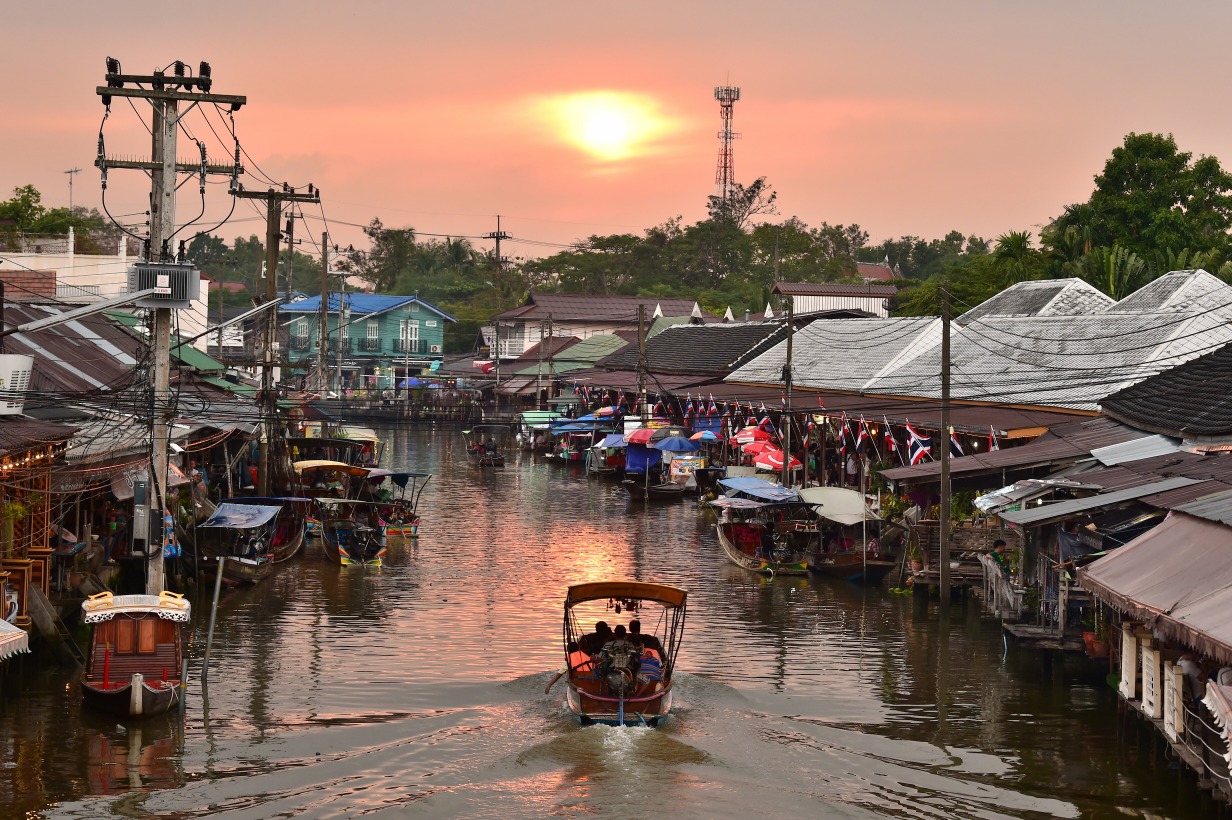
Amphawa and Its Floating Market
Just 70 km from Bangkok, Amphawa captivates with its authentic floating market, boat kitchens and the magic of fireflies at nightfall.
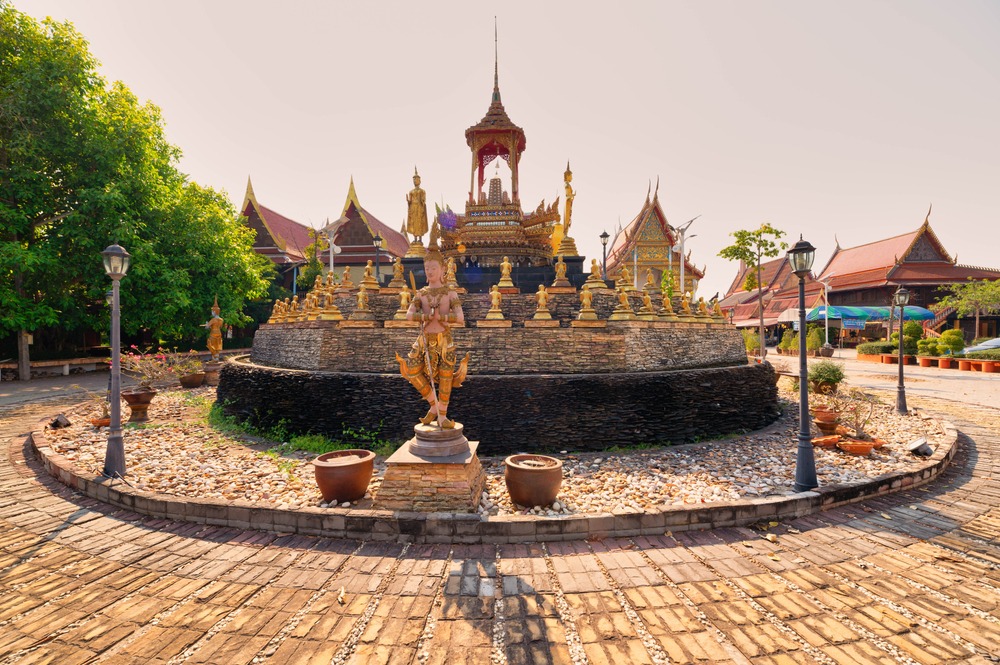
Wat Bang Khae Noi
A Buddhist wooden sanctuary founded in 1868 in Amphawa, Wat Bang Khae Noi is visited by ferryboat from the Amphawa pier, on the Mae Klong River.
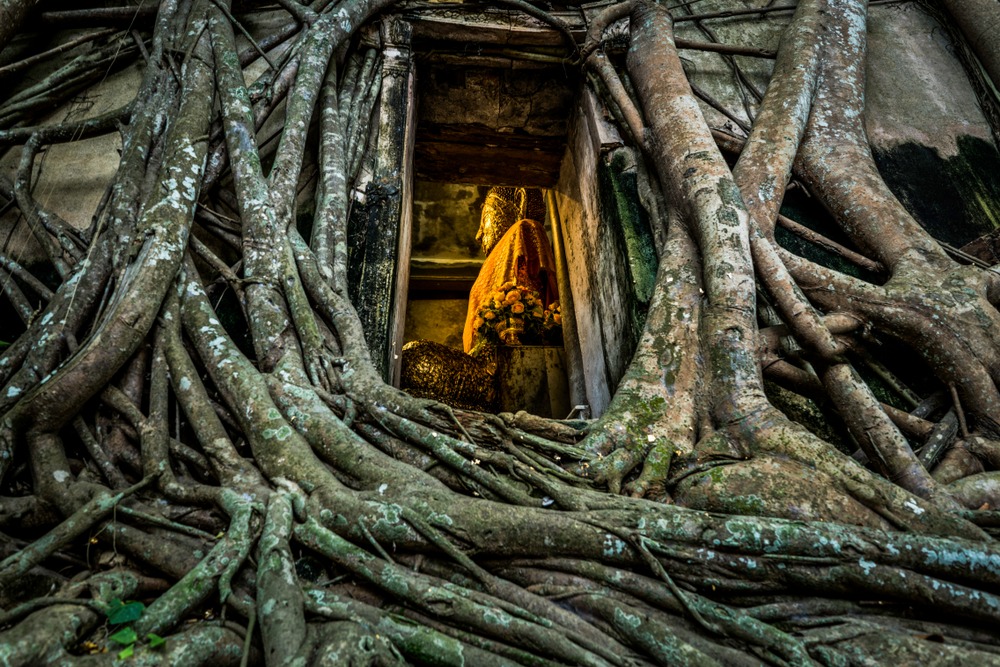
Wat Bang Kung (Kai Bang Kung)
Temple in Samut Songkhram enveloped by a giant banyan tree, Wat Bang Kung preserves the memory of the reconquest led by General Taksin against the Burmese.
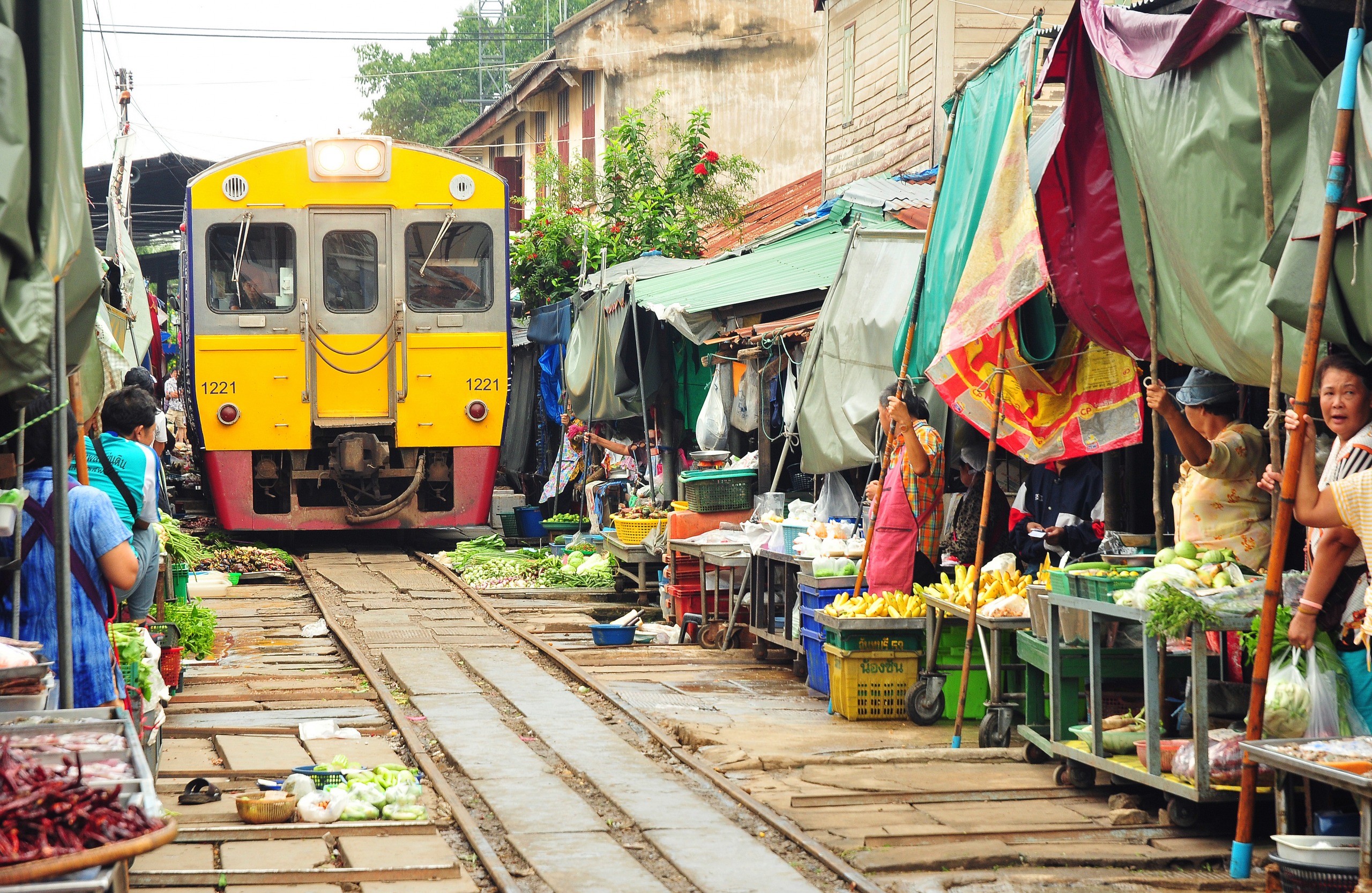
Mae Klong Railway Market
About 80 km from Bangkok, the Mae Klong railway market operates on active train tracks. History, train passage, access and practical tips.
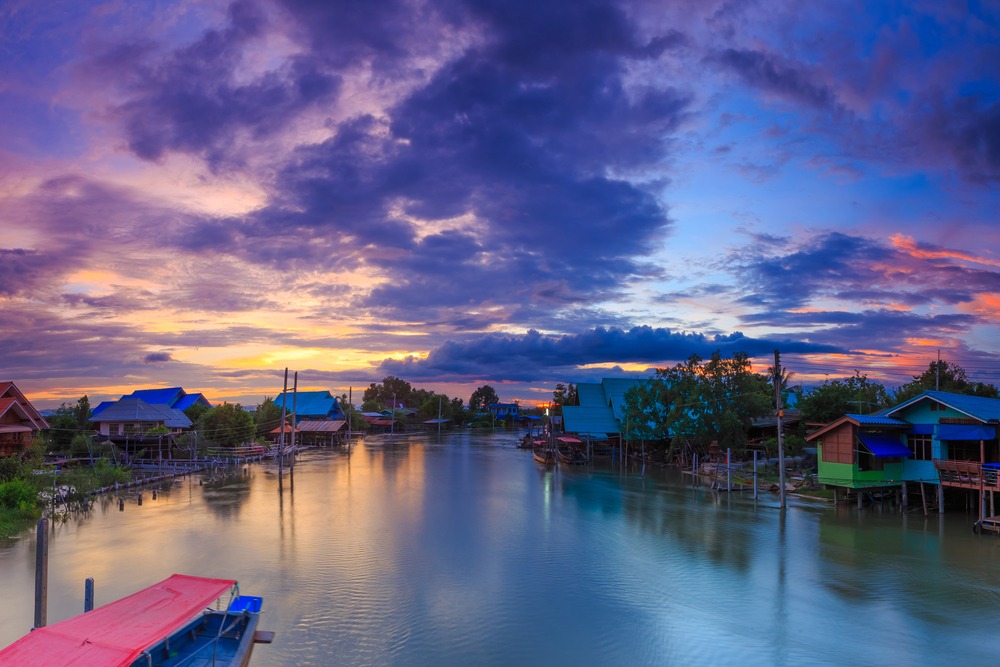
Klong Kone Mangrove
Near Amphawa, Klong Kone Mangrove combines community ecotourism, swimming macaques, oyster farms and evening boat trips to spot fireflies.
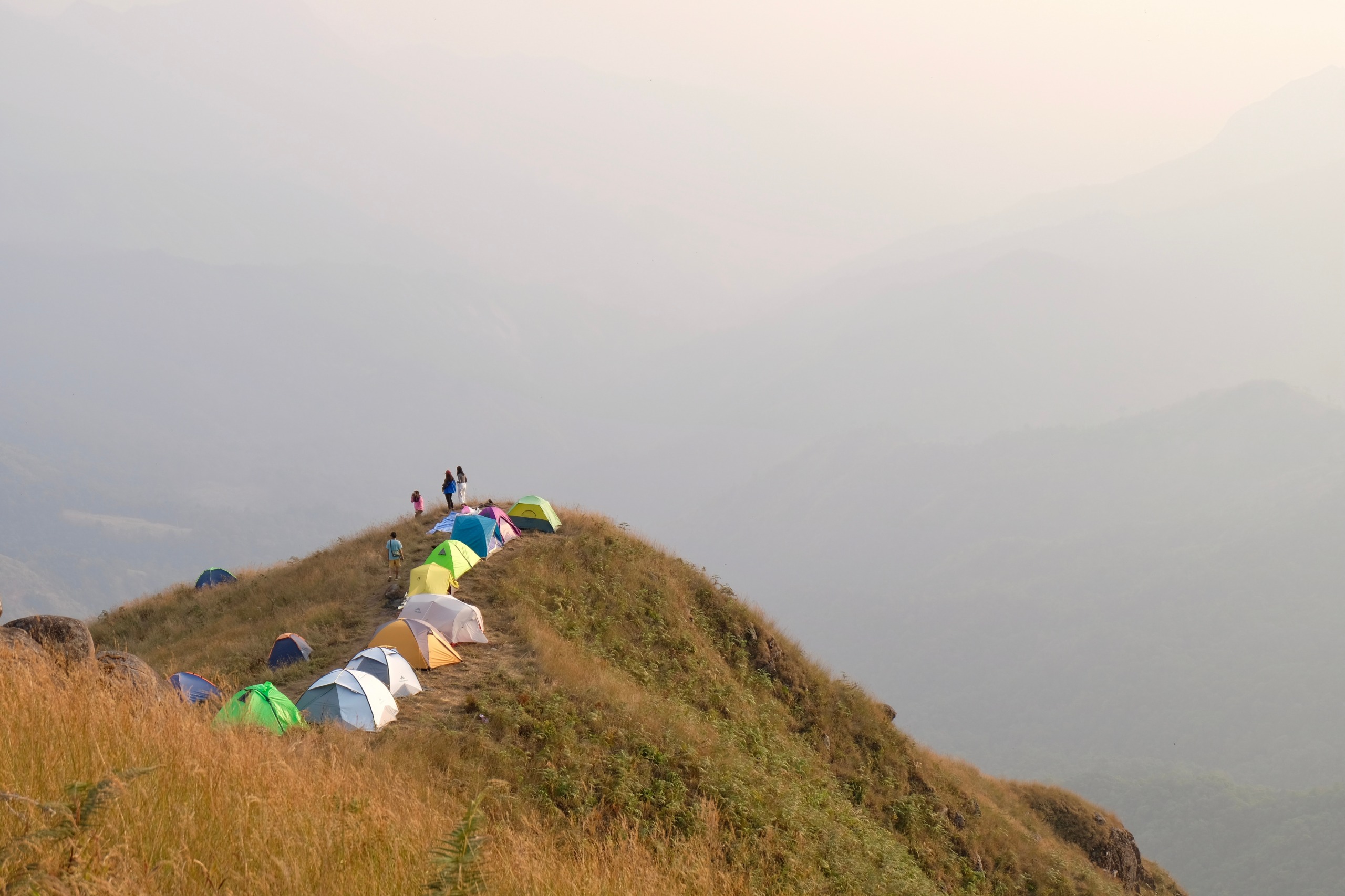
Dawna Range
The Dawna Range stretches 350 km between Thailand and Myanmar. Protected forests, Indochinese tigers, peaks reaching 2,080 m, and Karen villages.
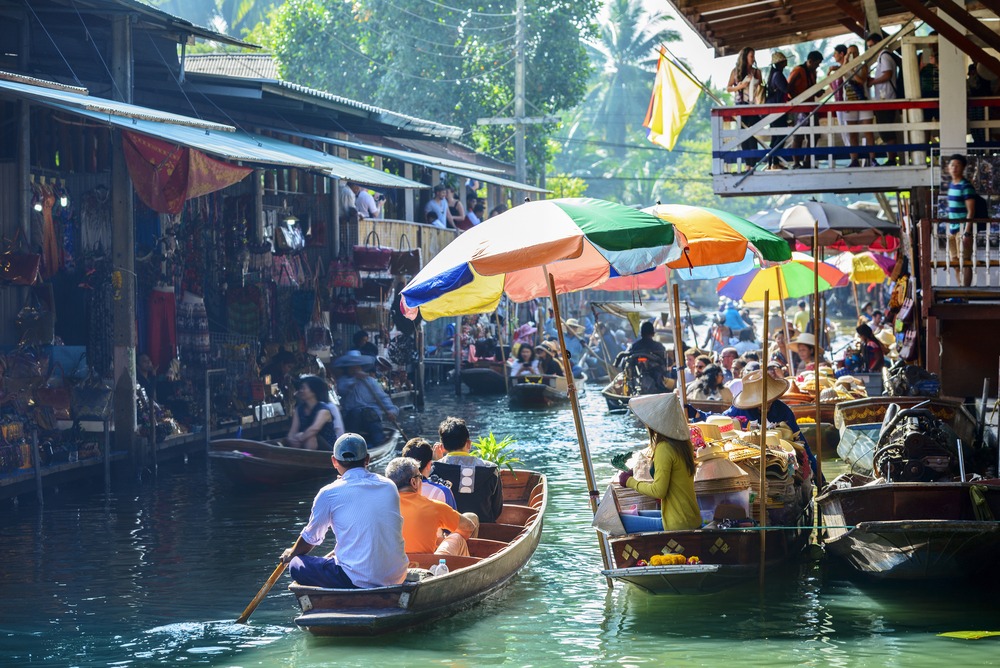
Damnoen Saduak
Located 100 km from Bangkok, Damnoen Saduak is home to Thailand's most famous floating market. Colorful boats, shaded klongs, and riverside street food from dawn onwards.
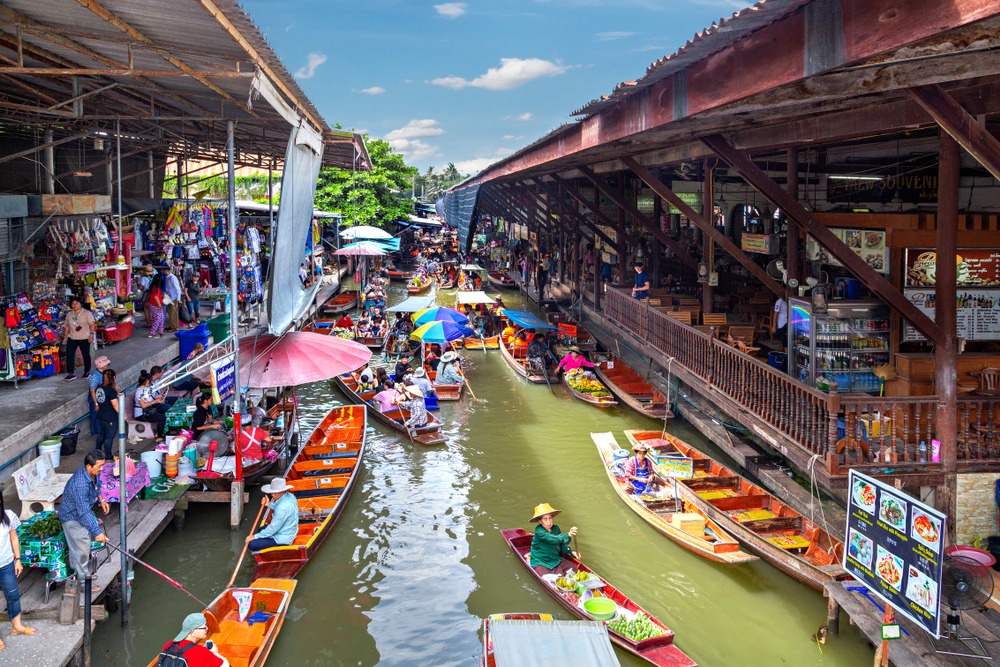
Damnoen Saduak Floating Market
About 100 km southwest of Bangkok, Damnoen Saduak Floating Market brings together long-tail boats, food stalls and crafts on a canal developed in the 19th century.
Interested in this visit?
We can include it in your personalised itinerary.