Bangkok
Bangkok
Bangkok, Thailand's vibrant capital, sometimes described as chaotic, is often overlooked by travelers who prefer the northern treks or southern beaches. Yet bypassing Bangkok during your Thailand trip means missing out on incredible Thai cultural diversity.
Bangkok, Thailand's vibrant capital, sometimes described as chaotic, is often overlooked by travelers who prefer the northern treks or southern beaches. Yet bypassing Bangkok during your Thailand trip means missing out on incredible Thai cultural diversity. Crossed by the river Chao Praya, Bangkok pulses to the rhythm of water taxis gliding across the river, tuk-tuks weaving through traffic, bustling markets, and skilled hands braiding fresh flowers along the roadsides.
An almost obligatory starting point for any Thailand trip, Bangkok will immerse you in the frenzied Thai pace where practically anything seems possible.
The history of Thailand's capital
Bangkok, the "City of Angels," became the capital of Siam in 1782, when the general Chao Phraya Chakri ascended the throne. He changed his name upon becoming sovereign and was called Rama I. He built the new city in the image of Ayutthaya, which had been destroyed by the Burmese in 1767.
In the nineteenth century, Bangkok became the center of the Siamese Kingdom's modernization movement, as the country faced pressure from European colonial powers.
Numerous buildings emerged, including the Grand Palace and Wat Pho temple. Later, when King Rama II (1809–1824) and Rama III (1824–1851) came to power, other structures were built, including Wat Arun, Wat Bowon Niwet, and Wat Yan Nawa. Furthermore, when Rama IV (1851–1868) came to power, Bangkok received new streets and a new moat was dug to reinforce the first canal constructed earlier.
Today
Crossed by the Chao Phraya river, Bangkok offers a perfect blend of tradition and modernity. On one side of the riverbank, you'll find numerous religious sanctuaries reflecting the city's past, while on the other side, contemporary buildings, shopping malls, and markets testify to the city's constant dynamism.
Where is Bangkok located?
Enjoy a wonderful vacation in this Thai capital, situated in the Chao Phraya river delta, approximately 40 km from the Gulf of Thailand.
What to do in Bangkok?
Visit the city's temples
Bangkok's temples are among the must-see attractions in the city. Among the most visited and famous are Wat Pho, Wat Phra Kaeo, Wat Saket, Wat Traimit, Wat Arun, and Wat Benchama Bophit.
Wat Pho
As for
Wat Arun
Be captivated by a spectacular view of
Wat Phra Kaeo
Bangkok's Royal Palace is also a must-see! It houses the
Embark on a river journey on the Chao Phraya
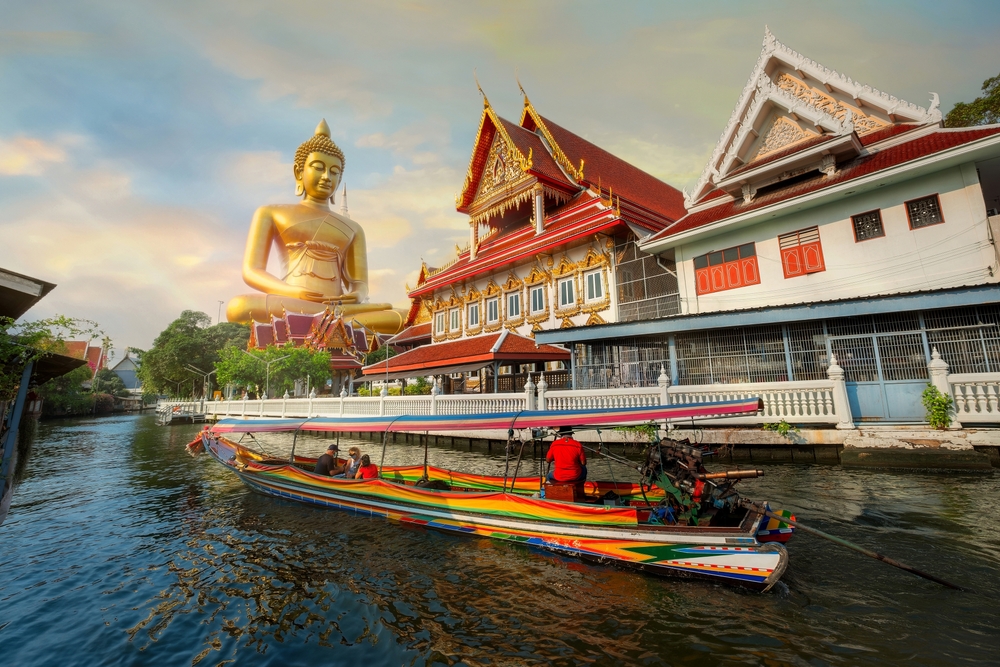
Among the preferred activities for tourists during their visit to Bangkok, the boat ride on the Chao Phraya is a must-do. Water taxis on the river are widely used by Bangkok residents. You can certainly take a small boat taxi ride, boarding at one stop and disembarking at your chosen destination.
Sailing on the river or through the canals allows you to discover the city differently and immerse yourself in the daily life of Bangkok's inhabitants.
Visit Chatuchak Market
This commercial hub is located in the north of the city and is an ideal place to buy a few souvenirs during your Thailand stay. The best time to visit
The products sold here are highly diverse—you'll find home décor, handcrafted items, antiques, clothing, and more. Don't hesitate to negotiate prices. Generally, to strike a good deal, maintain a friendly attitude and always keep smiling. If you can't reach an agreement with the seller, pretend to stop haggling and slowly head toward the exit to make them think you've lost interest. In most cases, the seller will call you back to accept your proposed price; if not, at least you've tried.
Discover Lumphini Park
This place will surely appeal to families, as it has several play areas and numerous pathways. This public park also houses an artificial lake that you can explore via a small boat or pedalo ride. It's also inhabited by reptiles, particularly monitors and geckos. You can cycle here, but only between 5 a.m. and 3 p.m. As an interesting tidbit, this park was created in 1920 by King Rama VI and covers approximately 57 hectares. Its name refers to the birthplace of Buddha in Nepal.
Visit the Jim Thompson House
It's located in the heart of a park in the city's modern district and has been converted into a museum. This building was constructed in 1950 by Jim Thompson, an American businessman and adventurer. He worked in the Thai silk trade and intended to revive this declining industry. In this house, you can see collections of Bencharong furniture and ceramics.
Stroll down Khao San Road
If you'd like to meet other travelers, head to Khao San Road. This part of the city is where you'll find budget-friendly accommodations. The street is lined with restaurants, bars, and shops specializing in travel gear.
The bustling street can sometimes deter travelers seeking calm and authenticity.
Nevertheless, the parallel streets are quite pleasant and less crowded. You'll discover good budget restaurants and affordable accommodations.
Weather in Bangkok
Bangkok is subject to a tropical climate divided into two seasons: the dry season and the rainy season. The dry period typically extends from November to April, while the rainy period generally begins in May and ends in October.
When is the best time to visit Bangkok?
January to March represents the ideal period to explore Bangkok. During these months, the sun shines generously, offering up to nine hours of sunlight per day, with summer temperatures rising to around 34°C. During this season, rainfall is rare or nonexistent.
How to get there?
By air
Access to Suvarnabhumi International Airport
Located 25 km east of Bangkok, Suvarnabhumi International Airport is easily accessible by taxi or public transport, particularly via the Airport Rail Link train line. It takes 30 to 45 minutes to reach the city center. A taxi ride from the airport costs approximately 300 B.
Access to Don Muang Airport
It's situated about 20 km north of the city center. Buses serving Bangkok are relatively slow. Taxi is the best option. The journey to the city center costs approximately 200 B.
By bus
To reach Bangkok by bus, you can use the city's main bus terminals. For trips to the northeast, go to the Northern and Northeastern Terminal (Mor Chit) by taking a taxi from the center or using the metro stations (bMo Chit or mKamphaeng Phet) followed by a taxi.
For trips to the north, also use the Northern and Northeastern Terminal (Mor Chit).
For destinations in the east, go to the Eastern Terminal (Ekamai), accessible by taxi from the center or by taking exit 2 from Ekkamai metro station.
For trips to the south, use the Southern Terminal (Sai Tai Mai), also accessible by taxi from the center.
By train
Hualamphong Station is Bangkok's main railway terminal, offering a direct connection to the metro network (MRT) at Hua Lamphong station.
How to get around Bangkok's streets?
In Bangkok, you'll have a choice of several transportation methods:
By tuk-tuk
This vehicle is perhaps the most iconic of Bangkok. It's a three-wheeled motorcycle equipped with a rear bench and a rigid roof. It can accommodate up to 3 people and is especially practical if you're in a hurry. Thanks to its small size, the tuk-tuk can weave between cars, helping you avoid endless traffic jams. As for the fare, it's affordable and negotiable.
By metered taxi
If you prefer comfort, opt for a metered taxi. These are easily recognizable by their bright colors. Most Bangkok taxis have air conditioning. To avoid any disputes with the driver at the end of your journey, ask them to turn on the meter as soon as you settle into the back seat. You should know that some drivers deliberately fail to activate it, and once you arrive at your destination, they double the fare.
By boat
This means of transport is used on the Chao Phraya River and is another way to appreciate Bangkok's charm. If you'd like more privacy during your river trip, you have the option to rent a private boat.
By metro
The MRT or Mass Rapid Transit (underground metro)
This line has 18 stations equipped with automated ticket windows, open daily from 6 a.m. to midnight.
The BTS or Bangkok Mass Transit System
This is Bangkok's elevated metro, which has 2 lines: the Sukhumvit and Silom lines, which opened in 1999. These lines serve most of Bangkok's major routes and have more than twenty stations equipped with automated ticket machines.
Attractions in Bangkok
See all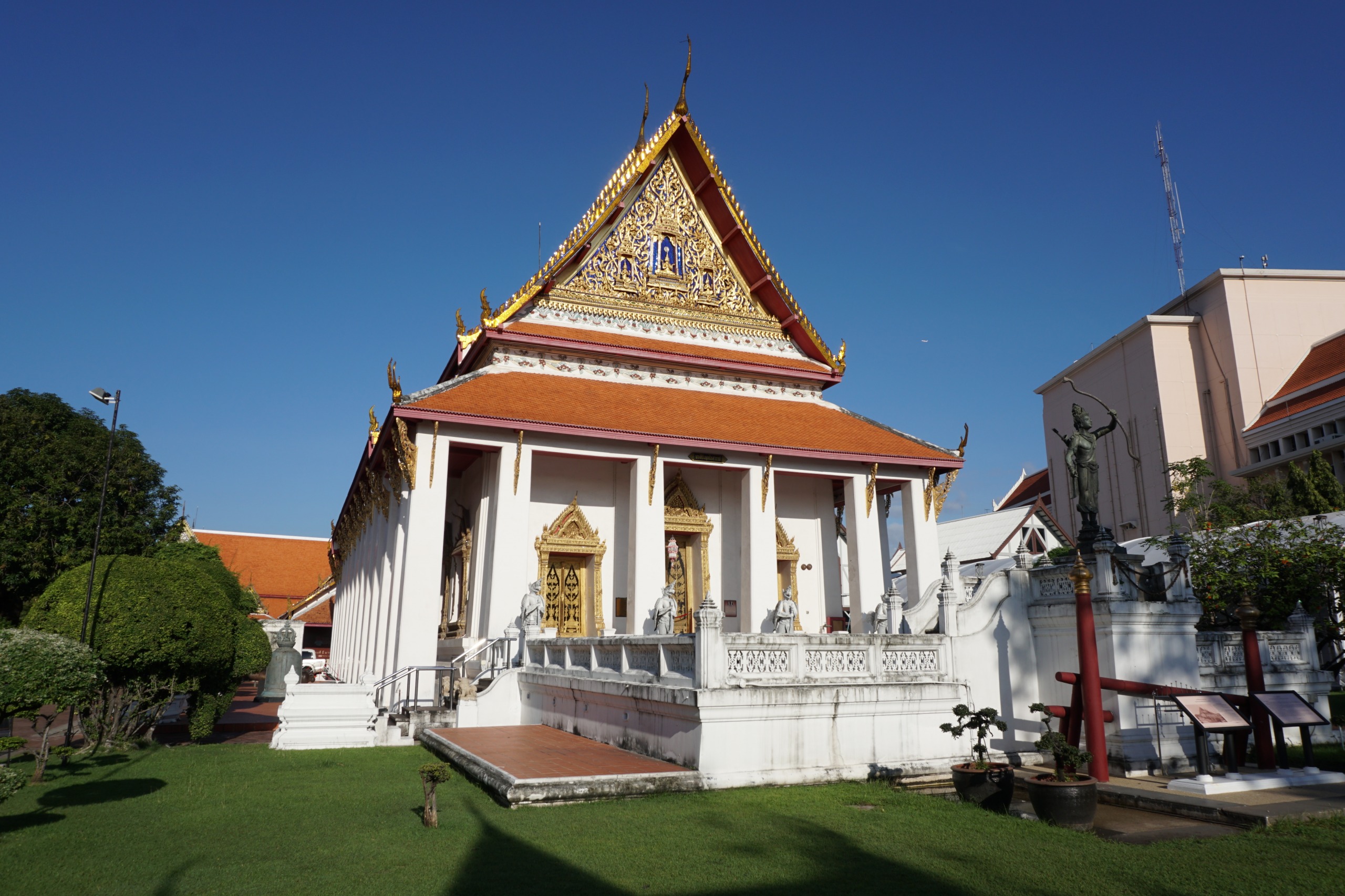
Musée national de Bangkok
Plus vaste collection d'art thaï du pays, installée dans l'ancien palais de Wang Na, à deux pas du Grand Palais : histoire, salles principales et conseils pratiques.
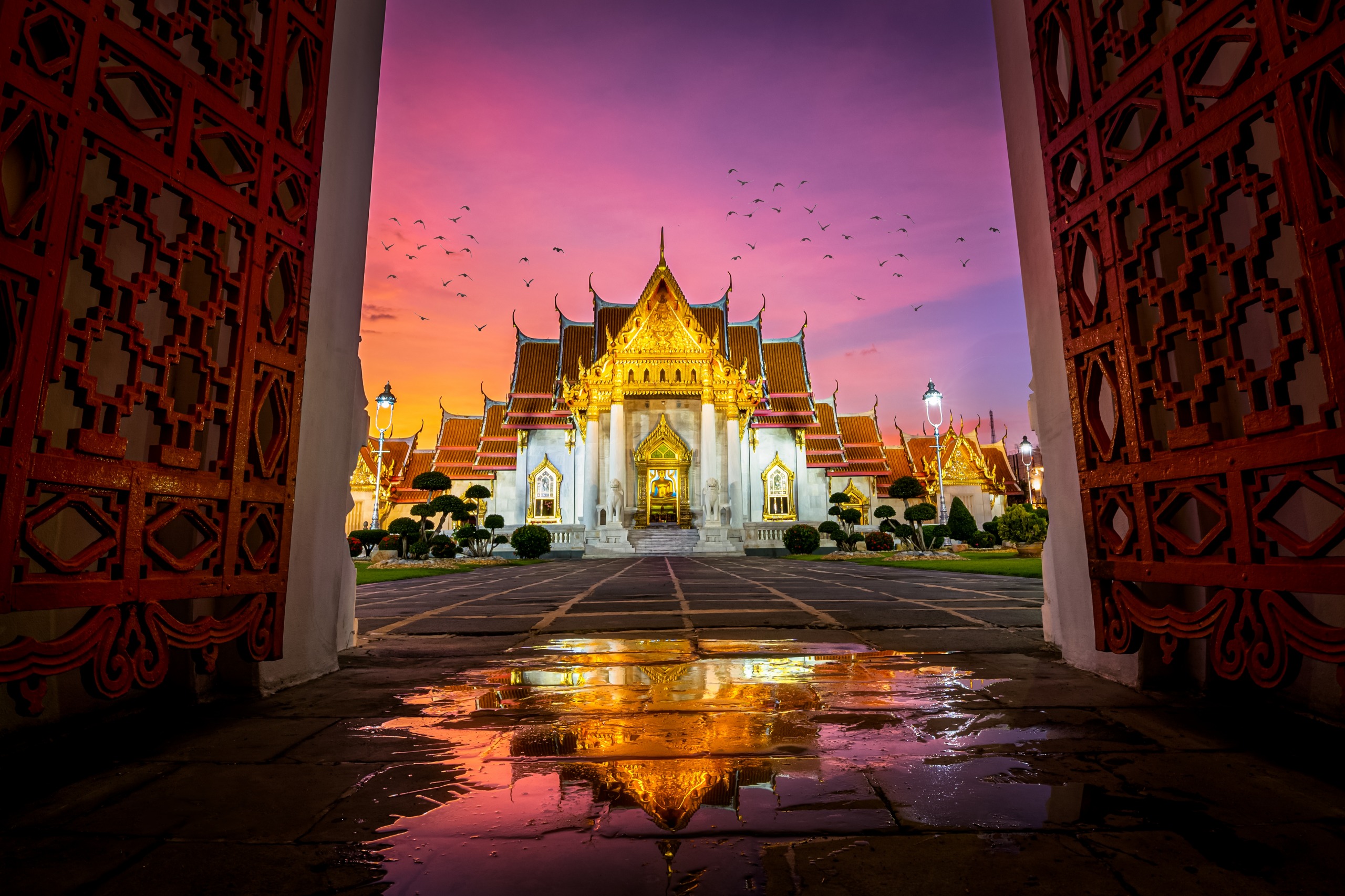
Temple de Marbre
Le Wat Benchamabophit, ou Temple de Marbre, est un sanctuaire royal de Bangkok édifié sous Rama V, célèbre pour son marbre de Carrare et ses toits superposés.
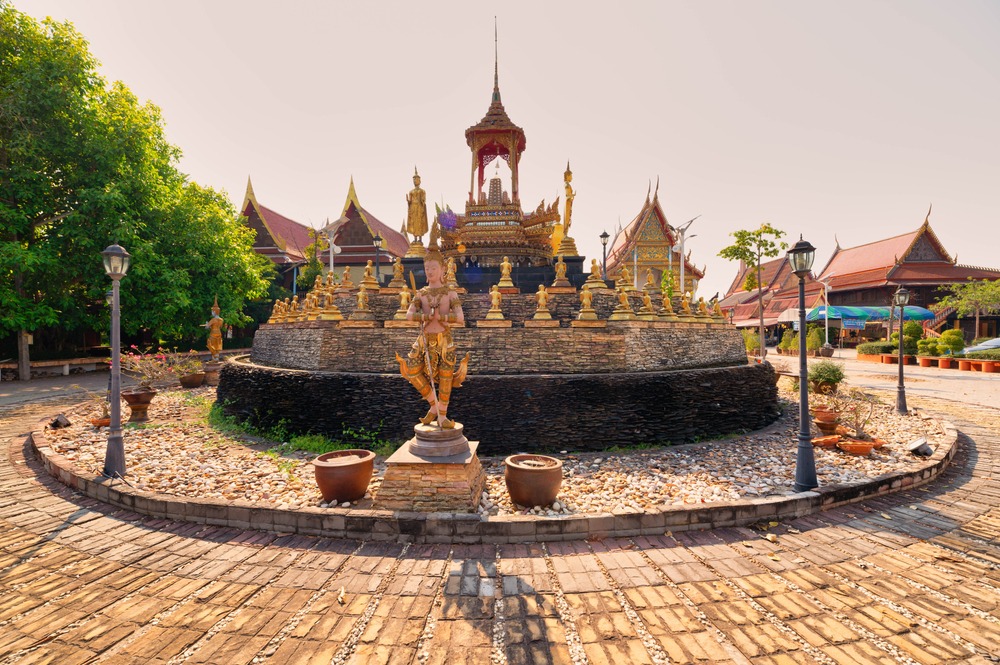
Le Wat Bang Khae Noi
Sanctuaire bouddhiste en bois fondé en 1868 à Amphawa, le Wat Bang Khae Noi se visite en ferryboat depuis le quai d'Amphawa, sur la rivière Mae Klong.
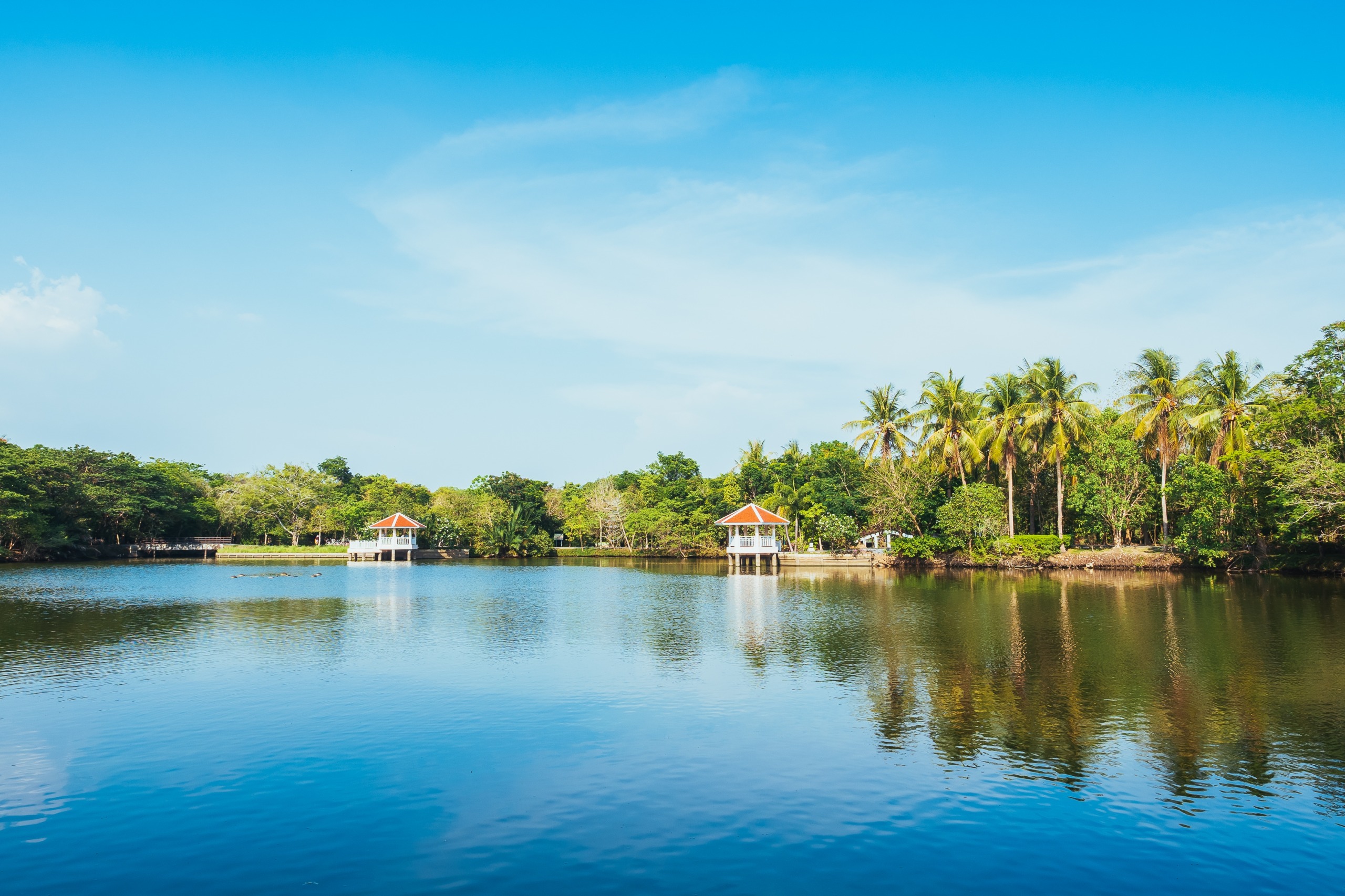
Quartier de Bang Kachao
Péninsule verte sur le Chao Phraya face à Bangkok : mangroves, pistes cyclables, pagodes môn et marché de week-end de Bang Nam Peung.
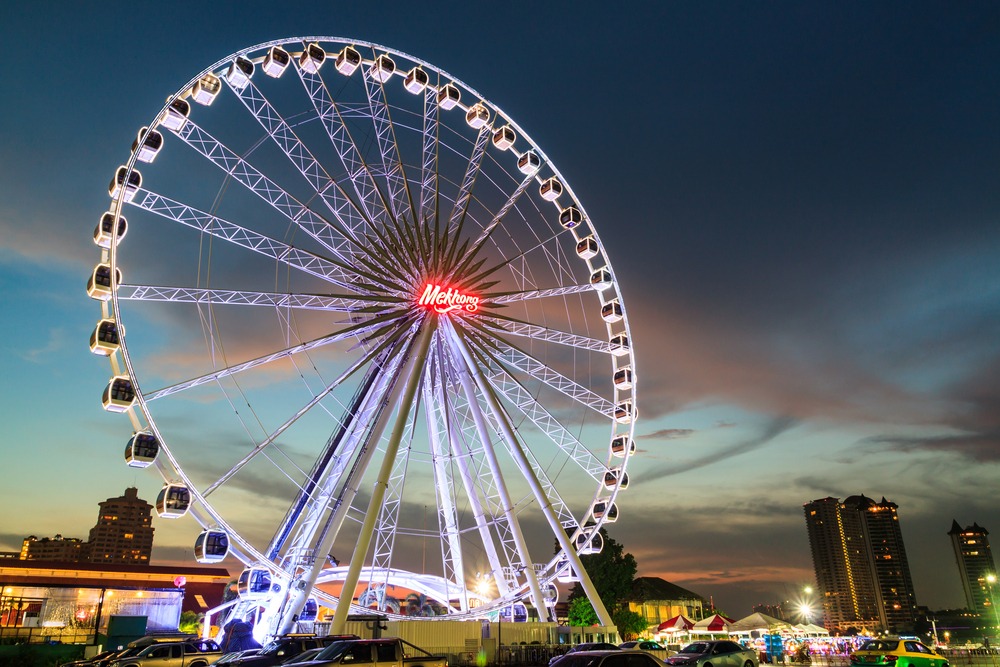
Asiatique : The Riverfront
Ancien port danois reconverti en marché nocturne au bord du Chao Phraya, l'Asiatique combine shopping, restaurants, spectacles et grande roue à Bangkok.
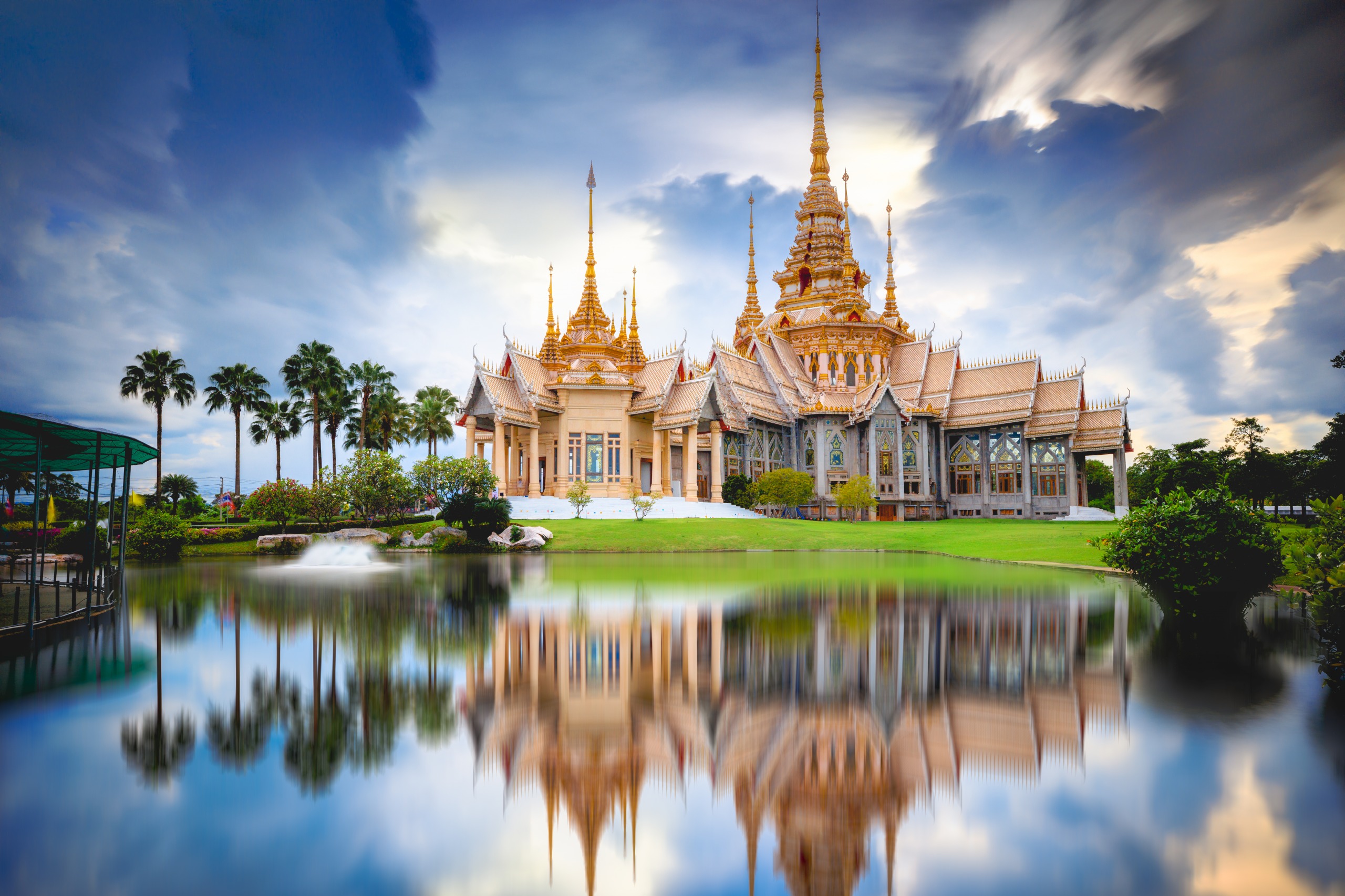
District de Phra Nakhon
Phra Nakhon concentre le patrimoine fondateur de Bangkok : Grand Palais, Wat Phra Kaeo, Wat Pho, Musée national et quartier indien de Phahurat.
Accommodation in Bangkok
See all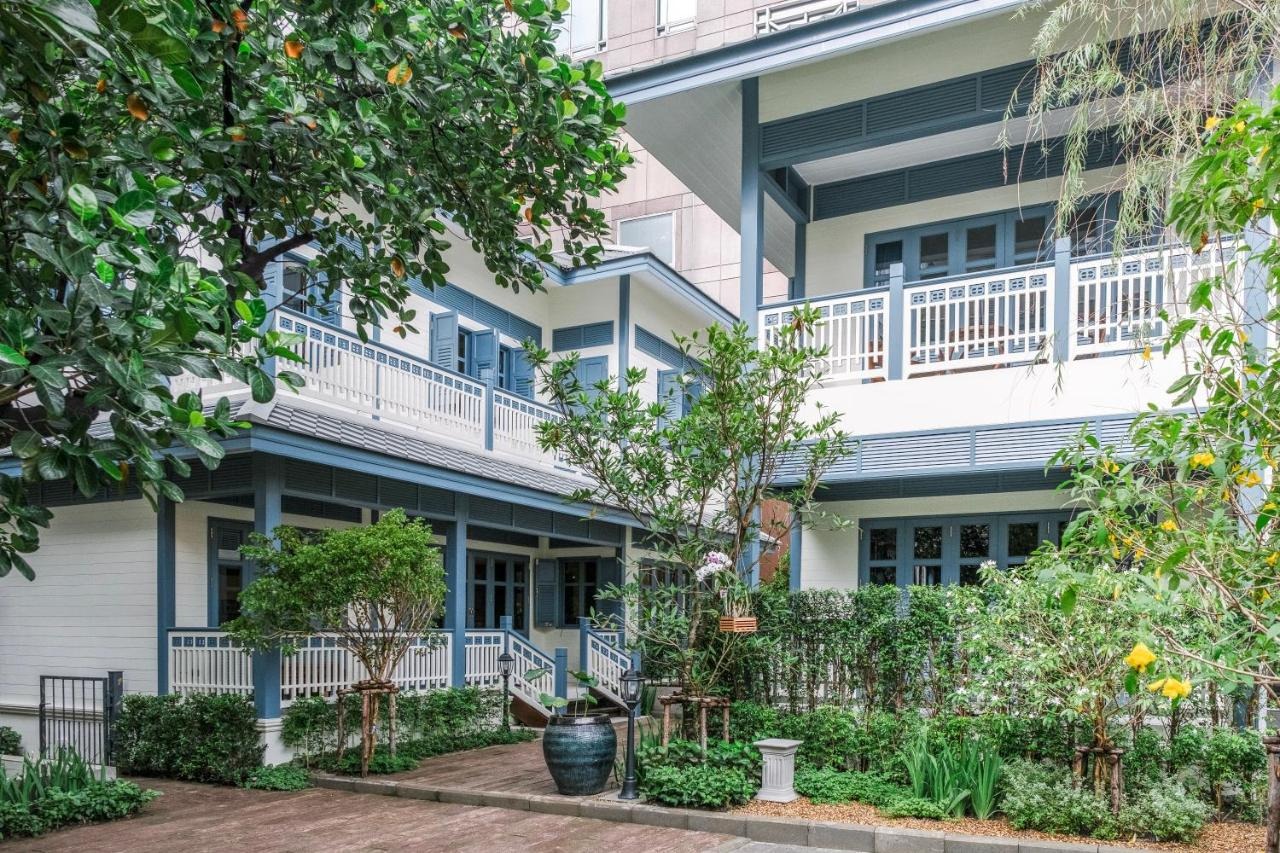
Baan Vajra
Maison coloniale de 1930 transmise dans la famille Vajrabhaya, le Baan Vajra propose 16 chambres de caractère sur Silom Road, à Bangkok.
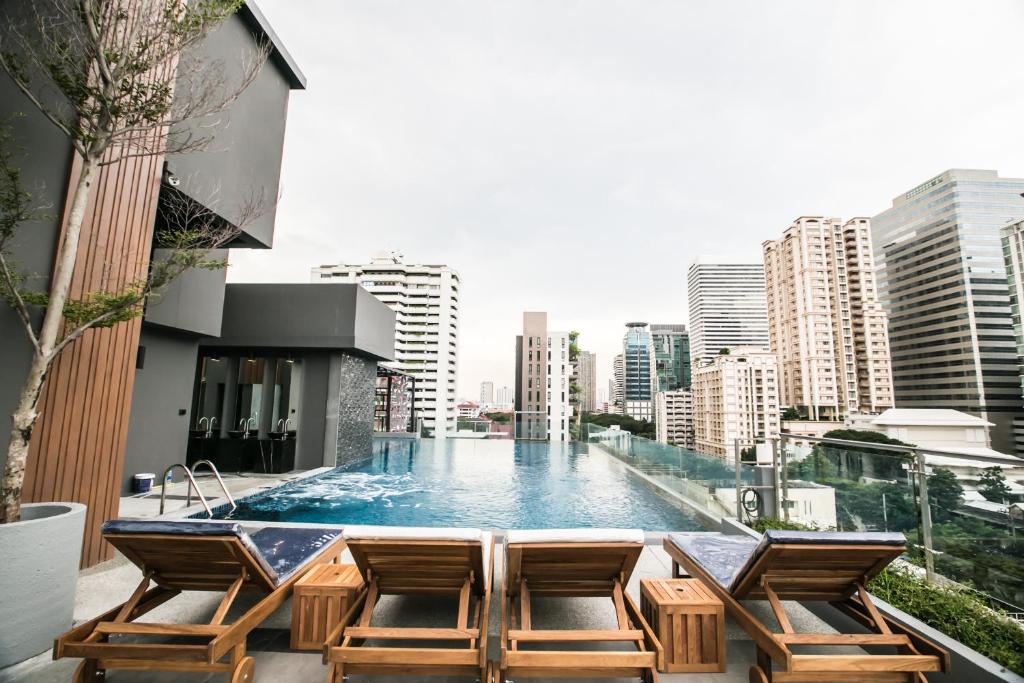
Hotel Arte
Hôtel 4 étoiles dans Sukhumvit, à 5 min à pied des stations BTS Asok et MRT. Piscine rooftop, chambres familiales disponibles.
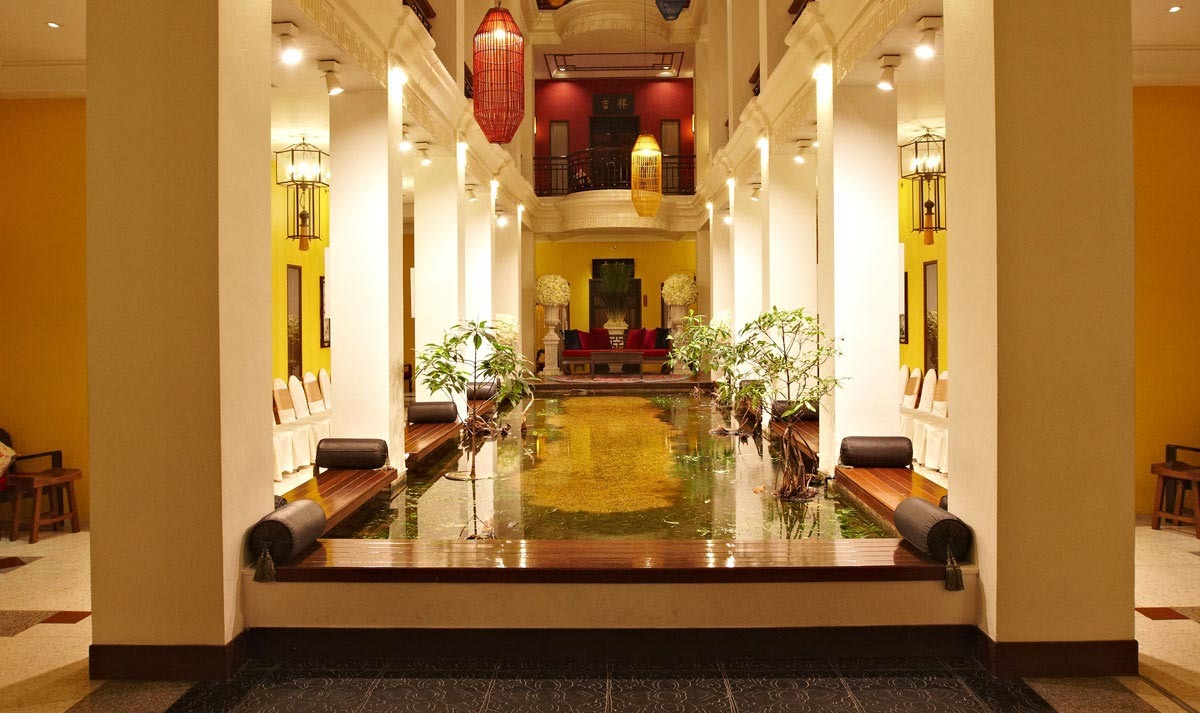
Shanghai Mansion
Hôtel 4 étoiles d'inspiration Shanghai vintage sur Yaowarat Road, en plein Chinatown de Bangkok. 67 chambres, restaurant sino-thaï et bar-concert jazz.
Also discover
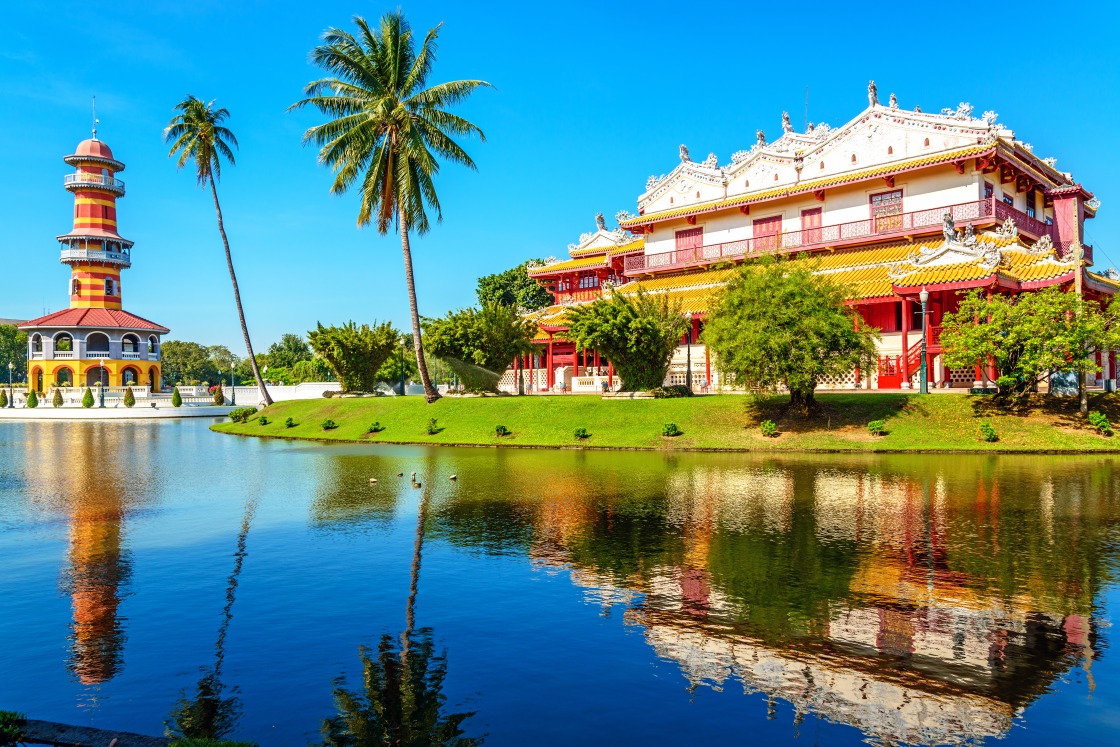
Bang Pa In Royal Palace
Former summer residence of the Kings of Siam south of Ayutthaya, Bang Pa In brings together pavilions in Thai, European, Chinese and Gothic styles within a riverside park.
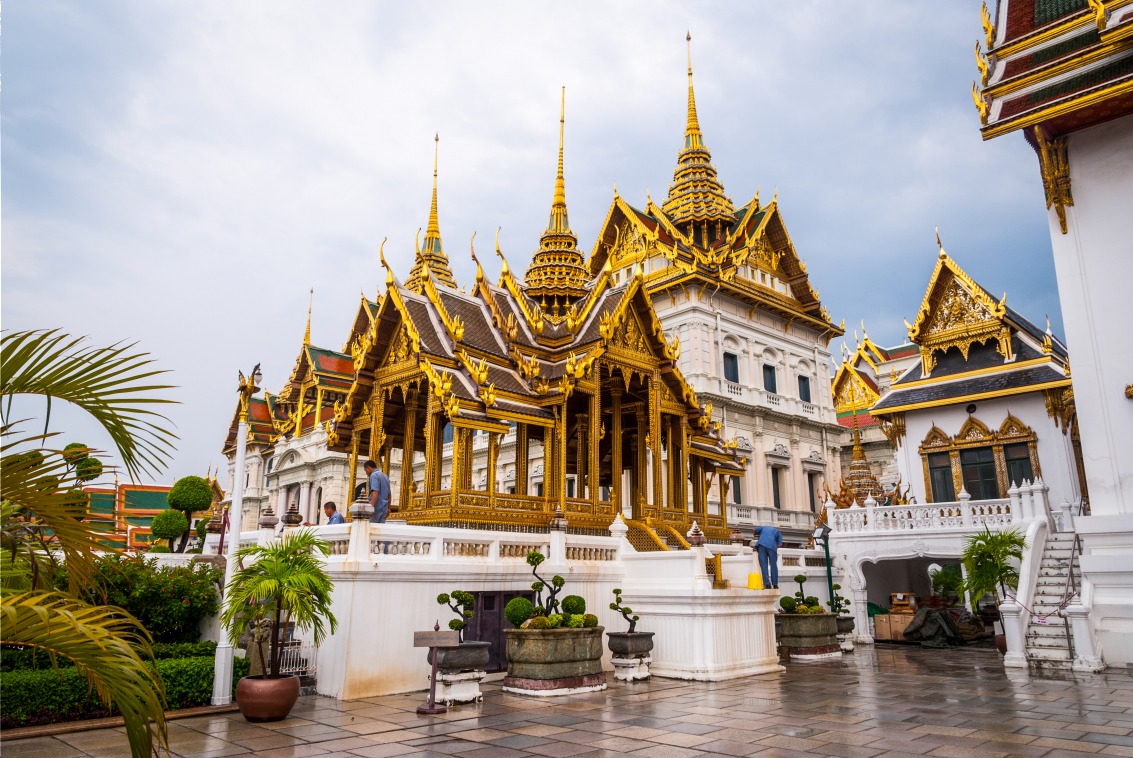
Grand Palace of Bangkok
Royal complex founded in 1782 by Rama I, the Grand Palace of Bangkok houses Wat Phra Kaeo and the Emerald Buddha. Practical guide to prepare your visit.
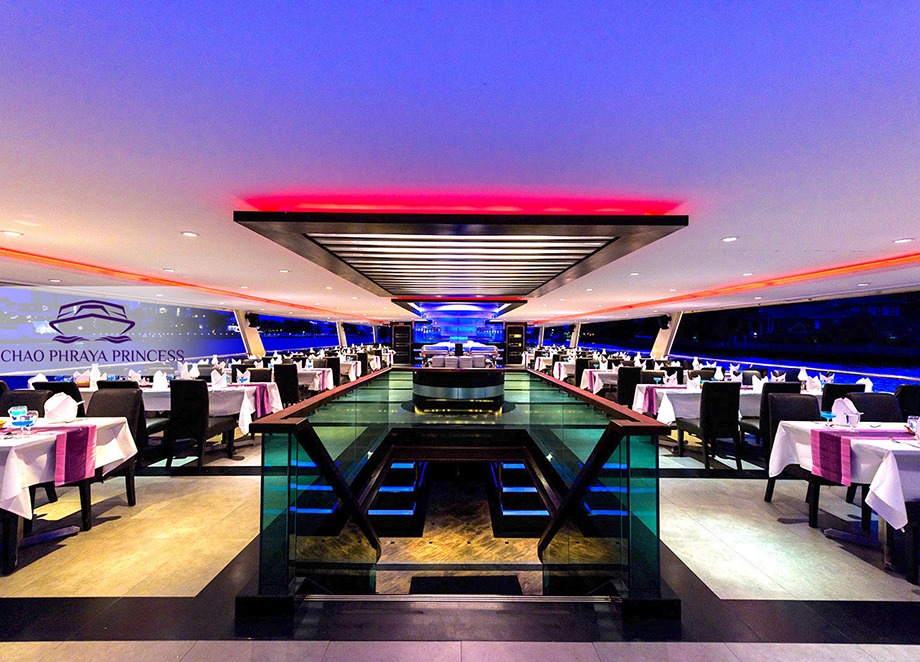
Romantic Dinner Cruise on the Chao Phraya River
For many of us, a luxury trip to Bangkok conjures up images of spa treatments, fine dining experiences, or nights in a 5-star residence. But have you ever considered a dinner cruise on the Chao Phraya River?
Want to discover this destination?
Our local advisors design your tailor-made trip.