Koh Hong
Koh Hong
Ko Hong, Mueang Krabi District, Krabi, Thaïlande
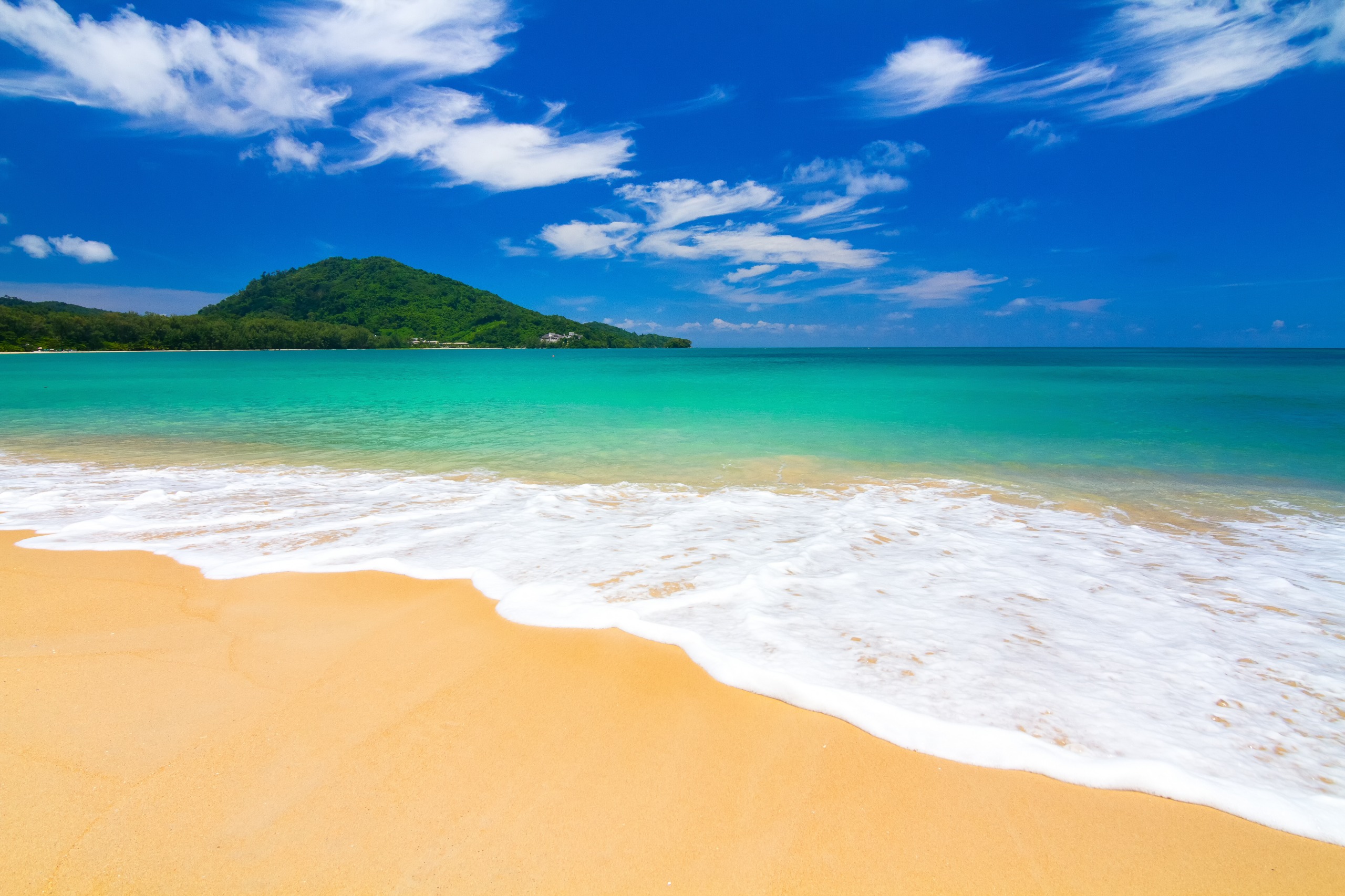
An uninhabited island in Phang Nga Bay, Koh Hong is home to an enclosed lagoon surrounded by limestone cliffs, accessible by boat from Ao Nang.
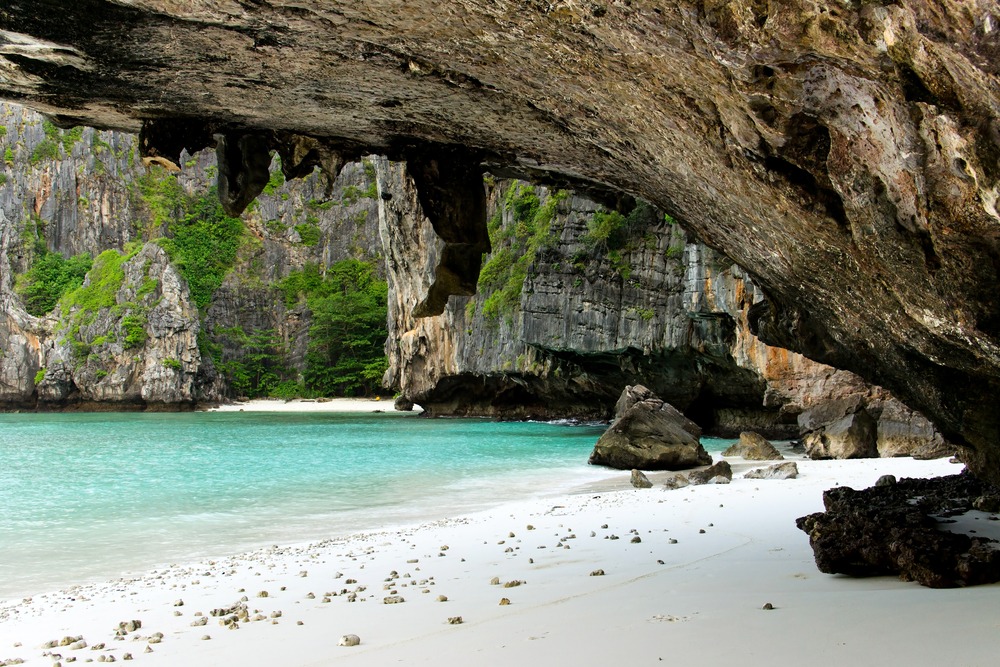
Off the coast of Ao Nang, in Phang Nga Bay, Koh Hong is a limestone island surrounded by white-sand beaches and an enclosed lagoon. The island belongs to the Laopilae archipelago and is part of Than Bok Khorani National Marine Park, making it a protected site accessible only as a day trip from the Krabi coast.
Why visit Koh Hong
Koh Hong combines several landscapes in a compact space: a central lagoon with emerald-green waters, limestone cliffs covered in jungle, fine-sand beaches, and reefs accessible from the shore. The island is uninhabited, which limits tourist pressure: boat operators and vendors leave the site before nightfall, leaving it to its wildlife.
Snorkeling enthusiasts will find corals and schools of fish in shallow waters, while kayakers explore caves and the inner lagoon. The site suits both families and travelers seeking a natural setting without heavy development.
History and etymology
In Thai, hong means "chamber" or "room". The name comes from the island's distinctive shape: viewed from above, it resembles an open-air room with a single entrance, formed by the limestone cliffs that encircle a central lagoon. This geological configuration makes it one of the most recognizable sites in Phang Nga Bay.
The site long served as shelter for sea nomad populations. The last known human occupation dates back over three centuries. Since the island's inclusion in Than Bok Khorani National Marine Park, permanent settlement has been prohibited, allowing vegetation and wildlife to recover.
What to see and do
The central lagoon and caves
Access to the inner lagoon is through a narrow opening in the rock, by shallow-draft boat or kayak. Inside, several limestone caves decorated with stalactites and stalagmites can be explored by canoe. Tides determine accessibility: at very low tide, the lagoon entrance may become impassable.
Beaches and snorkeling
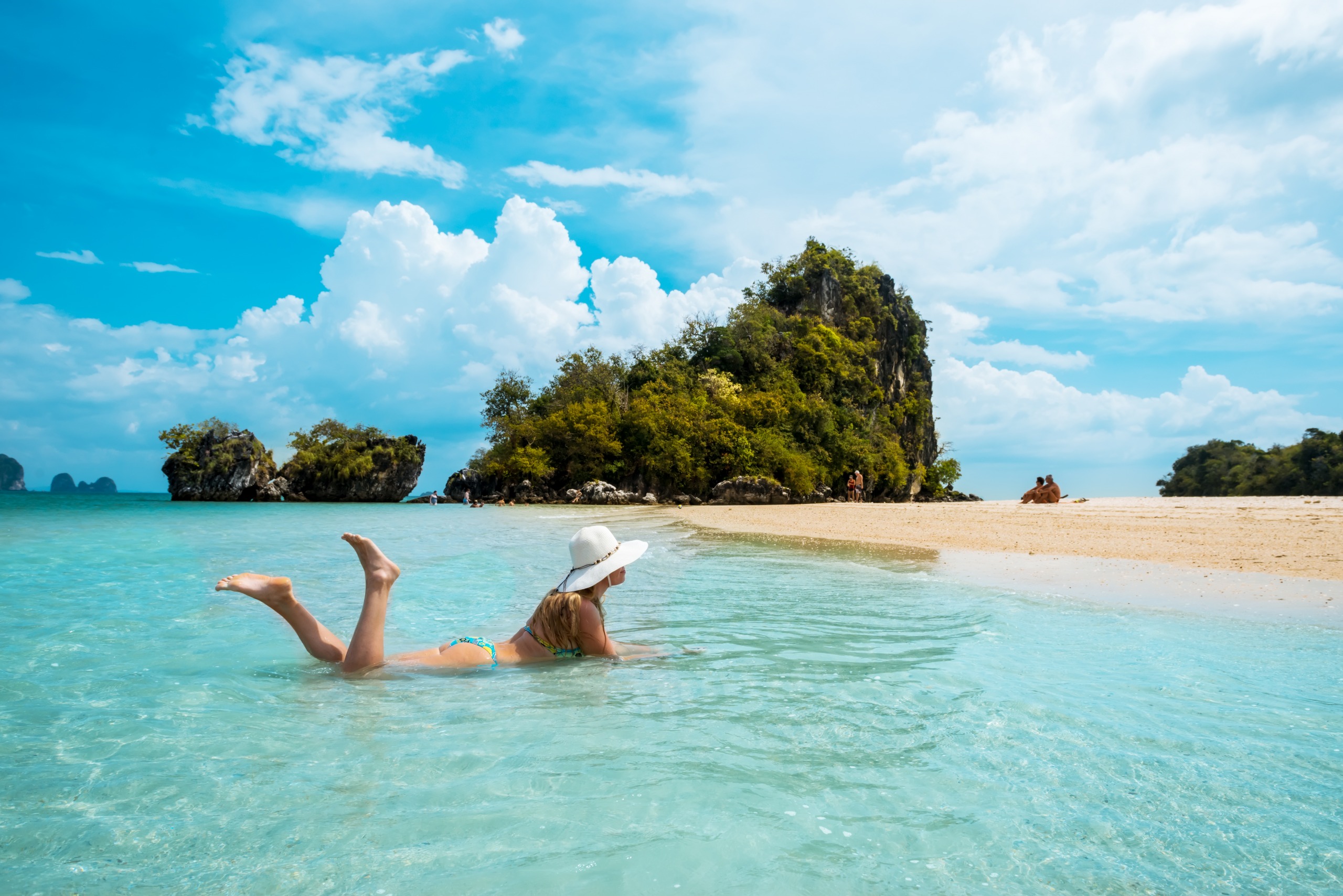
The main beach curves in an arc and overlooks shallow waters ideal for swimming. Coral reefs close to shore are home to clownfish, butterflyfish, and colorful schools of tropical fish. A mask and snorkel are sufficient to observe this underwater life without specialized equipment.
Terrestrial wildlife
The forested terrain of Koh Hong is home to gibbons, macaques, monitor lizards, and numerous bird species. Mangroves bordering certain coves play a key role in the local ecosystem by serving as a nursery for marine life.
Practical information
- Uninhabited island with no accommodation or camping allowed
- National marine park entrance fee payable upon arrival (moderate rate, in Thai baht)
- Bring water, sun protection, and sturdy footwear for rocky terrain
- Carry out all waste: no permanent trash bins
- Plan for half a day to a full day on the island
When to visit
The most favorable period runs from December to April, with calm seas and clear skies. This is also peak tourist season: early morning departures help avoid crowds. Between December and April, low tides can restrict kayak access to the lagoon; check tide schedules with your operator. From May to October, the monsoon makes crossings less comfortable and some excursions are suspended in bad weather.
Nearby attractions
The Krabi region and Phang Nga Bay feature several complementary sites:
- Ao Thalane — renowned for kayaking in mangrove forests
- Ko Klang — a village island facing Krabi Town
- Bamboo Island — another snorkeling site in the archipelago
- Wat Tham Suea — a cave temple in the interior
How to get there
Departures are from the port of Ao Nang, the main embarkation point for the surrounding islands. The crossing takes approximately one hour depending on the vessel type: traditional longtail boat, speedboat, or organized group tour boat. Departures are staggered in the morning and early afternoon; no boats serve the island at night. Booking the day before is recommended during peak season.
Frequently asked questions
Frequently asked questions
No. The island is uninhabited and camping is prohibited due to its status as a national marine park. Visitors must leave the island before nightfall.
Not always. Between December and April, certain low tides can reduce or block access to the lagoon entrance. Check tide schedules before departure.
Half a day is sufficient to enjoy the beach and lagoon. A full day allows you to combine snorkeling, kayaking, and swimming without rushing.
Swimming, snorkeling, kayaking in caves and the lagoon, wildlife watching, picnicking on the beach. Walking is the only way to move around the island.
Plan your trip
Koh Hong integrates easily into an itinerary around Krabi and Phang Nga Bay. To build a custom itinerary that includes this island and nearby sites, explore our travels in Thailand.
Photos
Also discover
Krabi
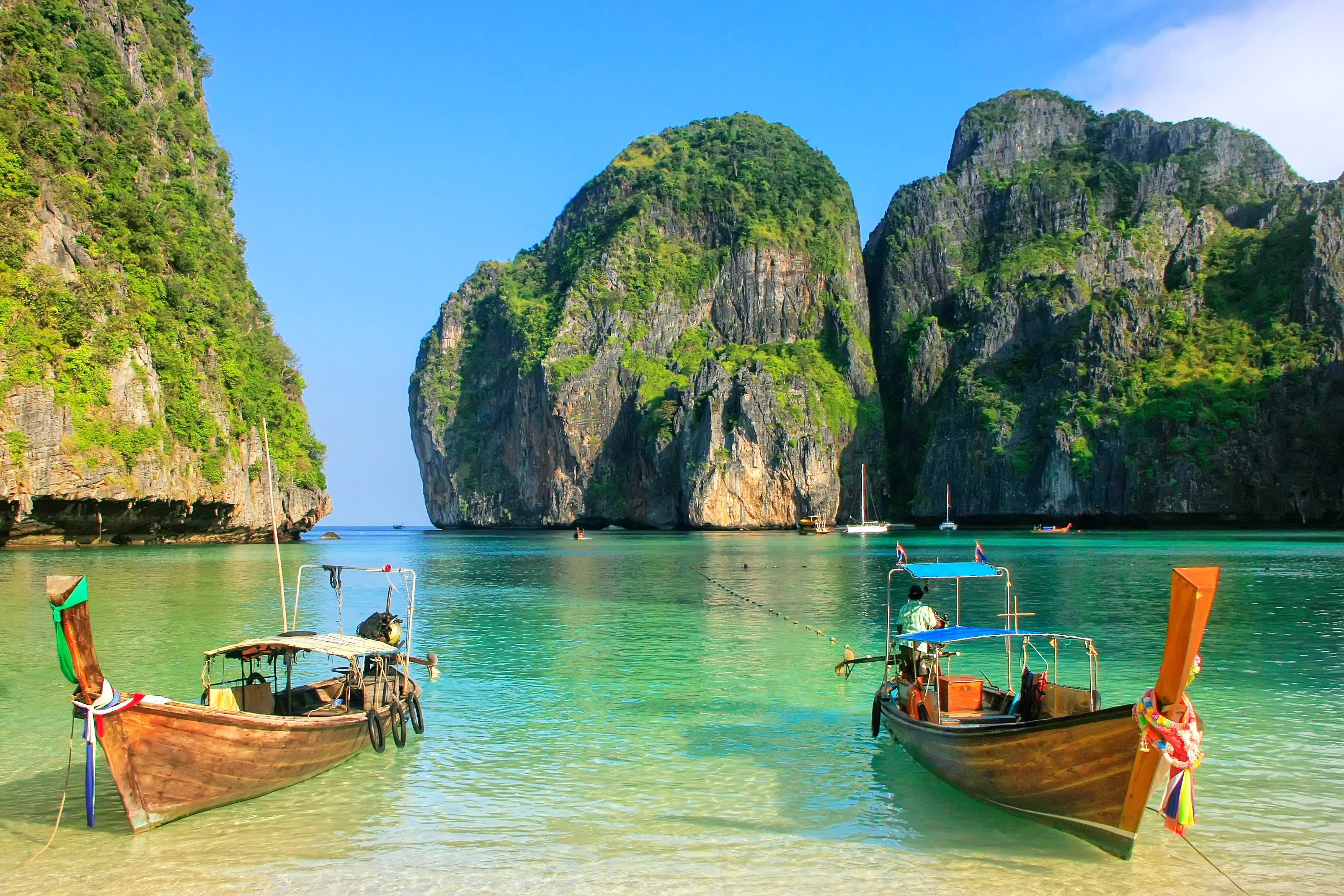
Limestone peaks, Railay Beach, archipelago of islands and clifftop temples: everything you need to plan your visit to Krabi on the Andaman coast.
Koh Yao Noi Island
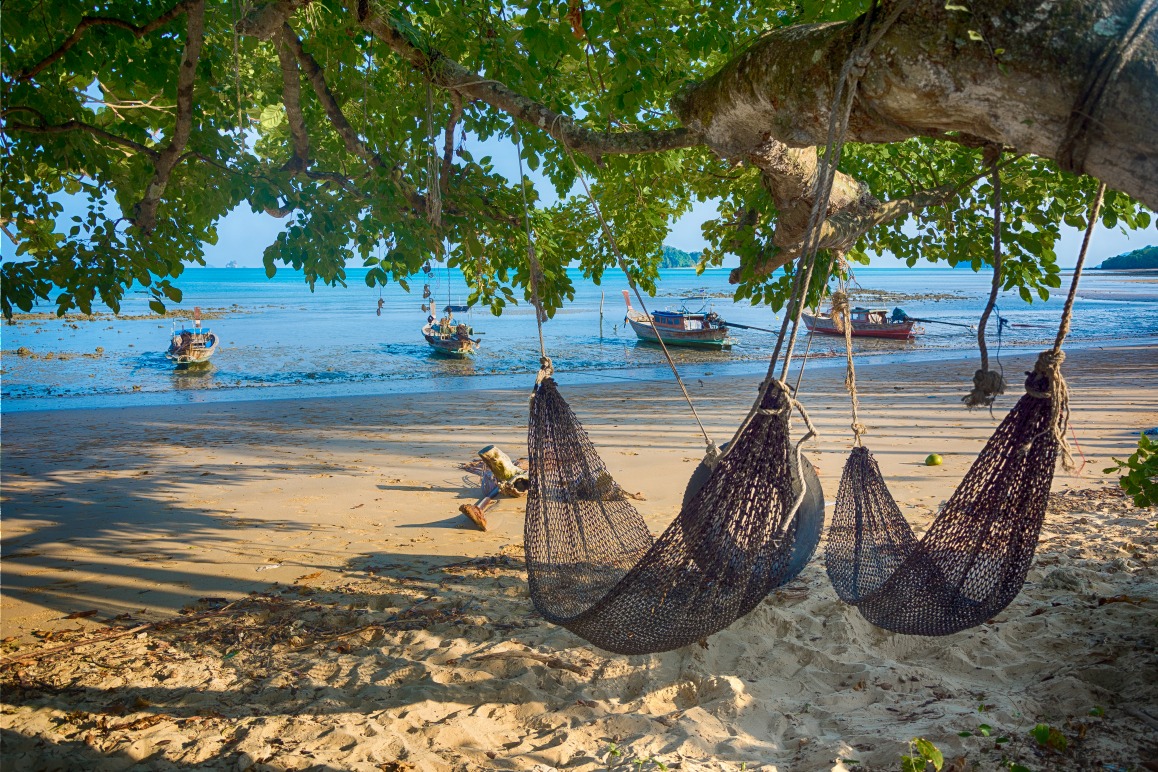
Nicknamed 'Phuket 30 years ago,' Koh Yao Noi preserves quiet beaches, Muslim villages, and kayaking excursions in Phang Nga Bay.
Ao Thalane
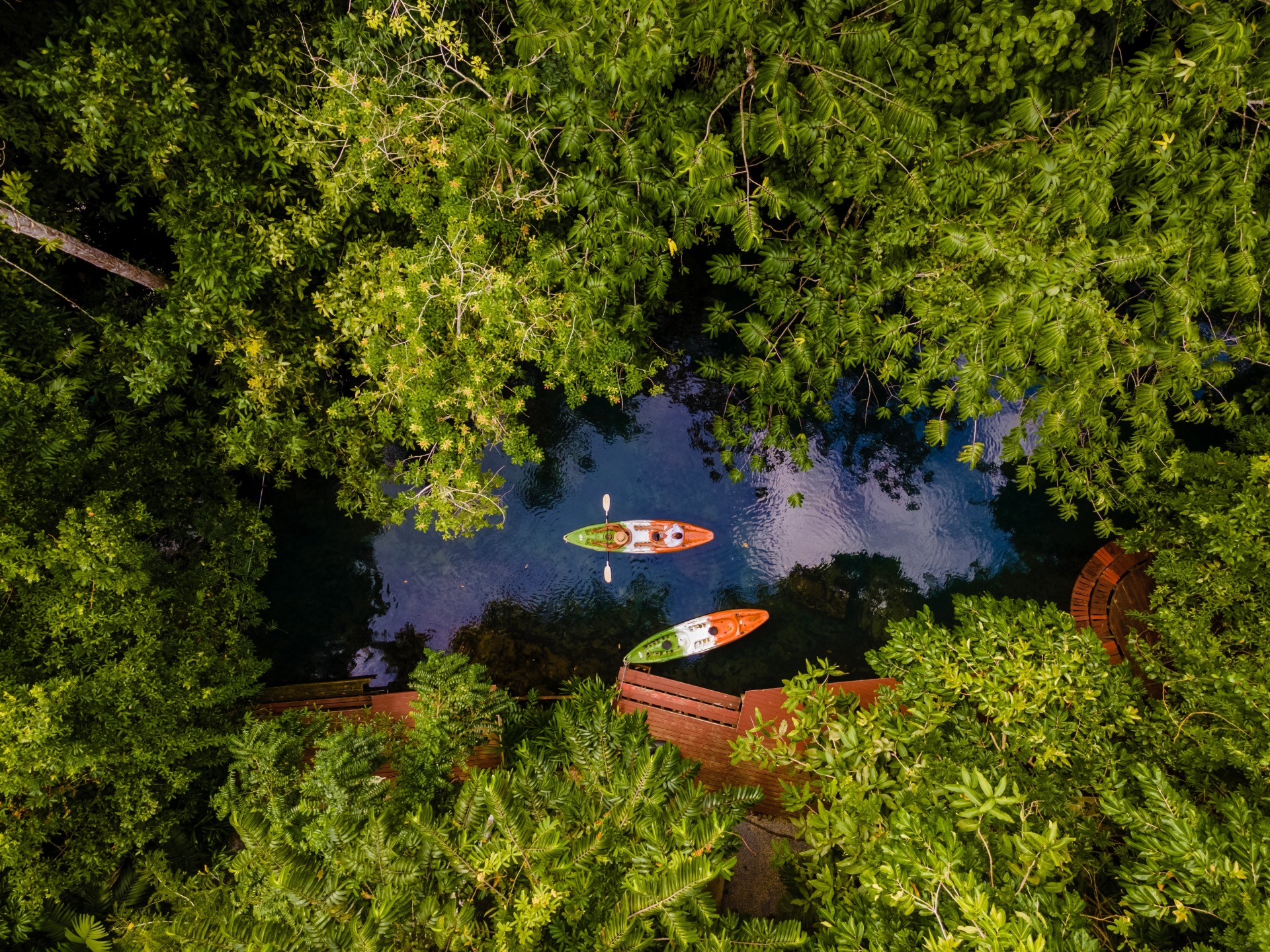
Located 40 km from Krabi, Ao Thalane Bay unfolds between mangroves, limestone cliffs and waterways teeming with diverse wildlife—best explored by kayak.
Koh Yao Yai
Koh Yao Yai, a discreet island in Phang Nga Bay, combines preserved beaches, thriving mangrove ecosystems and fishing villages, far removed from Phuket's bustling energy.
Ao Nang
A seaside resort in Krabi province, Ao Nang serves as a base for exploring 83 islets, coral reefs and the limestone cliffs of Railay.
Phang Nga Bay
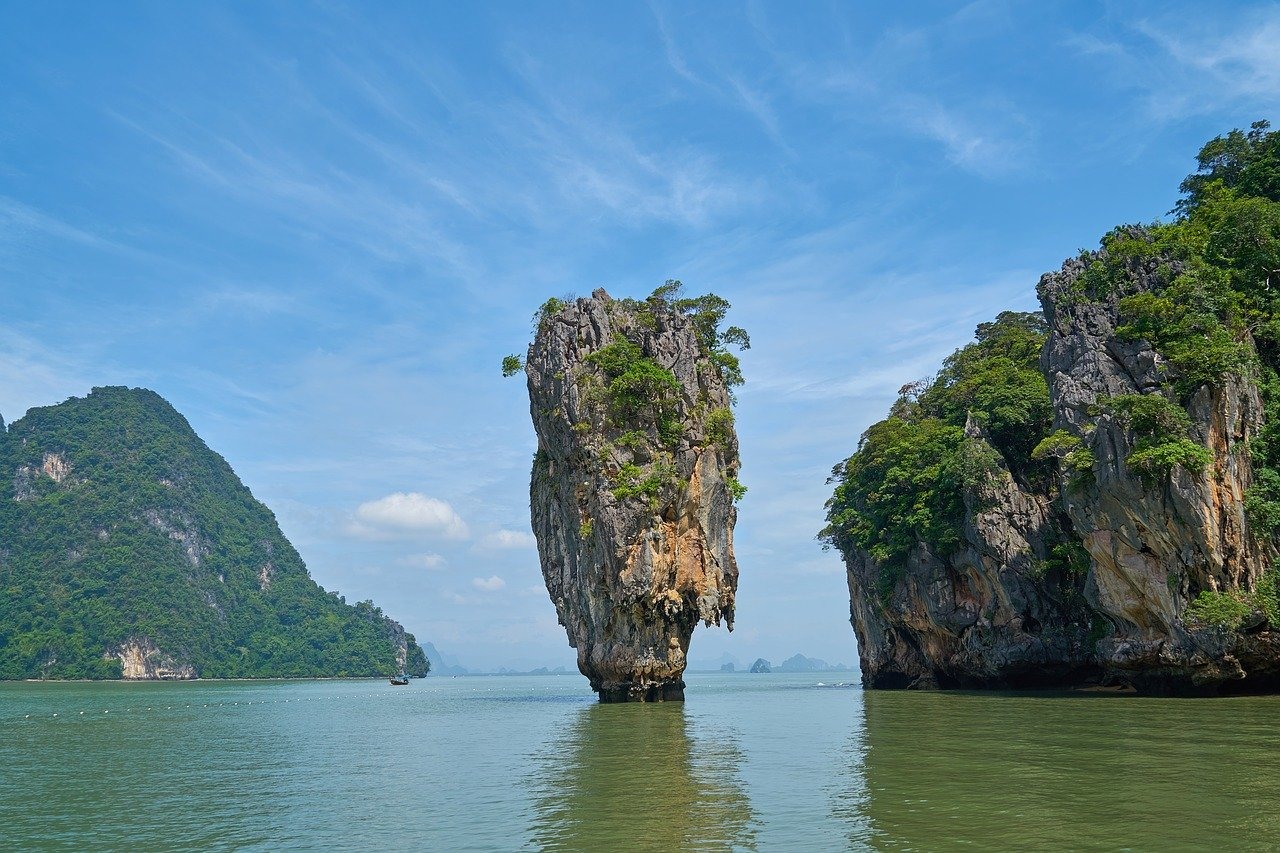
Limestone peaks, hidden lagoons and a floating village: complete guide to Phang Nga Bay, between Phuket and Krabi, by kayak or longtail boat.
Interested in this visit?
We can include it in your personalised itinerary.