Namtok Sam Lan National Park
Namtok Sam Lan National Park
53 หมู่ที่ 1 Tambon Nong Pla Lai, Amphoe Mueang Saraburi, Chang Wat Saraburi 18000, Thaïlande
Located 6 km south of Saraburi, Namtok Sam Lan National Park combines cascading waterfalls, mixed forests, World War II military relics, and a cave temple.
Six kilometres south of Saraburi, Namtok Sam Lan National Park protects 44 km² of forests, waterfalls, and limestone formations spanning four districts (Mueang, Kaeng Khoi, Nong Khae, and Wihan Daeng). Also known as Khao Sam Lan or Phra Puttachai, it merges ecological significance, World War II military remains, and Buddhist heritage with the nearby cave temple of Wat Phra Puttachai.
Why visit the park
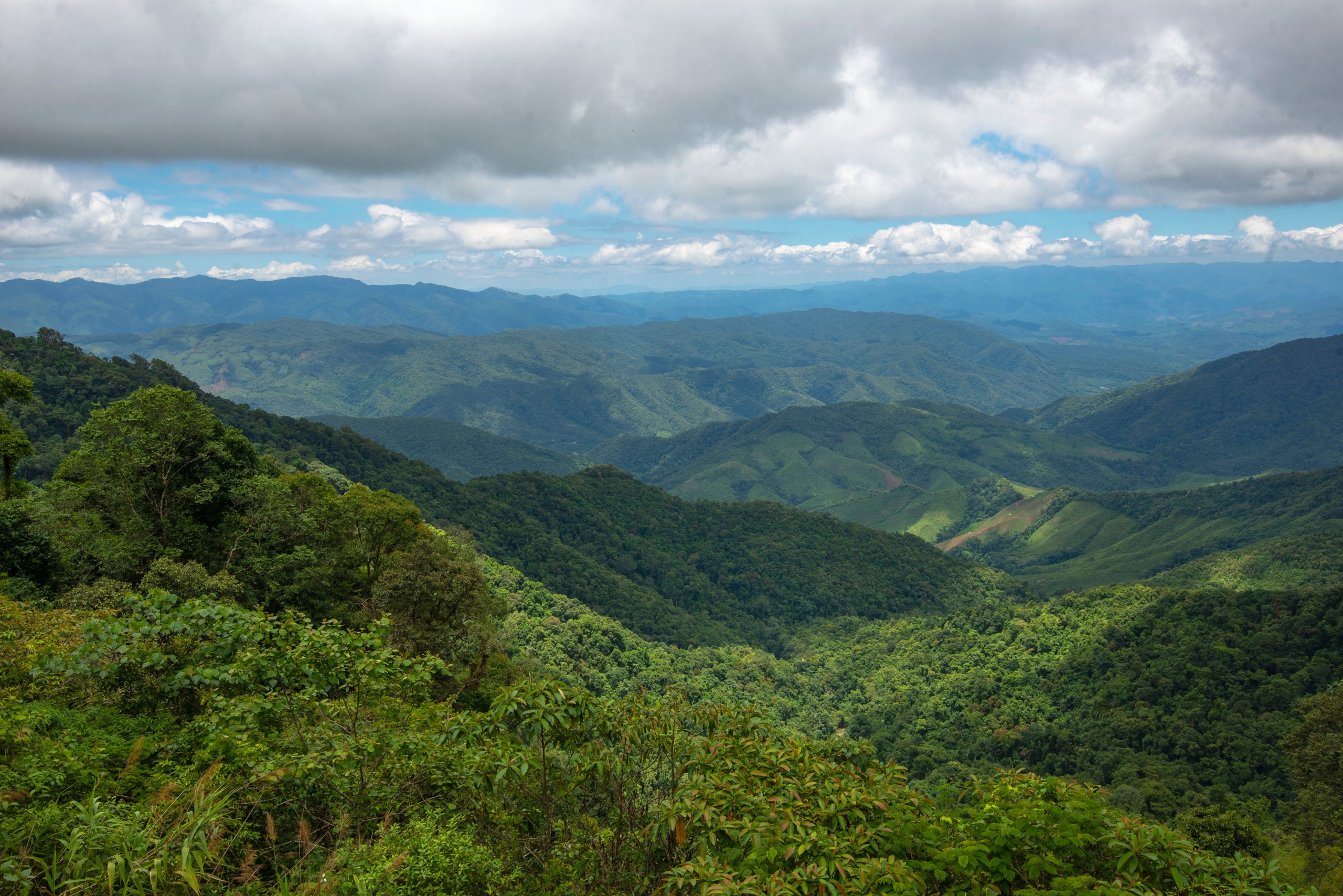
The park stands out for its immediate proximity to Bangkok and Saraburi—accessible as a day trip without requiring heavy logistics. Its main appeal rests on three elements: the multi-tiered Namtok Sam Lan waterfall, a small reservoir suited to water activities, and a World War II memorial commemorating Japanese occupation. Biodiversity remains significant despite human pressure, with mixed deciduous and dipterocarp forests.
Park history
During World War II, the Japanese army established a camp in the region, causing degradation to portions of the forest canopy. Beginning in 1960, the Thai government launched a restoration programme and designated the area as a conservation space. Official national park status was granted on 2 June 1981. This two-phase history—exploitation followed by protection—explains the current patchwork of regenerating secondary forests and more mature stands.
What to see and do
Namtok Sam Lan waterfall
Situated 300 metres from the park entrance, it cascades across three tiers. This is the most accessible and heavily visited point. Other modest falls dot the trails and offer swimming in designated areas.
World War II memorial
Located 2 km from park headquarters, this site displays remnants of the Japanese camp: trenches, bunkers, and defensive structures. It offers a rare insight into Japanese military presence in Thailand during the conflict.
The reservoir and trails
A small interior reservoir permits kayaking, supervised swimming, and brief boat excursions. Three marked hiking routes traverse the park's mixed forests. Flora includes teak (Tectona grandis), Pterocarpus macrocarpus, and Hopea odorata. Wildlife includes pig-tailed macaques, barking deer, and Asian chevrotains. Birdlife encompasses brown shrike, greater coucal, green-billed malkoha, javan heron, oriental magpie-robin, and white-rumped shama. The historical presence of white-eyed swiftlets, now absent from the site, testifies to the fragility of this ecosystem.
Wat Phra Puttachai cave temple
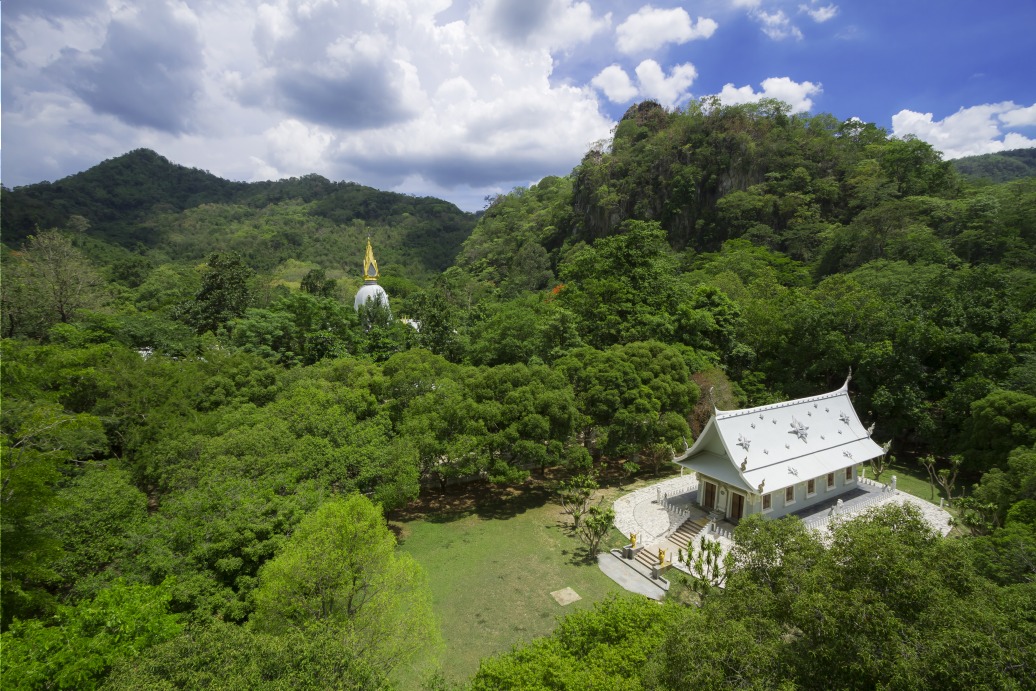
Immediately adjacent to the park, this temple carved into a grotto complements the natural experience and explains the park's alternate name.
When to visit
The dry season, November to February, offers optimal hiking conditions: mild temperatures, accessible trails, and clear skies. Waterfalls reach maximum flow between July and October during the rainy season. Your choice depends on priorities: comfortable walking or full-flowing cascades. Weekends attract local visitors; a weekday visit remains quieter.
Practical information
Duration: half a day for the main waterfall and memorial; a full day to combine hiking and reservoir activities.
Entry fee: standard Thai national park rate, moderate for adults and reduced for children.
Equipment: closed-toe shoes, water, insect repellent, swimwear for designated swimming areas.
Rules: remove all litter, stay on marked trails, do not feed animals, swimming restricted to designated zones. Campfires, alcohol, plant collection, and rock removal are prohibited.
How to get there
From Bangkok, allow roughly 2 hours driving north towards Saraburi. The park lies 6 km south of town, accessed via secondary roads 3042 then 3046, on paved surface. By public transport, take a Bangkok–Saraburi bus, then a local songthaew or taxi to reach the park entrance. No regular transport serves the trails directly.
In the surrounding area
In Saraburi itself, Wat Phra Buddha Baat enshrines a sacred footprint of the Buddha venerated across the nation, and Saraburi National Museum traces regional history. The Saraburi night market offers local specialities including kanom jeen nam ya. From November to January, sunflower fields across the province display seasonal beauty. To deepen exploration of central plains Buddhist heritage, the former capital of Ayutthaya lies roughly an hour away and hosts major sites such as Wat Mahathat, Wat Ratchaburana, and Wat Yai Chai Mongkhon.
Frequently asked questions
Half a day suffices for the main waterfall and memorial. Plan a full day if you wish to hike all three marked routes and enjoy the reservoir.
Yes, swimming is permitted in certain reservoir zones and at the base of several waterfalls, only in marked areas.
November to February for hiking; July to October to see waterfalls at full flow. Your choice depends on priorities.
Yes, allow roughly 2 hours driving. A one-day excursion is entirely feasible by car or organised transport.
To integrate this nature stop into a broader itinerary, consult our Thailand travel guide.
Photos
Also discover
Interested in this visit?
We can include it in your personalised itinerary.