Wat Ratchaburana
Wat Ratchaburana
9H58+FWF, Soi Chikun, Tambon Tha Wa Su Kri, Amphoe Phra Nakhon Si Ayutthaya, Chang Wat Phra Nakhon Si Ayutthaya 13000, Thaïlande
Founded in 1424 in Ayutthaya, Wat Ratchaburana houses a restored prang, rare funerary frescoes and the legacy of a golden royal treasure.
At the heart of the Ayutthaya Historical Park, Wat Ratchaburana stands out for its central stone prang, one of the best-preserved in the ancient Siamese capital. Founded in 1424, the sanctuary preserves rare frescoes within its funerary chambers and yielded, during excavations, one of Thailand's most significant royal treasures.
Why visit Wat Ratchaburana
The site appeals to travelers curious about history and archaeology on multiple fronts. Its restored main prang offers a clear view of early Ayutthaya architecture, bridging Khmer heritage and nascent Siamese identity. The underground funerary chambers, open to the public, contain Buddhist frescoes uncommon in Thailand. Finally, the temple forms part of a UNESCO World Heritage site and pairs naturally with a visit to the Wat Mahathat, located directly across.
History of the temple
Wat Ratchaburana, whose name means "the monastery of Royal Restoration," was founded in 1424 at the command of King Boromracha II. Its construction is tied to a tragic dynastic episode: upon the death of King Intharacha I, his two eldest sons, Princes Ai Phraya and Yi Phraya, fought over Ayutthaya's crown. The brothers clashed on elephant-back and fell by the sword. The crown then passed to Chao Sam Phraya, Intharacha I's youngest son, who took the title Boromracha II.
The new sovereign ordered two stupas erected on the site to house the ashes of his fallen brothers. The temple thus served initially as a funerary and commemorative structure, paired with a political purpose: legitimizing the new reign.
In 1767, Ayutthaya fell to the Burmese, who pillaged and razed much of the city. Wat Ratchaburana lay in ruins for centuries. Restoration work began in 1956 at the initiative of Prime Minister Phibun Songkram. During excavations, looters were caught stealing gold pieces from the royal deposit; despite their arrest, part of the treasure vanished, likely funneled to collectors and antiquities traffickers.
What to see on site
The main prang
The stone prang echoes Mount Meru in form, the abode of gods in Hindu cosmology. The stucco motifs that once adorned the facade have largely disappeared, exposing the brick beneath. Some elements remain in the upper portions, however: carvings of the serpent naga and the bird-man Garuda. Three entrance porches, facing north, east, and south, open into the monument's interior.
The funerary chambers
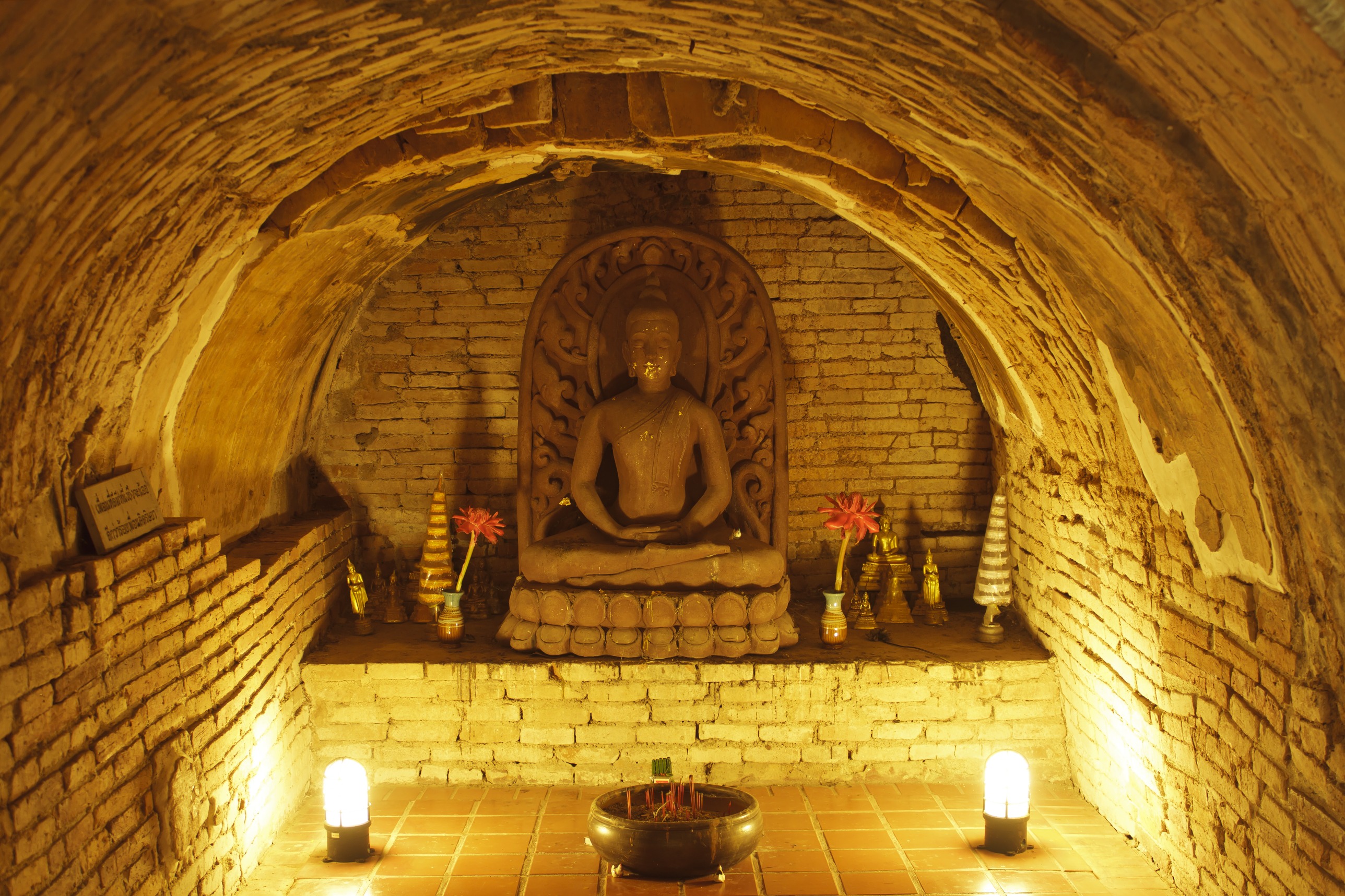
At the prang's center, two superimposed funerary chambers rest one atop the other. The lower chamber is cramped, accommodating only one visitor at a time; the upper chamber, more spacious, retains better-preserved painted decoration. The Chinese miniatures in the lower chamber are nearly faded, while the upper chamber's frescoes still show recognizable scenes of the Buddha preaching to disciples, birds, and landscapes. The prang's vaults are adorned with frescoes depicting the Vessantara Jataka, one of the Buddha's former lives. Access to the chambers is via a narrow staircase, installed by the Department of Fine Arts in 1958.
The treasure discovered in 1957
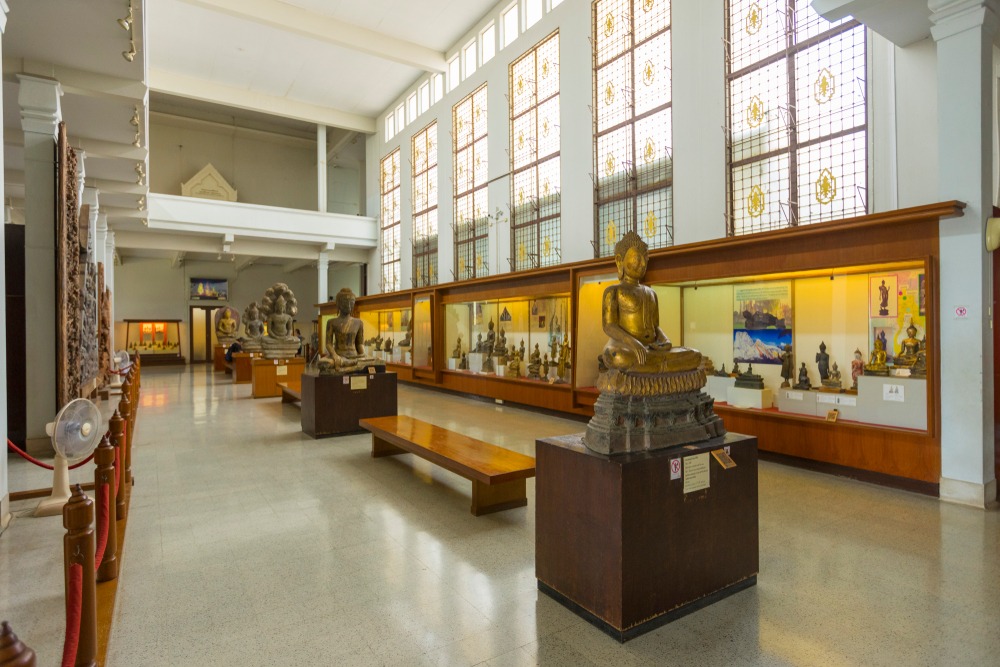
The 1957 excavations uncovered approximately one hundred thousand votive tablets and a collection of gold jewelry belonging to the Crown, with a total weight estimated at more than 100 kg. Gilt statues and precious objects are now displayed at the Chao Sam Phraya National Museum, minutes from the temple: visiting both sites logically complements a single excursion.
Practical information
The temple is open daily during daylight hours. Admission is charged at a modest rate, with a combined ticket available for multiple temples in the Historical Park. Plan for 1 to 1.5 hours to tour the site, including the frescoes. As in any Buddhist temple, dress covering the shoulders and knees is expected. Shade is scarce on-site: bring a hat, water, and sunscreen.
When to visit
Wat Ratchaburana is an open-air site. The most comfortable season runs from November to February, when temperatures are mild and rainfall rare. From March to May, midday heat can intensify; early morning or late afternoon visits are preferable, when light also best highlights the prang's brickwork. During the monsoon, June to October, brief but steady showers are likely.
How to get there
The temple sits at the corner of Naresuan Road, in the center of Ayutthaya's historical island. From Bangkok, reach Ayutthaya by train, minivan, or car in roughly 1.5 to 2 hours. Once there, the site is walkable from most downtown accommodations. Bicycles, tuk-tuks, and songthaews are the most practical options for traveling between the Historical Park's temples.
In the surroundings
Wat Ratchaburana sits within a dense cluster of monuments, all reachable on foot or by tuk-tuk in minutes:
- The Wat Mahathat, directly across, famous for its Buddha head nestled within a fig tree's roots;
- The Wat Phra Sri Sanphet and its three royal chedis;
- The Wat Yai Chai Mongkhon, east of the island, with its towering chedi ringed by draped Buddhas;
- The Wat Na Phra Men, one of the few temples spared during the 1767 sack.
Frequently asked questions
The temple was founded in 1424 at the command of King Boromracha II, in memory of his two eldest brothers who died in fratricidal struggle for the crown.
Yes, two superimposed funerary chambers are accessible via a narrow staircase installed in 1958. The upper chamber's frescoes, better preserved, are particularly worth seeing.
Plan for roughly 1 to 1.5 hours to tour the temple and descend into the funerary chambers.
The Crown's gold jewelry, statues, and precious objects unearthed during the 1957 excavations are exhibited at the Chao Sam Phraya National Museum, minutes from the temple.
Wat Mahathat stands directly across, Wat Phra Sri Sanphet a few streets away, and Wat Yai Chai Mongkhon to the east of the historical island.
To incorporate a visit to Wat Ratchaburana into a wider itinerary, browse our Thailand travel suggestions, from Bangkok to the kingdom's former capitals.
Nearby
Also discover
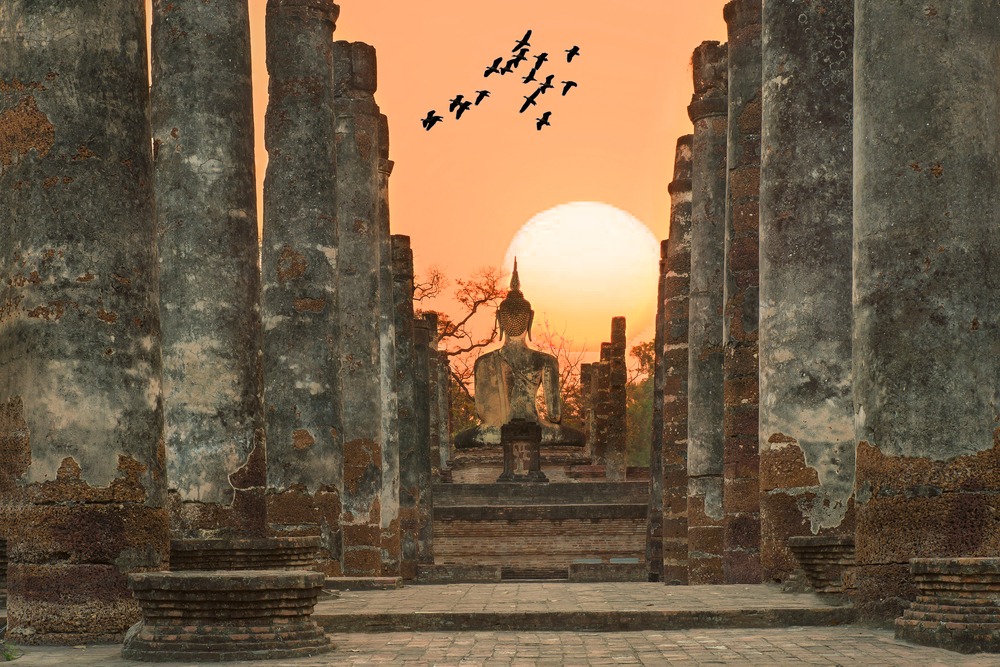
Wat Mahathat
Royal sanctuary of Ayutthaya founded in 1374, Wat Mahathat preserves its collapsed central prang, decapitated Buddhas and the famous head enveloped in a banyan tree.
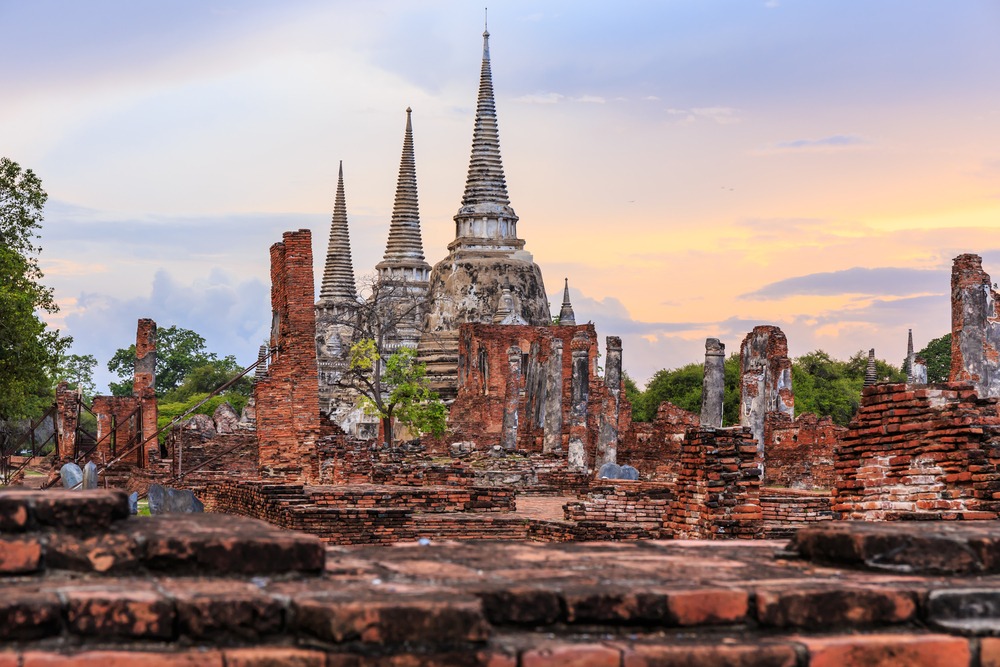
Wat Phra Sri Sanphet
A former royal temple in Ayutthaya, Wat Phra Sri Sanphet displays three iconic chedis, the sole structures spared by the Burmese sacking of 1767.
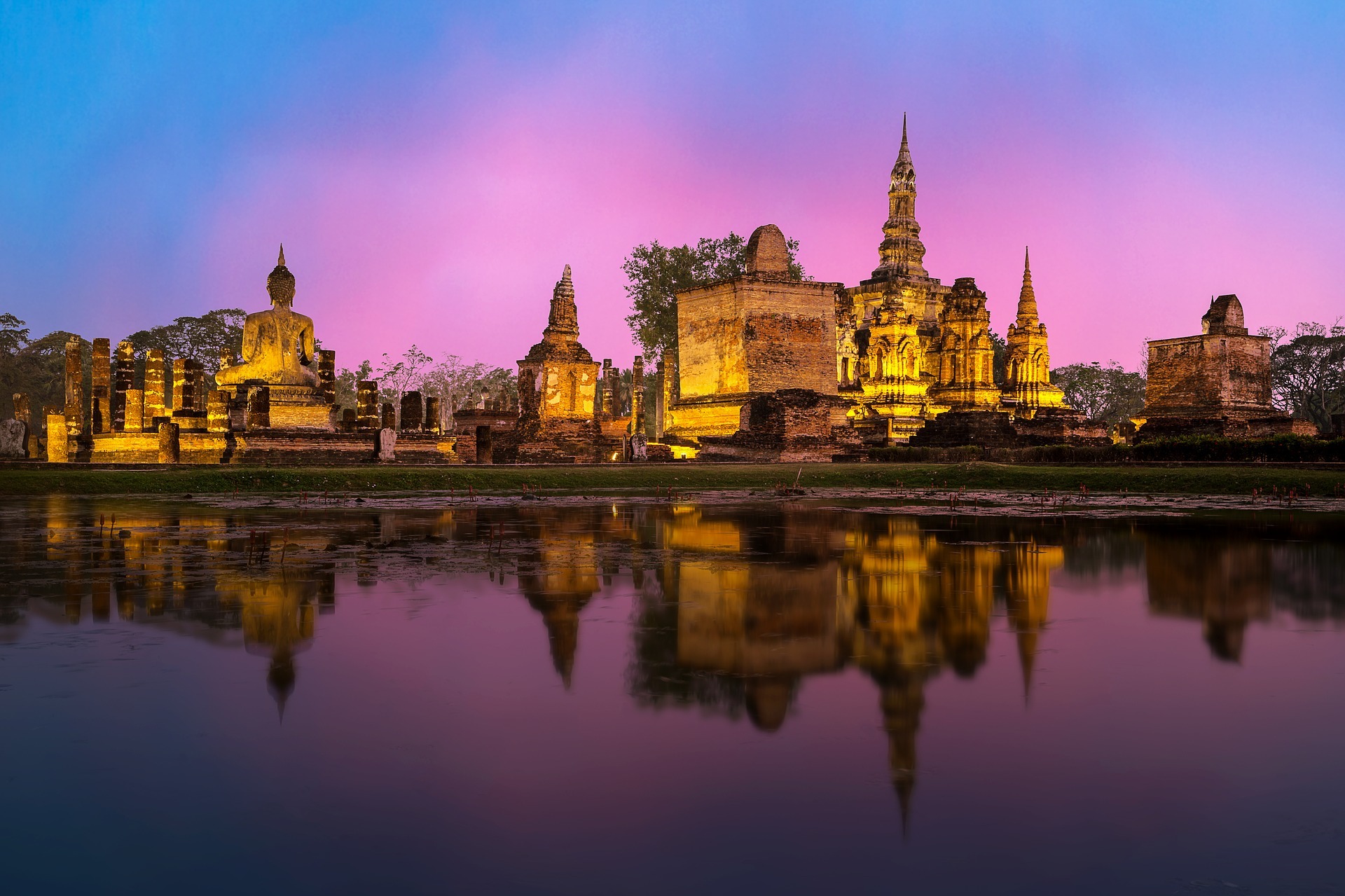
Ayutthaya
A UNESCO-listed former capital of the Siamese kingdom, Ayutthaya can be discovered in a day from Bangkok or savored over two days, among towering chedis, giant Buddhas and Khmer ruins.
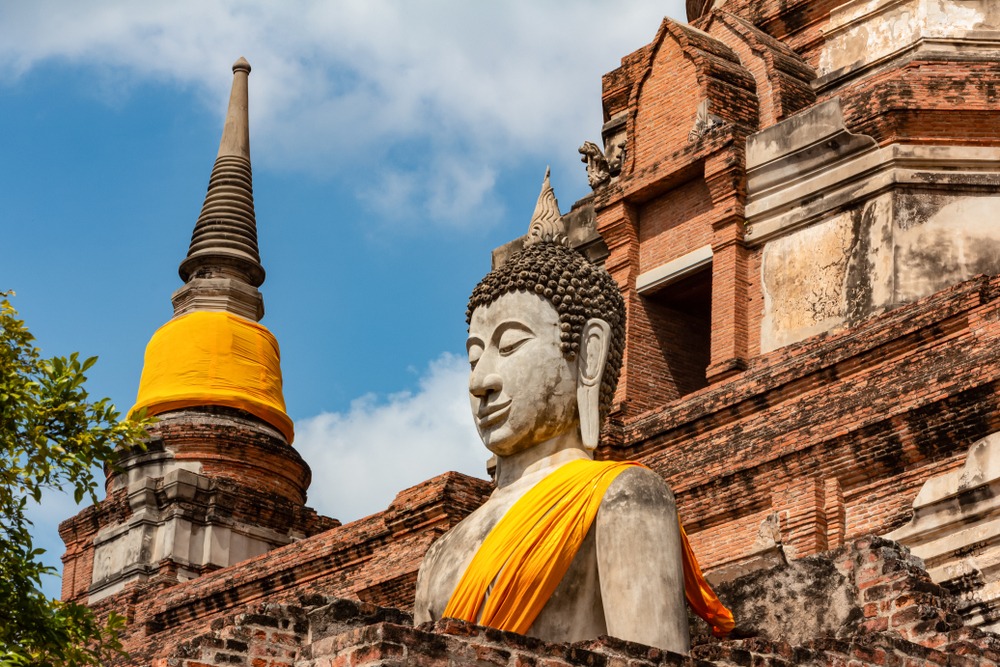
Wat Yai Chai Mongkhon
Located 3 km from Ayutthaya, Wat Yai Chai Mongkhon houses a monumental chedi commemorating King Naresuan's victory in 1592 and a 15-meter reclining Buddha.
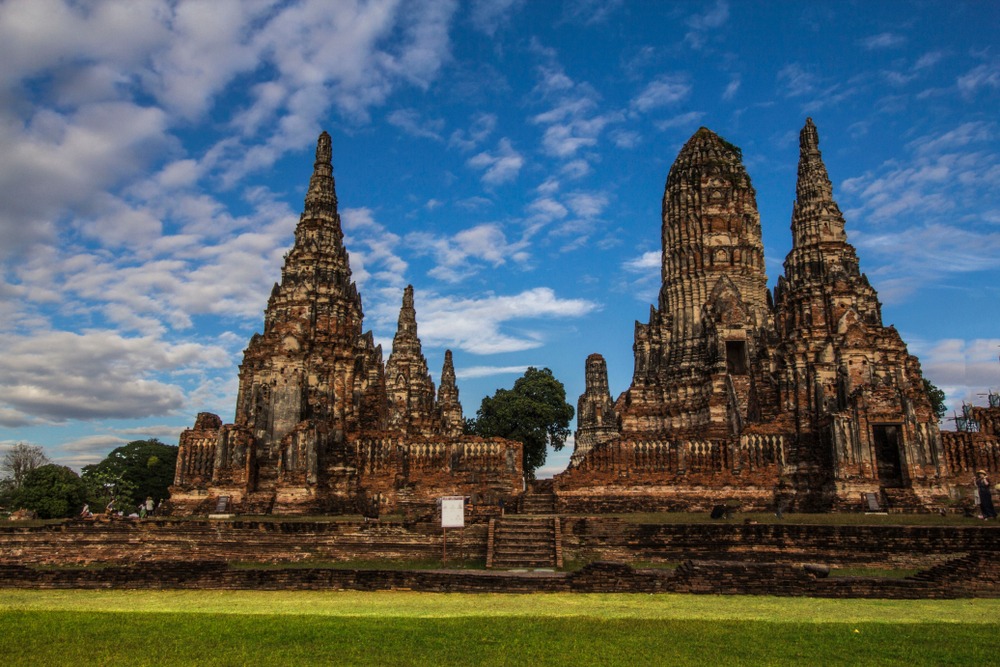
Wat Chai Watthanaram
A 17th-century Buddhist temple of Khmer style on the west bank of the Chao Phraya, Wat Chai Watthanaram stands as one of the major sites within Ayutthaya's historical park.
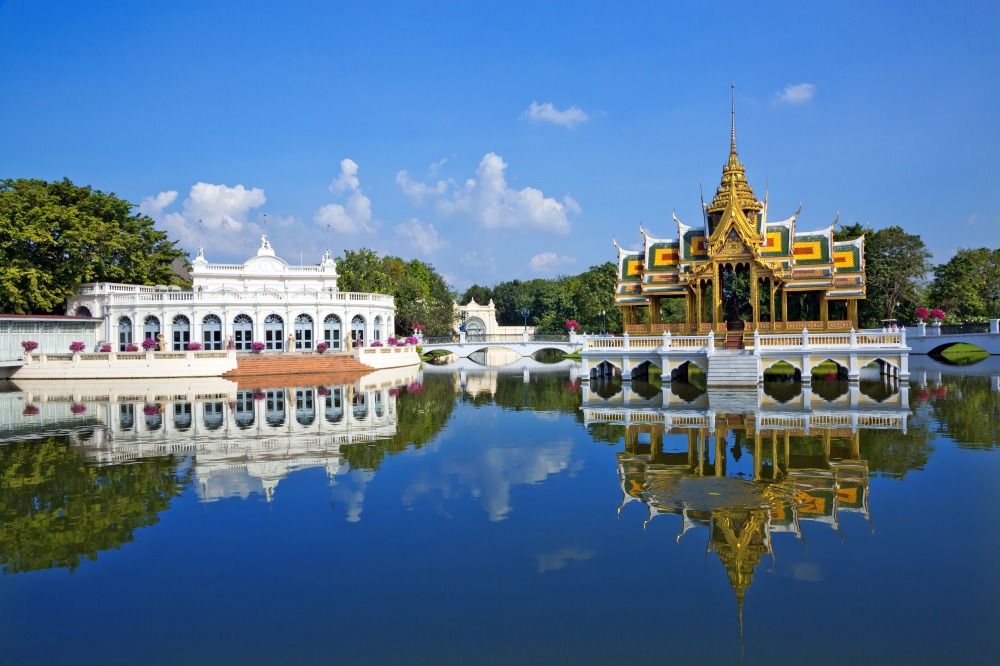
Bang Pa In
Twenty kilometers from Ayutthaya, Bang Pa In brings together a restored royal summer palace from the Rama IV era and a Buddhist temple in neo-gothic style designed by Joachim Grassi.
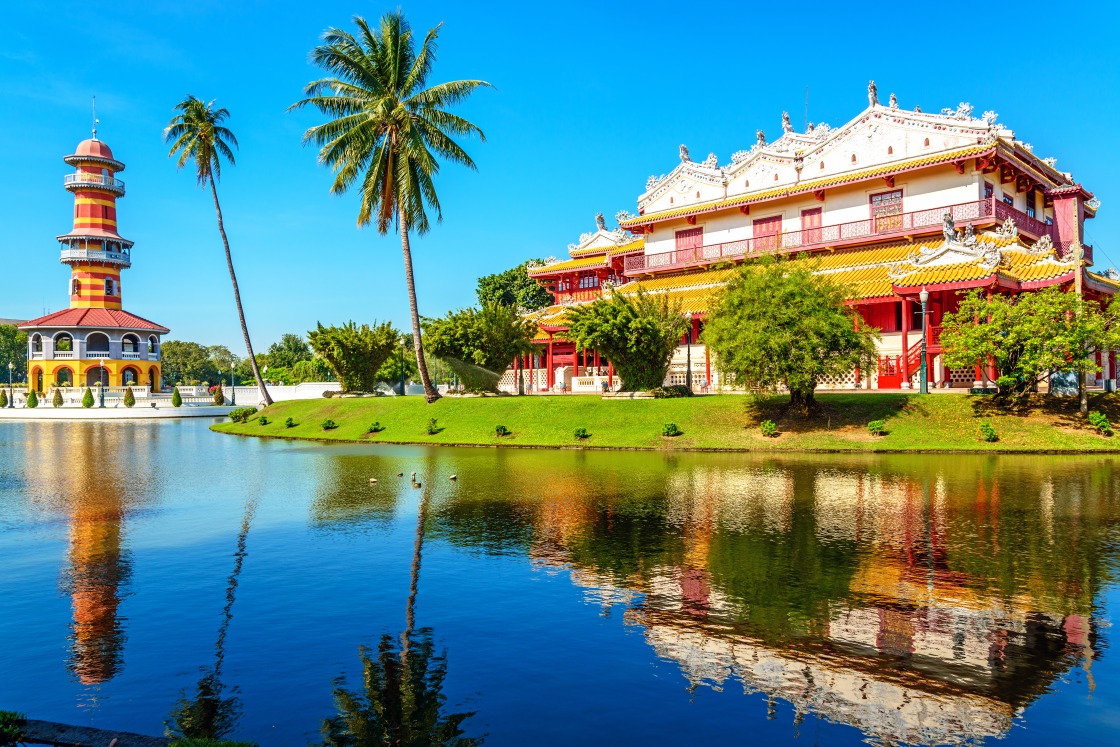
Bang Pa In Royal Palace
Former summer residence of the Kings of Siam south of Ayutthaya, Bang Pa In brings together pavilions in Thai, European, Chinese and Gothic styles within a riverside park.
Interested in this visit?
We can include it in your personalised itinerary.