Rattanakosin Island
Rattanakosin Island
Rattanakosin is Bangkok's historic island, founded in 1782, where the Grand Palace, the Temple of the Emerald Buddha, and Wat Pho converge. An essential stop for understanding royal Thailand.
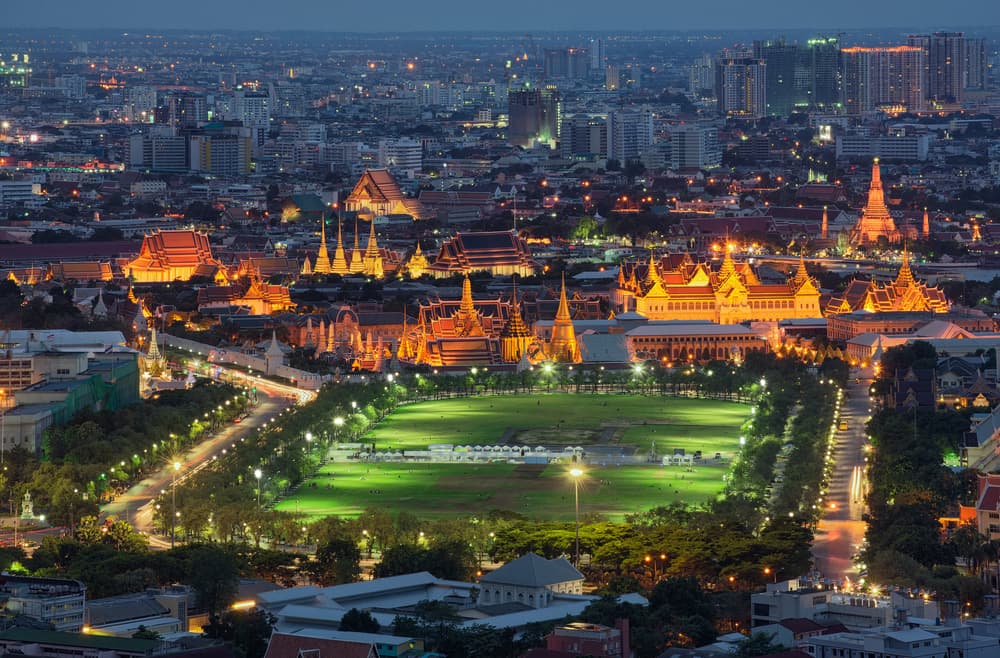
Rattanakosin is the historic heart of Bangkok, an artificial island bounded by the Chao Phraya River and two canals excavated in the 18th century. Founded in 1782 by Rama I, it concentrates the founding monuments of the Chakri Kingdom: the royal palace, royal temples, national museums. Here, every street leads to a building that shaped Thai identity. It is the logical starting point for any exploration of Bangkok.
Practical Information at a Glance
- Access: Chao Phraya Express Boat (Tha Chang or Tha Maharaj pier); tuk-tuk or taxi from downtown
- Dress code: Shoulders and knees covered to enter temples and the royal palace
- Recommended duration: A full day for the main sites; two days for thorough exploration
- Best time: Early morning (before 9 a.m.) to avoid heat and crowds
What to See
The island brings together a unique density of monuments in Thailand. The Grand Palace and the Temple of the Emerald Buddha (Wat Phra Kaew) form its heart. In immediate proximity, Wat Pho houses the famous Reclining Buddha and one of the country's oldest traditional massage schools. Wat Mahathat, Sanam Luang, the National Museum, and the Museum of Royal Barges complete the picture.
History and Context
In 1782, King Rama I moves the capital from Thonburi to the east bank of the Chao Phraya. He has a canal dug to create a defensible island, modeled on Ayutthaya. The name Rattanakosin means "guardian of Indra's jewel"—a reference to the sacred Emerald. The island remains the seat of the monarchy and government for over two centuries, before ministries gradually migrate to other districts.
Highlights of the Visit
Wat Phra Kaew and the Grand Palace
The Temple of the Emerald Buddha is Thailand's most sacred site. The statue, carved from green jasper, is dressed in seasonal costumes changed three times a year by the king. The Grand Palace compound juxtaposes classical Thai architecture with European influences introduced under Rama IV and Rama V.
Wat Pho
Just south of the palace, this royal temple houses a Reclining Buddha 46 meters long covered in gold leaf. The outer galleries align 394 seated buddhas. It is also the birthplace of traditional Thai massage, inscribed on UNESCO's intangible cultural heritage list.
Sanam Luang
This vast esplanade facing the Grand Palace has served as a venue for royal gatherings since the city's founding. It hosts royal ceremonies, state funerals, and, in the dry season, colorful kite flying.
National Museum of Bangkok
Housed in the former Wang Na palace, it presents the country's largest collection of Thai art: Khmer sculptures, Sukhothai bronzes, royal palanquins, ancient weapons, and textiles.
Etiquette and Visiting Rules
- Shoulders and knees covered at all times; sarongs are provided at the Grand Palace entrance
- Shoes must be removed before entering temple buildings
- Silence and respectful behavior inside sanctuaries
- Do not point your feet toward Buddha statues or royal images
- Photography is forbidden inside the building housing the Emerald Buddha
Photography Tips
The golden light of morning (7 a.m.–9 a.m.) enhances glazed tile roofs and gilded prangs. From Tha Chang pier, the Grand Palace sometimes reflects in the river at dawn. For Wat Pho, interior galleries offer repetitive perspectives of seated buddhas, ideal with a wide-angle lens. Avoid midday: light is harsh and crowds are dense.
Location and Access
Rattanakosin occupies the east bank of the Chao Phraya in Phra Nakhon district. The most pleasant way to reach it is by Express Boat (Chao Phraya Express Boat), which is fast and economical. Piers Tha Chang (N9) and Tha Tien (N8) serve directly the Grand Palace and Wat Pho. By taxi or tuk-tuk from Silom or Sukhumvit, allow 20 to 40 minutes depending on traffic. Wheelchair access is limited in ancient temples due to stairs and high thresholds.
Nearby
- Wat Arun — The Temple of Dawn, on the opposite bank, accessible in minutes by ferry from Tha Tien.
- Khao San Road — Lively avenue ten minutes' walk to the north, known for its guesthouses and night street markets.
- Wat Suthat — Royal temple housing a 14th-century Sukhothai Buddha, a few streets to the east.
- National Museum of Bangkok — Directly on the island, the country's largest collection of Thai art.
- Chinatown (Yaowarat) — Twenty minutes' walk to the southeast, for its markets, Chinese temples, and street food.
Frequently asked questions
The dry season (November–February) offers milder temperatures and clear skies. Arrive early in the morning to avoid the heat and organized groups that crowd in midday.
Yes. Shoulders and knees covered are mandatory for the Grand Palace and all temples. Sarongs are available at the Grand Palace entrance if you are not dressed appropriately.
Yes. After Wat Pho, take the ferry from Tha Tien to cross the river to Wat Arun. The crossing takes less than five minutes. Plan a full day for both banks.
Photography is forbidden inside the Emerald Buddha building (Wat Phra Kaew). In other temples, it is generally allowed, but check signs at the entrance to each hall.
The Chao Phraya Express Boat is the most practical option: piers Tha Chang (N9) or Tha Tien (N8). By taxi or tuk-tuk from Silom or Sukhumvit, duration varies with traffic, typically between 20 and 40 minutes.
A full day covers the Grand Palace, Wat Phra Kaew, and Wat Pho. To add the National Museum, Wat Suthat, and surrounding streets, plan for two days or spread visits over two half-days.
Also discover
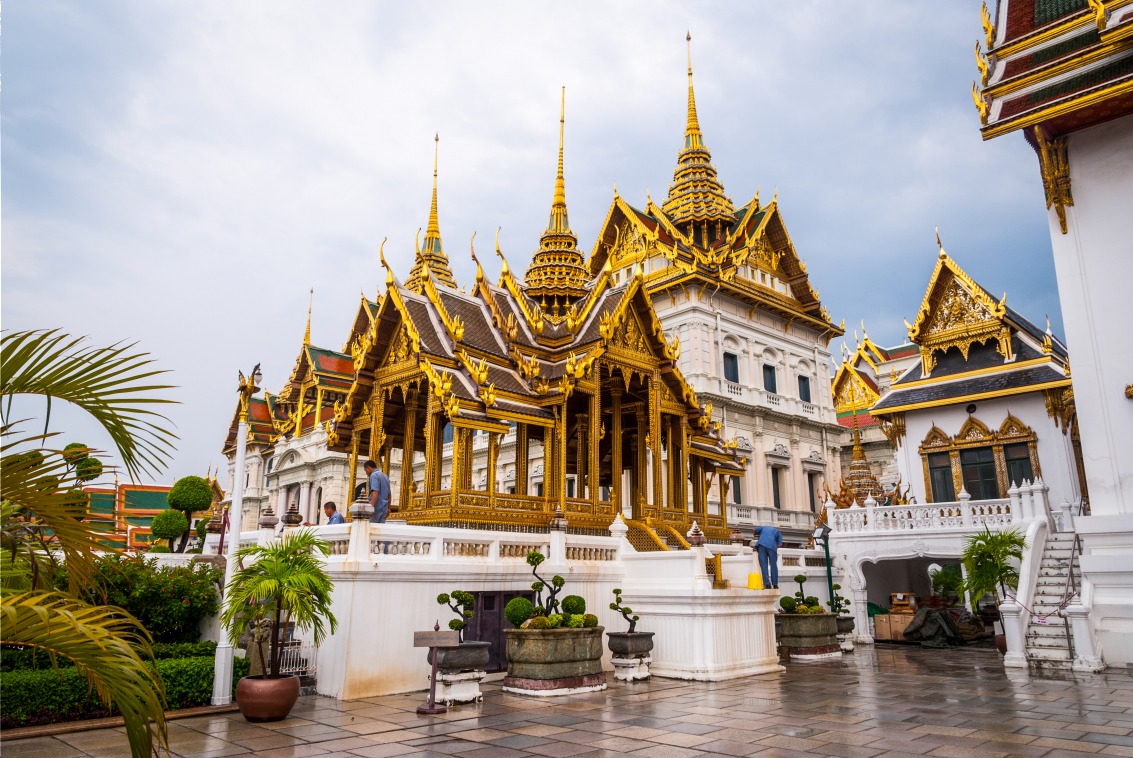
Grand Palace of Bangkok
Royal complex founded in 1782 by Rama I, the Grand Palace of Bangkok houses Wat Phra Kaeo and the Emerald Buddha. Practical guide to prepare your visit.
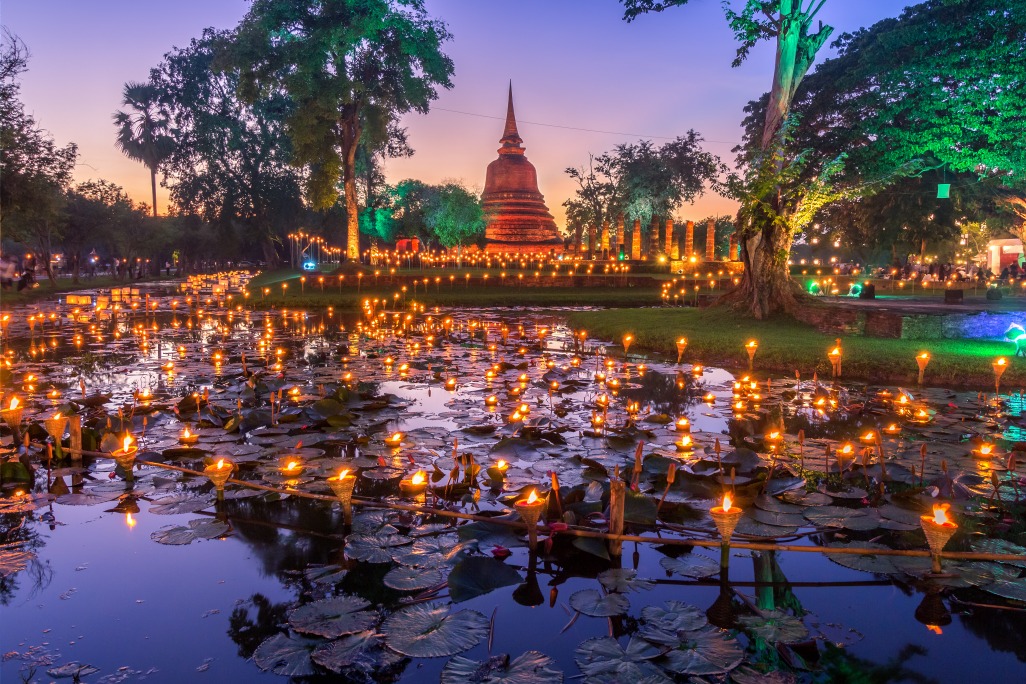
Sukhothai
Sukhothai, the dawn of Thai happiness: 200 UNESCO-listed remains, giant Buddhas and serene atmosphere in the heart of northern Thailand.
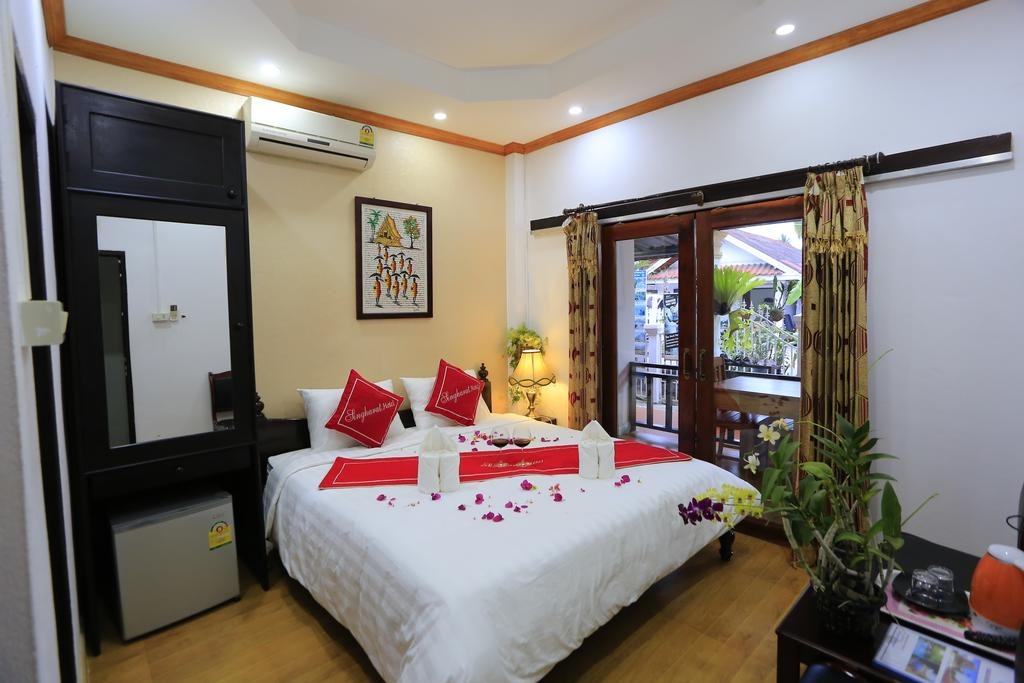
Guesthouse on Bang Luang Canal
A two-bedroom stilt house on Bang Luang klong, facing the artist collective Baan Silapin and its traditional Thai puppet performances.
Want to discover this destination?
Our local advisors design your tailor-made trip.