Koh Samet
Koh Samet
Just 3.5 hours from Bangkok, Koh Samet unfolds across 13 km² of pristine white sand beaches, tropical forest, and a uniquely dry microclimate. Your complete guide to planning an unforgettable escape.
In the Gulf of Thailand, the island of Koh Samet has become a premier beach resort favored by international tourists and Thailand's jet-set elite. Here's the complete picture.
Perched on a rock, a prince draws magical melodies from his flute for his beloved mermaid. This statue of a hero from a celebrated Thai poem captures the imagination of every visitor to Koh Samet, looming majestically over the magnificent Hat Sai Kaew beach, one of the archipelago's most visited stretches of sand. Coastal tourism took off in the mid-1980s when Bangkok students discovered Koh Samet as the ultimate escape and romantic getaway. Since then, the island has undergone profound transformation, its hillsides now crowned with luxury hotel complexes catering to high-end tourism demands. Visitors from around the globe flock here to bask in the sun, sink their toes into soft sand, and immerse themselves in crystal waters. A beach destination of exceptional appeal off the coast of Rayong, approximately 220 km from Bangkok.
History
The name Koh Samet derives from "cajeput," a tree that flourishes abundantly on the island's hillsides. Locals have long harvested a lucrative livelihood from cajeput oil, extracted from its leaves and branches. In the 13th century, Ko Samet served as a waystation for maritime traders and a refuge for buccaneers.
Yet it was in the 19th century that the island truly gained prominence when renowned poet Sunthorn Phu selected it as the setting for his masterwork, Phra Aphai Mani, an epic poem recounting the tragic love between a Thai prince and a beautiful golden-haired mermaid. This literary triumph spread throughout Thailand, cementing the island's place in the national consciousness and media.
Koh Samet Today
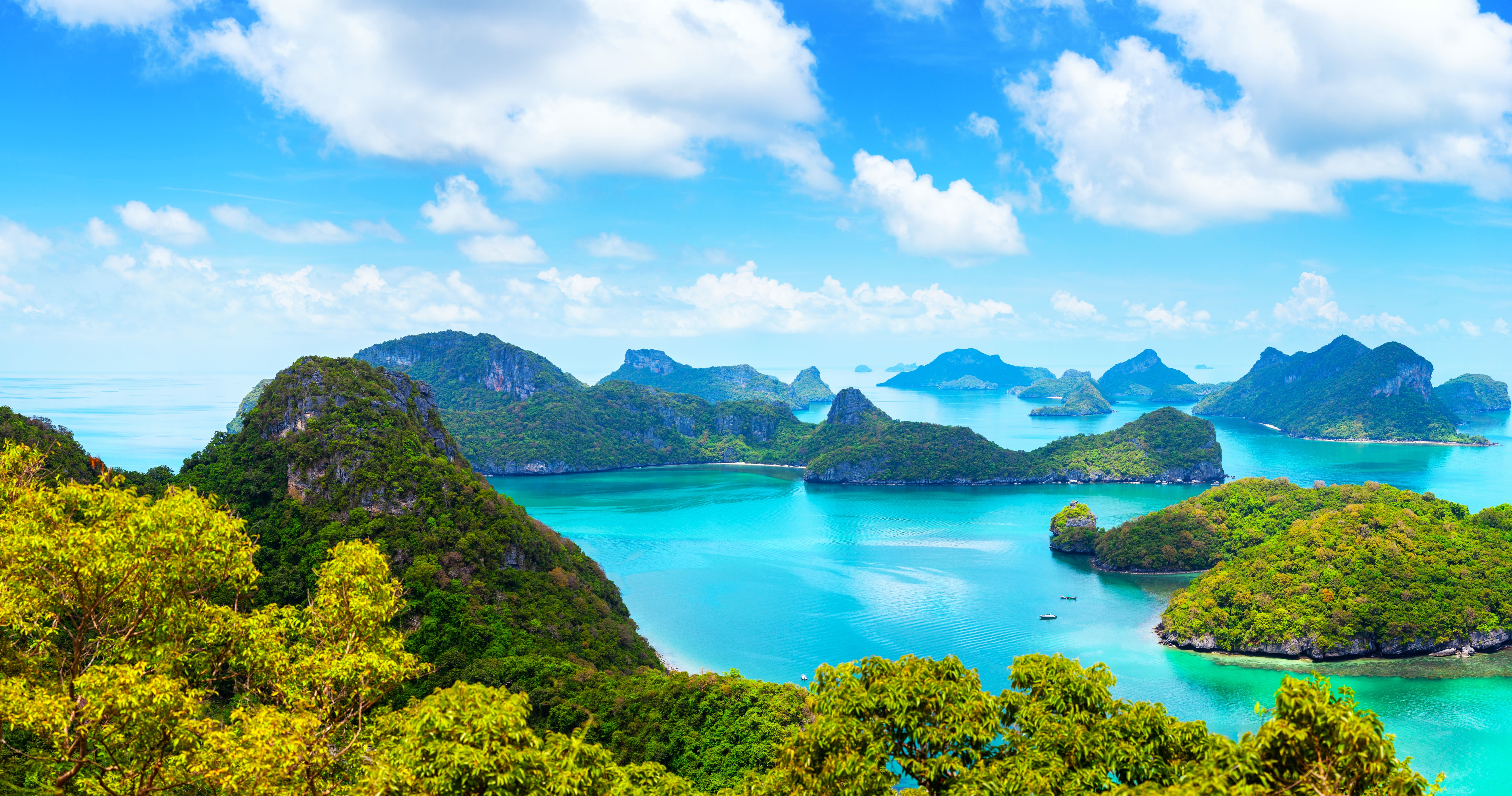
Koh Samet and tourism are now inseparable. Tropical forest blankets 80% of the island's territory, which stretches 7 km in length and 4 km across. In recent years, residents have grappled with freshwater shortages exacerbated by drought, while a residential construction boom has intensified pressure on resources. The local government finds itself navigating a delicate balance—preserving the natural environment while positioning itself as a luxury beach destination. Though the waterfront boasts numerous hotels, bungalows, and leisure facilities, Koh Samet and nine neighboring islands were designated a "protected site" under royal decree in 1981, forming an integral part of Khao Laem Ya National Park. During your stay at Koh Samet, you'll enjoy the perfect marriage of seaside indulgence and pristine forest exploration.
Koh Samet draws weekend crowds primarily from Bangkok residents seeking respite and water sports adventures. International tourists come for the same reasons, seeking authentic tropical retreat.
What to Do at Koh Samet
Beach Days
The island of Koh Samet, shaped like a "T", spans approximately 13 km². Numerous beaches dot the eastern coastline, while the tranquil western shore features the secluded Ao Phrao beach, favored by Thailand's elite. Its shallow waters make it ideal for swimming. Here's a curated selection of Koh Samet's most popular beaches:
Ao Wong Duean
Nestled in a charming bay and home to four beach resorts, Ao Wong Duean lies north of Ao Cho. At 400 meters, it ranks as the island's second-largest beach. Both beaches rival each other for pristine white sand and transparent waters, yet Ao Cho caters to families seeking serenity, while Ao Wong Duean pulses with lively, festive energy. Recline beneath beach umbrellas or explore coastal ecosystems. For scuba diving and snorkeling, specialized vendors along the beach rent equipment at reasonable rates.
Ao Tubtim
This dream beach evokes the celebrated shores of Koh Samui, with powdery white sand backed by verdant tropical vegetation.
Ao Nuan
This intimate, secluded cove appeals to travelers seeking privacy and seclusion. You can reach it on foot from Ao Tubtim.
Haad Sai Kaew
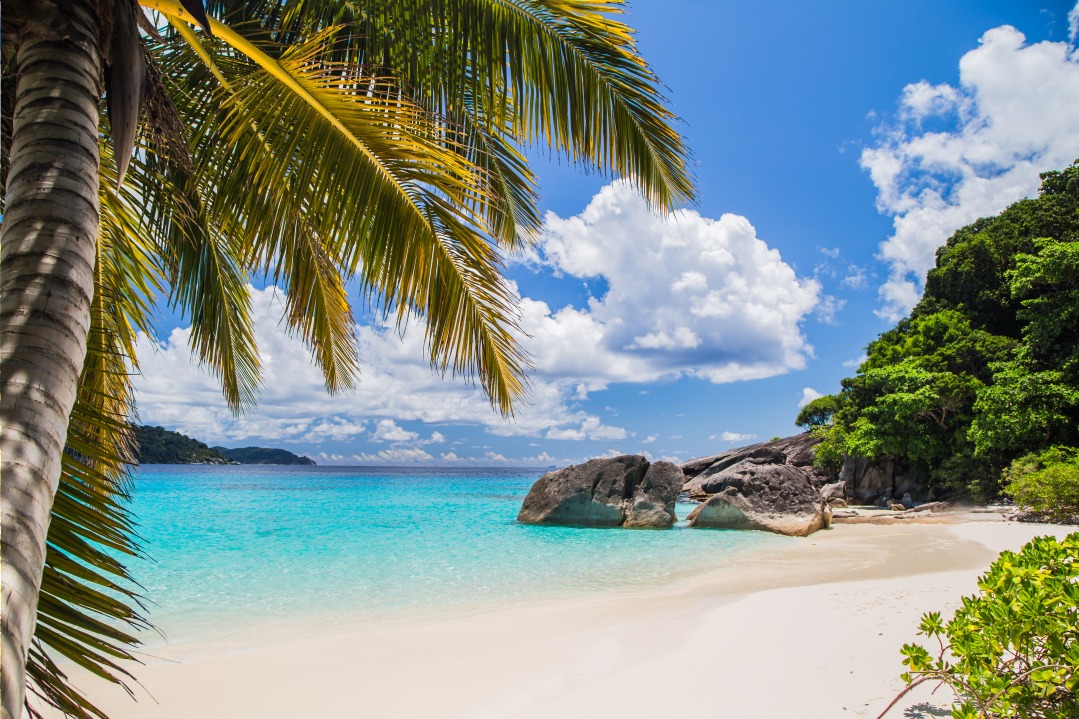
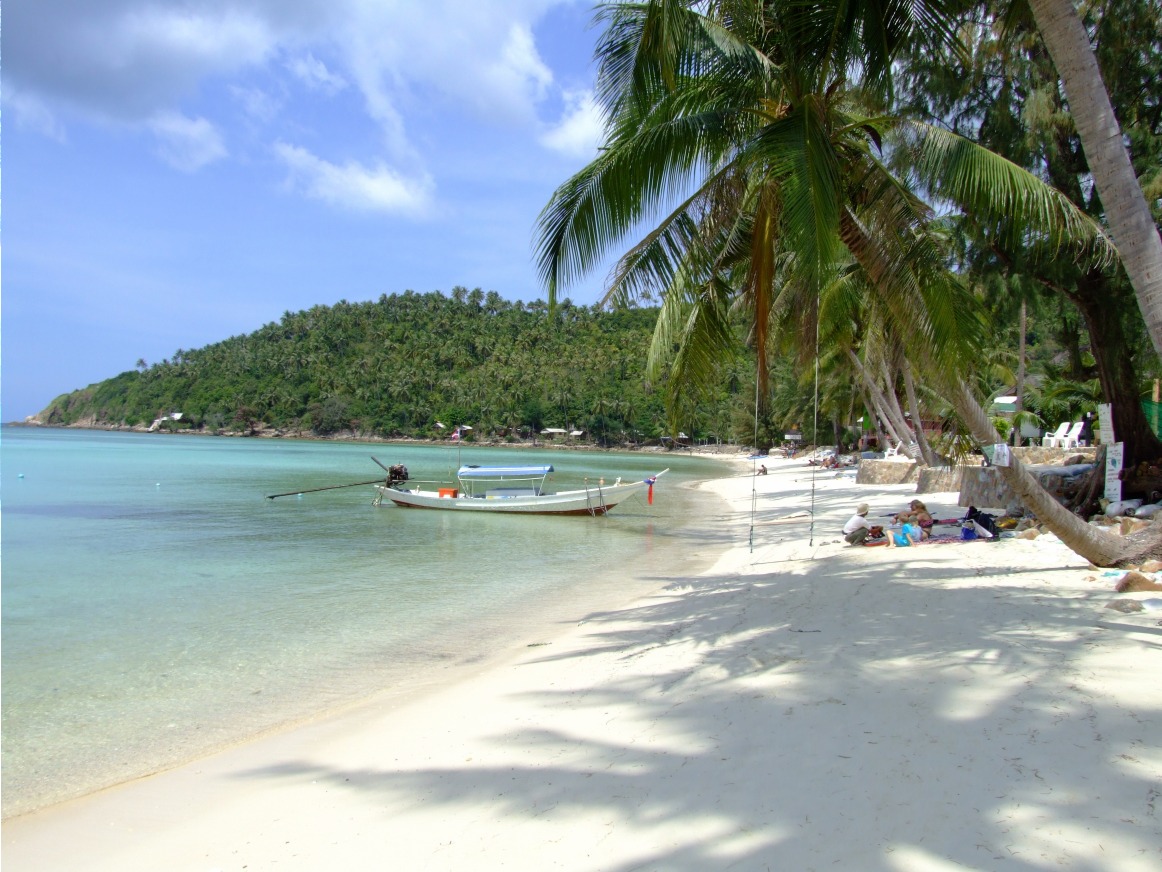
Spanning roughly 1 km, this waterfront ranks as the island's most frequented beach, followed closely by Ao Wong Duean. Thousands of Thai and international tourists converge here annually. Buoys, lounge chairs, and water sports equipment are available for rent at reasonable rates from resort operators. Days pulse with the roar of jet skis and windsurfing boards. While sun-worshippers sprawl on loungers, children splash joyfully in warm waters. Energy peaks as darkness falls—BBQs, DJ remixes, and spectacular fire performances keep the atmosphere electric.
One of the must-do experiences at Koh Samet is a photo session with the Phra Aphai Mani statue rising majestically from the beach, depicting the prince playing his flute on a reef for an enchanted mermaid.
Ao Hin Khok
Fine, pristine sand and transparent, shallow waters beckon swimmers. Few shaded spots exist for those perfecting their tan.
Ao Phai
This beach sits between Haad Sai Kaew and Ao Tubtim. Fine sand interspersed with rocky outcrops creates natural charm. Waters surrounding Ao Phai harbor exceptional underwater biodiversity.
Scuba Diving at Koh Samet
If you're passionate about underwater exploration, Koh Samet will captivate you. The bay east of the island serves as a premier diving destination. Marine species inhabiting these waters include porcupinefish, sea turtles, manta rays, tiger sharks, and barracudas. Night diving is particularly popular at Koh Samet—the ocean's nocturnal activity intensifies considerably after dark.
Savor Local Gastronomy
To taste local specialties, head to waterfront restaurants lining the shore. Seafood dominates every table in this seaside paradise. Among must-try desserts is banana rotee, a local tradition—a crispy-pastry crepe drizzled with chocolate sauce, an absolute delight.
Weather
Koh Samet enjoys a unique microclimate. Despite its proximity to Rayong province, the island receives significantly less rainfall than its mainland neighbor.
When to Visit Koh Samet
Visit during the sunniest months between October and February for optimal conditions.
How to Reach Koh Samet
From Bangkok, board a bus at Ekkamai terminal heading to the Ban Phe pier, located south of the capital in Rayong province. The journey takes approximately 3.5 hours. From there, board one of the ferries moored at the port. Crossing time varies: 45 minutes by ferry (50 baht) or 10 minutes by speedboat (200 baht).
Upon reaching Koh Samet's small marina in the northeast, head to the main beach at Haad Sai Kaew to pay your entrance fee. Remember, this is a national park. Entrance costs 250 baht per person.
Reaching Ban Phe by Minivan
For rapid transit to Ban Phe from Bangkok, minivans offer a convenient alternative. Numerous vehicles station at Victory Monument with departures every hour. Round-trip fares range from 300 to 400 baht.
Getting Around Koh Samet
By Songthaew
Songthaews—converted pickup trucks serving as shared taxis—service all neighborhoods on Koh Samet. For greater comfort, arrange a private rental.
By Motorcycle
Locals frequently offer motorcycle rentals to tourists at approximately 300 baht daily. Before departing, thoroughly inspect the bike for existing damage—photograph or video record any findings as evidence. This precaution protects against unscrupulous owners. Note: traffic drives on the left throughout the island.
Photos
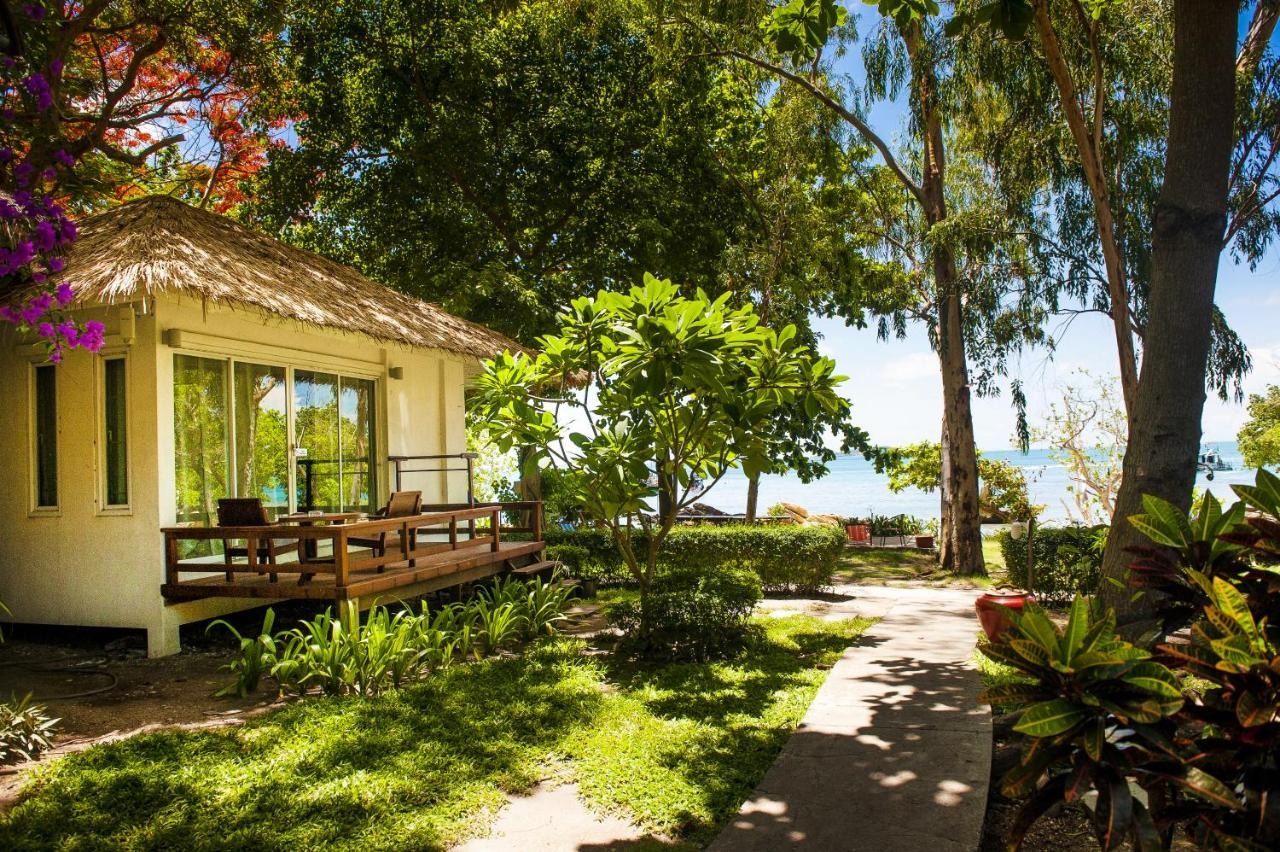
Accommodation in Koh Samet
Want to discover this destination?
Our local advisors design your tailor-made trip.