Mae Kham Pong
Mae Kham Pong
Nestled at 1,300 meters in Northern Thailand's mountains, Mae Kampong embodies Thai ecotourism at its finest: authentic Lanna homestays, tea gardens, and genuine hospitality.
Located 50 km from Chiang Mai in northern Thailand, Mae Kham Pong is a charming mountain village that radiates serenity. Let's explore what this destination has to offer.
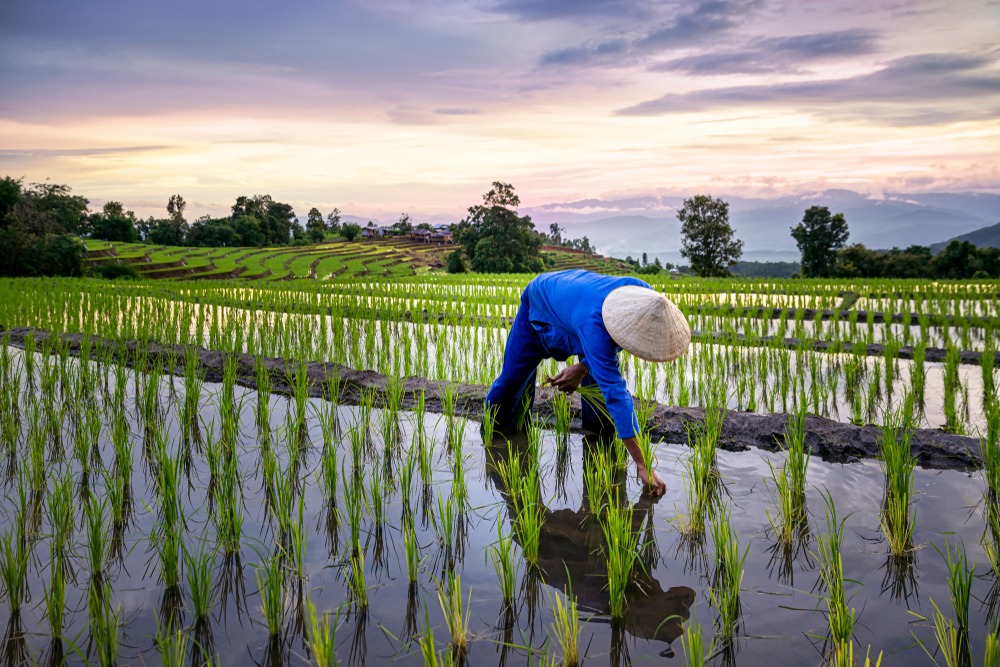
Tea gardens, rice paddies dotting the hillsides, a quintessential Lanna temple, farmhouses stretching across the horizon… The atmosphere of Mae Kham Pong speaks volumes: you've arrived in one of those delightful hill villages of Northern Thailand. This small village near Chiang Mai with barely five hundred inhabitants clings resolutely to its roots: Lanna cuisine is eaten here, water buffalo are raised, bamboo is cut for weaving and timber, and folk festivals are observed faithfully. Beyond mountain hiking through rice paddies and a beautiful waterfall, visitors can forge genuine connections with locals. If you're seeking peaceful holidays with a partner or family in an authentically rooted setting, Mae Kham Pong is your destination.
A Touch of History
The village of Mae Kham Pong was established in the early twentieth century. Its residents descend from early migrants from Doi Saket who settled in Baan Mae Kampong. Migration was driven by the search for fertile farmland. A river winds through the village's rolling hills, with yellow flowers blooming on the banks. These distinctive local features inspired the village's name. Indeed, Mae Kham Pong comes from two words: "Mae," meaning river or waterway, and "Kham Pong," named after the flowering species.
Farmers initially cultivated tea, whose fermented leaves became the base for "mieng," a local delicacy. Over time, mieng prices collapsed, making agricultural diversification urgent and necessary.
To boost mountain family incomes, the Thai government launched two initiatives: the first established a royal agricultural station to experiment with coffee cultivation; the second focused on developing ecotourism. Families were invited to offer a product, activity, or cultural tradition. The strategy succeeded beautifully. Many visitors staying at Mae Kham Pong praise this innovative tourism approach, one centered on participation, solidarity, and genuine connection.
Mae Kham Pong: A Blossoming Ecotourism Village
Located in Mae On district, about fifty kilometers from Chiang Mai province, sits the lush and flower-filled village of Mae Kampong. It had around five hundred inhabitants in 2018. Agricultural life remains the dominant social model. Subsistence farming and cash crops shape the landscape. Pure air, birdsong, scenes of plowing and harvesting in the rice paddies guarantee authentic escape. For your next Chiang Mai holiday, come with your children or loved ones to experience this place's magic.
What to See and Do
To stay and sleep at Mae Kham Pong, there's essentially one option: homestay accommodations. You'll discover what a rural household looks like, sample farm-fresh food, and help the farmers: care for chickens, pick tea leaves, bring water buffalo to the barn, and more. Beyond being a premier ecotourism destination, this small Chiang Mai village is renowned for the warmth and hospitality of its people.
Beyond this rural immersion, there's a sanctuary and waterfall to visit, plus annual festivals celebrated with village-wide joy.
Natural Heritage
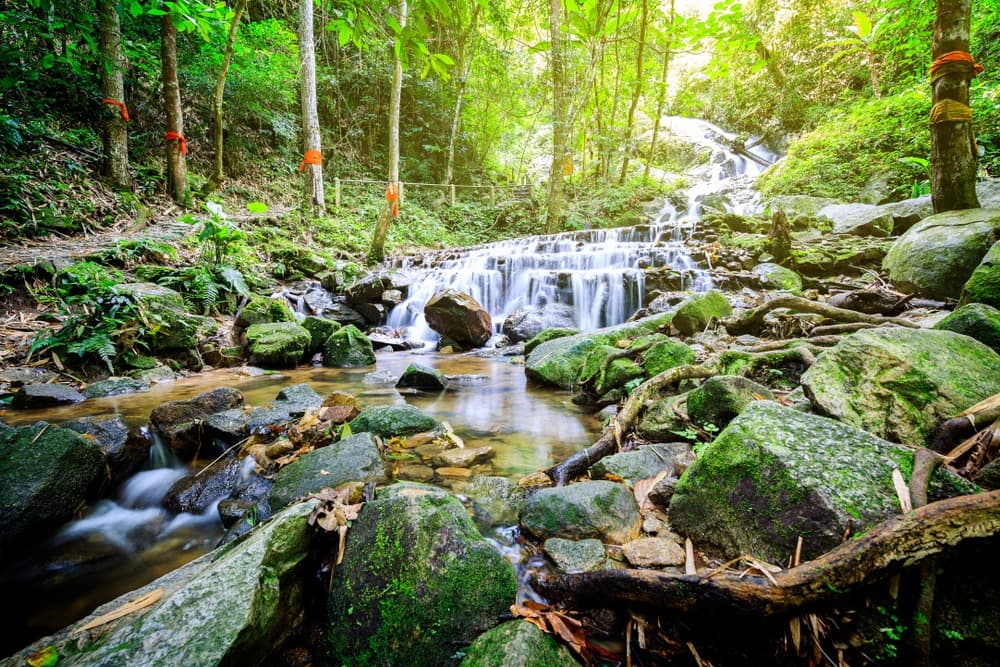
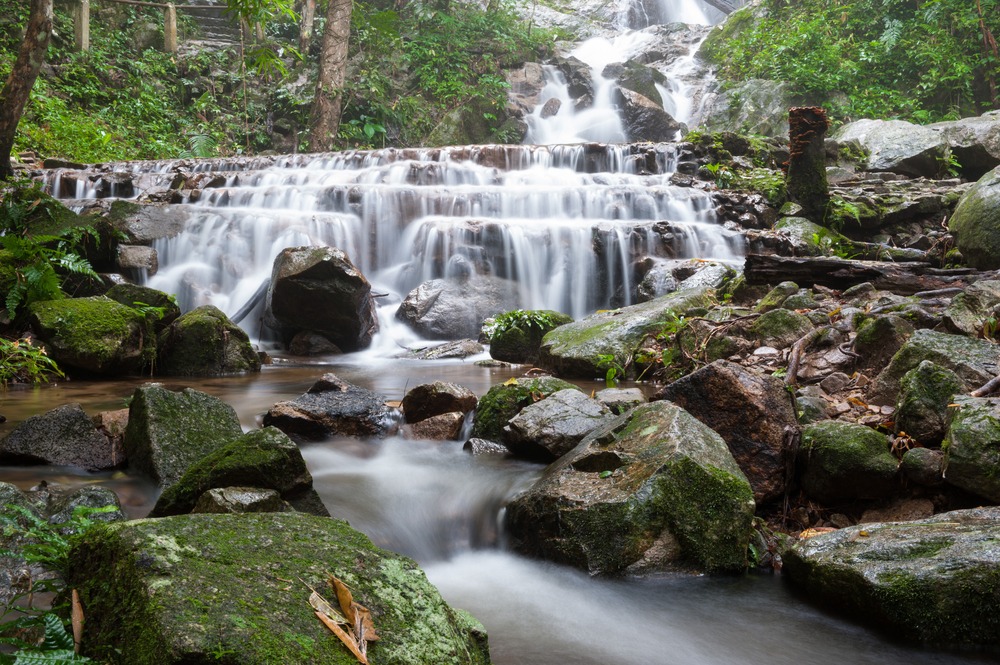
Mae Kampong Waterfall: Located at the village's edge, it holds economic significance as the river irrigating rice paddies and orchards originates here. For tourists, the waterfall is a favorite day-trip destination. Rural life scenes unfold during the walk. Upon arrival, you'll enjoy relaxing by the cascade, listening to birds and butterflies rustling through the foliage. Swimmers appreciate the natural pool… sometimes alongside elephants!
Religious Heritage
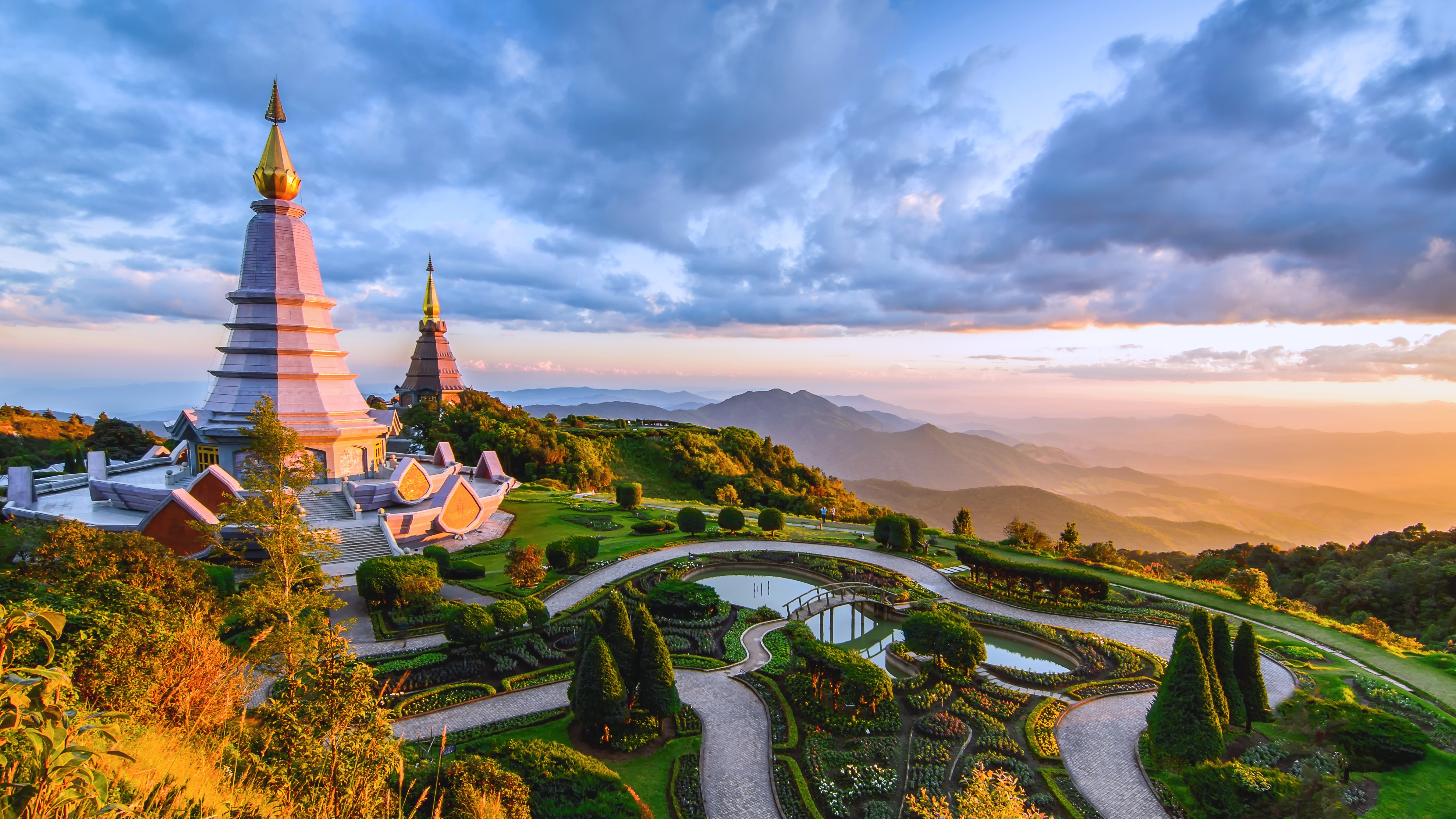
Kanta Prueska Sanctuary: This Buddhist temple is roughly the same age as the village. Don't miss its charming chapel reflected in a crystal-clear pond. Polished teak walls, a three-tiered golden roof, and handcrafted sculptures showcase quintessential Lanna artistry.
Cultural Festivals
- The Songkran Festival: The New Year celebration occurs in April. For the occasion, villagers recreate Lanna-era traditions, including constructing a sand pagoda within the temple grounds.
- The Sibsongpeng Festival: Held on the 15th day of the lunar month, typically in September, this celebration invites people to reflect on charity and devotion to departed ancestors.
Fine food is inseparable from these festivities. In the evening, families gather for a grand traditional meal served on a classic round tray—the famous "khan-toke". Unique recipes, known only to the Lanna people, are savored.
When to Visit
Like other northern mountain stations, Mae Kampong experiences high humidity from June to October. Even the rest of the year remains cool and damp. The first three months of the year and December are ideal for outdoor activities.
How to Reach Mae Kampong
To get to Mae Kampong, the easiest path is booking a flight to Chiang Mai, then reaching the mountain village by private car, scooter, or motorcycle. You can also take the red or yellow songthaews. This transport is cheaper, though better suited to patient, less demanding travelers.
Photos
Also discover
Want to discover this destination?
Our local advisors design your tailor-made trip.