Ratchaburi
Ratchaburi
Just 80 km from Bangkok, Ratchaburi reveals floating markets, limestone caves and ancient temples. Your complete guide to planning a visit.
Ratchaburi is a historic city situated on the banks of the Mae Khlong River, 80 km west of Bangkok. It serves as the capital of the province bearing its name, which shares its western border with Myanmar and covers 5,196 km². Rich in natural attractions, the city retains all the charm of generous landscapes still relatively undiscovered by international tourists.
You'll experience provincial life through its limestone caves, mountain ranges, and most notably its Damnoen Saduak floating market, arguably Thailand's most famous floating market.
History
Ratchaburi Province gained prominence as the civilized kingdom of Suvarnabhumi during the reign of King Asoka of India. It experienced Dvaravati civilization and was an important city over 1,000 years ago before the arrival of the Khmer, who left their mark on the region.
Once renowned as a gateway to Burma and a meeting point for ancient merchants, Ratchaburi quickly developed into a thriving, cosmopolitan town.
Ratchaburi Today
Today, the region is divided into three parts, with forests covering 38% of its area. Ratchaburi is best known as the province of Mae Khlong River civilization. It abounds in natural resources including quartz, tin, feldspar, tantalum, and more.
It particularly attracts visitors from Bangkok with its history, geographic features, ruins, abundant natural beauty, culture, and artisanal talents.
The city now possesses a distinctive commercial identity, home to Thailand's most celebrated floating market.
Visiting Ratchaburi
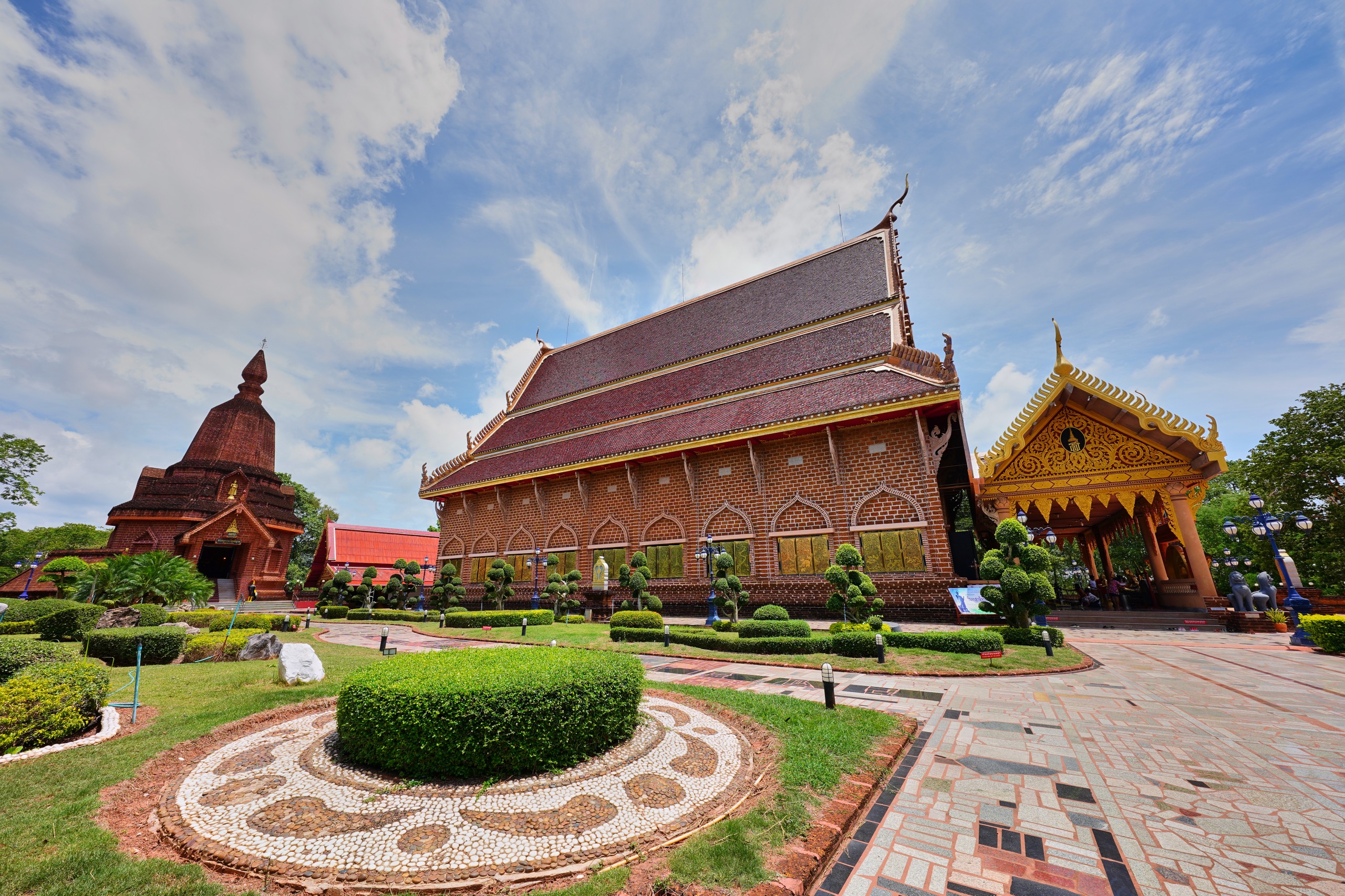
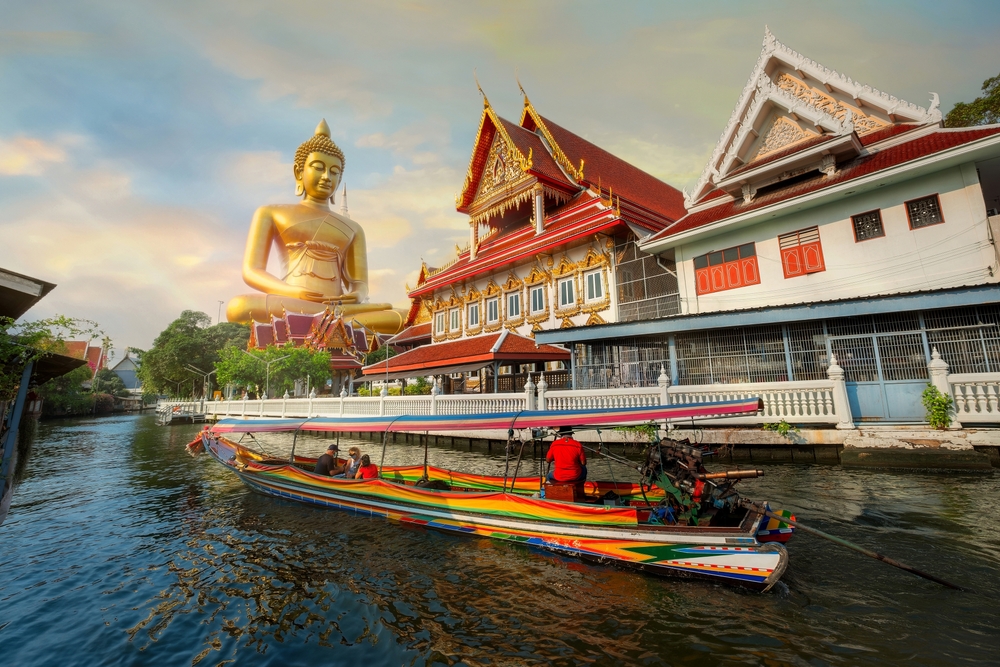
Several temples bear witness to the city's history, heavily influenced by Buddhist and Hindu traditions. Notable examples include Wat Mahathat WoraWihan, Wat Nong Hoi, and Wat Chong Lom.
The city boasts numerous tourist sites, leisure facilities, and interesting green spaces.
Ratchaburi National Museum
This pink building facing the Mae Klong River traces the region's history. Exhibition descriptions are easy to understand, with most translated into English.
Khao Ngu Stone Park
This former stone quarry converted into a local park offers breathtaking scenery. The famous suspension bridge provides a magnificent vantage point for visitors.
Damnoen Saduak Floating Market
It has made Ratchaburi famous as the most visited market in the country. The area comes alive each morning with hundreds of merchant boats. The Damnoen Saduak floating market remains an essential destination for acquiring excellent products: fruits, vegetables, freshly cooked noodles, souvenirs, and more.
Don't hesitate to explore the surrounding areas for artisanal shops specializing in ceramic and terracotta jar production. There's plenty to find for gift ideas and souvenirs to bring back to loved ones!
Climate
Ratchaburi has a tropical climate characterized by humidity and warmth. Throughout the year, average precipitation measures 1,341.9 mm and the mean temperature is 29.2°C. In April, the hottest month, averages climb to 31.5°C and drop to 26.8°C in December, the coolest month.
The heaviest rains fall in October with average precipitation of 264.9 mm. However, rainfall is less frequent during winter, with February—the driest month—recording an average of just 8.9 mm.
The winter season is virtually dry and represents the ideal time to visit Ratchaburi. Rain is almost nonexistent and temperatures are pleasantly mild from November through March.
How to Get to Ratchaburi?
From Bangkok, several transportation options are available to reach Ratchaburi.
By train: This is ideal for enjoying beautiful scenery along the route. Take the train from Hua Lomphong Station and you'll reach Ratchaburi city in 1 hour 55 minutes;
By bus: The most economical option for a 4.5-hour journey. Buses depart from the Mo Chit Station at Bangkok's Rong Klua Market;
By van: Minibuses regularly connect the two cities from Sai Tai Kao Pinklao or from the new Mo Chit van station directly to the Damnoen Saduak floating market.
Photos
Attractions in Ratchaburi
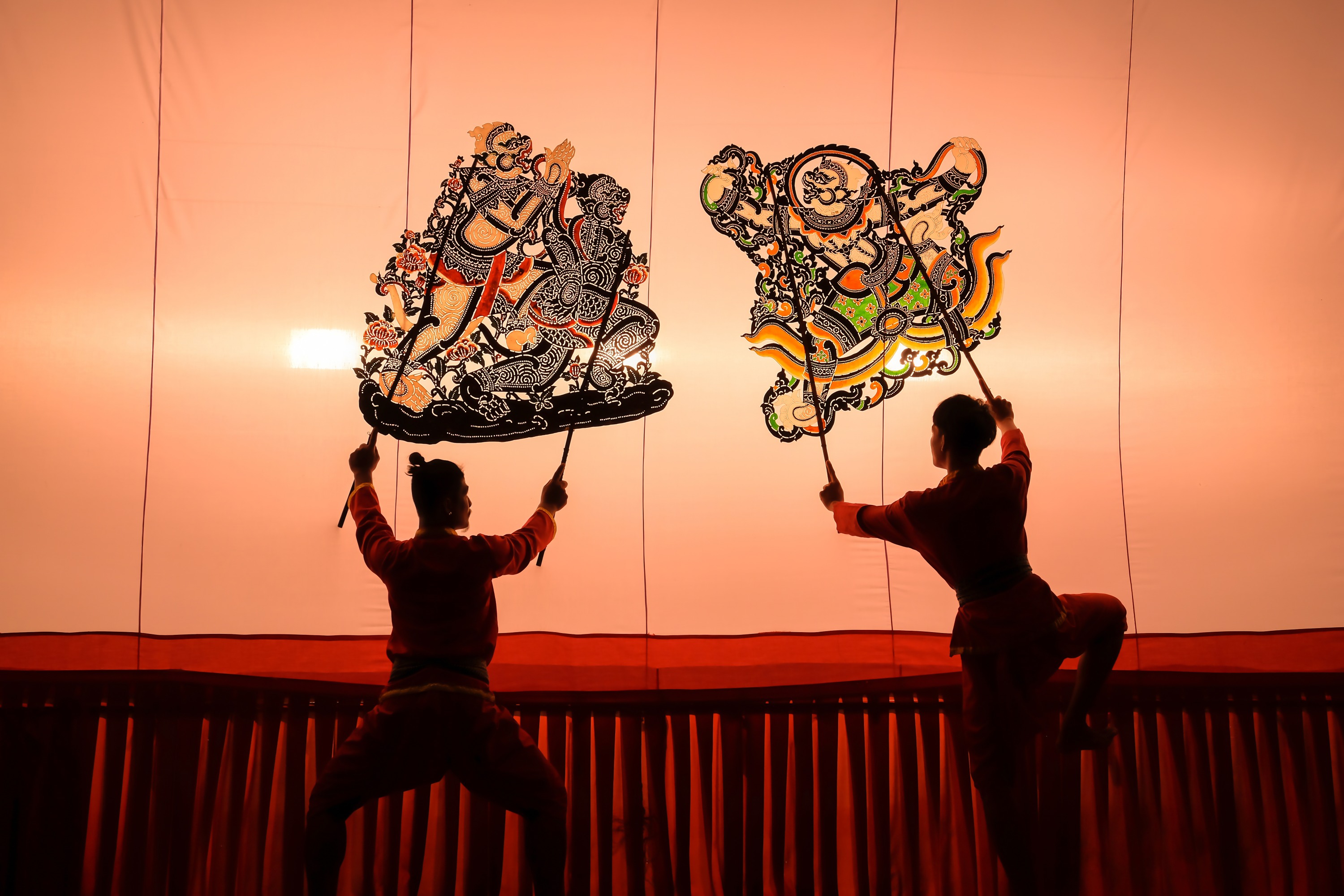
Musée Wat Kanon Nang Yai
À Ratchaburi, le musée Wat Kanon Nang Yai abrite 313 marionnettes de cuir et fait vivre le nang yai, théâtre d'ombres tiré du Ramayana, lors de spectacles donnés chaque samedi.
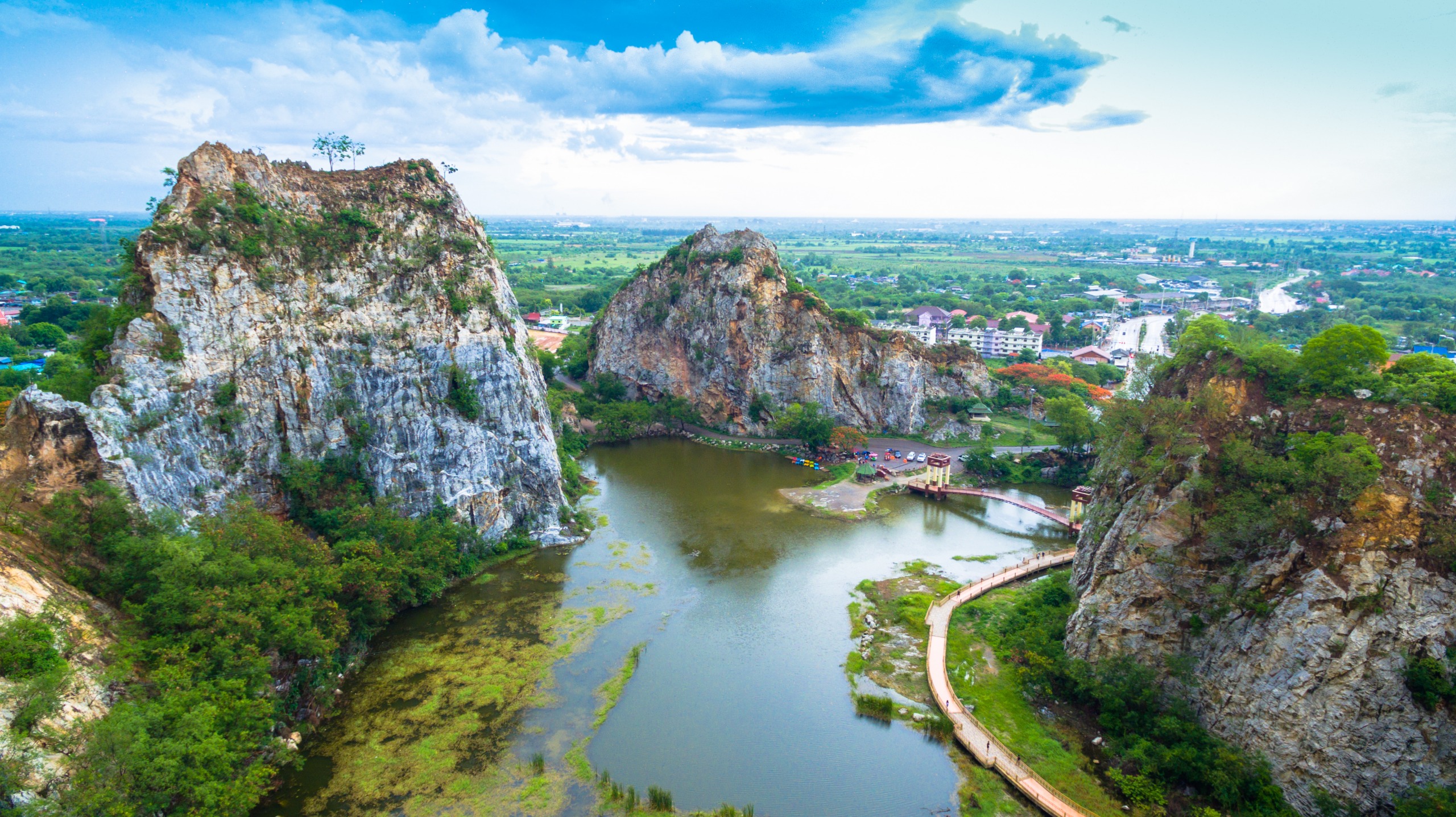
Le Parc Khao Ngu Stone
Ancienne carrière reconvertie en parc public près de Ratchaburi, Khao Ngu Stone associe falaises calcaires, lac, pont suspendu et grottes bouddhistes anciennes.
Want to discover this destination?
Our local advisors design your tailor-made trip.