Khao Ngu Stone Park
Khao Ngu Stone Park
HQFH+X32, Ko Phlapphla, Mueang Ratchaburi, Ratchaburi 70000, Thaïlande
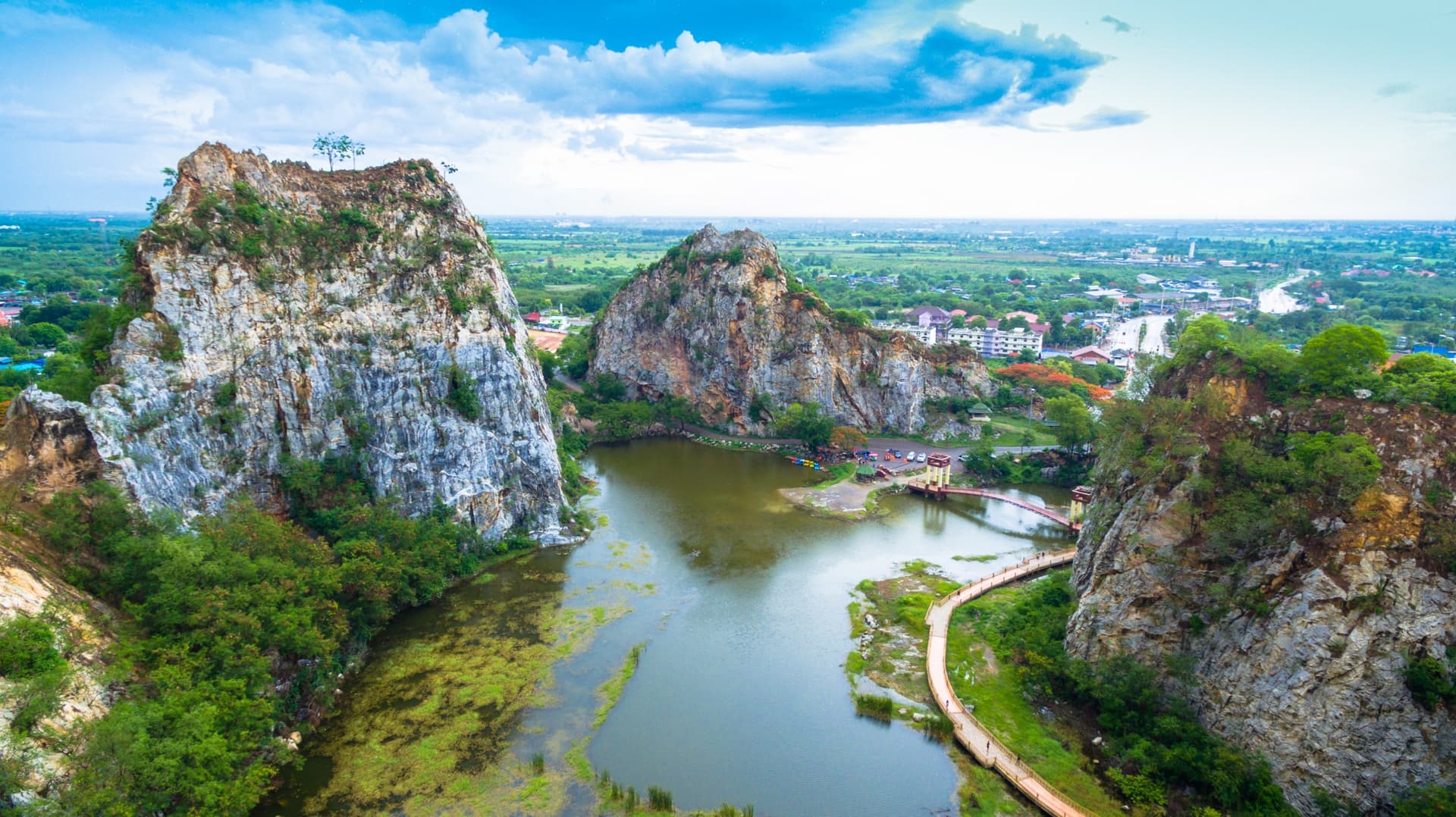
A former quarry converted into a public park near Ratchaburi, Khao Ngu Stone combines limestone cliffs, a lake, a suspension bridge and ancient Buddhist caves.
A former mining concession converted into a public park, Khao Ngu Stone Park brings together limestone landscapes, Buddhist caves and outdoor activities. Located about ten kilometres from the city of Ratchaburi, this site remains largely unknown to standard tourist circuits in Thailand, making it a quiet stop between Bangkok and the Burmese border.
Why visit Khao Ngu Stone Park
The park combines three centres of interest rarely found on a single site. First, limestone mountains formed approximately 250 million years ago, which create an abrupt landscape around a central lake. Next, a collection of caves adorned with Buddha images carved between the Dvaravati period and the Ayutthaya era, making it a discreet witness to the region's religious history. Finally, recent developments (suspension bridge, trails, paddle boats, kayaks) that make the visit accessible to families.
Admission is free for both Thai nationals and foreigners, which remains rare for a site of this scale.
History of the site: from snakes to quarries
The name Khao Ngu literally means "snake hills". According to local tradition, the area is said to have harboured a significant reptile population, which gave its name to the mountains. This explanation is mainly rooted in popular legend, but it has remained attached to the place.
An ancient Buddhist spiritual centre
Khao Ngu functioned as a Buddhist spiritual centre between the 6th and 11th centuries. The Buddha images still visible in several caves recall the art of the Dvaravati era, a period during which Buddhism spread through central Thailand as it is today. Certain representations, more recent, instead evoke the Ayutthaya style, a sign of prolonged religious use over several centuries.
A closed quarry reconverted
For much of the 20th century, the massif was exploited for its mineral resources. Faced with land degradation, local authorities ended the mining concession about twenty years ago. The site was redeveloped: a bridge was built over the lake formed by former extraction, trails were laid out and water activities were introduced.
What to see and do
The caves and their sculptures
The park's main cultural attraction is the cave housing the Buddha image called "Phra Phutthachai Tham Ruesi Khao Ngu", dated to the Dvaravati period (5th-7th century). Around this representation, several Buddha images have been carved into sandstone, in a style that recalls the Ayutthaya era.
The Tham Fa Tho site completes the visit. On the southern wall of the cave, you observe a reclining Buddha surrounded by deities. The northern wall presents scenes of Buddha's disciples and his ascension to Nirvana. The ensemble forms one of the rare accessible examples of Buddhist rock art in the province.
The lake, bridge and viewpoint
At the heart of the valley, the lake resulting from the former quarry forms the central point of the park. A suspension bridge allows you to cross it and offers a first vantage point over the cliffs. A trail then runs along the shore to a staircase leading to the viewpoint, from which you can take in the entire site. A few ice cream and drink vendors are set up nearby.
Wildlife and activities
The park is home to wildlife easily visible without difficulty: monkeys along the trails, tortoises, birds, and schools of fish in the lake. On the leisure side, you can:
rent a paddle boat or kayak on the lake;
cross the suspension bridge;
climb to the viewpoint via the stairs;
walk the trails between the caves.
Plan for 1.5 to 2.5 hours on-site depending on your pace.
Practical information
Admission: free for Thai and foreign visitors.
Duration of visit: 1.5 to 2.5 hours.
Clothing: closed shoes for trails and cave access; clothing covering shoulders and knees in sacred areas.
Services: parking, small drink stands, souvenir shop.
When to visit
The Ratchaburi region experiences a tropical climate marked by a hot season (March-May), a rainy season (June-October) and a cooler dry season (November-February). This latter period is the most comfortable for a visit. In any season, it is preferable to arrive early in the morning or late afternoon to avoid the strongest heat. Visits are not governed by strict official hours, which allows great flexibility in planning.
How to get there
The park is located about ten kilometres north-west of the city of Ratchaburi, along Route 3087 (Ratchaburi – Chom Bueng – Suan Phueng), approximately 20 km by road from the provincial centre.
By car
Car remains the most convenient option. From Ratchaburi, follow Highway 3087 towards Chom Bueng and Suan Phueng. A GPS makes it easier to locate the park entrance, which is poorly signposted.
By taxi
Taxis and private transport services serve the park from Ratchaburi. Agree on the fare before departure, and if possible on waiting time on-site for the return. Some hotels arrange shuttles on request.
By bus
Some local buses depart from Ratchaburi's bus station heading towards the park area, but frequencies are limited. Check the schedules on the day before your visit.
What to see nearby
Khao Ngu Stone Park lends itself well to a combined day trip with other sites in the province:
the bat temple, a few kilometres away, where tens of thousands of bats leave the cave each evening at dusk;
the Damnoen Saduak floating market, one of the most famous in Thailand, about 1 hour's drive away;
Wat Bang Khae Noi and Wat Bang Kung, two distinctive temples in the region.
FAQ
Frequently asked questions
No, access is free for Thai and foreign visitors. Only certain activities, such as renting a paddle boat or kayak, are paid.
Plan for 1.5 to 2.5 hours depending on whether you limit yourself to trails and the suspension bridge, or also explore the Buddhist caves and climb to the viewpoint.
Yes. The trails are short and well-maintained, the lake allows peaceful water activities (paddle boats, kayaks), and the visible wildlife (monkeys, tortoises, fish) interests children.
The bat temple is the closest stop, ideal in the late afternoon. Further afield, you can extend towards the Damnoen Saduak floating market and several temples in the province.
Preparing your stay in Ratchaburi
Khao Ngu Stone Park integrates easily into an itinerary departing from Bangkok heading towards the west of the country. To build a complete journey combining nature, temples and floating markets, consult our suggested itineraries in Thailand.
Photos
Nearby
Also discover
Wat Kanon Nang Yai Museum
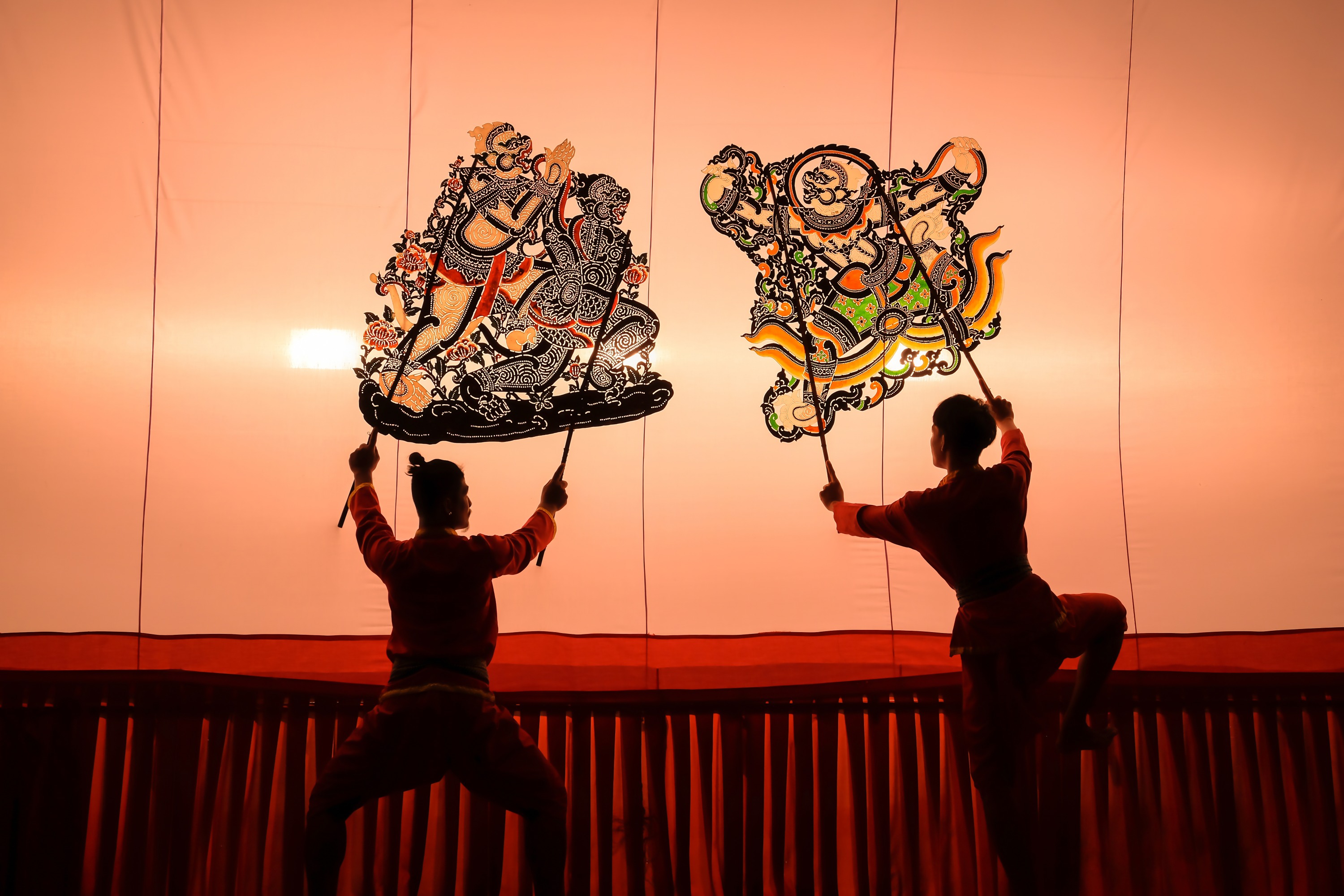
In Ratchaburi, the Wat Kanon Nang Yai Museum shelters 313 leather puppets and brings nang yai to life—shadow puppet theater drawn from the Ramayana—through performances held every Saturday.
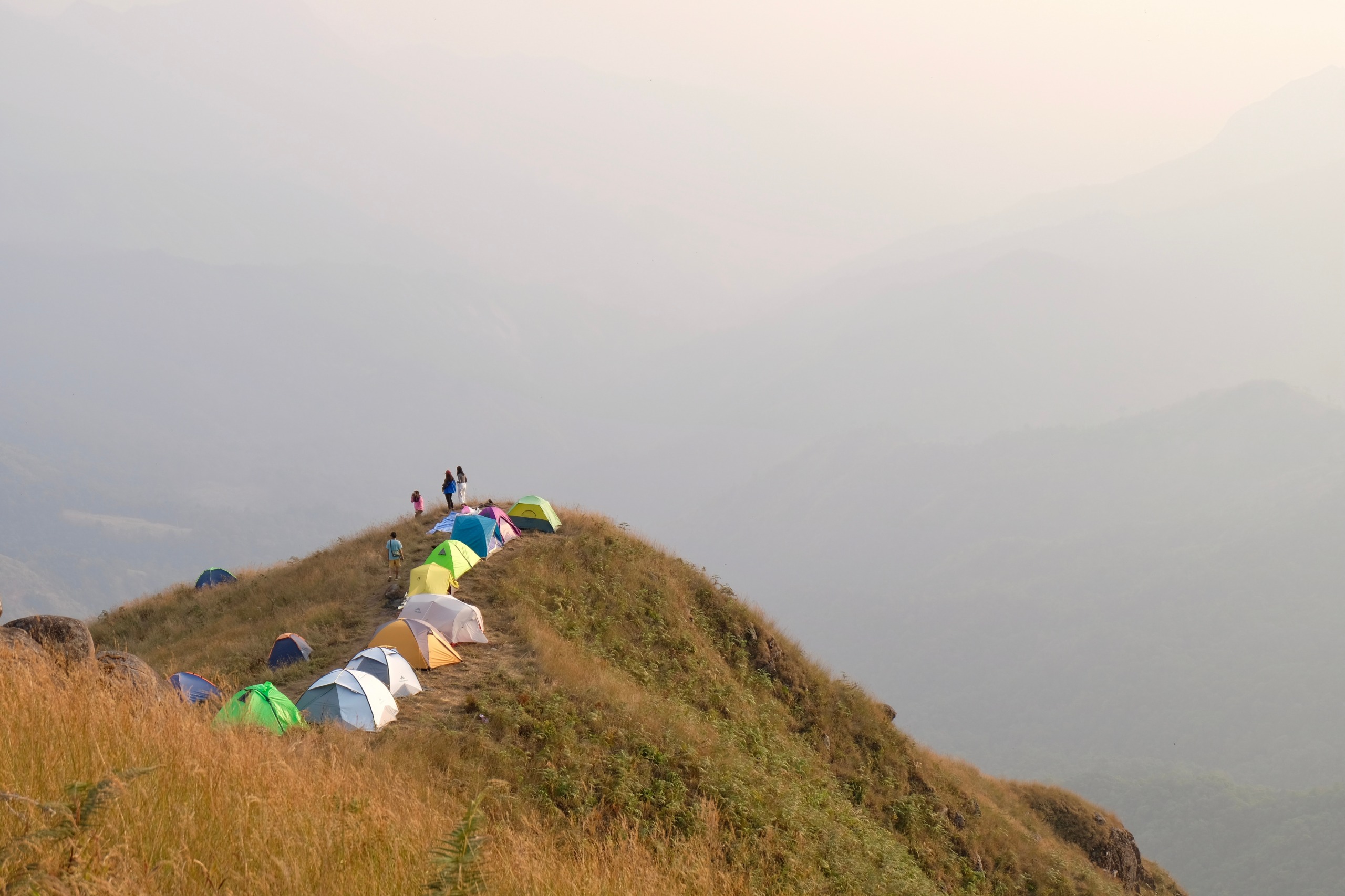
Dawna Range
The Dawna Range stretches 350 km between Thailand and Myanmar. Protected forests, Indochinese tigers, peaks reaching 2,080 m, and Karen villages.
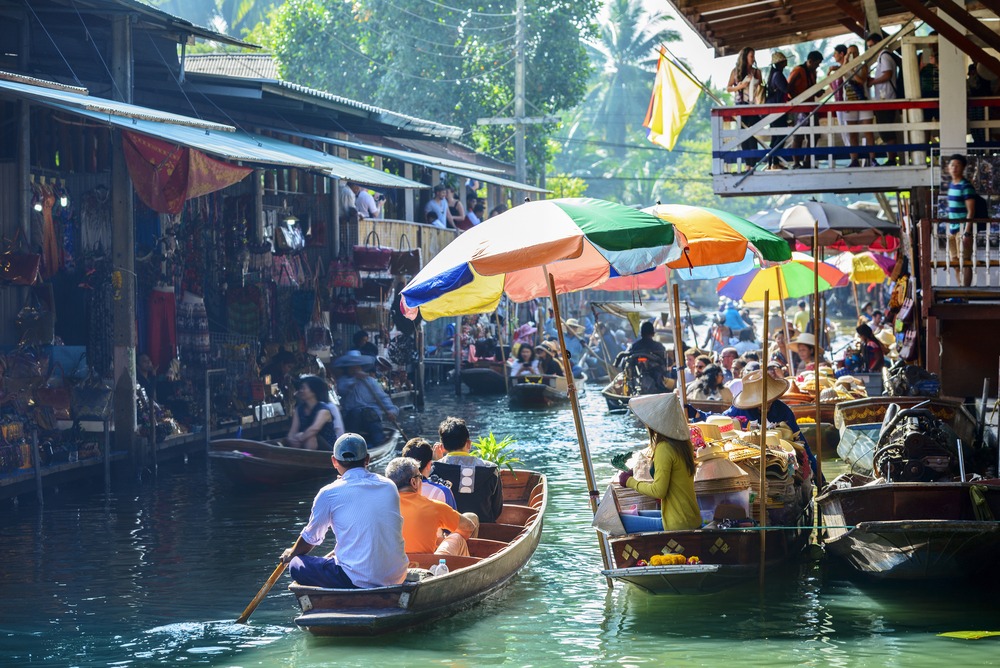
Damnoen Saduak
Located 100 km from Bangkok, Damnoen Saduak is home to Thailand's most famous floating market. Colorful boats, shaded klongs, and riverside street food from dawn onwards.
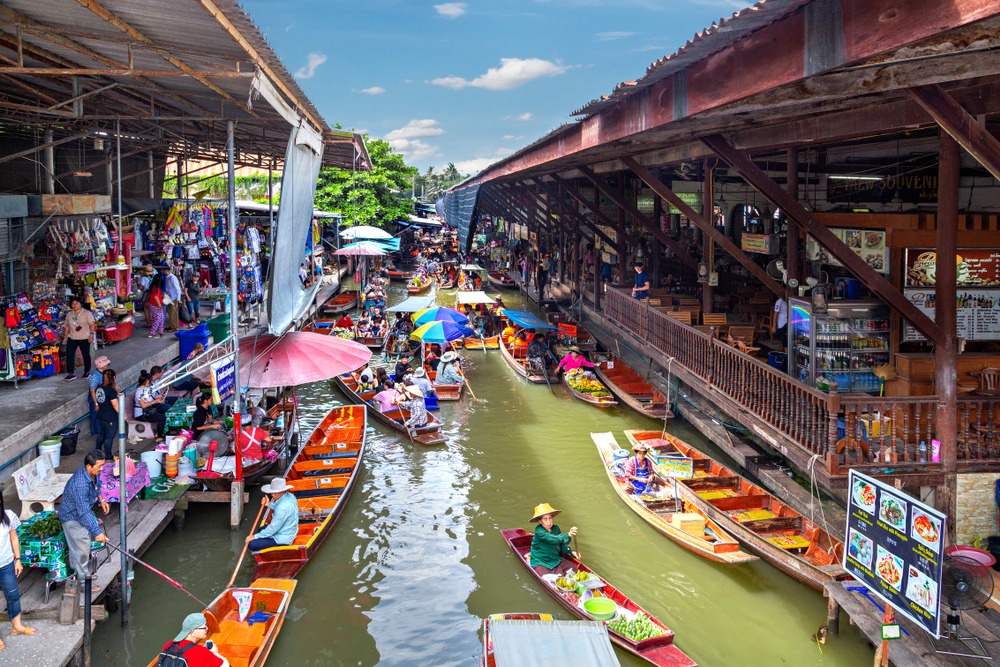
Damnoen Saduak Floating Market
About 100 km southwest of Bangkok, Damnoen Saduak Floating Market brings together long-tail boats, food stalls and crafts on a canal developed in the 19th century.
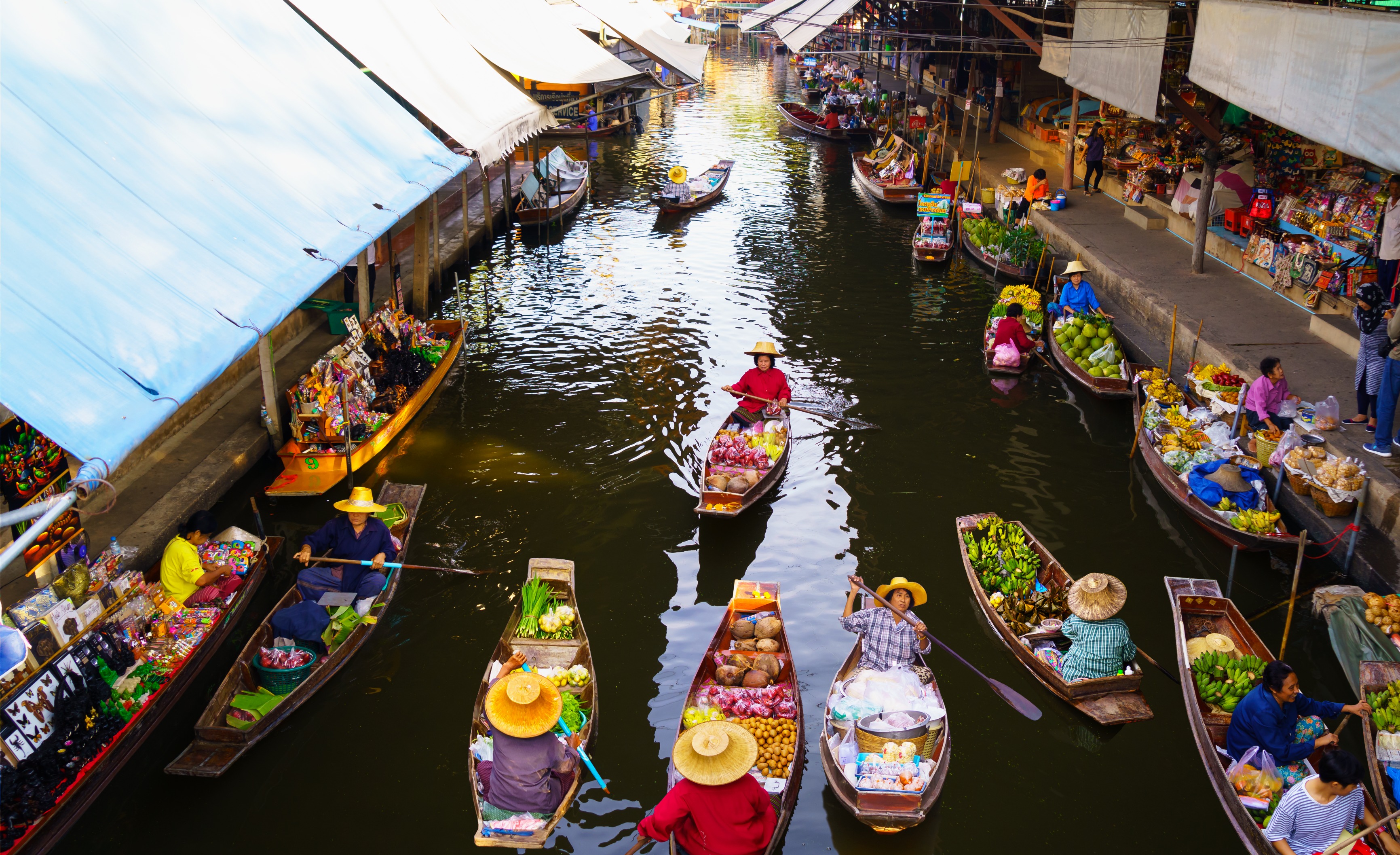
Ratchaburi
Just 80 km from Bangkok, Ratchaburi reveals floating markets, limestone caves and ancient temples. Your complete guide to planning a visit.
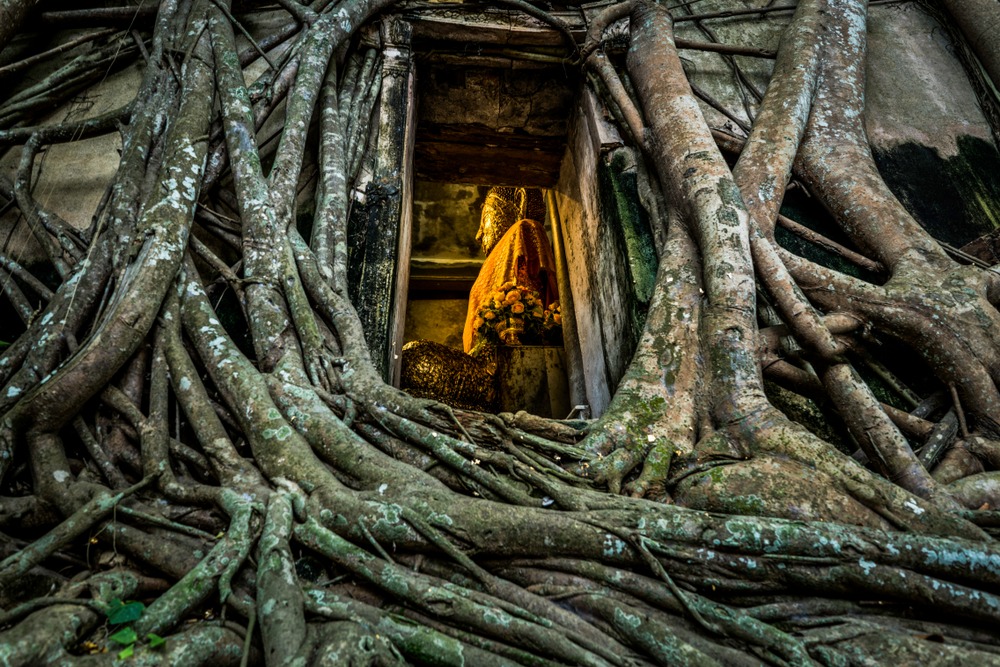
Wat Bang Kung (Kai Bang Kung)
Temple in Samut Songkhram enveloped by a giant banyan tree, Wat Bang Kung preserves the memory of the reconquest led by General Taksin against the Burmese.
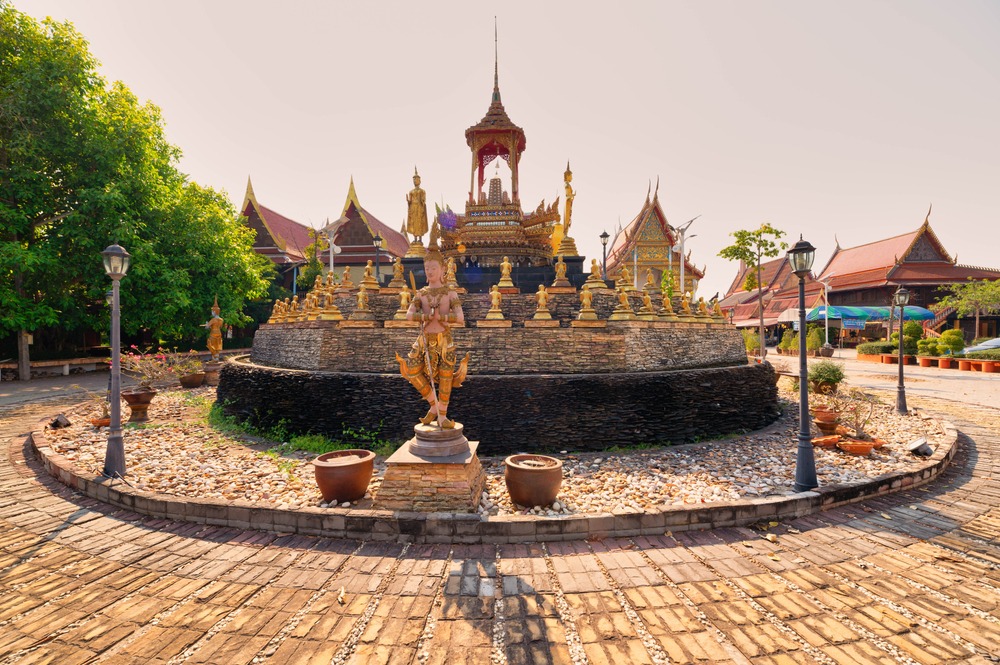
Wat Bang Khae Noi
A Buddhist wooden sanctuary founded in 1868 in Amphawa, Wat Bang Khae Noi is visited by ferryboat from the Amphawa pier, on the Mae Klong River.
Interested in this visit?
We can include it in your personalised itinerary.