Doi Phu Kha National Park
Doi Phu Kha National Park
ปัว - บ่อเกลือ 53XJ+C4P, Tambon Phu Kha, Amphoe Pua, Chang Wat Nan 55120, Thaïlande
A protected area in northern Thailand bordering Laos, Doi Phu Kha combines mountain forests, waterfalls, limestone caves and remarkable birdlife.
Doi Phu Kha National Park stretches across the mountains of Nan Province in northern Thailand, on the border with Laos. Its limestone relief, highland forests and 240 bird species make it one of the country's most distinctive protected areas. The visitor centre is located 24 km from Pua, the logical starting point for a day trip or longer.
Why Visit Doi Phu Kha
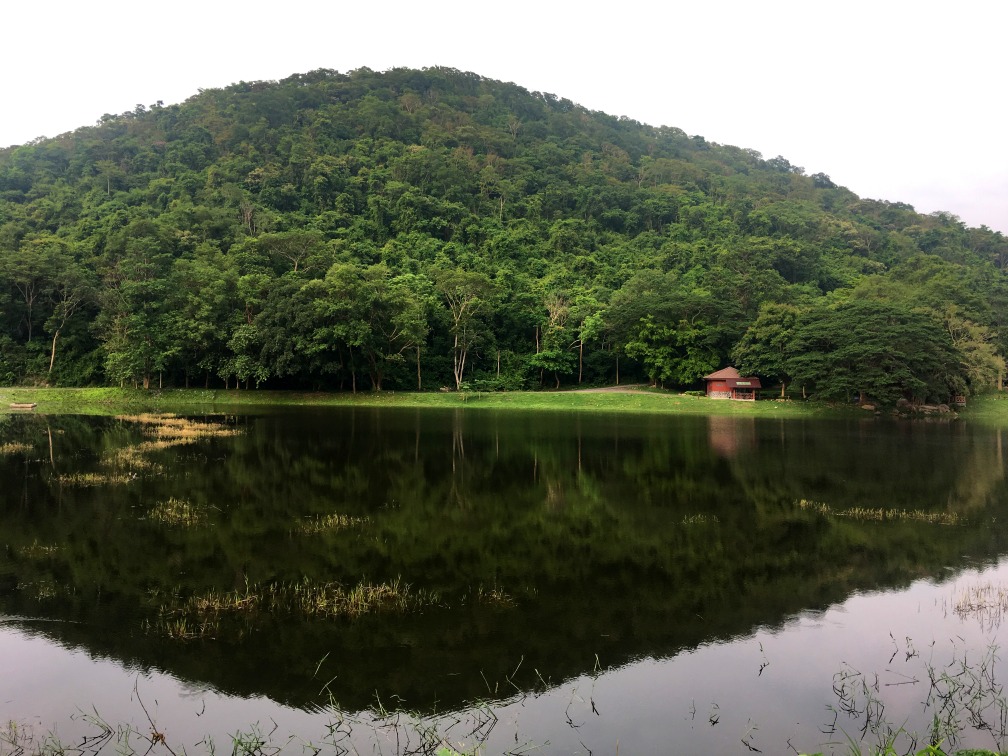
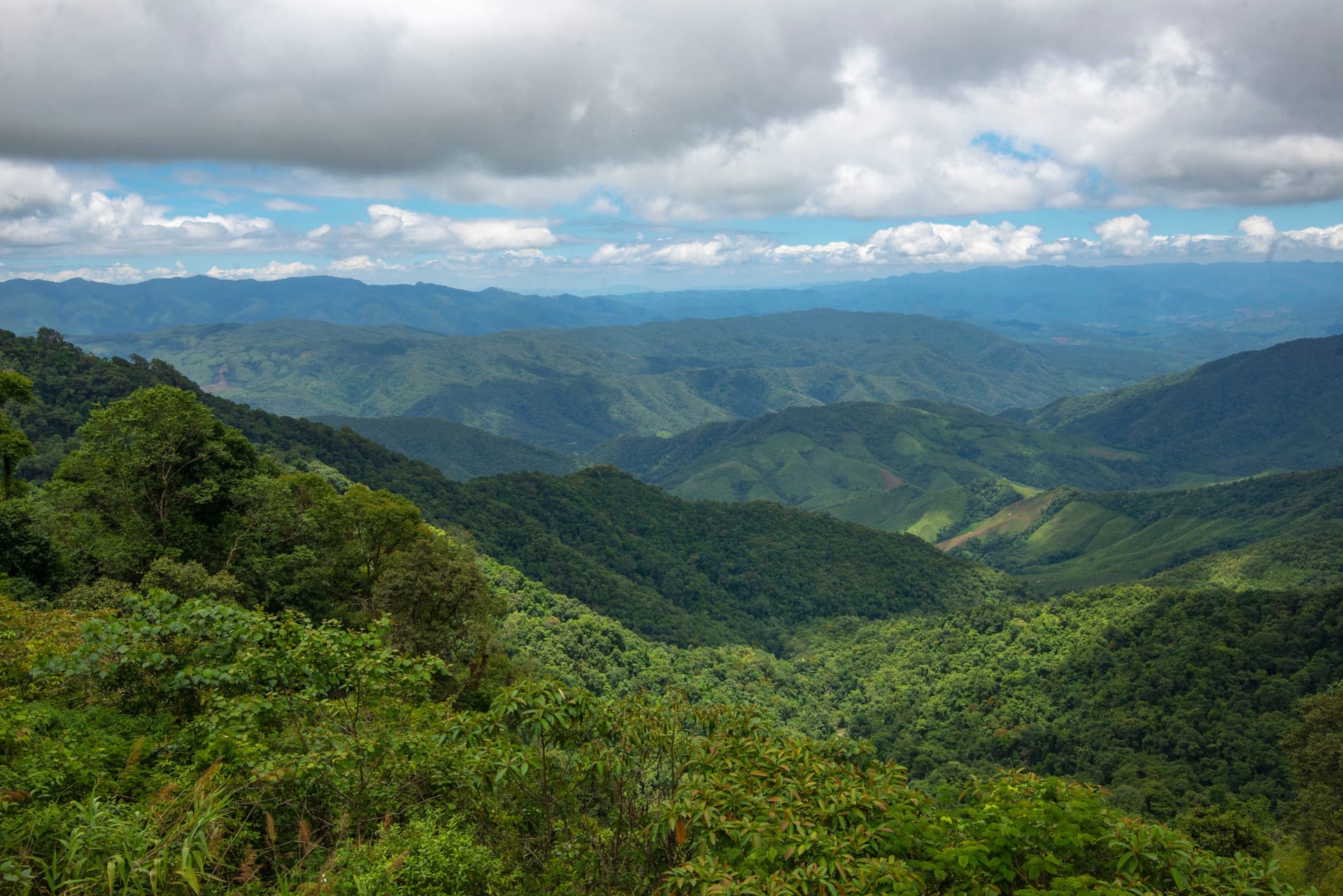
The park boasts three features that set it apart from other Thai protected areas. First, its plant diversity: three species grow nowhere else in Thailand, including the chomphu phuka (Bretschneidera sinensis), a tree with pink flowers that gave its name to the massif. Second, its birdlife, with approximately 240 species recorded, including several rarities. Finally, its highland landscapes: the main viewpoint on the road exceeds 1,700 metres and offers an open perspective over mountain valleys.
The contrast with parks in the south of the country is marked. Here, there are no coconut palms or beaches, but dense mountain forests, tiered waterfalls and a cooler climate at altitude.
History and Protected Status
The park was established by royal decree in 1999. It is part of the Luang Prabang mountain forest ecoregion, which extends across the Laotian border. Its name derives from the chomphu phuka tree, whose pink inflorescences have become the botanical emblem of the area.
Like many forest massifs in northern Thailand, Doi Phu Kha has faced significant pressure from deforestation, slash-and-burn agriculture and the trafficking of forest products. Several large mammals have disappeared locally over the decades. Only a small herd of elephants survives today at the far southern edge of the park.
What to See and Do
Hiking Trails and Summits
Several marked trails run along ridges and deciduous forests. Chomphu phuka trees are frequent in the hills; their pink flowering colours the slopes in season. The summit of Doi Phu Kha, the park's highest point, requires good physical fitness. On winter mornings, the summits are often enveloped in the characteristic sea of clouds found in northern massifs.
Viewpoints
The most accessible viewpoint is located directly on the main road, at over 1,700 m altitude. It's a quick stop for motorized travellers, particularly busy in late afternoon for sunset.
Waterfalls
Four main waterfalls dot the park:
Ton Tong: the most spectacular, with three levels and a drop of approximately 60 metres;
Wang Pian;
Phu Fah;
Tad Luang.
Most have a swimming area at the base of the fall. The surroundings are suitable for picnicking.
Caves
Tham Pha Phueng Cave is directly accessible from the main road, making it the simplest option. Tham Maa Cave, more demanding, features approximately 2 km of galleries. Entry is via a spiral staircase. It is located about 12 km from the visitor centre, then 2 km further from the nearest hamlet. A local guide is recommended for orientation.
Flora and Fauna to Observe
Birdwatching is the park's flagship activity. Among the 240 recorded species are regional rarities: Blyth's nuthatch with red belly, the magnificent nuthatch, yellow-browed tesia, grey-cheeked warbler and several bulbul species. On the flora side, in addition to chomphu phuka, the park is home to the three gorges maple (native to southeastern China) and caryota gigas, a giant Himalayan palm.
When to Visit
The rainy season extends from May to October. Trails become muddy and slippery, and some access points may be temporarily closed. The most favourable window covers the cool season, from November to February, with pleasant temperatures at altitude and generally clear skies. March and April remain practicable but warmer and sometimes hazy due to regional agricultural fires.
Practical Information
The park charges an entrance fee for foreign visitors, with reduced rates for children, as well as a vehicle circulation fee (cars and motorcycles). Amounts are moderate and payable at the entrance.
Access is open throughout the day. On-site accommodation ranges from simple bungalows to more comfortable lodgings. Three camping zones are available: one in the immediate vicinity of the visitor centre, the other two further east, at altitude. A few dining options complete the offer.
How to Get There
The quickest option from Bangkok is to take a domestic flight from Don Mueang Airport to Nan, approximately 1 hour 20 minutes' travel, operated notably by AirAsia. From Nan Airport, allow approximately two hours driving to Pua by taxi, rental car or motorcycle. The park's visitor centre is 24 km from Pua by a winding mountain road. Most travellers spend at least one night in Pua before heading up to the park.
Nearby
Nan Province has several sites that combine well with a visit to Doi Phu Kha:
Wat Rong Ngae, a traditional temple typical of the north;
Wat Phra That Beng Sakat, perched on a mountainside;
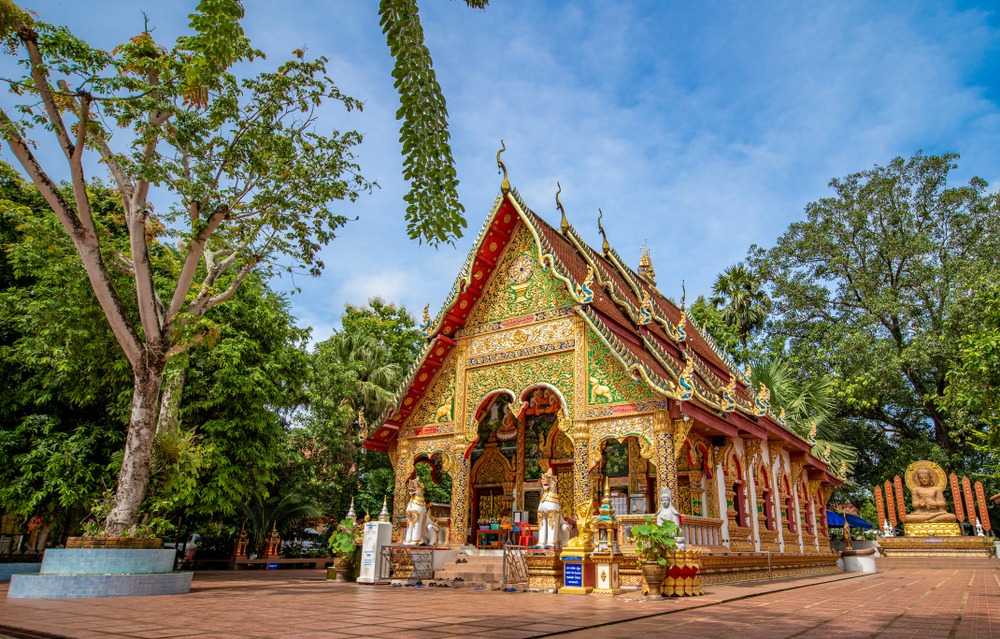
Wat Phuket, known for its seated Buddha at the foot of a large tree.
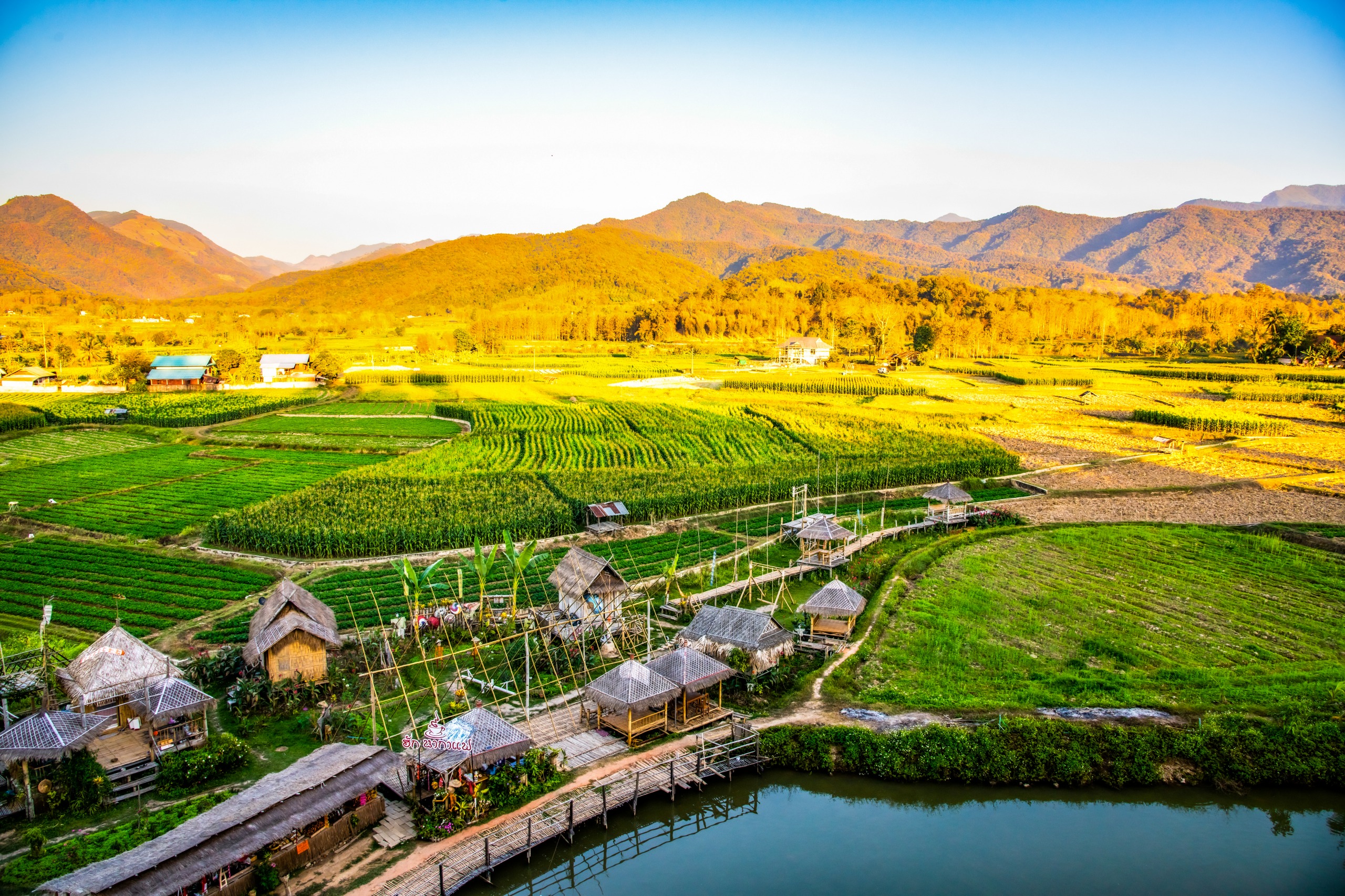
The terraced rice paddies around Pua are also suitable for cycling tours. To extend the mountain experience of the north, the Doi Mae Salong mountain offers another face of Thailand's high plateaus.
Frequently Asked Questions
Frequently asked questions
One day allows you to see the main viewpoint, a waterfall and a cave. To combine hiking, birdwatching and cave exploration, allow two to three days staying on site or in Pua.
Yes, if you stay on sites accessible from the main road (viewpoint, Tham Pha Phueng Cave, developed waterfalls). The highland trails and Tham Maa Cave are however not recommended for young children.
Not for roadside stops. A local guide is however recommended for Tham Maa Cave and for birdwatching.
A small herd lives at the far southern edge of the park, but encounters are very rare and not guaranteed. The park is not a safari destination as such.
From November to February, during the cool and dry season. Avoid the May-October period, when trails are muddy and some access points are sometimes closed.
Planning Your Trip
Doi Phu Kha fits into a circuit through northern Thailand, complementing better-known stops. To build your tailor-made itinerary, consult our suggestions for travel to Thailand.
Photos
Also discover
Interested in this visit?
We can include it in your personalised itinerary.