Doi Mae Salong Mountain
Doi Mae Salong Mountain
Doi Mae Salong, Mae Salong Nok, Mae Fa Luang District, Chiang Rai 57110, Thaïlande
Some 60 km north of Chiang Rai, Doi Mae Salong combines tea plantations, Kuomintang Chinese heritage and hill tribe villages.
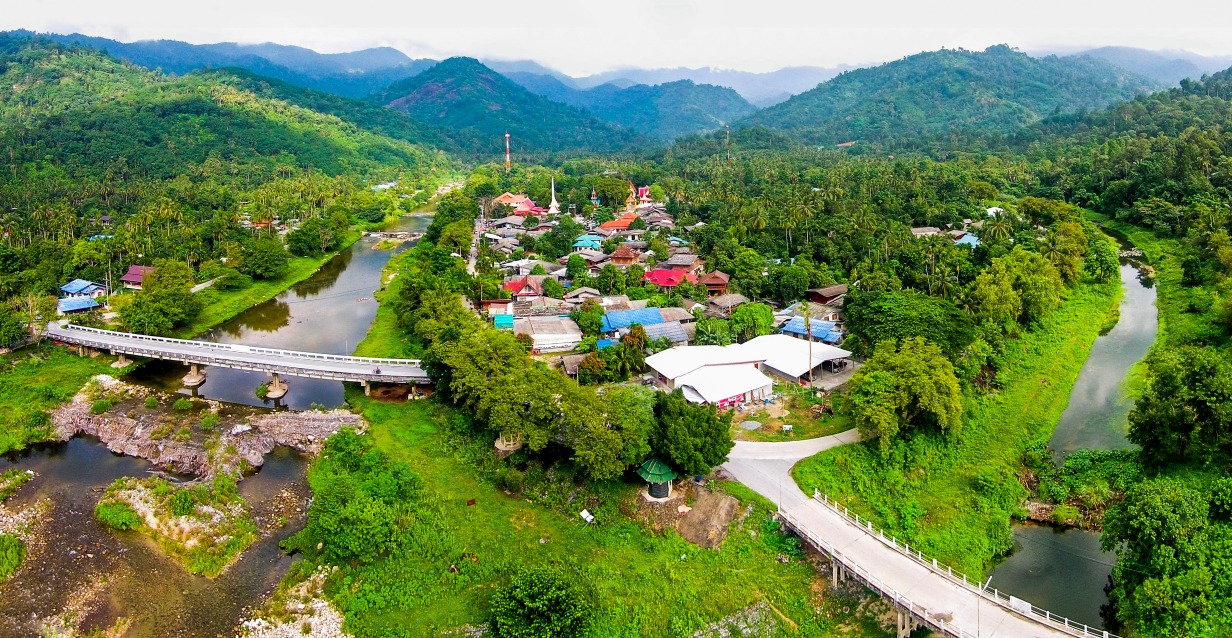
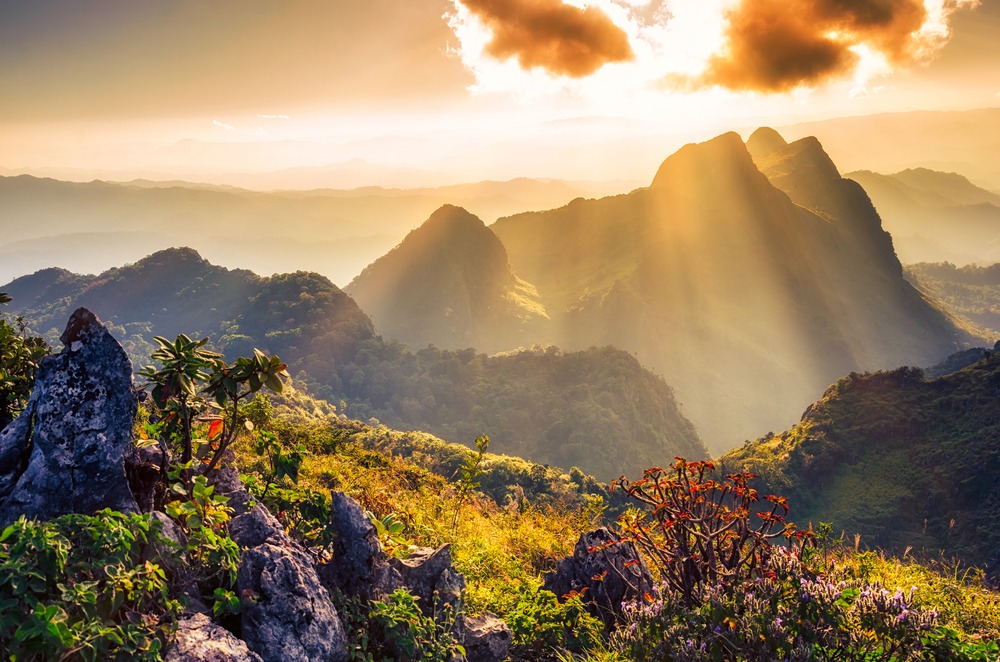
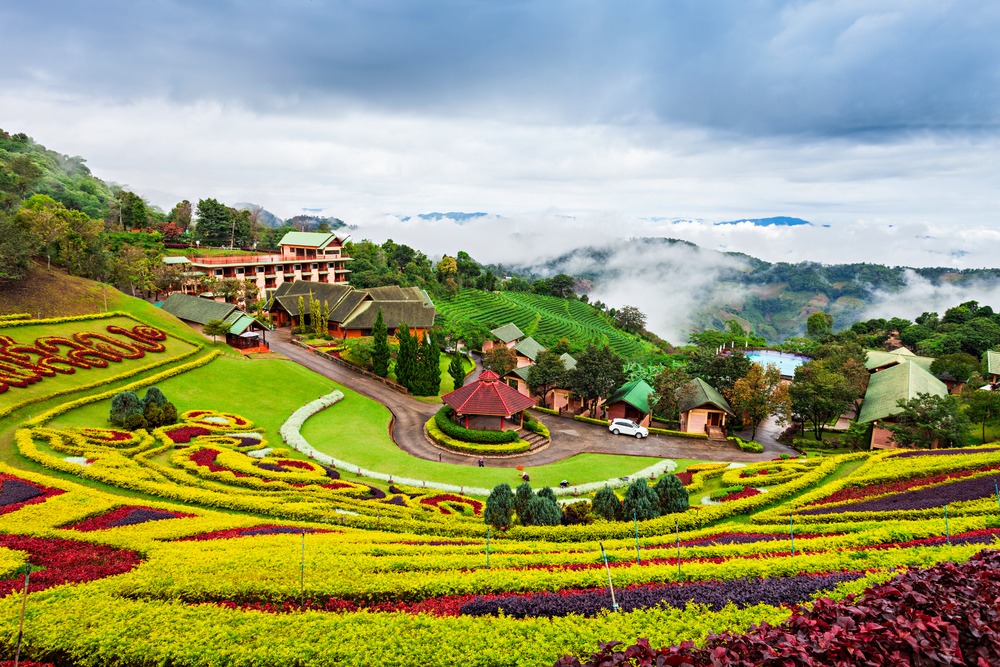
About sixty kilometers north of Chiang Rai, in Mae Fa Luang district, Doi Mae Salong mountain rises with slopes covered in tea plantations near the Burmese border. Nicknamed Thailand's "Little Switzerland" for its temperate climate and rolling landscapes, it is home to a community of Yunnan origin whose singular history can be read in its temples, cuisine and terraced tea plants.
Why visit Doi Mae Salong
Doi Mae Salong combines three rare attractions in northern Thailand: a vibrant Chinese heritage inherited from the exile of Kuomintang soldiers, recognized tea plantations that have replaced former poppy fields, and proximity to villages of Lisu, Karen and Akha minorities. The cooler climate compared to the plains makes the area pleasant much of the year, and the panoramic road leading to the summit makes it one of the most beautiful excursions from Chiang Rai.
History: from the KMT to the mountain of peace
Until the 1970s, Doi Mae Salong served as a refuge for KMT (Kuomintang) soldiers defeated by communists in China. These fighters, originally from Yunnan and under the command of General Tuan Shi-Wen and General Lee Yen, were welcomed by Thailand in exchange for military services rendered against border insurrections. The village resembled a refugee camp, on the margins of the state, and poppy cultivation long remained a resource of the Golden Triangle.
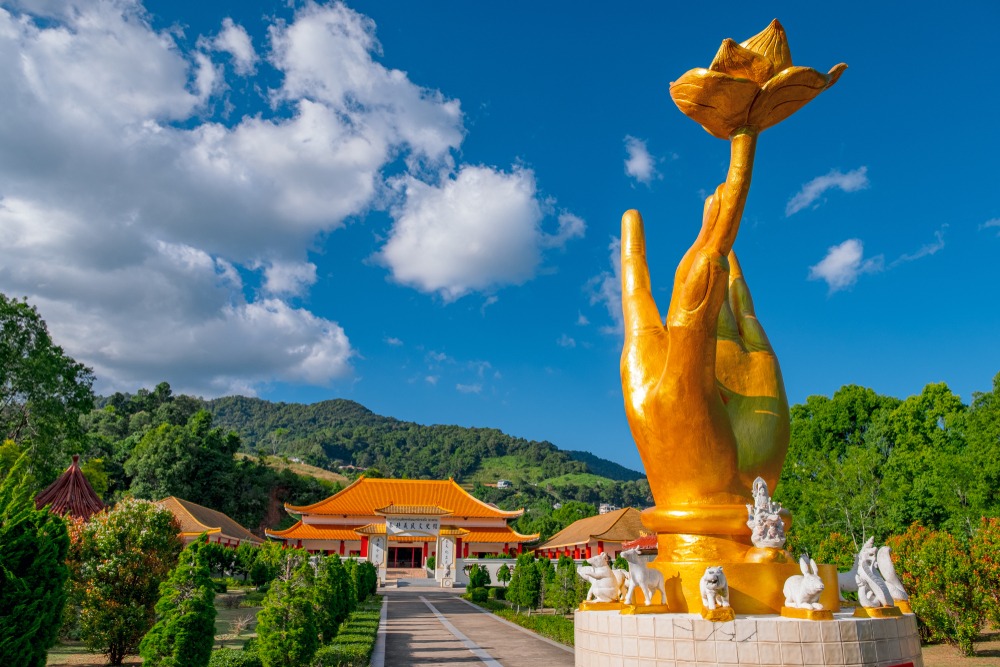
Beginning with development programs supported by the Thai crown, agricultural reconversion transformed the region: opium fields gave way to tea plantations, fruit trees (litchis, plums, peaches) and food crops. The town adopted the official name Santi Khiri, "mountain of peace," and Yunnan identity remains visible in architecture, temples and cuisine. To delve deeper into this episode, the Martyrs' Memorial Museum traces the journey of KMT forces.
What to see on site
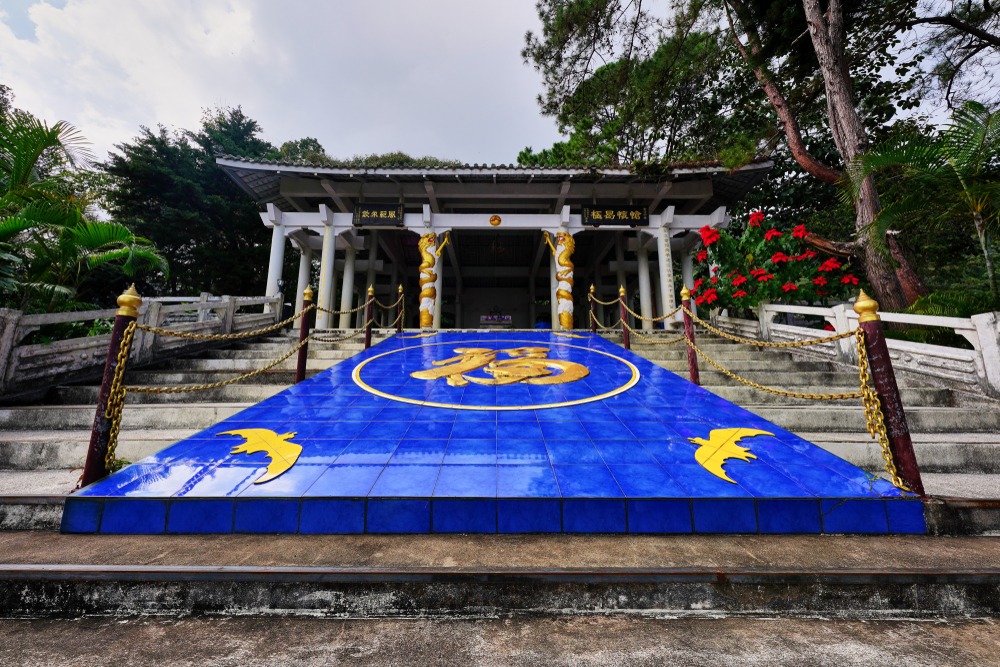
The tomb of General Tuan Shi-Wen
Located a few hundred meters from the local market, the tomb of General Tuan honors the founder of the community established at Mae Salong. The mausoleum, simple and surrounded by gardens, offers a panorama of the valley and is an essential landmark for understanding local history.
The Sinakarintra Stit Mahasantikhiri Pagoda
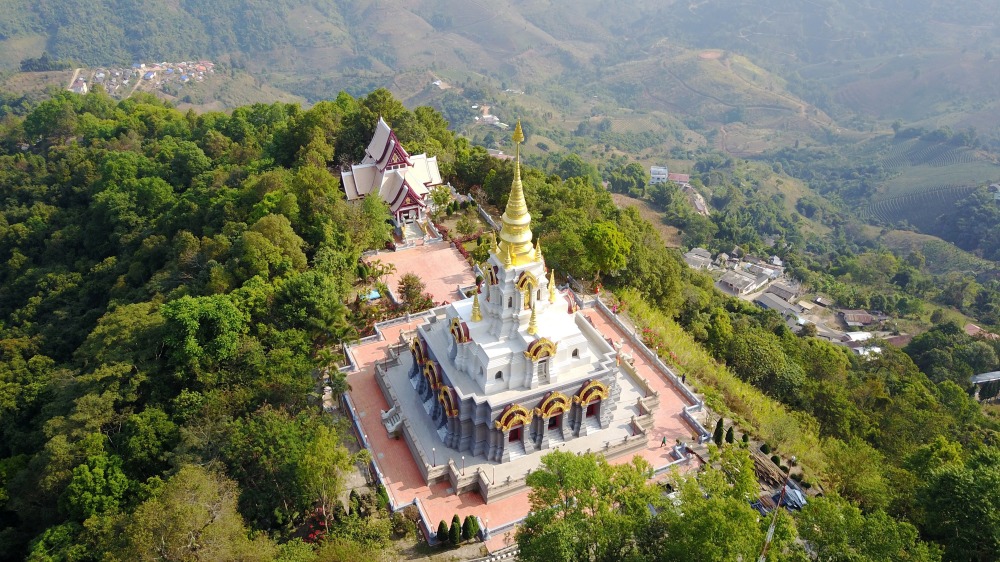
Perched at the summit of the mountain, the pagoda is dedicated to Srinagarindra, mother of King Rama IX, who was committed to the development of hill tribes. Its red-tiled roof stands out against the sky and the viewpoint surrounding it opens a wide view over the surrounding hills, to Burma on clear days.
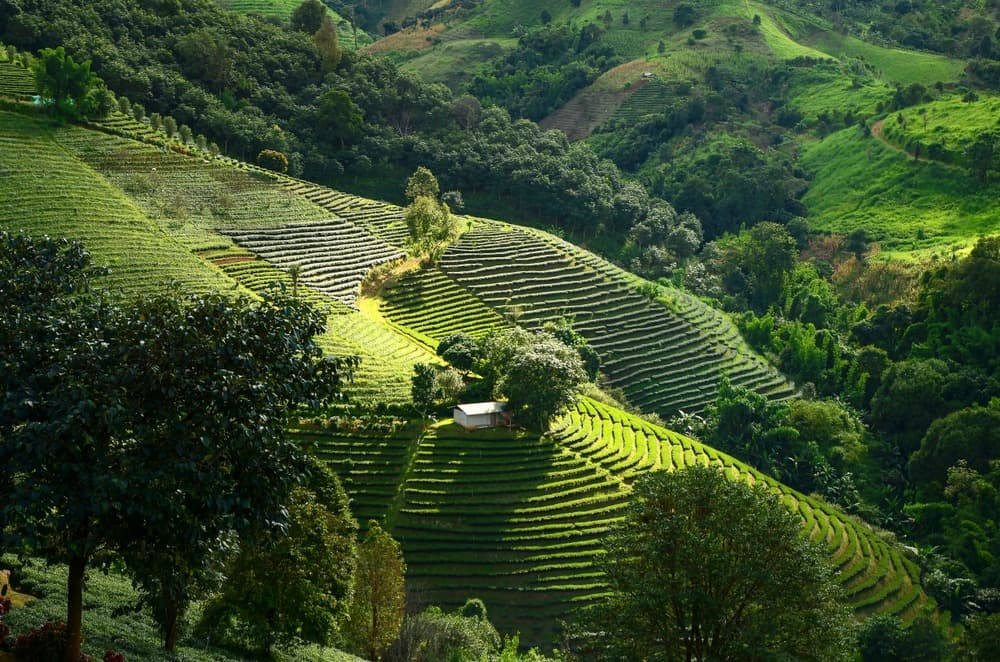
Terraced tea plantations
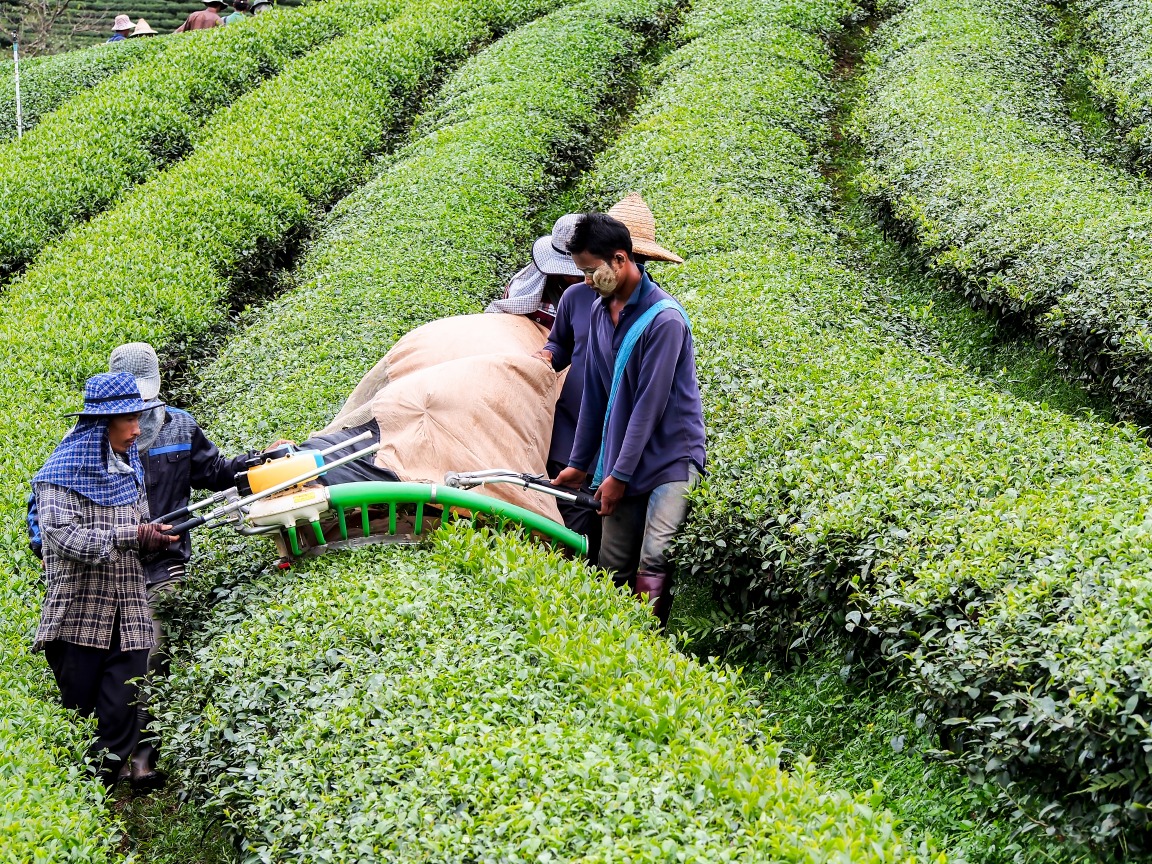
The slopes of Doi Mae Salong are entirely shaped by oolong tea cultivation, inherited from Taiwanese techniques. The tea plantations of Mae Salong offer tastings, visits to drying sheds and direct purchases from producers. The varieties cultivated here rank among the most renowned in the country.
Akha Ikoh San Yuek market
On the mountainside, this town hosts a craft market where neighboring tribes, mainly Akha, sell textiles, embroidery and silver objects. It's one of the best places to meet the artisans of the highlands without intermediaries.
The town of Santikhiri and nearby villages
The center of Santikhiri concentrates tea rooms, Yunnan Chinese restaurants and family-run guesthouses. An additional half-day allows you to reach Lisu, Karen or Akha hamlets settled on the surrounding ridges.
Practical information
- Allow a full day from Chiang Rai to enjoy the site, two days to include an overnight stay and nearby villages.
- Accommodation: simple guesthouses and a few mid-range options in the town of Santikhiri.
- Bring a light jacket: altitude makes evenings cool, especially in winter.
- Tea tasting is usually free or very inexpensive at factories; purchases are made directly from producers.
When to go
High season runs from November to February: cool temperatures, often clear skies mid-day, and blooming of plum and sakura cherry trees on the slopes. Mornings can be misty, offering photogenic perspectives of the terraced tea plants. The hot season (March-May) coincides with tea harvest and processing, an interesting period to observe workshops in action, but the air may be laden by regional agricultural burning. The rainy season (June-October) greens the mountain but makes some trails slippery.
How to get there
Doi Mae Salong is located approximately 60 to 65 km north of Chiang Rai, about 1.5 to 2 hours by road depending on traffic and route. Three main options:
- Rental car or scooter: the road is paved but winding, with steep grades; not recommended for inexperienced two-wheeled drivers.
- Songthaew (shared pick-up): departures from Mae Chan market, several daily connections in morning and early afternoon; economical option but limited schedules.
- Private transfer or organized tour from Chiang Rai: the most flexible solution for combining Doi Mae Salong with other sites in the region in one day.
Nearby
- Mae Salong: the historic village at the heart of the mountain.
- Tomb of General Tuan: memorial to the community's founder.
- Tea Plantation 101: one of the region's leading factories.
- Martyrs' Memorial Museum: to understand the history of the KMT in Thailand.
- Kok River: on the route between Chiang Mai and Chiang Rai, a complementary nature stop.
Frequently asked questions
November to February: cool temperatures, generally clear skies and blooming of plum and sakura cherry trees on the mountain slopes.
The mountain is about 60-65 km north of Chiang Rai. You can take a songthaew from Mae Chan market (several departures in the morning), rent a vehicle or opt for a private transfer.
For its temperate climate, verdant hills and perched villages. The nickname also refers to the terraced plantation landscapes and the coolness that contrasts with the Thai plains.
The population is descended mainly from Kuomintang soldiers originally from Yunnan, settled here in the 1950s-70s. Chinese culture remains very present: temples, cuisine, tea cultivation. Lisu, Karen and Akha tribe villages occupy the neighboring highlands.
Yes, the town of Santikhiri offers family-run guesthouses and a few mid-range hotels. One night on site allows you to enjoy the morning market and plantations in early morning light.
To integrate Doi Mae Salong into a comprehensive itinerary in northern Thailand, consult our ideas for travel in Thailand.
Photos
Nearby

Also discover
Santikhiri (Mae Salong)
Perched at 1,200 m in Chiang Rai province, Santikhiri (Mae Salong) blends Kuomintang Chinese heritage, Oolong tea plantations, and highland mountain tribes.
Mae Salong Tea Plantation
On the hills of Mae Salong, the 101 Tea Plantation produces renowned oolong teas. History, visit, tasting and access from Chiang Rai.
Tha Ton
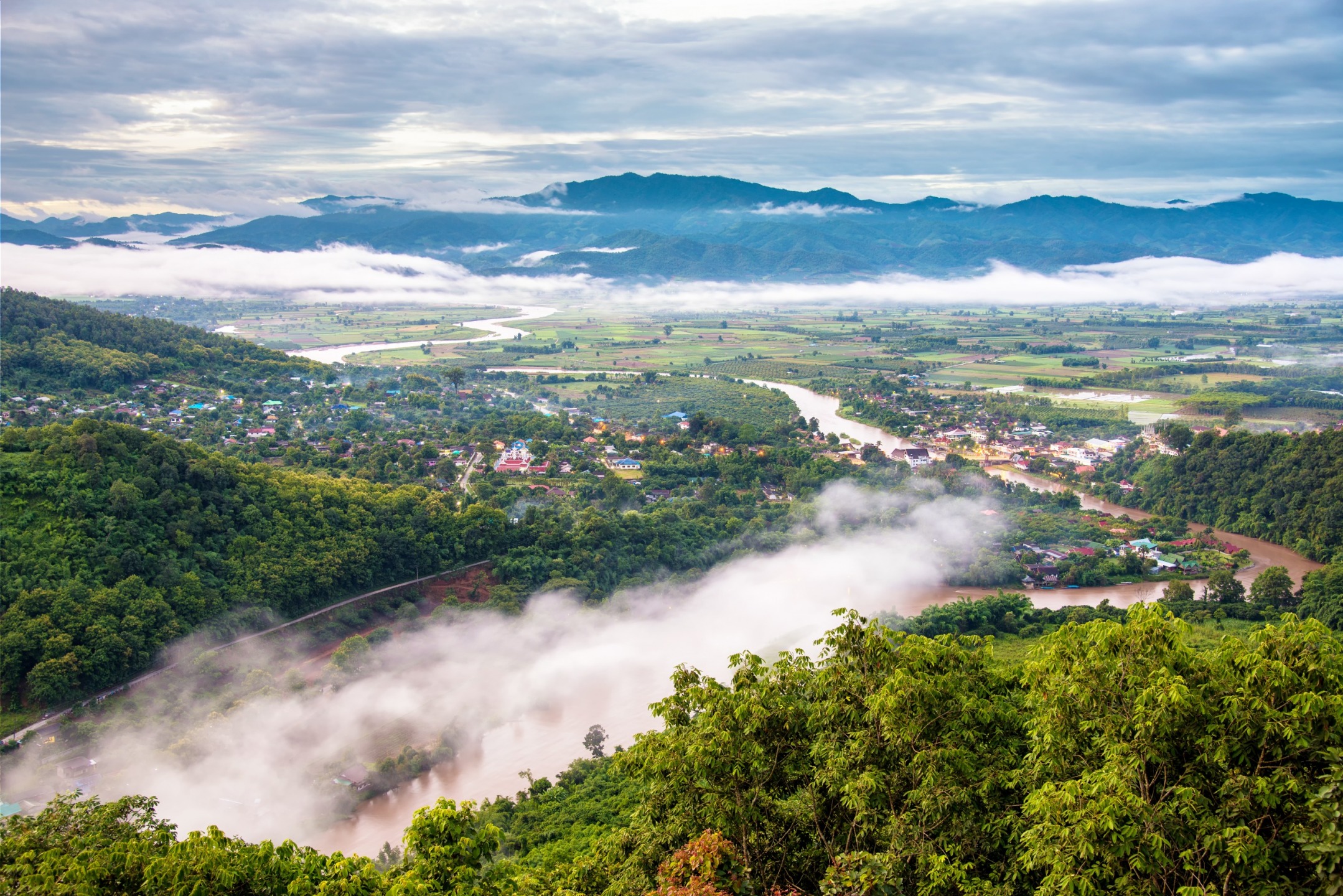
Just 3 hours from Chiang Mai, Tha Ton blends the Kok River, a 9-level temple, and ethnic villages. A key stop on any northern Thailand circuit.
Interested in this visit?
We can include it in your personalised itinerary.