Mae Kok River
Mae Kok River
The Mae Kok connects Chiang Rai to Thaton over 3 to 4 hours of navigation, passing through Karen, Kayan and Akha villages in northern Thailand.
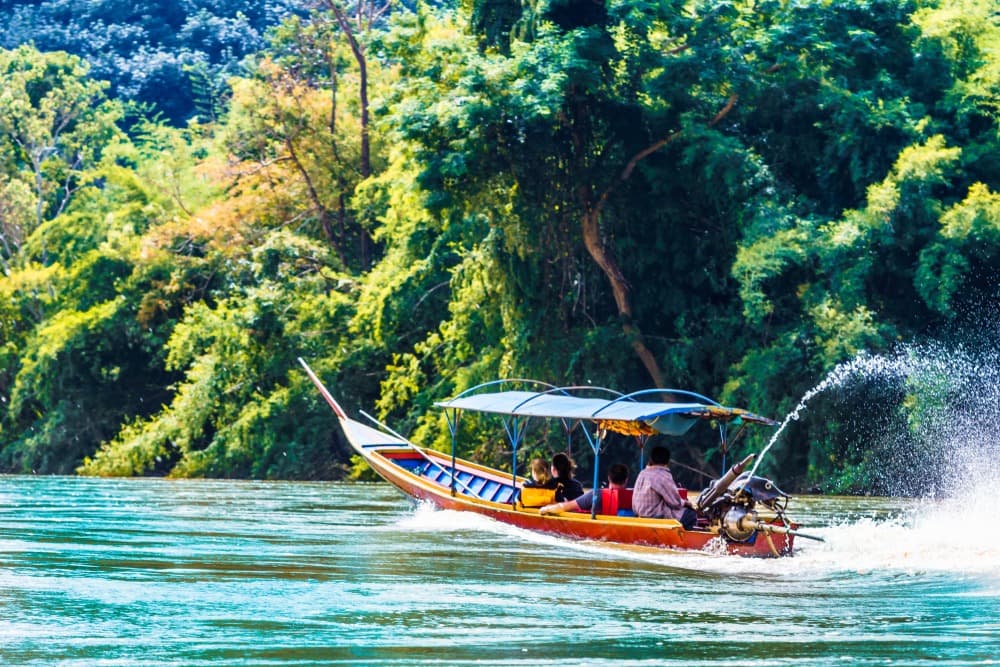
The Mae Kok River is a navigable waterway in northern Thailand that connects Chiang Rai to the border village of Thaton. A 3 to 4-hour boat journey allows you to glide past tribal villages, rice paddies and forested hills spanning the provinces of Chiang Rai and Chiang Mai.
Why navigate the Mae Kok
Originating in the Daen Lao mountains of Myanmar, the Mae Kok flows 285 km through the provinces of Chiang Rai and Chiang Mai before joining the Mekong at the Laos border. It crosses mountainous terrain largely inaccessible by road, making it one of the most direct ways to reach rural areas inhabited by several ethnic groups of northern Thailand.
The long-tail boat descent offers an alternative route to classic road circuits between Chiang Rai and the Myanmar border. The river's rhythm imposes stops in villages that still draw part of their livelihood from agriculture, craftsmanship and community-based tourism.
What to see along the river
Chiang Rai embarkation port
Chiang Rai was once the capital of the Lanna kingdom before Chiang Mai. Before or after the cruise, the city merits a stop for its Wat Phra Kaew, the most venerated temple in the region, and its Wat Rong Khun (white temple), a contemporary masterpiece where religious motifs sit alongside superhero figures and hundreds of arms emerge from the moat at the entrance.
Thaton village and the Crystal Pagoda
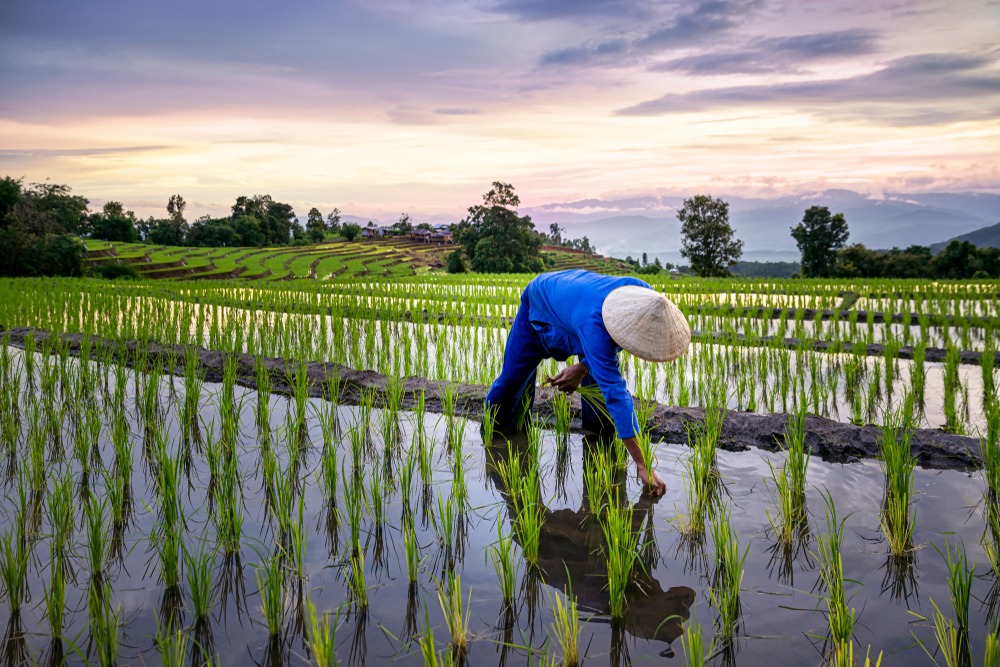
Near the Myanmar border, Thaton marks the usual end point of the descent. The village is home to the main Chedi, nicknamed the Crystal Pagoda, as well as a complex of tiered pagodas set on the hillside overlooking the valley. The riverbanks are dotted with tea plantations and rice paddies.
Karen village and the elephant question
A frequent stop is made at a Karen village, a people present in this border zone. Elephants long served for transporting people and goods here. Today, several sites offer elephant rides, a practice now controversial for animal welfare reasons. Favour ethical sanctuaries where observation and feeding of animals replace riding.
Kayan women
Some villages in the area also welcome Kayan families (often confused with the Karen), an ethnic group of Burmese origin whose women traditionally wear brass rings around their necks. Their situation raises debates: enquire about visiting conditions before your trip and prefer communities that manage their own tourism activity.
Hot springs of the Akha village
Further downstream, an Akha village provides access to natural hot springs that cascade down from the hillside into the river. The stop allows for a thermal bath and an exchange with residents dressed in traditional costumes, in a hamlet of bamboo huts still little frequented by tour groups.
When to go
Seasonality strongly conditions navigation on the Mae Kok:
Dry season (November to February): most comfortable period, moderate temperatures, calm waters and good visibility of the landscapes. This is peak tourist season.
Hot season (March to May): low water levels, navigation sometimes slowed in shallow sections. Agricultural haze from burning can reduce visibility, particularly in March.
Rainy season (June to October): lush vegetation but strong currents and muddy water. Some services may be suspended after heavy rainfall.
Practical information
Duration: plan on 3 to 4 hours for a Chiang Rai–Thaton descent with stops; a full day if you include multiple villages.
Format: shared or private long-tail boats; shorter sunset cruises available from Chiang Rai.
Rates: moderate for regular service, higher for private hire. Budget extra for village entrance fees and hot springs access.
What to bring: sun protection, windbreaker (the journey can feel cool on the water), water, Thai baht cash for villages.
Ethics: avoid elephant rides and prioritize community-led visits managed locally.
How to get there
The main embarkation point is CR Pier in Chiang Rai, near the Mae Fah Luang bridge, about 10 minutes by taxi or tuk-tuk from downtown. Departures take place in the morning for the Thaton service; it's advisable to arrive 30 minutes early for tickets.
It's also possible to go upriver in the opposite direction, from Thaton to Chiang Rai, but the journey takes longer due to the current. Thaton is accessible by bus from Chiang Mai, allowing you to arrange a combined river and road itinerary.
Nearby
The Golden Triangle: border zone between Thailand, Myanmar and Laos, a natural extension of a stay around the Mae Kok.
Opium Museum: the reference museum on the history of poppy cultivation in the region.
Doi Din Dang Pottery Workshop: a craftsmanship stop on the doorstep of Chiang Rai.
Ban Tham Pha Tong: a village in the province to discover off the beaten path.
Frequently asked questions
Frequently asked questions
Plan on 3 to 4 hours between Chiang Rai and Thaton with a few stops in villages. A full-day excursion allows you to include a swim in the Akha hot springs and a visit to a Karen village.
The dry season, from November to February, offers the most stable conditions. Avoid the peak agricultural haze in March and the rainy season (June-October) when currents are stronger and some services may be interrupted.
No. Elephant riding poses recognized animal welfare concerns. Opt for ethical sanctuaries in the Chiang Mai and Chiang Rai region where you can observe and feed animals without riding them.
For regular boats, tickets are sold on site at Chiang Rai port the morning of departure. In high season or for a private tour, it's better to book through a local agency or your accommodation the day before.
Yes, provided you accept a long time seated. Long-tail boats are relatively stable but noisy. Plan for sun and wind protection for young children.
Including the Mae Kok in your trip
The river descent fits naturally into an itinerary combining Chiang Rai, the Golden Triangle and the mountainous north. To build a tailor-made journey with an English-speaking local agency, consult our Thailand trips.
Photos
Nearby
Also discover
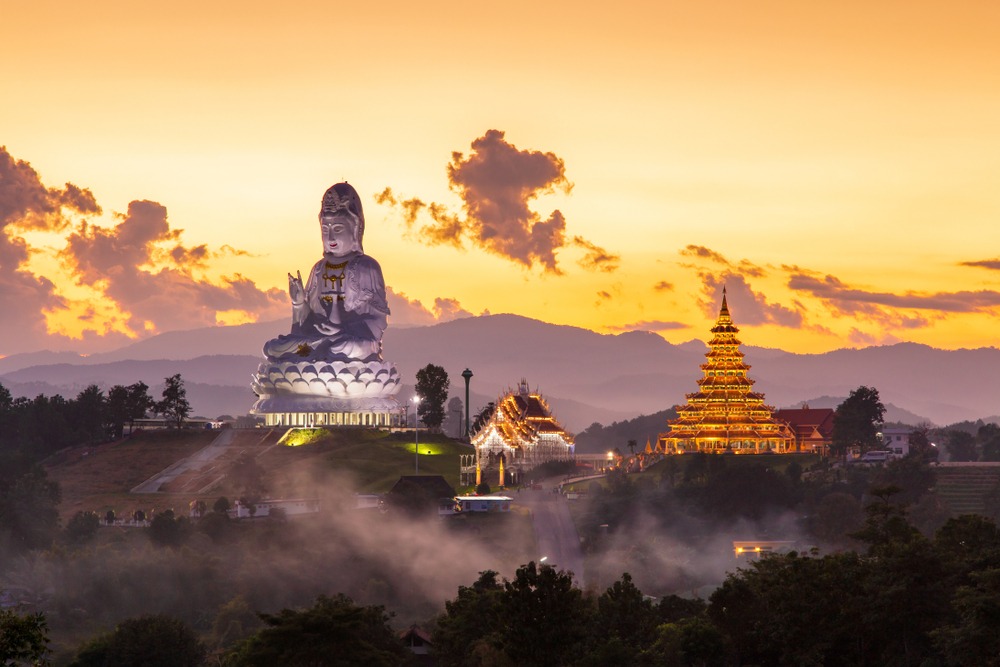
Wat Huay Pla Kang
Located 6 km from Chiang Rai, Wat Huay Pla Kang combines a giant Guanyin statue, a nine-tiered chedi and a white Ubosot in a rare Mahayana syncretism in Thailand.
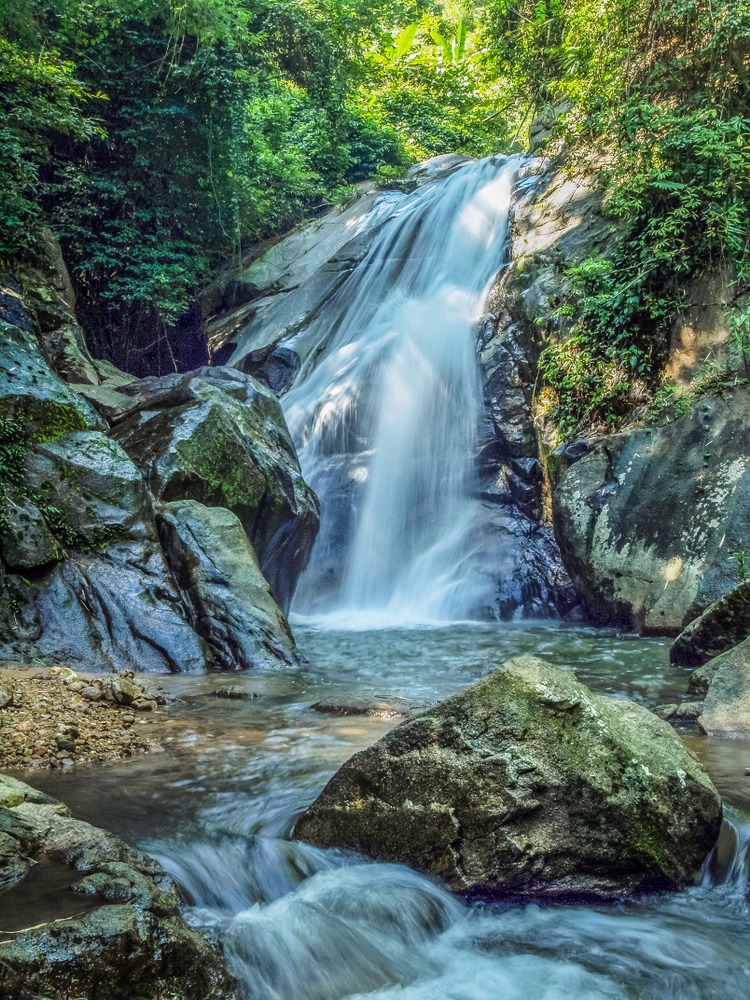
Mae Sai Waterfall
Twenty kilometers north of Chiang Rai, Mae Sai Waterfall unfolds two tiers of 15 meters within Mae Kok National Park, in the heart of the Golden Triangle.
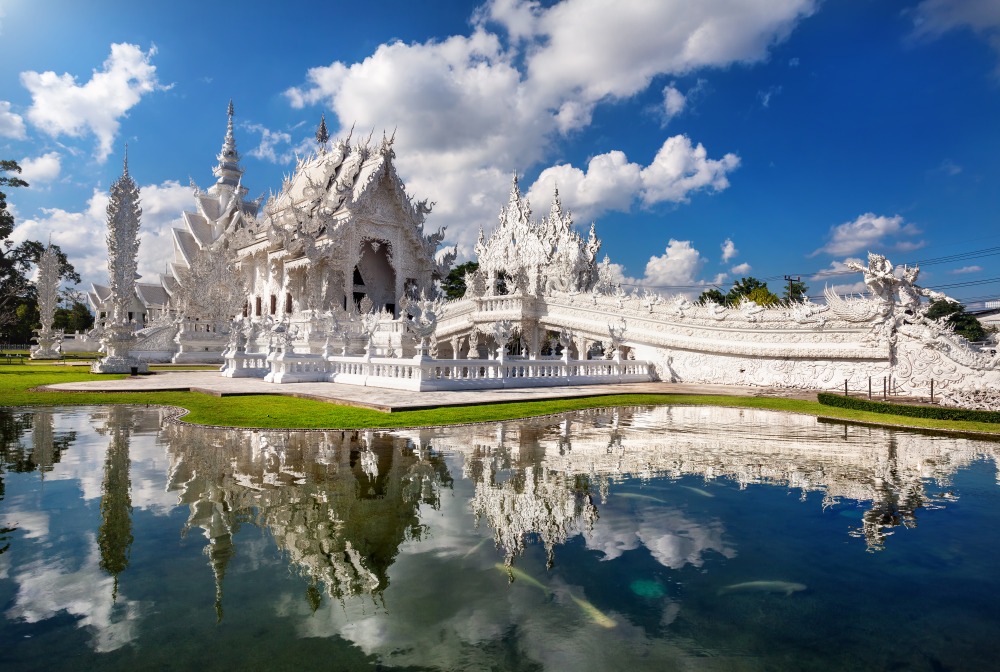
Chiang Rai
Former capital of the Lanna kingdom, Chiang Rai enchants with its contemporary temples, vibrant markets and gateway access to the Golden Triangle. Complete guide for your stay.
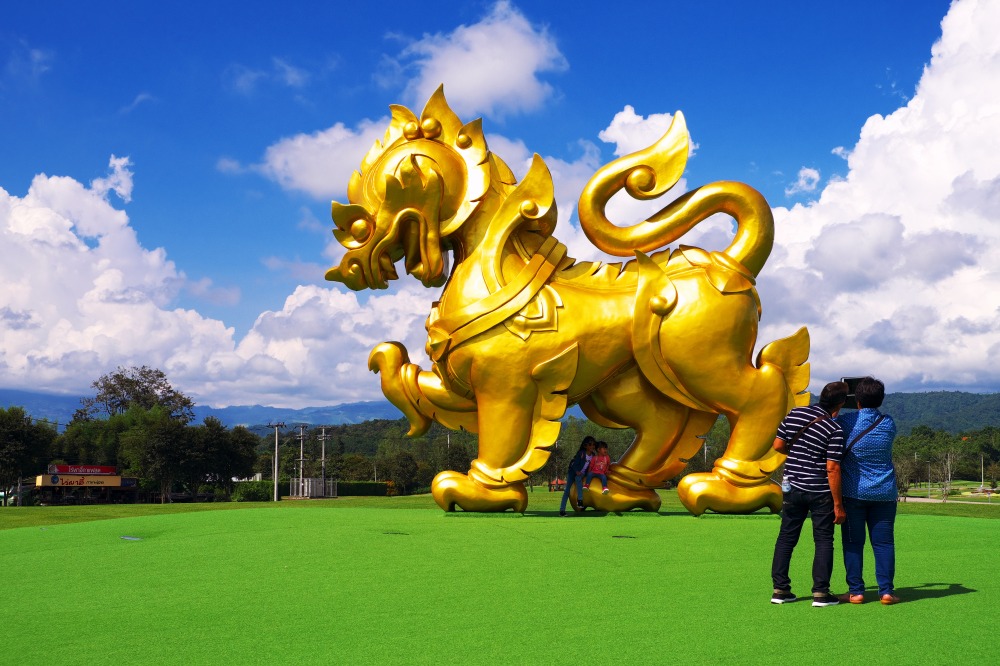
Singha Park (Boon Rawd Farm)
Formerly Boon Rawd Farm, Singha Park combines Oolong tea plantations and outdoor activities just ten minutes from Chiang Rai.
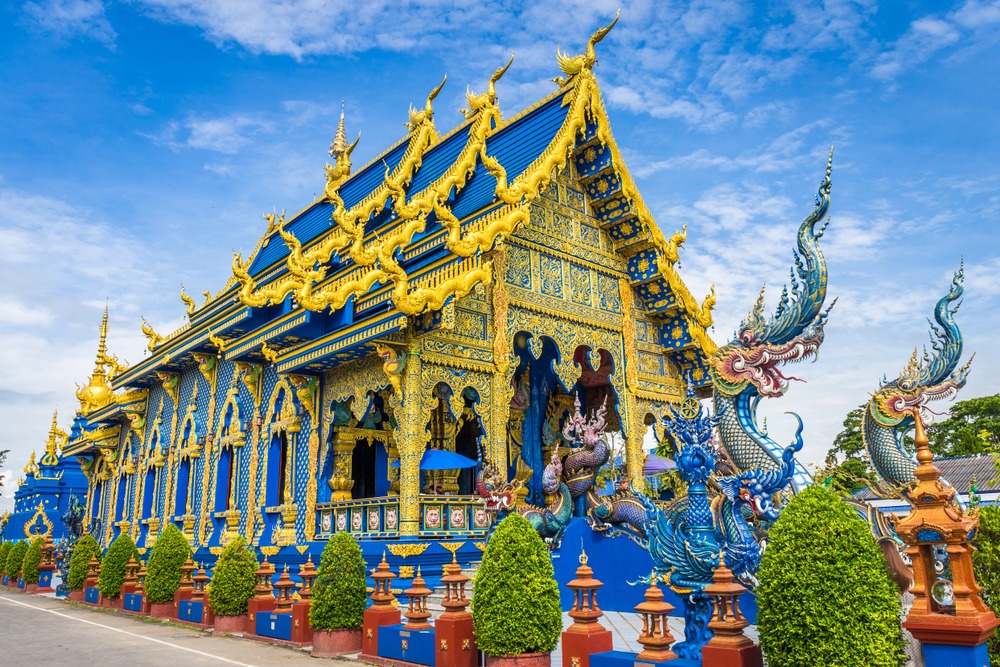
Wat Rong Sua Ten, the Blue Temple of Chiang Rai
Wat Rong Sua Ten, or the Blue Temple, is one of Chiang Rai's most distinctive sanctuaries, designed by a disciple of the architect behind the White Temple.
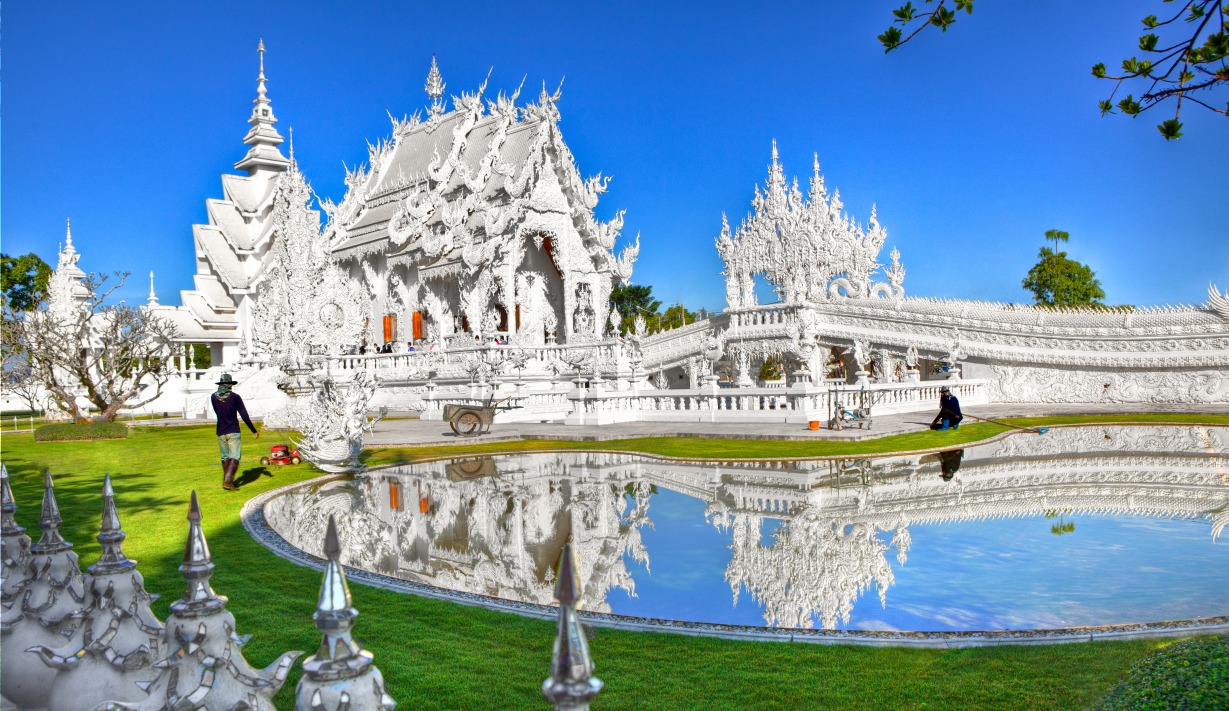
Wat Rong Khun
Chiang Rai's White Temple, a masterwork by Chalermchai Kositpipat, blends Lanna architecture, pristine white surfaces, and pop culture references within a complex of Buddhist art.
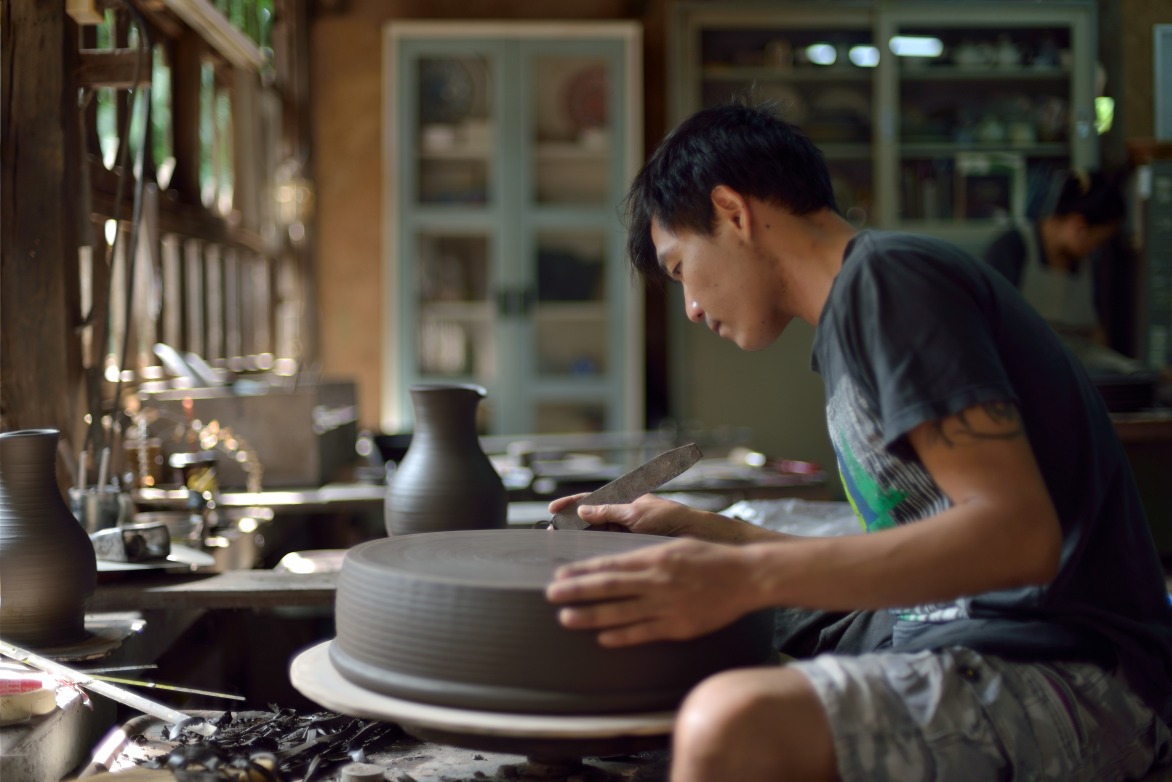
Doi Din Dang Pottery Studio
Located 12 km from Chiang Rai, ceramicist Somluk Pantiboon's Doi Din Dang studio preserves a craft blending Japanese traditions with northern Thai raw materials.
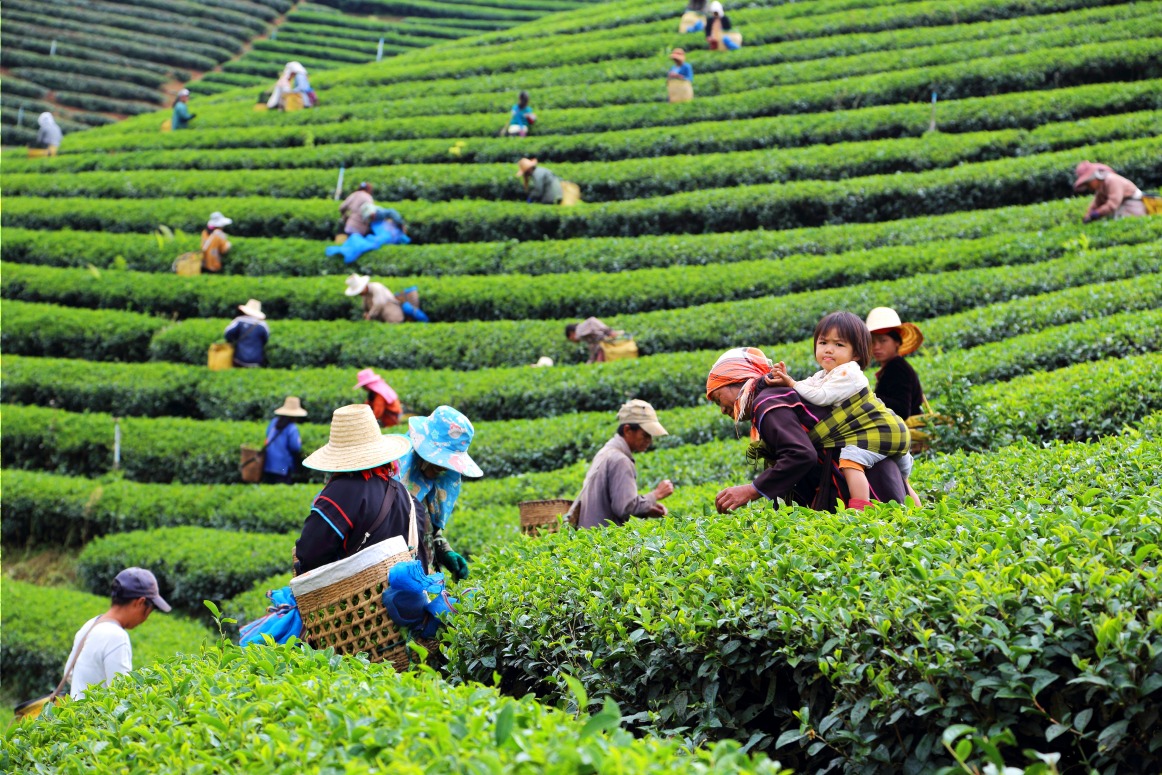
Ban Tham Pha Tong
A rural village in Chiang Rai province, 15 km from the city and its airport, Ban Tham Pha Tong serves as a peaceful base to explore northern Thailand.
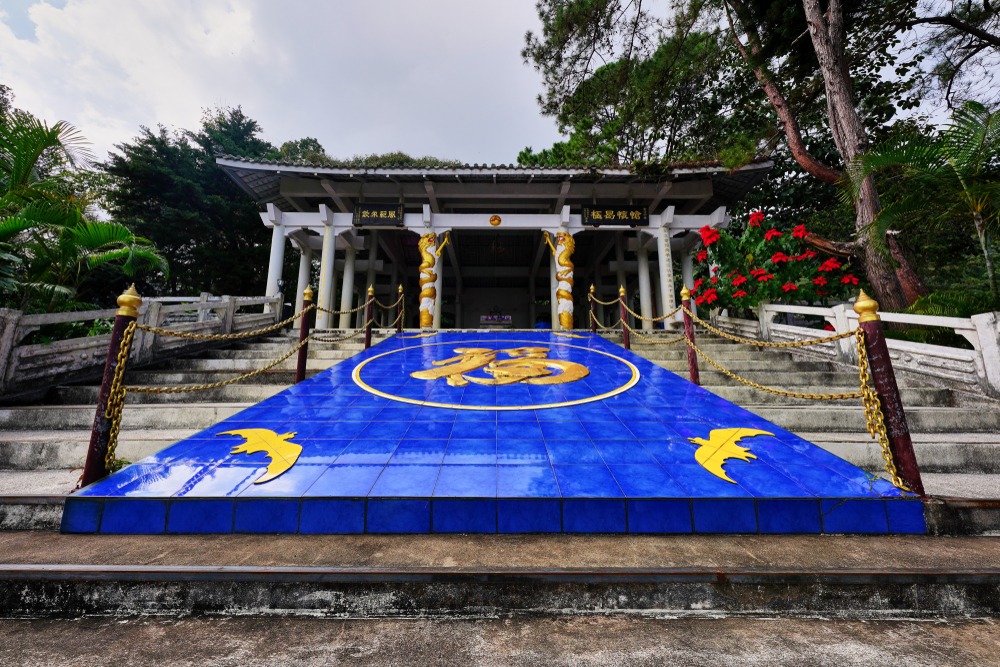
General Tuan's Tomb
Sixty kilometers from Chiang Rai, on the heights of Doi Mae Salong, General Tuan's tomb traces the history of the exiled KMT and the village's economic transformation.
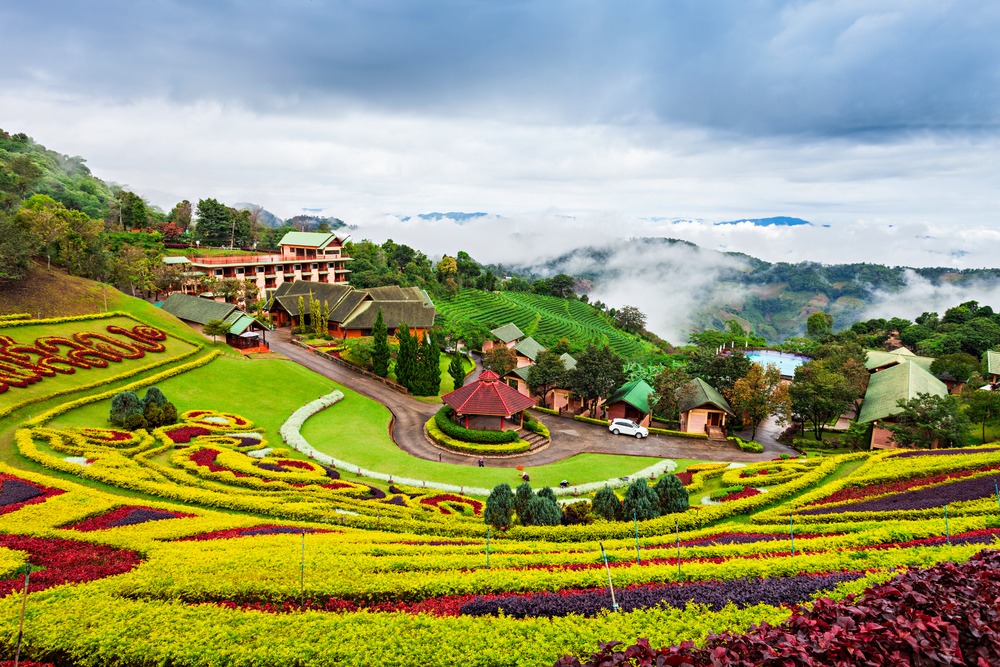
Mae Salong
Perched on the Daen Lao range north of Chiang Rai, Mae Salong blends Kuomintang Chinese heritage, oolong tea plantations and ethnic hill villages.
Interested in this visit?
We can include it in your personalised itinerary.