Tawan Dachanee Residence
Tawan Dachanee Residence
333 Tambon Nang Lae, อำเภอเมือง Chang Wat Chiang Rai 57100, Thaïlande
In Chiang Rai, the Black House (Baan Dam) brings together 40 buildings designed by Tawan Duchanee: Lanna architecture, futuristic forms and bold Buddhist symbolism.
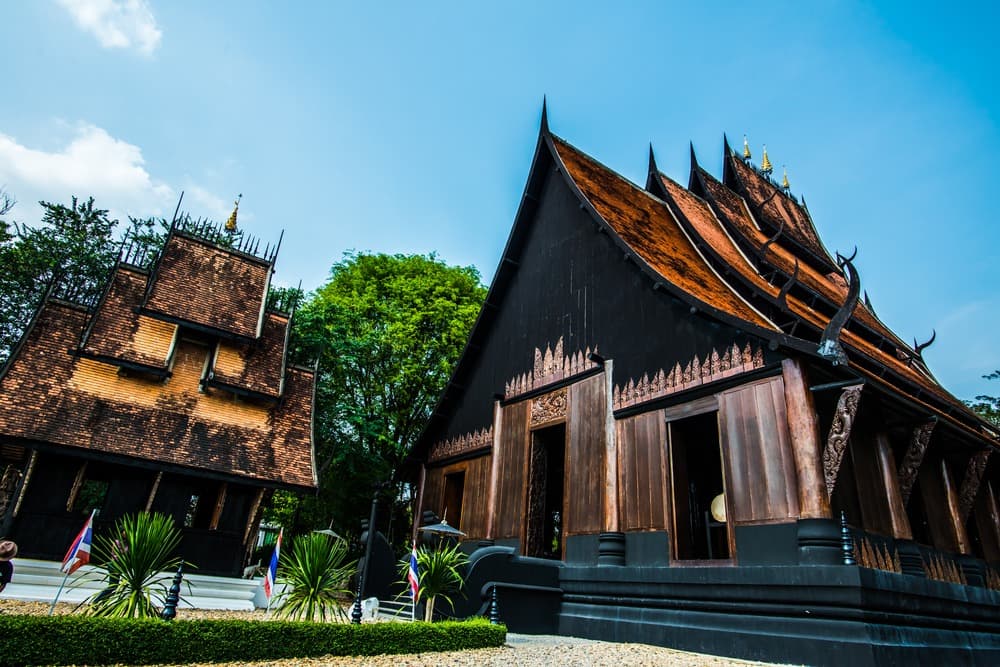
Just a few kilometers from the center of Chiang Rai, the Tawan Duchanee Residence — better known as the Black House or Baan Dam — houses around forty buildings created by one of Thailand's most distinctive contemporary artists. Traditional Lanna architecture, futuristic structures and Buddhist mythology iconography converge here in an ensemble unlike any other.
Why Visit the Black House
The site is neither a temple nor a conventional museum: it's an architectural and symbolic journey designed over several decades by Tawan Duchanee, who is simultaneously a painter, sculptor and architect. Visitors come for three complementary reasons:
To witness a rare dialogue between traditional Lanna style (teak wood, multi-tiered roofs) and contemporary, sometimes eccentric forms.
To understand a personal interpretation of Buddhism, centered on suffering, death and human impulses, expressed through skulls, horns and phallic imagery.
To complement a visit to the Wat Rong Khun (White Temple), whose luminous and purified aesthetic directly echoes the dark character of Baan Dam.
Tawan Duchanee, the Artist Behind the Space
Tawan Duchanee was born in Chiang Rai in 1939. He studied fine arts in Bangkok and then in Amsterdam, developing a parallel practice in painting, sculpture and architecture. Buddhist mythology remains his preferred theme throughout his work.
His departure from conventional religious codes earned him accusations of sacrilege during his career: some of his works were even damaged by Thai traditionalists. His reputation eventually spread beyond Thailand's borders, and several Thai embassies and consulates now exhibit his creations. Regarded as a major figure in contemporary Thai art, he settled at the Black House in his final years and died there at age 74 from kidney failure.
What to See on the Site
The grounds comprise around forty structures scattered throughout a tropical garden. Some buildings are not open to the public, as they serve as prayer and meditation rooms; their exteriors remain visible from outside.
The Sanctuary Hall
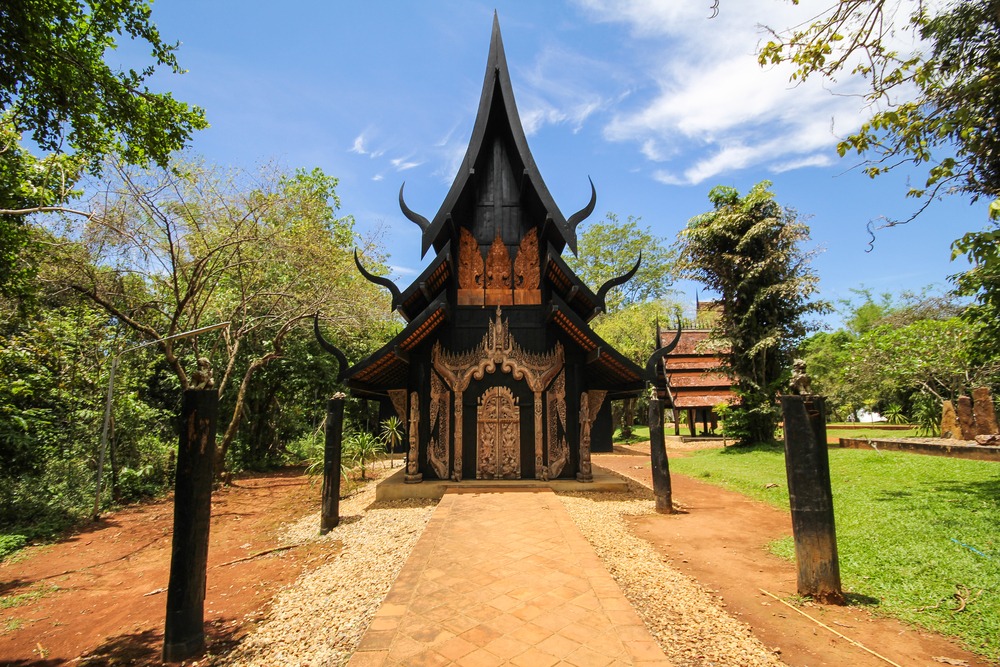
This is the main building, just past the entrance. From the outside, it resembles a Lanna sanctuary: monumental doors, polished teak wood walls, a roof shaped like a Chinese junk. The interior creates a striking contrast. At the center sits a white bust self-portrait of the artist, covered with legendary creatures across the chest. Beside it, a black obsidian statuette rests in a silver basin.
The furniture pieces intensify the effect: carved pillars, thrones fashioned from animal horns and hides, oversized tables. One features a giant serpent serving as a table runner; another is partially covered with crocodile skin.
The Entrance Gate and Sculptures
Before even entering the hall, observe the portal: an intricate web of animal and demonic figures where one can distinguish, among the motifs, a phallus with an eagle's head, faithful to the provocative and symbolic dimension of Duchanee's work.
The Stupa-Tipis
Duchanee reimagined the classical stupa form, traditionally designed to house relics. Rather than conventional spires, he created stupas evoking Native American tipis, sometimes adorned with graffiti. The most striking is entirely covered with eyes, referencing Buddha's enlightenment and perfect knowledge.
The Hornbill House
Hidden in the garden, this structure takes the form of a large marine mammal, with small circular portholes serving as windows. This was Tawan Duchanee's personal residence when he stayed in Chiang Rai. Within the exhibition circuit, another room deserves attention: a hall shaped like a whale's head, which the artist used as a rest space.
Skulls, Horns and Phallic Imagery
From gallery to gallery, the exhibitions showcase skulls, buffalo horns and animal hides. The theme aligns with a Buddhist reading of existence: disease, hunger, violence and death as expressions of human suffering. The numerous phallic representations in turn address the denouncement of desire and sexual excess.
Practical Information
The site is open daily during daylight hours. Entrance fees are modest and paid on-site; it's advisable to verify current hours and prices before your visit, as these may change. Plan for 1.5 to 2.5 hours on-site to explore all accessible buildings and the gardens without rushing.
A few recommendations:
Respectful dress is advised, given the site's spiritual dimension.
Photography is permitted in most outdoor areas; restrictions may apply inside certain buildings.
Bring water and a hat: the circuit is largely outdoors.
When to Go
The dry season, from November to February, remains the most comfortable time to visit Chiang Rai and its surroundings: pleasant temperatures and clear skies make strolling through the Black House garden a pleasure. From March to May, heat is intense and air quality can be affected by agricultural burning in the north. The rainy season (June to October) remains feasible, with showers often brief and occurring late in the day.
How to Get There
The Black House is located about ten kilometers north of Chiang Rai's city center, on the road to Mae Sai.
By local bus: from the old bus station in Chiang Rai (near the night bazaar), green buses heading toward Mae Sai will drop passengers near Baan Dam on request. Very economical fare.
By tuk-tuk or taxi: a faster and more direct option; negotiate the price in advance, whether for a one-way trip or round-trip with waiting time.
By scooter: a popular option for independent travelers, as the route is well-marked from the city center.
On an organized tour: most day excursions around Chiang Rai combine the Black House with the White Temple, sometimes with the Blue Temple as well.
What to Combine in the Surrounding Area
The Black House naturally fits into a circuit around Chiang Rai. Nearby, several sites complement your visit:
Wat Rong Khun (White Temple), the luminous counterpoint to Baan Dam.
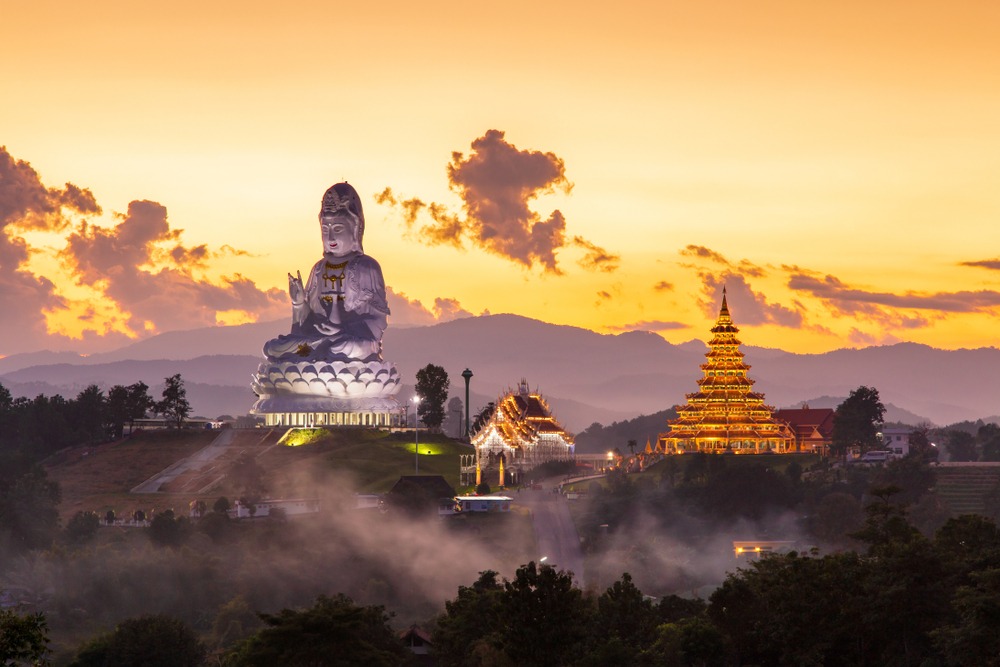
Wat Huay Pla Kang, dominated by its large white statue of Guan Yin.
Doi Din Dang Pottery Workshop, to further explore local contemporary creation.
Boon Rawd Farm (Singha Park), a vast agricultural and leisure estate south of the city.
Frequently Asked Questions
Frequently asked questions
No. Despite an aesthetic inspired by Lanna architecture and Buddhist iconography, this is an artistic ensemble created by Tawan Duchanee that combines museum, gallery and the artist's former residence.
A comfortable visit requires approximately 1.5 to 2.5 hours, depending on your interest in architectural details and the garden.
No, some structures remain closed to the public as they are used for prayer and meditation. The facades and garden remain largely accessible.
This is the most common approach. The two sites respond to each other aesthetically and thematically, and most day tours around Chiang Rai pair them together.
Some artworks display skulls, animal hides and explicit phallic representations. A visit remains possible with children, though certain imagery may require some explanation.
Planning Your Trip
The Black House fits into most itineraries in northern Thailand. To build a journey including Chiang Rai, the Golden Triangle and mountain villages, explore our tailor-made Thailand trips.
Photos
Nearby
Also discover
Doi Din Dang Pottery Studio
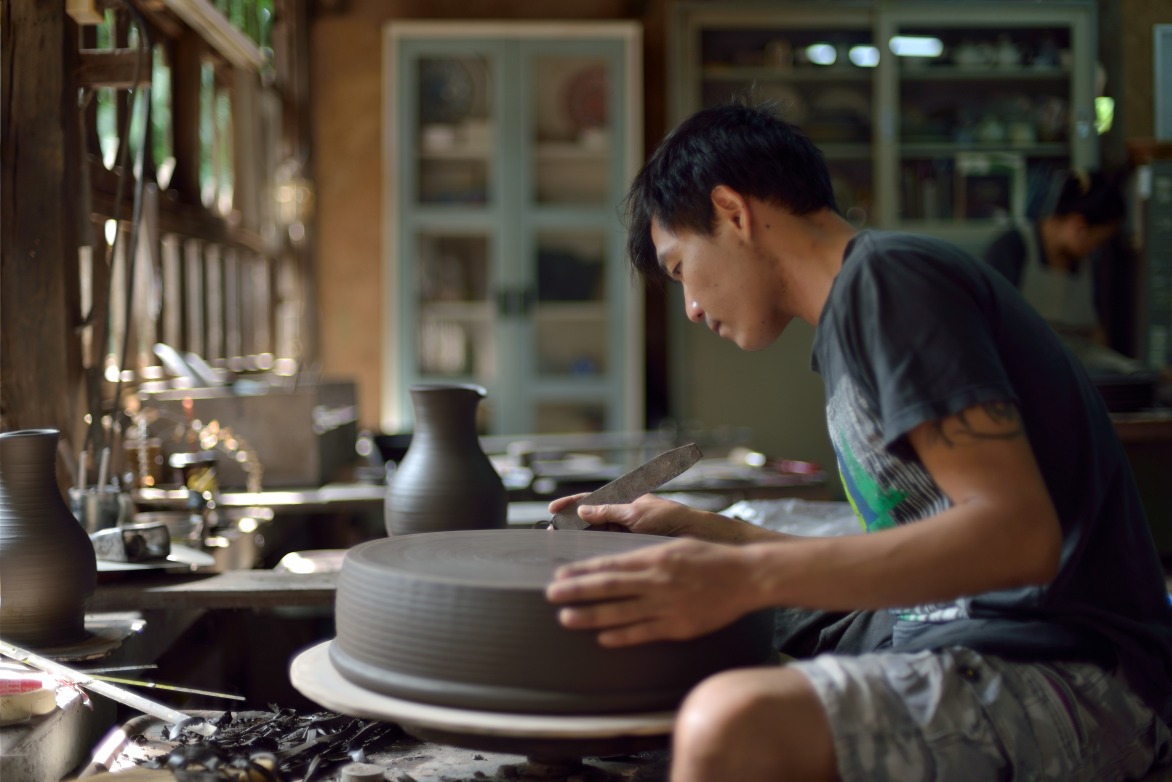
Located 12 km from Chiang Rai, ceramicist Somluk Pantiboon's Doi Din Dang studio preserves a craft blending Japanese traditions with northern Thai raw materials.
Baan Dam in Chiang Rai
About 10 km north of Chiang Rai, Baan Dam brings together some forty black buildings designed by artist Thawan Duchanee over more than 35 years.
Wat Huay Pla Kang
Located 6 km from Chiang Rai, Wat Huay Pla Kang combines a giant Guanyin statue, a nine-tiered chedi and a white Ubosot in a rare Mahayana syncretism in Thailand.
Wat Rong Sua Ten, the Blue Temple of Chiang Rai
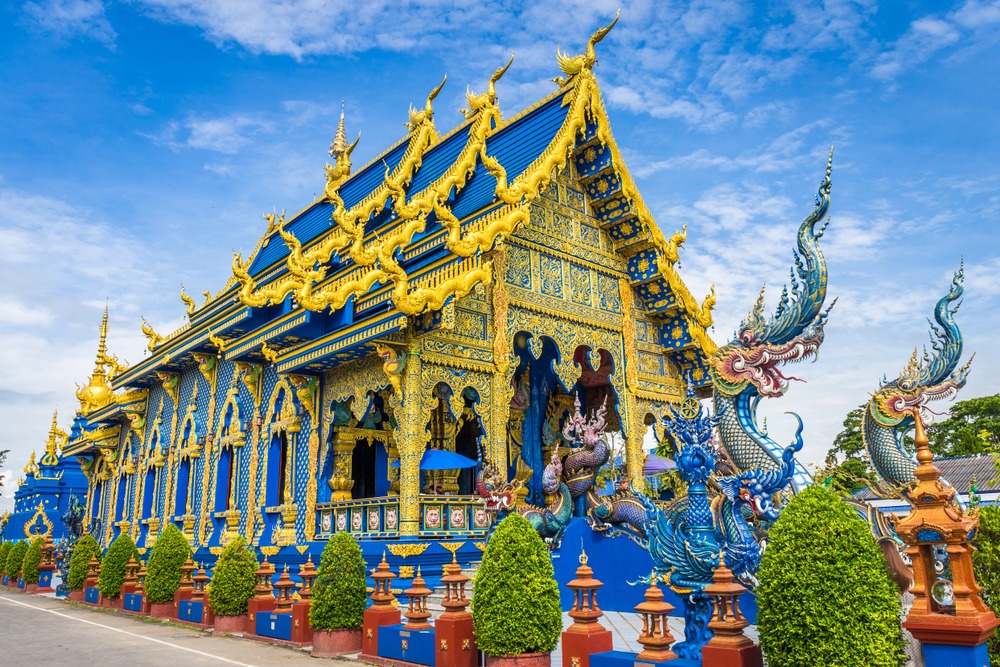
Wat Rong Sua Ten, or the Blue Temple, is one of Chiang Rai's most distinctive sanctuaries, designed by a disciple of the architect behind the White Temple.
The Legend Chiang Rai Boutique River Resort & Spa
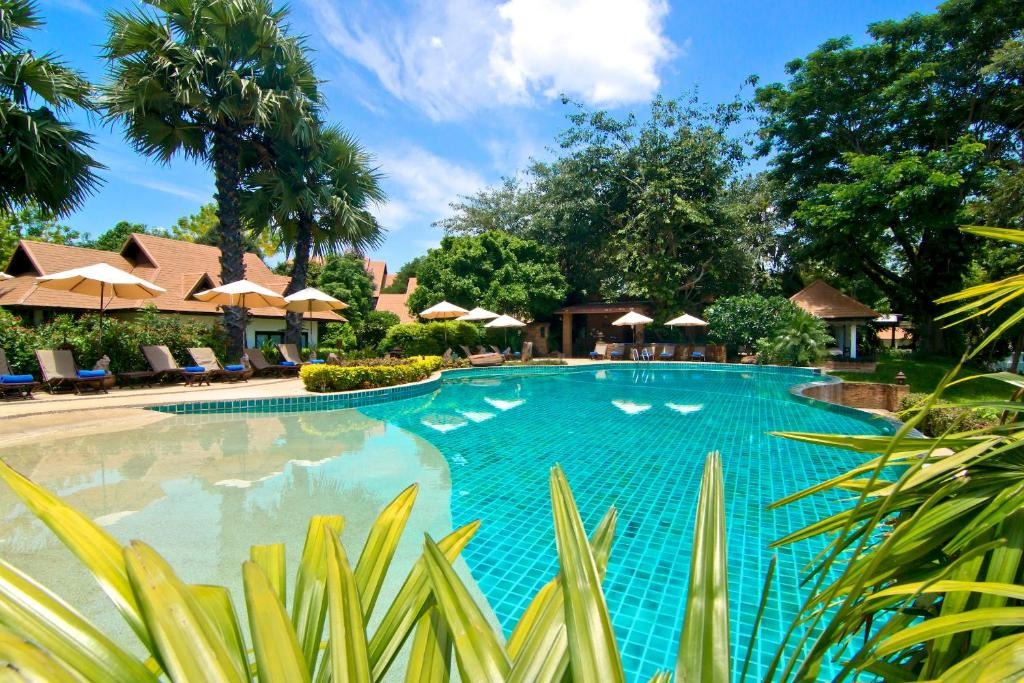
A 4-star resort inspired by Lanna tradition, nestled on the Mae Kok River at the edge of Chiang Rai. Spa, villas with private pools and sustainable tourism certification.
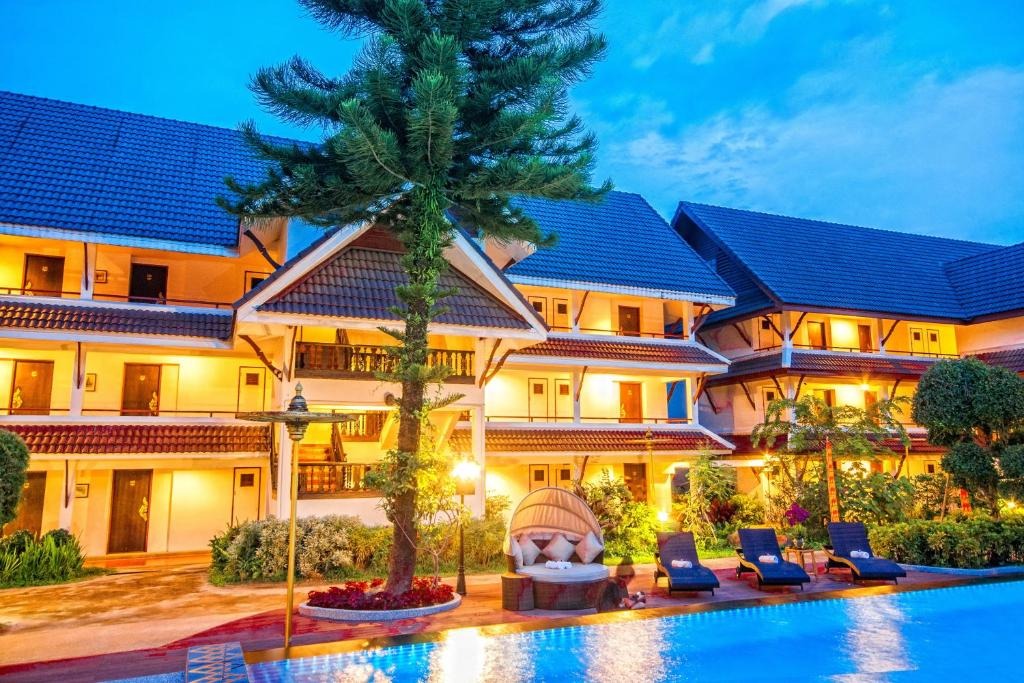
Nak Nakara Hotel
3-star hotel in central Chiang Rai, decorated in the Lanna spirit, with a pool, regional cooking classes and complimentary bike rentals to explore the city.
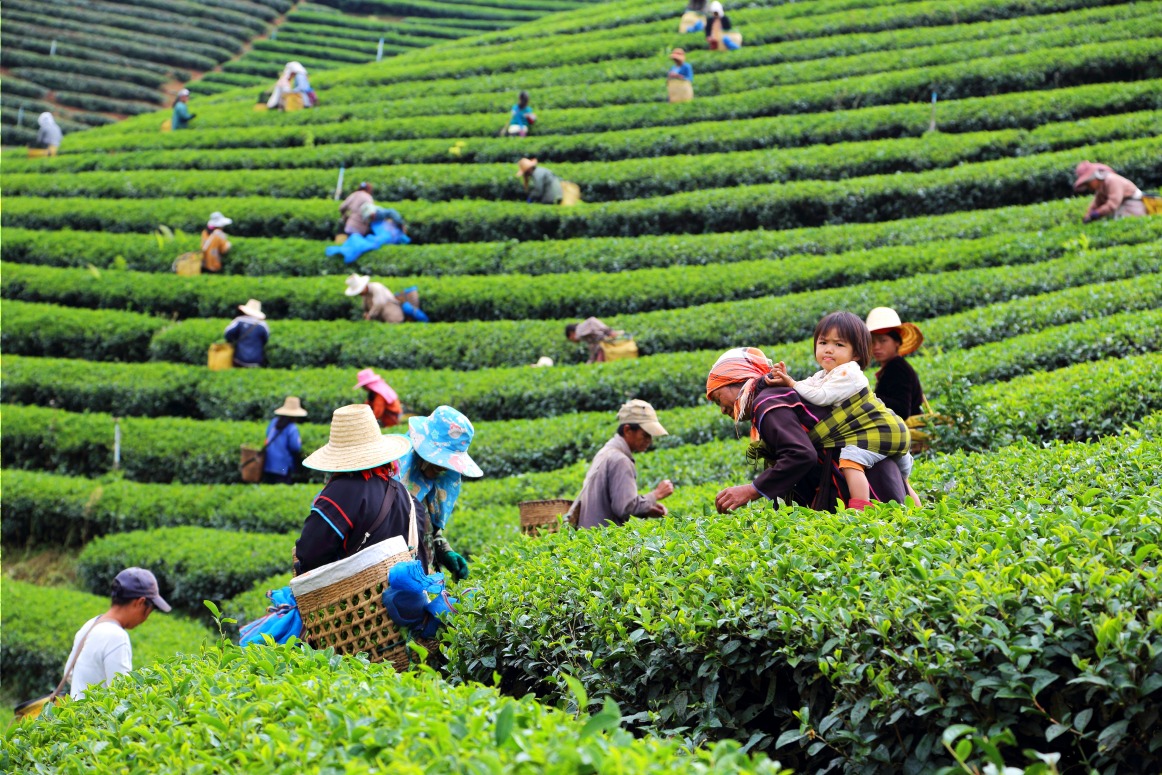
Ban Tham Pha Tong
A rural village in Chiang Rai province, 15 km from the city and its airport, Ban Tham Pha Tong serves as a peaceful base to explore northern Thailand.
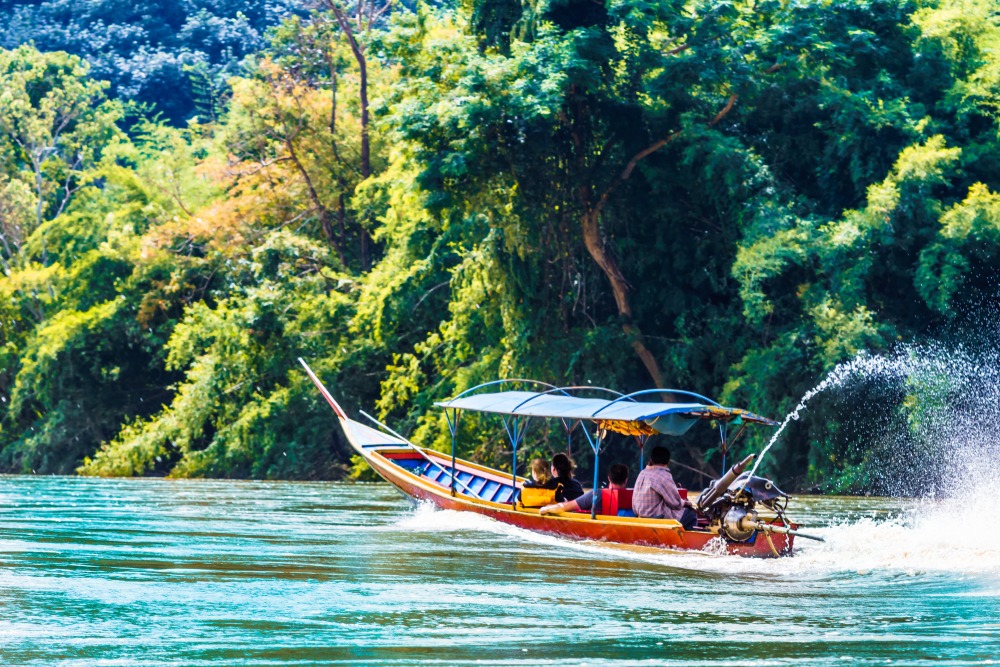
Kok River
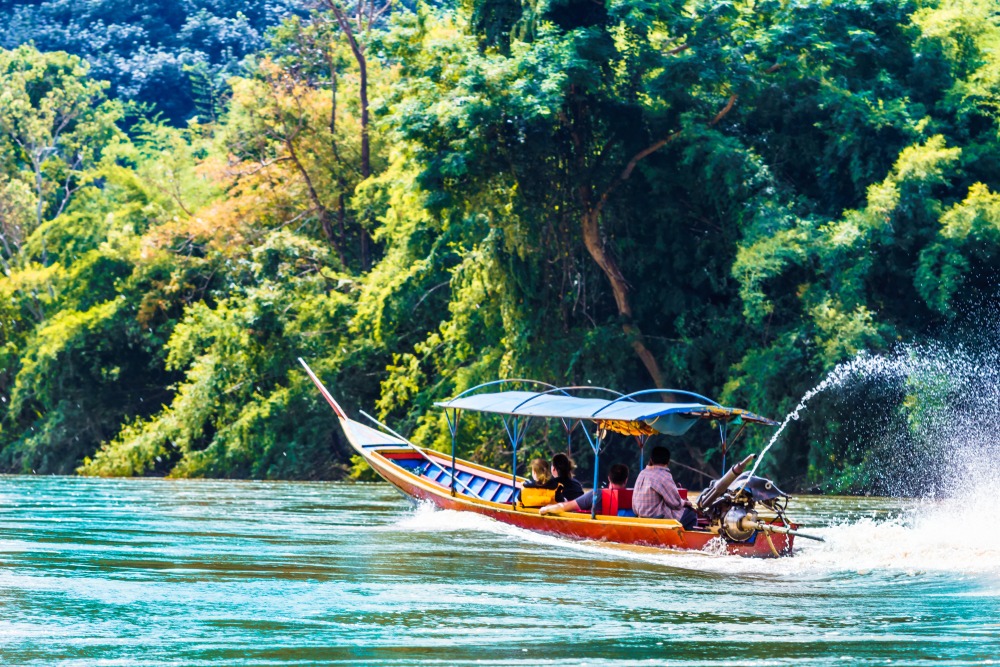
The Kok River connects Tha Ton to Chiang Rai over 100 km of navigable waters, passing through rice paddies, Karen and Akha villages, and hot springs in northern Thailand.
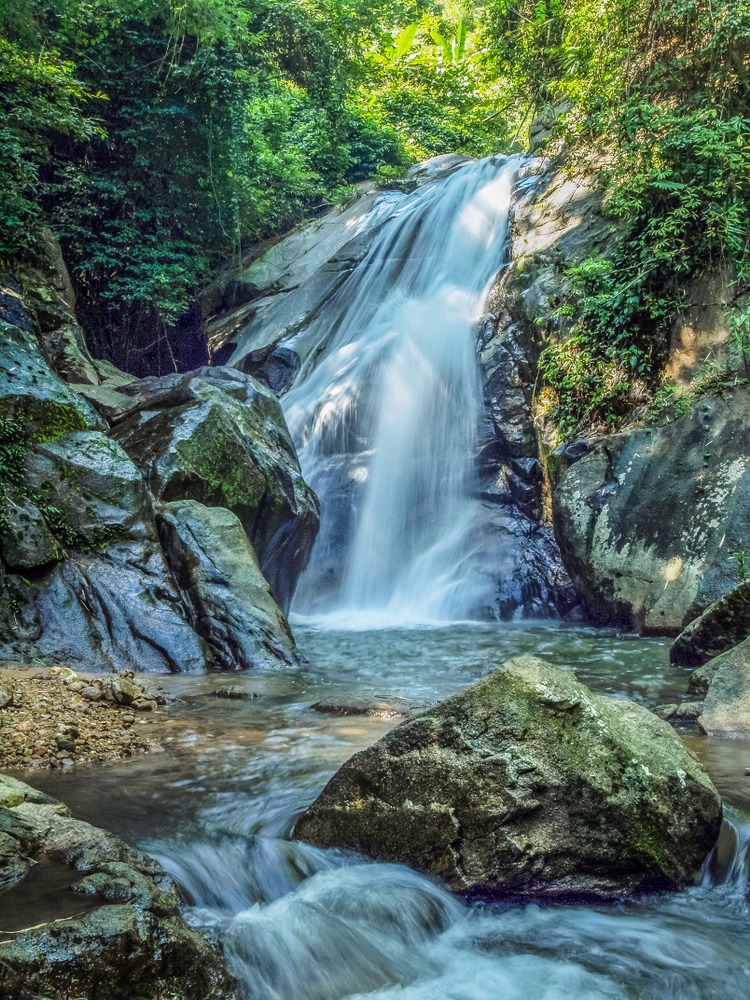
Mae Sai Waterfall
Twenty kilometers north of Chiang Rai, Mae Sai Waterfall unfolds two tiers of 15 meters within Mae Kok National Park, in the heart of the Golden Triangle.
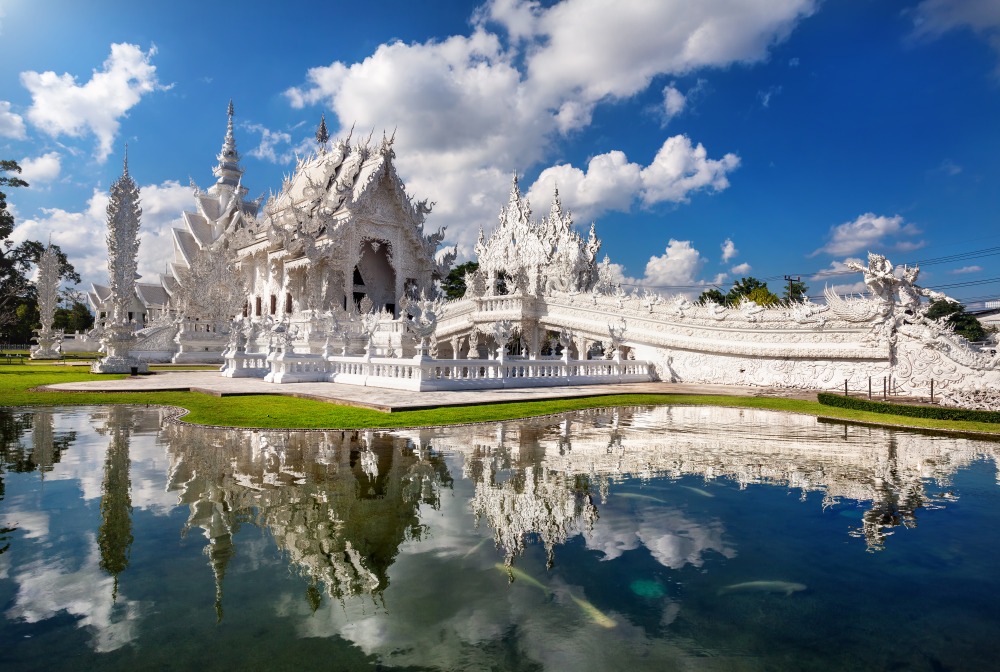
Chiang Rai
Former capital of the Lanna kingdom, Chiang Rai enchants with its contemporary temples, vibrant markets and gateway access to the Golden Triangle. Complete guide for your stay.
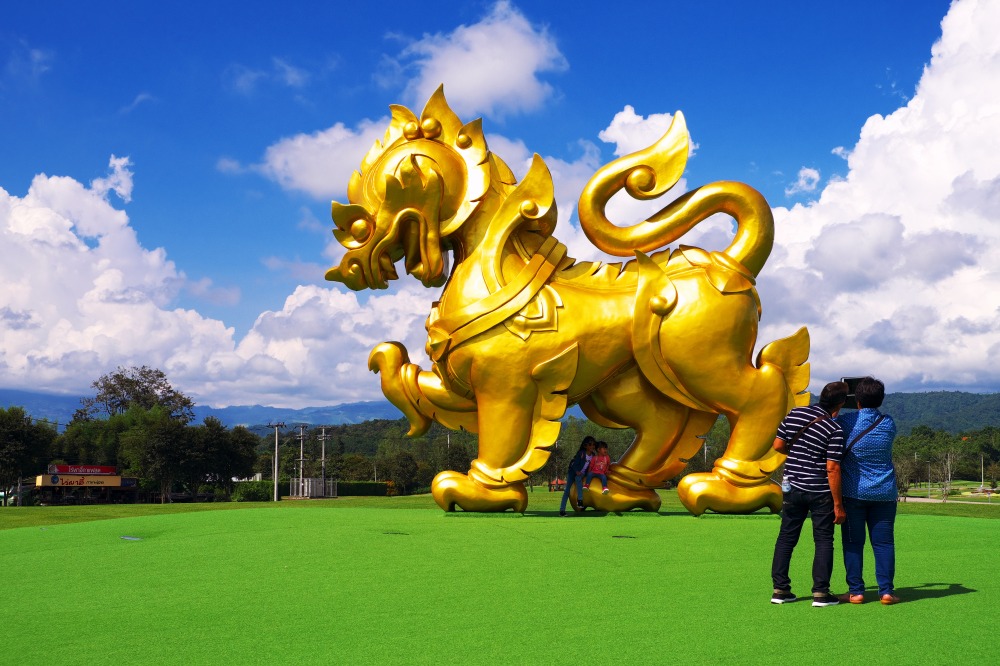
Singha Park (Boon Rawd Farm)
Formerly Boon Rawd Farm, Singha Park combines Oolong tea plantations and outdoor activities just ten minutes from Chiang Rai.
Interested in this visit?
We can include it in your personalised itinerary.