Martyr's Memorial Museum
Martyr's Memorial Museum
5J3C+3MF, Mae Salong Nok, Mae Fa Luang, Province de Chiang Rai 57110, Thaïlande
The Martyr's Memorial Museum in Mae Salong chronicles the epic of KMT soldiers, exiled from Yunnan in 1959 and who became Thai citizens.
The Martyr's Memorial Museum (Martyr's Memorial Hall) traces the history of Kuomintang (KMT) soldiers settled in Mae Salong, in the mountains of Thailand's far north. Three exhibition halls, a pagoda-tomb, and a panoramic view of the tea plantations encapsulate the epic of a Chinese community in exile who became Thai.
Why visit the Martyr's Memorial
The site combines two compelling interests: a well-documented military history museum featuring scale models, photographs, and personal artifacts, and a living memorial site for the local Chinese community. It sheds light on a lesser-known chapter of regional history—that of Chinese nationalist soldiers who participated in the struggle against Thai communist guerrillas in the 1960s and 1970s. A visit provides essential context for understanding the village of Santikhiri and its current Sino-Yunnan culture (tea, gastronomy, language).
The history of the KMT in Mae Salong
The village was founded in 1959 by KMT soldiers emigrating from Yunnan, China. Refusing to surrender to the Chinese government after their defeat at the hands of the Communist Party, they crossed Burma and settled in the hills of Chiang Rai. Thai authorities granted them asylum in exchange for military commitment: fighting Thai communist rebels. Battles took place primarily in the regions of Doi Luang, Doi Kao, and Doi Pha Mon in Chiang Rai Province.
By the mid-1980s, after several decades of service, surviving soldiers and their families gained official recognition as Thai citizens. Mae Salong was subsequently renamed Santi Khiri ("Abode of Peace") following the establishment of a royal agricultural research station that ended the opium trade and launched oolong tea cultivation.
What to see on site
The three exhibition halls
The 93rd Division KMT Soldier's Memorial organizes its layout in three spaces:
- Central hall: the "heroic past" of Chinese nationalist soldiers in northern Thailand, featuring weapons, uniforms, and a chronology of military operations.
- Right hall: the soldiers' misfortunes before their arrival in Thailand, recounting their defeat by the Communist Party and their flight across Burma. Scale models recreate their lives amid the battlefields.
- Left hall: humanitarian aid sent by Chinese associations (Taiwan notably)—food, clothing, scholarships for the children of exiles.
General Tuan's tomb
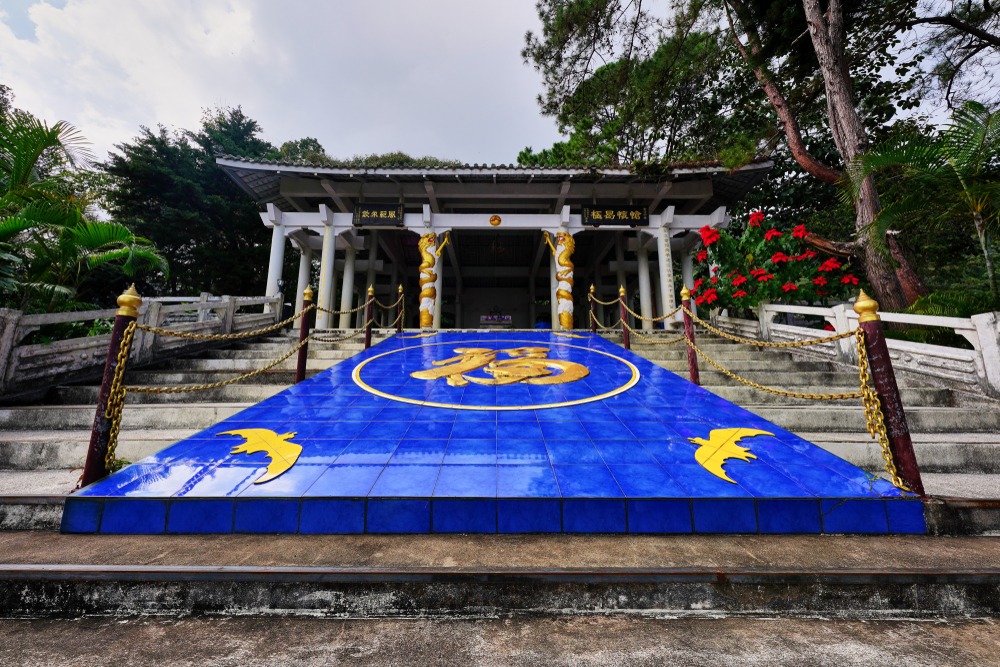
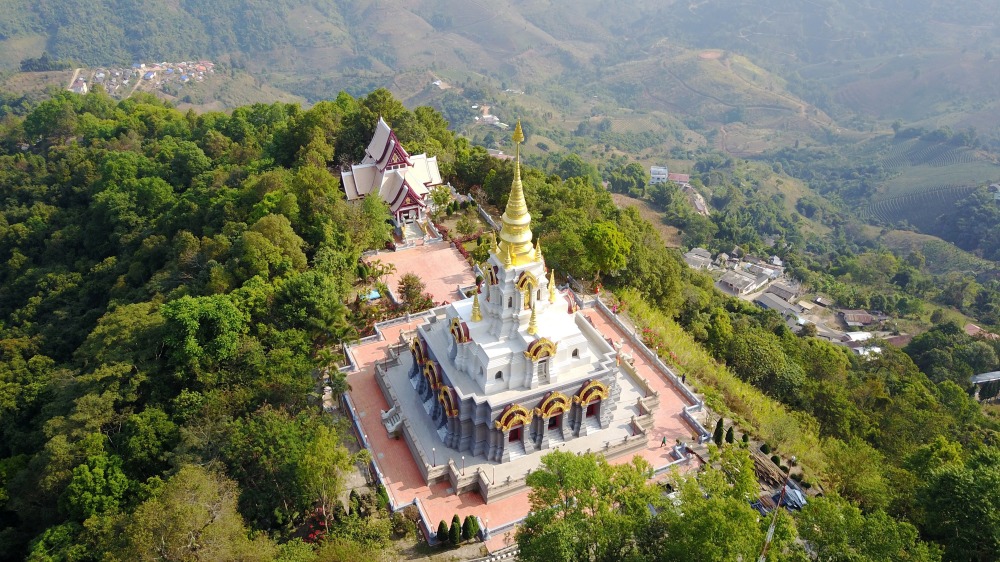
A few minutes' walk from the memorial, the tomb of General Tuan, founder of Mae Salong, is housed in a building shaped like a Buddhist pagoda. A Chinese military guard oversees the site. The visit naturally extends upward to the village, toward Srinagarindra Pagoda perched atop Doi Mae Salong, built in honor of a Thai royal princess.
Practical information
The museum is open daily, typically with continuous daytime hours. Admission is modest, sometimes free with a donation. Allow 45 minutes to 1 hour to explore the three halls, or 1.5 to 2 hours including General Tuan's tomb and the memorial's surroundings. Explanations are primarily in Thai, Chinese, and English; consider arranging a guide or translator for detailed historical context.
When to visit
Doi Mae Salong can be visited year-round, though certain periods are more favorable:
- December to February: dry and cool season, pleasant temperatures at altitude (59-77°F / 15-25°C), blooming of Thai cherry blossoms (Prunus cerasoides, sometimes called local sakura) that pink the hillsides in December-January.
- March to May: dry weather but seasonal haze from agricultural burning, which can reduce visibility.
- June to October: rainy season, verdant landscapes, oolong tea harvests, and abundance of local fruits (plums, strawberries depending on the month).
How to get there
The museum is located in the village of Santikhiri, Mae Fah Luang District, Chiang Rai Province. No public transportation serves the site directly. Two main options:
- Rental car from Chiang Rai (approximately 1.5 hours by road, tight mountain switchbacks).
- Songthaew (shared taxi) from Mae Chan Market or Ban Pasang, with a connection to Mae Salong.
Nearby attractions
Mae Salong is well-suited for a day or longer. In the immediate vicinity:
- The Doi Mae Salong mountain and its panoramic viewpoints.
- The 101 tea plantation, one of the area's main oolong tea producers.
- The village's Sino-Yunnan tea salons and restaurants, as well as farms offering strawberries, plums, and local produce.
Frequently asked questions
Yes, especially if you're staying in Mae Salong. It's the historical key to understanding the village and its Sino-Yunnan population. Allow 45 minutes to 1 hour for the museum alone.
No direct public transport. The easiest option is to rent a car (approximately 1.5 hours by road) or take a songthaew via Mae Chan, then a connection to Mae Salong.
The panels are primarily in Thai and Chinese, with some English translations. To grasp all the historical details, it's best to arrange an English-speaking guide or bring a travel companion capable of translating.
General Tuan's tomb, Srinagarindra Pagoda at the summit of Doi Mae Salong, oolong tea plantations, strawberry farms, and the village's Chinese restaurants.
December to February for cool weather and Thai cherry blossom blooms, or in the green season (June-October) for tea harvests and the most lush landscapes.
To integrate Mae Salong and its memorial into a complete itinerary in northern Thailand, explore our Thailand journeys.
Photos
Nearby

Also discover
Santikhiri (Mae Salong)
Perched at 1,200 m in Chiang Rai province, Santikhiri (Mae Salong) blends Kuomintang Chinese heritage, Oolong tea plantations, and highland mountain tribes.
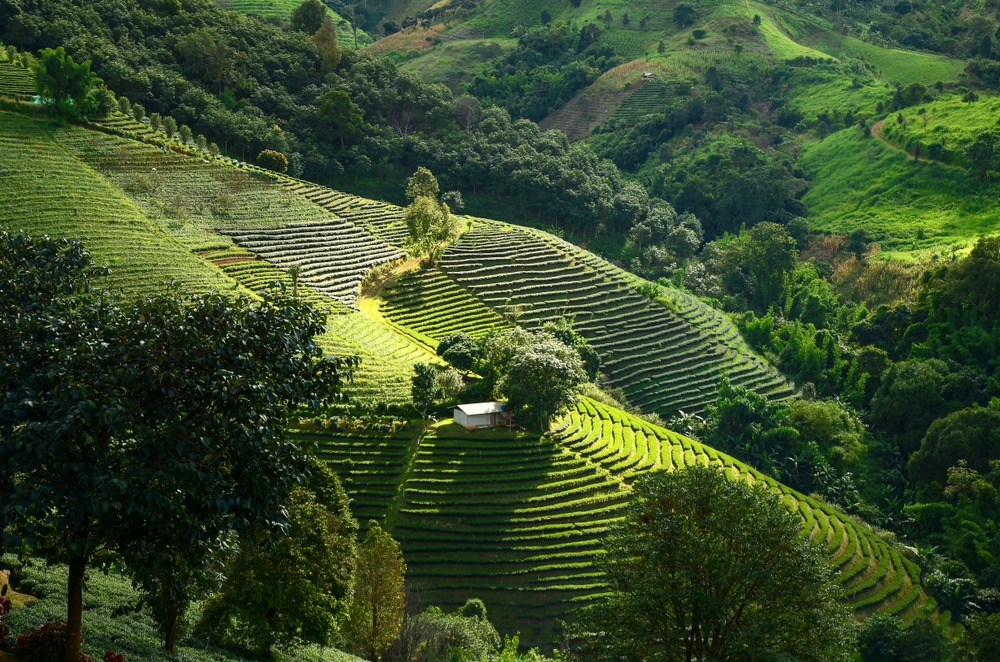
Doi Mae Salong Mountain
Some 60 km north of Chiang Rai, Doi Mae Salong combines tea plantations, Kuomintang Chinese heritage and hill tribe villages.
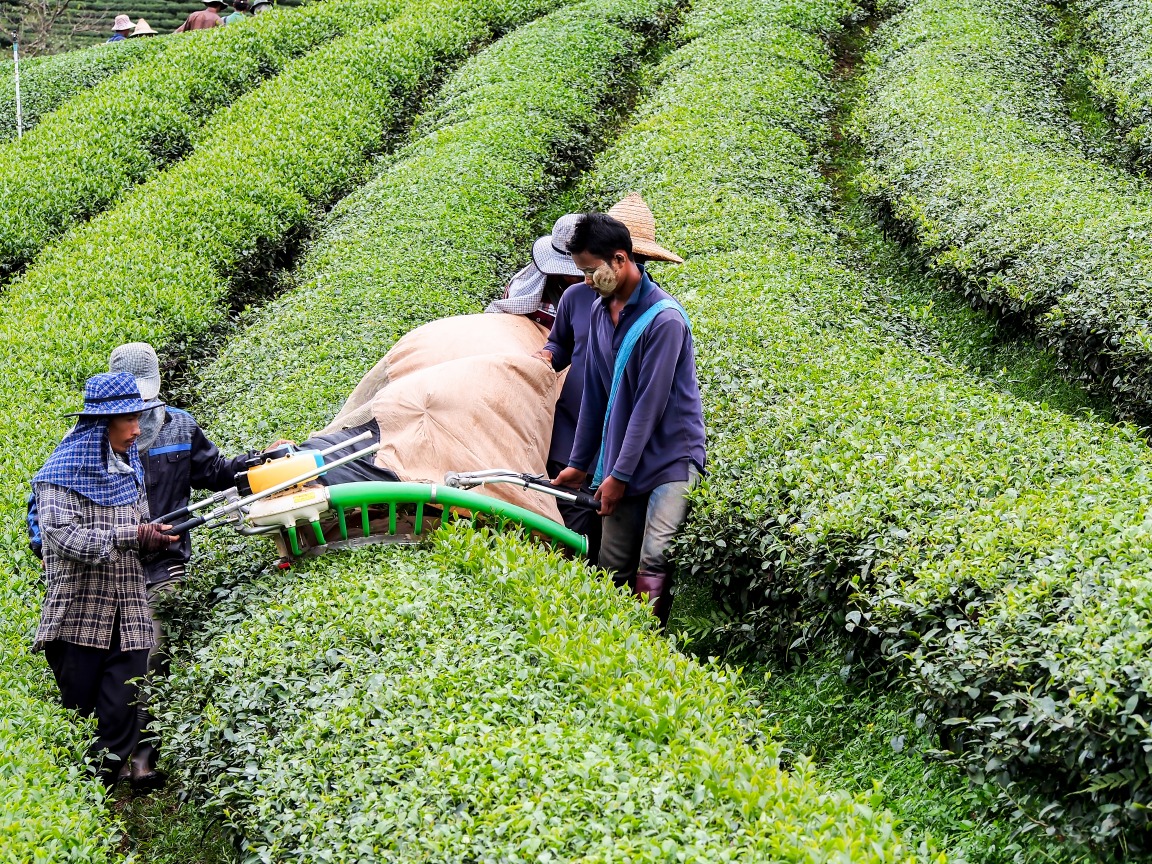
Mae Salong Tea Plantation
On the hills of Mae Salong, the 101 Tea Plantation produces renowned oolong teas. History, visit, tasting and access from Chiang Rai.
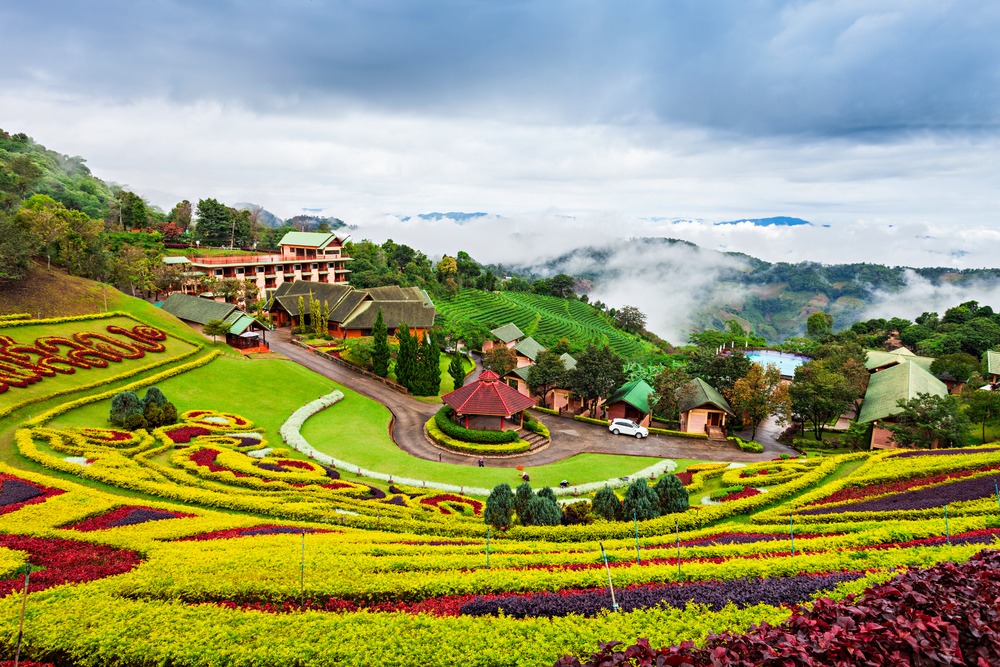
Mae Salong
Perched on the Daen Lao range north of Chiang Rai, Mae Salong blends Kuomintang Chinese heritage, oolong tea plantations and ethnic hill villages.
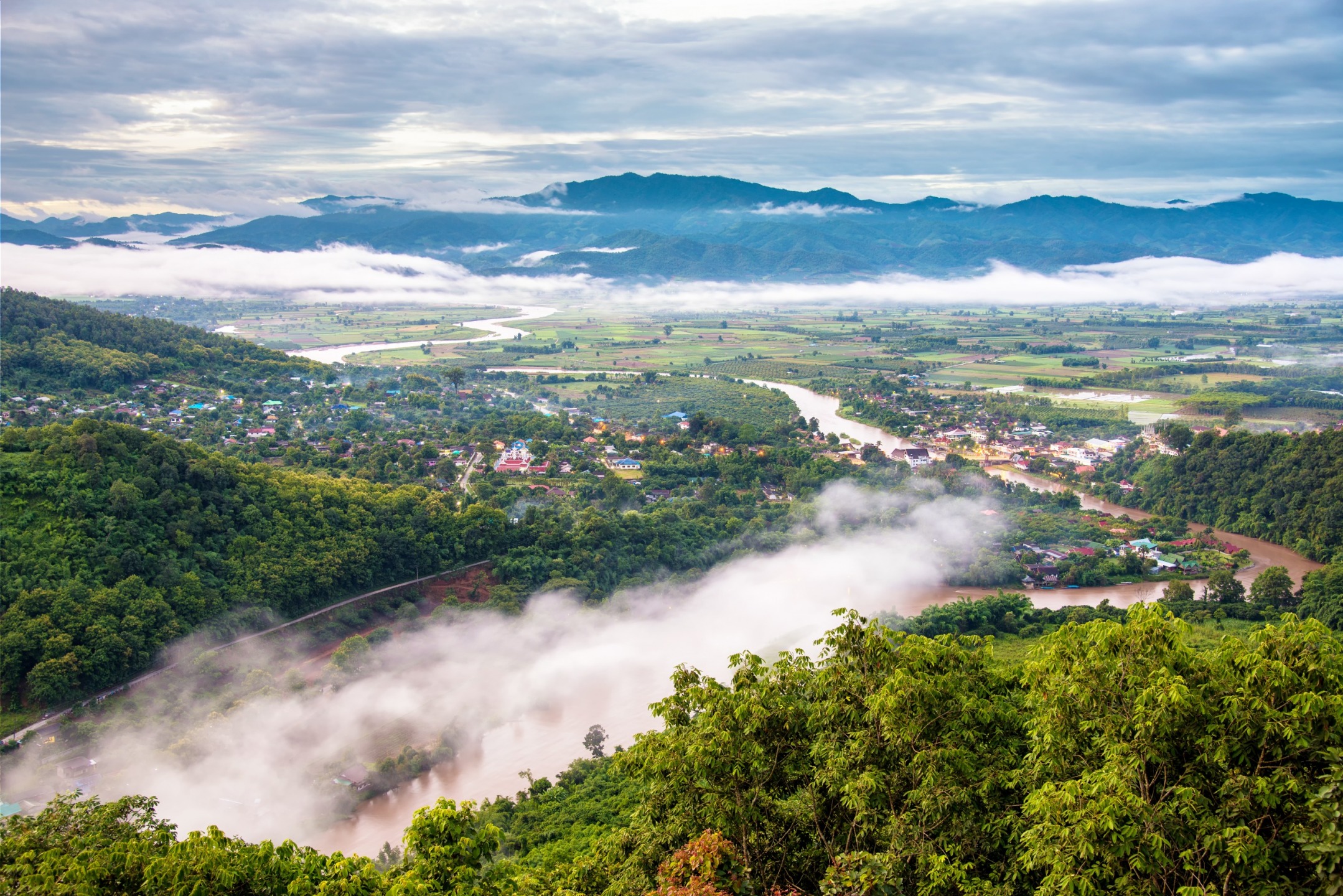
Tha Ton
Just 3 hours from Chiang Mai, Tha Ton blends the Kok River, a 9-level temple, and ethnic villages. A key stop on any northern Thailand circuit.
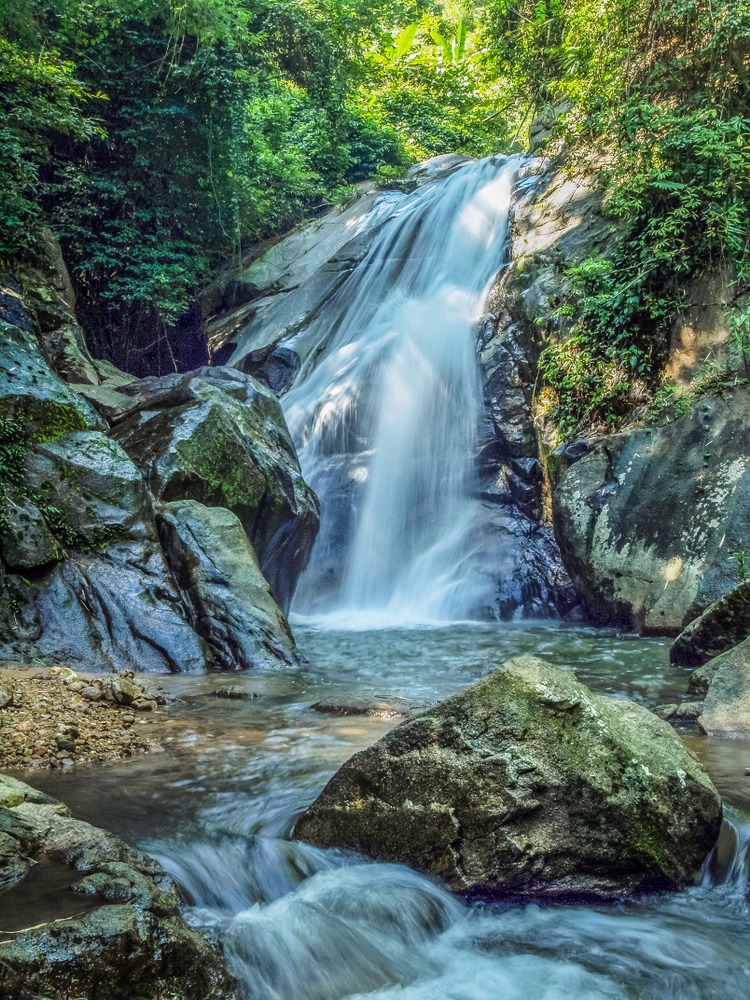
Mae Sai Waterfall
Twenty kilometers north of Chiang Rai, Mae Sai Waterfall unfolds two tiers of 15 meters within Mae Kok National Park, in the heart of the Golden Triangle.
Interested in this visit?
We can include it in your personalised itinerary.