Chiang Rai
Chiang Rai
Former capital of the Lanna kingdom, Chiang Rai enchants with its contemporary temples, vibrant markets and gateway access to the Golden Triangle. Complete guide for your stay.
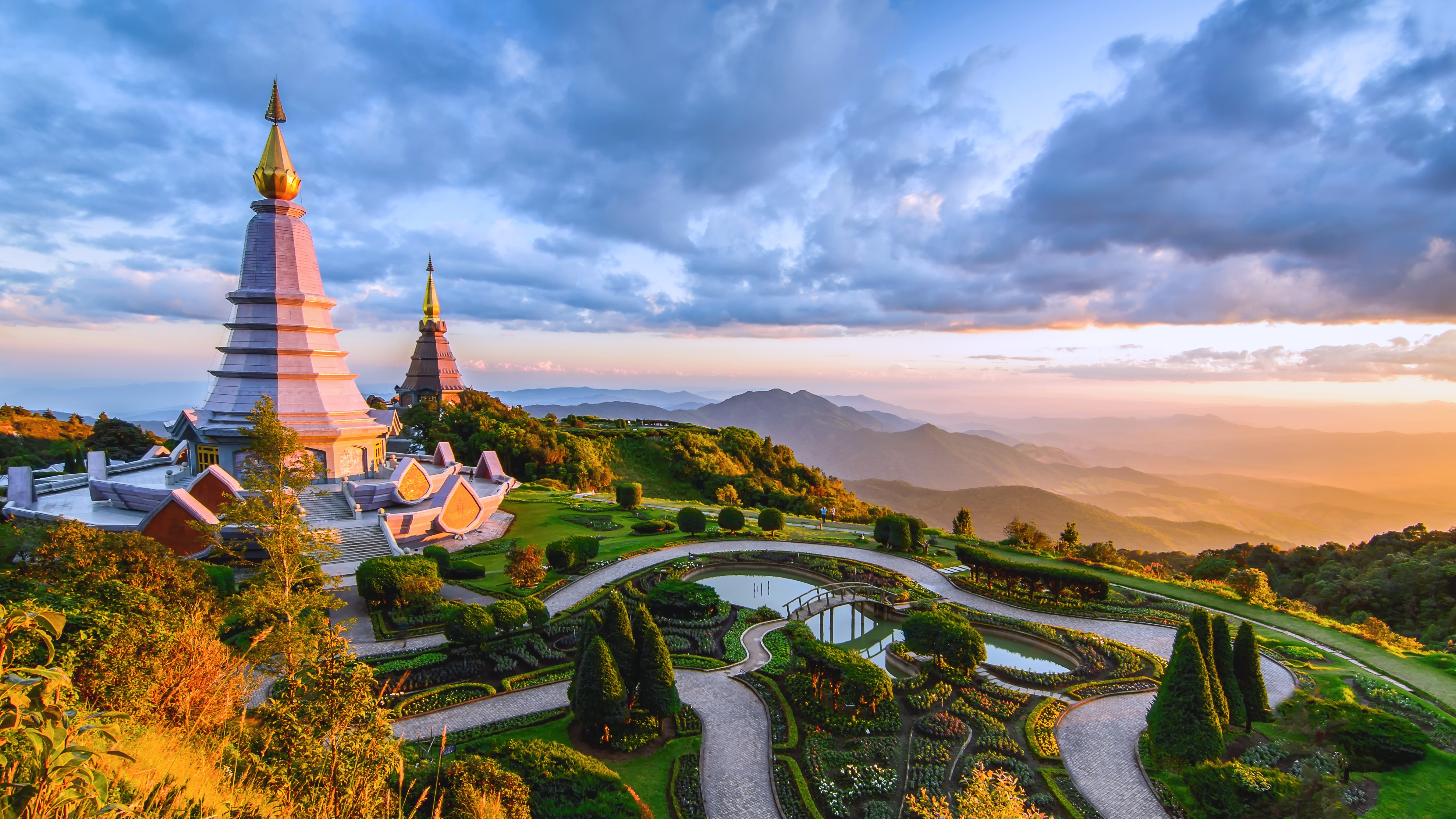
Nestled in the remote north of Thailand, Chiang Rai cultivates a quiet charm far from the buzz of its larger sister city, Chiang Mai. Once the capital of the Lanna kingdom, the city unfolds its colorful temples, night markets and mountains dotted with hill tribes along the Kok River. As the gateway to the Golden Triangle, it captivates both contemporary art lovers and travelers seeking encounters with local ethnic communities.
At a Glance
Country: Thailand, Northern Province
Ideal Duration: 2 to 4 days in the city, longer if exploring surroundings
Best Time to Visit: November to February (dry season, mild temperatures)
Highlights: Unique temples (Wat Rong Khun, Blue Temple, Baan Dam), Golden Triangle, tea plantations, hill tribe villages
Access: International airport (CRI) 8 km away, buses from Bangkok or Chiang Mai
Budget: Affordable, more economical than Chiang Mai
History of Chiang Rai
Chiang Rai was built by order of King Mengrai in 1262. The city became the capital of the Lanna kingdom, before losing its status to Chiang Mai a few decades later. For several centuries, it maintained a strategic role at the borders of the Burmese, Laotian and Siamese kingdoms.
The famous Emerald Buddha, the most venerated statue in the country, was discovered in this city, specifically at the temple of Wat Pa Yier. Legend has it that lightning struck the stupa in 1434, revealing the statue hidden beneath a layer of stucco. The temple was then renamed Wat Phra Kaeo. The statue later traveled to Vientiane and then Bangkok, where it is today housed in the royal palace.
In 1933, Chiang Rai was recognized as a province of Thailand. The region still bears traces of its multicultural past, notably in the architecture of temples blending Lanna, Burmese and Chinese influences.
What to Do in Chiang Rai?
Wat Rong Khun, the White Temple
Wat Rong Khun is one of Thailand's most remarkable temples, famous for its pristine white color and contemporary sculptures. Its construction dates back to the late 20th century, initiated by artist Chalermchai Kositpipat, on the site of an old ruined temple. Walls inlaid with mirror fragments shimmer in the sunlight, while the access bridge symbolizes the passage from hell to purity. It's located 13 km from the city center with a 100 baht entrance fee for foreigners.
Wat Rong Suea Ten, the Blue Temple
More recent and less crowded, the Wat Rong Suea Ten plays the contrast card with its cobalt blue frescoes and golden motifs. Inside, a white Buddha presides in an ethereal atmosphere worthy of a dream. Entrance is free and the site can be visited in half an hour.
Baan Dam Museum, the Black Houses
Located north of Chiang Rai, Baan Dam Museum houses numerous objects and furnishings representing death. The complex was designed by Thai artist Thawan Duchanee as a museum park comprising some forty dark wooden buildings scattered throughout a garden. Buffalo skulls, snake skins and trophies compose an unusual display, open from 9am to 5pm.
The Night Bazaar
Chiang Rai's night bazaar comes alive each evening near the bus terminal. You'll find clothing accessories, handicrafts, incense and textiles. Most vendors are from the region's hill tribes. Food stalls serve pad Thai, skewers and spring rolls around a stage where local troupes perform. On weekends, the Saturday Walking Street along Thanalai Road offers an even more festive atmosphere.
King Mengrai Monument
This statue was erected in honor of King Mengrai, founder of the Lanna kingdom. Located east of the day market, in a small park where locals come to leave offerings and jasmine garlands.
Other Temples Worth Visiting
Wat Phra Kaeo: Birthplace of the Emerald Buddha, still frequently visited by pilgrims
Wat Phra Singh: 15th-century Lanna sanctuary in the city center
Wat Phra That Doi Chom Thong: Vantage point over the city and Kok River
Wat Huay Pla Kang: Massive white statue of Guan Yin perched on a hilltop
Along the Kok River
A small beach developed on the banks of the Kok River offers a relaxation space enjoyed by Thai families. Floating restaurants serve grilled fish, and it's possible to paddle upstream by boat to Karen and Akha hill tribe villages.
Excursions Around Chiang Rai
The Golden Triangle
About an hour's drive north, the Golden Triangle marks the meeting point of Thai, Laotian and Burmese borders along the Mekong River. The Sop Ruak viewpoint allows you to take in all three countries at a glance. The Hall of Opium traces the history of poppy cultivation in the region, while boat excursions cross to the Laotian island of Don Sao.
Mae Sai and the Burmese Border
Thailand's northernmost city, Mae Sai marks the crossing into Burma via the Friendship Bridge. The border market overflows with Burmese goods, raw jade and tribal textiles. A visit to Tham Luang cave completes the excursion.
Doi Tung and the Royal Development Projects
Doi Tung is home to the mother of King Bhumibol's villa and its flowering gardens at 1,200 meters altitude. The royal development project has replaced poppy crops with coffee and macadamia plantations, supporting surrounding Akha and Lahu villages.
Choui Fong Tea Plantations
45 minutes from the city, Choui Fong plantations roll their soft green curves across Mae Chan's hills. The café-restaurant offers breathtaking views over rows of tea bushes, with oolong tea tasting included.
Singha Park
An 8,000-hectare estate owned by the famous Thai brewery, Singha Park combines tea plantations, zebra herds, educational farms and cycling trails. A scenic cable car soars over flowering gardens.
Trekking and Hill Tribe Villages
The hills around Chiang Rai are home to the Akha, Lahu, Lisu, Yao and Karen peoples. Treks of one to three days lead to their villages, with homestays included. Local agencies now prioritize respectful circuits that directly compensate communities.
When to Visit Chiang Rai?
Chiang Rai enjoys a tropical climate with three distinct seasons. The cool dry season, from November to February, remains the ideal period: sunny days around 25-28°C and cool nights sometimes dropping below 15°C in the mountains. This is the time for trekking and temple visits.
From March to May, temperatures soar to 35°C and the air fills with agricultural smoke, especially in March-April (burning season). Visibility over landscapes is reduced.
From June to October, the rainy season waters the region, peaking in August-September. Showers are brief but intense, rice paddies take on a brilliant green hue and tourist sites are less crowded.
How to Get to Chiang Rai?
By Air
Chiang Rai International Airport (IATA code: CEI) is located 8 km north of the city center. It serves Bangkok daily (1h 15 min flight) with Thai AirAsia, Nok Air, Thai Lion Air and Bangkok Airways, plus some seasonal international connections.
By Bus from Bangkok
Long-distance buses depart from Bangkok's Mo Chit Northern Bus Terminal and reach Chiang Rai in 11 to 12 hours, often overnight. The Ekkamai Eastern Bus Terminal also offers some connections. VIP companies provide reclining seats and onboard service.
By Bus from Chiang Mai
The Chiang Mai-Chiang Rai journey takes 3 to 4 hours via Highway 118 or Highway 1. Departures are frequent from Chiang Mai Bus Terminal 3, with standard or air-conditioned buses.
By Train + Bus
Chiang Rai has no railway station. One option is to take an overnight Bangkok-Chiang Mai train then a bus to Chiang Rai (200 km, approximately 3 hours).
By Car
Car rental from Bangkok or Chiang Mai allows you to tailor your itinerary. An international driving permit is required. Allow 11 hours from Bangkok, 3.5 hours from Chiang Mai.
How to Get Around Chiang Rai?
Tuk-tuk and Songthaew
Tuk-tuks roam the city center for short trips, to be negotiated before departure (50 to 100 baht in town). Songthaews, these converted pickups with benches, serve as shared taxis or can be rented for trips to peripheral temples.
Bicycle and Scooter
Many guesthouses rent bicycles (50 baht/day) and scooters (200-300 baht/day). A scooter is the most flexible way to explore Wat Rong Khun, Baan Dam and surroundings, provided you have an international driving permit.
Sam Lo (Cycle Rickshaw)
Traditional cycle rickshaws still operate around the central market for short trips. A slow but authentic option for a few stops in the old town center.
Taxi and Ride-Hailing
Grab operates in Chiang Rai and lets you book a taxi or private car at transparent prices. Convenient for reaching the airport or distant sites.
Where to Stay in Chiang Rai?
Chiang Rai offers a more modest accommodation range than Chiang Mai, but diverse and at attractive rates. Three areas stand out: the city center around the clock tower, the Kok River banks to the north, and the countryside toward the white temple.
Charming Boutique Hotels: Mora Boutique and Laluna Hotel offer elegant rooms in the heart of the city, with pools and contemporary décor inspired by Lanna style.
Comfortable 4-Star Hotels: Phowadol Resort and Spa, Nak Nakara, Saan Hotel Chiang Rai and The Legend Chiang Rai combine comfort, services and easy city access.
Riverside Resorts: The Imperial River House Resort offers a peaceful retreat with tropical gardens, ideal after a day of excursions.
Trendy Addresses: Selene Chiang Rai and Nai Ya impress with thoughtful design and intimate atmosphere.
Budget-Friendly Options: Hi Hotel offers excellent value for travelers on tighter budgets.
Insider Tips
Visit Wat Rong Khun early morning (from 8am at opening) to avoid tour buses from Chiang Mai and enjoy the low light on the mirrors.
Combine white temple, blue temple and Baan Dam in a single day by renting a scooter or booking a half-day songthaew (around 600 baht).
Favor the Saturday Walking Street over the night bazaar for a more local vibe and better-quality artisanal products.
For hill tribe village visits, choose an ethical agency that directly compensates communities and limits group sizes. Avoid tourist-oriented villages near the Golden Triangle.
Taste the local khao soi, this northern egg noodle curry, creamier and less spicy than the Chiang Mai version. The evening market serves it for 60 baht.
Pack a fleece jacket in the cool season: mountain nights readily drop below 12°C from December to February.
Who Should Visit Chiang Rai?
Cultural Travelers: Art enthusiasts and sacred architecture lovers find here a unique concentration of temples worldwide.
Adventure Seekers and Trekkers: The surrounding hills offer 1 to 3-day treks, encounters with ethnic communities and homestays.
Nature Lovers: Tea plantations, national parks, the Kok River and Golden Triangle mountains compose a playground for hikers and photographers.
Authenticity Seekers: Less touristy than Chiang Mai, Chiang Rai maintains a relaxed pace conducive to conversations with locals.
Families: Short distances, comfortable accommodations and varied activities (Singha Park, boat rides) suit children well.
Also Worth Exploring
Mae Salong: Village founded by Kuomintang soldiers, known for tea plantations and Sino-Yunnan atmosphere (31 km).
Santikhiri: Another name for Mae Salong, perched at 1,200 m, ideal for oolong tea lovers (33 km).
Tha Ton: Starting point for boat rides down the Kok River to Chiang Rai (34 km).
Chiang Saen: Former capital on the Mekong, rich in Lanna kingdom remnants (58 km).
Mae Sai: Border crossing with Burma, colorful markets and caves (66 km).
Chiang Dao: Limestone massif and sacred caves on the Chiang Mai route (97 km).
Discover Thailand: Complete guide for planning your trip.
Frequently asked questions
2 to 3 days are enough for main attractions: white temple, blue temple, Baan Dam and city center. Add 1 to 2 days for the Golden Triangle, Doi Tung or tea plantations.
Wat Rong Khun charges 100 baht per person for foreigners (free for Thais). The site is open daily from 8am to 5pm.
Yes, many agencies offer day tours. Count 3 to 4 hours driving between cities. To really enjoy it, it's better to spend a night here.
Chiang Rai is smaller, quieter and less touristy. It offers privileged access to the Golden Triangle, hill tribes and unique contemporary temples like the white and blue temples.
Sop Ruak, the junction between Thailand, Laos and Burma, is 60 km north. Allow 1 hour by car or hired songthaew (around 1,500 baht round trip for a private vehicle).
Yes, several agencies offer 1 to 3-day treks with the Akha, Lahu and Karen. Choose ethical operators who limit group sizes and directly compensate communities.
Budget 30-50€ per day for budget travel (guesthouse, street food, local transport), 80-120€ for mid-range comfort, and 200€+ for boutique hotel stays with private excursions.
British, American and most Western nationals receive a 30-day visa exemption for tourism in Thailand. Your passport must be valid for 6 months beyond your arrival date.
Photos
Attractions in Chiang Rai
See all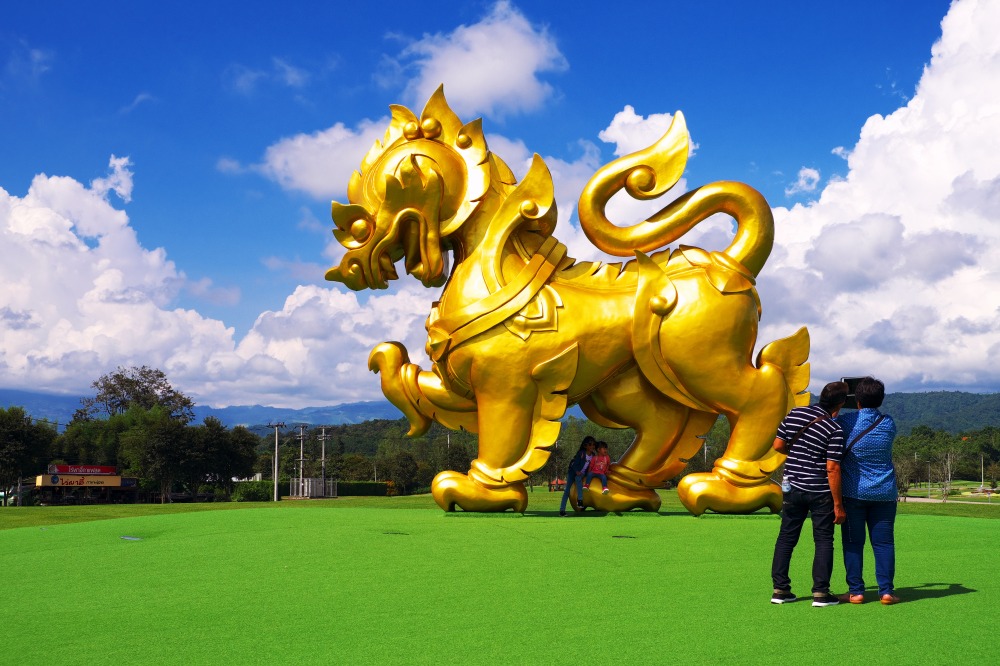
Ferme Boom Rawd (Parc Singha)
Ancienne Boon Rawd Farm, le Singha Park associe plantations de thé Oolong et activités de plein air à une dizaine de minutes de Chiang Rai.
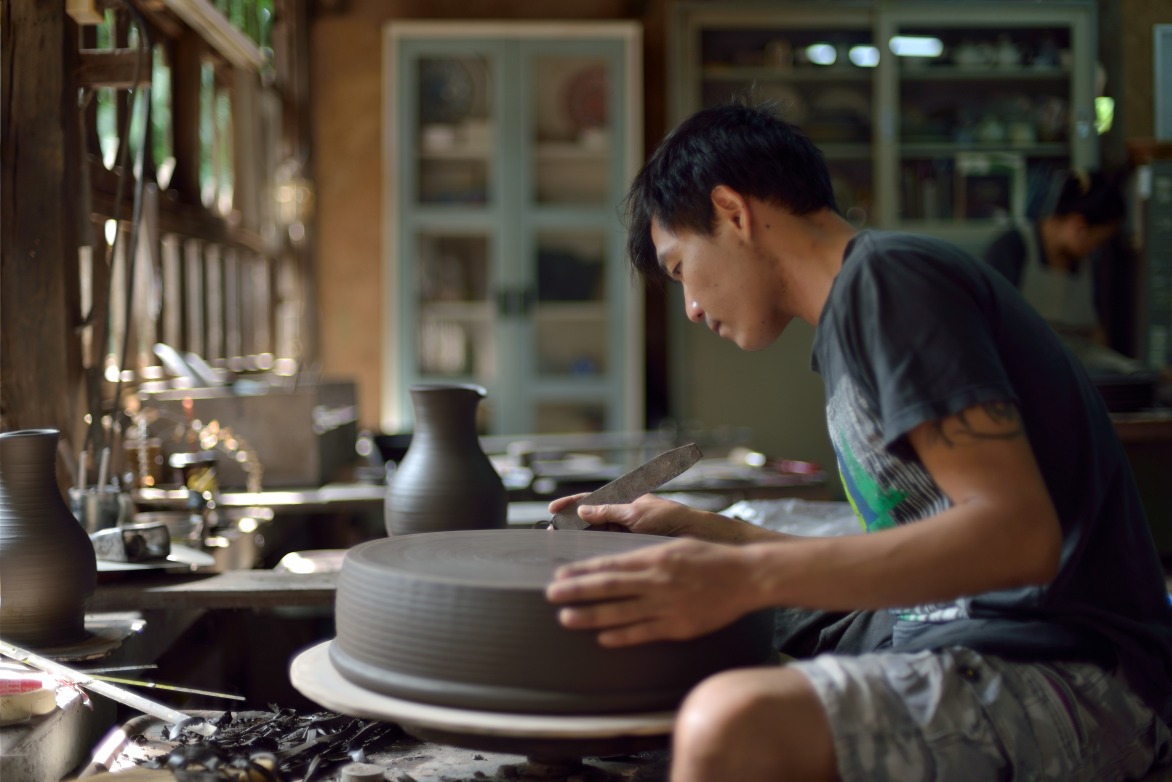
Atelier de poterie Doi Din Dang
À 12 km de Chiang Rai, l'atelier Doi Din Dang du céramiste Somluk Pantiboon perpétue un savoir-faire entre traditions japonaises et matières premières du nord thaïlandais.
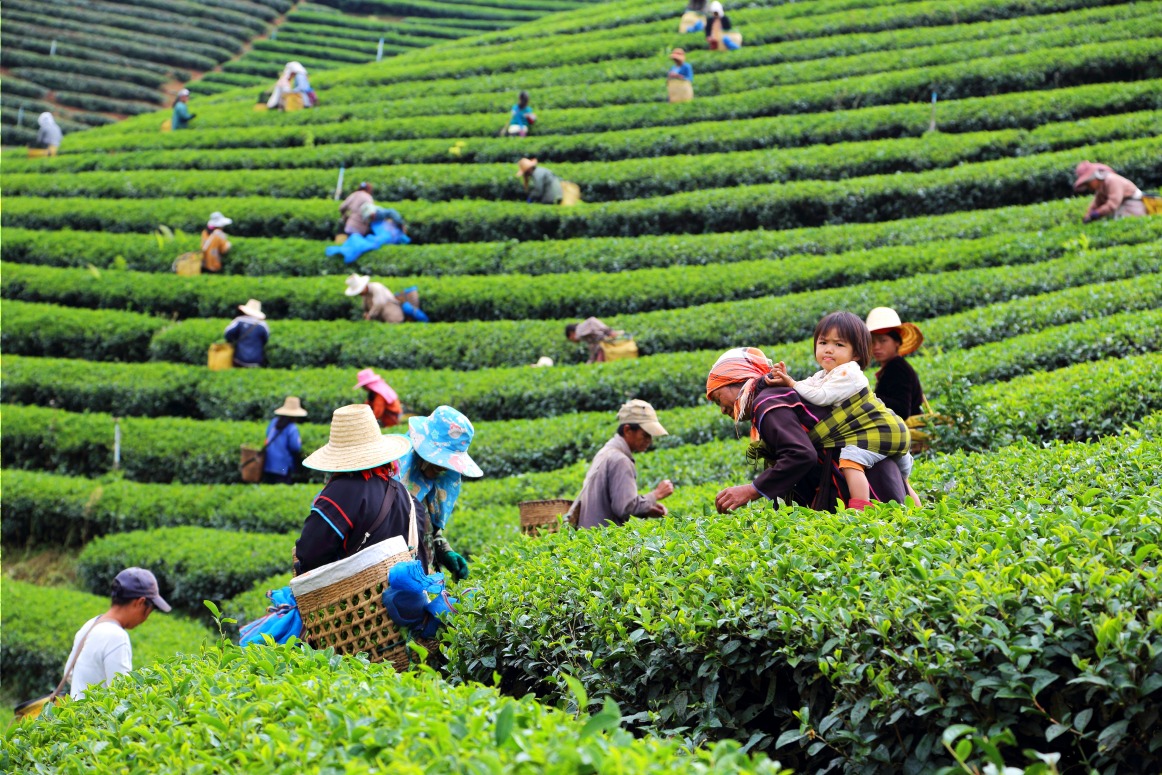
Ban Tham Pha Tong
Village rural de la province de Chiang Rai, à 15 km de la ville et de son aéroport, Ban Tham Pha Tong sert de halte tranquille pour explorer le nord thaïlandais.
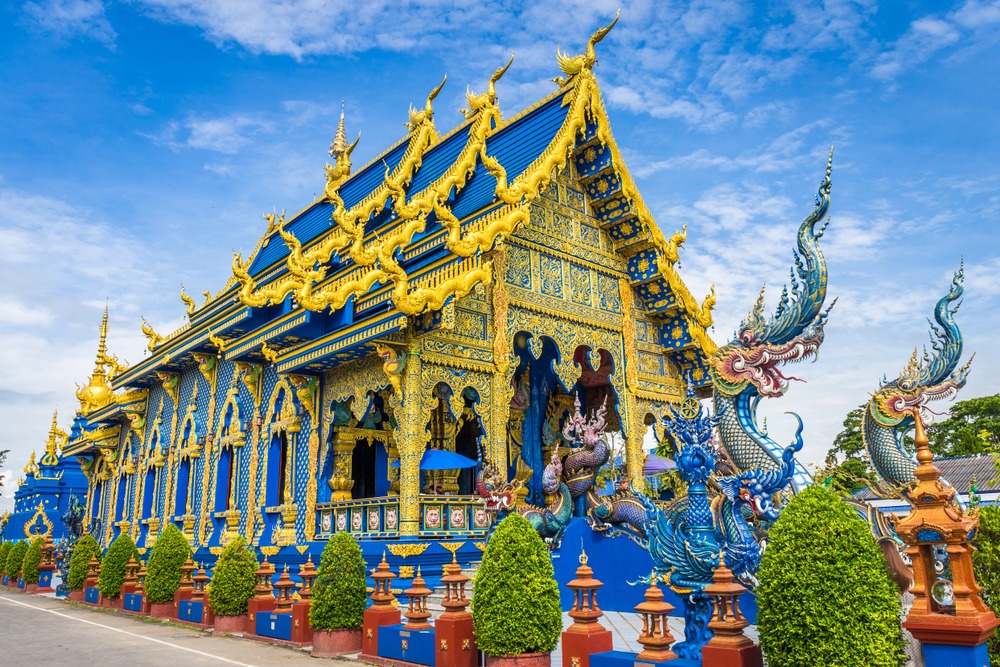
Le Wat Rong Sua Ten ou Temple Bleu de Chiang Rai
Le Wat Rong Sua Ten, ou Temple Bleu, est l'un des sanctuaires les plus singuliers de Chiang Rai, signé par un disciple de l'architecte du Temple Blanc.
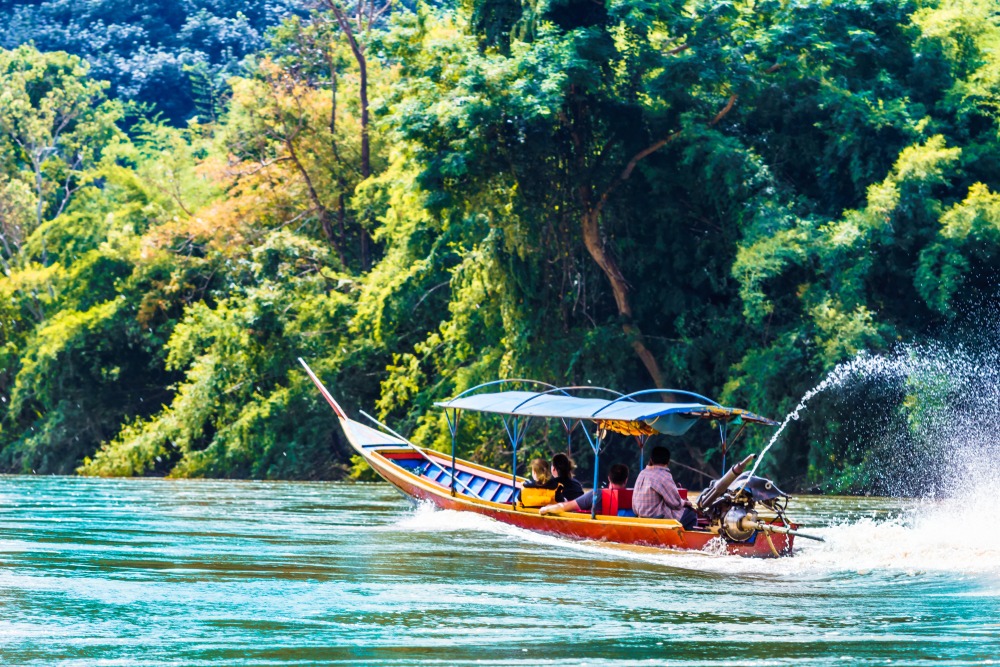
Rivière Mae Kok
La Mae Kok relie Chiang Rai à Thaton sur 3 à 4 heures de navigation, à travers villages Karen, Kayan et Akha du nord de la Thaïlande.
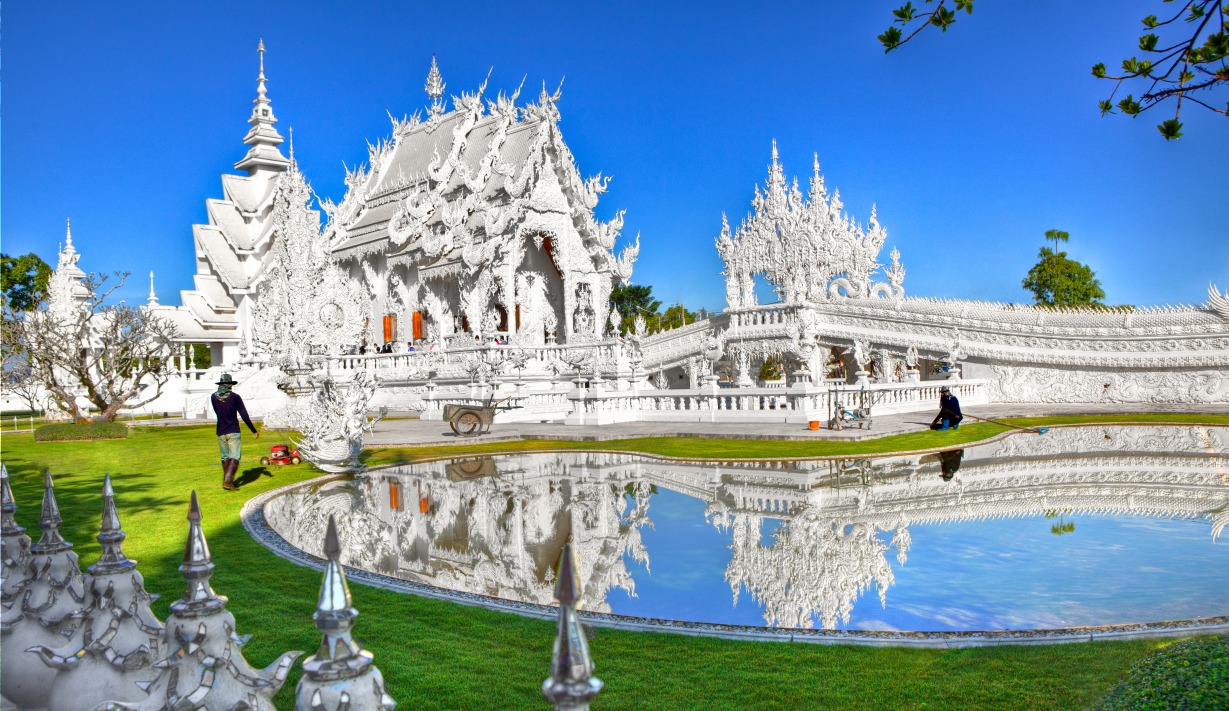
Le Wat Rong Khun
Le White Temple de Chiang Rai, œuvre de Chalermchai Kositpipat, mêle architecture Lanna, blanc immaculé et références pop dans un complexe d'art bouddhiste.
Accommodation in Chiang Rai
See all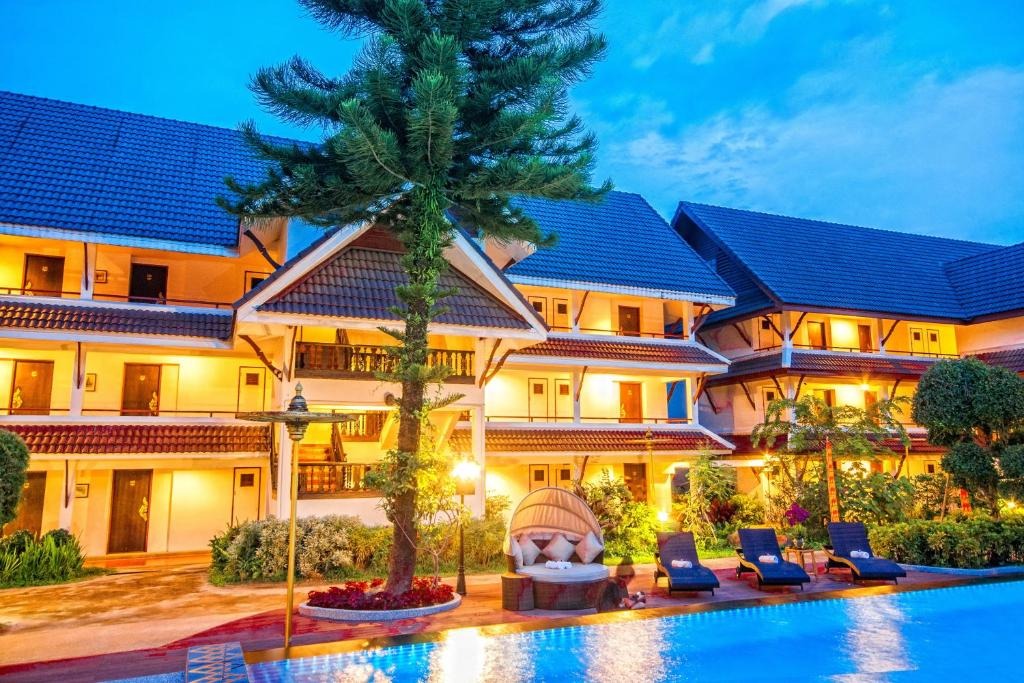
Nak Nakara Hôtel
Hôtel 3 étoiles au centre de Chiang Rai, décoré dans l'esprit Lanna, avec piscine, cours de cuisine régionale et prêt de vélos pour explorer la ville.
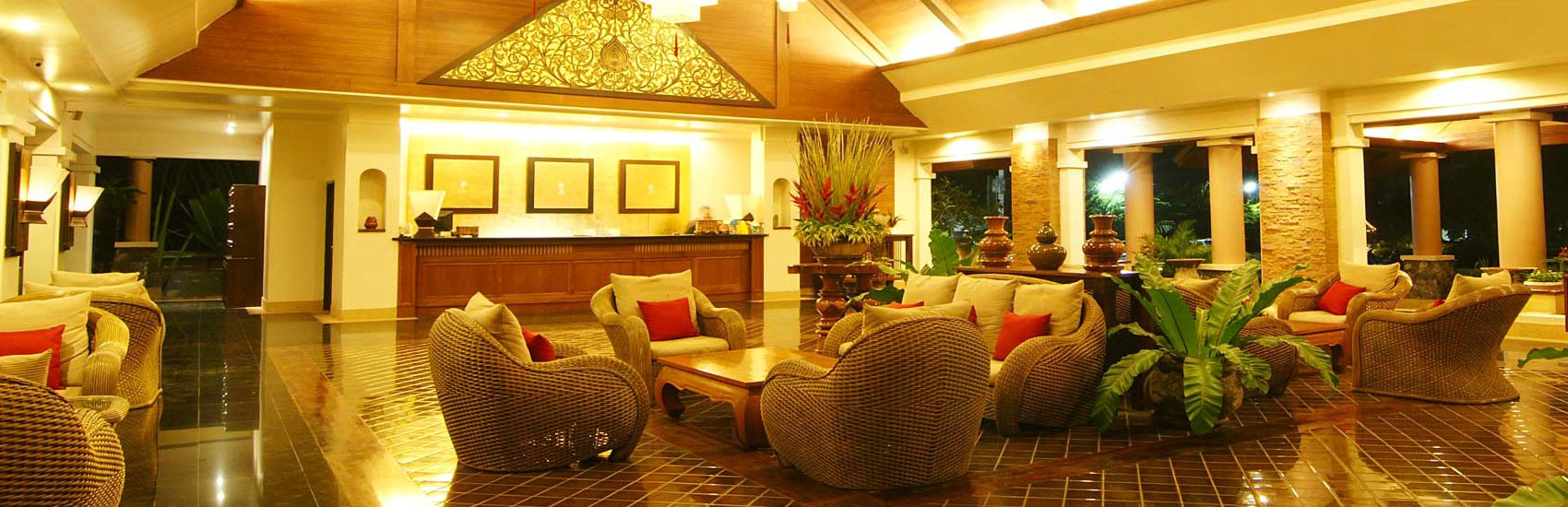
Laluna Hotel & Resort
Hôtel 4 étoiles en bungalows végétalisés à Chiang Rai, avec piscine et petit-déjeuner buffet inclus, bien situé pour explorer la région.
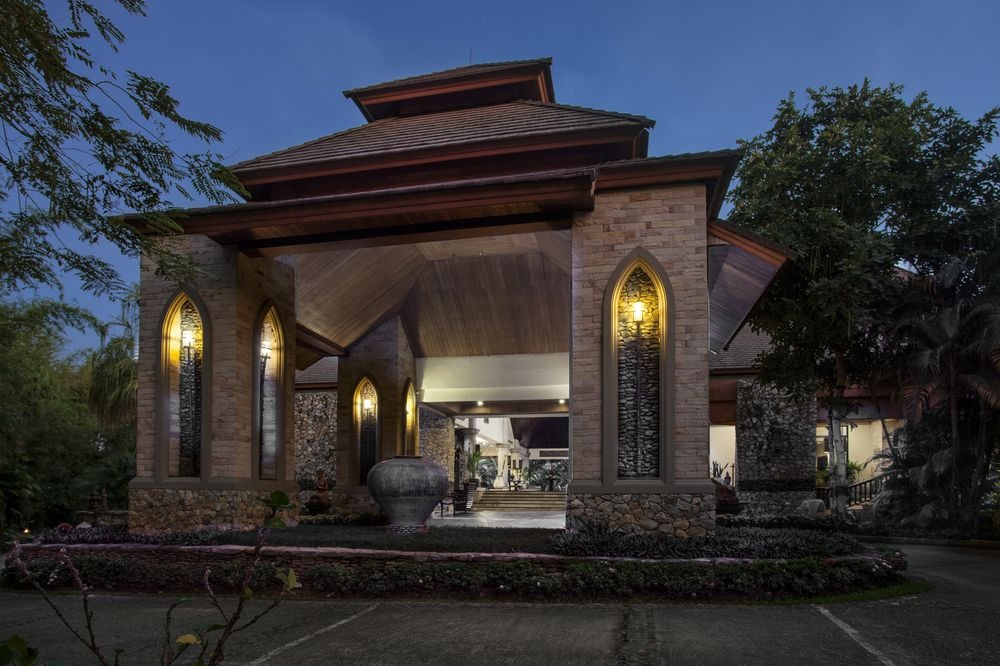
Katiliya Mountain Resort & Spa
Resort 5 étoiles à Pha Sang (Chiang Rai), en altitude, à 30 min de l'aéroport. Suites spacieuses, spa, piscine et vue sur les montagnes.
Also discover
Want to discover this destination?
Our local advisors design your tailor-made trip.