Chumphon Province
Chumphon Province
A strategic stopover before Koh Tao, Chumphon Province stretches across 200 km of coastline, tranquil beaches, and a provincial capital with authentic charm.

Gateway to Southern Thailand, Chumphon Province stretches across 200 km of coastline, around forty pristine islands, and a provincial capital with authentic charm. The ideal stopover before Koh Tao, yet one worth lingering in.
At a Glance
- Location: Southern Thailand, 500 km from Bangkok, on the Gulf of Thailand
- Ideal duration: 2 to 3 days on-site, 4 to 5 including island visits
- Best time to visit: December to March (dry and sunny)
- Access: Flight (1 hour from Don Mueang), train (7-10 hours) or bus (8 hours) from Bangkok
- Highlights: calm beaches, snorkeling, kitesurfing, ferries to Koh Tao, night market
- Average budget: €35 to €80 per day and per person (accommodation + meals + local transport)
Why Visit Chumphon
Chumphon Province opens the gateway to Southern Thailand's region. Stretching along the Gulf of Thailand's waters, its 200 km coastline reveals peaceful beaches and immaculate islands. Many travelers pass through Chumphon without stopping, eager to catch a ferry to Koh Tao. That's a mistake.
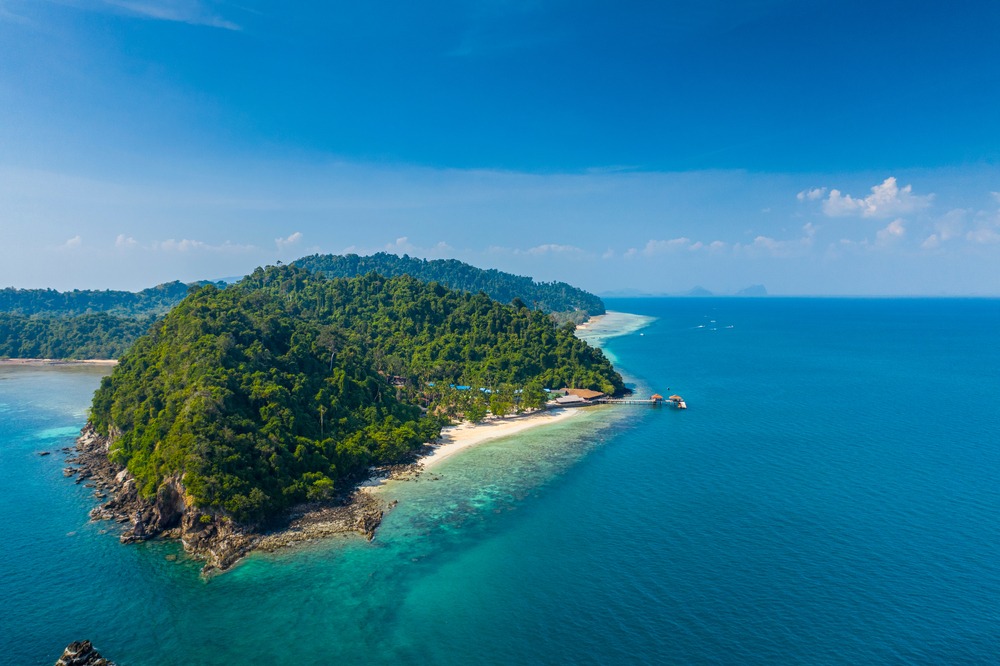
The province offers coastal Thailand that remains relatively untouched by mass tourism: Hat Thung Wua Laen's beaches nearly deserted on weekdays, creek coves accessible by longtail boat, night market where prices reflect what locals pay. Diving enthusiasts find here a strategic departure point to the Gulf's most celebrated sites, without the crowds of Surat Thani.
History and Geography
Chumphon Province is bordered by Prachuap Khiri Khan Province to the north, Surat Thani to the south, Ranong to the west, and the Gulf of Thailand to the east. Its bottleneck position, where the Malay Peninsula narrows to just 64 km across, made it a strategic crossroads for centuries.
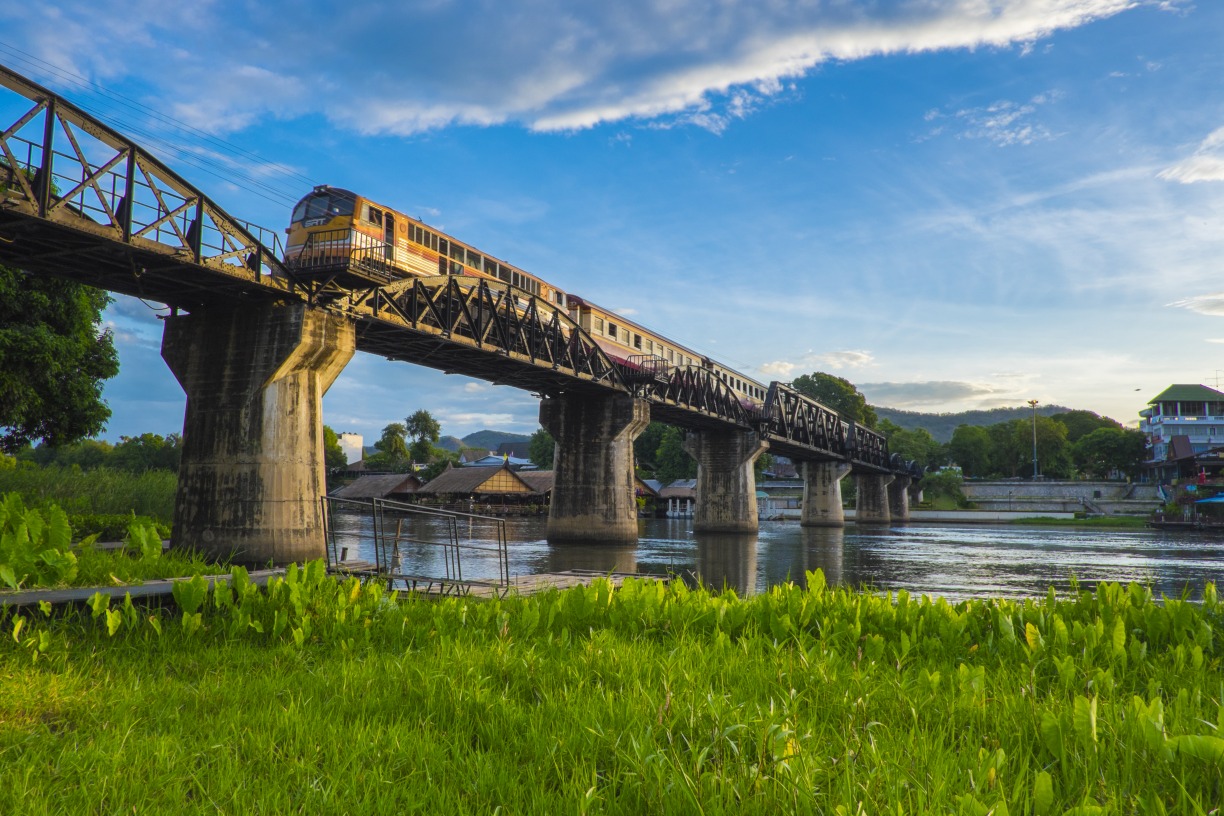
Once, the region was a passage for Burmese trafficking. It endured the trials of World War II and was deeply marked by typhoon devastation. Typhoon Gay in 1989 remains etched in local memory: it profoundly transformed the coastal landscape. To grasp these historical layers, the Chumphon National Museum displays prehistoric artifacts, objects from the Srivijaya period, and testimonies from World War II.
What to Do in Chumphon
Wandering Through the Provincial Capital
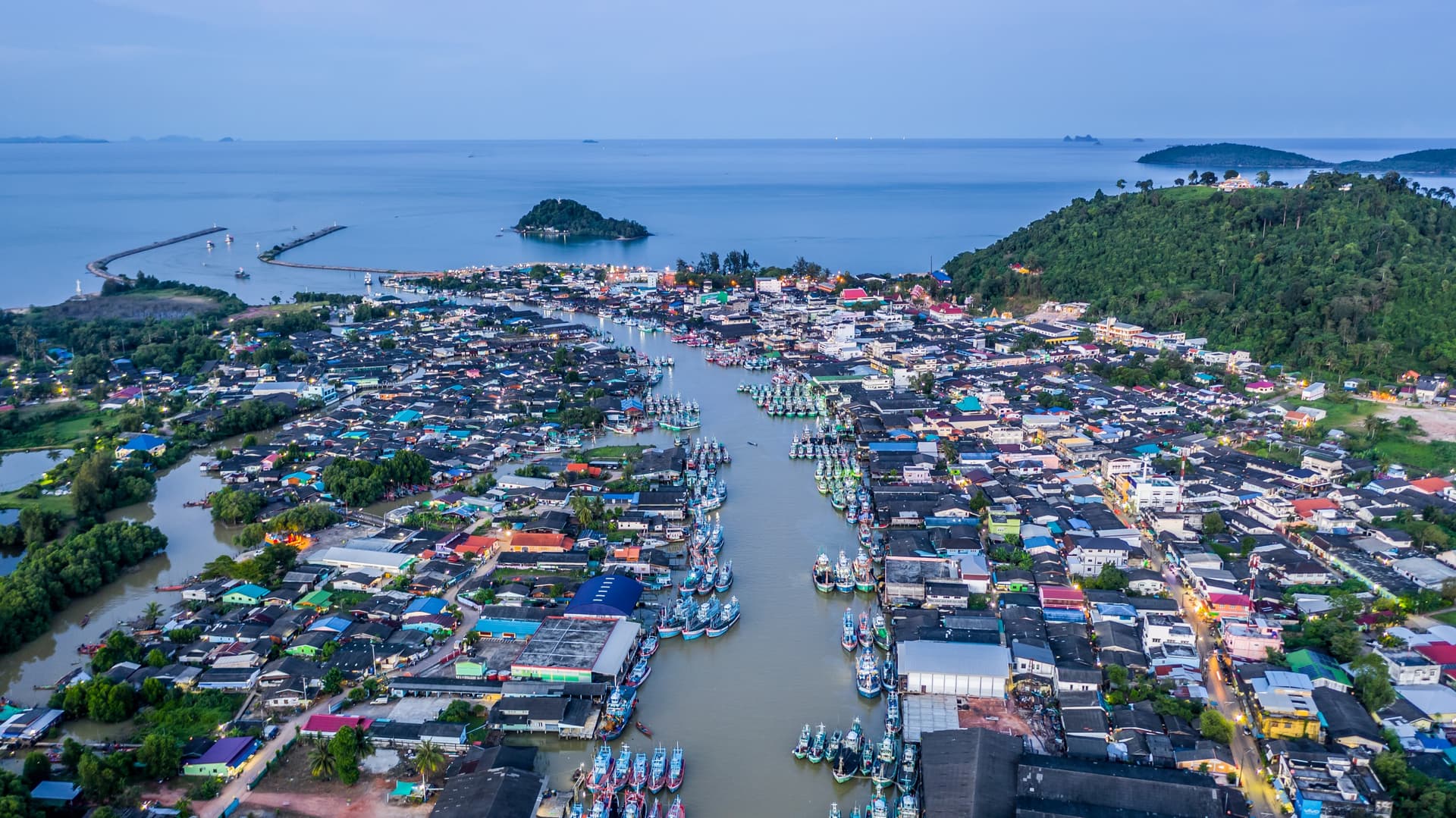
The town of Chumphon possesses authentic charm. Old wooden inns and shops lining the center recall the atmosphere of yesteryear, when the town served as a commercial relay between Bangkok and the Malay Peninsula. As night falls, Chumphon's night market comes alive. Market stalls in the town center offer Southern curries, grilled seafood skewers, coconut-based desserts, and tropical fruits for just a few baht. A 100% local experience, with no tourism compromise.
Exploring Mu Ko Chumphon National Park
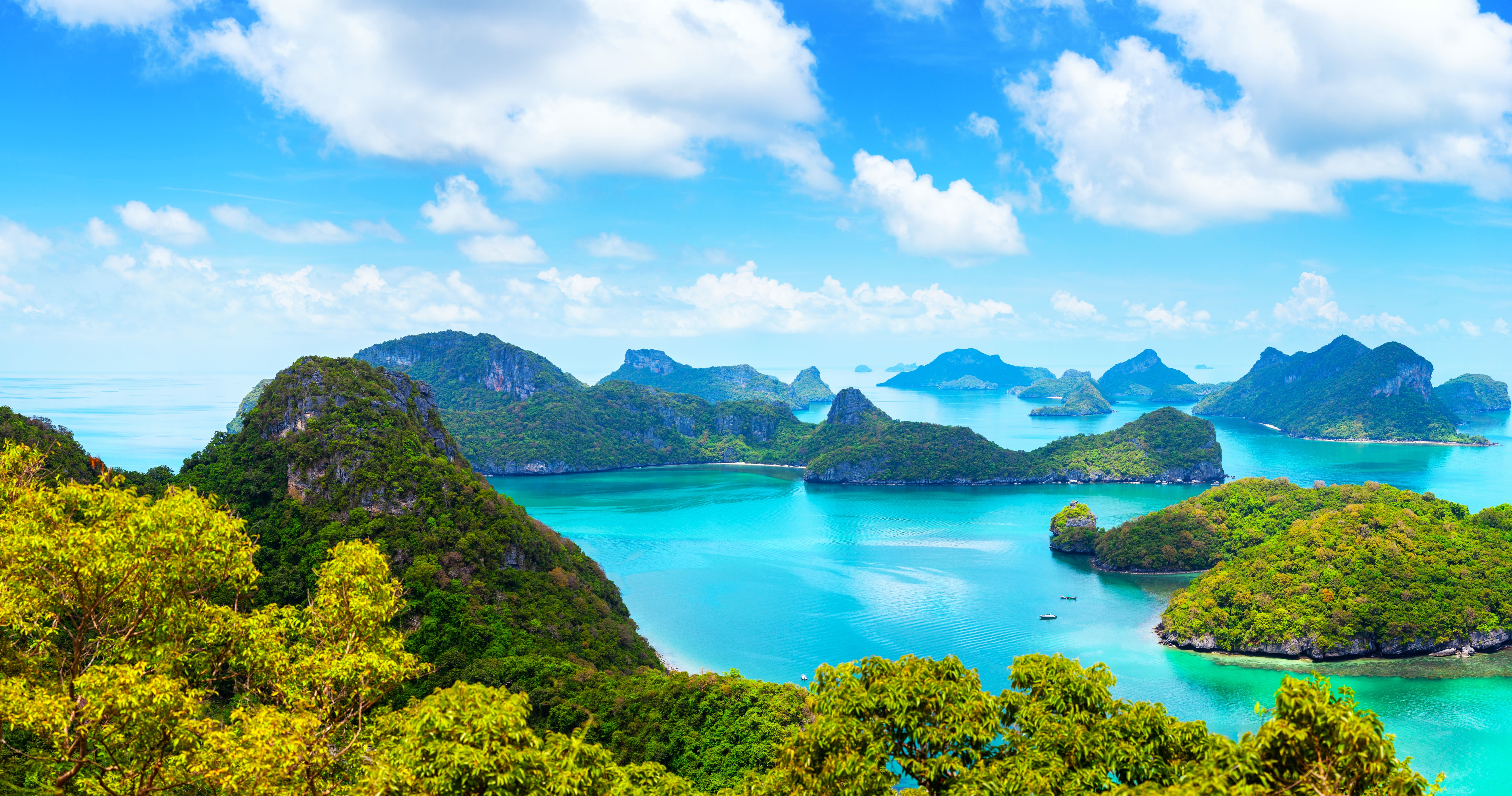
Located about twenty kilometers south of town, the park covers 317 km² and encompasses around forty islands, including the emblematic trio of Koh Tao, Koh Samui, and Koh Phangan. The mainland section harbors tropical forests, preserved mangroves, and wild beaches like Thung Makham and Arunothai. A day-long boat excursion allows you to combine snorkeling on reefs, lunch on a deserted beach, and marine wildlife observation.
Enjoying the Beaches
Fifteen kilometers north of Chumphon, beyond verdant hills, Hat Thung Wua Laen beach stretches for 4 km of fine sand. A recognized spot for snorkeling and kitesurfing, it benefits from stable winds from January to April. Coral barriers just meters from shore harbor parrotfish and sea turtles. Hat Sai Ri, further south, attracts divers thanks to its direct access to bay wrecks. Chumphon's coastline ranks among Thailand's best kitesurfing spots.
Embarking for Koh Tao
Chumphon is the main embarkation port for Koh Tao, the world's capital for budget diving. Lomprayah (fast catamaran, 1h30) and Songserm (classic ferry, 3 hours) operate several daily crossings from Tha Yang pier, 25 km southeast of town. Expect 600 to 1,100 baht one-way depending on the operator and season.
Kapo Waterfall and Khao Plu Cave
Inland, Kapo waterfall (Tha Sae district) offers refreshing bathing amidst jungle. Khao Plu cave, more off the beaten path, features limestone formations and a small temple. Two nature escapes appreciated as half-day trips, ideal if weather turns foul on the coast.
When to Visit Chumphon
December to March offers sunny, warm, and dry days (28-32°C) to enjoy coastal activities. This is peak season, ideal for island ferries, which are typically spared cancellations.
From April to June, temperatures climb to 35°C with brief afternoon showers. The rainy season truly sets in from July to November, peaking in October-November when the Gulf of Thailand receives its heaviest precipitation. Landscapes turn a lush green, prices drop, yet some maritime connections may be suspended.
How to Get to Chumphon
By Air
Chumphon's small airport sits 30 km north of the provincial capital, in Phatio district. It has a daily connection with Bangkok's Don Mueang Airport, operated by Nok Air. The flight takes about one hour. Expect 1,200 to 2,500 baht depending on booking timing.
By Train
Comfortable and practical, the train links Chumphon to Hua Lamphong Station in Bangkok (500 km, 7 to 10 hours depending on train type). Overnight trains with air-conditioned berths (2nd class, around 700-900 baht) remain travelers' preferred option: fall asleep in Bangkok, arrive in Chumphon at sunrise.
By Bus
In Bangkok, buses to Chumphon depart from Sai Tai Mai terminal on Baromrajchonnee Road. The Chumphon stop is at the Suwanateekhonsong office. Expect around 8 hours on the road and 400 to 600 baht depending on class. An economical option, with daytime and overnight departures.
By Ferry from the Islands
If arriving from Koh Tao, Koh Phangan, or Koh Samui, Lomprayah offers combined ferry + bus connections to Chumphon in peak season.
Getting Around Locally
Within Chumphon town, travel on foot, by tuk-tuk (40-80 baht per ride in the center) or by songthaew (shared truck, 20-30 baht) suffice. To reach Hat Thung Wua Laen or Tha Yang pier, expect 200-300 baht by private taxi.
Motorbike rental (200-300 baht/day) remains the most flexible option for exploring the coast and hinterland. International driver's license recommended. For longer distances between districts, local buses and minivans run throughout the day. Boat cruises allow access to Gulf islands and various beaches along the coast.
Where to Stay in Chumphon
Accommodation options remain modest but varied, concentrated in town and along Hat Thung Wua Laen beach.
- Guesthouses (€15-30/night): in the town center, ideal for travelers passing through before the ferry. Simple rooms, family-style hospitality, Thai breakfasts.
- Boutique hotels and bungalows (€60-120/night): on Hat Thung Wua Laen, small-scale resorts offer wooden bungalows, pools, and beachfront access. Good value for a beach stay.
- Upscale lodges and resorts (€150+/night): a few secluded properties along the coast or riverside offer a more intimate experience, with spa and fine dining.
In peak season (December-February) and Thai long weekends, book ahead, especially on Hat Thung Wua Laen.
Insider Tips
- Plan your ferry to Koh Tao in advance: if your train arrives in Chumphon in the morning, book that day's ferry the evening before. Combined train + ferry tickets avoid unnecessary waiting at the pier.
- Eat at the night market: Southern curries are notably spicier here than in Bangkok. Ask for "mai phet" (not spicy) if you lack heat tolerance.
- Avoid October-November for maritime activities: seas run rough, boat outings often cancelled.
- Bring cash: outside the city center, ATMs are sparse and many small properties (bungalows, beachfront restaurants) accept cash only.
- Annual festival: Chumphon's decorated boat festival (March) is worth the detour if you're in the region at that time.
Ideal For
- Travelers in transit to the islands: a strategic overnight stopover before Koh Tao, more restful than Surat Thani.
- Diving and snorkeling enthusiasts: quick access to the Gulf's best sites, PADI training at Koh Tao from Chumphon.
- Couples seeking tranquil beaches: Hat Thung Wua Laen offers the ideal alternative to the crowded beaches of Phuket or Krabi.
- Families: calm beaches like Hat Thung Wua Laen suit children, and boat outings can be adapted accordingly.
- Kitesurfers: consistent winds from January to April, schools set up on the main beach.
Also Discover
To extend your experience in the Gulf and Southern Thailand region:
- Pathio: rural district north of town, access point to the airport and lesser-visited beaches.
- Koh Nang Yuan: trio of islets connected by a sandbar, accessible from Koh Tao.
- Koh Phangan: famous for its Full Moon Parties but also for yoga retreats and secret beaches.
- Ko Phaluai: pristine island within Ang Thong National Park.
- Kui Buri National Park: wild elephant observation in the northern Gulf.
Planning Your Trip to Chumphon
Our English-speaking local agency at Sawa Discovery Thailand helps you integrate Chumphon into your bespoke journey, combining it with Gulf islands or a broader Southern itinerary. Our signature journeys like Thailand by Bike traverse the region at an ideal pace to capture its authenticity. Discover the agency.
Frequently asked questions
2 to 3 days suffice to explore the town, night market, national park, and beaches. Plan 4 to 5 days if you wish to explore surrounding islands like Koh Tao.
The overnight sleeper train is the most comfortable option (7 to 10 hours, 700-900 baht). The bus remains most economical (8 hours, 400-600 baht) and flying the fastest (1 hour, 1,200-2,500 baht). Your choice depends on budget and available time.
Lomprayah (catamaran, 1h30) and Songserm (classic ferry, 3 hours) ferries depart from Tha Yang pier, 25 km southeast of town. Expect 600 to 1,100 baht one-way. Multiple daily departures; book the evening before in peak season.
Yes. Calm beaches like Hat Thung Wua Laen are safe for children, and island boat outings from the national park can be adapted. The town remains human-scaled and easy to navigate.
From January to April, consistent winds blow across Hat Thung Wua Laen. Several schools offer lessons and equipment rental on-site.
October and November concentrate the heaviest rains, with rough seas and boat outings often cancelled. From April to September, showers remain brief and don't prevent enjoying the destination, at gentler prices.
In town, ATMs and card payments are common. On beaches and in villages, bring cash: many small properties accept payments in cash only.
Photos
Want to discover this destination?
Our local advisors design your tailor-made trip.