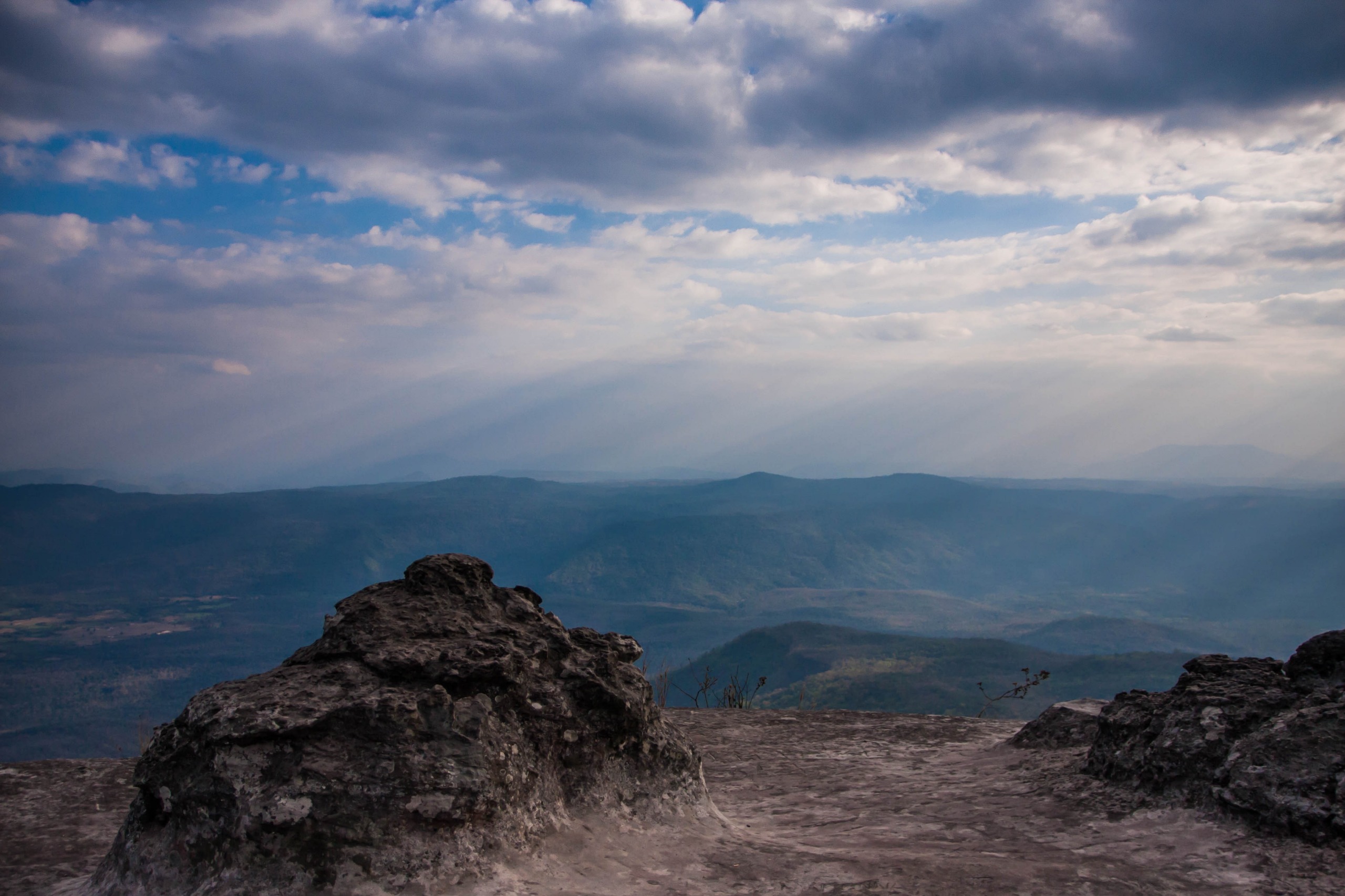
Sai Yok National Park
Dense forests, cascades along the Khwae Noi River and caves sheltering the world's smallest bat: Sai Yok National Park in Kanchanaburi blends protected wilderness with the memory of World War II.
Sai Yok National Park stretches across Kanchanaburi Province in western Thailand, along the Khwae Noi River. Dense forests, waterfalls, caves and floating rafts compose a landscape characteristic of the region. The park is also home to one of the world's smallest bats, Craseonycteris thonglongyai, discovered here in 1973. It's prime terrain for hiking, wildlife and World War II history.
Quick Facts at a Glance
- Admission: paid entry; reduced rates for Thai nationals, higher rates for foreign visitors (verify amounts on site).
- Access: by car or minibus from Kanchanaburi (around 100 km); no direct public transport to the park entrance.
- Recommended duration: a full day for waterfalls and a cave; two days to explore further.
- Attire: closed-toe shoes recommended for trails; lightweight but covering clothing to protect against insects.
- Best time to visit: November to February (dry season, accessible waterfalls, moderate heat).
What to See
The park stands out for its two main waterfalls: Sai Yok Yai, which cascades directly into the Khwae Noi, and Sai Yok Noi, more accessible from the road. Daowadung Cave offers stalactite and stalagmite formations within an underground network. The river allows for raft rides or motorboat tours to observe riverside vegetation and, at times, macaques.
History and Context
The Kanchanaburi region bears the marks of World War II: the Burma-Thailand railway line, built by Allied prisoners of war under Japanese occupation, runs alongside the Khwae Noi near the park. The national park itself was officially established in 1980. The discovery of Craseonycteris thonglongyai—a bumblebee bat weighing less than two grams—has conferred international scientific importance on the site.
Highlights of Your Visit
Sai Yok Yai Waterfall
A rare Thai waterfall that plunges directly into a navigable river. During the rainy season, the flow is spectacular; in the dry season, the water is clearer and swimming is possible in certain areas. Floating rafts moored nearby allow you to observe the cascade from the water.
Daowadung Cave
Accessible on foot from the park centre, this cave shelters limestone formations and, depending on the season, colonies of bats. Lighting is limited; a torch is useful. The visit takes about an hour.
The Bumblebee Bat
Craseonycteris thonglongyai is endemic to the limestone caves of this Thai-Burmese border region. Observing these animals at dusk as they emerge from the caves remains a rare experience for wildlife enthusiasts.
Raft Ride on the Khwae Noi
Local operators offer raft descents or slow boat rides along the river. The journey follows forested limestone cliffs and floating villages, with possible stops at the waterfalls.
Photography Tips
Sai Yok Yai Waterfall is best photographed early in the morning, before crowds arrive and in raking light that avoids overexposure of white water. For the cave, a tripod and long exposure compensate for the darkness without harsh flash. Bats at dusk require a bright lens and fast shutter speed.
Location and Access
The park is located in Sai Yok District, Kanchanaburi Province, around 100 km northwest of Kanchanaburi town. From Bangkok, allow roughly three hours by car via Highway 323. From Kanchanaburi, minibuses and shared taxis serve the area, though access to interior trails is easier with a personal or rented vehicle. Accessibility for visitors with reduced mobility is limited to the immediate surroundings of the main waterfalls.
Nearby Attractions
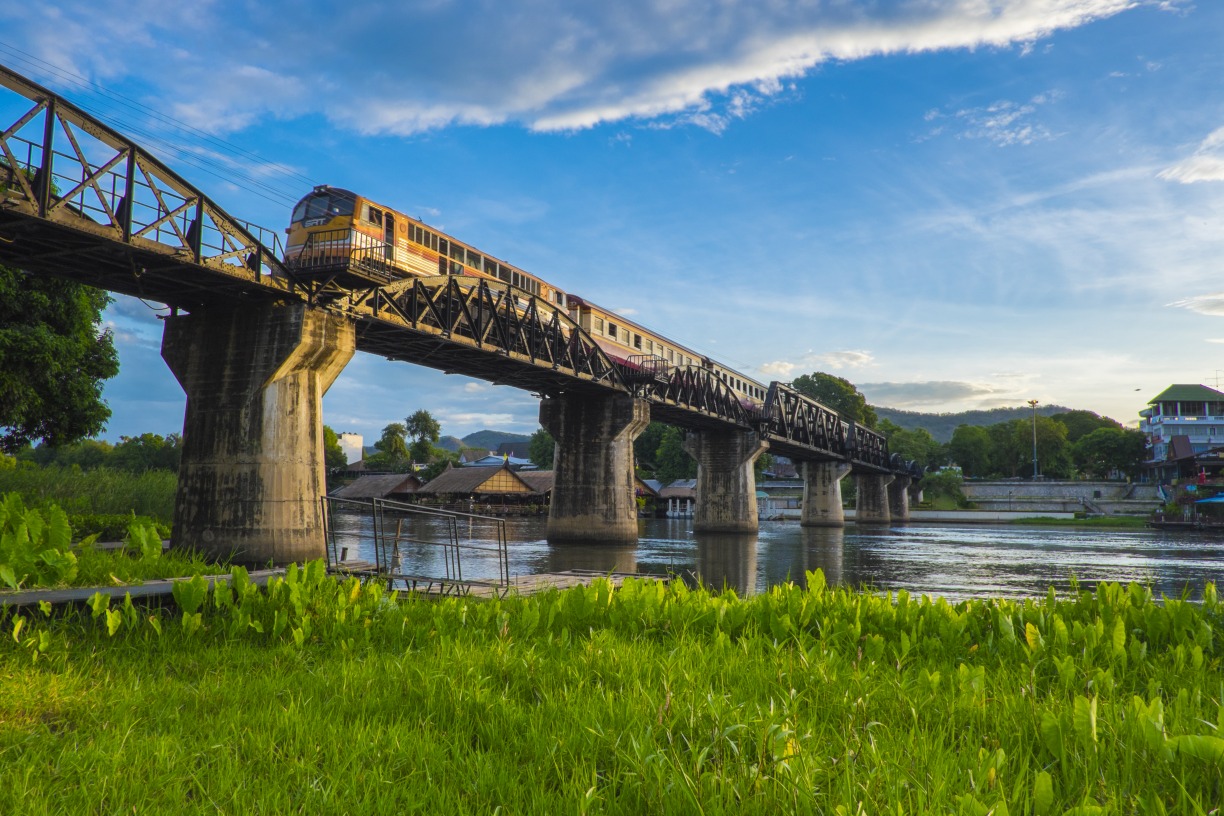
- Bridge over the River Kwai — an iconic symbol of World War II, in Kanchanaburi.
- Kanchanaburi Allied Cemetery — a sober and well-maintained memorial to prisoners of war.
- JEATH Museum — chronicles the conditions of construction of the Death Railway.
- Erawan Waterfalls — seven tiers of turquoise pools in another national park in the province, around 65 km away.
Frequently asked questions
The dry season, from November to February, offers pleasant temperatures and walkable trails. Waterfalls have lower flow but the water is clear. During the rainy season (June-October), waterfalls are impressive but some paths become muddy or flooded.
Swimming is generally allowed in designated areas around Sai Yok Yai. Check with park rangers at the entrance, as rules may vary depending on season and water levels.
From Kanchanaburi town, a day suffices for the Bridge over the River Kwai and museums. Reserve a separate day for Sai Yok. Erawan Falls, in another park, also deserve a full day.
The park offers bungalows managed by the Thai National Parks Department, bookable online through the official website. Private floating rafts on the river also offer an unconventional lodging option nearby.
Yes, for accessible waterfalls and boat rides. Daowadung Cave requires some walking and comfort in the dark; it suits children from around 6–7 years old with adult supervision.
No religious dress code applies. Choose slip-resistant closed-toe shoes for wet trails, lightweight long-sleeved clothing against insects, and a swimsuit if you wish to swim.
Interested in this visit?
We can include it in your personalised itinerary.