Chiang Saen
Chiang Saen
Along the Mekong River, Chiang Saen has stood guard over its Lanna ruins for seven centuries. Ancient temples, a sanctuary for migratory birds, and serene landscapes in the Golden Triangle.
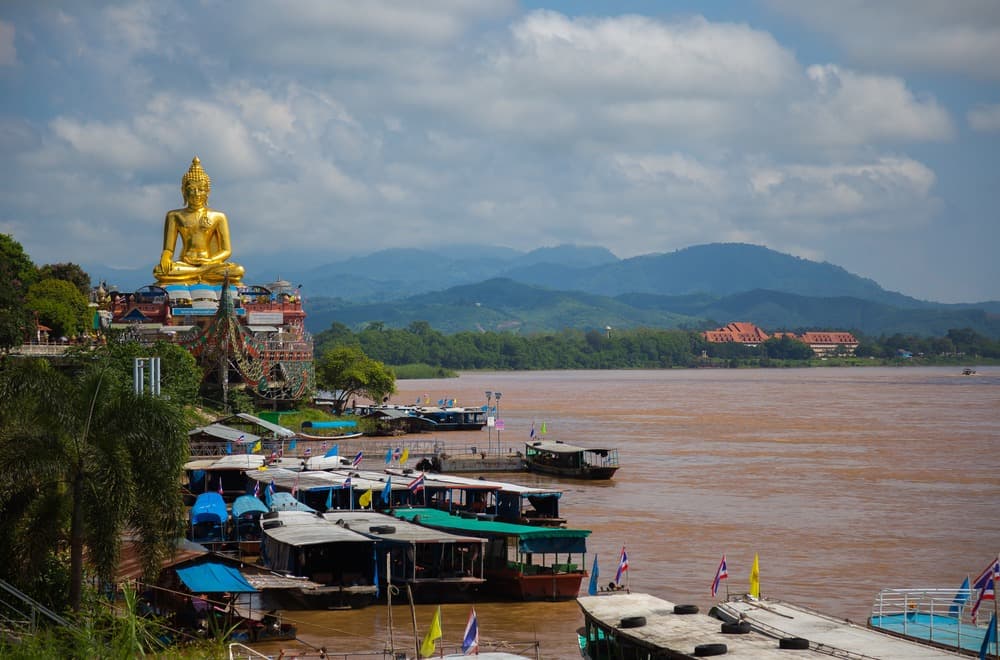
In far northern Thailand, the village of Chiang Saen is crossed by the russet waters of the Mekong. A comprehensive guide to a town that combines a picturesque lakeside setting with treasures of architecture and history.
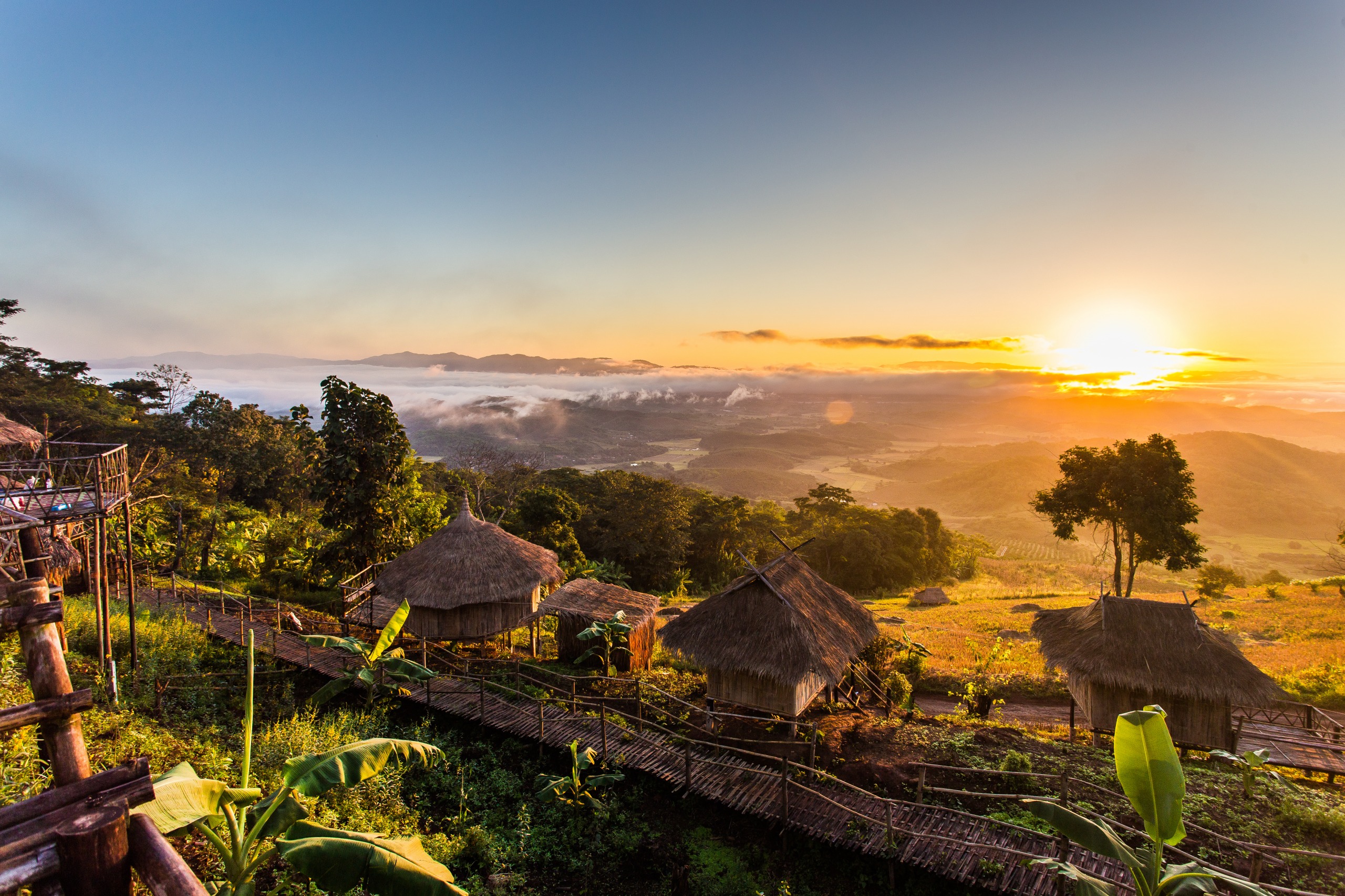
Chiang Saen, a typical rural village in northern Thailand
North of Chiang Rai, there lies a wonderfully peaceful town bordered on one side by the Mekong River and on the other by rolling hills crowned with teak forests: Chiang Saen. Founded in the 14th century by a Lanna ruler, the town is steeped in history. During a guided tour, you'll discover the bloody conflicts that once shook its ramparts. Impressive temples, artisanal paintings, and Buddhist iconography in the Lanka, Ayutthaya, and Sukhothai styles promise moments of profound emotion. After exploring the heritage sites, you'll take a leisurely cruise on the Mekong River before heading to Chiang Saen Lake, a vital waystation for migratory waterfowl. Set your course for Chiang Saen, a nature retreat just sixty kilometers from Chiang Rai.
History
Chiang Saen was once a dependency of the Lanna kingdom, as its very name attests. It derives from two words: "Chiang," meaning "city fortress," and "Saen," the name of Saen Phu, grandson of Mengrai, the founder and first ruler of Lanna. Saen Phu established the city around 1328. Upon his death, his son Kam Fu ascended the throne. Situated at the heart of the Golden Triangle, the town has always been remarkably cosmopolitan: Burmese, Laotian, and Yunnan Chinese settlers established themselves over the centuries, intermingling with Thai populations. Its geographic position made Chiang Saen a victim of the endless wars between Siam and Myanmar. The city's sacking in the 18th century under the reign of Chao Kawila remains a defining moment in its annals.
Historical records, however, speak of an ancient city known as Yonok Nak Phan that existed 2,000 years ago. A Chiang Rai ruler is said to have laid its foundations. It served as a major commercial and port center for the Lanna kingdom. Reduced to ashes, it lies forever at the bottom of the lake.
Today
Chiang Saen is known for its temples, rice fields, and conservative hill tribes—a quintessential Golden Triangle destination. It is home to 53,500 inhabitants distributed across 6 subdistricts and 72 villages. Visitors will be pleasantly surprised by its cultural melting pot. Influences from Laos and Burma are evident in language, architecture, and culinary flavors.
What to See and Do in Chiang Saen
Exploring Chiang Saen is sure to captivate you.
Natural Heritage
A pleasure cruise is a must. For a modest sum in baht, local boatmen will take you on a memorable journey down the Mekong. Seize this chance to wave to fishing boats and glimpse traditional rural life. You can continue on to Sop Ruak or Chiang Khong.
Just 5 kilometers west of town, Chiang Saen Lake is a beloved destination for strollers and nature lovers. In the height of winter, colonies of migratory waterfowl arrive at the reserve, feasting on the phytoplankton suspended in the water. The lake attracts far more than our feathered friends. Swimmers, sunbathers, and cyclists frequent it willingly.
Religious Heritage
Wat Pa Sak
Built in 1295 on the orders of Saen Phu, Wat Pa Sak is the very first temple in the city. It stands just steps from Pratu Chiang Saen, the main gate. As you walk down the tree-lined avenue of teak, you'll discover a 12.5-meter-high stupa adorned with intricate sculptural details.
Wat Phra That Pha Ngao
Dedicated to meditation practice, Wat Phra That Pha Ngao sits outside the city walls. The building itself may not be extraordinary in appearance. Yet the detour is justified by the magnificent panorama of the Mekong River and neighboring Laos.
Cultural Heritage
Chiang Saen National Museum
Located in Chiang Saen's old quarter, the national museum houses various artifacts uncovered by archaeologists in Chiang Saen and the surrounding area. You'll see Lanna sculptures, tombstones from Phayao and Chiang Saen, and everyday objects belonging to hill tribes, including musical instruments, handcrafted jewelry, and opium pipes. The museum's crowning jewel is, without question, a locally styled Buddha carved from solid bronze.
Hall of Opium
About 40 kilometers from the town center, the Hall of Opium equally deserves a visit. The exhibition explores poppy cultivation: its medicinal properties, its rapid spread worldwide, the Opium Wars in China and Burma during the era of military dictatorships, and the circumstances that made opium dominant in the Golden Triangle. Images, touch screens, and videos add an engaging dimension to the presentation.
Strolling Through Local Markets
As evening falls, merchants begin setting up stalls along the riverbank. A walk through the night bazaar is essential for soaking in the village atmosphere.
A lively market operates every Sunday near the bus station—an excellent spot to hunt for souvenirs.
Practical Information
When to Visit?
Travelers are advised to plan their getaway between October and February. This is when Chiang Saen offers optimal climate conditions for adventure sports and historical exploration.
How to Get There?
Without a private vehicle, Chiang Saen is easily accessible by bus or pickup truck. Local buses run daily between Chiang Saen and Chiang Rai, with a journey of up to 3 hours. Alternatively, blue songthaews connect Mae Sai and Chiang Saen, costing 50 baht (€1.40) for about an hour's travel.
In the Surrounding Area
Once you've completed your tour of Chiang Saen, venture into the Golden Triangle, a geographic region where the borders of Laos, Thailand, and Burma converge. Known as a historic center of the global opium trade, the region carries profound historical significance.
Photos
Attractions in Chiang Saen
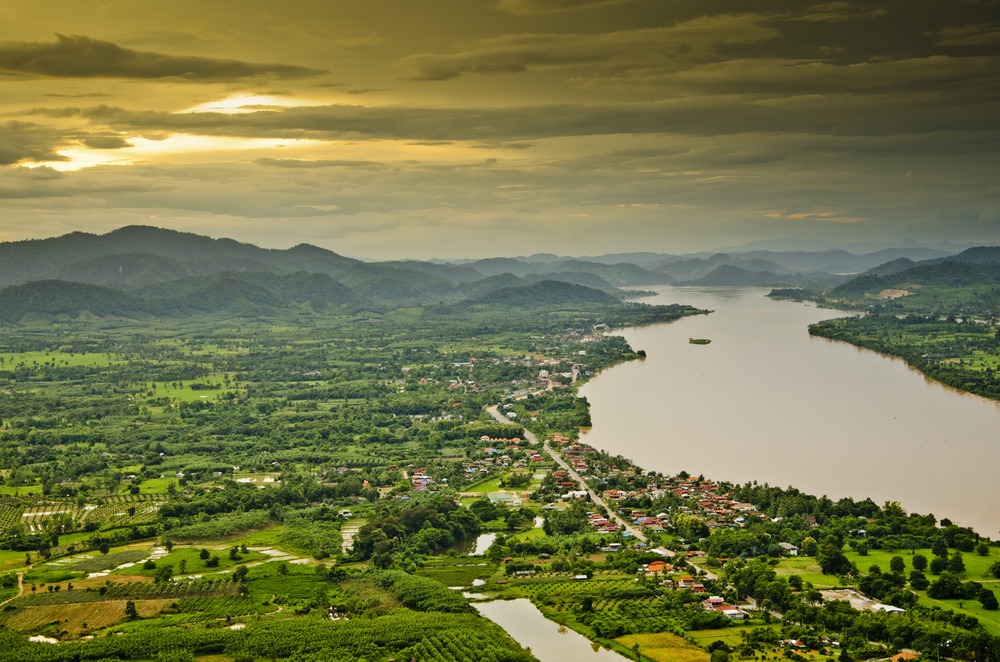
Rivière Mékong
Frontière nord entre Thaïlande et Laos, le Mékong traverse le Triangle d'Or et offre croisières fluviales, sites bouddhistes et paysages de gorges.
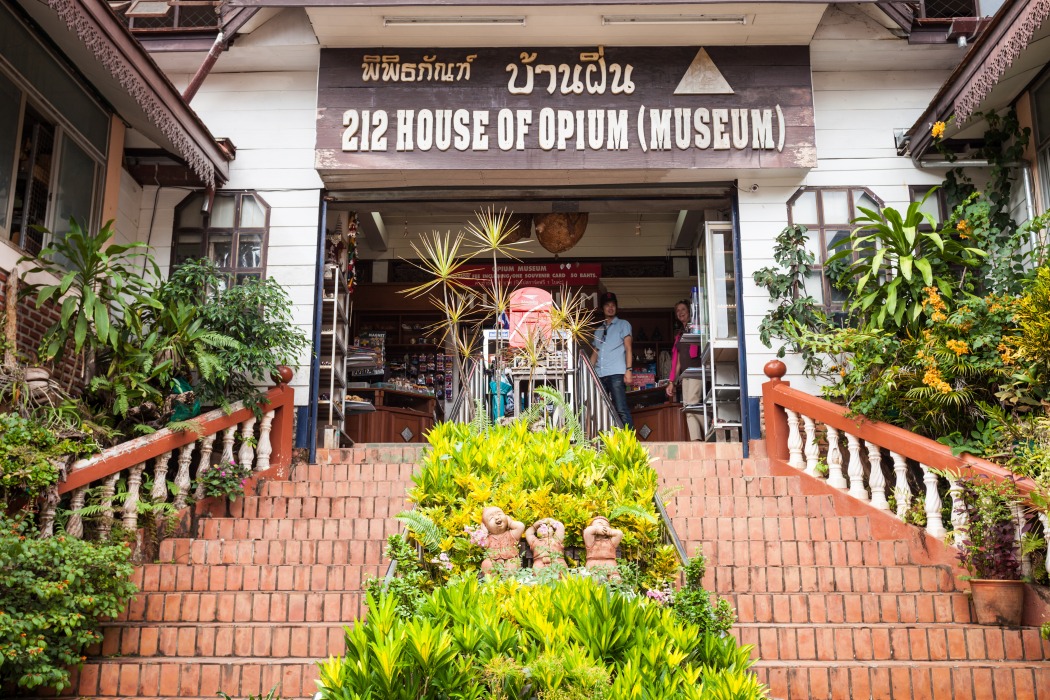
Musée de l'Opium
Au cœur du Triangle d'Or à Chiang Saen, le Hall of Opium retrace l'histoire de l'opium sur 5 600 m² à travers un parcours thématique creusé dans la colline.
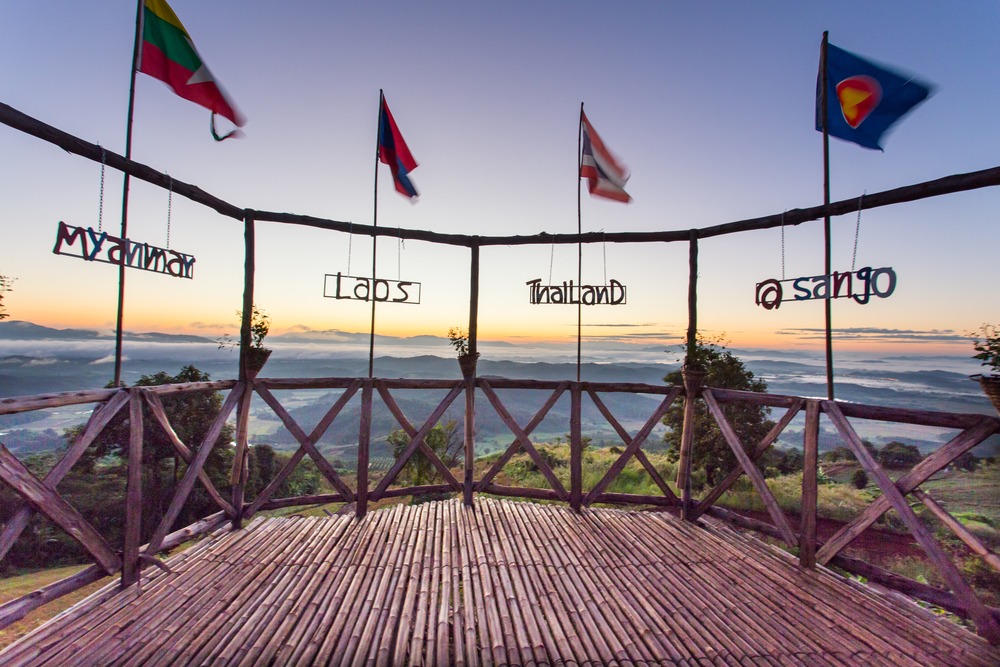
Le Triangle d'Or
À la jonction de la Thaïlande, du Laos et du Myanmar, le Triangle d'Or réunit temples Lanna, villages ethniques et panoramas sur le Mékong.
Accommodation in Chiang Saen
Also discover
Want to discover this destination?
Our local advisors design your tailor-made trip.