Mae Sariang
Mae Sariang
At Thailand's border with Burma, Mae Sariang captivates nature lovers and trekking enthusiasts with its Karen villages and the mythical Mae Hong Son loop.
At the threshold of Burmese territory, the verdant town of Mae Sariang, two hundred kilometers from Chiang Mai, calls to all who cherish nature. Let us unveil what makes this destination remarkable.
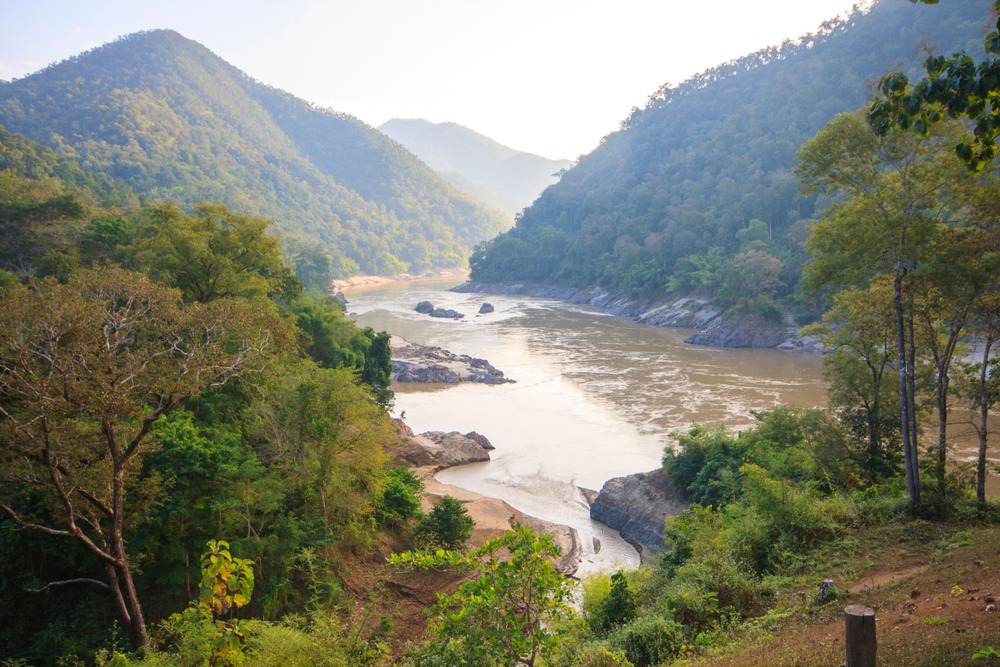
Verdant rice paddies, tumultuous rivers, Karen tribal villages, herds of wild elephants roaming freely in Salawin National Park… Mae Sariang reads like a trekking paradise. The town itself is merely a rice basin dotted with thatch-roofed houses scattered among flooded paddies. Yet in the surrounding hills, the terrain turns rugged, with rocky cliffs soaring over 800 meters and turbulent waterways beloved by rafting enthusiasts. It is, however, the untamed landscape of Salawin, with its dense pristine forests evoking scenes from The Jungle Book, that truly establishes Mae Sariang as an essential stop on any journey through Chiang Mai. Two compelling tourism experiences await: ecotourism and cultural immersion.
A Brief Portrait of the Town
Mae Sariang is a land of gentle valleys in northwestern Thailand, crossed by the Yumam Lake. It falls within the administrative territory of Mae Hong Son, a Thai province touching the borders of Myanmar, just 200 kilometers from the prestigious city of Chiang Mai. By public transport, the journey takes four and a half hours by bus from Chiang Mai, or five hours from Mae Hong Son.
The 2005 census recorded 9,968 inhabitants spread across 9 villages. Subsistence rice farming employs the majority of the working population. Venturing into the surrounding hills, tea gardens, corn fields, and coffee plantations fill the landscape. These cash crops gained prominence from the 1990s onward, when the Government discouraged opium cultivation. Previously, opium had been the cornerstone of the local economy.
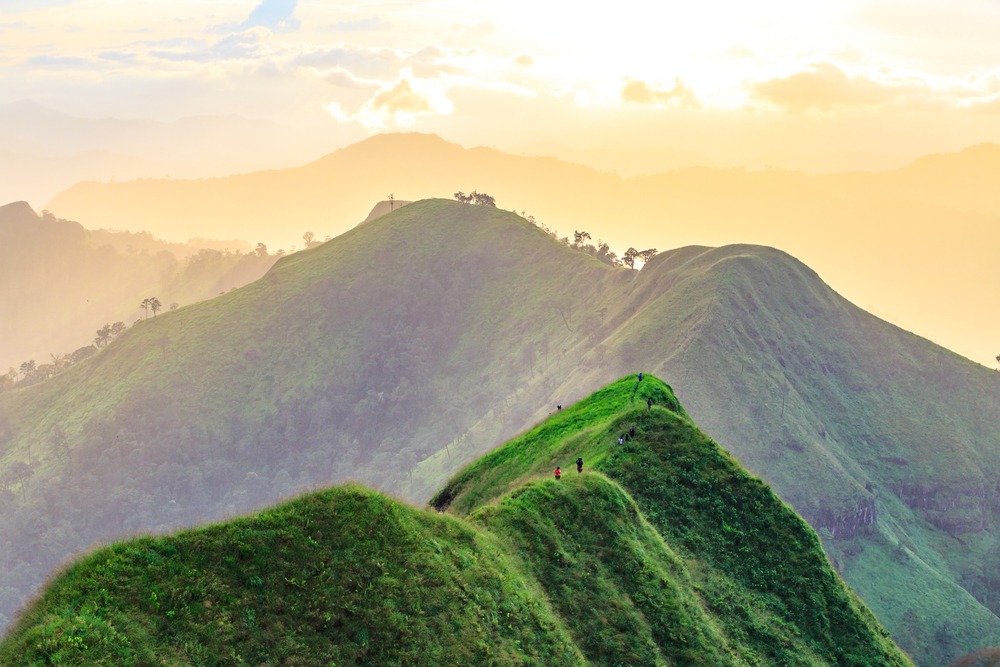
The lush valley of Mae Sariang sits at an average elevation of 190 meters. Should trekking be your sole interest, head toward the Thanon Thong Chai mountain range, located just kilometers east of town. Fragrant tea gardens and terraced rice paddies signal your approach to a Karen village. This indigenous tribe has made its home in the district's high hills. The Karen embrace a lifestyle in harmony with nature—reflected in their humble bamboo dwellings, colorful clothing, animistic beliefs, and environmentally conscious farming practices.
Five Reasons to Visit Mae Sariang
Here are five compelling reasons to explore Mae Sariang during your Chiang Mai journey:
- An absolute sanctuary of peace, where you can escape the crowds and temporarily disconnect from civilization;
- Numerous rivers ideal for leisurely boat trips or white-water sports (canoeing, kayaking, canyoning, paddleboarding, etc.);
- Cultural enrichment through encounters with the Karen tribe;
- Home to the second-tallest teak tree in Thailand;
- Two protected areas nearby: Salawin National Park and the Mae Ngao National Park.
If these pursuits resonate with you, Mae Sariang is undoubtedly your ideal destination.
Essential Attractions
Salawin National Park
Spanning 722 square kilometers, Salawin Park harbors a lush and bountiful jungle. It awaits you 6 km from the town center, along the road between Mae Sariang and Sop Moei. Nearly pristine virgin forests, breathtaking mountainous terrain, elephants caking themselves in mud, a ballet of waterbirds revealed through a river excursion… The park is essential for lovers of wildlife and flora.
Mae Lam Saep Village
Cliffs, ravines, and mountain lakes make Mae Lam Saep a compelling trekking destination. To reach it, simply follow Route 1194 from Mae Sariang. The village lies some fifty kilometers away, at the frontier between Thailand and Burma. Worth noting: it also operates as a refugee camp.
Wat Jong Sung and Wat Si Bunruang
Two Buddhist sanctuaries stand prominently on the town's main avenue—impossible to miss. The first is arguably the more noteworthy. Inaugurated in the late 19th century, Wat Jong Sung, with its soaring stupas and teak wood monasteries, exemplifies Shan architecture at its finest.
A Buddha Statue Crowning a Hilltop
Perched high above the landscape, this colossal idol captivates visitors with its stunning panorama over rice paddies and Yumam Lake. It stands within the grounds of Phra That Jom Thong, 3 km outside the town center.
Best Time to Visit
Mae Sariang enjoys a savanna-type climate. April is the year's hottest month, reaching up to 37°C. The rainy season begins in May and concludes in October, with peak rainfall in June. For trekking, the ideal window is the first and last two months of the year.
How to Reach Mae Sariang
Whether departing from Mae Hong Son or Chiang Mai, public transport options connect you to this destination.
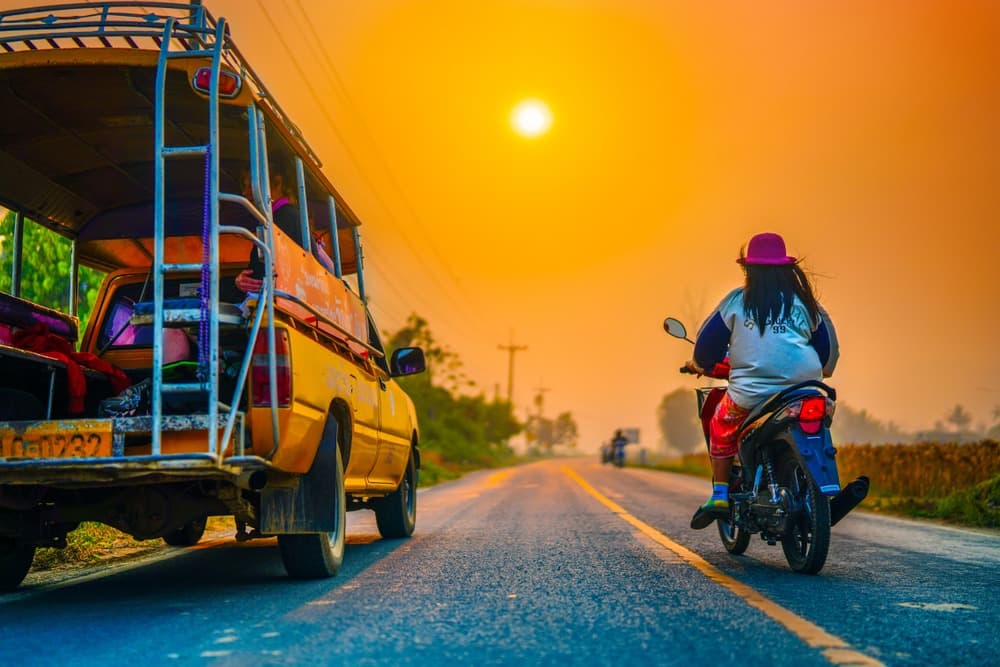
Two transport modes dominate: shared taxis (songthaews) and buses. Travelers in a hurry favor songthaews, accepting the premium price. The bus from Chiang Mai costs 120 baht (€3.36), while the songthaew charges 200 baht (€5.60). Though slower, buses offer the advantage of baggage storage facilities.
Photos
Want to discover this destination?
Our local advisors design your tailor-made trip.