Santikhiri (Mae Salong)
Santikhiri (Mae Salong)
Perched at 1,200 m in Chiang Rai province, Santikhiri (Mae Salong) blends Kuomintang Chinese heritage, Oolong tea plantations, and highland mountain tribes.
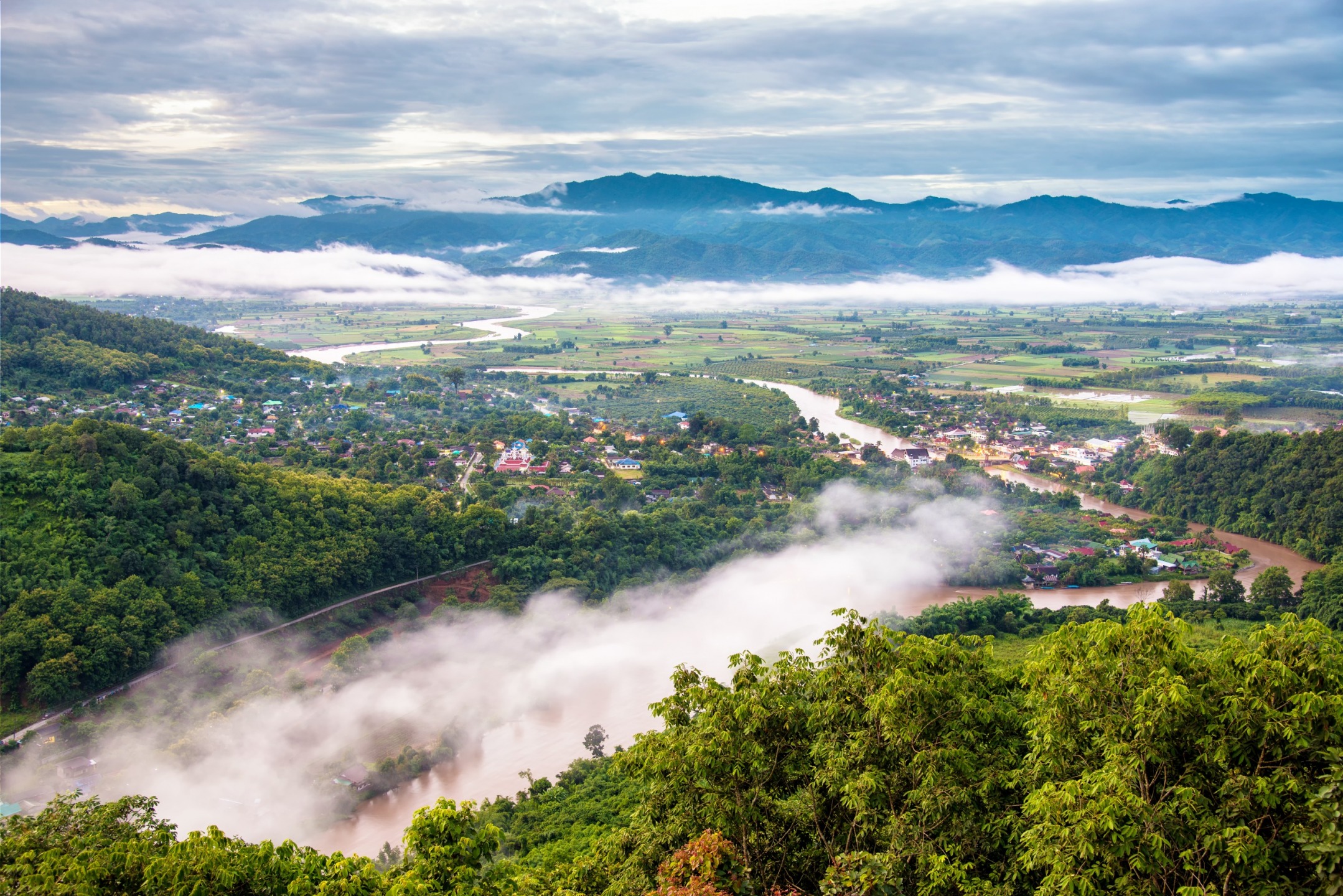
Located in Chiang Rai province, Santikhiri, more commonly known by its former name Mae Salong, is a peaceful village in northern Thailand. Situated just a few kilometres from the Myanmar border, it is part of Mae Fa Luang district. Hidden amid the northern mountains near the Myanmar frontier, Santikhiri offers the distinct impression of stepping into an authentic Chinese village.
History
The majority of Santikhiri's inhabitants are of Chinese origin. During China's civil war, many KMT soldiers (Kuomintang) sought asylum in Thailand in the early 1960s. Upon arrival, Thai authorities asked them in exchange for asylum to monitor the region against communist infiltration from the border. The clashes between Chinese soldiers and communist forces were violent and claimed casualties on both sides. To reward them for their bravery and services rendered to Thailand, local authorities granted them Thai nationality.
Mae Salong also carries a complex past closely linked to the opium trade. Local inhabitants collaborated with the infamous drug lord Khum Sa, leader of the Shan United Army. To counter this trafficking, the Thai government encouraged locals to shift toward alternative crops such as tea, coffee, fruit trees, and maize. This led to the creation of the 101 Tea Plantation, today an unmissable attraction in the region.
Discovering Santikhiri Village
There was a time when Santikhiri was off-limits to foreigners, though those days are long past. Until the mid-1970s, the region experienced considerable political tension. Since 1994, the village has reopened to tourism and has actively developed this sector. Tourist establishments began to flourish throughout the village. Today, Santikhiri is even nicknamed "Thailand's Little Switzerland" owing to its elevated location and an atmosphere that somewhat echoes the European country's character.
After phasing out opium cultivation, Mae Salong's residents turned toward tea, coffee, and maize plantations. Today, the Oolong tea cultivated in Santikhiri is particularly prized for its quality. Indeed, the local tourism and sports ministry awarded Santikhiri the title of "OTOP tourist village (One Tambon One Product)" in recognition of its refined tea. Nearly 80% of Chiang Rai province's total tea production originates from this small mountain village. The region's soil is particularly suited to tea cultivation, with the area producing approximately 200 tonnes of tea annually.
Your brief stay in Santikhiri will give you the chance to encounter several ethnic groups, including the Akha, Hmong, Yao, and Karen peoples.
Exploring the Majestic Wat Phra Borommathat Chedi
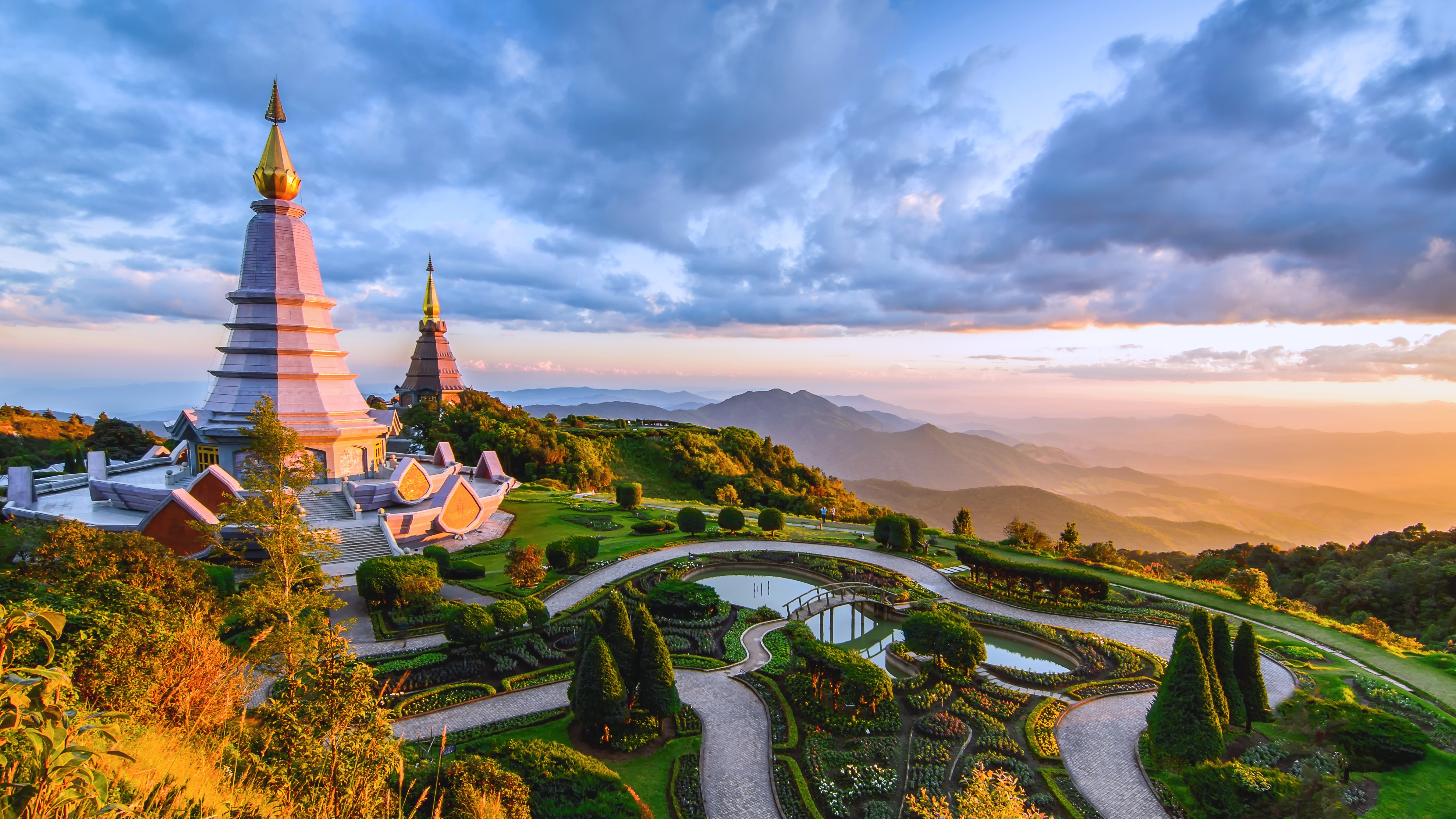
This temple is considered one of the most representative symbols of Santikhiri village, alongside its Oolong tea plantations. Located on Doi Mae Salong mountain, which gave the village its former name, it is built in Lanna style and was constructed to honour Princess Srinagarindra. The views overlooking Santikhiri village and its surroundings are exceptional. You can reach the summit either by climbing the staircase or following the road that winds up the mountain.
Strolling Through Santikhiri's Morning Market
To purchase local products and observe daily exchanges between villagers, visit this market early in the morning. It runs daily from 6 a.m. to 8 a.m. You'll find primarily fresh fruits and vegetables.
Visiting the Local Tourist Market
Held in the afternoon, this market offers not only fruits and vegetables but also handcrafted items and an array of spices sold by local merchants.
Exploring the Tea Plantations
People visit Santikhiri largely to discover its tea plantations. Be sure not to miss 101 Tea Plantation, one of Thailand's leading tea producers. Its tea has won numerous awards for quality.
On-site, you can tour the plantations, enjoy a tasting session, and purchase fresh tea to take home.
Attending Santikhiri's Annual Cherry Blossom Festival
Generally held from late December through the second day of the New Year, this event celebrates the diverse cultures of the mountain tribes through parades and folk performances. Traditional craftsmanship and heritage are prominently showcased.
Climate
The region where Santikhiri is located experiences a tropical savanna climate with dry winters. The average annual temperature is 25.9 °C. Peak temperatures typically occur in April, when local thermometers often read around 31 °C.
How to Get There
To reach Santikhiri, you can depart from the town of Mae Sai. From there, take public transport for approximately 25 baht and tell the bus driver you're heading to Mae Salong. The driver will drop you at the Mae Chan market. From this point, you'll need to take another vehicle to reach Santikhiri. A songthaew (shared taxi) will cost roughly 60 baht. Be aware that these vehicles operate on fixed schedules (7:30 a.m., 9 a.m., 11 a.m., and 1 p.m.).
Alternatively, you can travel from the city of Chiang Rai, located approximately 80 km from Santikhiri, where you can catch a minibus for the journey.
Photos
Attractions in Santikhiri (Mae Salong)
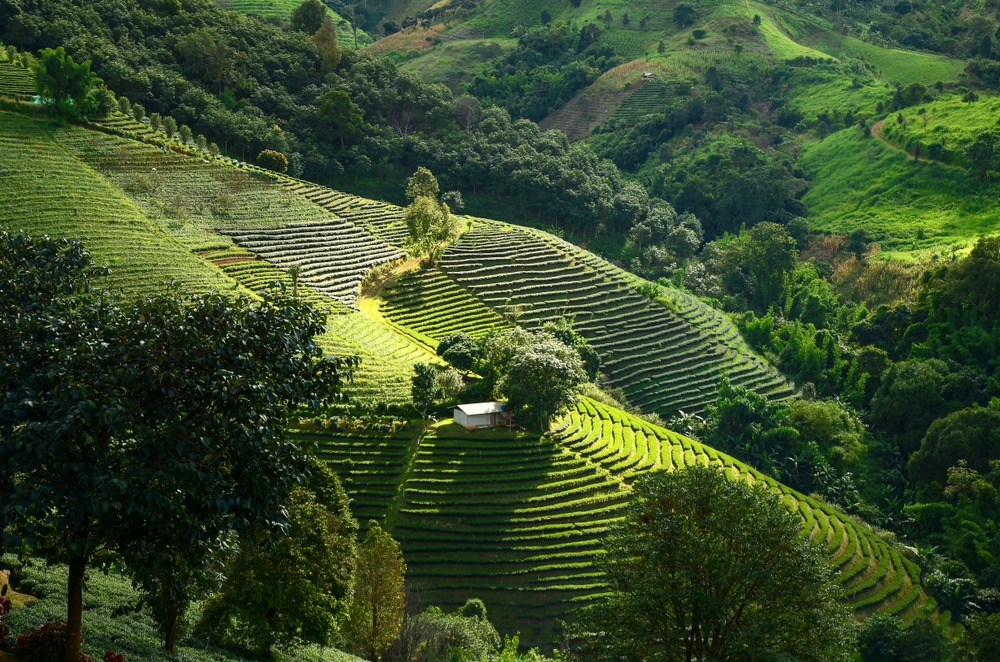
Montagne Doi Mae Salong
À 60 km au nord de Chiang Rai, Doi Mae Salong allie plantations de thé, héritage chinois du Kuomintang et villages des tribus montagnardes.
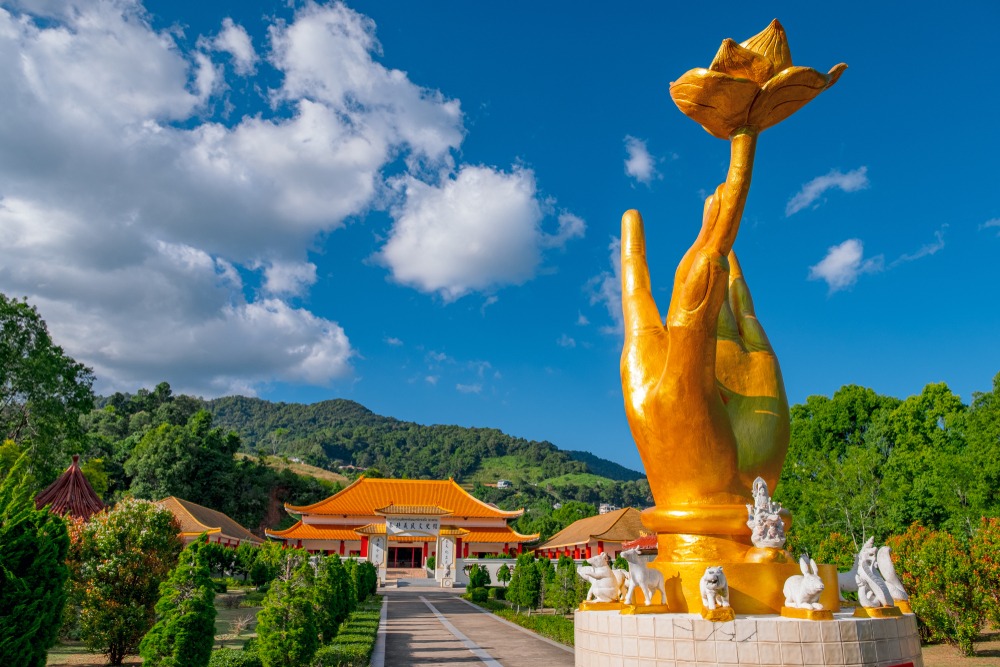
Musée commémoratif des Martyrs
Le Musée commémoratif des Martyrs à Mae Salong retrace l'épopée des soldats du KMT, exilés du Yunnan en 1959 et devenus citoyens thaïlandais.
Also discover
Want to discover this destination?
Our local advisors design your tailor-made trip.