King Narai's Palace
King Narai's Palace
303, Soi Sorasak, Tambon Tha Hin, Amphoe Mueang Lop Buri, Chang Wat Lopburi 15000, Thaïlande
Once the residence of King Narai the Great in the heart of Lopburi, this 17th-century palace now houses the Somdet Phra Narai National Museum.
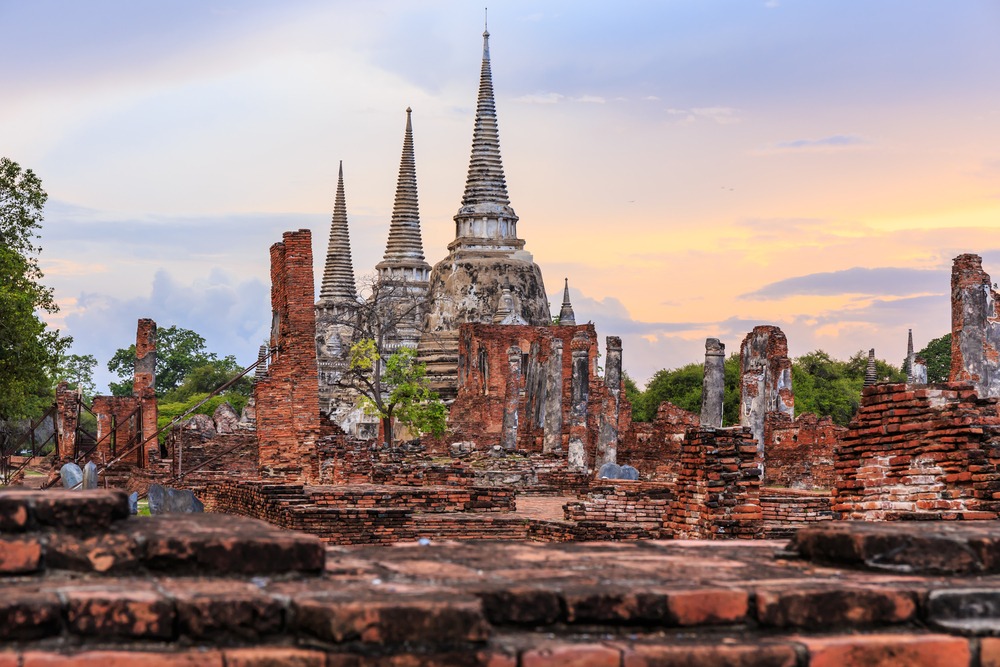
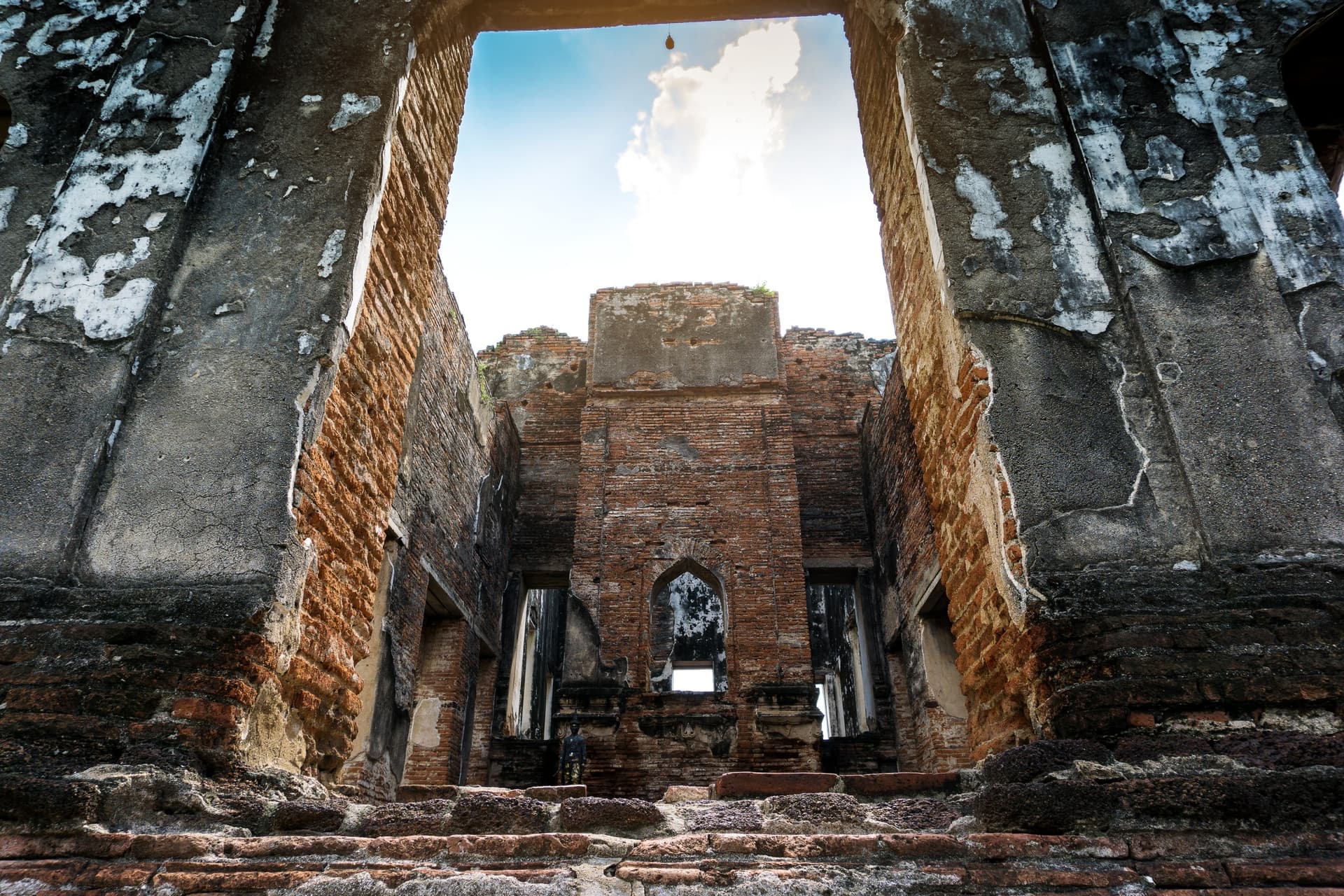
A former royal residence of King Narai the Great, Phra Narai Ratchaniwet Palace spans roughly 17 hectares in central Lopburi. Behind its red brick walls, still visible today, lie treasure halls, elephant stables, royal pavilions, and pools. The site now houses the Somdet Phra Narai National Museum, which traces the history of a city that served as Siam's second capital in the 17th century.
Why Visit King Narai's Palace
The palace stands as a testament to an era when Lopburi rivaled Ayutthaya on the diplomatic stage. Built by a king who spent more than eight months of the year here, leaving only during monsoon season, it welcomed ambassadors from Europe and Asia. The architecture blends French and Khmer elements, and a hydraulic system designed by French and Italian engineers fed the basins and fountains—a rare feat in Southeast Asia for the time.
The visit appeals equally to enthusiasts of Siamese history and architecture lovers. Plan roughly 1.5 to 2 hours to explore the compound and pavilion-museums.
History of the Palace
King Ramathibodi III, better known as Narai the Great, began construction in 1665, nine years into his reign. He had just designated Lopburi as Siam's second capital and wished to establish a residence befitting his diplomatic ambitions. The palace became a premier reception center where the sovereign welcomed ambassadors, merchants, and foreign emissaries, including French missions sent by Louis XIV.
In its early days, the complex was dominated by the Suttha Sawan pavilion, the king's official residence. It was here that Narai died in 1688, marking the site's gradual decline. The palace lay abandoned for nearly two centuries before being rediscovered and renovated by King Mongkut (Rama IV), who renamed it Phra Narai Ratchaniwet and commissioned the construction of the Phiman Mongkut pavilion in 1856. The sovereign also established the Phra Prathiang II village to house the staff.
Under Rama V, the building was partially converted into Lopburi's city hall. In 1924, at the request of two princes, the Chanthara Phisan pavilion became a museum. The institution took its current name, Somdet Phra Narai National Museum, in 1961.
What to See Here
Dusit Sawan Thanya Maha Prasat
This audience hall marries French and Thai codes. Adorned with crystal and mirrors, it houses a statue of Narai the Great receiving the French ambassador Chevalier de Chaumont—an emblematic scene of 17th-century Franco-Siamese relations.
Phiman Mongkut
A three-story pavilion built under Rama IV, it served as the sovereign's residence during his stays in Lopburi. The king chose the highest room for his personal quarters. Today, the building displays royal clothing, accessories, and objects. The two lower levels house collections of art, pottery, Buddha images, and prehistoric pieces linked to the Chao Phraya valley.
Chanthara Phisan
Once a meeting place for Narai's high officials, this pavilion preserves religious and royal documents that chronicle the life of Ayutthaya's court.
Phra Prathiap
Ten structures erected under Rama IV to house court members. They now display art objects and cult items tied to Lopburi's history.
Nang Yai Museum
A space dedicated to traditional shadow theater and the Ramakien, the Siamese version of the Ramayana, illustrated by intricately carved leather figures.
Practical Information
Address: Sorasak Road, Muang District, Lopburi 15000
Opening Days: Wednesday to Sunday, closed on public holidays
Entry Fee: modest admission, payable on-site
Recommended Duration: 1.5 to 2 hours
Check current opening hours with the tourism office before your visit, as they may vary seasonally.
When to Visit
The dry season, from November to February, offers the most pleasant conditions for exploring the compound on foot. Heat remains manageable and rain is rare. Monsoon season, June to October, makes visiting less comfortable but the site remains accessible.
If your schedule permits, aim for a visit in February during the King Narai Reign Fair, an annual festival that brings the palace and central Lopburi to life with period costume performances, traditional markets, and historical reenactments.
Nearby Attractions
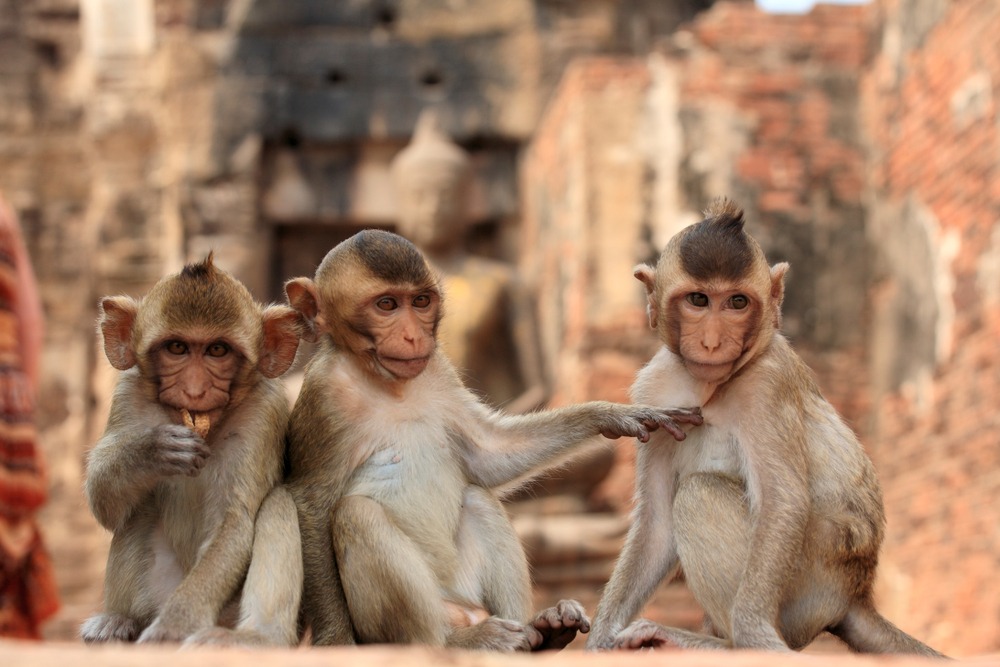
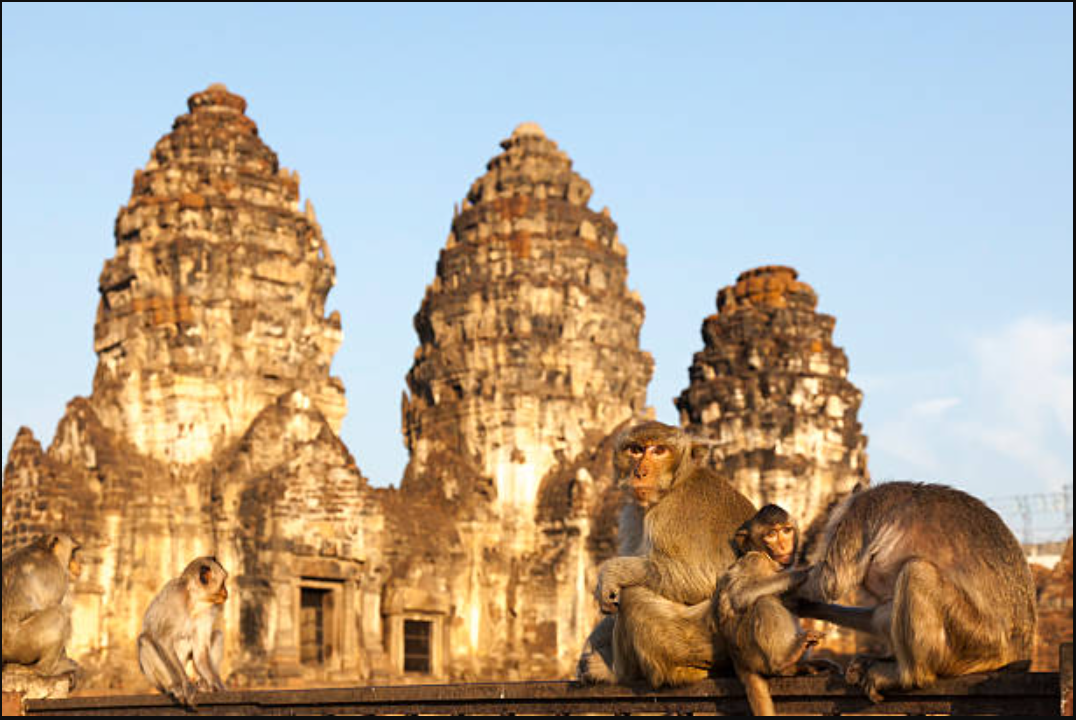
The palace sits within walking distance of Wat Phra Sri Rattana Mahathat, a complex of Khmer prangs, and Prang Sam Yot, famous for the macaques that thrive there and earned Lopburi its nickname as the "city of monkeys." To further your historical exploration of the region, the Chao Sam Phraya National Museum in Ayutthaya perfectly complements your understanding of 16th and 17th-century Siam.
How to Get There
The palace sits in downtown Lopburi, accessible from Pratu Phayakkha municipal park. From Lopburi railway station, allow about ten minutes by tuk-tuk or cycle rickshaw—both regularly shuttle through the city center. Lopburi itself connects via direct train to Bangkok and Ayutthaya, making it an easy day trip from either city.
Frequently Asked Questions
Frequently asked questions
Allow 1.5 to 2 hours to explore the compound and main pavilion-museums. Extend to 3 hours if you wish to study each collection in detail.
Yes. Prang Sam Yot, the primary spot for observing the city's macaques, lies just a few minutes' walk from the palace. Half a day is sufficient to visit both sites in sequence.
Yes. The outdoor spaces are expansive and easy to navigate, and the pavilion-museums offer varied collections. Bring a hat and water—shade is sparse within the compound.
Explanatory panels are available in Thai and English. However, a local guide or organized tour enriches your understanding of the Franco-Siamese diplomatic context, which is particularly compelling here.
Plan Your Trip
King Narai's Palace fits naturally into a historical itinerary connecting Bangkok, Ayutthaya, and central Thailand. To craft a bespoke itinerary, consult our Thailand travel suggestions.
Photos
Interested in this visit?
We can include it in your personalised itinerary.