Wat Tham Pu Wa
A Theravada Buddhist temple set within a limestone cave on the outskirts of Kanchanaburi. An authentic place of contemplation, far from mass tourism circuits, easily combined with the province's historical and natural sites.
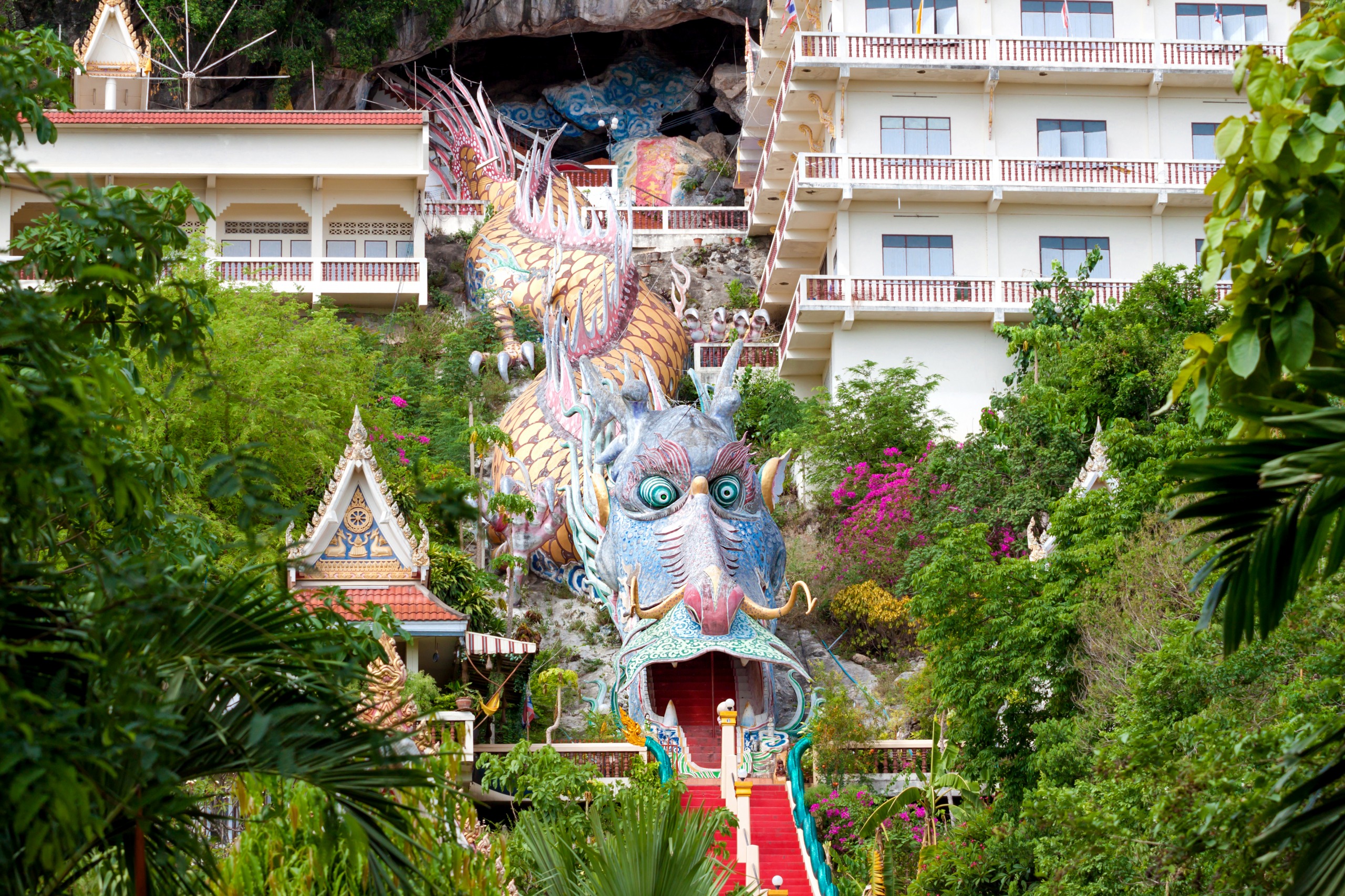
Wat Tham Pu Wa is a Theravada Buddhist temple nestled in a limestone cave on the outskirts of Kanchanaburi, in western Thailand. The site combines a spectacular natural setting—karst cliffs, dense vegetation—with an atmosphere of authentic contemplation, away from mass tourism circuits.
Quick practical information
- Entrance: free (donations welcome)
- Dress code: shoulders and knees covered; sarongs available at the entrance
- Shoes: to be removed before entering sacred areas
- Recommended duration: 1 to 2 hours
What you'll see
The temple is centered around a natural cave converted into a sanctuary. Buddha statues of varying sizes occupy rock alcoves, illuminated by light filtering through openings in the stone. Outside, pavilions and white stupas dot a garden maintained by resident monks.
History and context
Cave temples (wat tham) are an ancient tradition in Thai Buddhism. The limestone caves of the Kanchanaburi region have long been used as places of meditation and spiritual retreat by ascetic monks, well before formal temples were founded. Wat Tham Pu Wa perpetuates this tradition of contemplative practice.
Highlights of your visit
The cave-sanctuary
The cave's interior offers a singular atmosphere: natural coolness, the scent of incense, the murmur of prayers. The rock formations serve as a setting for offerings and gilded statues. Take time to let your eyes adjust to the dimness before exploring the alcoves.
The temple garden
The outdoor space, shaded by large trees, invites leisurely wandering. White stupas and religious sculptures scattered through the vegetation create an informal path of discovery.
Etiquette and visiting rules
- Cover shoulders and knees; sarongs are provided at the entrance if needed.
- Remove your shoes before entering the cave and sacred buildings.
- Speak in hushed tones; monks reside and meditate on the grounds.
- Do not touch statues and do not sit with your back to a Buddha for a photo.
- Women should not touch monks or hand them objects directly.
Photography tips
Natural light filtering into the cave is most beautiful in mid-morning. Outside, the garden is most photogenic early in the morning, before visitors arrive. Check with the monks whether certain areas are off-limits for photography.
Location and access
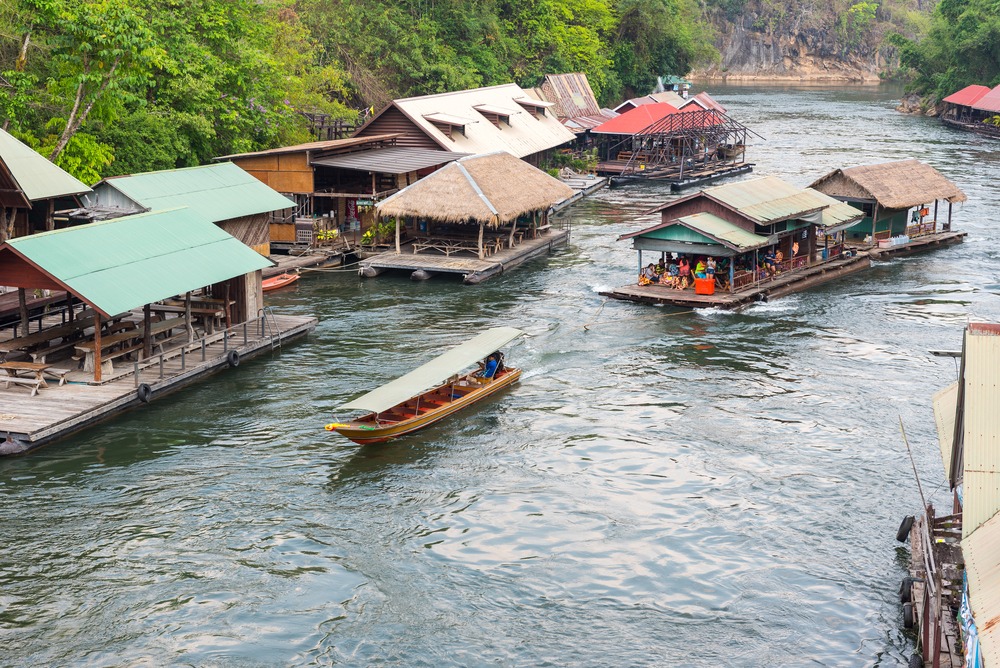
The temple is located in Kanchanaburi Province, away from the town center. Access by motorbike taxi or rental car from Kanchanaburi is the most convenient option. The road runs alongside the Khwae Noi River through a landscape of forested hills. The site is not easily accessible by regular public transport.
In the area
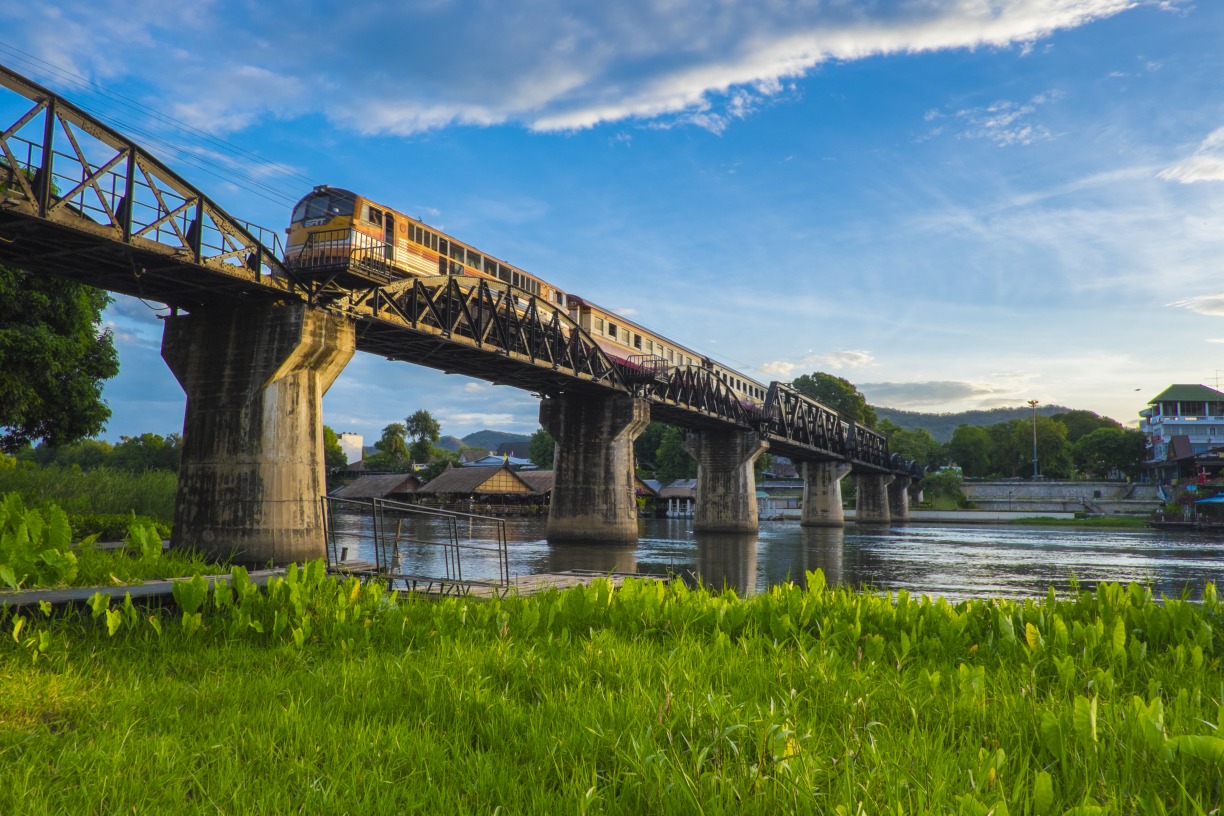
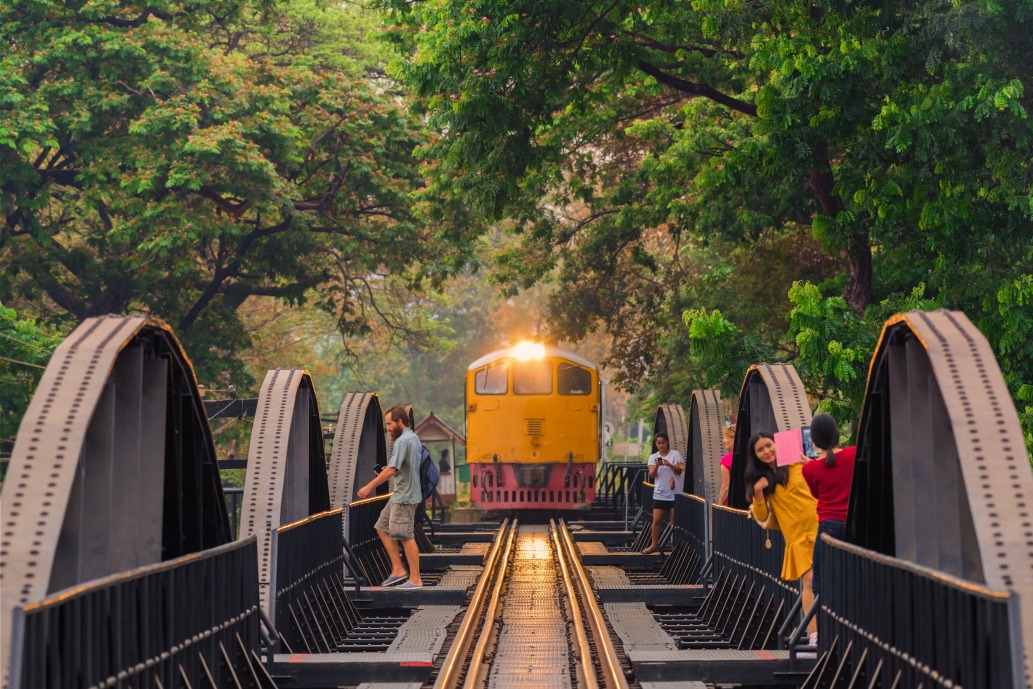
- Bridge over the River Khwae — historic symbol of World War II, in Kanchanaburi.
- Erawan Waterfall — emerald seven-tiered cascades in Erawan National Park.
- Hellfire Pass — poignant memorial to the Death Railway, carved by Allied prisoners.
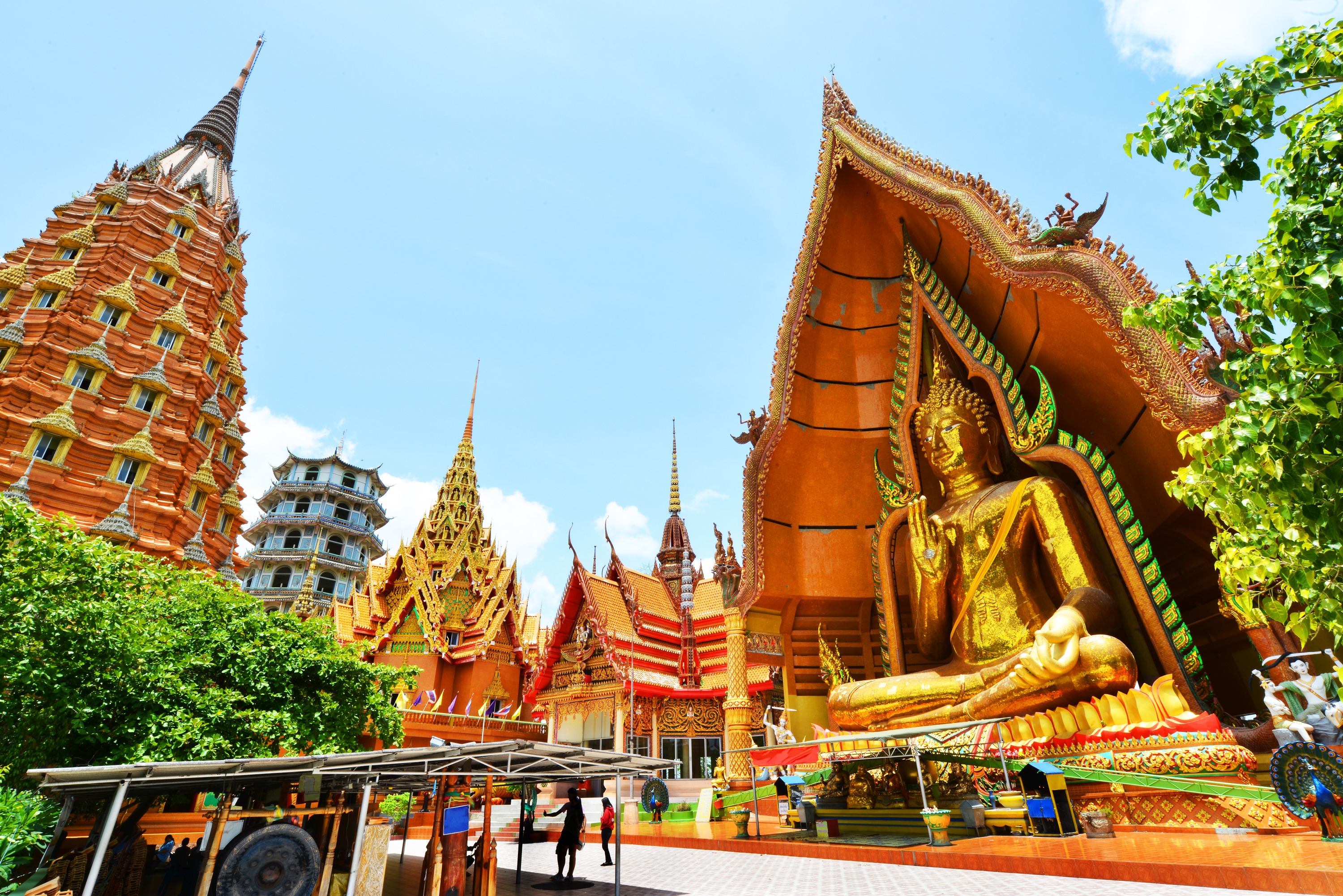
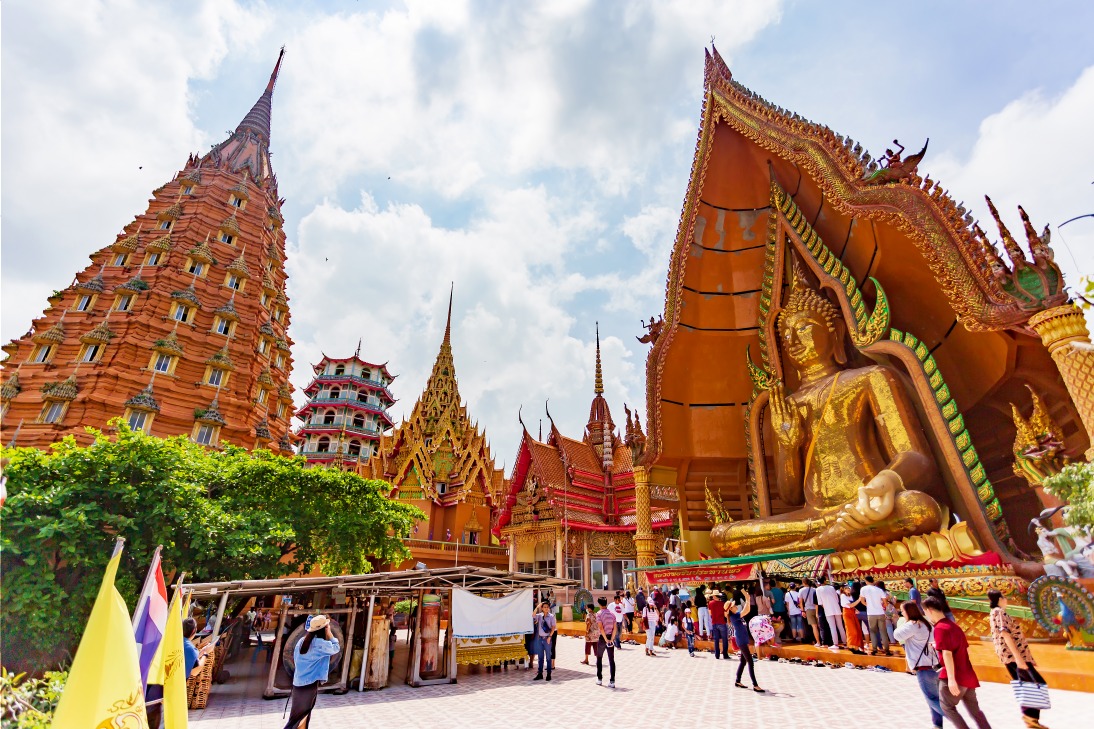
- Wat Tham Sua — another cave temple in the region, featuring a large Buddha statue.
Frequently asked questions
Entrance is free. A donation in the provided urns is appreciated and helps support the temple's upkeep.
Shoulders and knees must be covered. Sarongs are generally available at the entrance if your clothing is not appropriate.
A rental car or motorbike taxi are the most practical options. The site is difficult to reach by regular public transport.
Yes. The Bridge over the River Khwae, Erawan Waterfall, and Hellfire Pass are all in the same province and can be incorporated into a one or two-day itinerary.
Generally yes, but certain areas may be restricted. Confirm with the resident monks before photographing inside the sanctuary.
Nearby
Interested in this visit?
We can include it in your personalised itinerary.