Bridge over the River Kwai
Bridge over the River Kwai
2GR3+RM5, Maenamkwai Road, Tambon Tha Ma Kham, Amphoe Mueang Kanchanaburi, Chang Wat Kanchanaburi 71000, Thaïlande
A symbol of the Death Railway, the Bridge over the River Kwai in Kanchanaburi invites visitors to journey through World War II history and into western Thailand's natural wonders.
The Bridge over the River Kwai, in Kanchanaburi, stands as one of the most historically significant World War II monuments in Southeast Asia. Built under Japanese occupation to link Thailand with Burma, it embodies today the memory of prisoners and forced laborers who constructed the infamous Death Railway.
Why visit the Bridge over the River Kwai
The site combines multiple draws: an active historical monument crossed daily by trains on the Bangkok–Nam Tok line; a place of remembrance where walking the railway sleepers evokes the ordeal endured by laborers; and a gateway to Kanchanaburi's other memorial sites (museums, allied cemeteries, railroad remnants).
Immortalized by Pierre Boulle's novel The Bridge on the River Kwai (winner of the Sainte-Beuve Prize), and later by David Lean's acclaimed film adaptation, the bridge draws military history enthusiasts, travelers heading toward western Thailand's national parks, and curious visitors eager to reconcile fiction with on-the-ground reality.
History of the bridge and the Death Railway
In the early 1940s, the Imperial Japanese Army sought to secure a land route to Burma to sustain military operations and ultimately target British India. Shipping, vulnerable to Allied attack, was deemed too risky. A railway line spanning approximately 415 km was planned to connect Thailand and Burma, cutting through jungle and crossing the River Kwai.
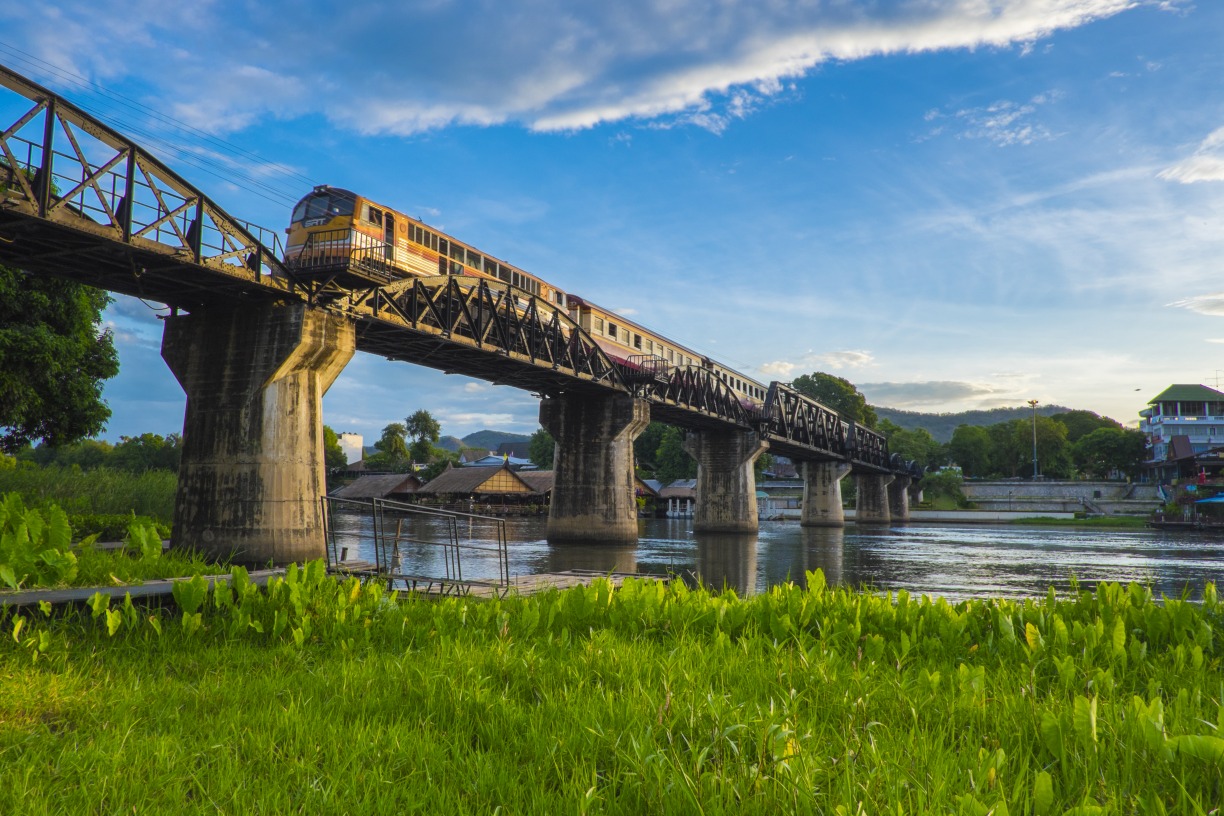
A temporary wooden bridge was erected in summer 1943, then replaced a year later by a steel railway bridge, whose distinctive arched central spans remain visible today. To complete the project, Japanese command forcibly conscripted nearly 100,000 Asian laborers. Of the 30,000 Allied soldiers subjected to forced labor, over 16,000 perished—victims of relentless work schedules, malnutrition, brutal treatment, and cholera epidemics documented by survivors. This staggering loss of life earned the railway its grim epithet: the Death Railway.
A prime strategic target, the bridge was bombed, destroyed, and rebuilt repeatedly during the war. The original rectangular spans now stand alongside the arched sections installed after the war, a visual testament to its turbulent past.
What to see and do on site
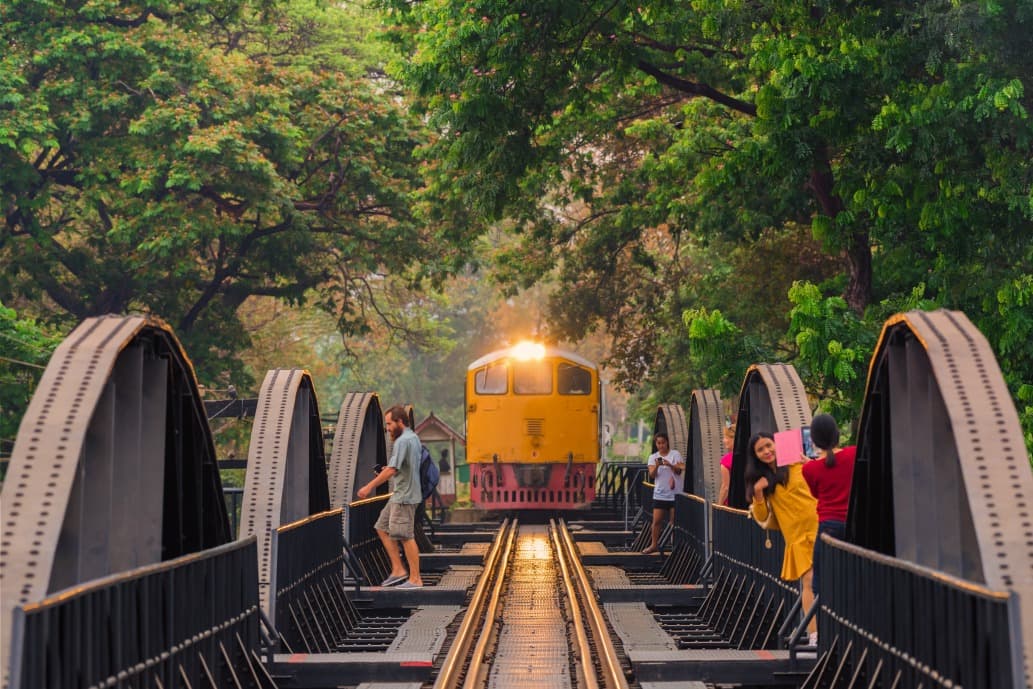
Walk across the bridge: treading the railway sleepers between the rails lets you observe original inscriptions, rivets, and sections reconstructed following bombardment.
Take the heritage train: a small tourist train offers short journeys across the bridge. For a more immersive experience, the regular Death Railway line extends further into gorges and cliff-side cuttings.
Visit Kanchanaburi's WWII Museum: it preserves remnants of the original wooden bridge, prisoners' personal effects, wartime photographs, and military artifacts.
Pay respects at Donrak Allied Cemetery: home to 6,982 graves of soldiers who died during construction, predominantly British, Australian, and Dutch.
Practical information
Location: roughly 3 km from central Kanchanaburi, reachable on foot, by songthaew, or tuk-tuk.
Duration: allow 1–2 hours for the bridge alone; a half-day combining museum and cemetery; a full day including a journey on the heritage railway line.
Fees: bridge access is free. Train tickets and museum entry are affordable and paid on-site.
Tip: visit early morning or late afternoon to avoid intense heat and tour groups.
When to go
The ideal window runs from November to February, when western Thailand's climate is dry and mild. March through May brings intense heat, and the rainy season (June–October) can make travel less comfortable, though the bridge remains accessible year-round.
Each year around late November / early December, Kanchanaburi hosts a memorial festival centered on the bridge: reenactments, light shows, concerts, and markets animate the riverside. This is peak season: reserve accommodation well ahead.
How to get there
The bridge lies approximately 2 hours' drive from Bangkok. Several options are available:
By train: from Bangkok Thonburi Station, multiple daily connections serve Kanchanaburi and the bridge. This is the most iconic choice, as it uses part of the historic railway line.
By bus: frequent departures from Sai Tai Mai Bus Station (South Bangkok). Classes 1 and 2 offer greater comfort.
By minivan or private car: the quickest and most flexible option for combining multiple sites in a single day.
Nearby attractions
The Death Railway: a natural extension of the bridge visit, featuring sections hewn into rock and the wooden Wang Pho viaduct.
Erawan National Park: renowned for its seven-tiered waterfall and turquoise pools—ideal for a nature day after the memorial sites.
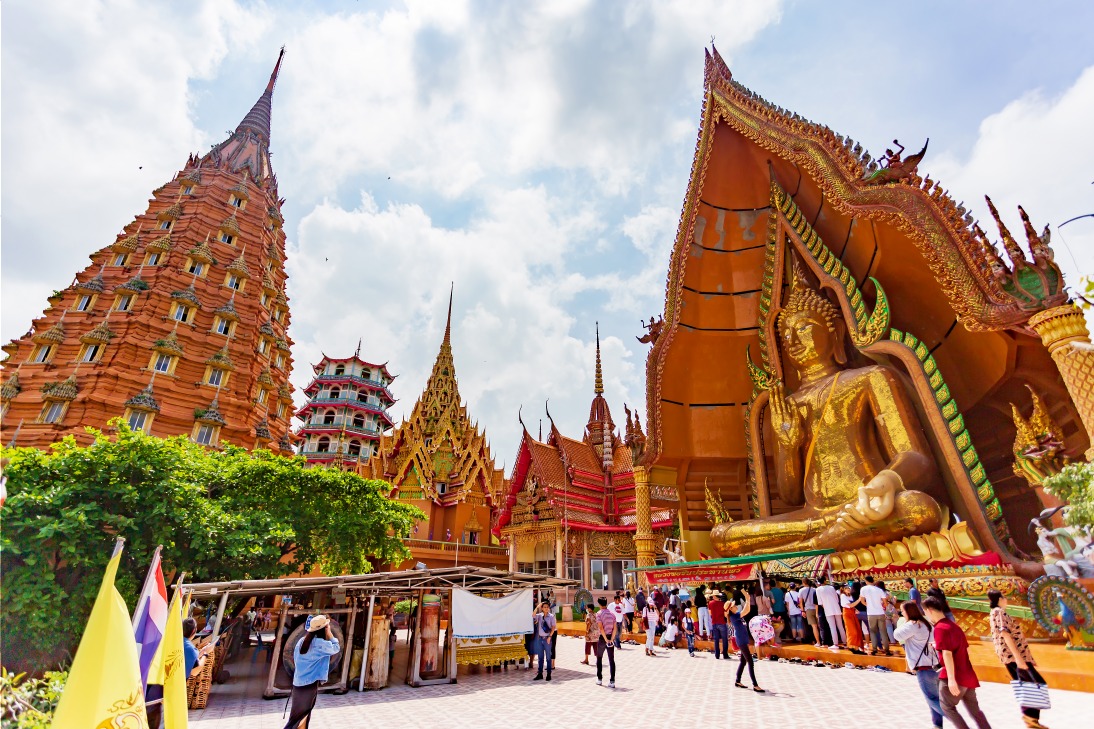
Wat Ban Tham: a cave temple on Kanchanaburi's outskirts, offering a more intimate atmosphere.
Sai Yok National Park: forests, waterfalls, and railway remains, further downstream along the river.
FAQ
Frequently asked questions
Partially. The arched central spans were reconstructed after the bombardments, while the rectangular sections at either end date from the original steel structure installed during the war.
Budget 1–2 hours for the bridge alone. A half-day to full day if including the WWII Museum, Donrak Cemetery, and a heritage railway journey.
Yes, departing early with a minivan or private car. To truly savor the bridge, museum, and Erawan Park, an overnight stay in Kanchanaburi is recommended.
Yes, but crossing on foot involves the railway sleepers: keep watch over children. When trains pass, visitors must move to designated safety platforms.
Pierre Boulle drew inspiration from the railway's construction to write The Bridge on the River Kwai, honored with the Sainte-Beuve Prize. David Lean's film adaptation brought the site worldwide acclaim.
Plan your journey
The Bridge over the River Kwai fits naturally into a circuit through western Thailand, blending war history with nature. To build a custom itinerary spanning Kanchanaburi, its historic sites, and surrounding national parks, consult our Thailand journeys.
Photos
Nearby
Also discover
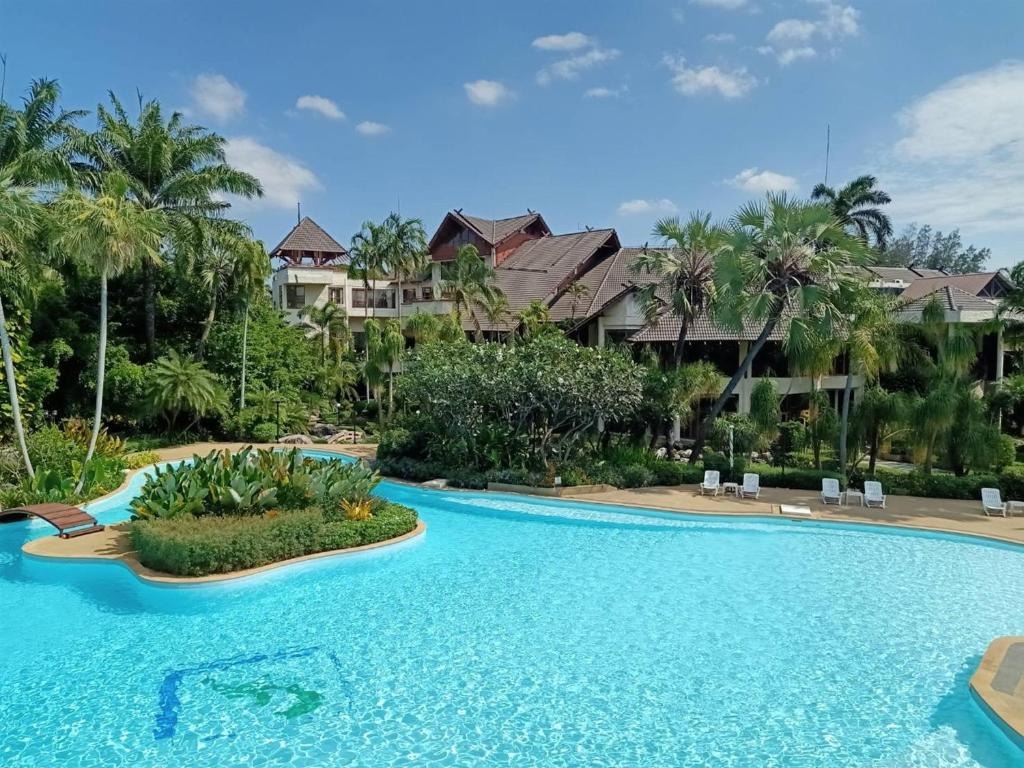
Felix River Kwai Resort
4-star resort in Kanchanaburi, steps from the Bridge over the River Kwai, featuring a pool, garden, and family configurations accommodating up to 6 guests.
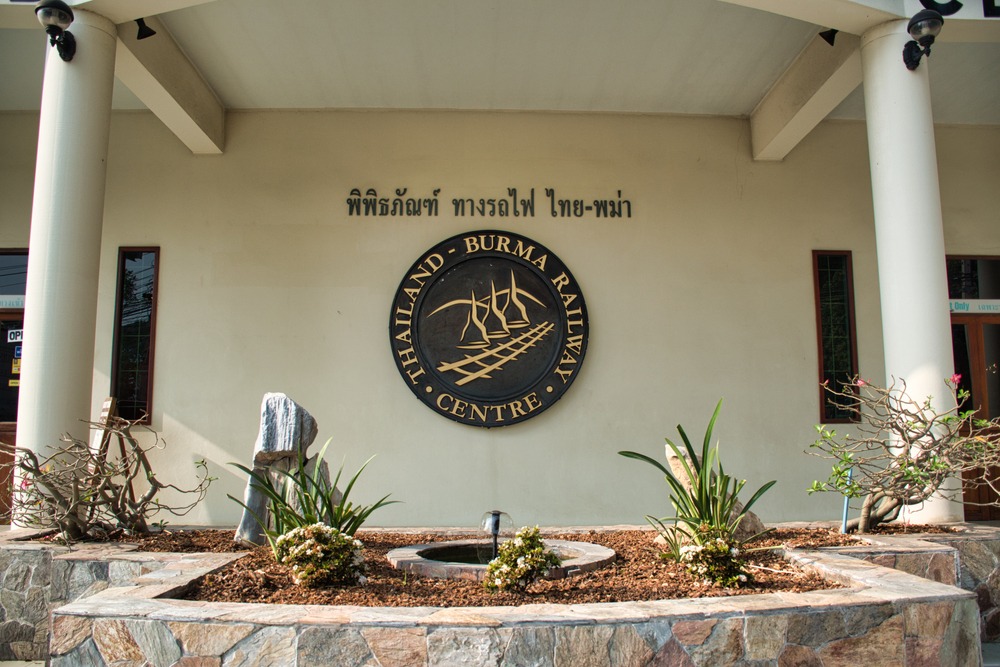
Thailand-Burma Railway Centre
Private museum in Kanchanaburi dedicated to the Siam-Burma railway line and the "Death Railway" built during World War II.
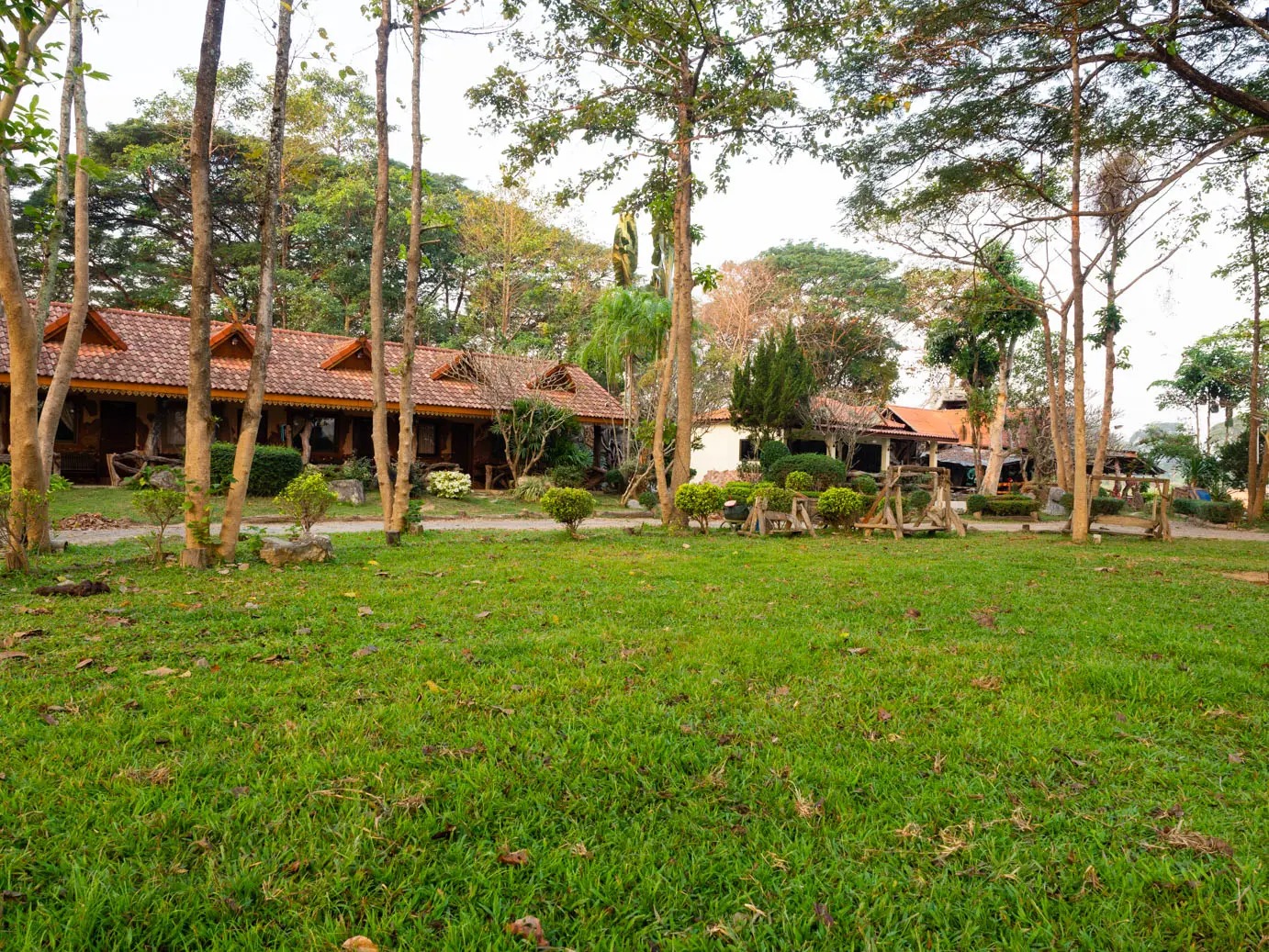
Baan Mama
Ethical sanctuary founded by Brigitte in 2018, Baan Mama welcomes four elephants on the banks of the Kwai River, 12 km from Kanchanaburi.
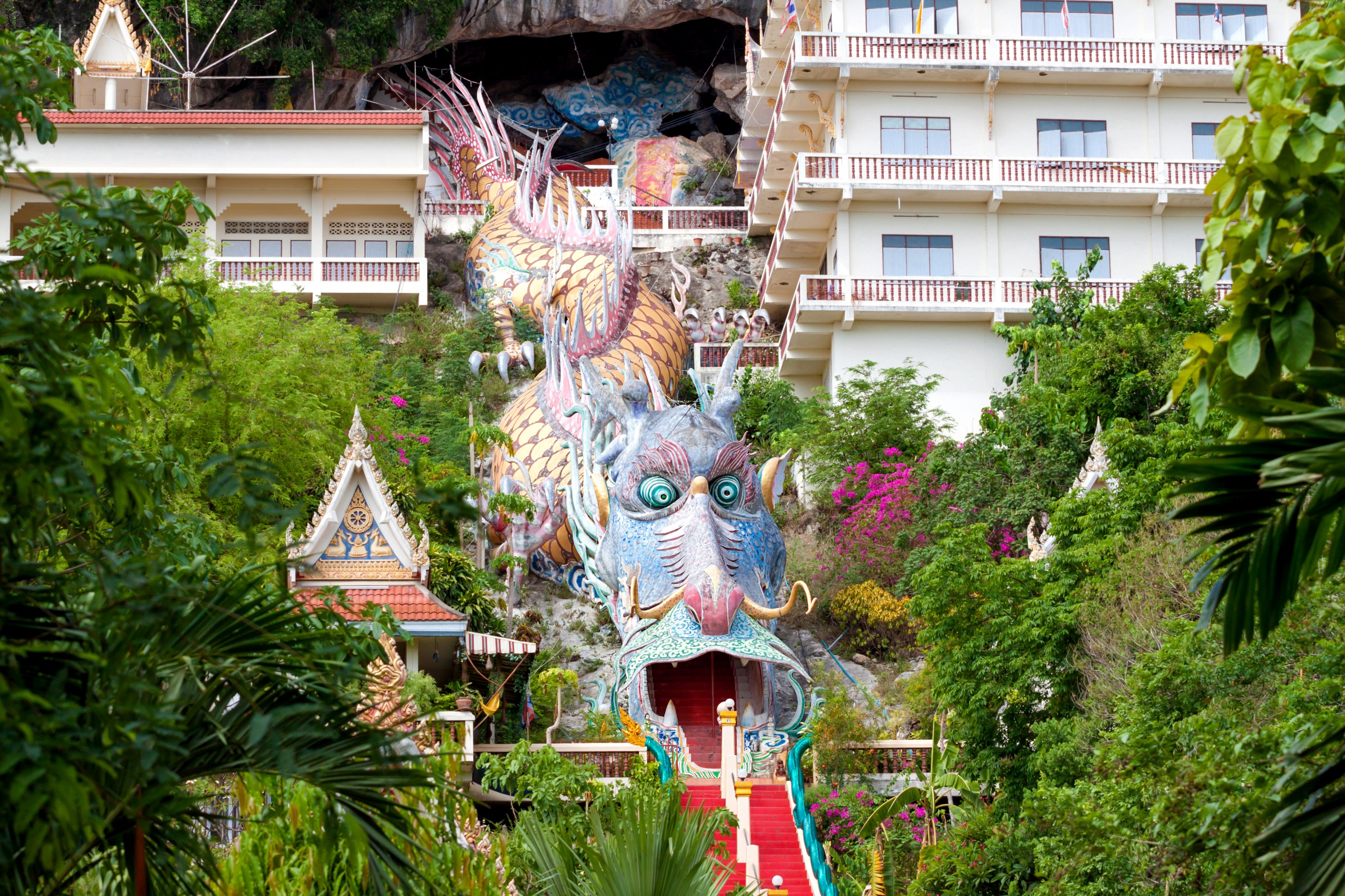
Wat Ban Tham
Wat Ban Tham, or Dragon Temple, near Kanchanaburi: a naga-shaped staircase, fertility sanctuary cave and golden stupa at the summit of 700 steps.
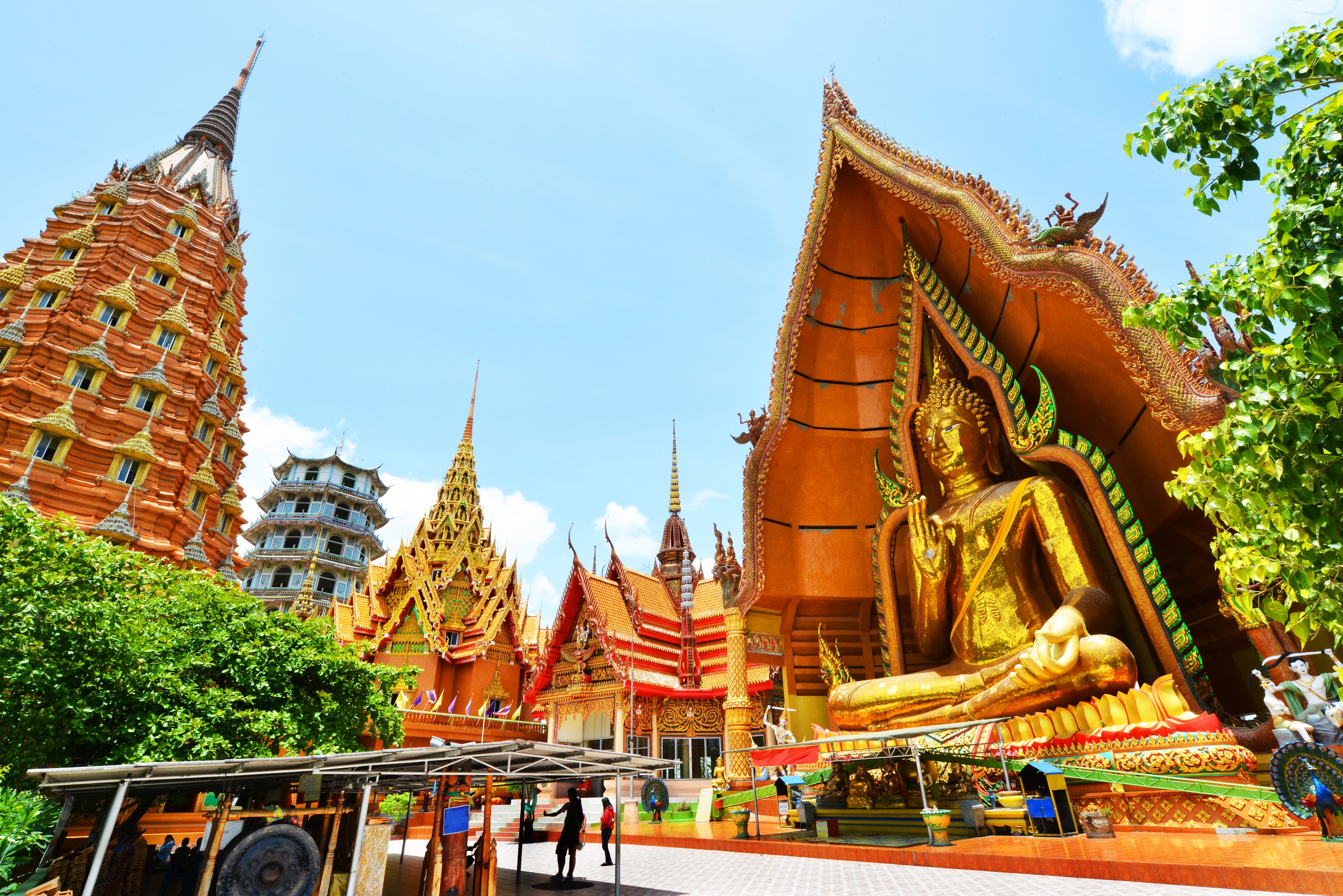
Chin Phrathanporn
A gilded 18-meter Buddha statue overlooking Wat Tham Sua near Kanchanaburi, Chin Phrathanporn blends Buddhist pilgrimage with sweeping valley views.
Interested in this visit?
We can include it in your personalised itinerary.