The River Kwai
The River Kwai
2GR3+RM5, Maenamkwai Road, Tambon Tha Ma Kham, Amphoe Mueang Kanchanaburi, Chang Wat Kanchanaburi 71000, Thaïlande
In Kanchanaburi, the River Kwai preserves the bridge of the Death Railway, a remnant of the railway built by the Japanese army during World War II.
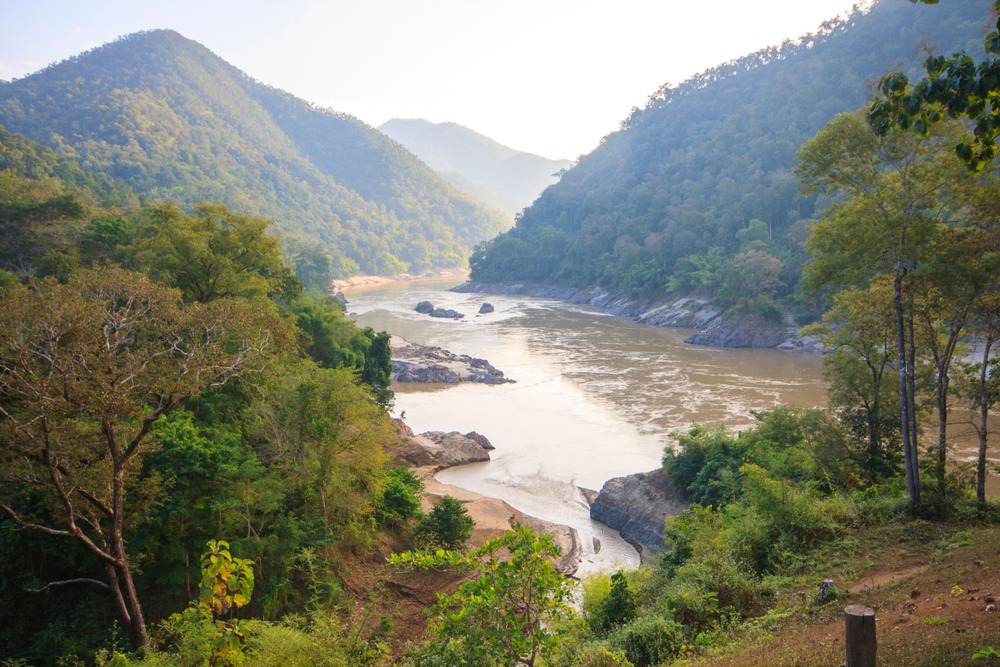
The River Kwai, or Khwae Noi, flows through Kanchanaburi province, west of Bangkok. It owes its worldwide fame to the steel bridge spanning its waters, a remnant of the railway built during World War II at the cost of tens of thousands of lives.
Why Visit the River Kwai?
The site holds three distinct appeals for travellers. First, it is a place of remembrance: the River Kwai bridge is one of the last visible segments of the Death Railway, a 415 km railway line connecting Thailand to Burma, whose construction by the Japanese army claimed tens of thousands of lives. Second, it offers a natural setting: the Khwae Noi valley cuts through a region of jungle, waterfalls, and national parks. Finally, it serves as a hub for excursions to several historical and natural sites concentrated around Kanchanaburi.
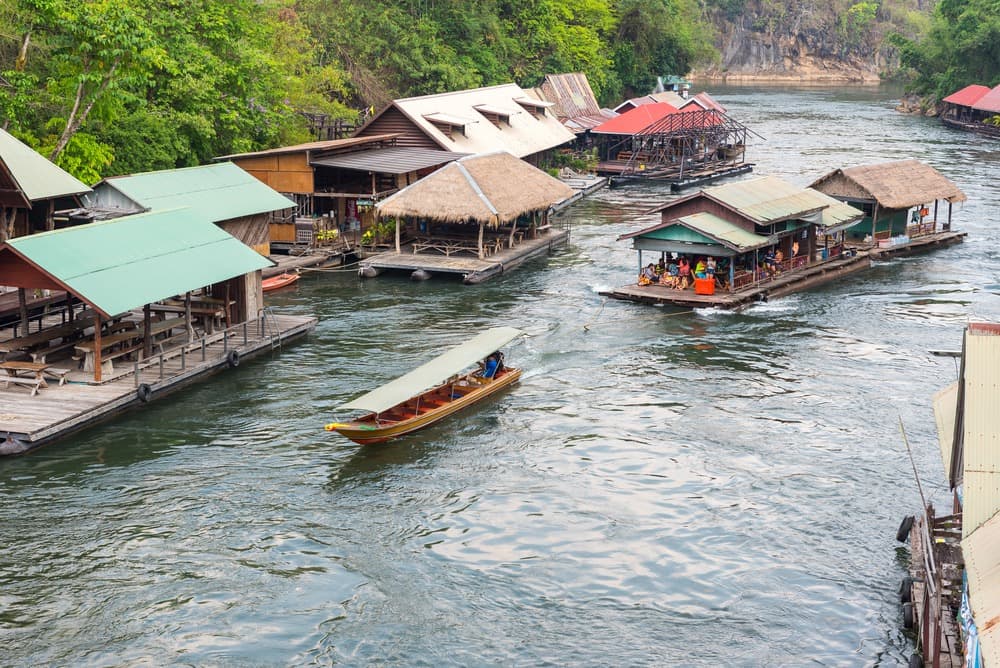
You can visit on foot across the bridge, by train along the historic line, or by boat to explore a stretch of the river and reach isolated points of interest.
History of the Death Railway
The railway project was launched in 1941, following the Japanese invasion of Siam. The Japanese Empire, then engaged in the conquest of Southeast Asia, sought to connect Thailand to British Burma to supply its front lines. The 415 km railway was to be completed as quickly as possible.
To meet the deadline, approximately 100,000 Asian civilians (Thai, Burmese, Malay, Tamil, and Javanese) and 60,000 Allied prisoners of war (British, Australian, Dutch, and American) were conscripted into forced labour. Conditions on the site—extreme heat, malnutrition, tropical diseases, and violence—resulted in massive mortality. The exact death toll remains debated, but estimates suggest that nearly half the civilian workers and about one-quarter of the Allied prisoners died during construction. The line earned its sinister nickname: the Death Railway.
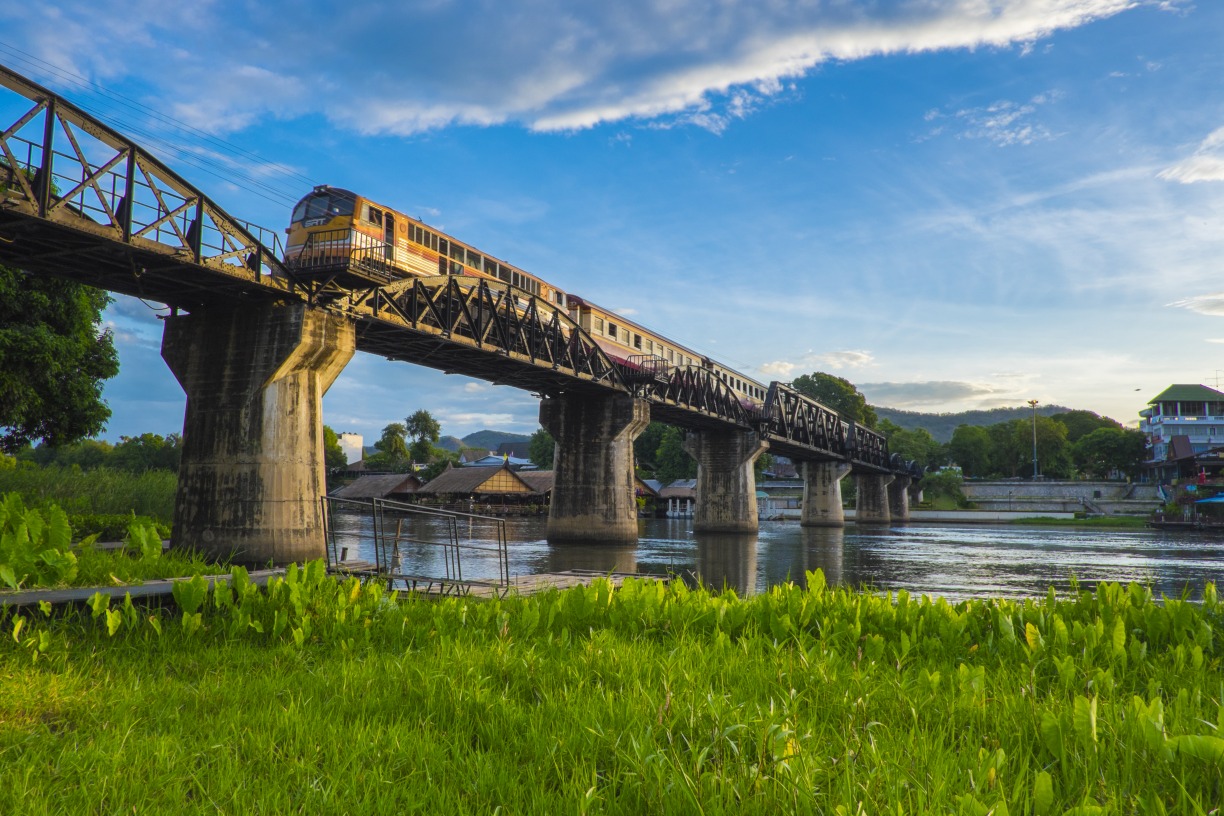
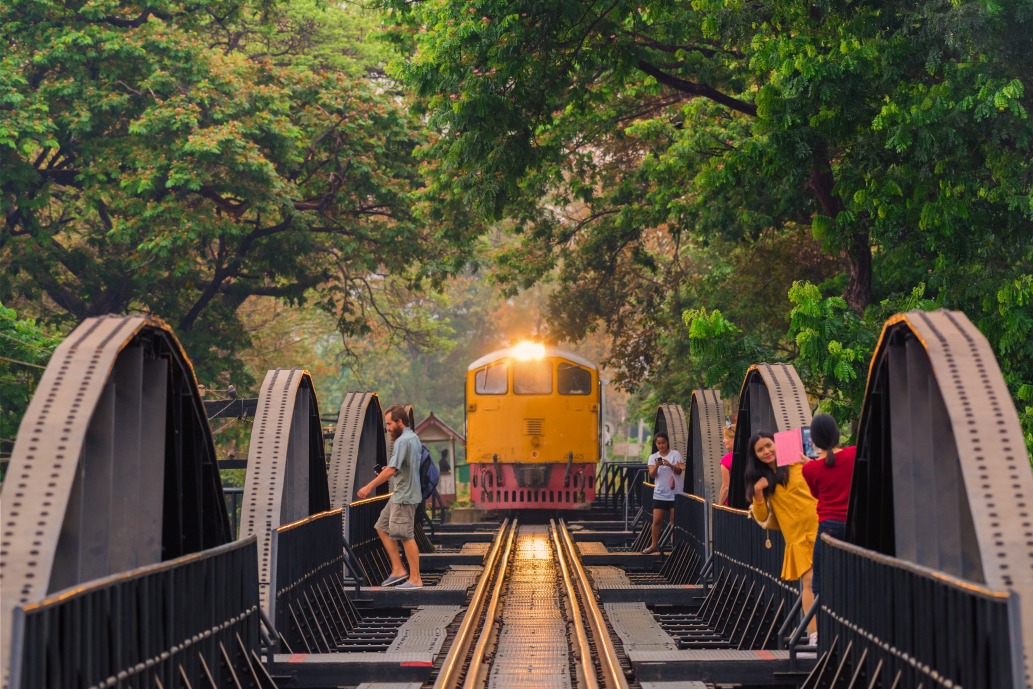
The bridge spanning the river at Kanchanaburi, identified as Bridge No. 277, was first built in wood, then replaced by a steel viaduct delivered in spring 1943. In June 1945, British aerial bombardments rendered the railway unusable. Several spans of the steel bridge were destroyed and later reconstructed after the war: the central rectangular sections are post-war reconstructions, while the lateral arches are original.
What to See and Do Around the River Kwai?
The Bridge and the Death Railway
You can cross the bridge on foot using the lateral walkways, or board the tourist train that still runs on the line. The most spectacular section lies beyond the bridge, where the track clings to a cliff face on a wooden viaduct, Tham Krasae, suspended above the river.
Sai Yok Noi Waterfalls
About sixty kilometres upstream, the Sai Yok Noi waterfalls lie immediately near Nam Tok Sai Yok Noi station, the current terminus of the line. The site is freely accessible and popular with Thai visitors during the rainy season, when water flow is most impressive.
Khmer Temples of Muang Sing
Further west, the Muang Sing Historical Park preserves the remains of a Khmer outpost built in red sandstone, likely dating from the 12th or 13th century. It is one of the westernmost Khmer sites ever identified.
Caves and Villages
The valley is home to several prehistoric caves that have yielded burials and stone tools, as well as agricultural villages near the Burmese border.
Practical Information
Duration: plan half a day for the bridge and Kanchanaburi's war memorial museum, a full day if you include a train journey or Sai Yok Falls.
Entry fees: bridge access is free. The tourist train applies a moderate fare, higher for foreign visitors than for residents.
What to bring: water, hat, and closed-toe shoes, especially if walking on the bridge's wooden sleepers.
Respect for the site: the location remains a memorial. The military cemetery and museum call for a discreet demeanor.
When to Visit?
The dry season, from November to February, offers the most comfortable conditions for outdoor visits, with moderate temperatures and clear skies. From March to May, heat becomes oppressive, often exceeding 35°C. The rainy season, from June to October, makes waterfalls more spectacular but can disrupt land and river excursions. To combine remembrance, walks, and boating, November to February remains the most favourable window.
How to Get There?
Kanchanaburi lies approximately 130 km west of Bangkok. Several options are available from the capital:
Bus: departures from Mo Chit II bus station in north Bangkok. The most budget-friendly option.
Minivan: departures from Victory Monument, faster than bus.
Train: the historic line departs from Thonburi station (not Hua Lamphong / Krung Thep Aphiwat). The journey is slow but allows you to arrive in Kanchanaburi and continue directly on the Death Railway to Nam Tok.
Once there, shared taxis (songthaews), tuk-tuks, and scooter rentals allow you to move between sites in the valley.
Nearby Attractions
Erawan Waterfalls: seven tiers of turquoise cascades in Erawan National Park, approximately 65 km north of Kanchanaburi.
Hellfire Pass: a trench hand-carved by prisoners, accompanied by an Australian memorial recounting the construction of the railway.
Kanchanaburi Military Cemetery: a burial ground where nearly 7,000 Allied prisoners of war are interred.
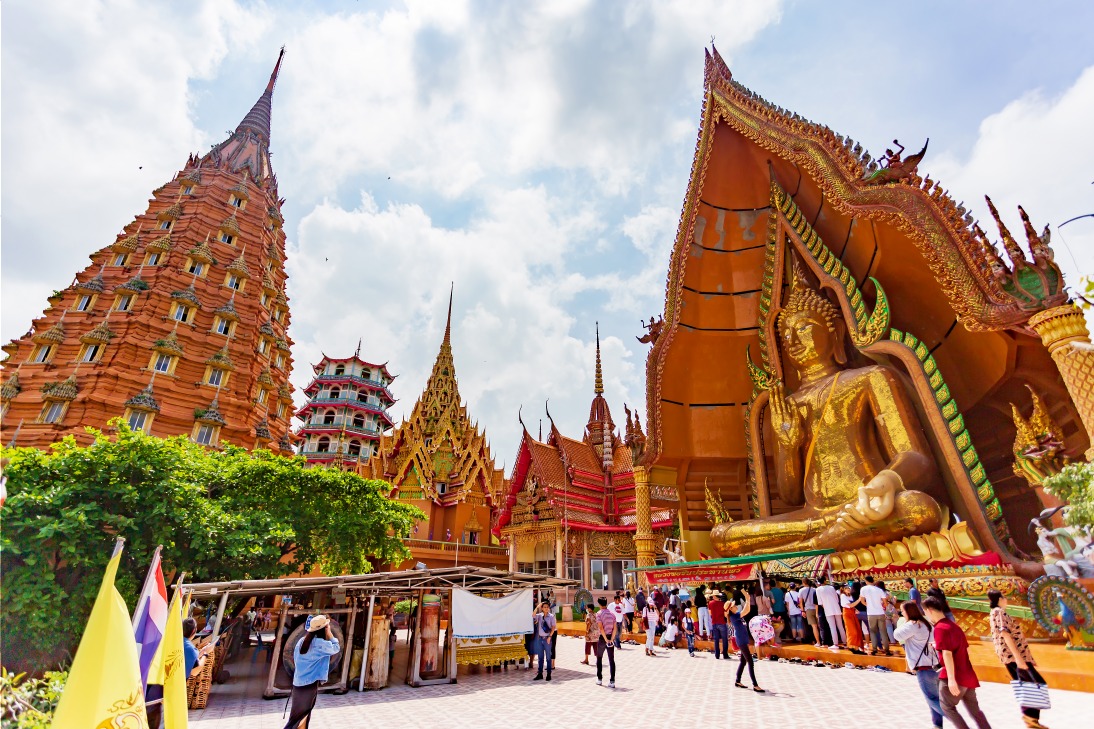
Wat Ban Tham: a cave temple set against a cliff face, a few kilometres south of the city.
Frequently Asked Questions
Frequently asked questions
Because the construction of this 415 km railway line between Thailand and Burma, undertaken by the Japanese army between 1942 and 1943, cost the lives of approximately 100,000 Asian civilians and 60,000 Allied prisoners of war conscripted into forced labour.
Partly. The original wooden bridge was replaced by a steel viaduct delivered in 1943. It was partially destroyed by Allied bombing in June 1945, then reconstructed after the war. The arched sections are original, the central rectangular sections are post-war reconstructions.
Yes. A section of approximately 130 km is still in operation, running from Bangkok-Thonburi to the Nam Tok terminus, passing the bridge and the Tham Krasae wooden viaduct.
Two days allow you to visit the bridge, museum, and military cemetery, then dedicate a day to Erawan Falls or Hellfire Pass. Three days are comfortable if you wish to add Sai Yok and Muang Sing.
Both refer to the same river. "Khwae Noi" is the official Thai transcription; "Kwai" is the spelling popularized by the 1957 novel and film "The Bridge on the River Kwai".
Plan Your Trip
The River Kwai fits naturally into an itinerary combining Bangkok, Kanchanaburi, and northern Thailand. To craft a custom itinerary incorporating sites of remembrance, national parks, and culture, consult our Thailand travel suggestions.
Photos
Nearby
Also discover
Bridge over the River Kwai
A symbol of the Death Railway, the Bridge over the River Kwai in Kanchanaburi invites visitors to journey through World War II history and into western Thailand's natural wonders.
Felix River Kwai Resort
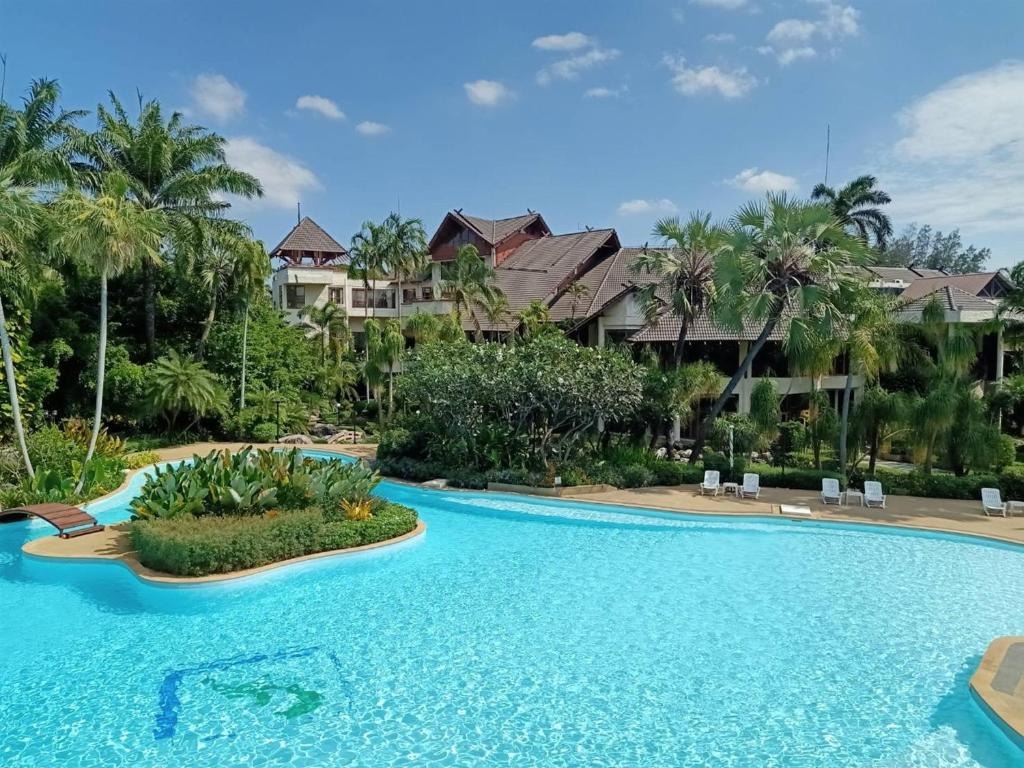
4-star resort in Kanchanaburi, steps from the Bridge over the River Kwai, featuring a pool, garden, and family configurations accommodating up to 6 guests.
Thailand-Burma Railway Centre
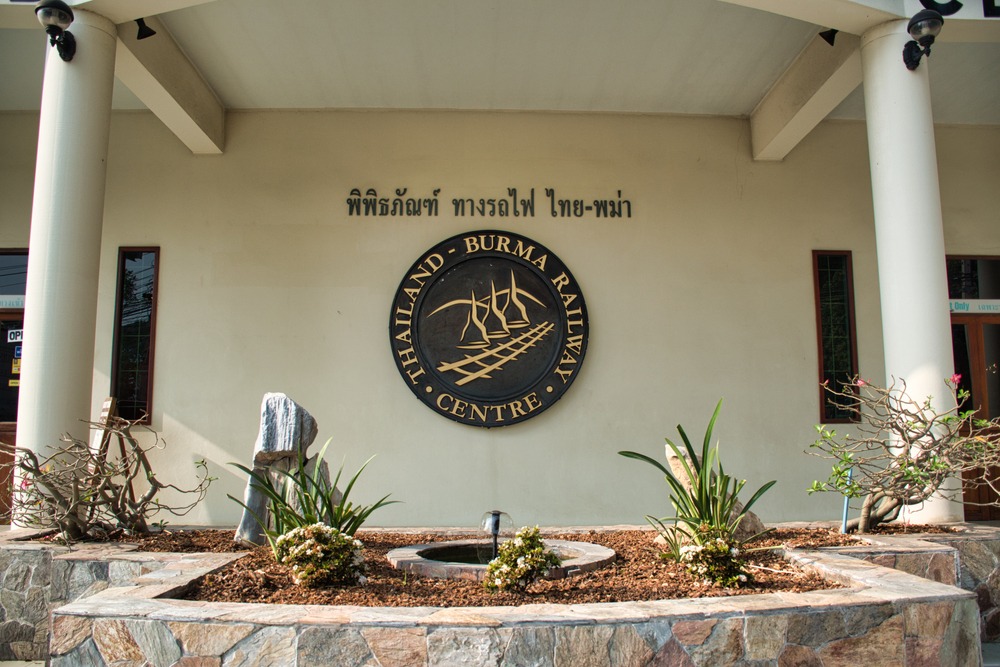
Private museum in Kanchanaburi dedicated to the Siam-Burma railway line and the "Death Railway" built during World War II.
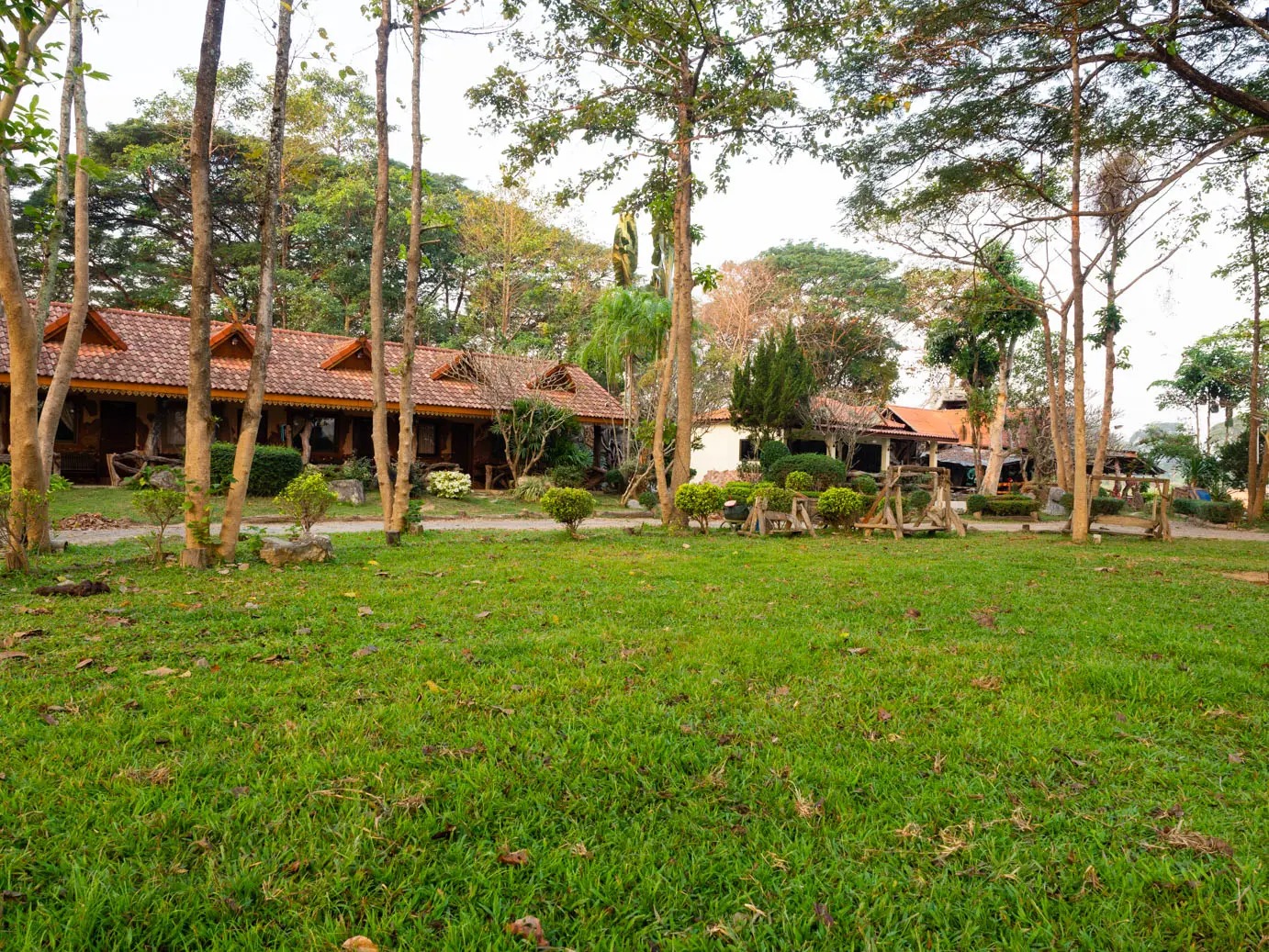
Baan Mama
Ethical sanctuary founded by Brigitte in 2018, Baan Mama welcomes four elephants on the banks of the Kwai River, 12 km from Kanchanaburi.
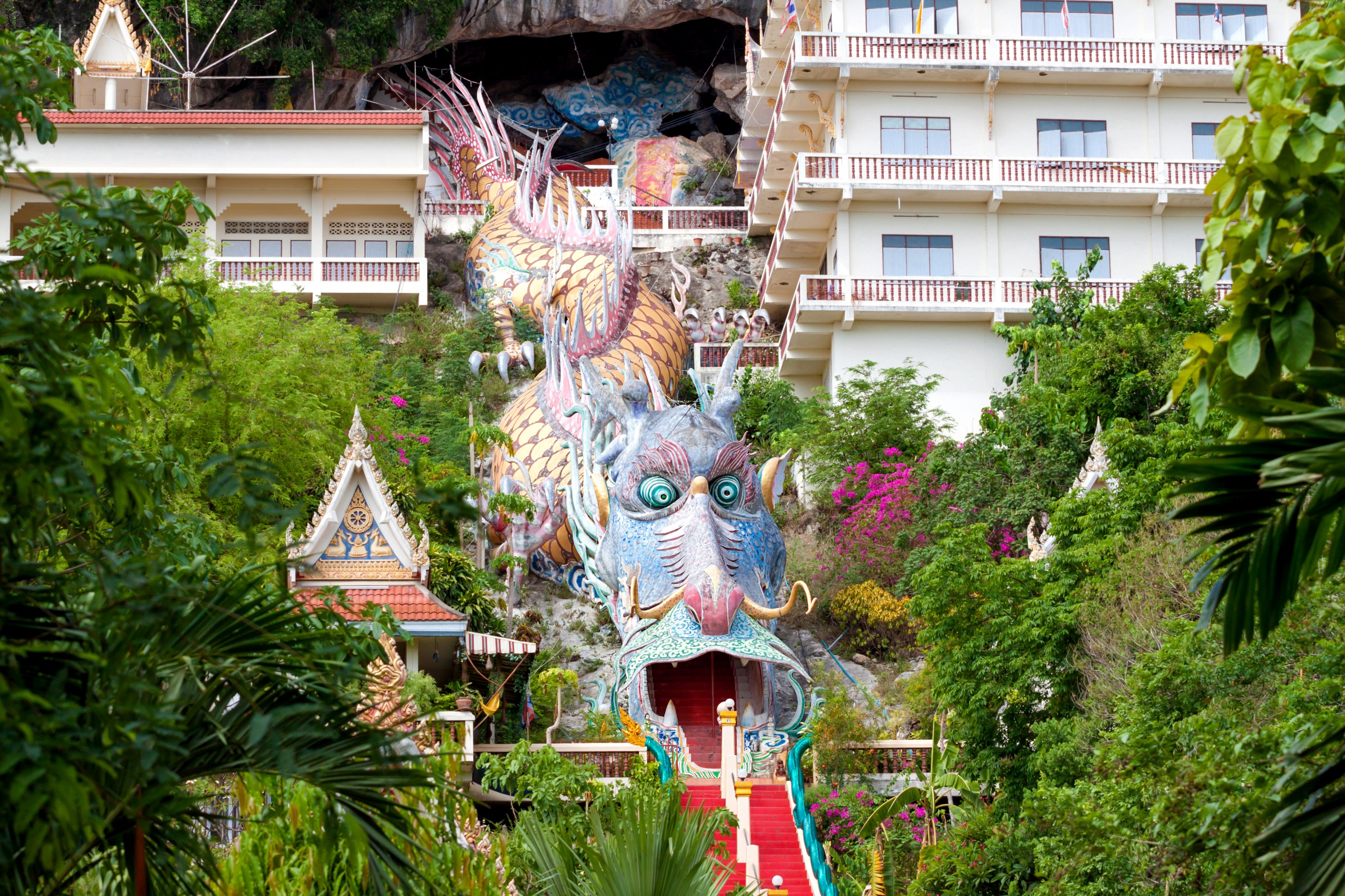
Wat Ban Tham
Wat Ban Tham, or Dragon Temple, near Kanchanaburi: a naga-shaped staircase, fertility sanctuary cave and golden stupa at the summit of 700 steps.
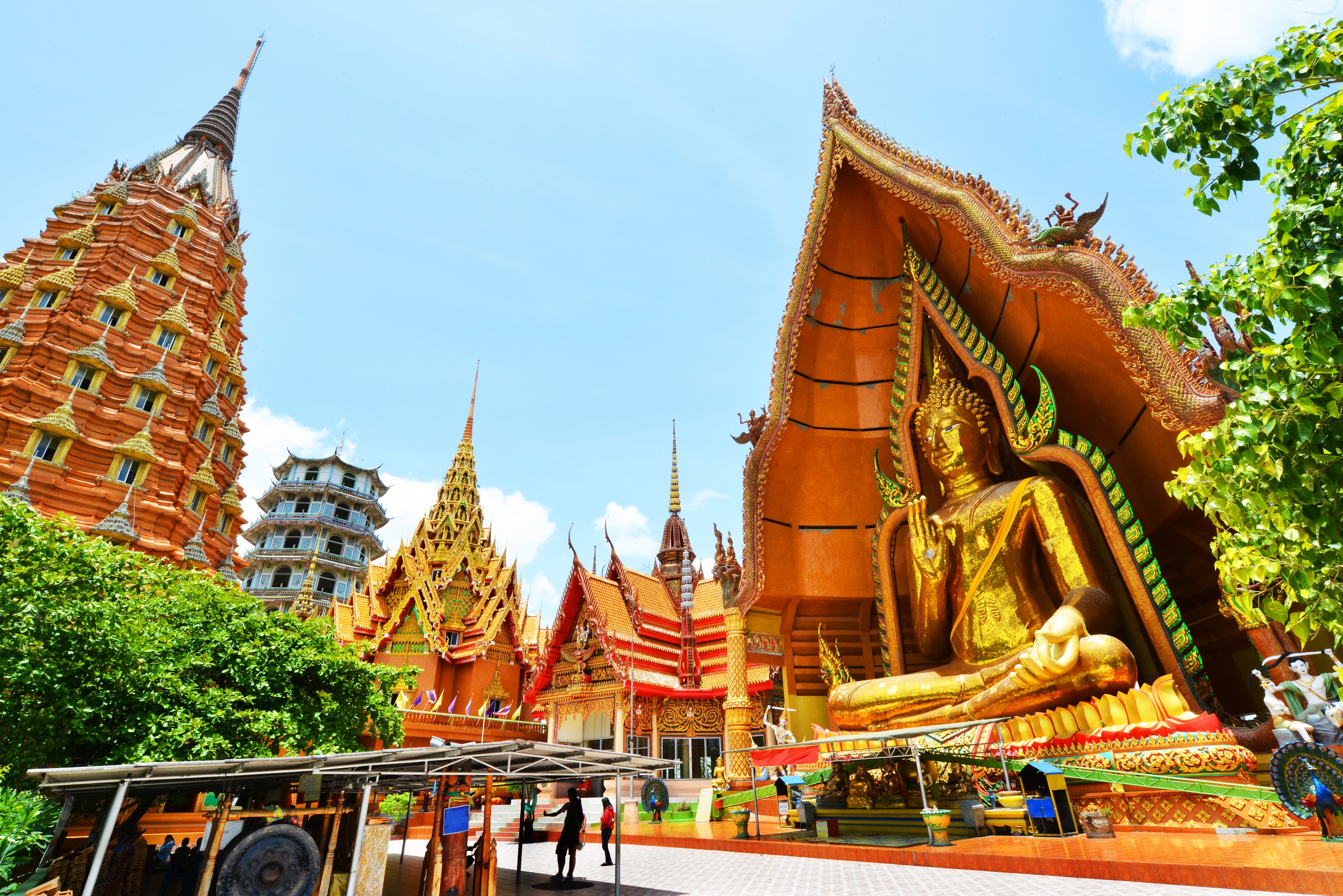
Chin Phrathanporn
A gilded 18-meter Buddha statue overlooking Wat Tham Sua near Kanchanaburi, Chin Phrathanporn blends Buddhist pilgrimage with sweeping valley views.
Interested in this visit?
We can include it in your personalised itinerary.