Koh Tao
Koh Tao
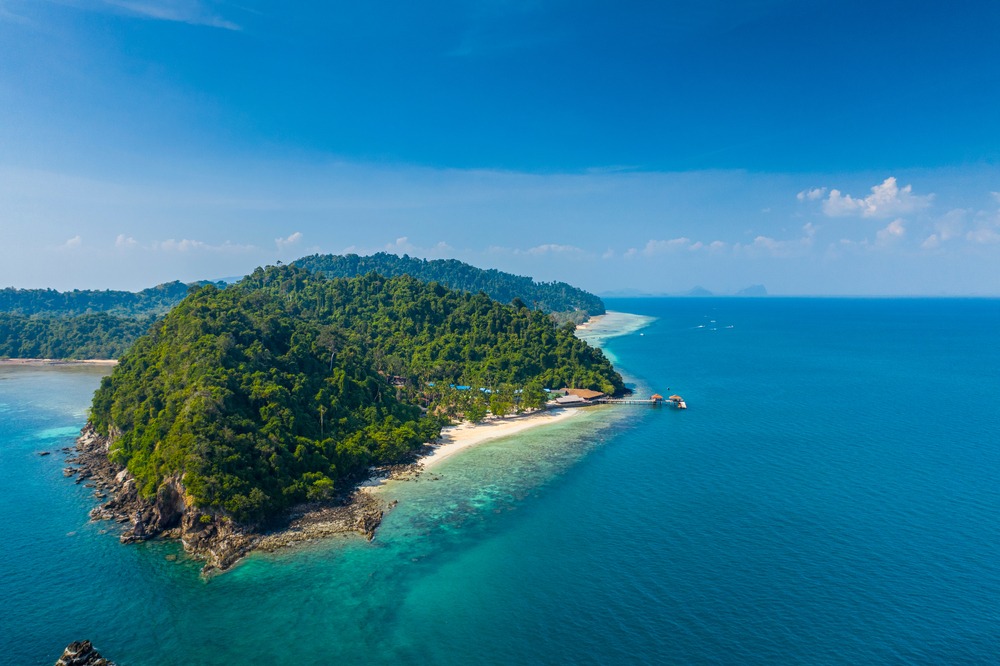
World capital of recreational diving, Koh Tao concentrates on 21 km² tropical jungle, coral bays and the iconic Nang Yuan islet.
Lost in the Gulf of Thailand, between Surat Thani and Chumphon, Koh Tao — the island of turtles — concentrates on 21 km² tropical jungle, coral bays and one of Southeast Asia's best diving spots. More discreet than Koh Samui, wilder than Koh Phangan, it attracts beginner divers, snorkelers and travelers seeking tranquility. Sairee Beach for the buzz, Hin Wong for seclusion, Nang Yuan islet for postcard-perfect views: Koh Tao reveals itself slowly, fins in hand.
At a glance
- Area: 21 km²
- Population: around 2,000 permanent residents
- Location: Gulf of Thailand, 70 km northeast of Surat Thani
- Access: ferry from Chumphon (1h30), Koh Samui (1h45) or Surat Thani (3-4h)
- Best period: December to March (calm sea, optimal visibility)
- Specialty: PADI diving at some of the world's most affordable rates
- Ideal duration: 4 to 7 days
History of Koh Tao
Originally, Koh Tao was a no-man's land, excluding local fishermen who occasionally took shelter here during bad weather. It appears on old European navigators' maps under the name Pulo Bardia. The island would retain this name until the early 20th century. Later, Pulo Bardia became Koh Tao, which means "turtle island", due to the sea turtles that came ashore to nest.
The visit of King Rama V (1899)
While on the island, you may encounter a Thai bowing before a rock. Don't be surprised: this rock, located near Laem Jor Por Por, bears the initials of King Rama V, who landed on Koh Tao on June 18, 1899 and walked along the southern coast of Sairee Beach. To mark his visit, the sovereign carved his initials into the stone. The gesture of reverence pays homage to his memory.
Political exile land from 1933 to 1947
In the 20th century, a prison building called Mae Haad Bay was established on the island. It housed political exiles accused of plotting with Prince Borawadesh, who led the revolutionary movement of 1933. These prisoners were not released until 1947, after receiving royal pardon. The amnesty request was brought by Prime Minister Khuang Abhaiwongse.
The pioneer brothers (1947)
After the prisoners' departure, the island was briefly abandoned. That same year, 1947, twin brothers Khun Ueam and Khun Oh crossed the ocean in a traditional boat with a few provisions of rice and landed on Koh Tao. They cleared a portion of land for agricultural purposes and took shelter in the ruins of the old prison. Soon joined by their families, they laid the foundations of the local community, living off fish, shrimp, rice and coconut.
Opening to tourism in the 1980s
The first foreigners, surfers and divers seeking pristine spots, arrived in the 1980s. They discovered an island of near-surreal calm, welcomed by locals with simple hospitality. A few bamboo bungalows opened near Sairee. Word of mouth did the rest: within two decades, Koh Tao became one of the world's capitals of recreational diving.
Koh Tao today
Tourism now structures the local economy. Young islanders are abandoning export crops for handicrafts, small commerce, hospitality or diving schools. The coastline concentrates cafés, bars, restaurants, PADI centers and wellness institutes. Charming hotels blend Western comfort with traditional Thai architecture.
Yet the island has not lost its character. The interior remains covered in dense jungle, several bays on the east and north are accessible only by boat or steep trails, and diving remains the primary activity. Koh Tao's marine floors rank among the most abundant fish-filled waters on the planet, with a rare concentration of sites accessible to beginners.
Essential beaches and bays
Sairee Beach (west coast)
The island's longest beach stretches for 1.85 km facing the sunset. It is the beating heart of Koh Tao: sand bars, beachfront restaurants, aligned diving schools, tables reserved for the evening light show. Swimming is easy, the coral reef begins just meters from shore. With snorkel and mask, you observe white-collared butterflyfish, red-breasted wrasses and yellow-edged triggerfish.
Sai Nuan Beach (southwest)
A small white sandy cove bordered by turquoise waters, away from the port and bars. You come here to listen to the waves, watch the coming and going of boats and wait for clouds to turn purple at sunset. Snorkeling near the rocks reveals trevally, batfish, yellow butterflyfish, harlequin snappers and orange-spined unicornfish.
Koh Nang Yuan
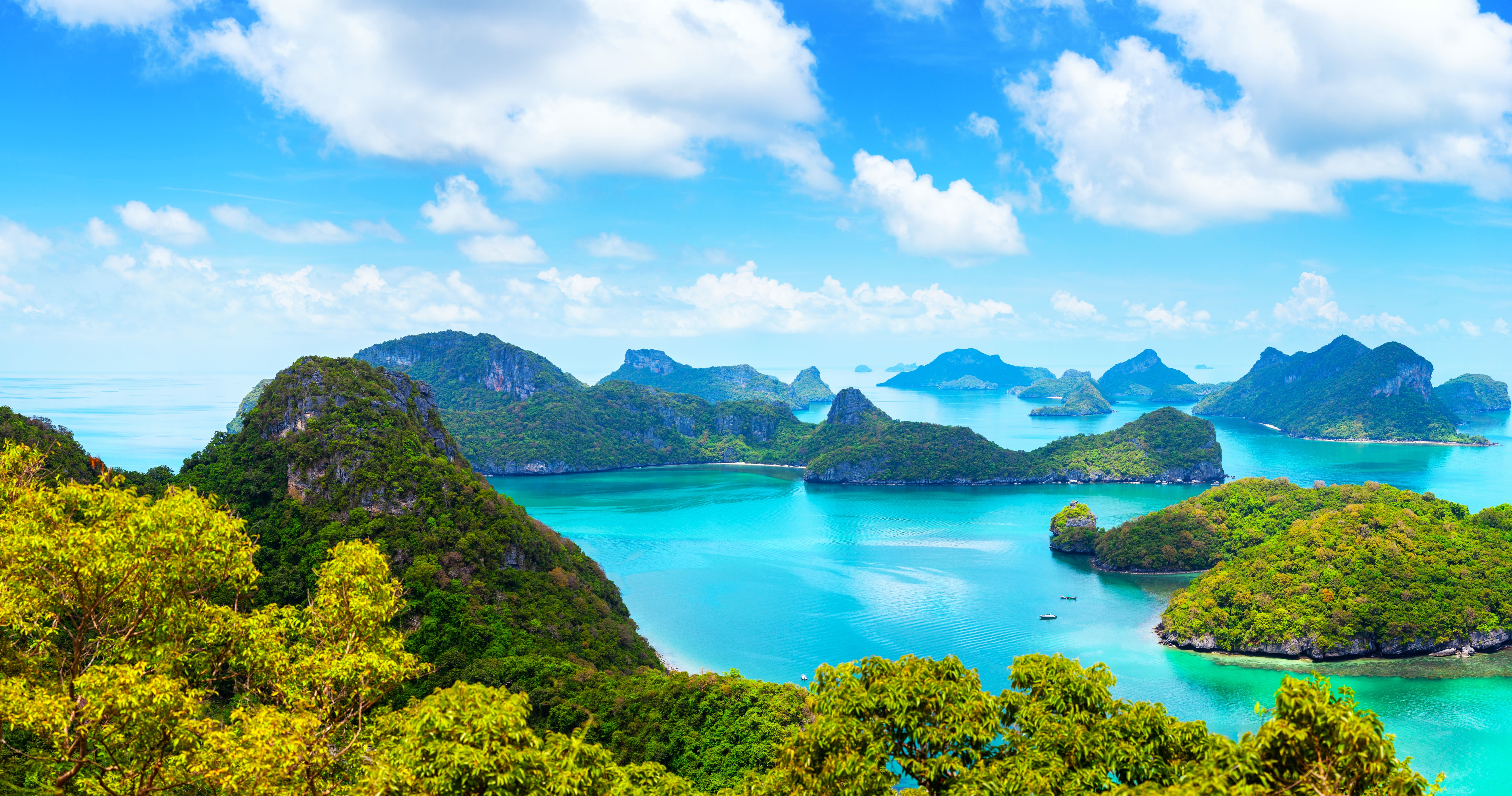
Koh Tao's emblematic image: three islets connected by a strip of white sand, 15 minutes by boat from Mae Haad. The viewpoint from the rocky summit is one of the most photographed in the Gulf of Thailand. Entry is paid (100 baht) and plastic bottles are banned. Best to arrive early morning to avoid day-trip crowds from Koh Samui.
Jamson Bay (southwest)
Private bay with paid entry (200 baht), but the detour is worth it for experienced snorkelers. Discreet beach, clear waters, sandy bottom: the spot is home to titan triggerfish, porcupinefish, blue-spotted eagle ray and yellow boxfish. Less crowded than northern bays, ideal for a quiet half day.
Hin Wong Bay (east)
The island's wildest bay, protected by a series of rocky cliffs that give it character. The access track is in poor condition: renting a kayak from Sairee or Mae Haad remains the best option. On the south side, excellent waters and shallow depth: you swim above schools of sardines before descending to coral heads.
Shark Bay and Mango Bay
Shark Bay, to the south, owes its name to the harmless blacktip reef sharks you encounter snorkeling near the rocks. Mango Bay, to the north, is a cove enclosed by hills, accessible by longtail taxi from Sairee. Crystal-clear waters, little beach: you come to fin above the reef.
John-Suwan Viewpoint
South of the island, a steep 15-minute trail leads to the summit of John-Suwan, overlooking the twin bays of Chalok Baan Kao and Thian Og. A 270° view of the jagged coastlines and turquoise waters. Do this late in the day, in closed-toe shoes: the rock is slippery.
Diving and snorkeling: Koh Tao's signature
Koh Tao is one of the world's sites where the most PADI certifications are issued each year. An Open Water certification (3-4 days) costs around 9,800 to 11,000 baht, approximately 250 to 300 €, among the best value-for-money on the planet. Schools concentrate on Sairee Beach and Mae Haad: Big Blue, Crystal, Roctopus are among the most established.
About thirty dive sites surround the island. Chumphon Pinnacle (11 km northwest) is renowned for its barracuda schools and the seasonal appearance of the whale shark, observable mainly between March and May. Sail Rock, halfway between Koh Tao and Koh Phangan, houses a vertical chimney diveable to 18 m. Snorkelers concentrate on Nang Yuan, Shark Bay and Aow Leuk.
Climate and best period
Koh Tao can be visited year-round, but each season has its specificities.
- December to March: high season. Calm sea, underwater visibility of 20 to 30 meters, temperatures between 26 and 30 °C. Ideal period for diving and snorkeling.
- April to June: hot season. Temperatures reaching 33-35 °C, flat sea, possibility of spotting whale sharks. Moderate crowds.
- July to September: intermediate season. Occasional showers, sea generally practicable, softer accommodation rates.
- October to November: northeast monsoon. Frequent rains, rough sea, some ferry services cancelled. To avoid unless seeking a deserted island.
How to get to Koh Tao
The island has no airport. Access is exclusively by ferry from four main embarkation points.
From Bangkok
Domestic flight to Chumphon (1h15) then Lomprayah speedboat (1h30, approximately 600 baht). Budget alternative: overnight train Bangkok-Chumphon (8-9h) then ferry. Combined bus + ferry packages from Khao San Road available from 900 baht, but expect 12 hours of travel.
From Koh Samui or Koh Phangan
Daily services by Lomprayah and Seatran Discovery. Count 1h45 from Koh Samui (Maenam or Nathon), 1h from Koh Phangan (Thong Sala). Average fare: 600 to 700 baht. Booking recommended in high season.
From Surat Thani
Night or day ferries from Donsak or central Surat Thani. Journey 3 to 4 hours for 70 km. The cheapest but longest solution. Practical if you arrive by overnight train from Bangkok.
Getting around the island
The scooter is the most common means (200-300 baht/day) — check the machine's condition and photograph it before renting, disputes are frequent. Longtail boats serve bays inaccessible by road from Sairee and Mae Haad. Songthaews (shared pickup trucks) run between main villages for 100-200 baht per trip.
Where to stay on Koh Tao
The offer covers all budgets, concentrated mainly on Sairee Beach, Mae Haad and Chalok Baan Kao.
- Guesthouses and simple bungalows (15-30 €): fan, shared or basic private bathroom, often integrated into diving schools offering accommodation to students in Open Water training. Ideal for backpackers and divers in certification courses.
- Boutique hotels (60-120 €): air-conditioned rooms, pool, sea view or garden, on-site restaurant. At Sairee for atmosphere, at Sai Nuan or Tanote Bay for peace.
- Upscale lodges and resorts (150 €+): private villas with pools, direct cove access, spa, boat transfer service. Concentrated on the east coast and south around Jamson Bay.
Insider tips
- Choose your dive school on site rather than online: visit 2-3 centers, check the instructor-to-student ratio (4 max recommended), ask to see the boats.
- Book your return ferry in advance in high season, especially to reach Koh Samui in time for a flight.
- Bring cash: several ATMs on the island but high withdrawal fees (220 baht) and frequent breakdowns in season.
- Respect the reef: do not touch corals or wildlife, use reef-safe sunscreen (strictly banned at Nang Yuan).
- Avoid driving in flip-flops: roads on the east and south have steep slopes, scooter accidents are the leading cause of medical evacuation.
- Local meals: Mae Haad night markets serve dishes for 60-80 baht, two to three times cheaper than Sairee tourist restaurants.
Who is Koh Tao for?
- Beginner divers: PADI rates among the world's lowest, calm waters, English-speaking instructors available.
- Snorkelers: reefs accessible from the beach at Sairee, Sai Nuan, Aow Leuk and Nang Yuan.
- Couples seeking tranquility: east bays (Tanote, Hin Wong) and south (Sai Nuan, Chalok) away from the bustle.
- Island-hopping travelers: natural stop between Koh Phangan and Bangkok, or complement to Koh Samui.
- Backpackers: affordable accommodation, international atmosphere, nightlife at Sairee.
- Families: calm beaches (Sai Nuan, Chalok Baan Kao) suitable for children, but the island remains more diving-oriented than beach-focused.
Also discover
Koh Tao naturally integrates into a Gulf of Thailand itinerary. To the south, Koh Phangan offers its beaches and alternative scene; Koh Samui brings comfort and infrastructure; Surat Thani serves as a land gateway to the south.
If you extend to Bangkok or northern national parks, several Nomadays circuits include Koh Tao:
- Relaxation & immersion in Thailand (14 days, from 1490 €)
- Thailand's islands in summer (14 days, from 1190 €)
- Thailand by bike (14 days, from 2490 €)
Frequently asked questions
December to March: calm sea, underwater visibility of 20 to 30 meters and temperatures around 28 °C. Avoid October-November, monsoon season when some ferries are cancelled.
Flight Bangkok-Chumphon (1h15) then Lomprayah ferry (1h30). Budget alternative: overnight train to Chumphon then ferry. Combined bus + ferry packages from Khao San Road from 900 baht (12 hours of travel).
An Open Water certification (3-4 days) costs 9,800 to 11,000 baht, or 250 to 300 €. The fee generally includes basic accommodation during training. Subsequent levels (Advanced, Rescue) are at similar prices.
Yes. Calm beaches like Sai Nuan, Chalok Baan Kao or Tanote are suitable for children. Snorkeling from shore is accessible from age 6-7. The island remains more diving-oriented than classic beach leisure.
4 days minimum to complete an Open Water certification. 5 to 7 days to combine diving, snorkeling, hiking to John-Suwan and a Nang Yuan excursion. 2-3 days are enough for a beach stopover without diving.
Yes, mainly between March and May at Chumphon Pinnacle and Sail Rock sites. Sightings are random, but Koh Tao remains one of the Gulf of Thailand's best spots to encounter them.
Scooter (200-300 baht/day) to explore freely, longtail boat for isolated east bays, shared songthaew for trips between villages (100-200 baht). Watch out for steep slopes and rental condition.
No. The nearest airport is Chumphon (flight from Bangkok), followed by a 1h30 ferry. Koh Samui also has an international airport, 1h45 by ferry.
Planning your trip to Koh Tao
Our local expert from Nomadays Thailand agency helps you integrate Koh Tao into your bespoke itinerary: combined Gulf islands, diving stopover, or full Bangkok-South circuit. Discover the agency.
Accommodation in Koh Tao
See all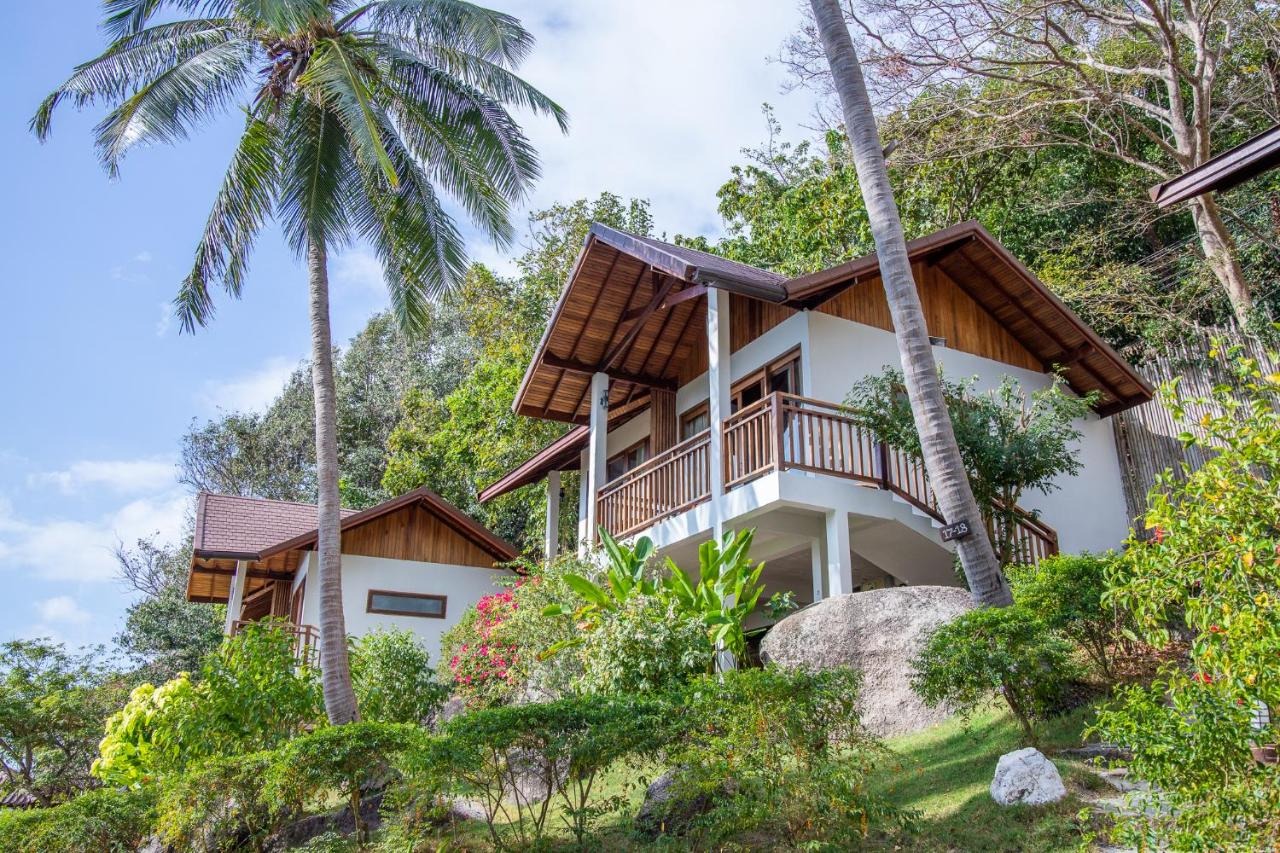
Coral view resort
Hôtel 3 étoiles avec plage privée à Sai Daeng, extrême sud de Koh Tao. Centre de plongée intégré, cinq formats de logement et accès direct au lagon.
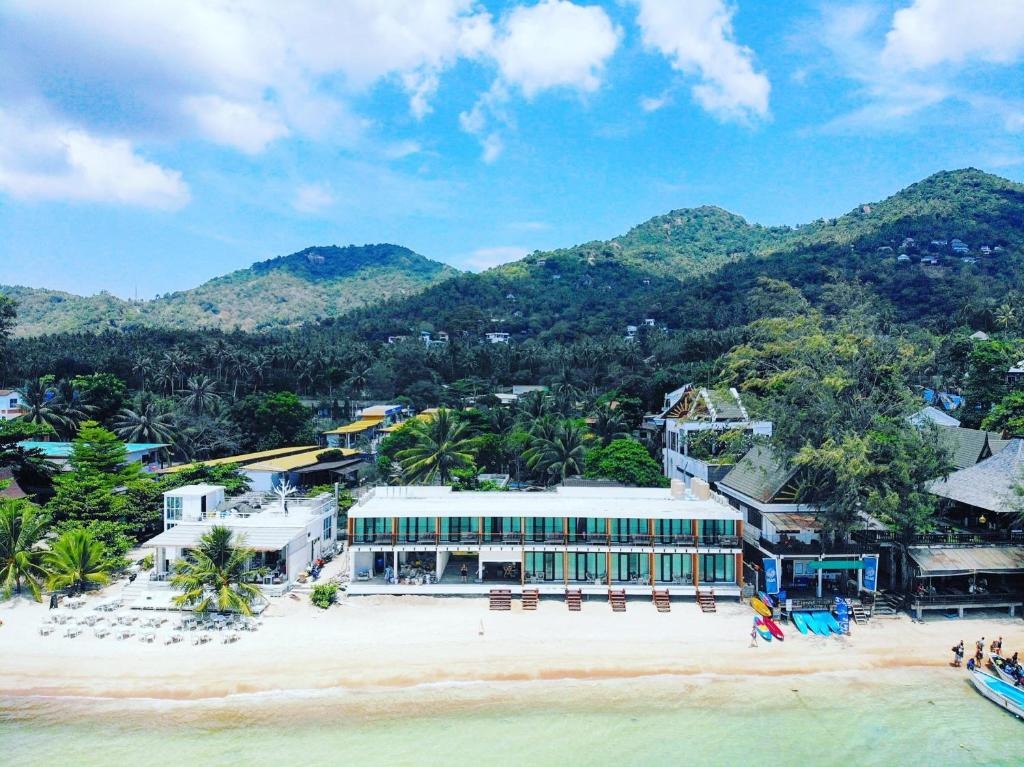
Blue Tao Beach Hotel
Hôtel 3 étoiles directement sur la plage de Sairee à Koh Tao, entre accès mer, rue piétonne animée et activités tournées vers le Golfe de Thaïlande.
Want to discover this destination?
Our local advisors design your tailor-made trip.