Loei
Loei
In the far northeast of Thailand, Loei reveals its misty mountains, wild national parks and the Phi Ta Kon festival. Complete guide.
Blessed with fertile valleys, typical Buddhist temples and a wealth of natural parks, Loei is a mountain and wilderness destination, just as 21st-century travelers love them.
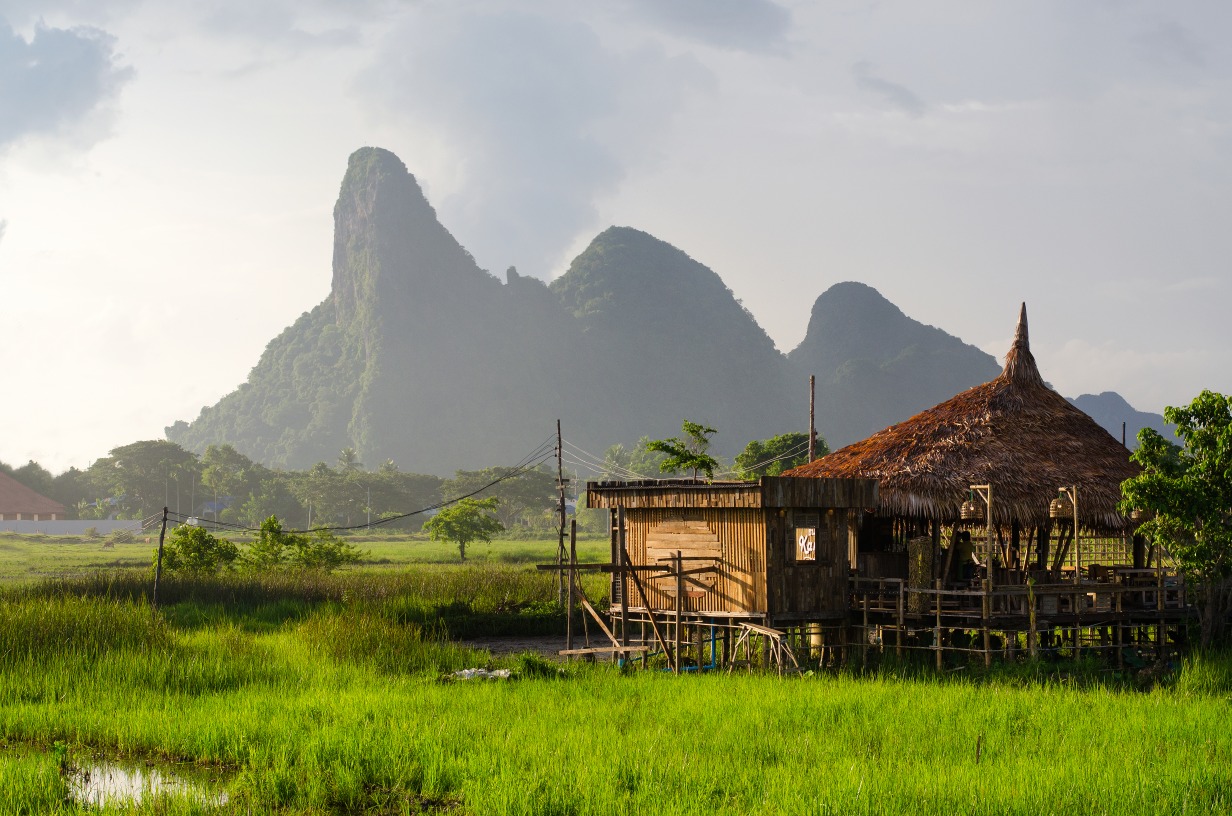
The capital of the province of the same name, the city of Loei remains something of a hidden gem in Thailand's tourism industry. The remoteness (8 hours' drive from Bangkok) is discouraging, but it's also true that downtown attractions aren't particularly compelling. The region's real splendor reveals itself in the surroundings. The grand setting formed by the Mekong, the Petchabun mountain range, the mist-shrouded peaks of Phu Rua and Phu Kradueng, and the density of rainforests is a powerful testament to its calling for ecotourism. To delight and impress visitors, Loei also plays the cultural card. The Phi Ta Kon festival draws large crowds around July. Don't miss this spectacular attraction, with its parades of ghost masks and colorful traditional robes.
Echoes of the Past
Loei's history begins long before 1907, when the province was officially created by royal decree of Rama V. The site maintained political relations with the Ayutthaya empire and the Lao kingdom of Lan Xang. The province's seal preserves this memory, displaying a white stupa completed in 1560 – the Phra That Si Song Rak – which was financed jointly by both kingdoms. In fact, Loei was once a dependency of Lan Xang. Later, the Lao kingdom was weakened by famine and epidemics, prompting residents to ally with Ayutthaya. In 1853, King Mongkut annexed the colony and launched ambitious infrastructure projects. His son Chulalongkorn continued his work. Loei's cultural center offers striking insights into the city's historical, religious and cultural aspects.
Modern-Day Loei
At the far northeast tip of Thailand, the city of Loei remains relatively unvisited by foreigners due to its remoteness. The road distance is 550 km from Bangkok and 190 km from Ubon Thani. Society is essentially rural; high-value crops (banana, sesame, cotton, passion fruit…) provide supplementary income alongside rice cultivation, which remains a strategic commodity. Gold mining is a significant source of employment.
Local tourists hail Loei as a promising tourism destination. The extraordinary beauty of the natural environment, with temples, limestone caves, waterfalls and steep, rugged cliffs, justifies these ambitions.
What to See and Do in Loei
Ecotourism is the leading activity in Loei. Pure mountain air, jungle trekking and cultural entertainment will help you unwind. Loei radiates an incomparable sweetness of life, far from the oppressive atmosphere of metropolises.
Must-See Tourist Sites
If you've set aside a day to explore the city, three sites are essential.
Phu Ruea National Park
Just 48 km from downtown, Phu Ruea National Park is a paradise for nature lovers, waterfall enthusiasts and serious climbers. Numerous hiking trails lead to viewpoints where you can admire the mountains and verdant pine forests. If hiking isn't your style, a drivable road winds through the ridge. You'll need to walk the final kilometer to the park's highest point. Camp overnight on the mountain and prepare yourself for an unforgettable sunrise.
Phu Kradueng National Park
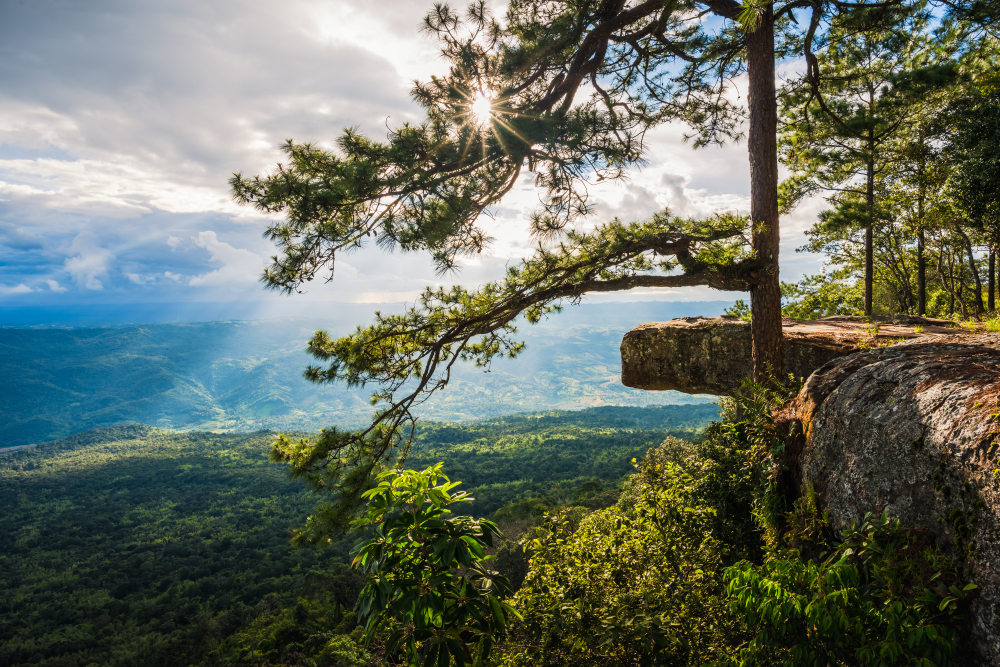
The hike up Phu Kradueng is more physically demanding than at Phu Ruea park. Since there's no road access, you'll need to use your legs to conquer the steep slopes and enjoy the incredible views at the summit (1,316 m). During the depths of winter, many Thai visitors enjoy trekking these peaks to breathe in pure air and observe fields of wildflowers. Camping or accommodation in traditional huts are available.
Loei Castle
Visiting a vineyard in a tropical country is like hoping to find the moon in a bucket of water. Enter Loei Castle, a private wine estate that Chaijudh Karnasuta, the owner, has opened to visitors. The fact that Loei shares a climate affinity with southern France favors grape cultivation. After touring the property, dine at the farm restaurant. Wine enthusiasts will savor excellent vintages – Chenin Blanc and Syrah red – while others will taste authentic Isan flavors. The castle is 58 km west of downtown, roughly ten kilometers past Phu Ruea Forest Park.
Don't leave town without visiting the night bazaar that lines the riverside, near Kut Pong Park. An excuse to blend in with the crowd and soak up the dynamic, colorful atmosphere! Street food will delight your palate. Most menus are in Thai script, but you can order by pointing to your choice.
The Ghost Festival or Phi Ta Kon
Not to be missed for anything, the Phi Ta Kon festival is Loei's best attraction. It takes place in July or August. The entire city is filled with joy during the three days of the festival. Villagers don ghost masks and display oversized phalluses as symbols of fertility. The celebration commemorates an episode from Buddha's life, when he returned to his native city after decades of exile.
Practical Information
When to Visit?
Like other cities in Thailand's northeast, Loei is a prime winter destination. Most visitors arrive between November and February. Planning a summer getaway is also an excellent idea. The vegetation displays its full greenery, waterfalls are more powerful, and culture enthusiasts will have the opportunity to attend the Phi Ta Kon festival.
How to Get There?
Buses from Transport Co. Ltd operate service between Bangkok and Loei. There are numerous departures daily from Mo Chit bus terminal. If you think the 10-hour journey is too long, you can reach Loei by air from the Thai capital. Loei Airport is just 5.6 km from downtown. You'll have no trouble finding cheap flights with Nok Air and Air Asia.
Getting Around
The vast majority of tourist sites, such as temples, waterfalls and national parks, are far from the city center. Transportation is essential. You can rent a motorcycle, take the public bus or hop on a songthaew.
You'll Love…
- Climbing to the summit of Phu Ruea;
- Discovering the rich biodiversity of Phu Kradueng;
- Savoring excellent local specialties;
- Joining the Phi Ta Kon festival.
Photos
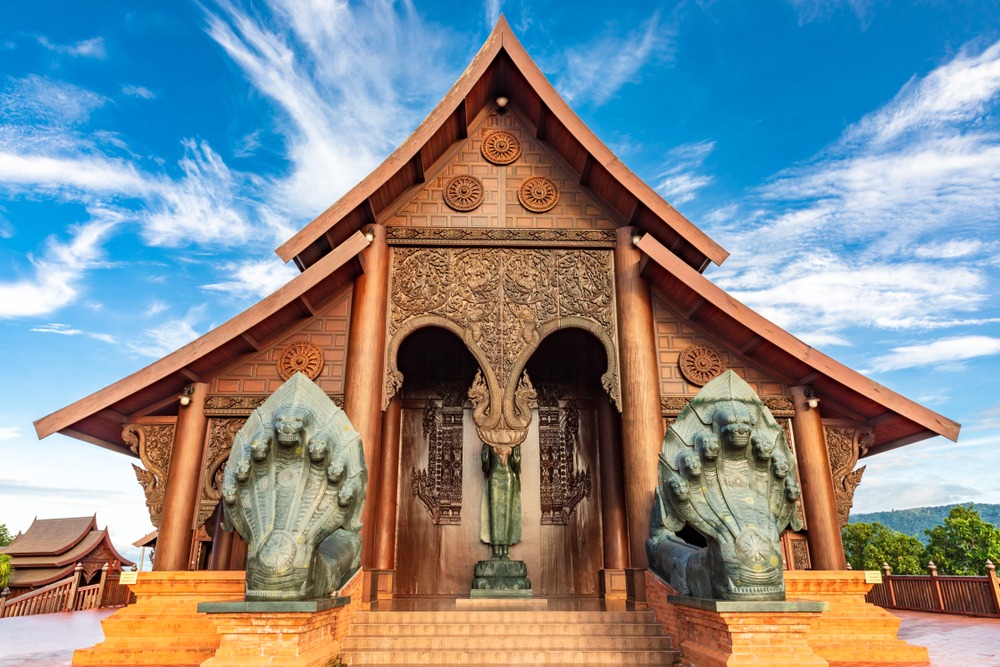
Attractions in Loei
Parc national de Phu Kradueng
Plateau basaltique à 1 316 m d'altitude dans la province de Loei, Phu Kradueng réunit forêts de pins, prairies fleuries et falaises panoramiques. Une randonnée de 9 km mène au sommet.
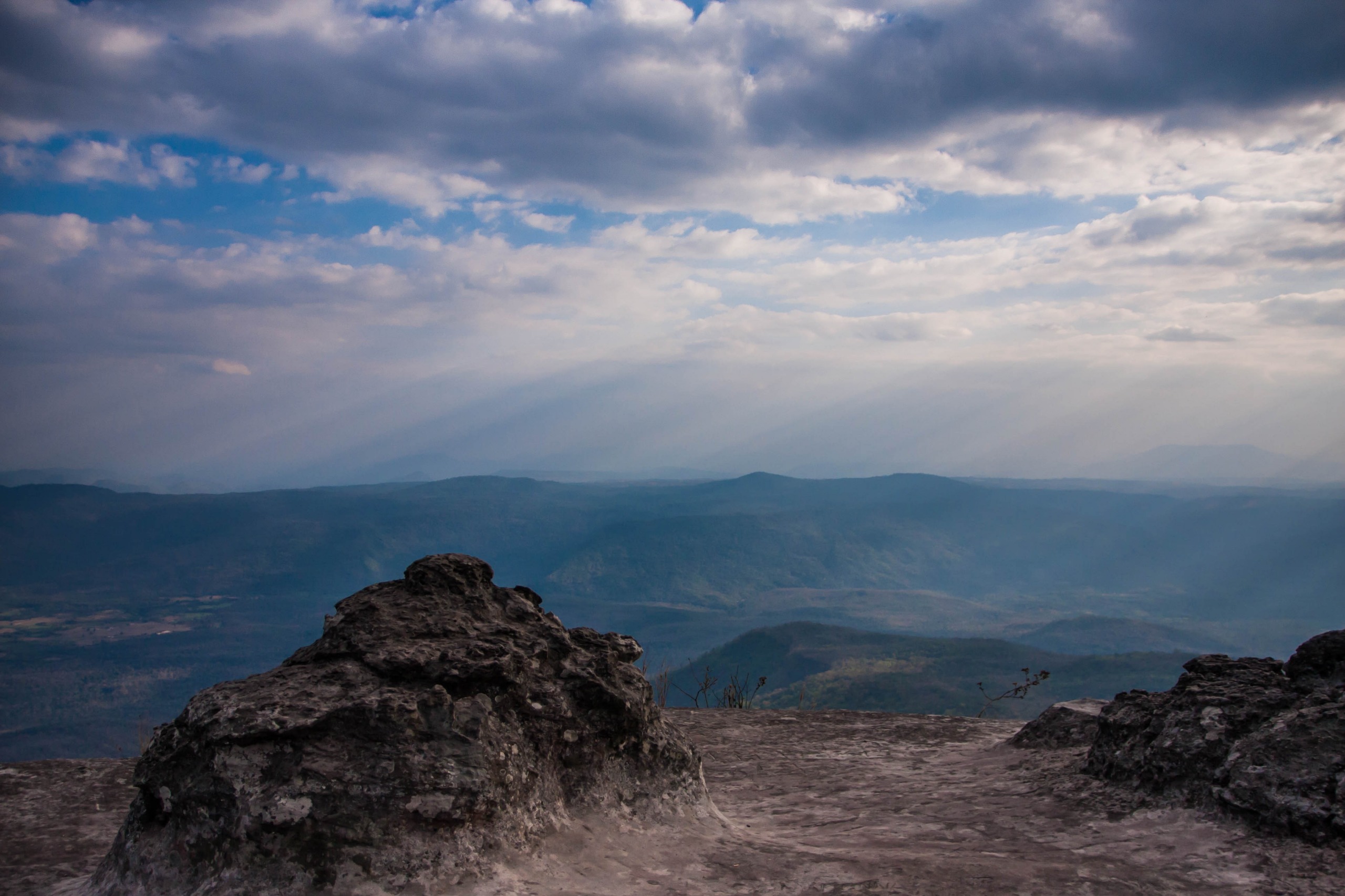
Phu Ruea
Montagne, parc national et district de la province de Loei, Phu Ruea offre un climat frais, des sentiers d'altitude et des temples à l'écart des circuits classiques.
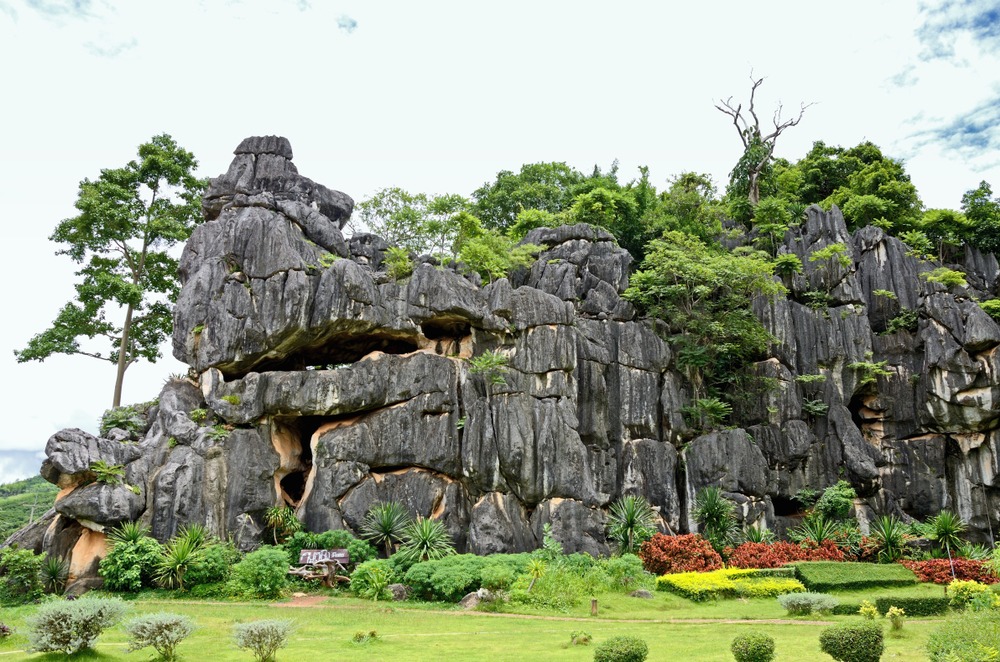
Parc national de Phu Kradung
Plateau montagneux à plus de 1 300 m d'altitude, Phu Kradung se rejoint uniquement à pied. Forêts de pins, prairies, cascades et panoramas sur l'Isan en font l'une des grandes randonnées de Thaïlande.
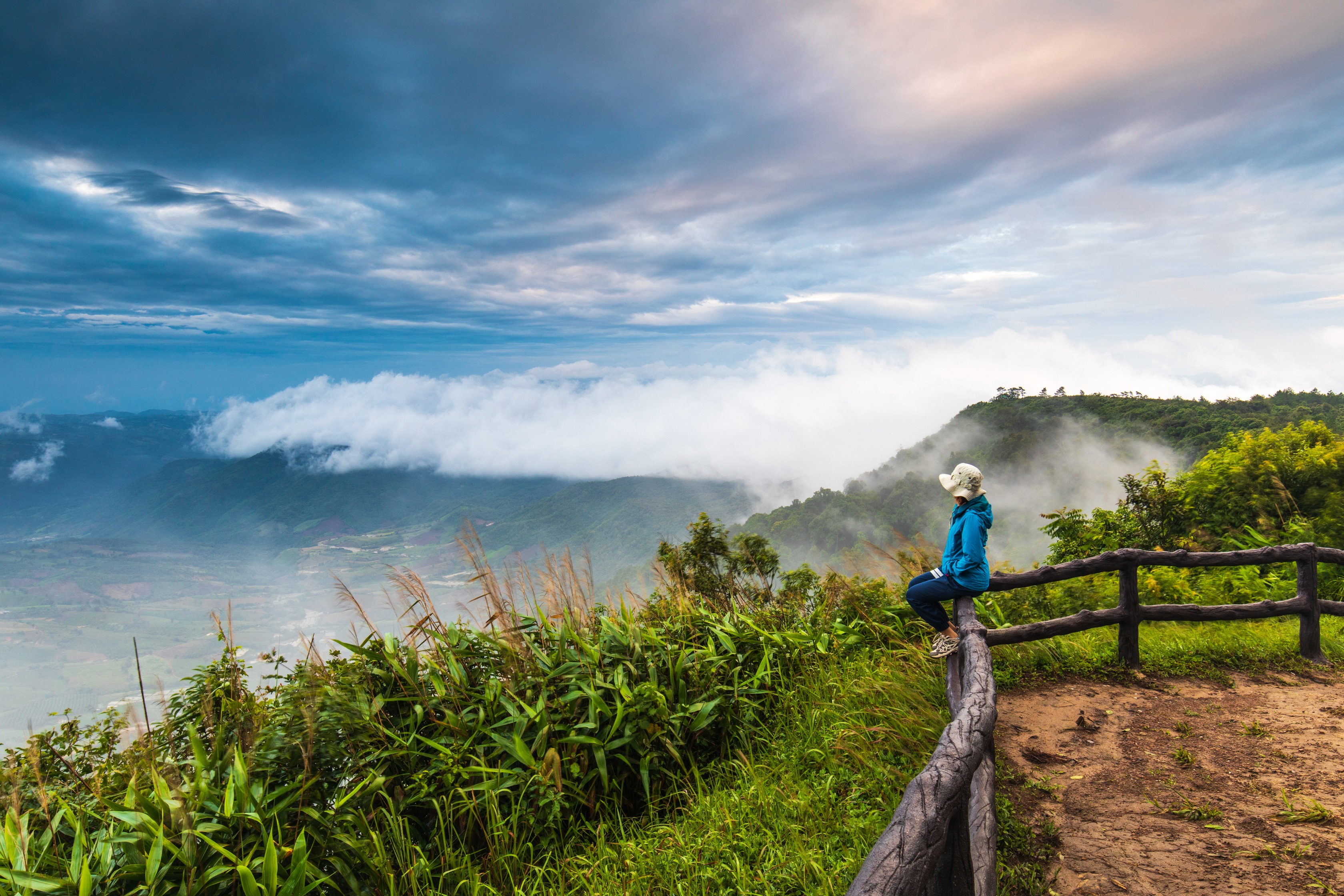
Suan Hin Pha Ngam
Surnommé le « Kunming de Thaïlande », Suan Hin Pha Ngam dévoile un labyrinthe de pics calcaires dans la province de Loei, en Isan.
Parc national de Phu Ruea
Massif culminant à 1 365 m dans la province de Loei, le parc national de Phu Ruea offre vues sur le Mékong, cascades et l'un des climats les plus frais de Thaïlande.
Want to discover this destination?
Our local advisors design your tailor-made trip.