Baan Sao Nak House
Baan Sao Nak House
6 Rat Wattana, Tambon Wiang Nuea, Amphoe Mueang Lampang, Chang Wat Lampang 52000, Thaïlande
A teak residence from 1895 in Lampang, Baan Sao Nak merges Burmese and Lanna styles and houses a private collection of antiques and period furniture.
Baan Sao Nak is a teak house from the late 19th century converted into a private museum, located on Rat Wattana Road in Lampang. It stands out for its blend of Burmese and Lanna architectural influences, and for a collection of objects and period furniture that bear witness to the daily life of a merchant family from northern Thailand.
Why visit Baan Sao Nak
This house represents one of the few remaining intact testimonies to the golden age of the teak trade in Lampang at the end of the 19th century. Three elements make it worthwhile for understanding the region:
- A hybrid Burmese-Lanna architecture that is evident to the naked eye, from the veranda to the timber frame.
- A private collection of antiques, silverware and ceramics preserved by descendants of the founding family.
- An intimate, shaded setting away from Chiang Mai's tourist circuits, which complements a visit to Lampang's temples well.
Allow approximately one hour on-site to tour the house and its garden.
History of Baan Sao Nak
The house was built in 1895 by Mong U San Ogn, a Burmese merchant who came to prosper in the teak trade in Lampang. At that time, the province attracted many Burmese entrepreneurs, whose imprint remains visible in several religious and civic buildings throughout the city.
The wooden pillars supporting the entire structure were reinforced in 1960, allowing the residence to endure through the 20th century. In the 1980s, the house still regularly served as a venue for family receptions and auspicious ceremonies, before gradually opening to the public as a private museum.
What to see inside
The architecture
The building combines two traditions of the north:
- Burmese influence: the veranda and certain decorative elements follow the codes of wooden architecture from neighbouring Myanmar.
- Lanna influence: the timber frame, roof pitch and overall stilt-based structure belong to the architectural repertoire of northern Thailand.
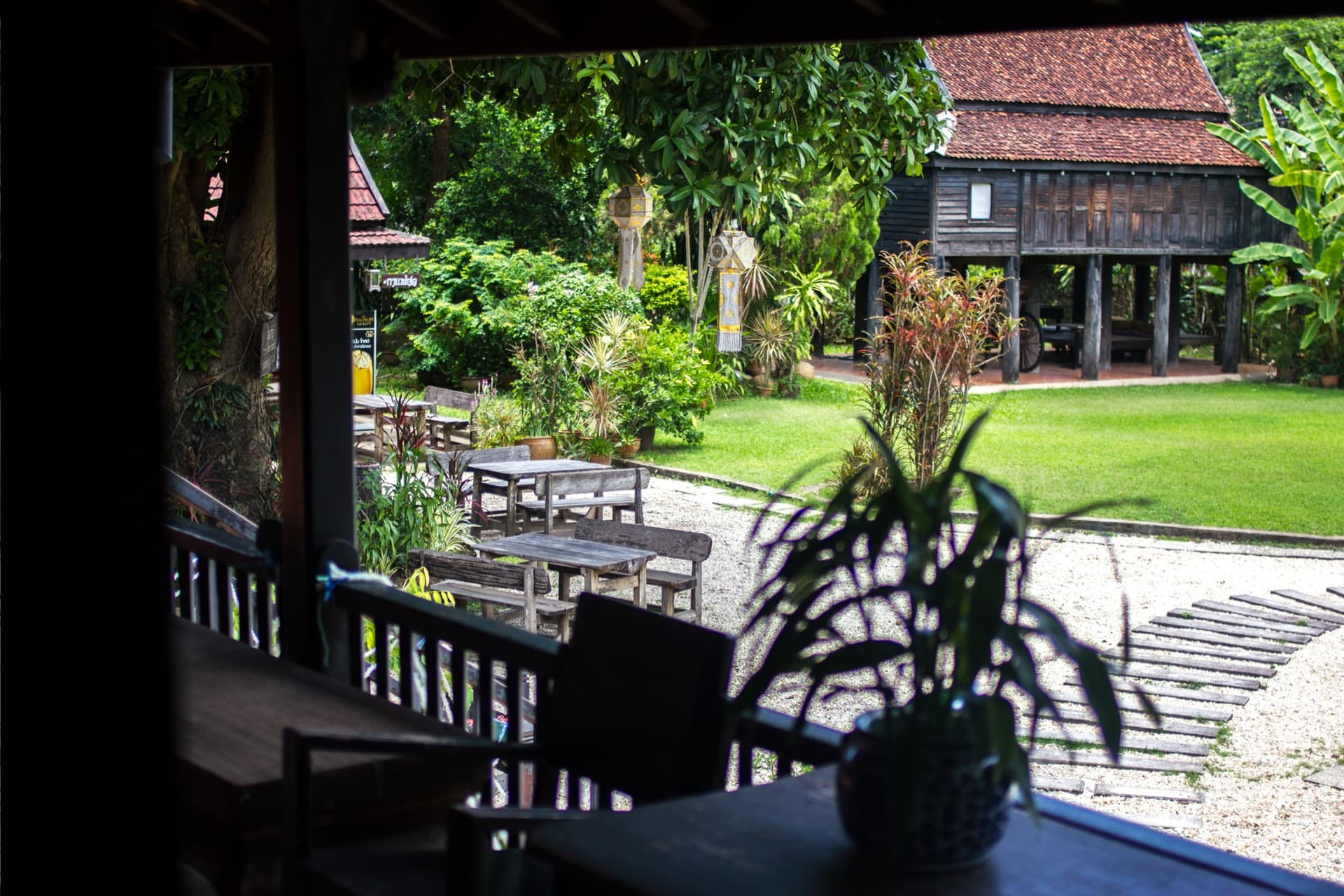
The entire structure rests on numerous teak pillars, the material that made Lampang's fortune.
The collections
The interior houses several hundred pieces that belonged to the family:
- Antiques and period objects from daily life
- Woven crafts from the north
- Silverware and ceramics
- Period furniture in carved wood
- Family photographs tracing the lives of successive owners
The garden and the Saraphi tree
In front of the house stands an imposing Saraphi tree (Mammea siamensis), a fragrant species typical of northern Thailand, over a century old. It provides welcome shade and typically marks the starting point of the visit.
Practical information
The house is open daily during daylight hours. Entrance is paid at a modest rate, with a distinction between local and foreign visitor rates. A beverage is typically offered with admission. Remember to remove your shoes before entering, as in most traditional Thai buildings.
How to get there
Baan Sao Nak is located in the historic quarter of Lampang, on Rat Wattana Road, near the Wang River. From downtown, allow about ten minutes by songthaew (red shared taxi), tuk-tuk or bicycle. The neighbourhood is pleasant for walking: the house can easily be combined with visits to nearby temples.
What to see around Baan Sao Nak
The visit pairs easily with other sites in the region:
- Wat Phra Kaeo Don Tao, a former royal temple that once housed the Emerald Buddha.
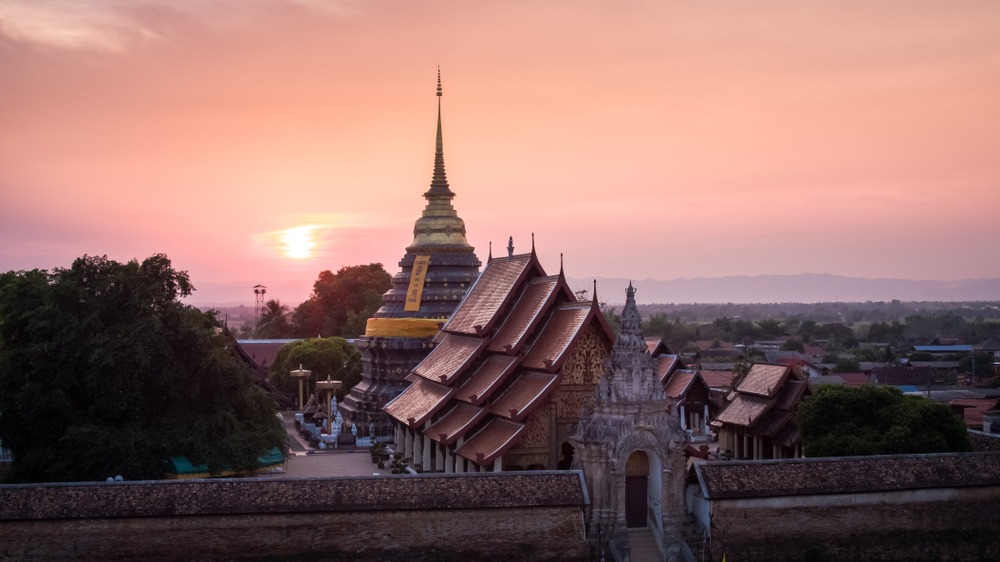
- Wat Phra That Lampang Luang, one of the finest examples of Lanna architecture in the region.
- Chae Son National Park and its hot springs, east of Lampang.
- Lampang, a city to explore on foot or by horse-drawn carriage for its wooden heritage.
Frequently asked questions
Frequently asked questions
The house combines two traditions: the veranda and certain decorative elements draw inspiration from Burmese architecture, while the timber frame, roof and overall structure belong to the Lanna style of northern Thailand.
Antiques, woven crafts, silverware, ceramics, period furniture and objects from daily life, as well as a large century-old Saraphi tree in the garden.
Allow approximately one hour to tour the house, its collections and garden. The visit can easily flow into a tour of the temples in the historic centre.
Baan Sao Nak was built in 1895 by Mong U San Ogn, a Burmese teak merchant established in Lampang. It is now classified as a private museum.
Extend your visit
Lampang is a quiet and heritage-rich stop in northern Thailand, still little visited by international travellers. To integrate Baan Sao Nak into a broader itinerary across the country, consult our Thailand travel suggestions.
Photos
Interested in this visit?
We can include it in your personalised itinerary.