Khao Pu
Khao Pu
60 หมู่ที่ 9 Tambon Khao Pu, Amphoe Si Banphot, Chang Wat Phatthalung 93190, Thaïlande
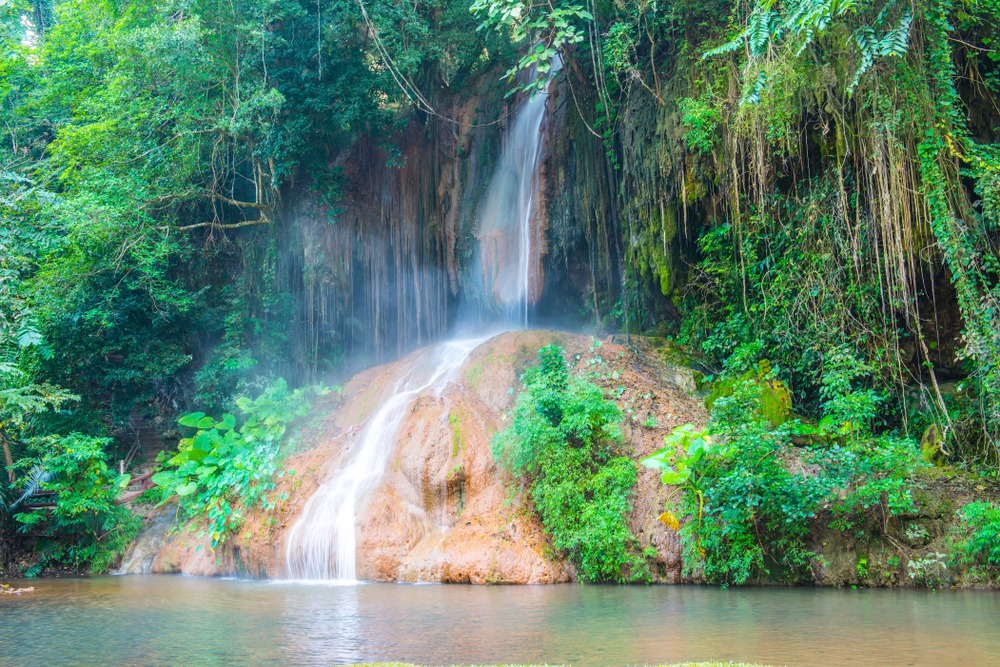
Khao Pu - Khao Ya National Park spans 649 km² of tropical forest between Phatthalung, Trang and Nakhon Si Thammarat, amid waterfalls, caves and panoramic vistas.
The Khao Pu - Khao Ya National Park covers 649 km² in the mountainous foothills of Banthat, straddling the provinces of Phatthalung, Trang and Nakhon Si Thammarat. Evergreen tropical forests, limestone caves, tiered waterfalls and panoramic viewpoints comprise a hiking terrain that remains relatively undiscovered in Thailand's south.
Why visit Khao Pu - Khao Ya
The park combines three complementary draws. From a natural standpoint, it shelters dense tropical forest where official inventories record 60 mammal species, 67 reptile species and 125 bird species. Culturally, the sacred mountain Khao Pu is the focus of living veneration, linked to the musical deity Ta Pu. Scenically, trails lead to tiered waterfalls and a viewpoint overlooking the mountain range.
The park remains understated compared to the country's major ecotourism destinations, making it an ideal stop for hikers seeking to step beyond the well-trodden circuits of the south.
History and cultural dimension
The park was inaugurated on May 27, 1982. Locally, it is called Bha Brommajan, which means "virgin forest." This name reflects the long-standing relationship of neighboring communities with this forested massif, long considered a place inhabited by spirits.
The mountain Khao Pu is believed to be the residence of Ta Pu, a musical deity venerated by local residents. Each year, the Wan Wang festival ("free day") lasts three days: villagers suspend their activities, sing, dance and present offerings—food, candles, incense sticks—to the spirits of the mountain.
The stakes are also economic. A river crosses the park's center and marks the natural border between Phatthalung and Trang. It feeds rice cultivation in the districts of La Mai, Mai Siab and Cha-Uat. Rural families also draw resources from the forest: timber species such as Hopea odorata and Semecarpus curtisii King used for construction, wild honey and seasonal fruits.
Fauna and points of interest
Biodiversity
The jungle is home to palm civets, yellow-throated martens and tapirs. Among reptiles, you'll encounter the spitting cobra, curved-toe gecko, rugose-necked monitor and the flying dragon, an arboreal lizard capable of gliding from tree to tree thanks to skin flaps. Raptors (eagles, falcons) and hornbills (bucerotidae) are present in the canopy, while bulbuls and kingfishers can be spotted along the river.
Wildlife remains elusive: the park lends itself more to trekking than intensive wildlife observation.
Matcha Cave
Located less than 2 km from the park entrance, it divides into three chambers adorned with stalactites and stalagmites. Ten Buddha statues are positioned within and an interior pond harbors freshwater fish. The mineral environment and silence of the place make it a contemplative stop.
Pak Jam Waterfall
This cascade descends in seven successive tiers. It requires effort: plan for approximately one hour of hiking from the trailhead, which is not accessible by vehicle.
Nan-Prew Waterfall
Located on the Nakhon Si Thammarat side, it also features a succession of tiers. The pools formed at the base of each level allow for swimming, provided you accept cool water.
Pha Phung Viewpoint
300 meters from the park headquarters, this vantage point overlooks the Banthat range, the canopy and surrounding villages. In the dry season, the cliff becomes covered with wild bee hives.
Practical information
The park is open during daylight hours, from morning to late afternoon (indicative hours, to be confirmed on-site). The entrance fee is moderate for adults and applied at half price for children. Camping areas are available within the park, with tent rental at a modest price for two people.
Bring sturdy hiking shoes, plenty of water, insect repellent and quick-drying clothing. Trails to the waterfalls require decent fitness without being technically demanding.
When to visit
Southern Thailand is warmer and more humid than the central zone. Khao Pu - Khao Ya receives between 1,600 and 2,500 mm of rainfall per year. The most favorable period runs from January to March: rainfall takes a break, the sun remains bearable and evenings cool off. During the wet season, trails leading to waterfalls often become impassable.
How to get there
The simplest access is from Trang, connected to the park by rail. Several daily connections exist (frequency to be verified with Thai Railways), for a journey of approximately one hour at a modest fare. From the nearest station, a taxi or songthaew allows you to reach the park entrance. A rental car remains the most flexible option if you combine multiple sites in the region.
Nearby attractions
Southern Thailand lends itself well to an itinerary combining nature and culture. Nearby, several sites complement your visit:
Khao Luang mountain, the highest peak in Nakhon Si Thammarat province;
Khao Ok Thalu, Phatthalung's emblematic mountain;
the Thale Noi waterbird park, a vast wetland;
Wat Tham Khuha Sawan, a cave temple in the area.
Frequently asked questions
Frequently asked questions
A full day allows you to combine Matcha Cave, Pha Phung viewpoint and one of the two waterfalls. To explore both Pak Jam and Nan-Prew, it's better to plan two days with an overnight stay on-site.
January to March, when rainfall takes a break. During the wet season, trails to the waterfalls are frequently impassable.
Official inventories record 60 mammal species and 125 bird species, but dense vegetation makes observations challenging. The park is better suited to trekking than to wildlife photography.
Yes, camping areas are set up and tent rental is very affordable. Bringing your own bedding is recommended.
To incorporate Khao Pu - Khao Ya into a tailor-made itinerary in Thailand's south, consult our trips to Thailand.
Photos
Nearby
Also discover
Phatthalung
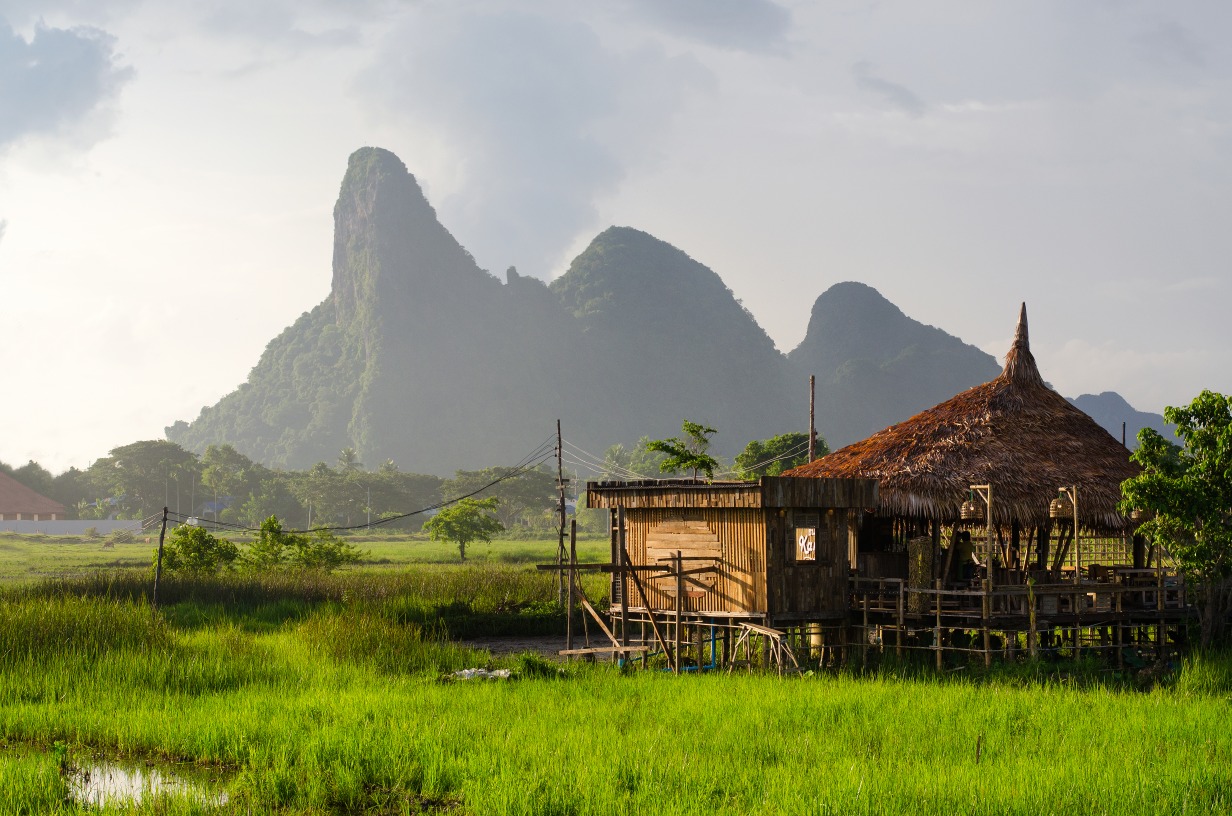
A discreet province in southern Thailand, Phatthalung reveals Thale Noi and its pink lotus flowers, the Nang Talung shadow theatre and unspoiled nature far from the crowds.
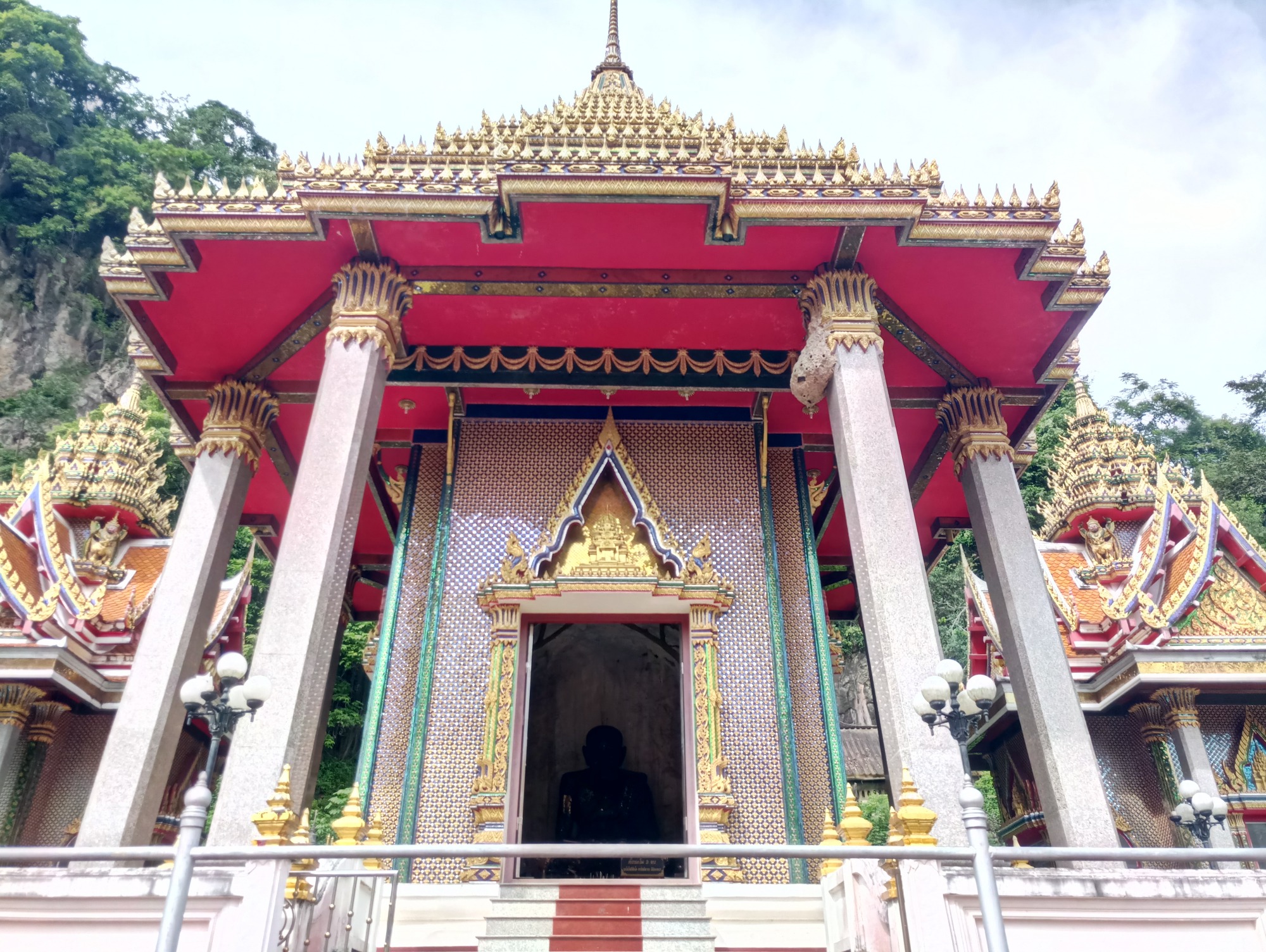
Wat Tham Khuha Sawan
Located 10 km from Phang Nga, Wat Tham Khuha Sawan combines a 5-meter golden reclining Buddha, limestone caves, and colonies of macaque monkeys.
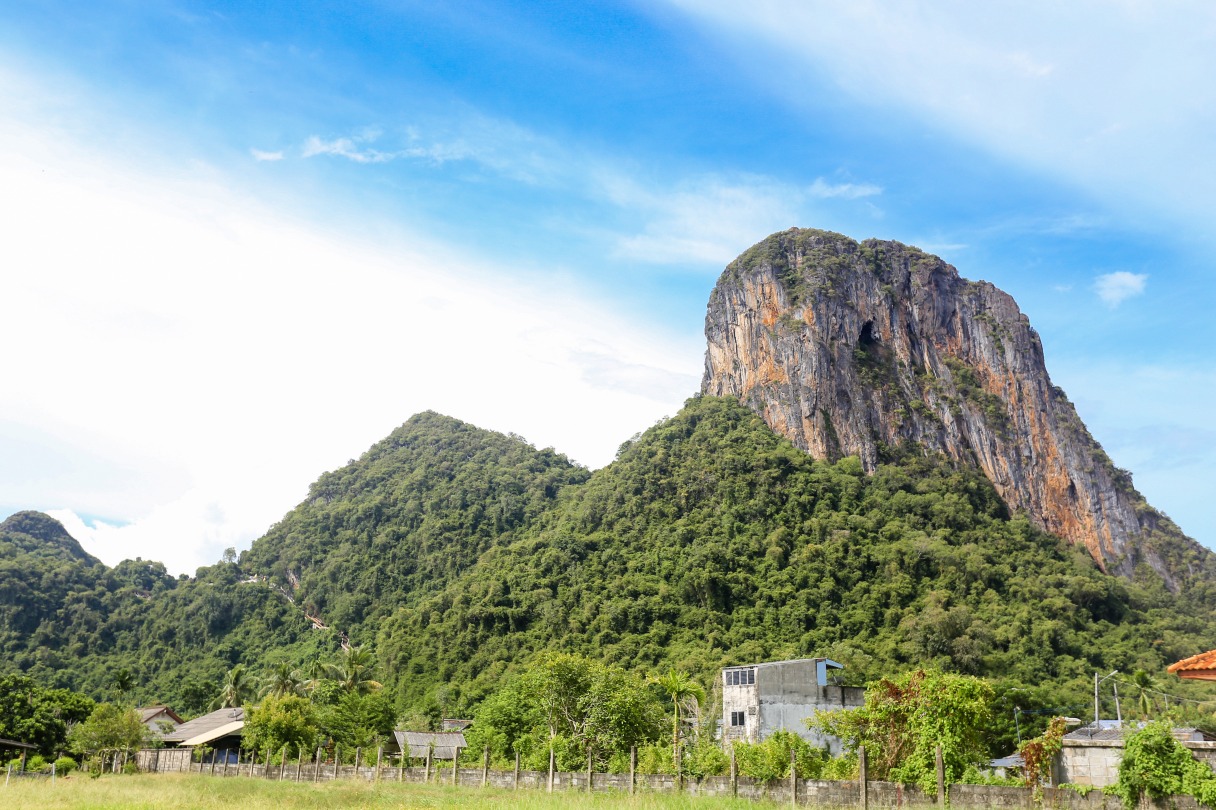
Khao Ok Thalu
A 250 m karst hill pierced by a cavity at its summit, Khao Ok Thalu dominates Phatthalung and houses the Buddhist temple Wat Sukha Watdi.
Interested in this visit?
We can include it in your personalised itinerary.