Sanam Chan Palace
Sanam Chan Palace
Sanam Chan, Mueang Nakhon Pathom District, Nakhon Pathom 73000, Thaïlande
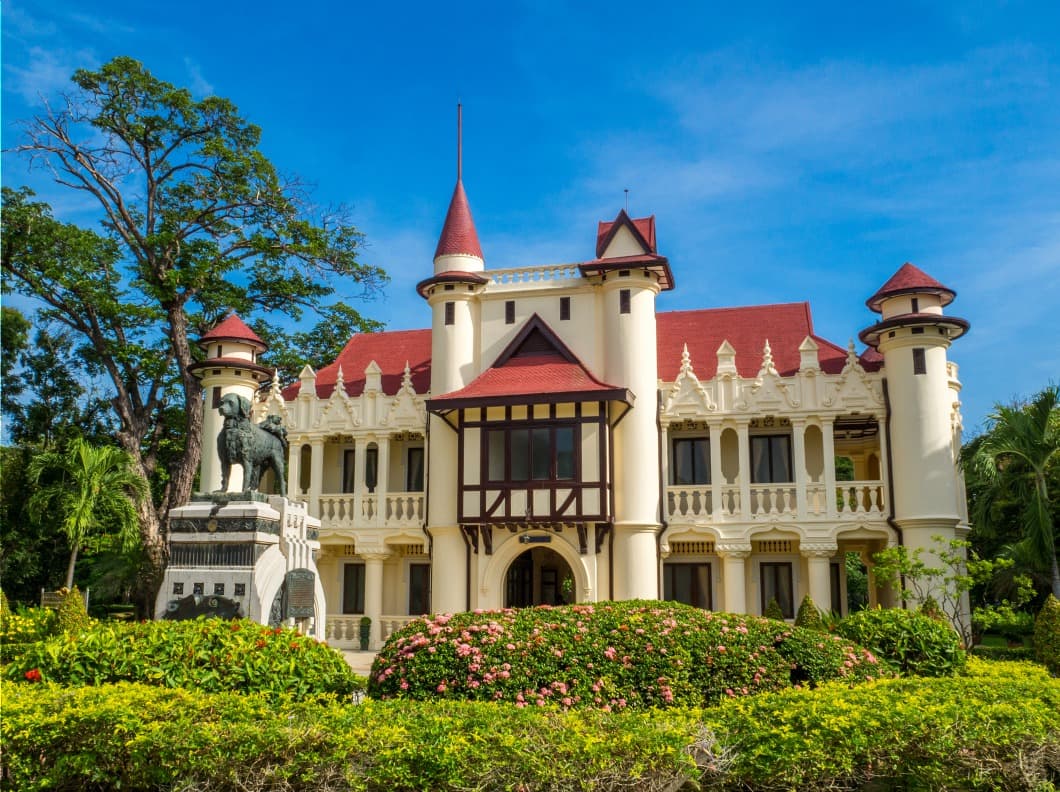
Summer residence of Rama VI in Nakhon Pathom, Sanam Chan Palace comprises several buildings of contrasting styles set within a verdant park, 2 km from Phra Pathom Chedi.
The Sanam Chan Palace is located in Nakhon Pathom, about a hundred kilometres west of Bangkok. The summer residence of King Rama VI, the complex encompasses several buildings of contrasting styles, blending European influences with traditional Thai architecture, within a tree-lined park adjacent to Silpakorn University's campus.
Why visit Sanam Chan Palace
Often overshadowed by its neighbour Wat Phra Pathom Chedi, the palace reveals another side of Nakhon Pathom: that of an early 20th-century royal retreat, kept apart from mainstream tourist circuits. Here you'll discover an unusual canine memorial, teak-wood residences, a sanctuary dedicated to Ganesh, and the chambers where Rama VI wrote much of his literary work. The entire complex can be explored on foot in two to three hours, without crowds and amid lush surroundings.
History and context
The future Rama VI, then Crown Prince Vajiravudh, acquired the estate near the pond Sa Nam Chand, which lends its name to the palace. Construction began in 1907 and was completed in 1911. The building was officially inaugurated in 1917.
Two motivations explain this undertaking. The first was strategic: Nakhon Pathom was elevated to the rank of second capital, intended as a fortified retreat against the pressure of Western colonial powers. The second was personal: Rama VI sought a place conducive to writing. There he composed notably Thao Saen Pom and signed the Thai translation of Shakespeare's Romeo and Juliet.
Upon his death, the king bequeathed the estate to the military academy according to his will. After several changes in affiliation, the palace was placed in 1965 under the direction of Silpakorn University, which occupies part of the buildings. On November 24, 1982, villagers erected a stele dedicated to Rama VI at the entrance to the estate.
What to see in the complex
The term "palace" actually refers to a collection of distinct residences, complemented by a throne hall, theatre, and music room. Here are the most striking buildings.
The Chalee Mongkhon-Assana residence
Ochre walls, scarlet tiles: this is where Rama VI stayed during his visits to Nakhon Pathom. The architecture marries Renaissance style with British half-timbered houses, with adaptations to the tropical climate. Upstairs, an office and bedroom bear witness to the daily life of the king-writer. It was in these rooms that he is said to have worked on his literary works.
The Ya-Lei (Jarlet) statue
Facing the residence stands a copper statue of Ya-Lei, Rama VI's dog. The sovereign is said to have encountered the animal during an inspection of Nakhon Pathom prison and adopted it. The memorial, completed with a poem engraved on the epitaph, testifies to the king's attachment to his companion.
The Phra Pikkanesh
A small sanctuary dedicated to Ganesh, considered the most sacred place in the palace. It continues to attract Hindu devotees who come to leave offerings and prayers.
The Phra Tamnak Tabkaeo
This building houses a slate canvas painted by Rama VI himself, worth seeing for lovers of royal artistic heritage.
The Tap Kwan residence
A change in atmosphere with Tap Kwan, which recreates the layout of a traditional Thai rural home. Eight teak-wood cabins connected by a veranda are oriented according to the four cardinal directions. Here you can identify the classic spaces of the Thai house: kitchen, hall, sleeping areas, servants' quarters, storage, and aviary. A striking contrast with the European residences in the complex.
Practical information
- Duration of visit: allow 2 to 3 hours to explore the entire complex.
- Opening hours: open daily during the day, ticket office closes in mid-afternoon. Check updated hours before visiting.
- Admission: modest entrance fee for foreign visitors. Keep your ticket: it is checked at the entrance of each building.
- Group visits: prior authorisation must be requested from Silpakorn University.
- Dress code: legs and shoulders covered, both men and women, in accordance with the custom of places with a sacred character.
- Special date: on November 25, the palace hosts a commemorative celebration of Rama VI's birthday.
How to get there
The palace is located about 2 km from Wat Phra Pathom Chedi and roughly a hundred kilometres west of Bangkok.
- From Wat Phra Pathom Chedi: exit through the west gate and follow Ratchadamnoen Road, accessible on foot, by bicycle, or by tuk-tuk.
- From Bangkok: allow approximately 1 hour 30 minutes by road. Public buses depart from the capital's terminals heading to Nakhon Pathom, then local taxi or songthaew. The train from Hua Lamphong or Bang Sue is another option, followed by a short taxi journey.
What to see in the area
- Wat Phra Pathom Chedi — one of the world's tallest Buddhist stupas, within easy reach of the palace.
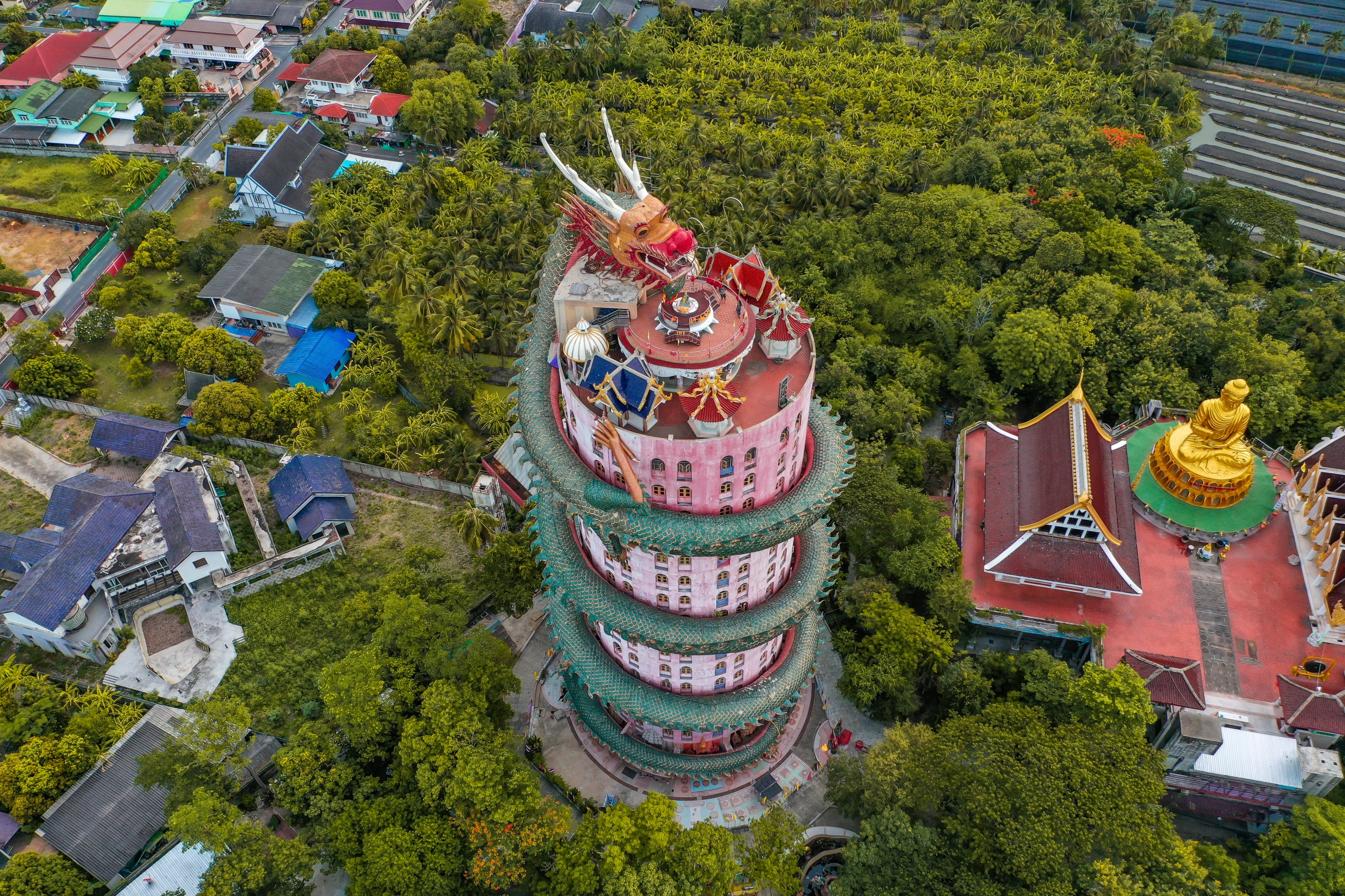
- Wat Samphran, the Dragon Temple — pink temple surrounded by a giant dragon, about thirty kilometres away.
- The Damnoen Saduak Floating Market — a regional classic, worth combining for a full day.
- Mahasawat Canal — to discover life along the waterways between Bangkok and Nakhon Pathom.
Frequently asked questions
Two to three hours are sufficient to tour the main residences (Chalee Mongkhon-Assana, Tap Kwan, Phra Pikkanesh, Phra Tamnak Tabkaeo) and the park.
Yes. The two sites are 2 km apart and combine easily for a half-day in Nakhon Pathom, or even a day trip from Bangkok.
Not essential, though English-language signage remains limited. An English-speaking guide or audio guide helps you grasp the historical context of Rama VI's reign and the symbolism of the various buildings.
The dry season, from November to February, offers the most pleasant conditions: milder temperatures and low risk of showers. A visit on November 25 coincides with the commemorative celebration of Rama VI's birthday.
Legs and shoulders must be covered, both for men and women. Overly casual attire (short shorts, tank tops) is discouraged, as certain areas of the palace have a sacred character.
Sanam Chan Palace fits naturally into a journey through Thailand centred on culture and royal heritage, complementing Bangkok and Ayutthaya.
Photos
Nearby
Also discover
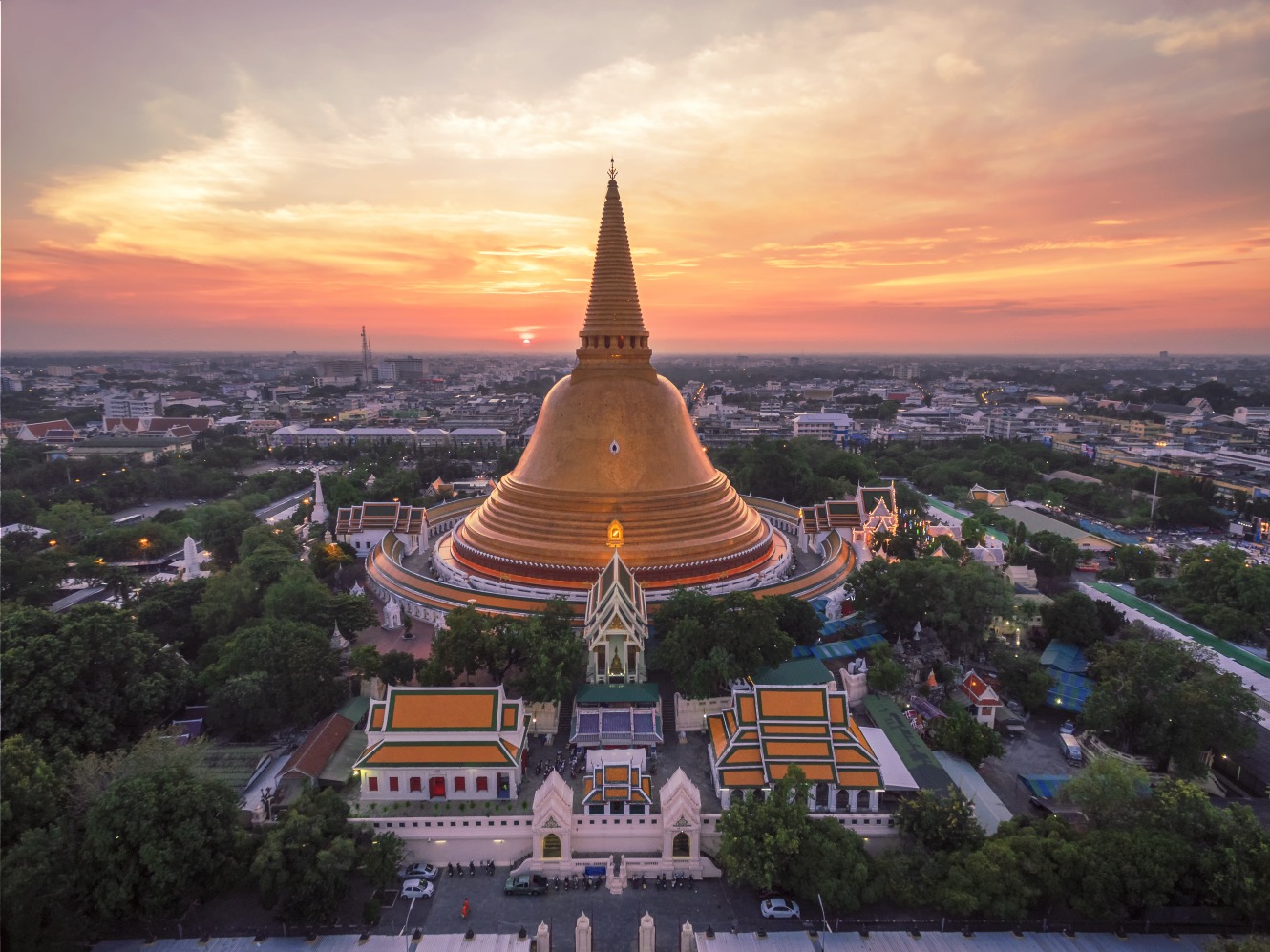
Wat Phra Pathom Chedi
In Nakhon Pathom, Wat Phra Pathom Chedi contains a 127-meter stupa, one of the tallest Buddhist structures in the world, and ranks among the six most revered temples in Thailand.
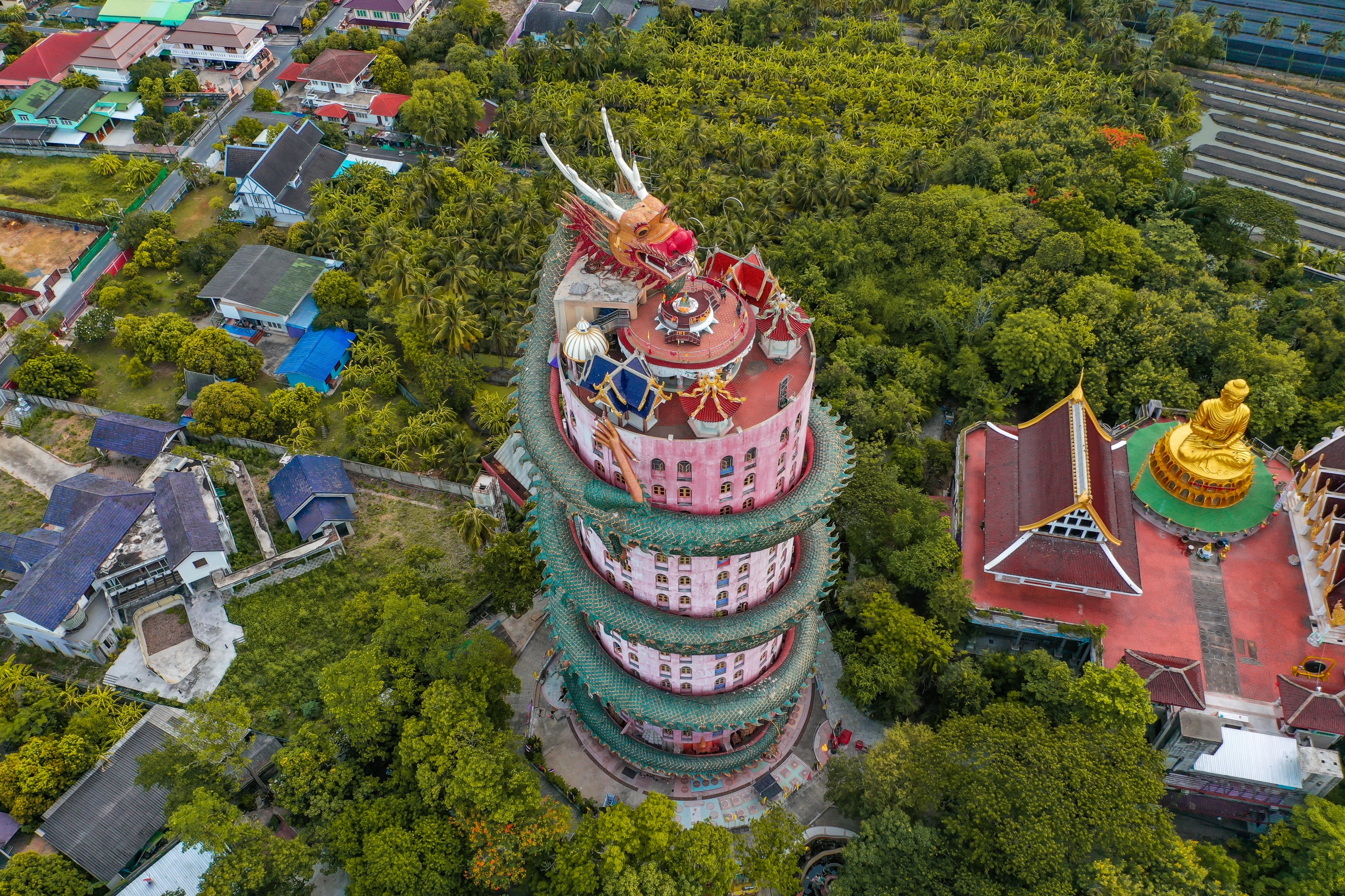
Wat Samphran, Dragon temple
Located 40 km from Bangkok, Wat Samphran intrigues with its 17-storey pink tower entwined by a green dragon. A functioning Buddhist temple open since 1985.
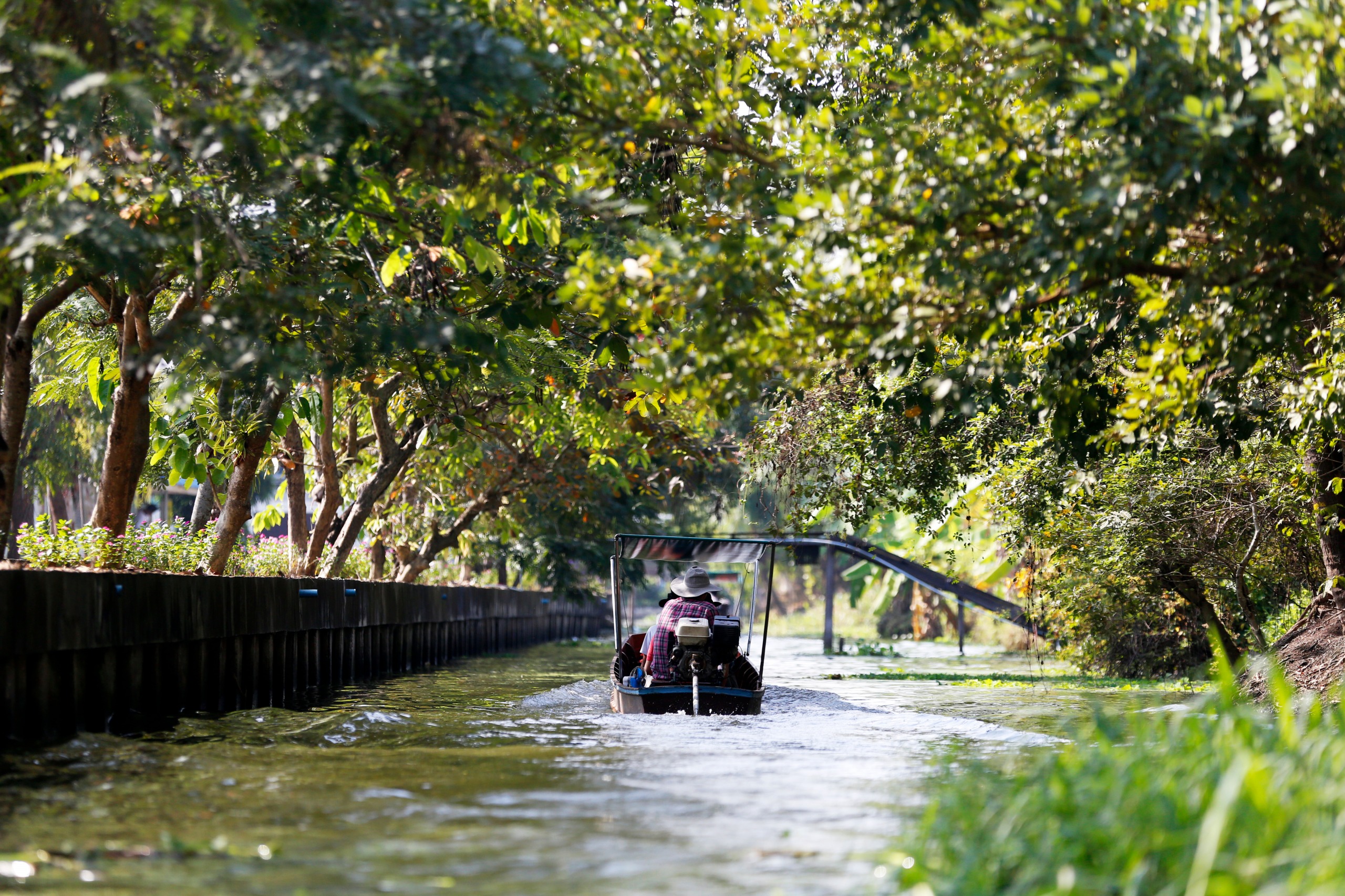
Mahasawat Canal in Bangkok
Thirty kilometers west of Bangkok, Mahasawat Canal winds through rice paddies, orchid farms and floating markets. A long-tail boat journey blending river heritage and agricultural life.
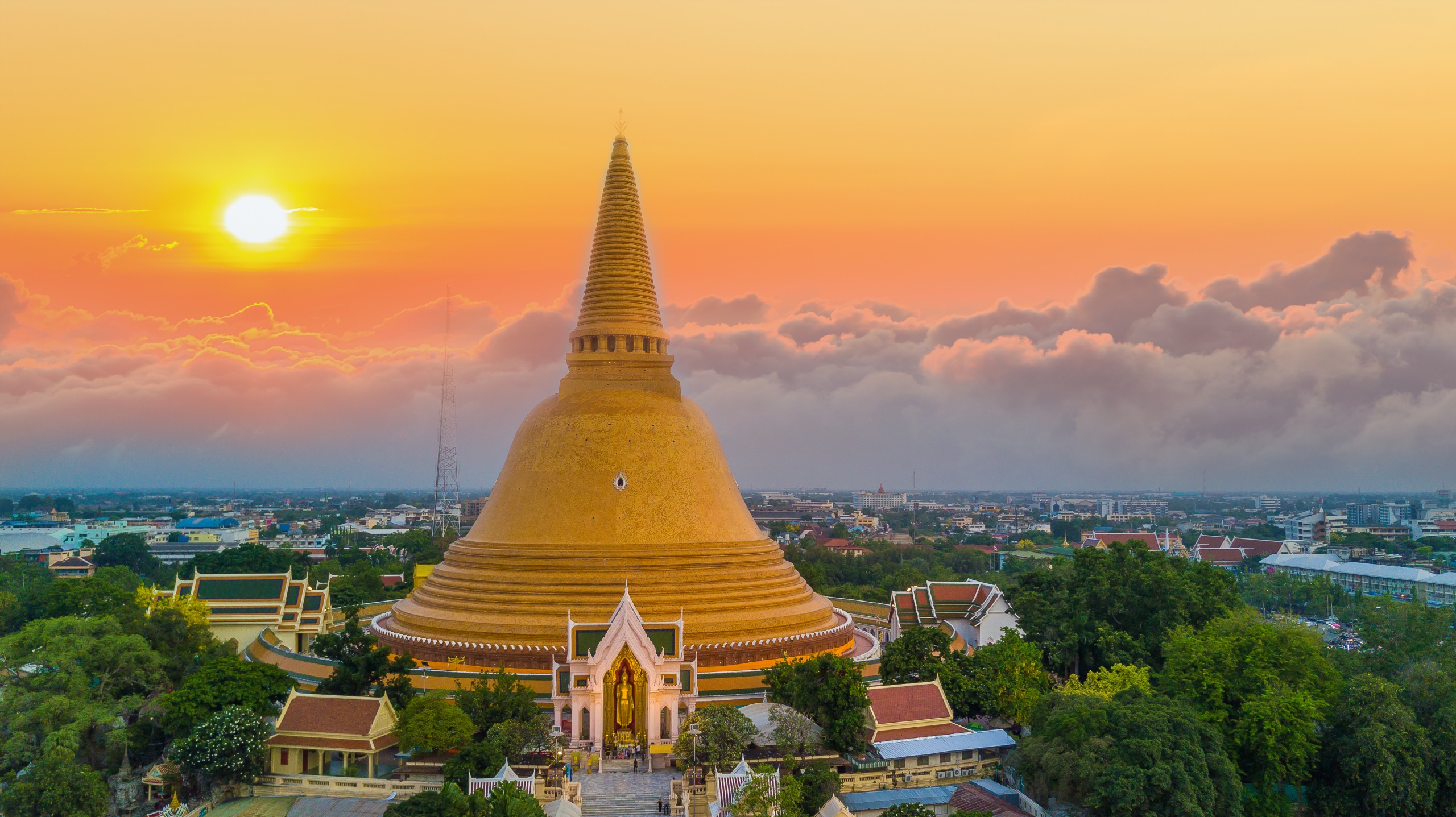
Nakhon Pathom
Just 55 km from Bangkok, Nakhon Pathom is home to the world's tallest stupa and 2,000 years of Buddhist heritage. Your complete guide to exploring this ancient city.
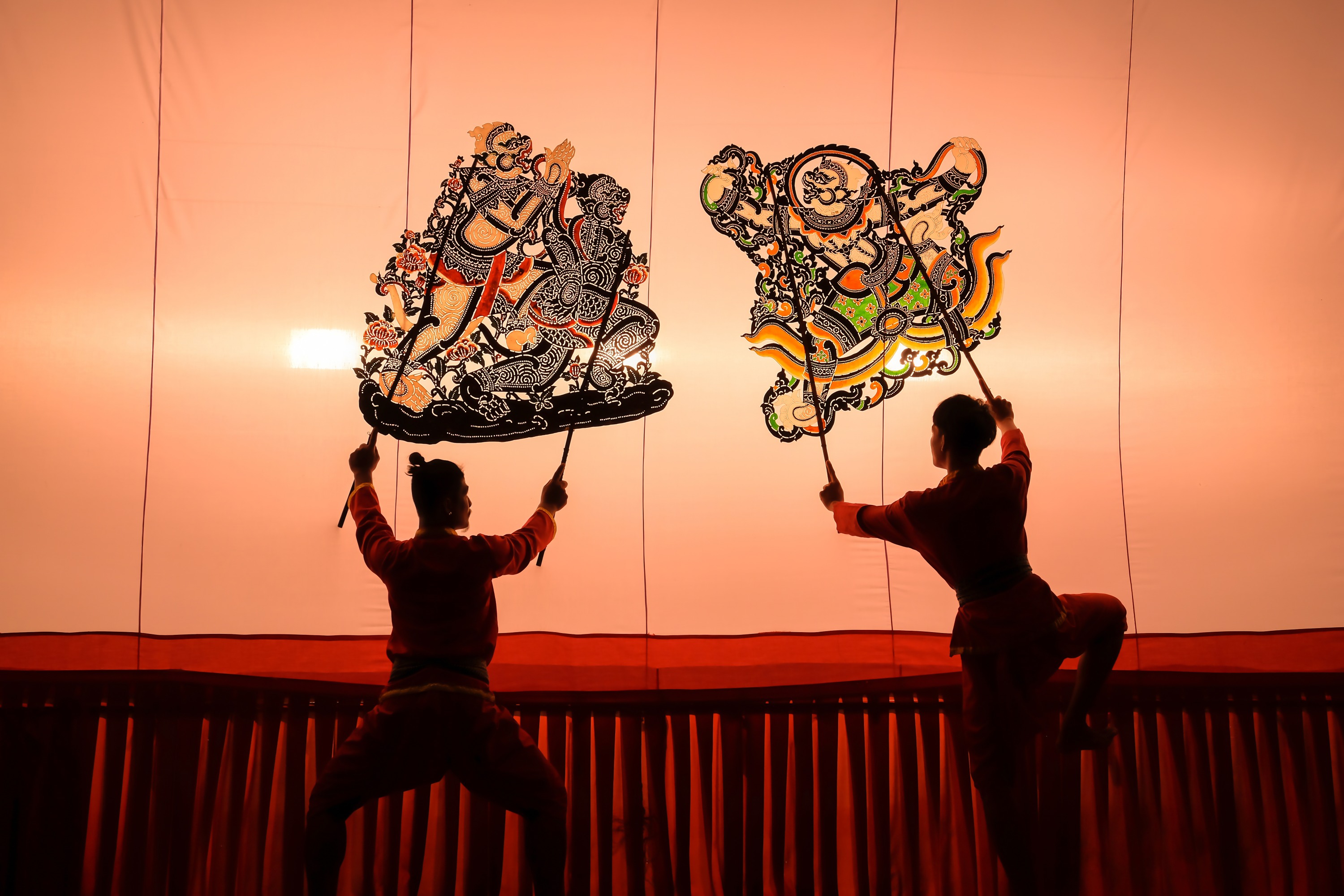
Wat Kanon Nang Yai Museum
In Ratchaburi, the Wat Kanon Nang Yai Museum shelters 313 leather puppets and brings nang yai to life—shadow puppet theater drawn from the Ramayana—through performances held every Saturday.
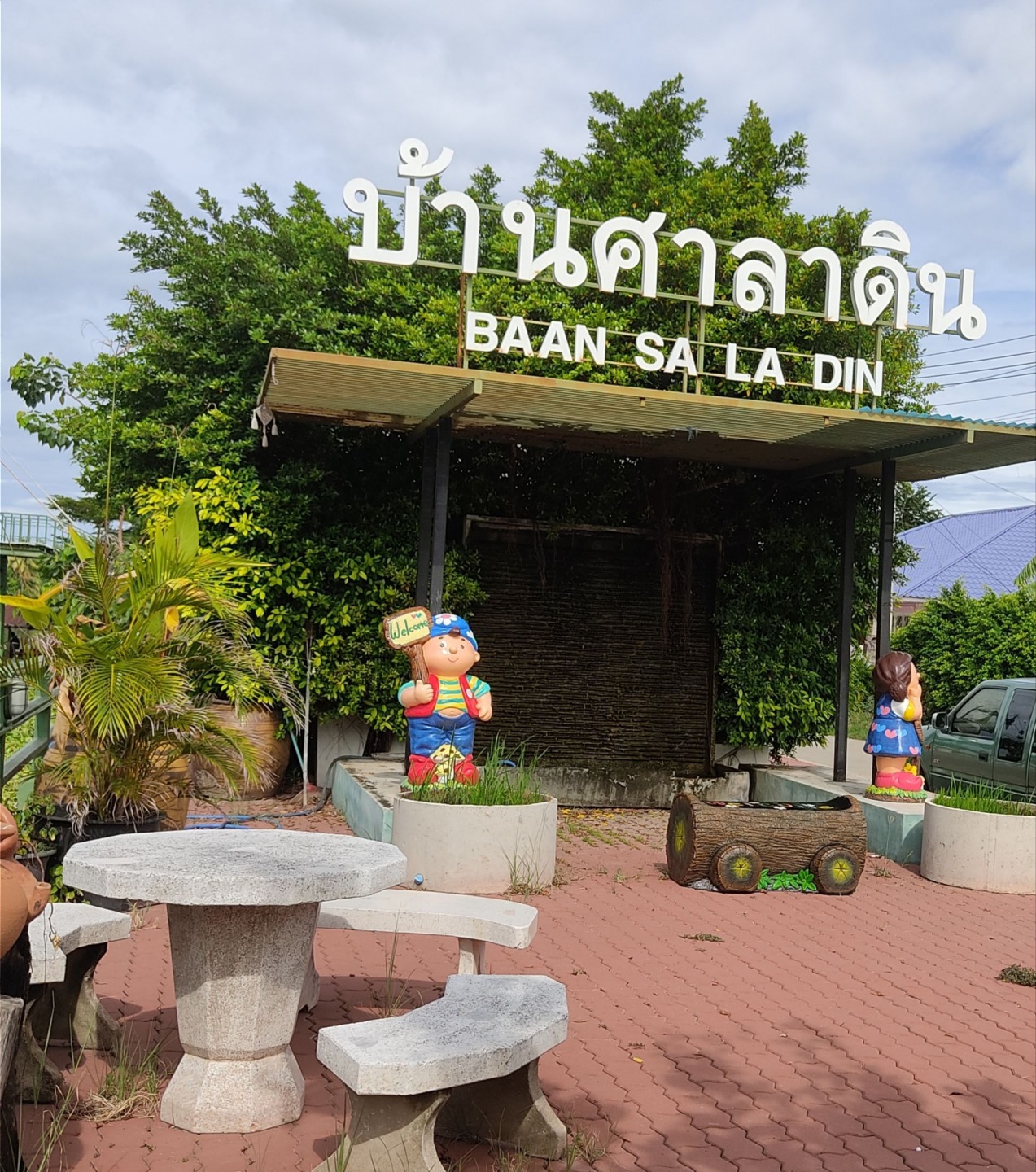
Baan Saladin Agrotourism Village
Just 35 km from Bangkok, Baan Saladin reveals an authentic floating market, lotus farms and community-based agrotourism nestled along the Maha Sawat Canal.
Interested in this visit?
We can include it in your personalised itinerary.