Wat Phra Pathom Chedi
Wat Phra Pathom Chedi
27, Tambon Phra Prathom Chedi, Amphoe Mueang Nakhon Pathom, Chang Wat Nakhon Pathom 73000, Thaïlande
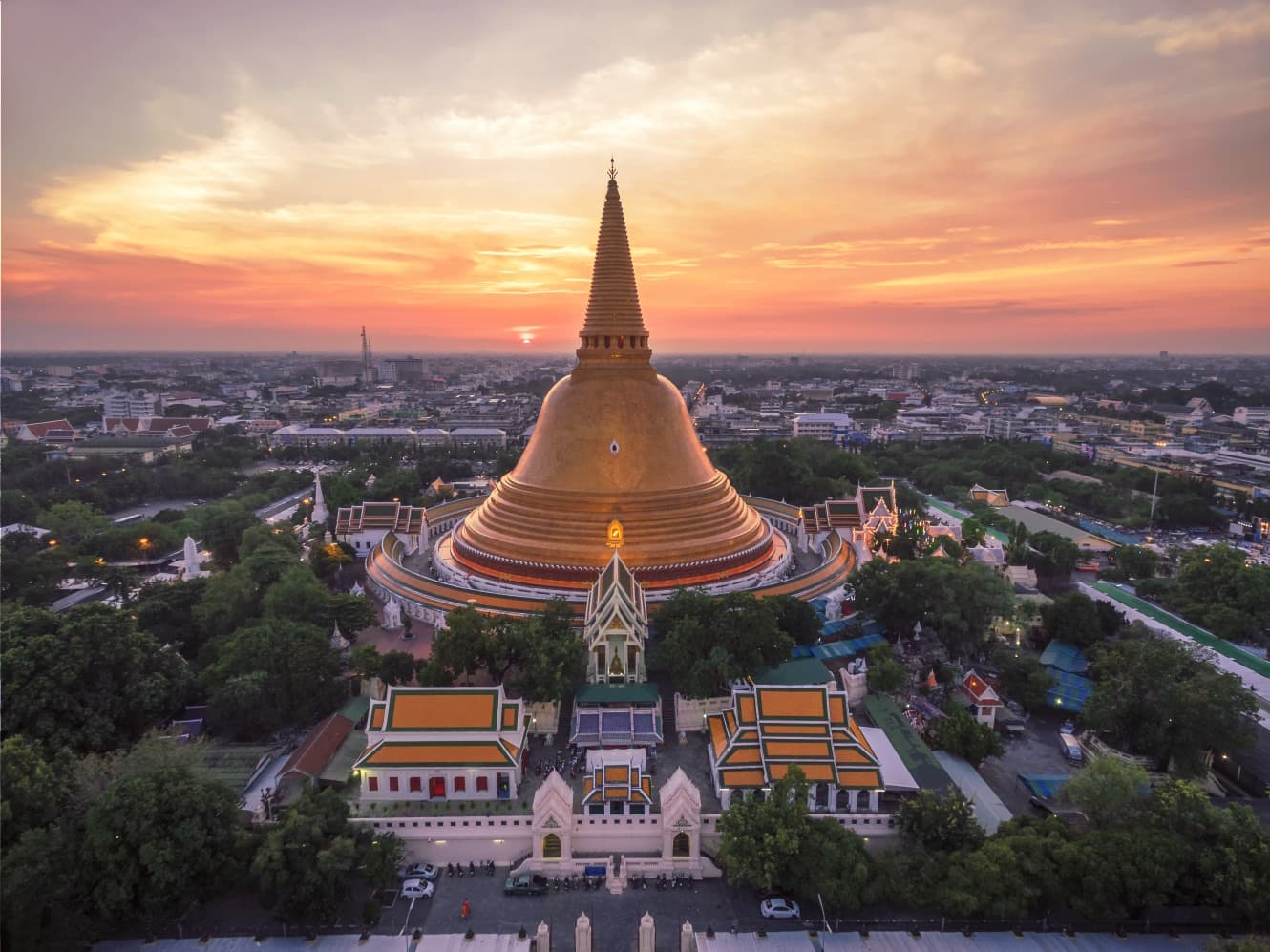
In Nakhon Pathom, Wat Phra Pathom Chedi contains a 127-meter stupa, one of the tallest Buddhist structures in the world, and ranks among the six most revered temples in Thailand.
At the heart of Nakhon Pathom, about sixty kilometers west of Bangkok, Wat Phra Pathom Chedi stands out for its bell-shaped stupa rising to 127 meters high with a base of 230 meters. Considered Thailand's tallest stupa, the monument ranks among the six Ratcha Wora Maha Wihan, the kingdom's most venerated temples. A visit here combines monumental architecture, Dvaravati artistry, and legendary accounts tied to the temple's presumed founding.
Why visit Wat Phra Pathom Chedi
Three elements make the journey from Bangkok or a central Thailand stay worthwhile:
a 127-meter stupa, one of the world's tallest Buddhist structures, built in Sri Lankan style under Rama IV;
four viharas aligned to the cardinal points, housing remarkable Buddhas, including a Dvaravati statue depicted sitting "European-style";
a museum showcasing pieces from the 6th to 11th centuries, invaluable for understanding the site's place in Thai Buddhist history.
History and founding legend
Tradition dates the temple's foundation to 539, when Buddhism began spreading throughout the peninsula. This legendary dating nonetheless places the sanctuary among the country's oldest Buddhist places of worship. By the 11th century, the site was ravaged during Burmese incursions, then fell into long neglect, partially inhabited by monks but largely left in ruins.
The legend of Prince Phan
Traditional accounts attribute the chedi's origins to an act of penance. Prince Phan, rejected at birth by King Phraya Gong following a prophecy, was raised by a peasant woman from Ratchaburi unaware of his ancestry. As an adult, he tamed a raging elephant, winning adoption by a local lord. Later, he challenged and killed a king in single combat: custom granted him the defeated king's widow, who revealed herself as his own mother. Enraged upon learning the truth, he also ordered the execution of his adoptive mother. Guilty of patricide and matricide, he consulted sages who advised him to build a chedi so tall that no bird could fly over it. The stupa of Wat Phra Pathom Chedi is said to have been born from this act of expiation.
From Mongkut to Rama VI
In 1831, Prince Mongkut, then a monk, visited the site and found it in ruins. He petitioned Rama III for restoration funds, but his request was denied. Upon becoming king as Rama IV, he had the stupa rebuilt in Sri Lankan style: the work took seventeen years. The temple's current form, as visitors see it today, dates from Rama VI's reign, who completed the overall development of the complex.
What to see on site
The chedi and esplanade
Access to the sanctuary is via a bridge spanning the Chedi Bucha canal, leading to a vast esplanade. The bell-shaped stupa can be observed from any point in the plaza: its gilded mass entirely dominates Nakhon Pathom's urban landscape. The visit unfolds across multiple levels, around the central chedi and surrounding buildings.
The four viharas
Four viharas facing north, east, west, and south frame the stupa. Each houses different Buddhas and decor:
the northern chapel displays a Dvaravati-style Buddha statue depicted sitting with legs pendant—an unusual iconography in Thai Buddhist art;
the western chapel shelters a large reclining Buddha surrounded by miniature Buddhas; devotees apply gold leaf to the statue;
the southern and eastern chapels complete the ensemble with murals evoking the temple's history and figures from Buddhist cosmology.
The ubosot, the ordination hall, preserves a set of 24 bells that punctuate ceremonies.
The temple museum
Below the northern vihara, the temple museum houses statues, statuettes, stelae, and architectural fragments dated from the 6th to 11th centuries. The collections document Dvaravati culture, of which Nakhon Pathom was an important center, and provide valuable historical reference points for contextualizing your visit.
When to visit
The temple welcomes visitors year-round. The dry season, November to February, offers the most comfortable conditions. Two major events mark the calendar:
November 2, the Phra Ruang Buddha Festival: pilgrims arrive with vermeil-painted eggs, garlands, and flowers left as offerings;
the Phra Pathom Chedi Festival, organized around the full moon of the twelfth month of the Thai lunar calendar (generally November), spanning five to nine days with fundraising for the sanctuary's upkeep.
An early morning visit allows you to avoid heat and crowds.
Practical information
The sanctuary is open daily, from morning until early evening. The museum maintains more limited hours and closes part of the week. Entry fees for foreign visitors remain very modest, with a modest surcharge for the museum. Clothing covering shoulders and knees is required to access the chapels. Allow two to three hours for a complete visit, longer if you combine the chedi, viharas, and museum.
How to get there
Nakhon Pathom is located about 60 km west of Bangkok. Several options:
train from Hua Lamphong or Bang Sue station: approximately 1.5-hour journey, economical, with a stop a few hundred meters from the temple;
minivan from Bangkok bus terminals (Mo Chit, Ekkamai, Southern Bus Terminal): faster journey, approximately 1 hour;
private car or taxi, practical for combining multiple sites in the province in a single day.
What to see nearby
Nakhon Pathom province and its surroundings offer several natural extensions to your visit:
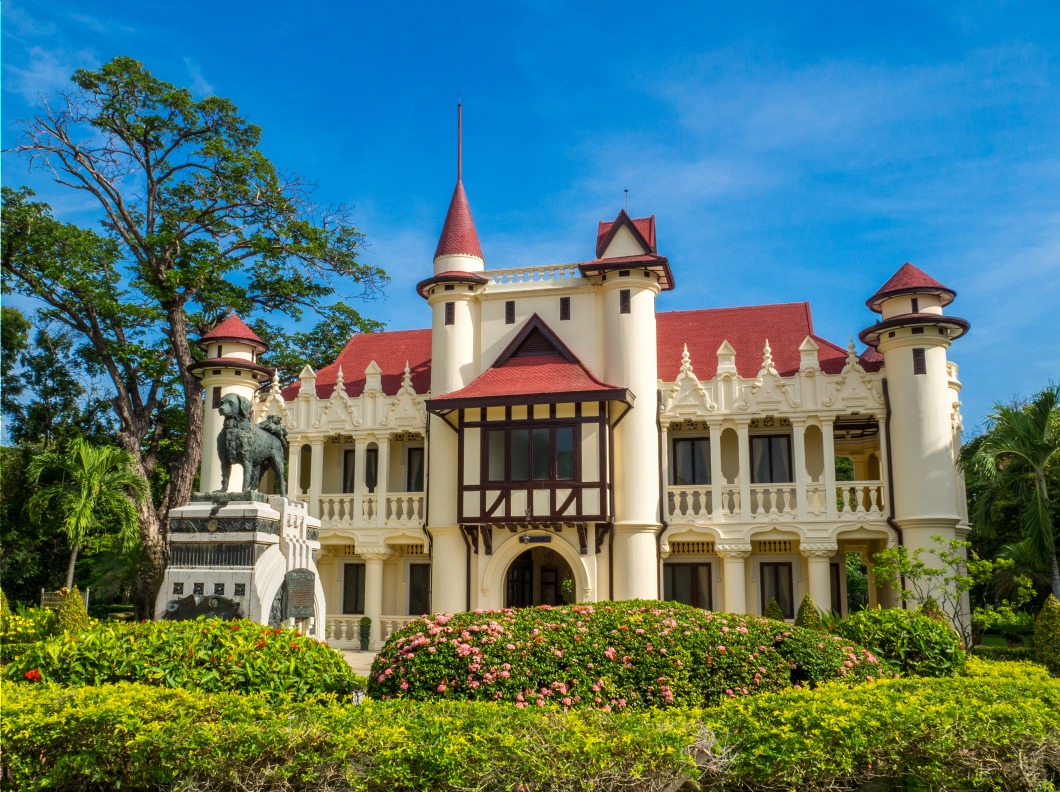
Sanam Chan Palace, a royal residence of Rama VI minutes from the chedi;
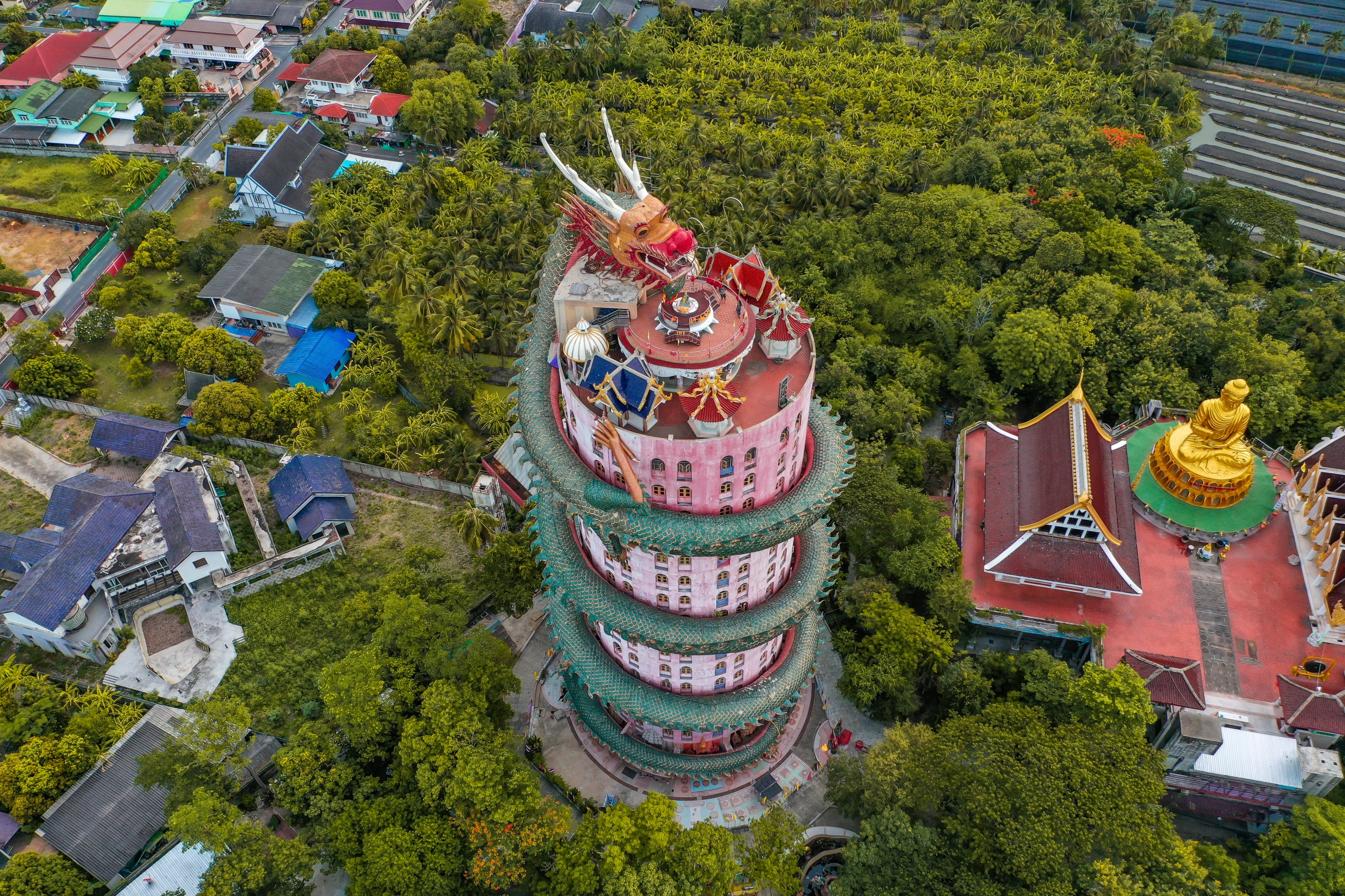
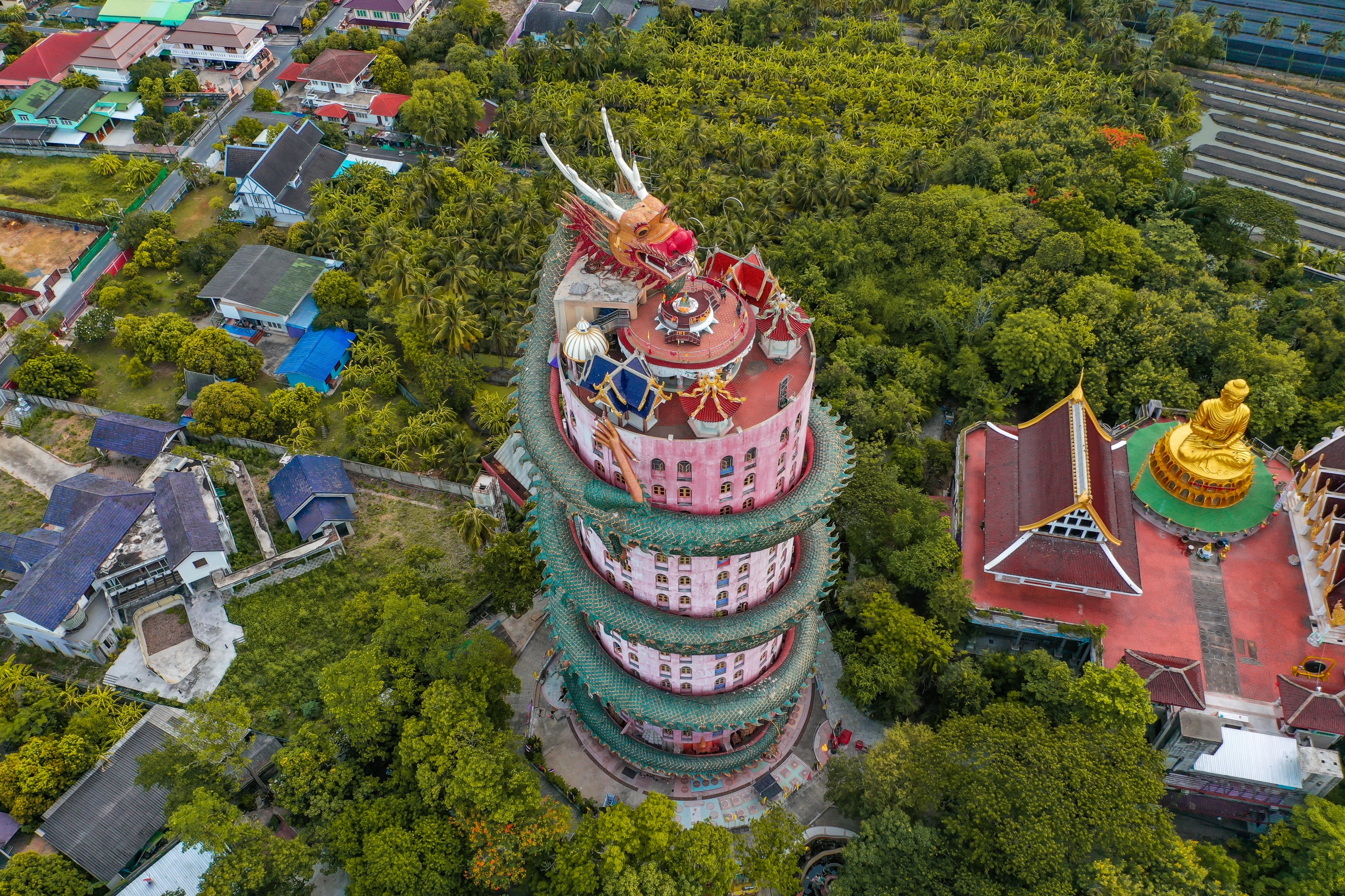
Wat Samphran (Dragon Temple), an unusual temple encircled by a pink dragon;
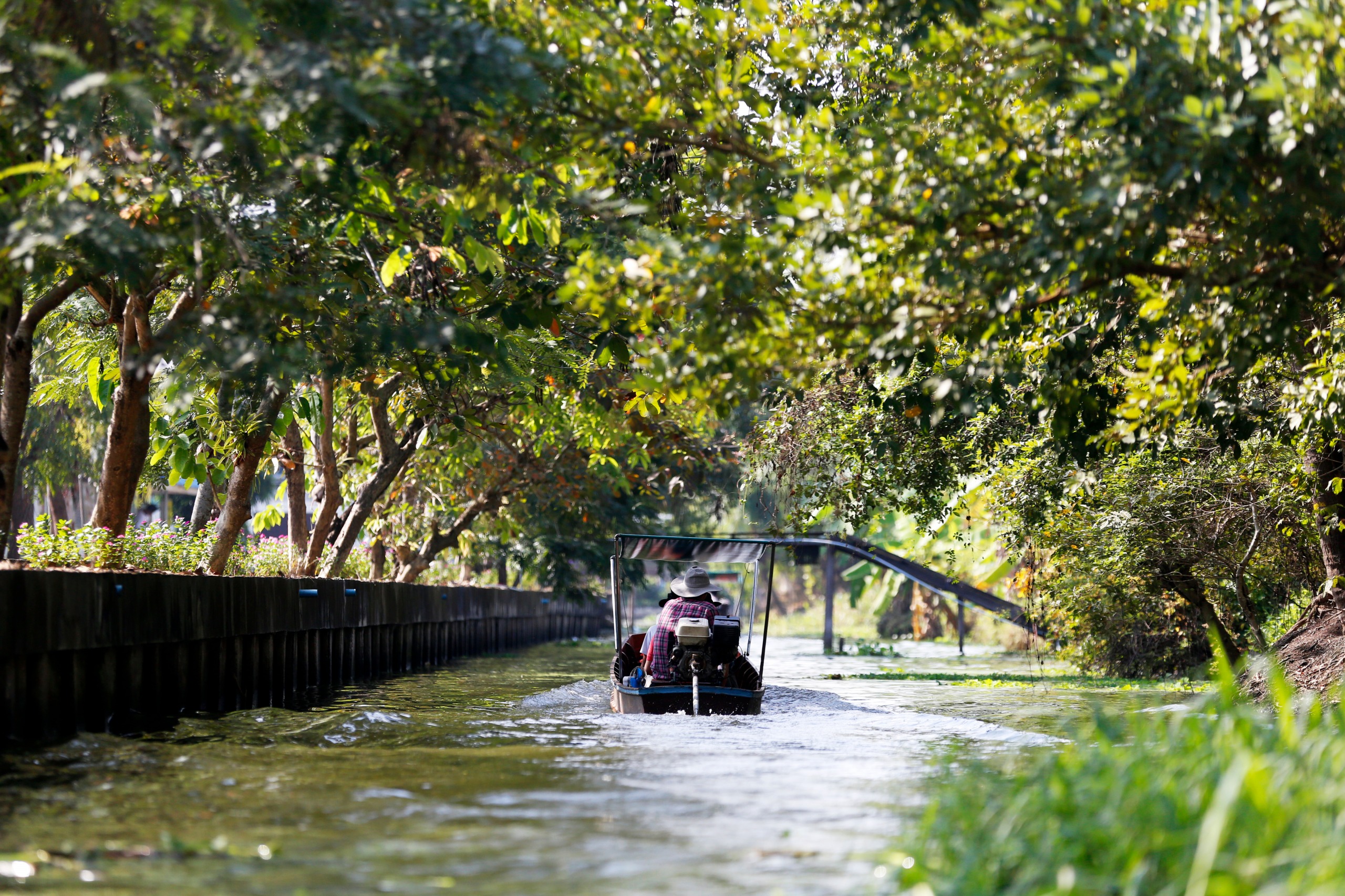
Mahasawat Canal, to experience agricultural life along the klongs;
Damnoen Saduak Floating Market, about an hour's drive away.
Frequently asked questions
The stupa measures 127 meters high with a base of 230 meters. It is considered Thailand's tallest stupa and one of the world's tallest Buddhist structures.
It ranks among the six Ratcha Wora Maha Wihan, the kingdom's most revered temples. Its foundation is believed to date back to the 6th century, and its chedi was rebuilt in Sri Lankan style under Rama IV.
Train from Bangkok takes approximately 1.5 hours at economical cost. Minivans depart from Mo Chit, Ekkamai, or Southern Bus Terminal in about 1 hour. Private car is also an option.
Allow two to three hours to tour the chedi, the four viharas, and the temple museum below the northern vihara.
The Phra Ruang Buddha Festival is held on November 2. The Phra Pathom Chedi Festival takes place around the full moon of the 12th month of the Thai lunar calendar, spanning 5 to 9 days.
To incorporate Wat Phra Pathom Chedi into a complete itinerary, explore our Thailand travel packages.
Photos
Nearby
Also discover
Wat Samphran, Dragon temple
Located 40 km from Bangkok, Wat Samphran intrigues with its 17-storey pink tower entwined by a green dragon. A functioning Buddhist temple open since 1985.
Nakhon Pathom
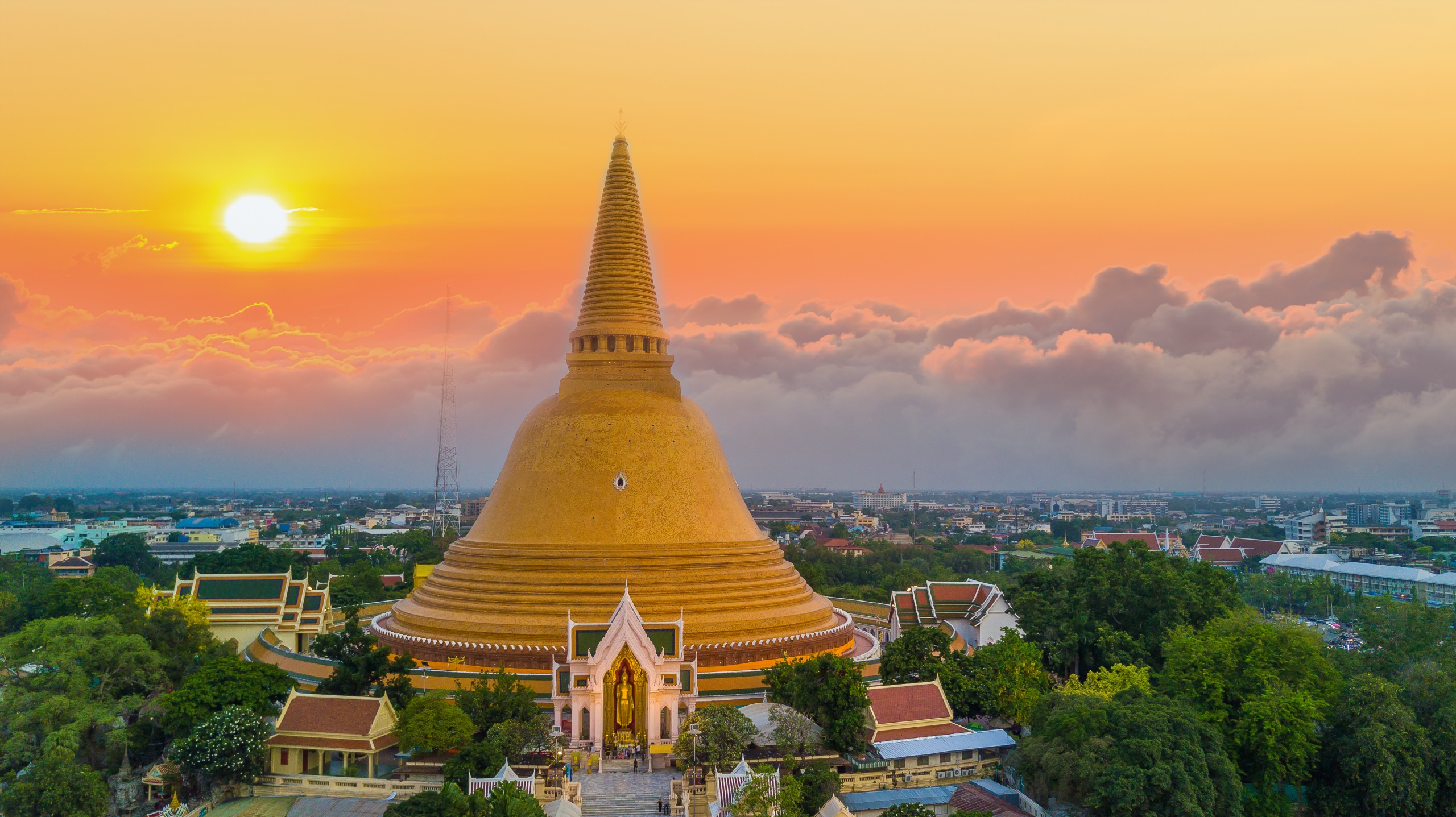
Just 55 km from Bangkok, Nakhon Pathom is home to the world's tallest stupa and 2,000 years of Buddhist heritage. Your complete guide to exploring this ancient city.
Mahasawat Canal in Bangkok
Thirty kilometers west of Bangkok, Mahasawat Canal winds through rice paddies, orchid farms and floating markets. A long-tail boat journey blending river heritage and agricultural life.
Interested in this visit?
We can include it in your personalised itinerary.