Bang Pa In
Bang Pa In
Bang Pa-in, Province d'Ayutthaya, Thaïlande
Twenty kilometers from Ayutthaya, Bang Pa In brings together a restored royal summer palace from the Rama IV era and a Buddhist temple in neo-gothic style designed by Joachim Grassi.
Located 20 km south of Ayutthaya and roughly 60 km north of Bangkok, Bang Pa In sits in a bend of the Chao Phraya River, in Thailand's central plains. The town owes its reputation to a royal summer palace rehabilitated in the 19th century and a Buddhist temple in neo-gothic style—two architectural complexes that alone justify a day trip from either Ayutthaya or the capital.
Why visit Bang Pa In
Bang Pa In offers a rare contrast in Thailand: on a single site coexist a royal palace blending Siamese, Chinese and European influences, and a Buddhist temple built in 1878 modeled on a Gothic church. This architectural fusion reflects the diplomatic openness of Rama V's reign and the determination of Bangkok's sovereigns to place Thailand among modern nations. The town makes a natural extension to exploring the ruins of Ayutthaya, reachable in less than 20 minutes by train.
The origins of Bang Pa In
The place name invites debate. One theory traces it to Bang Khadan or Bang Kradan, meaning "plain field," referring to the agricultural lands of the fertile Chao Phraya basin. A second interpretation sees it as a contraction of Bang Phra In, or "place of Indra," derived from Inthraracha, an ancient title borne by King Songtham when he was heir apparent.
The locality changed names several times. Soldiers from Ayutthaya called it Khwaeng Uthai. In 1910, it was elevated to district status under the name Phra Ratchawang. The current name, Bang Pa In, was officially recorded in administrative archives in 1915.
The site's recent history is inseparable from that of the royal palace. In 1632, King Prasat Thong erected a summer palace on the river's banks, comprising a throne hall, watchtowers and private residences within wooded gardens. Following the Burmese sack of Ayutthaya in 1767, the ensemble was abandoned. Not until the mid-1850s and the impetus of Rama IV did the palace regain its function as a royal residence, a role it retained under Rama V and his successors.
What to see and visit
Bang Pa In Royal Palace
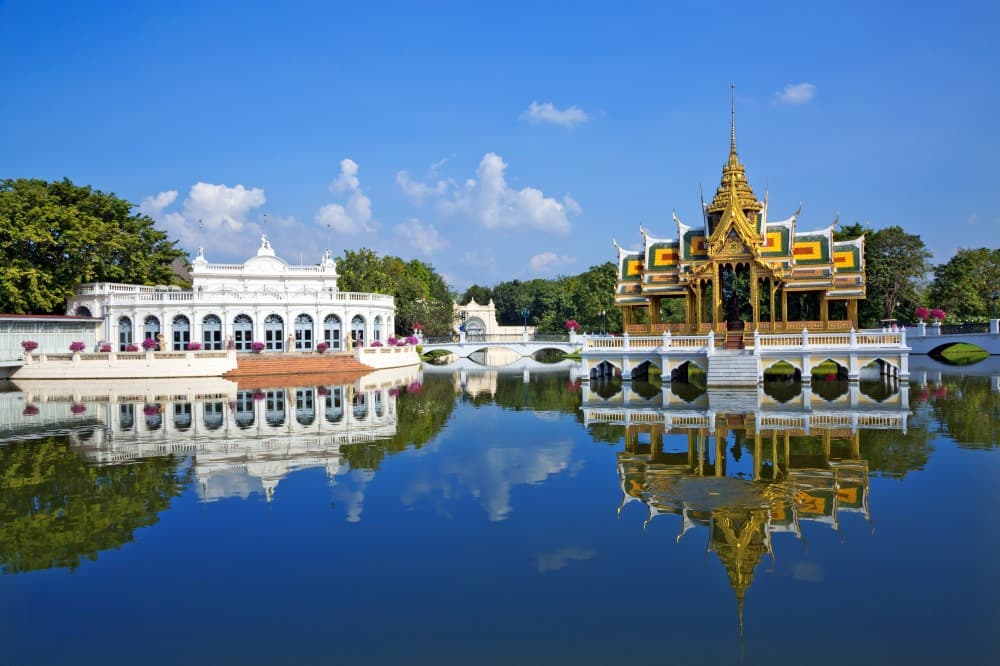
The complex can be explored on foot, by rented electric cart or bicycle. Two pavilions command attention. The Phra Thinang Wehat Chamrung, translated as "Supreme Illumination," features Chinese design with glazed tile roofs and lacquered woodwork. The Aisawan Thiphya-Art, or "Celestial Abode of Personal Freedom," is set in the middle of a pond and stands as one of the iconic images of Thai royalty.
The palace has hosted many high-ranking foreign guests. Tsarevich Nicholas, the future Nicholas II of Russia, was the first distinguished visitor to stay here. He was followed by Infanta Elena of Spain, Queen Beatrix of the Netherlands and Elizabeth II of the United Kingdom. For more details on the complex, consult the dedicated page on the Bang Pa In Royal Palace.
Wat Niwet Thammaprawat
Built in 1878 by order of Rama V—the date appears on the bell tower's clock—this Buddhist temple radically departs from Siamese religious architecture. Italian architect Joachim Grassi designed its plans as a replica of a European neo-gothic church: a nave with ribbed vaults, stained-glass windows, pointed steeple. Inside, Buddha statues occupy the place of the cross, and devotional images replace Christian martyrs.
The temple sits on an island in the Chao Phraya River, facing the palace. Access is via a cable funicular starting from the royal complex's parking area—a brief but unusual crossing that adds to the site's charm.
Practical information
Plan for half a day to a full day to visit the palace and Wat Niwet. The palace requires 2 to 3 hours of exploration on foot; the temple takes about an hour including the crossing. Dress covering shoulders and knees is required at both the palace and temple entrances; sarongs are available for loan at the reception if needed. Tickets are purchased on-site and rates remain affordable.
When to visit
Thailand's central plains experience a tropical climate with three seasons. The cool season, from November to February, offers the most comfortable conditions: temperatures around 25-30°C, low humidity and rare rainfall. The hot season, from March to May, regularly sees temperatures exceed 35°C. The rainy season runs from June to October, with showers often brief but intense in the late afternoon. For visiting the palace gardens, prefer mornings to avoid peak heat.
How to get there
- From Ayutthaya by train: the journey takes only about fifteen minutes, making it the fastest and least expensive option.
- From Ayutthaya by songthaew: yellow pick-ups depart from Chao Prom Market and reach Bang Pa In in approximately 45 minutes.
- From Bangkok by train: from Hua Lamphong or Krung Thep Aphiwat station, expect roughly 1h30 of direct travel.
- By taxi or private car: a comfortable option for combining Bang Pa In with Ayutthaya's major sites in a single day.
In the surrounding area
- The ruins of Ayutthaya, the ancient capital of the Siamese kingdom, a UNESCO World Heritage site.
- Wat Chai Watthanaram, one of Ayutthaya's most photogenic Khmer-influenced temples.
- Wat Mahathat and its famous Buddha head enclosed in the roots of a fig tree.
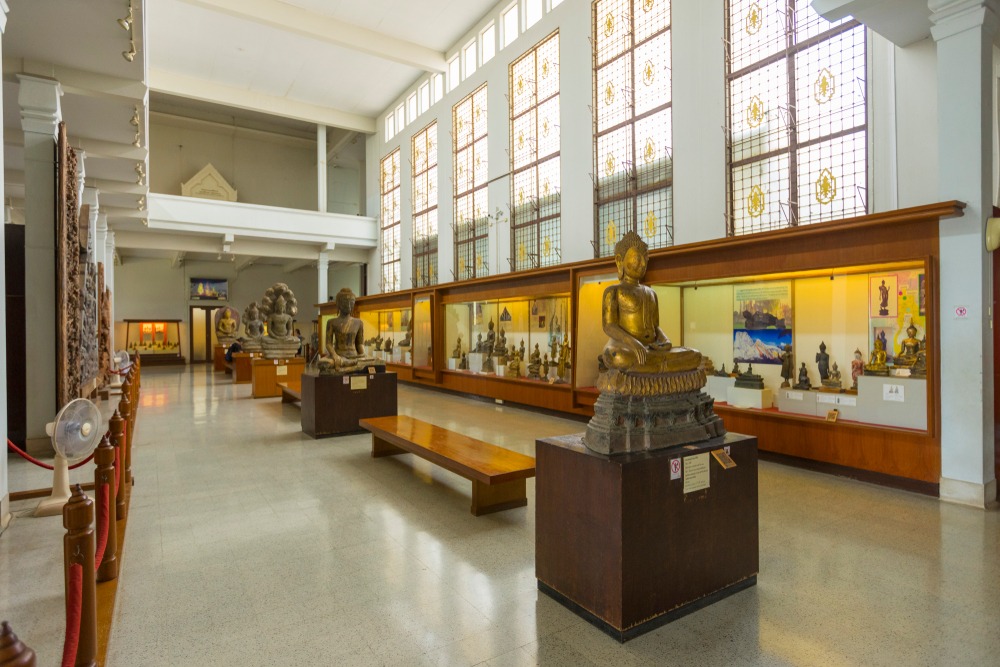
- The Chao Sam Phraya National Museum, which houses artifacts from Ayutthaya's excavations.
- Wat Yai Chai Mongkhon and its grand commemorative chedi.
Frequently asked questions
The direct train from Bangkok is the simplest solution, with a journey of around 1h30. You can also travel to Ayutthaya and then take a local train (15 minutes) or a yellow songthaew departing from Chao Prom Market (45 minutes).
Half a day to a full day is sufficient. The royal palace requires 2 to 3 hours of exploration, and Wat Niwet takes about an hour including the funicular crossing.
The cool season, from November to February, offers the most pleasant conditions with minimal rainfall and moderate temperatures.
Yes, the proximity (20 km, 15 minutes by train) and complementary nature of the two sites make for a coherent day trip from Bangkok.
To integrate Bang Pa In into a broader itinerary, explore our suggestions for Thailand travel experiences.
Photos
Nearby
Also discover
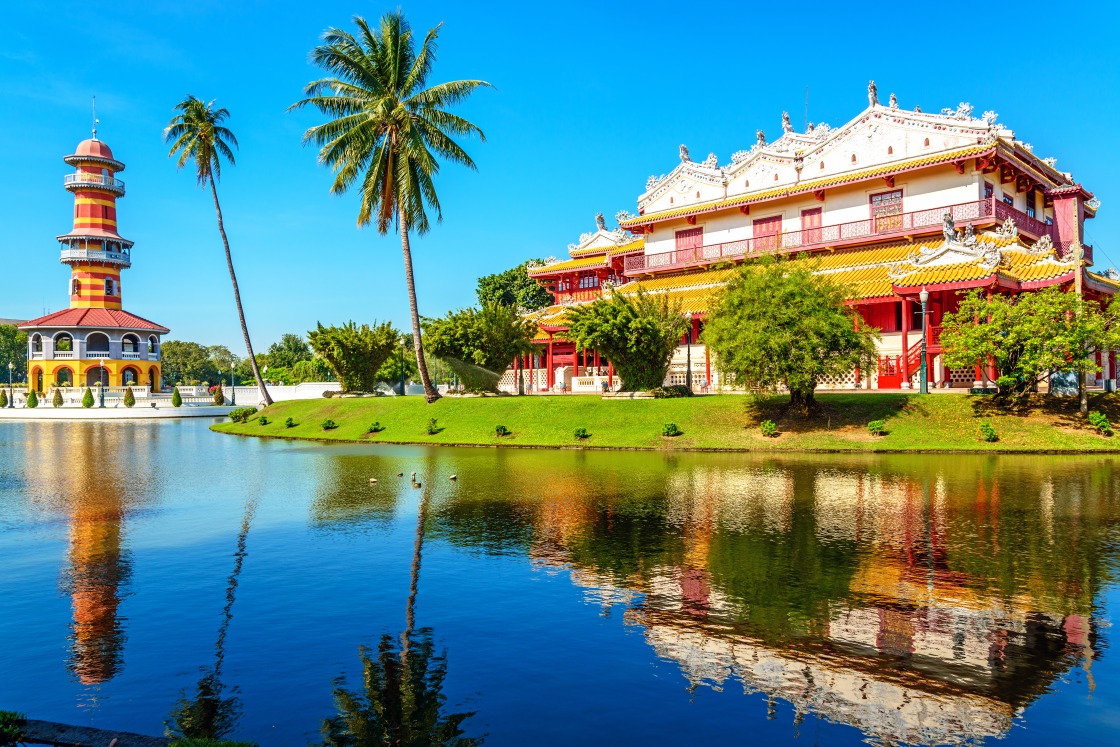
Bang Pa In Royal Palace
Former summer residence of the Kings of Siam south of Ayutthaya, Bang Pa In brings together pavilions in Thai, European, Chinese and Gothic styles within a riverside park.
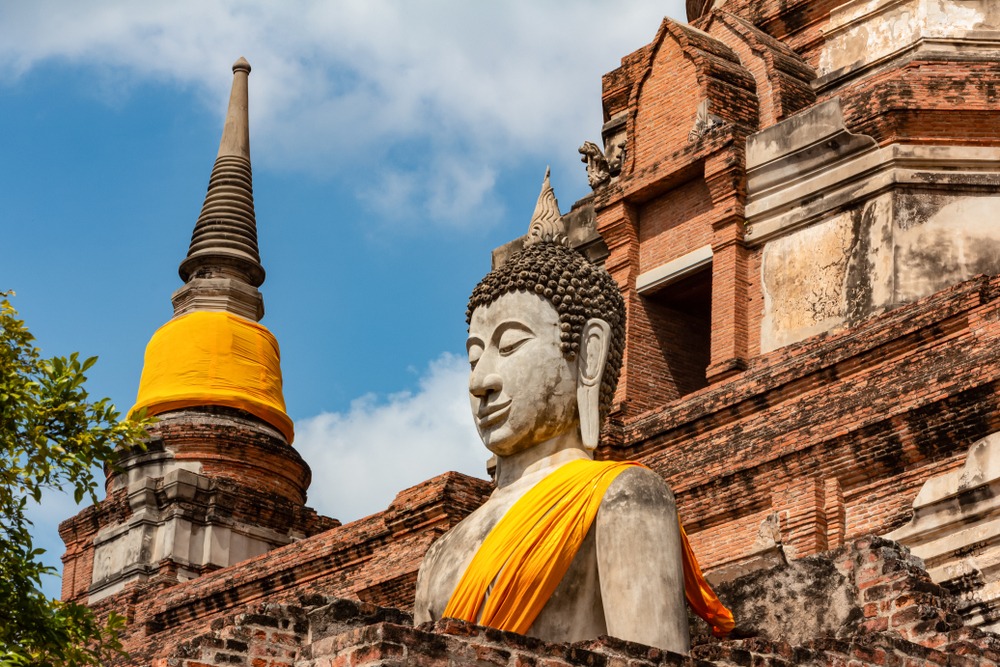
Wat Yai Chai Mongkhon
Located 3 km from Ayutthaya, Wat Yai Chai Mongkhon houses a monumental chedi commemorating King Naresuan's victory in 1592 and a 15-meter reclining Buddha.
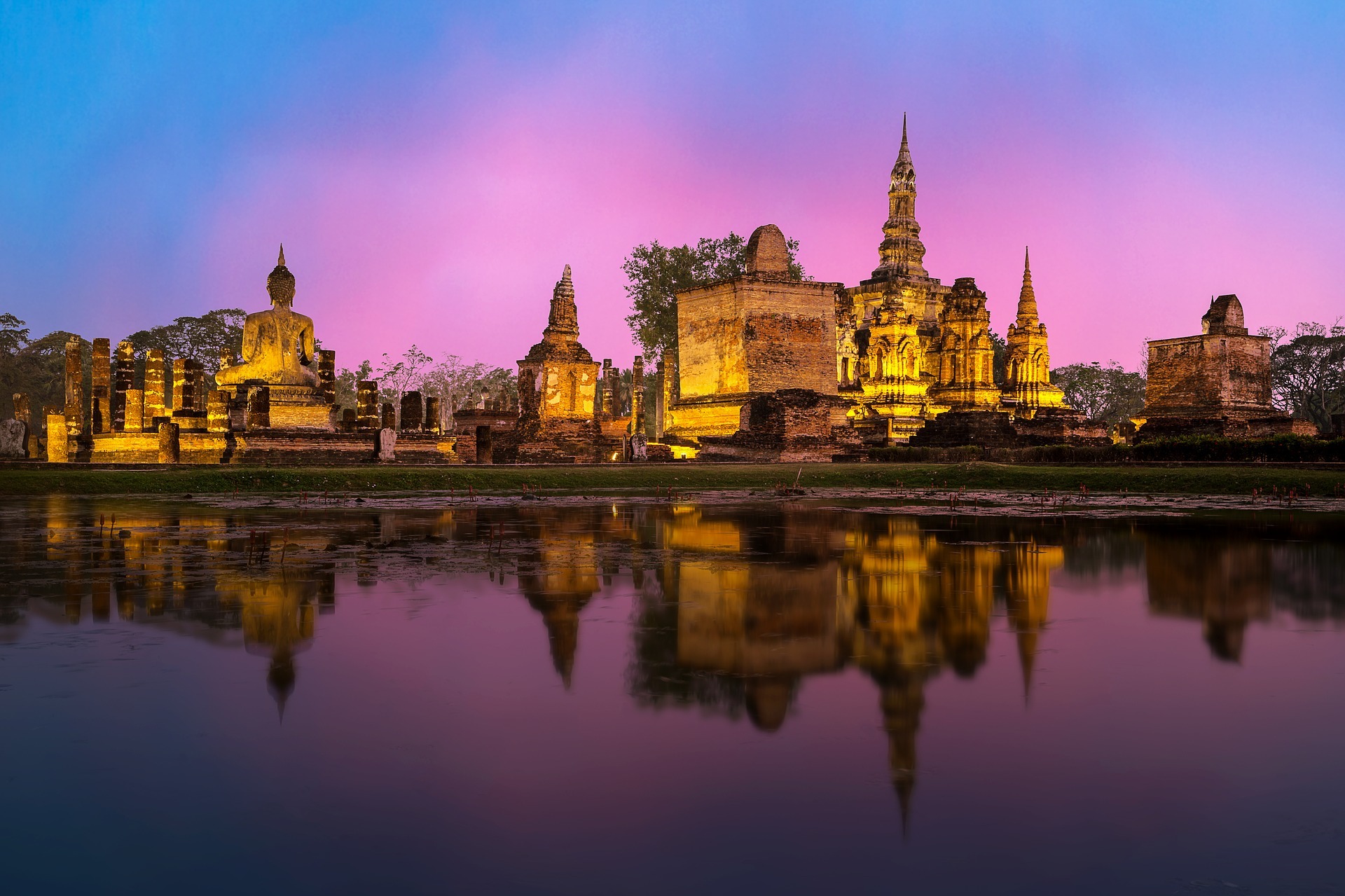
Ayutthaya
A UNESCO-listed former capital of the Siamese kingdom, Ayutthaya can be discovered in a day from Bangkok or savored over two days, among towering chedis, giant Buddhas and Khmer ruins.
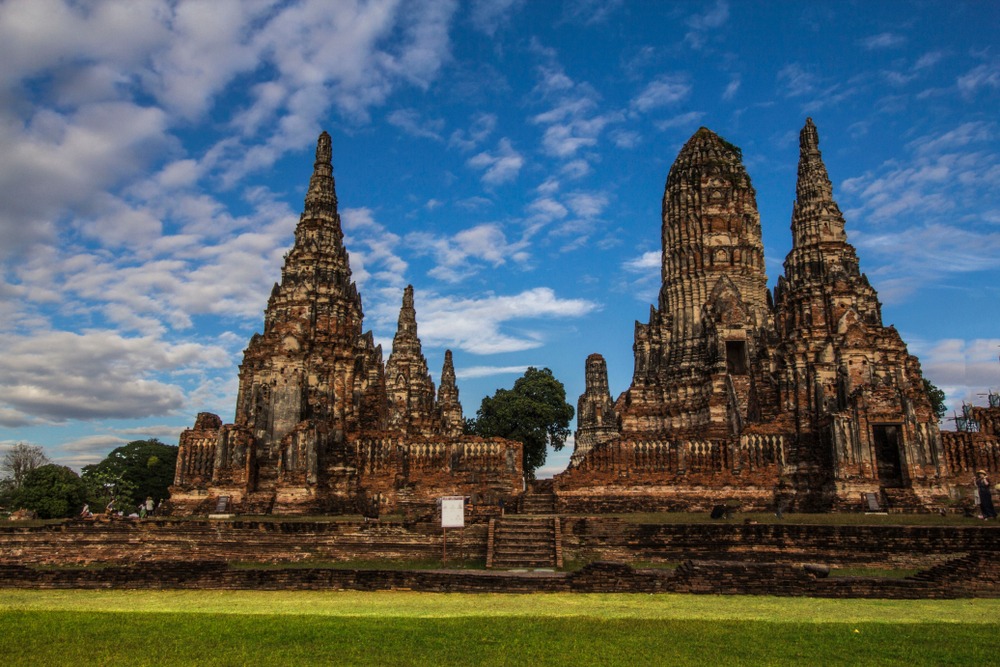
Wat Chai Watthanaram
A 17th-century Buddhist temple of Khmer style on the west bank of the Chao Phraya, Wat Chai Watthanaram stands as one of the major sites within Ayutthaya's historical park.
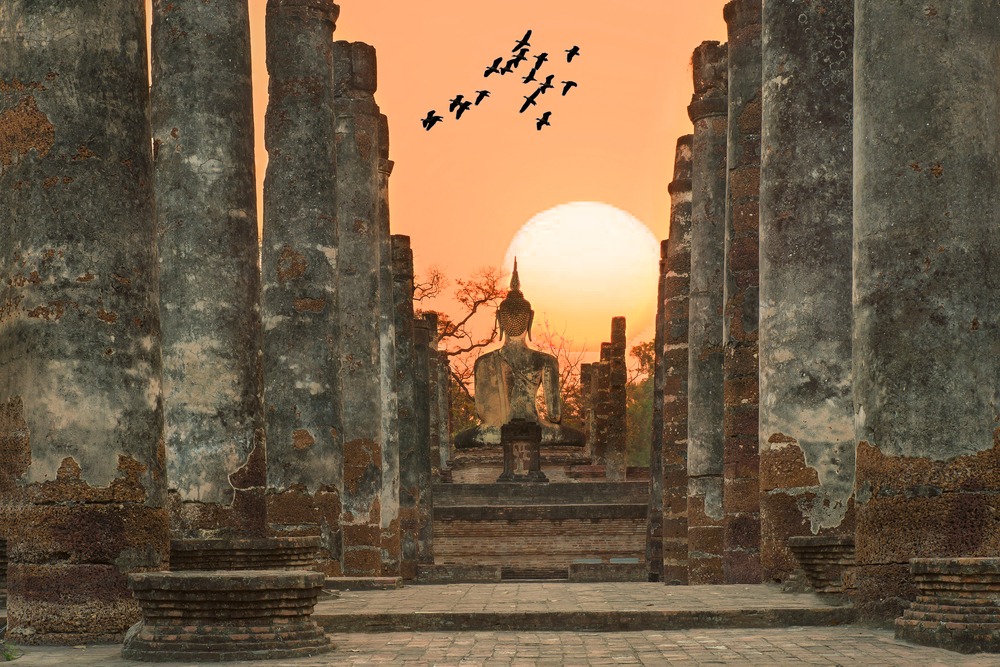
Wat Mahathat
Royal sanctuary of Ayutthaya founded in 1374, Wat Mahathat preserves its collapsed central prang, decapitated Buddhas and the famous head enveloped in a banyan tree.
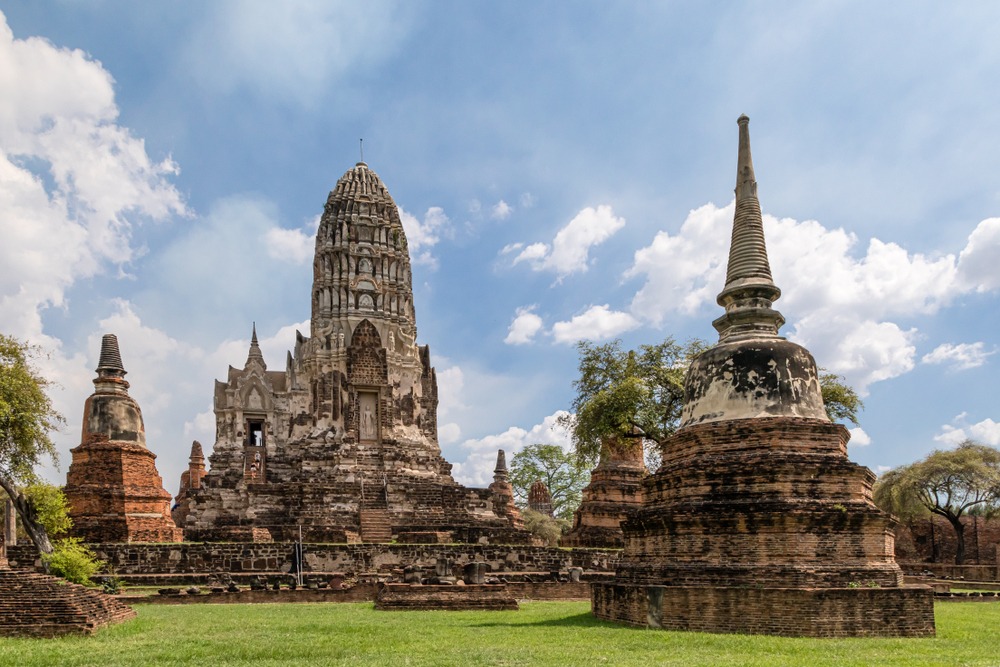
Wat Ratchaburana
Founded in 1424 in Ayutthaya, Wat Ratchaburana houses a restored prang, rare funerary frescoes and the legacy of a golden royal treasure.
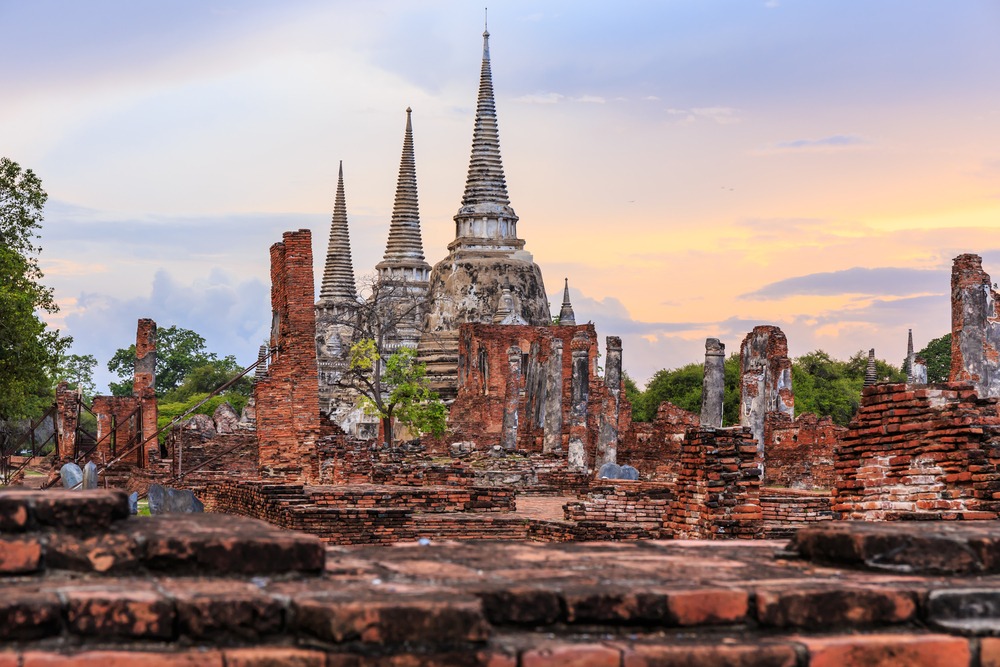
Wat Phra Sri Sanphet
A former royal temple in Ayutthaya, Wat Phra Sri Sanphet displays three iconic chedis, the sole structures spared by the Burmese sacking of 1767.
Interested in this visit?
We can include it in your personalised itinerary.