Wat Phra Sri Sanphet
Wat Phra Sri Sanphet
Pratu Chai Sub-district, Phra Nakhon Si Ayutthaya District, Phra Nakhon Si Ayutthaya 13000, Thailand
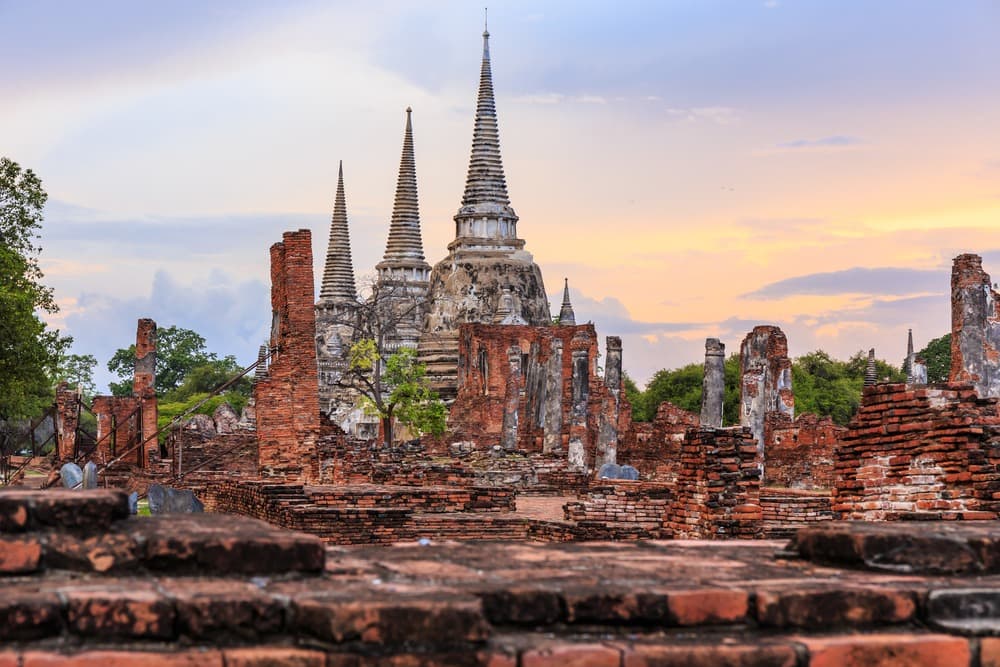
A former royal temple in Ayutthaya, Wat Phra Sri Sanphet displays three iconic chedis, the sole structures spared by the Burmese sacking of 1767.
In the heart of the Ayutthaya historical park, a UNESCO World Heritage site, the three bell-shaped chedis of Wat Phra Sri Sanphet rise with their elegant silhouettes toward the sky. A former royal temple of the Siamese empire, this site ranks among the most emblematic of the ancient capital and is essential for understanding Thailand's pre-Bangkok history.
Why Visit Wat Phra Sri Sanphet
Built within the former royal palace of Ayutthaya, this temple served a strictly palatial function, comparable to that of the Wat Phra Kaew in Bangkok's Grand Palace today. No monks resided here: the sanctuary was reserved for royal ceremonies—coronations, oath-taking by officers, and the presentation of military and civil decorations.
The three aligned chedis form the most reproduced image of Ayutthaya. They survived the city's sacking in 1767 and offer rare testimony to 15th and 16th-century Siamese architecture. The site lends itself particularly well to a late-afternoon visit, when raking light accentuates the pale brick of the stupas.
History of the Temple
Wat Phra Sri Sanphet was founded in 1350 at the order of Prince U-Thong, who ascended the throne as Ramathibodi I. The building then served as a royal palace. In 1448, Ayutthaya's eighth sovereign, Borom Trailokanat, had a new palace constructed farther north, near the Lopburi River, and converted the former structure into a place of worship. The site then took its present name, meaning "Temple of the Holy, the Venerable, and the Omniscient."
Successive sovereigns gradually enriched the complex. The first two chedis were completed in 1492 under Ramathibodi II, son of Borom Trailokanat: they house the cremated remains of his father and elder brother, Boromracha III. The third chedi, dated to 1529, is attributed to Athittayawong and preserves the remains of Ramathibodi II.
Ramathibodi II gave the temple its masterpiece: the Phra Sri Sanphetdayan statue, a 52-foot-tall standing Buddha cast from approximately 141 tons of bronze and plated with roughly 756 pounds of gold. In 1767, when Burmese armies took Ayutthaya, the city was pillaged and burned. The statue was melted down for its gold, and the buildings reduced to ruins. Only the three chedis were spared. In 1935, the Thai Fine Arts Department designated the site among the national historical monuments.
What to See on Site
The Three Royal Chedis
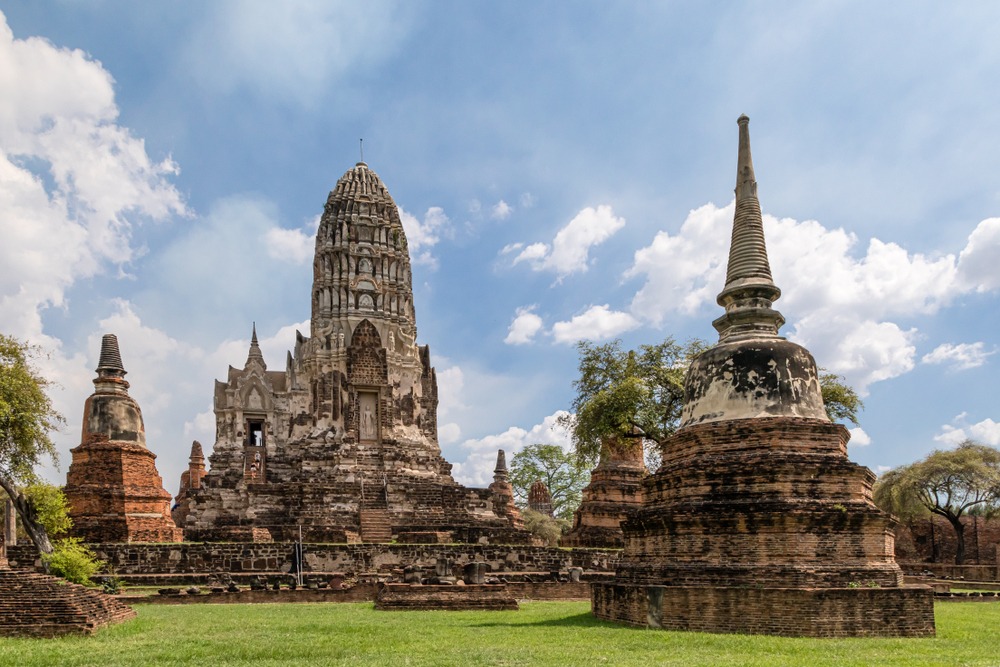
Built upon an elevated platform, the three bell-shaped stupas follow an architectural model of Sri Lankan inspiration typical of Ayutthaya's period. Each contains the ashes of a sovereign and is associated with a mondop, a small prayer hall where imprints of Buddha's feet were engraved.
The Main Sanctuary and Chapels
Entering through the great eastern gate, you access a patio scattered with secondary chedis, some partially collapsed. Facing the entrance, the great sanctuary is framed by two more modest chapels; the one on the left, whose foundation rests on two corner stones, was likely of royal rank.
The Palatial Enclosure
The temple was once surrounded by high ramparts that separated it from the rest of the royal complex. Four gates oriented toward the cardinal points gave access to the enclosure, punctuated by an alternating arrangement of bells and pavilions, some of which remain recognizable today.
Practical Information
The site is open daily, generally through late afternoon, with slightly extended hours during peak tourist season. A modest admission fee applies to foreign visitors; it is sometimes included in the bundled ticket for Ayutthaya's historical park, which is more advantageous if you plan to visit multiple temples.
Allow approximately 1 hour to visit Wat Phra Sri Sanphet alone; longer if you explore the adjacent former palace. Appropriate dress remains expected: shoulders and knees covered, hat removed in the vicinity of the chedis. Bring water, sunscreen, and comfortable shoes: the site is largely exposed.
When to Go
The dry season, from November to February, remains most favorable: milder temperatures (75–90 °F), low humidity, and clear skies ideal for photography. March to May marks the hot season, with peaks exceeding 95 °F that make midday visits taxing. June to October brings intense yet brief tropical downpours; surrounding vegetation then turns a deeper green. Regardless of the season, favor early morning or late afternoon.
How to Get There
Ayutthaya lies approximately 50 miles north of Bangkok. The train from Hua Lamphong Station (or Krung Thep Aphiwat) remains the simplest option, with a journey of roughly 1.5 to 2 hours depending on the service. Minivans and long-distance buses depart from Mo Chit terminal. The waterway route, less common, is offered by select cruises departing Bangkok.
Once in Ayutthaya, the historical park is explored by bike (readily available for rent in town), by chartered tuk-tuk or half-day rental, or on foot between nearby temples. Wat Phra Sri Sanphet is located at the park's center, minutes from Viharn Phra Mongkhon Bophit.
Nearby Attractions
- Wat Mahathat, famous for the Buddha head ensnared in the roots of a fig tree.
- Wat Ratchaburana, the immediate neighbor of Wat Mahathat, whose crypt houses frescoes.
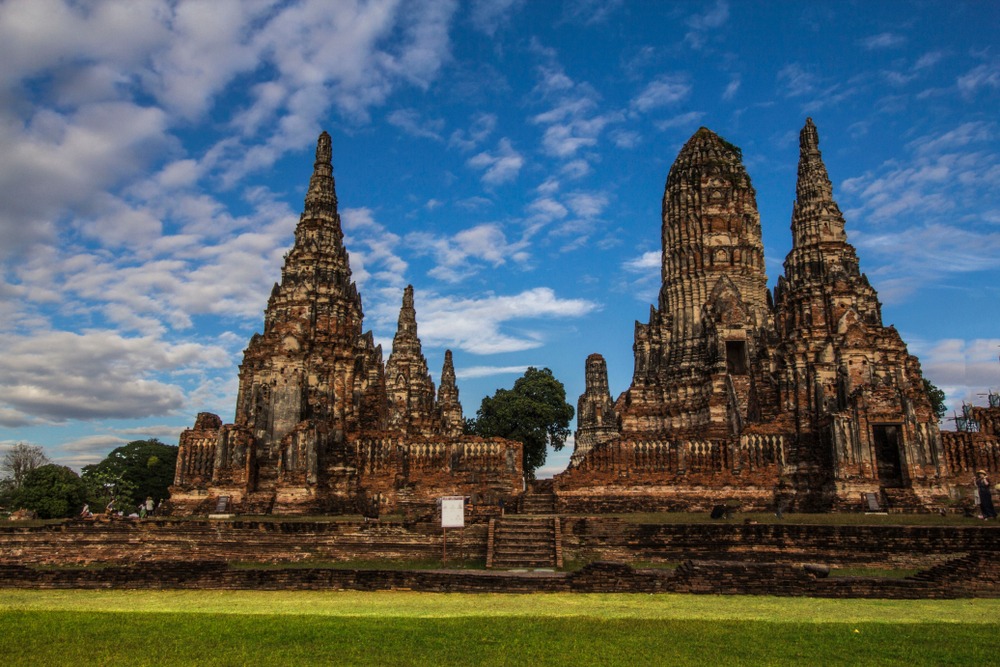
- Wat Chai Watthanaram, on the western bank, of Khmer inspiration.
- Wat Na Phra Men, one of the few temples that escaped Burmese destruction.
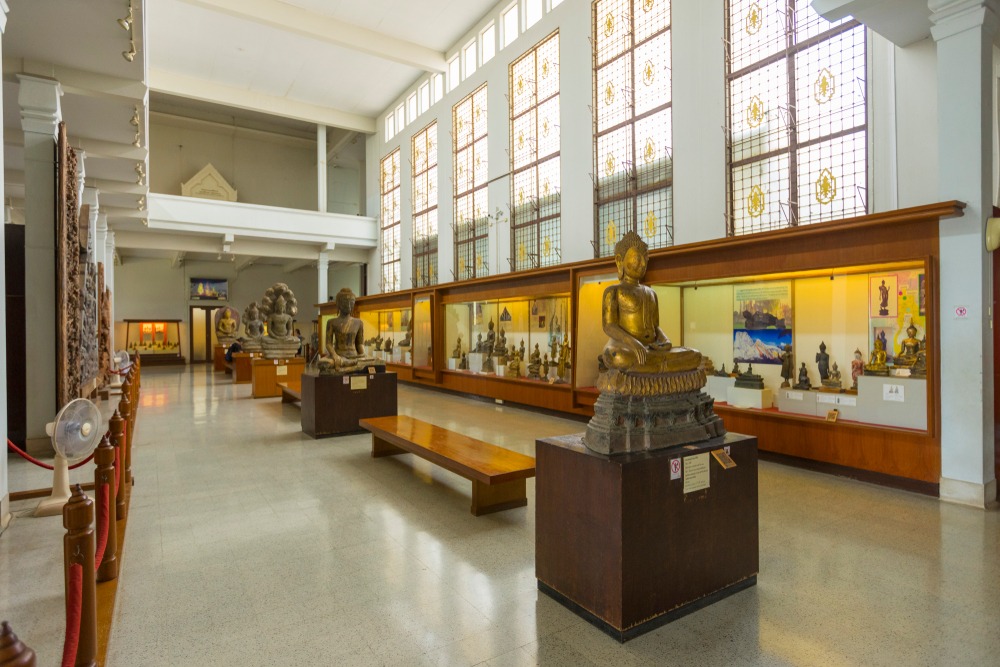
- Chao Sam Phraya National Museum, which preserves treasures discovered in temple crypts.
Frequently Asked Questions
Frequently asked questions
Allow approximately 1 hour to tour the three chedis, the main sanctuary, and the enclosure. If you include the former palace and the neighboring Viharn Phra Mongkhon Bophit, plan for roughly 2 hours.
No. From its inception, it was reserved for royal ceremonies and housed no monastic community. Today, it is an archaeological site managed by the Fine Arts Department.
Yes, this is the most common option. An early morning departure by train or minivan allows you to cover three or four major temples, including Wat Phra Sri Sanphet, and return in the evening. An overnight stay, however, is recommended for a more relaxed experience.
Clothing covering the shoulders and knees is required, as in all Thai temples. Avoid sheer or form-fitting garments.
The 52-foot statue was destroyed and melted by the Burmese in 1767 to recover its gold. Only the pedestal remains on site. A few fragments are preserved at Wat Pho in Bangkok.
Plan Your Trip
Wat Phra Sri Sanphet fits naturally into a cultural circuit connecting Bangkok, Ayutthaya, and the country's northern regions. To craft a tailor-made itinerary featuring the kingdom's major Siamese sites, consult our journeys in Thailand.
Photos
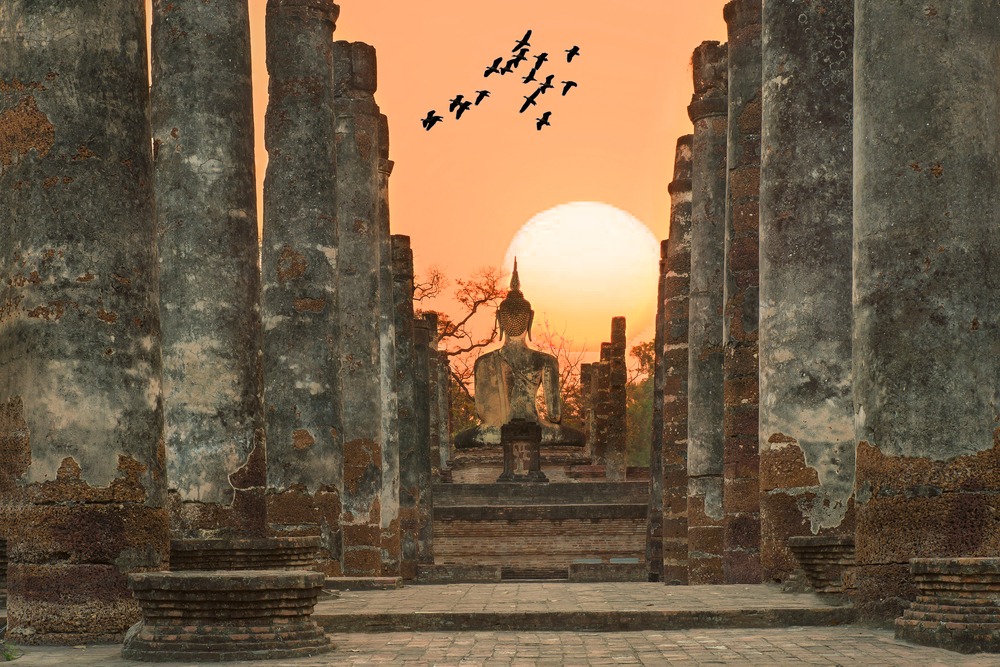
Nearby
Also discover
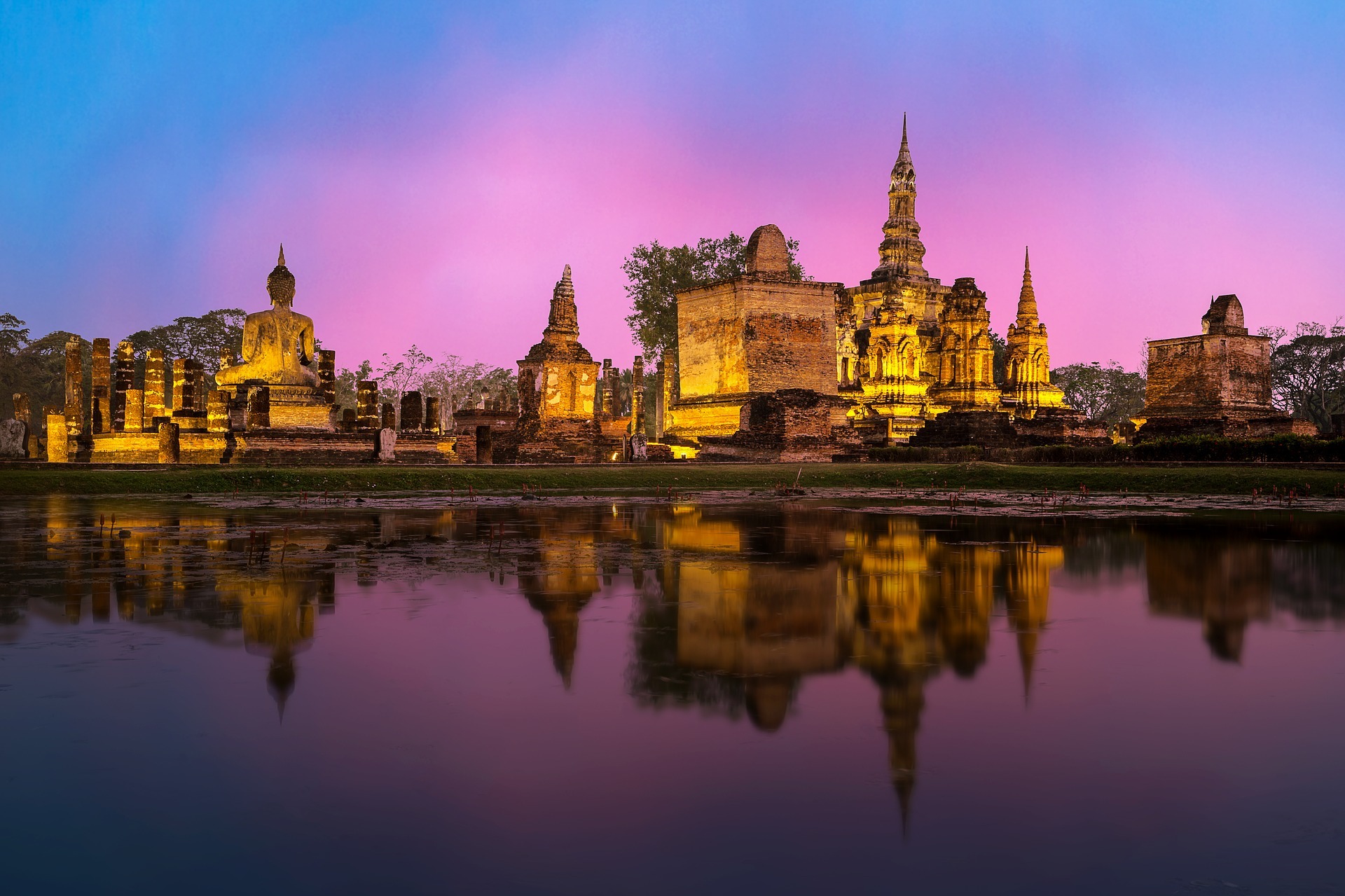
Ayutthaya
A UNESCO-listed former capital of the Siamese kingdom, Ayutthaya can be discovered in a day from Bangkok or savored over two days, among towering chedis, giant Buddhas and Khmer ruins.
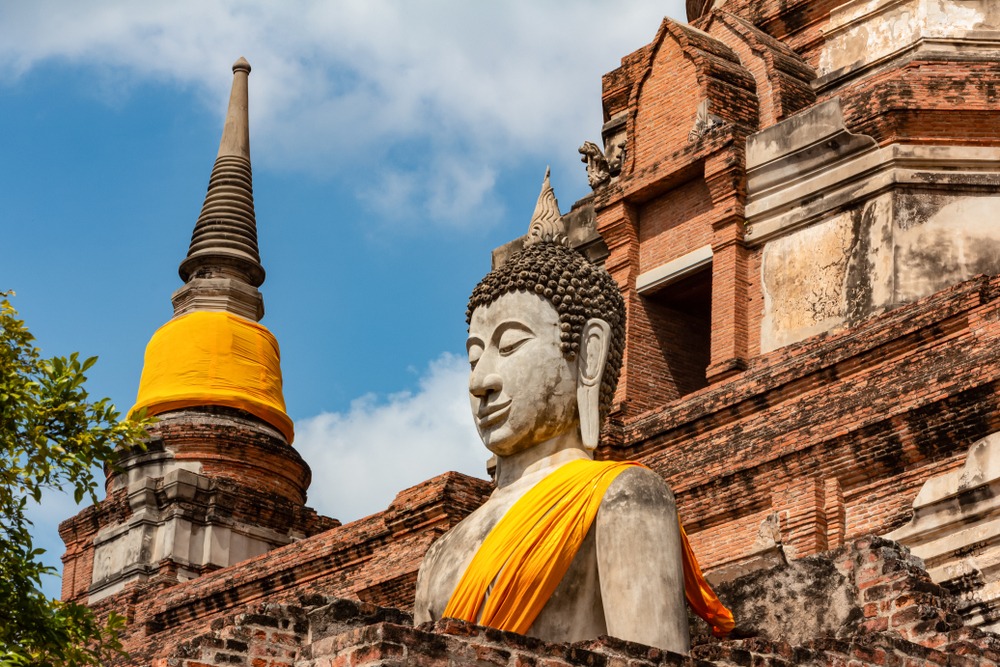
Wat Yai Chai Mongkhon
Located 3 km from Ayutthaya, Wat Yai Chai Mongkhon houses a monumental chedi commemorating King Naresuan's victory in 1592 and a 15-meter reclining Buddha.
Interested in this visit?
We can include it in your personalised itinerary.