Wat Phutthaisawan
On the southern bank of Ayutthaya, Wat Phutthaisawan brings together a Khmer-style prang, a viharn with gilded Buddhas, and direct views over the Chao Phraya, in a more serene setting than the major sites within the historical park.
Wat Phutthaisawan stands on the southern bank of Ayutthaya's island, facing the Chao Phraya River. This Buddhist temple, among the oldest in the historic city, houses a central prang characteristic of Khmer-Thai architecture. Less visited than the major historical park sites, it offers a contemplative atmosphere and direct access to the riverside, appreciated at day's end.
Quick Practical Information
- Admission : paid entry (modest fee, cash on site)
- Dress code : shoulders and knees must be covered; shoes removed before sacred buildings
- Recommended duration : 30 to 45 minutes
- Access : roadside location, accessible by tuk-tuk, bicycle, or water taxi from central Ayutthaya
What to See
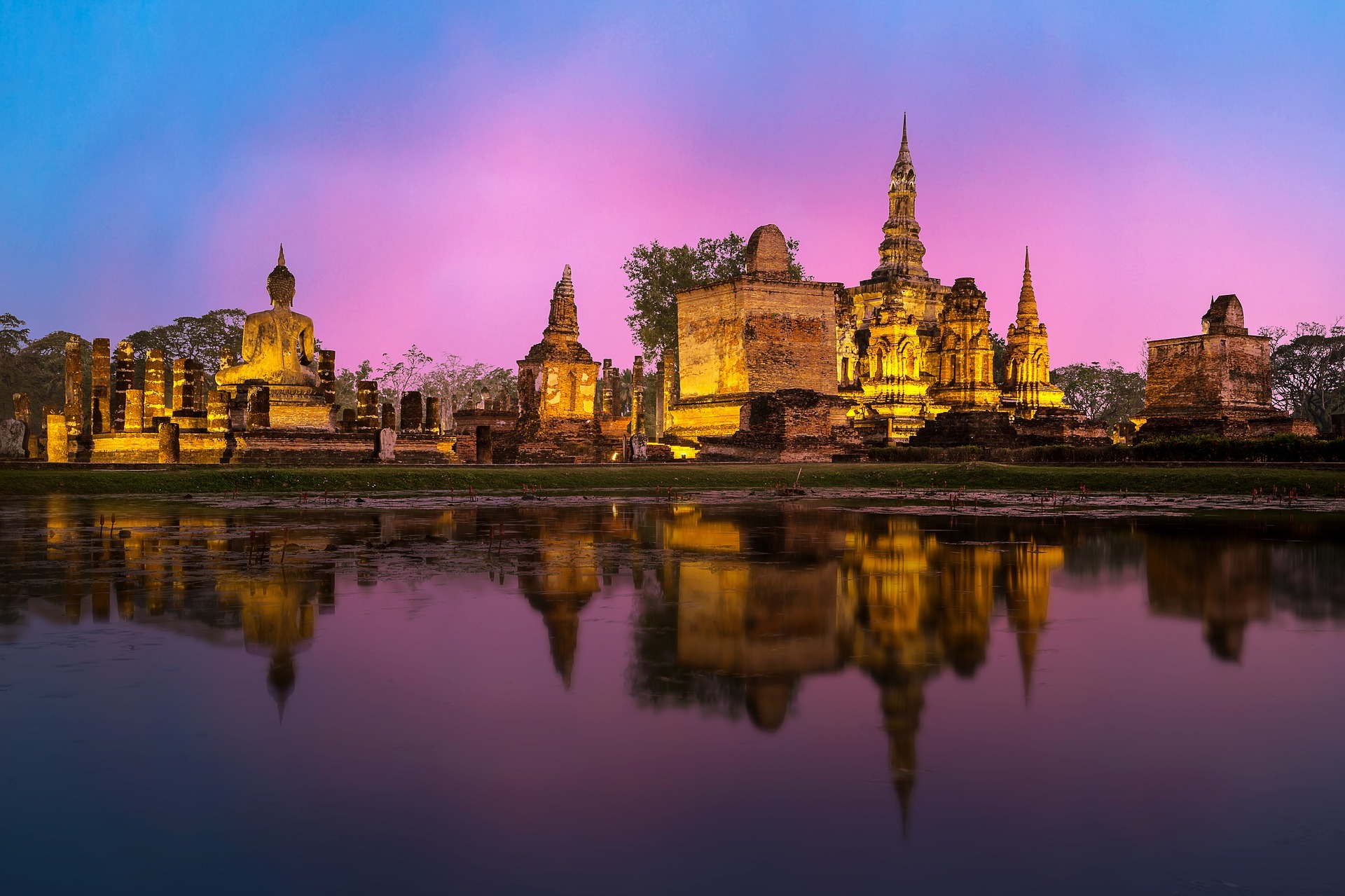
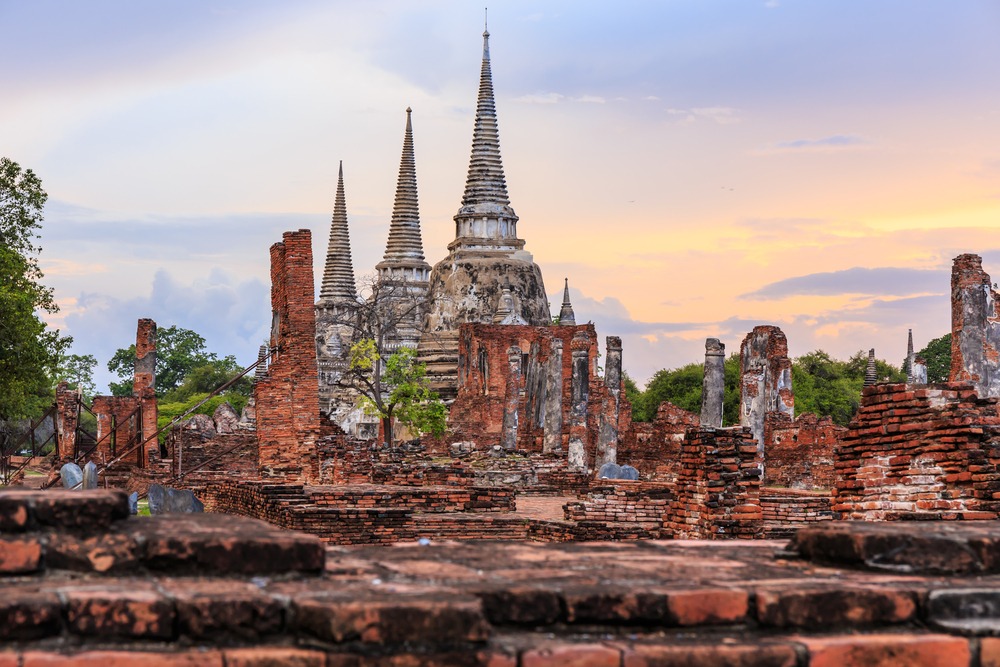
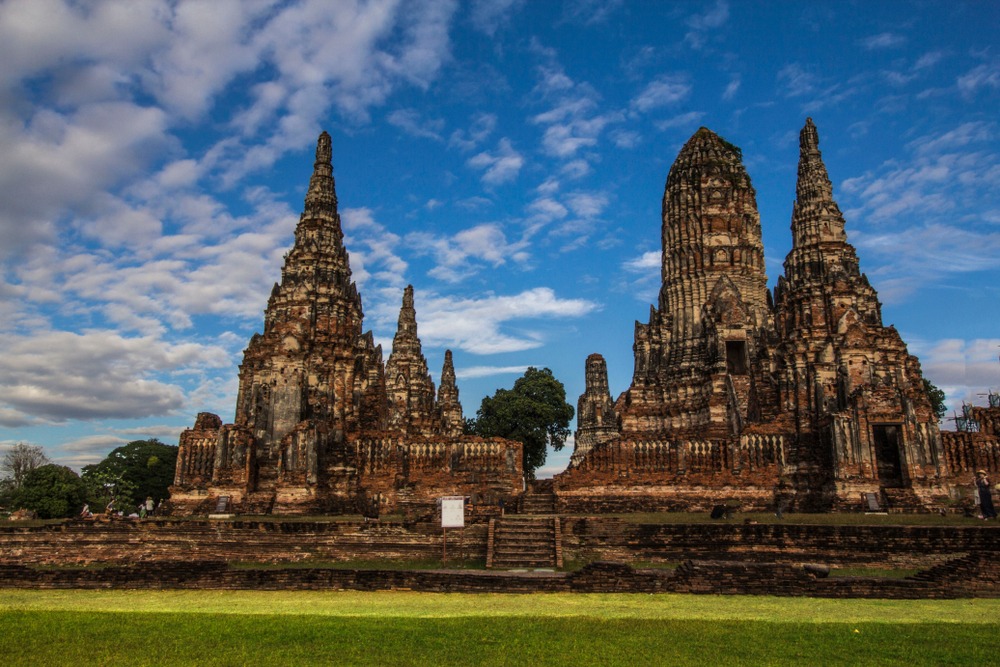
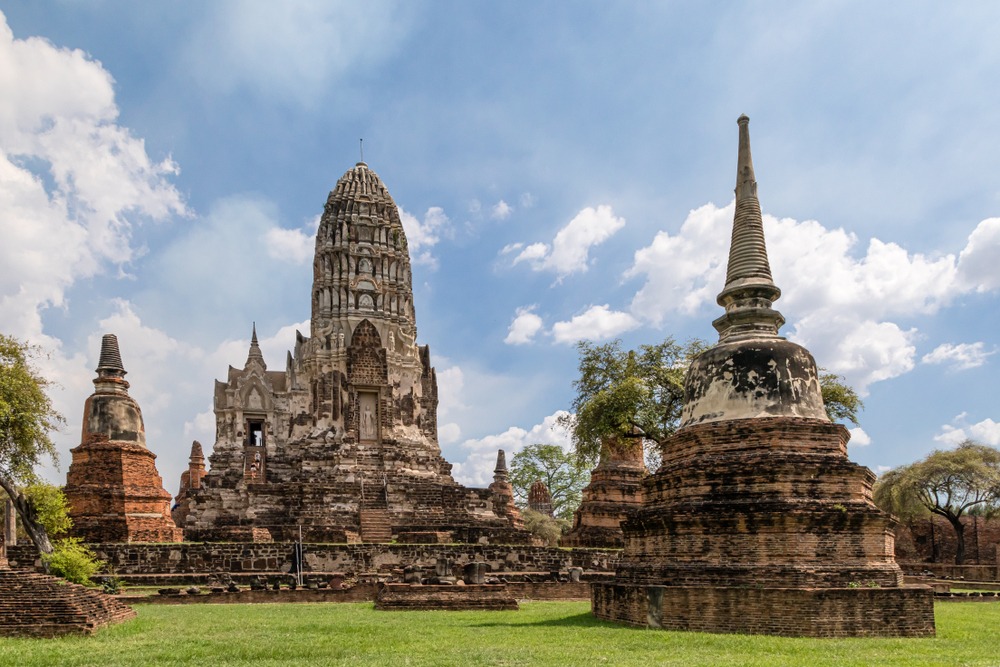
The heart of the site is a brick prang in Khmer style, flanked by secondary chedis and a restored viharn. Rows of seated Buddha statues occupy the main viharn. Surrounding ruins, partially overgrown with vegetation, testify to the site's antiquity. Views of the river from within the compound are among the location's understated assets.
History and Context
Wat Phutthaisawan is associated with the early decades of the Ayutthaya kingdom, founded in the 14th century. According to tradition, it was erected on the spot where King Ramathibodi I resided before founding the capital. The site suffered destruction from the Burmese invasion of 1767, as did nearly all Ayutthaya temples.
Highlights of Your Visit
The Central Prang
The red-brick sanctuary tower, with its slender proportions, is the dominant architectural element. Its sculptural decoration, though partially weathered, illustrates Khmer influence on Ayutthaya's artistic tradition.
The Viharn and Its Buddhas
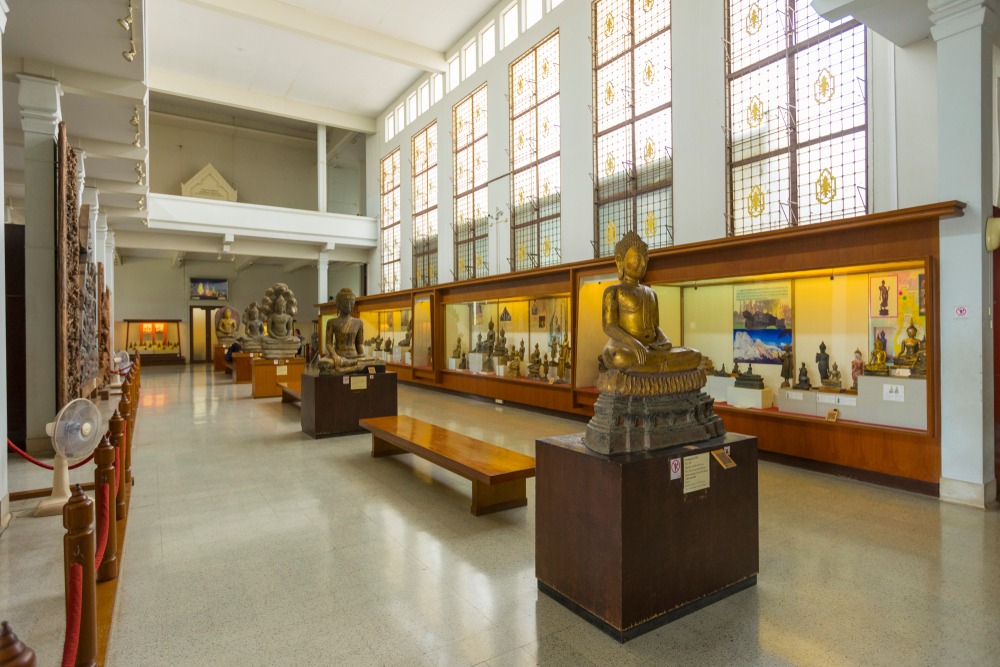
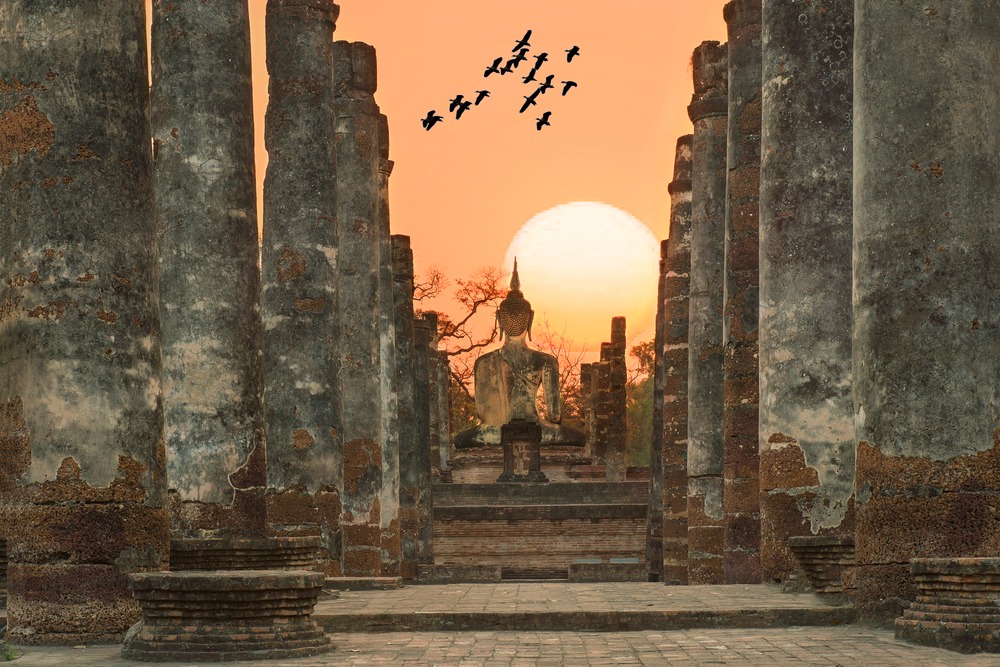
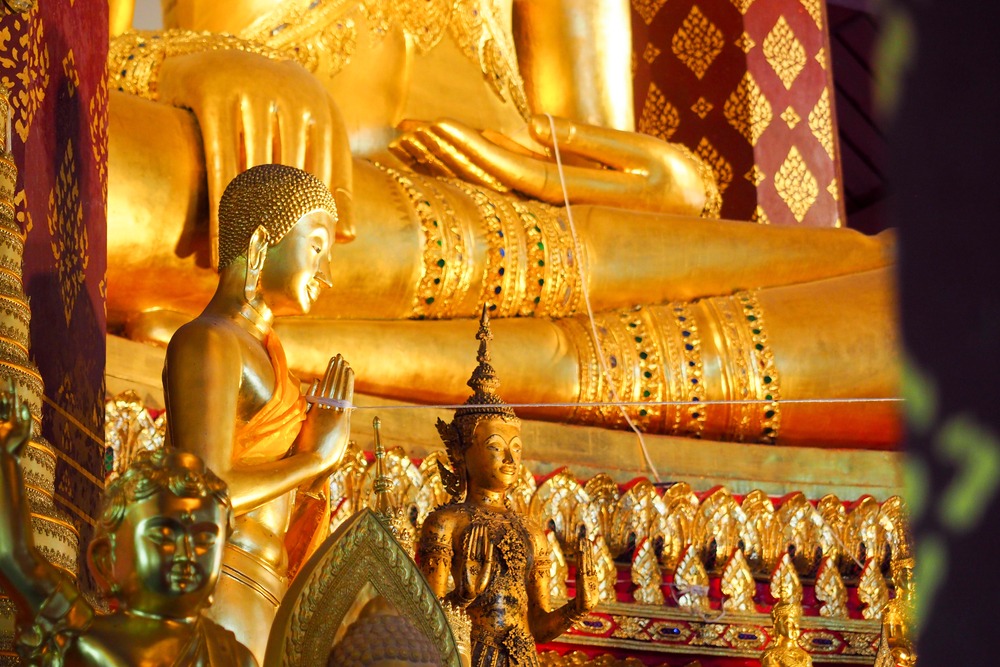
The restored assembly hall houses several seated Buddha statues, some still retaining traces of gilding. The atmosphere is peaceful, inviting quiet reflection.
The Riverside
The compound opens directly onto the Chao Phraya. In late afternoon, slanting light across the brickwork and water creates a subtle, authentic photographic setting.
Etiquette and Visiting Rules
- Cover shoulders and knees before entering; sarongs may be available at the entrance.
- Remove shoes before entering the viharn.
- Speak quietly; the temple remains an active place of worship.
- Do not touch or climb on statues or ruins.
Photography Tips
Late afternoon light (4–6 pm) is ideal: it warms the prang's red bricks and creates reflections on the river. Frame the prang from the southwest angle to include surrounding vegetation. Inside the viharn, natural light is dim; avoid using flash out of respect.
Location and Access
Wat Phutthaisawan sits on the southern bank of Ayutthaya's historic island, along the road that runs beside the Chao Phraya. It lies just minutes by bicycle or tuk-tuk from Wat Mahathat and Wat Ratchaburana. The water taxi connecting Ayutthaya to the opposite bank passes nearby. The site is walkable from the center, but bicycling remains the most practical way to visit multiple temples.
Nearby Attractions
- Wat Mahathat — famous for the Buddha's face cradled in fig tree roots.
- Wat Ratchaburana — large Khmer prang with accessible crypts, at the heart of the historical park.
- Wat Phra Si Sanphet — three iconic chedis, former royal temple of Ayutthaya.
- Wang Luang Palace — royal palace foundations, adjacent to Wat Phra Si Sanphet.
Frequently asked questions
No, it is managed separately from the main historical park. Admission is paid directly on site, in cash.
Shoulders and knees must be covered. Bring a lightweight sarong or sleeved clothing; shoes are removed before the viharn.
A bicycle is ideal: from Wat Phutthaisawan, reach Wat Mahathat and Wat Ratchaburana in minutes. A half-day is enough to cover the southern bank and the island's center.
Photography is permitted within the compound. Inside the viharn, avoid using flash as a mark of respect for worshippers and the artworks.
The dry season (November–February) offers the best conditions: manageable heat and clear skies. Avoid the rainy season (July–October), when certain areas may be flooded.
Nearby
Interested in this visit?
We can include it in your personalised itinerary.