Isan, Northeast Thailand
The Northeast plateau, bordering Laos and Cambodia: Khmer temples, silk villages, the Mekong and fragrant rice fields, far from the usual circuits.
Often overlooked by tour operators, Isan boasts some of Thailand's most surprising and authentic destinations.
Isan refers to a geographical region in northeast Thailand, located at the borders of Laos and Cambodia. From Bangkok, you can fly to Ubon, Udon Thani or Nakhon Ratchasima. The contrast between the two regions is quite striking.
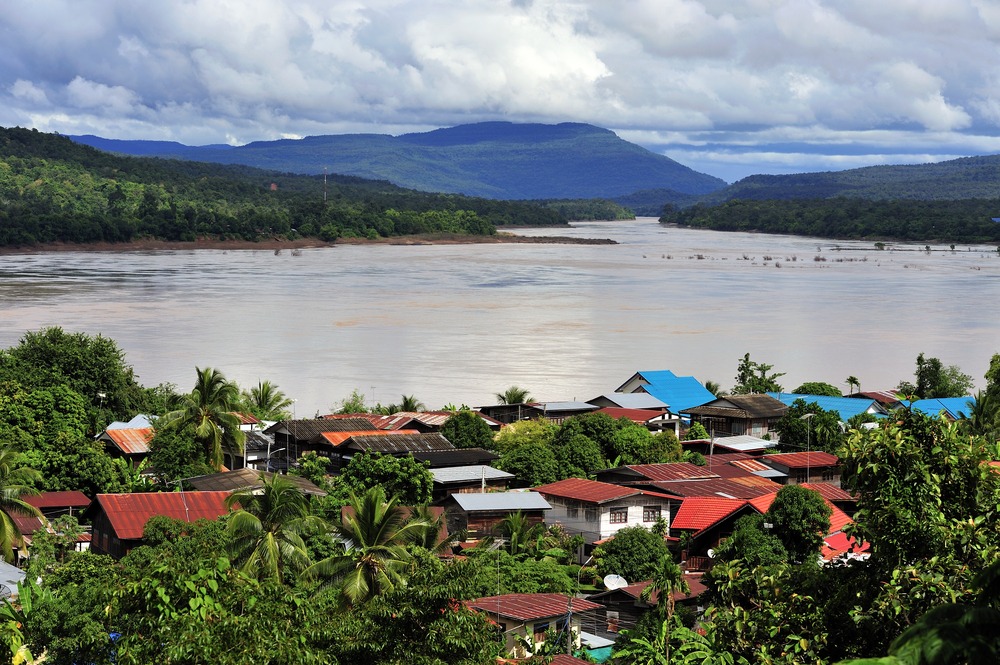
The green of rice paddies, water buffalo emerging into the fields, the gentle melody of Mor Lam accompanied by a khaen player, the elegance of finely embroidered sarongs, the traditional silk craft, stilt houses overflowing with leafy vegetation… It is in Isan that Thailand's traditions manifest in all their facets! You will visit wonderful national parks, dotted with waterfalls and natural pools; you will explore Buddhist temples; you will participate in joyful folk festivals, such as the Ubon Ratchathani Candle Festival, to mention only the most famous, and to crown it all, you will enjoy a pleasure cruise on the Mekong River.
A journey rich in discoveries, where authenticity is the watchword, awaits you in Isan.
History
Isan, Issan or Ihsan – all three spellings being accepted – has historical ties with Laos and Cambodia. The Khmer empire of Angkor governed the region before the beginning of the Christian era. The red and pink sandstone mountain temples, commonly called prangs, are the legacy of this period. The most notable Khmer ruins are those of Phimai and Phnom Rung. Around 1300, the Lao kingdom of Lan Kang, or Million Elephants, rose to power and conquered neighboring territories. It was from this moment that Laotians emigrated en masse to northeast Thailand. This resulted in a clear cultural blending evident in language, cuisine, traditional costumes and religious architecture.
Isan was incorporated into Siam under the reign of the Chakri dynasty, which undertook the unification of Thailand. This was in the seventeenth century. The integration of the Thai Lao people did not happen without violence. Thousands of families were forcibly deported from the left bank of the river to the right bank. To promote social integration of Isan's inhabitants, the Thai Government spread the word that Isan derived from ancient Sanskrit Isana, a glorious name for Shiva.
In any case, the Isan people suffer from stigmas associated with their Khmer and Laotian origins. Central Thailand's citizens tend to regard them with contempt, judging their neighbors as uncivilized and unsophisticated. The confession of Pira Sudham, a man of letters from Isan, is heartbreaking: "some Bangkok Thais… said I was not Thai, but… a buffalo or a peasant".
Today: an economically disadvantaged region betting on tourism's future
Poverty is more prevalent in Isan than in any other part of Thailand. This is explained notably by the massive rural exodus affecting the region. Many young people emigrate to Bangkok and the islands to seek work. In this context, tourism proves to be an economic growth engine.
Visiting Isan doesn't cross the minds of many travelers. They prefer thinking of the City of Angels or the historic city of Ayutthaya. Yet, Isan's destinations have much to offer to dreamers, if you enjoy returning to your roots and challenging civilization's conventions. Tourist infrastructure is far from meeting European standards. No public transport serving small towns. Crossing Isan is all the more exciting for it. Tourism in Isan emphasizes nature, the beauty of rice paddies, artisanal know-how, culinary flavors, Buddhist architecture and not forgetting the ruins of prehistoric civilizations.
What to See and Do
Welcome to Thailand's largest region! For your delight, your local travel agency organizes themed circuits to carefully selected cities and villages. The most visited destinations are Nakhon Ratchasima, Buriram, Udon Thani, Ubon Ratchathani and Loei.
Archaeological Heritage
Nakhon Ratchasima, the regional capital of Isan, is known for its significant Khmer ruins. The Prasat Hin Phimai is a must-see: a sugarloaf-shaped sanctuary tower characteristic of the era! From there, you continue to the archaeological sites of Phanom Rung and Muang Tam, which are the pride of Buriram. Shiva, Vishnu, the generously-curved Apsaras divinities… The entire Hindu pantheon is represented in full. On the road between Phimai and Phanom Rung lies the Sai Ngam botanical garden. Make a detour there, if only to capture in photos Asia's largest banyan tree. It is estimated to be over 350 years old!
Natural Heritage
Subsistence agriculture remains the backbone of the economy. Hikers will be happy to wander among the flooded rice paddies, to trek through cassava and sugar cane fields. Accommodation with host families is an opportunity to befriend the locals and share their daily life. Elephants and water buffalo are plentiful in Isan's rural villages. Young travelers will love it; swimming alongside elephants, watching buffalo plow the rice paddies or guiding them in the stable is a unique experience!
Hiking enthusiasts typically combine immersion in a tribal community with the joys of ecotourism. Given the majesty of the mountainous landscape, a detour to the national parks ignites passions.
When visiting Loei or Khon Kaen, don't miss Phu Kradung National Park, known for its viewpoints, waterfalls and rugged terrain; continue with Phu Rea National Park and be rewarded with the unique view of Laos and the Mekong that awaits you at the Phu Ruea summit (1,065 m).
Going somewhere in southern Isan? Treat yourself to an excursion to Pha Taem National Park, 20 km from Khong Chiam, Ubon Ratchathani district. The Mekong's red waters, the deafening waterfall and mushroom-shaped rocks create an enchanting setting conducive to wandering and reverie. You'll be curious to examine the caricature-like figures painted directly on the rock. Rock art created 3,000 or 4,000 years ago by cavemen! During a Mekong cruise, don't miss Sam Phon Bok, a collection of rocky dunes polished by the currents and scattered with strange-shaped water pockets. Locals affectionately call it "Thailand's Grand Canyon". Judge for yourself whether the site is truly as beautiful as its nickname suggests!
Temples and Monuments
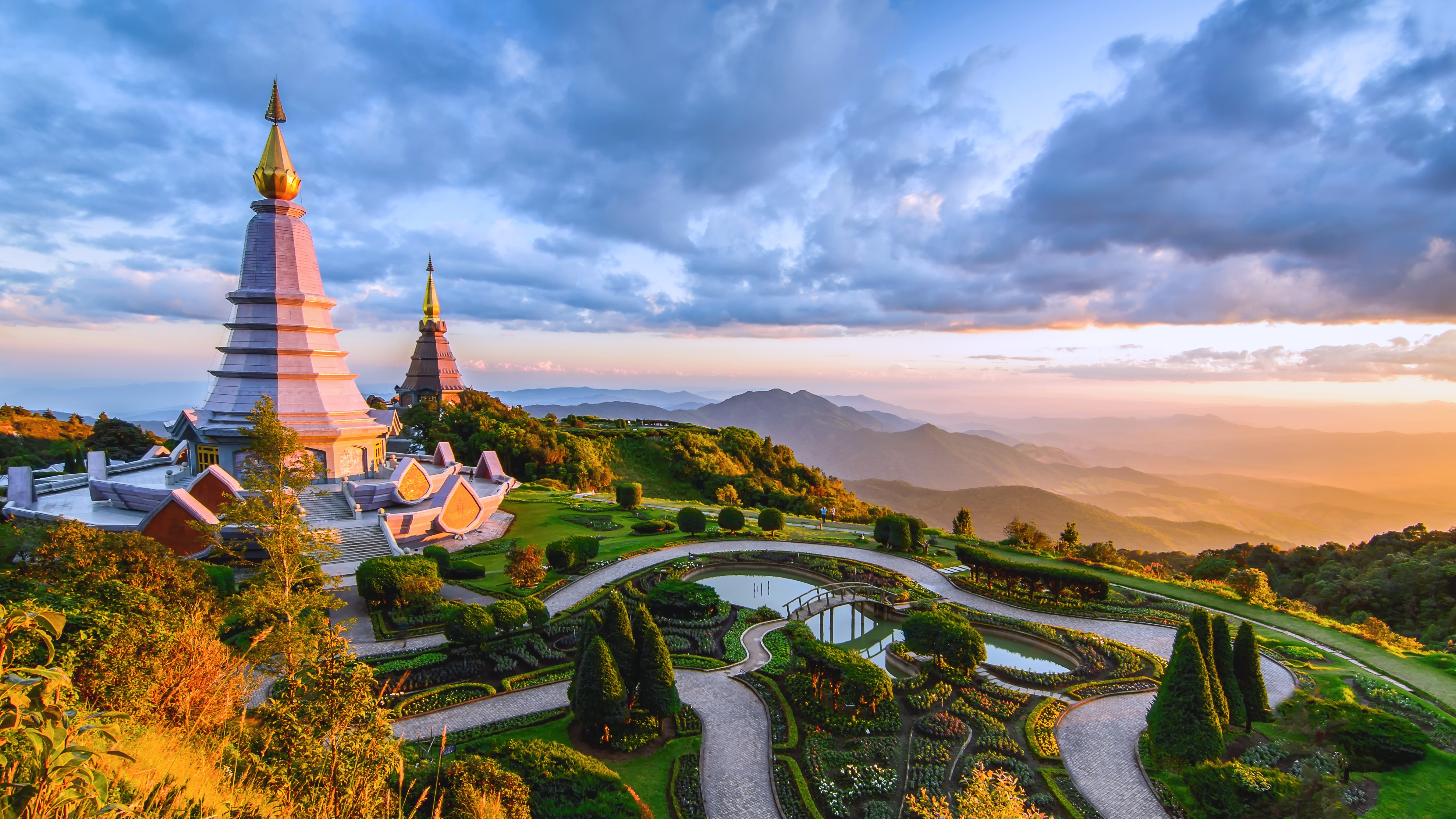
Temples, stupas and pagodas are inseparable from the landscape. A village's social and cultural life revolves around the temple. A few exceptional monuments are worth lingering over:
- The Sala Keoku sculpture park, located 5 km from Nong Khai;
- The Wat Ban Rai, standing in downtown Nakhon Ratchasima;
- The Wat Pa Maha Chedi Kaew, built from recycled beer bottles. An unmissable monument in Sisaket!
- The Wat Nong Wang, the finest architectural jewel of Khon Kaen. Visitors come to admire its imposing nine-story stupa, whose design was influenced by the Eiffel Tower and Rangoon's Shwedagon Pagoda;
- The Wat Pa Phu Kon, known for its turquoise-tiled viharn and its 20-meter reclining Buddha cast in white Carrara marble. Between Nong Khai and Udon Thani.
Cultural Heritage
When traveling through Isan, you will certainly have the opportunity to admire cultural beliefs and traditions. Unlike Western Europe, where Christians are believers but rarely practicing, here Buddhism has considerable influence in daily life. To convince yourself, attend the Phi Ta Kon festival, held in the small village of Dan Sai, Loei province. This three-day ceremony commemorates Prince Gautama's return to his hometown after years of exile; the dead awakened from their tombs, legend says, to join the living in celebration. Among other famous festivals, mention should be made of the Ubon Ratchathani Candle Festival, during which carriages laden with giant carved candles parade through the streets, the Surin Elephant Parade, held each year during the third week of November, and the Silk Festival that enlivens the quiet village of Khon Kaen in December.
A bespoke Isan trip can include traditional song and dance performances. You'll enjoy a taste of Mor Lam, a form of music widespread in Laos and Isan from the 1920s onwards, accompanied by a three-string guitar, a lute and a few cymbals.
Cuisine is also an essential component of indigenous cultural heritage. To eat well, Isan people need a bowl of sticky rice, with dishes made from green herbs, fruits, vegetables and various spices. The most well-known Isan dishes are Som Tam (papaya salad with crunchy texture), larb and bamboo shoot soup. Enthusiasts can take local cooking classes.
Finally, Isan is renowned as a land of weavers, silk makers and skilled artisans. Visits by foreigners are an opportunity for these craftspeople to sell the fruits of their labor. From Surin to Sisaket, from Nong Khai to Udon Thani, from Loei to Khon Kaen, craftsmanship is an attraction in its own right. You can discover a silk worm farm, learn weaving or master gong-making techniques. Before leaving the village, don't forget to buy a few items as souvenirs. This way, you'll help rural communities living in severe deprivation.
Practical Information
When to Visit Isan?
The answer to this question depends on your tourism choices. If your aim is to hike in nature, see rice paddies and admire waterfalls, it's worth coming during the height of the rainy season. From July to October, vegetation explodes after storms, lending the walk all its charm. If you intend to focus your stay on heritage visits, plan your departure between November and February. This is the best time to visit Isan: the sky is perfectly clear, and it's warm without being scorching.
How to Get There
To travel cheaply through Isan, the bus is the best option. Bus services depart to all cities from Bangkok.
The airplane is a practical and comfortable form of transport. Regular flights connect Bangkok to the region's major destinations, namely Buriram, Loei, Ubon Thani, Ubon Ratchathani, Khon Kaen and Sakhon Nakhon. To fly directly to Nong Khai, the simplest way is to book a flight to Udon Thani. Each airport has a shuttle service that drops passengers directly in the city center.
Discover Isan with our Wonders of Isan tour