Chatuchak Market
Chatuchak Market
587, 10 Kamphaeng Phet 2 Rd, Khwaeng Chatuchak, Khet Chatuchak, Krung Thep Maha Nakhon 10900, Thaïlande
Over 15,000 stalls across 110,000 m² in the heart of Bangkok: practical guide to Chatuchak Market, its sections, hours and how to get there.
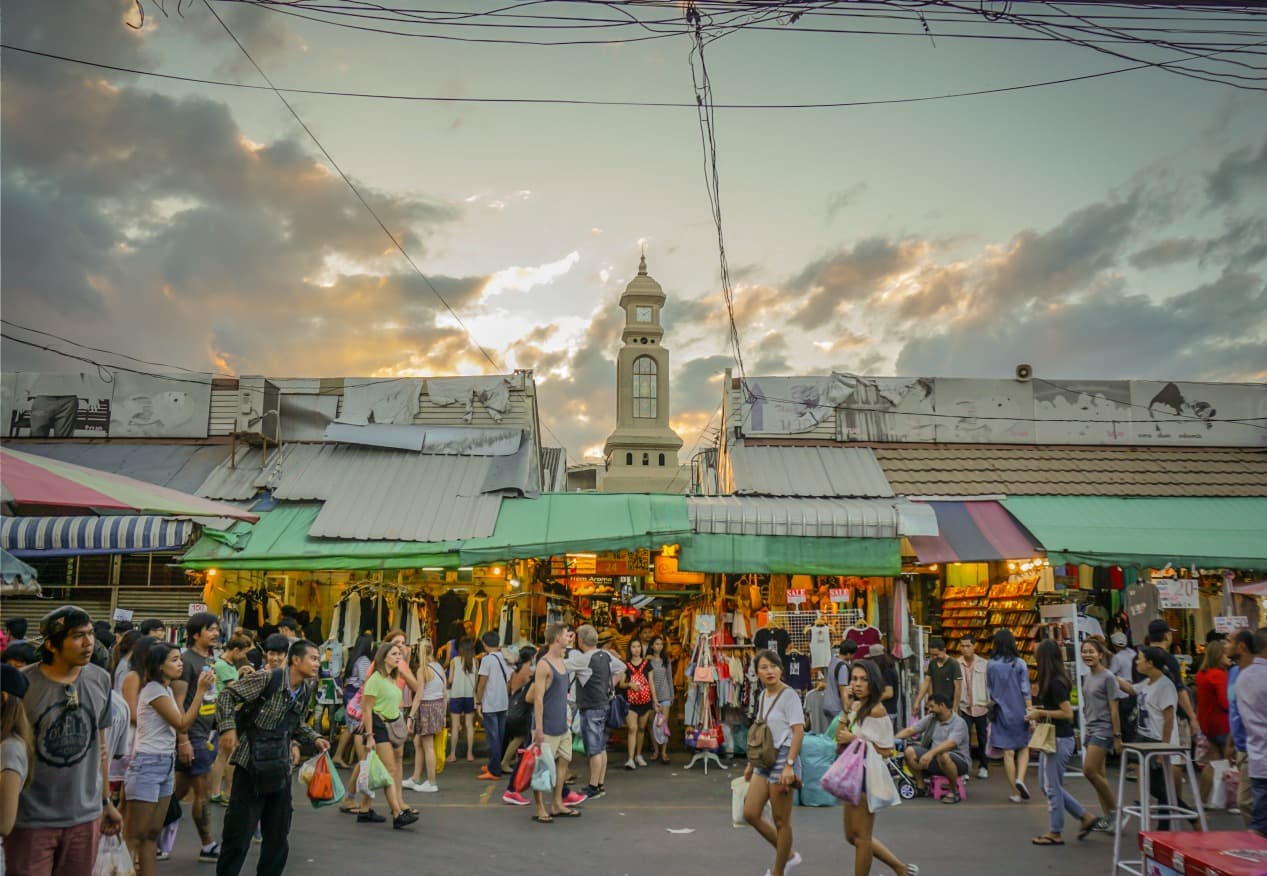
The Chatuchak Market (ตลาดนัดจตุจักร), nicknamed JJ Market, is one of Southeast Asia's largest weekend markets. Spanning 110,000 m², with over 15,000 stalls spread across 27 sections and approximately 200,000 visitors each weekend, it holds a central place in Bangkok's commercial life.
Why visit Chatuchak Market
Chatuchak is not a market designed for tourists: it's primarily where Thais come to shop, which keeps prices close to those found outside tourist zones. Clothing, crafts, ceramics, plants, antiques, pet supplies, books—the diversity of goods here is rarely matched elsewhere in the capital. It's also a window into local life, where vendors established for decades rub shoulders with young Thai designers testing their latest collections.
History of the market
The market was established in 1942. It was originally called Phahonyothin and was reserved for wholesalers and merchants. In 1987, it took the name of the adjacent Chatuchak Park.
That same year, the clock tower—now the site's main landmark—was erected to commemorate the 60th anniversary of King Bhumibol Adulyadej. Its construction was a collaboration between the market administration and the Sino-Chinese merchants' association, reflecting the role this community played in developing Bangkok's commerce.
What to see and do
27 sections, thousands of stalls
The market features between 15,000 and 17,000 stalls depending on the season, supplied by approximately 11,500 vendors. To navigate it effectively, it helps to know how the main sections are organized:
- Clothing and accessories: sections 2–6 and 10–26 (the bulk of the market)
- Ceramics: sections 11, 13, 15, 17, 19, 25
- Furniture and home décor: sections 1, 3, 4, 7, 8
- Food and beverages: sections 2, 3, 4, 23, 24, 26, 27
- Plants and gardening tools: sections 3 and 4
- Art and galleries: section 7
- Animals and pet supplies: sections 8, 9, 11, 13
- Books (multiple languages, new and used): sections 1 and 27
- Antiques and collectibles: sections 1 and 26
- Secondhand clothing: sections 2–6, 22, 25, 26
The book section, far quieter than the clothing area, deserves a visit: novels, magazines, comics and manga are available in Thai, English, French and other languages.
Eating on site
Over 400 food stalls are scattered throughout the market. Thai cuisine dominates—pad thai, curry, grilled skewers, fresh fruit, coconut juice—with a few international options. It's also an excellent place to buy spices to take home: curry pastes, dried Thai basil, chili powder.
Bargaining, with discretion
Negotiation is common but follows certain rules. Stay polite, smile, propose a reasonable discount, and bundle your purchases with one vendor for a better price. Getting angry or pushing too hard ends the conversation.
Practical information
The market operates primarily on weekends (Saturday and Sunday), with a few weekdays reserved for specific activities:
- Wednesday and Thursday: flowers and plants section during the day
- Friday evening: wholesale sales
- Saturday and Sunday: full market opening from morning to late afternoon
Hours may vary, so check before you go. Plan for at least half a day for an overview, a full day to explore multiple sections without rushing. Bring water, comfortable shoes and Thai baht cash (cash payments remain the norm).
When to visit
Weekend openings draw the biggest crowds, with peak traffic between 11am and 3pm when both heat and congestion are at their worst. For a more comfortable experience:
- Early morning (at opening): manageable temperatures, clear aisles, vendors ready to help
- Late afternoon: soft light, fewer crowds, some vendors willing to negotiate as the day winds down
From March to May, the heat is intense: prioritize early hours. During the rainy season (June to October), showers are brief but can disrupt foot traffic in outdoor areas.
How to get there
The market is well-served by public transport, which remains the most efficient option to avoid traffic jams:
- MRT (metro): Kamphaeng Phet station (direct exit onto the market) or Chatuchak Park station
- BTS (skytrain): Mo Chit station, just a few minutes' walk away
Buses and taxis should be avoided during peak hours, especially weekends when the market's surroundings are congested.
Nearby attractions
Several sites complement a day at Chatuchak:
- Chatuchak Park, right next door, for a quiet break between market sections
- JJ Green Market (vintage and second-hand goods, open in the evening on certain days)
- Jim Thompson's House, about thirty minutes by BTS, to extend your craft-focused exploration
- Bangkok National Museum, accessible by metro for a day combining shopping and culture
Frequently asked questions
The main opening is Saturday and Sunday, from morning to late afternoon. During the week, only certain activities operate: flowers and plants on Wednesday and Thursday during the day, wholesale sales Friday evening. Hours can vary, so check before visiting.
The easiest way is to take the MRT to Kamphaeng Phet or Chatuchak Park station, or the BTS to Mo Chit. Avoid buses and taxis on weekends—the area is heavily congested.
Yes, bargaining is expected. Stay courteous, keep smiling and propose a reasonable discount. Buying multiple items from the same vendor makes it easier to get a lower price.
Half a day is enough for an overview, but a full day lets you explore several of the 27 sections at a relaxed pace. With over 15,000 stalls, it's impossible to see everything.
Yes, but the crowds and heat can be challenging for young children. Aim for early morning and bring water and plan regular breaks in the nearby Chatuchak Park.
To incorporate Chatuchak into a broader itinerary, check out our Thailand travel suggestions.
Photos
Nearby
Also discover
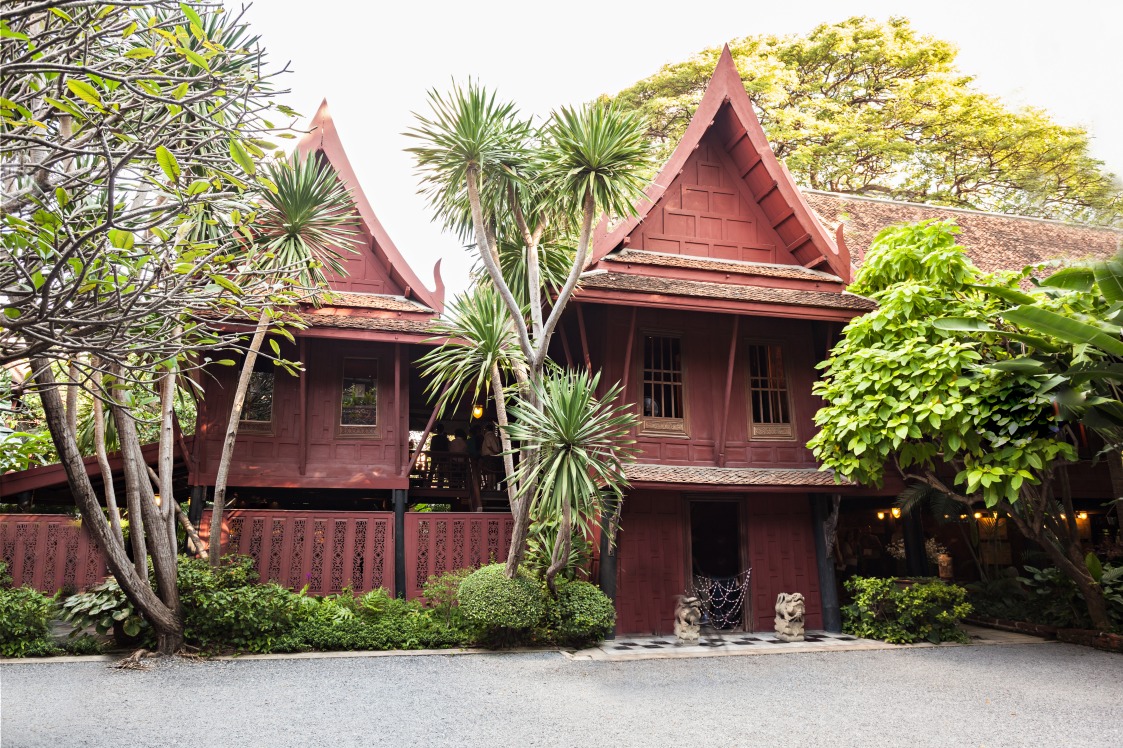
Jim Thompson House
In Bangkok, Jim Thompson House preserves the teak residence and Asian art collection assembled by the American who revived the Thai silk industry.
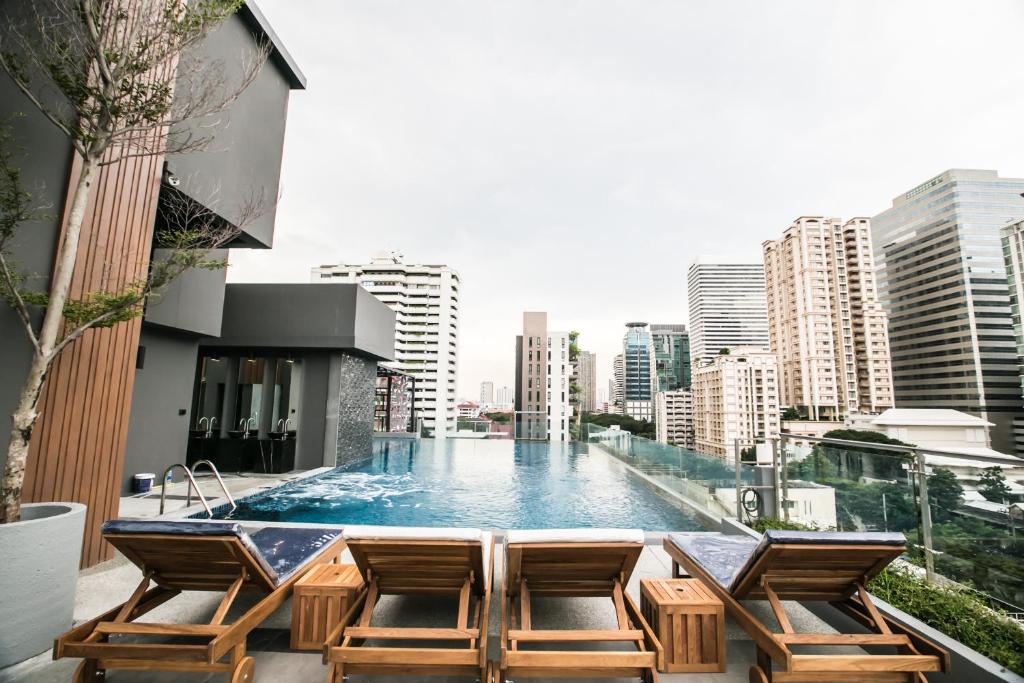
Hotel Arte
4-star hotel in Sukhumvit, 5 minutes walk from BTS Asok and MRT Sukhumvit stations. Rooftop pool, family rooms available.
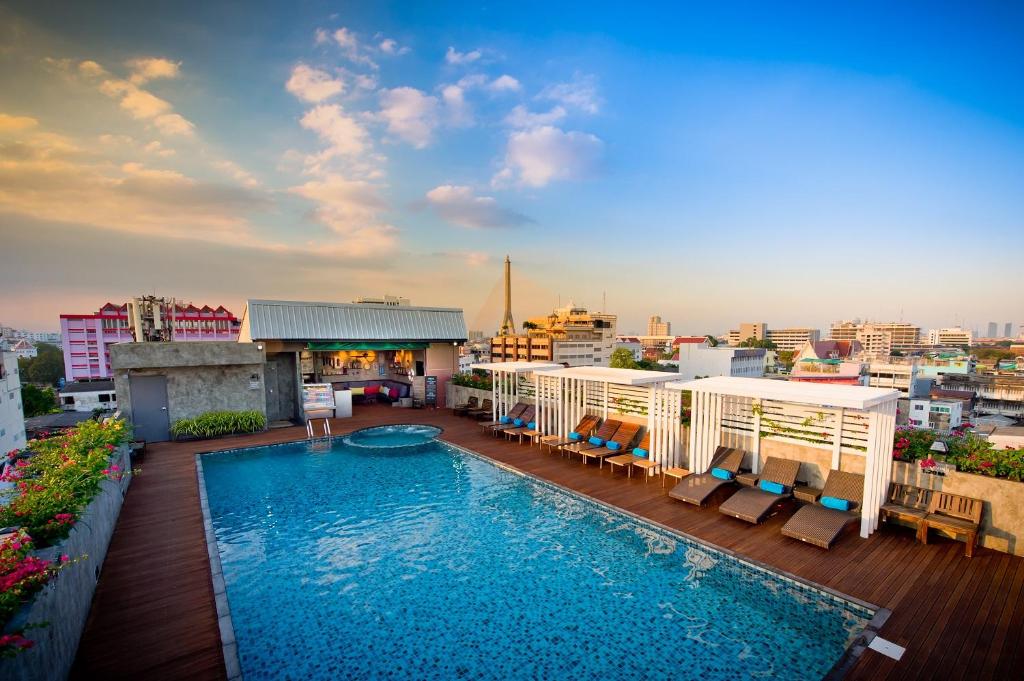
Nouvo City Hotel
Urban comfort hotel in Banglamphu's historic district, Bangkok: rooms of 32 to 38 m², spa, two pools and recognized halal dining.
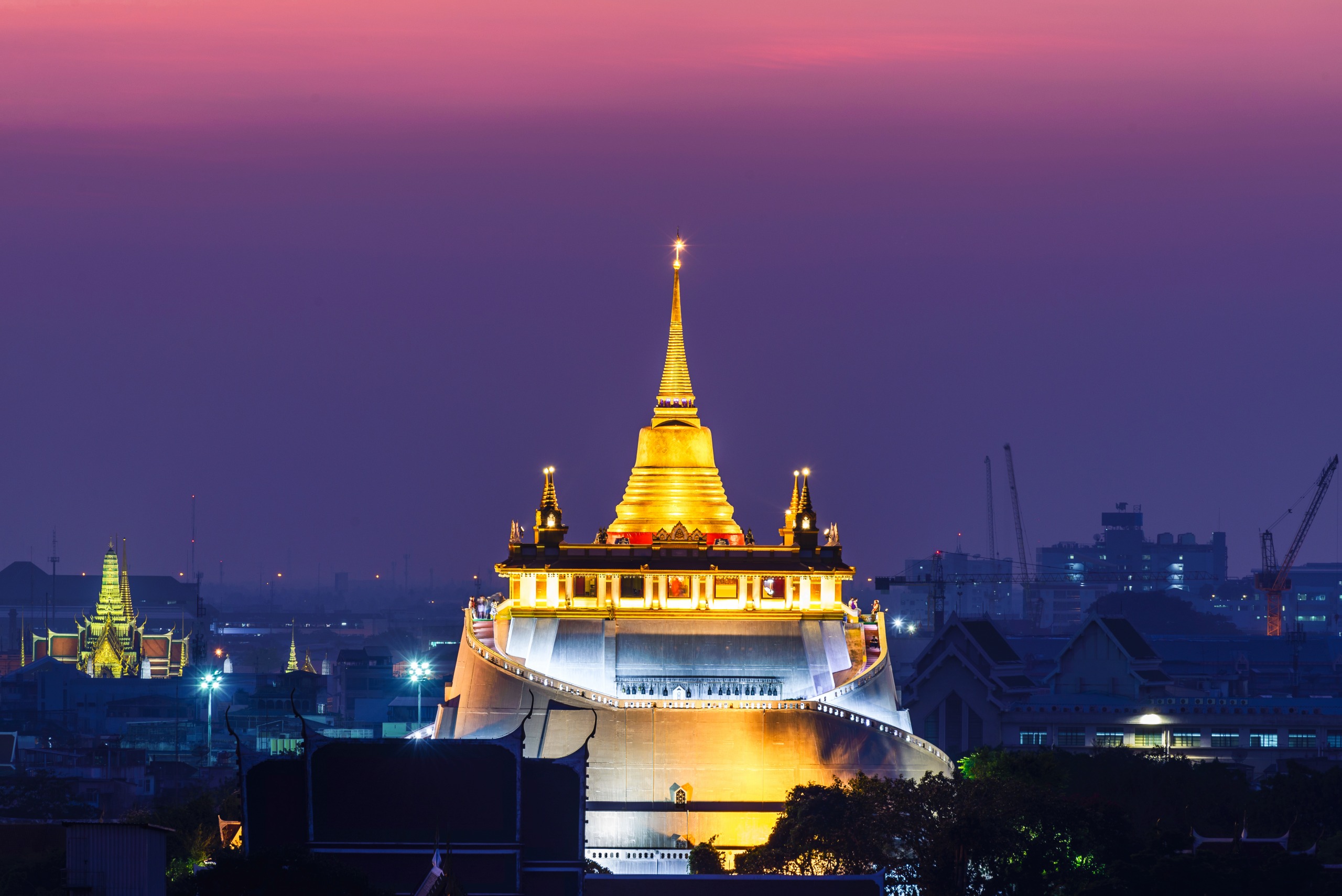
Wat Saket
Wat Saket, or the Golden Mount Temple, dominates Bangkok from its artificial hilltop. History, ascent of the golden chedi and visiting tips.
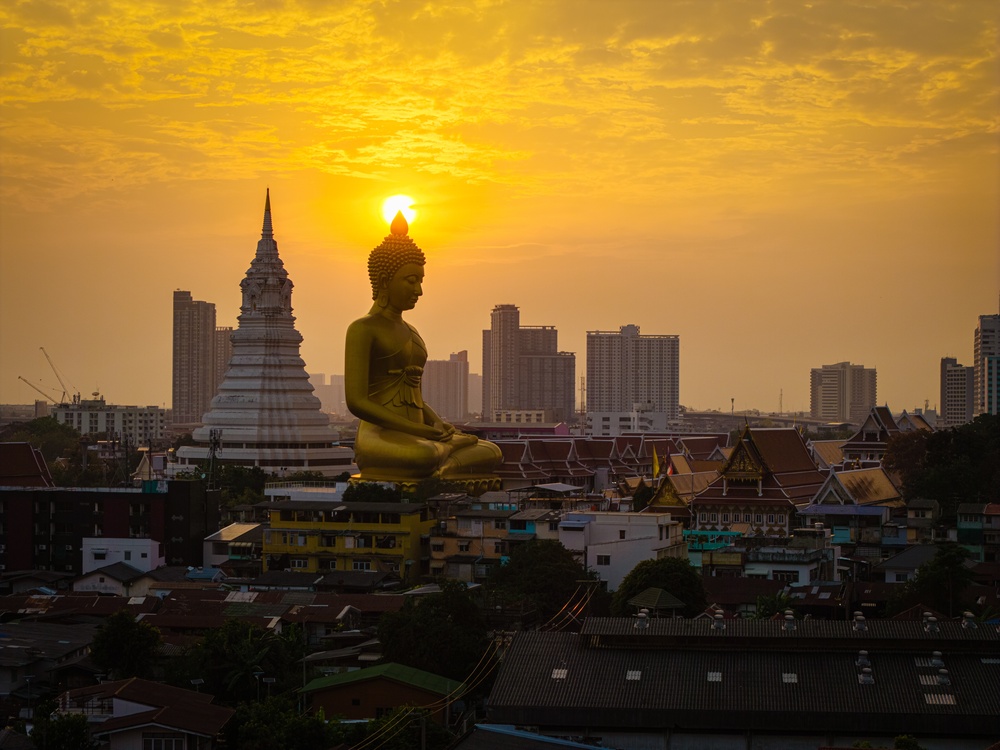
Bangkok
Bangkok, Thailand's vibrant capital, sometimes described as chaotic, is often overlooked by travelers who prefer the northern treks or southern beaches. Yet bypassing Bangkok during your Thailand trip means missing out on incredible Thai cultural diversity.
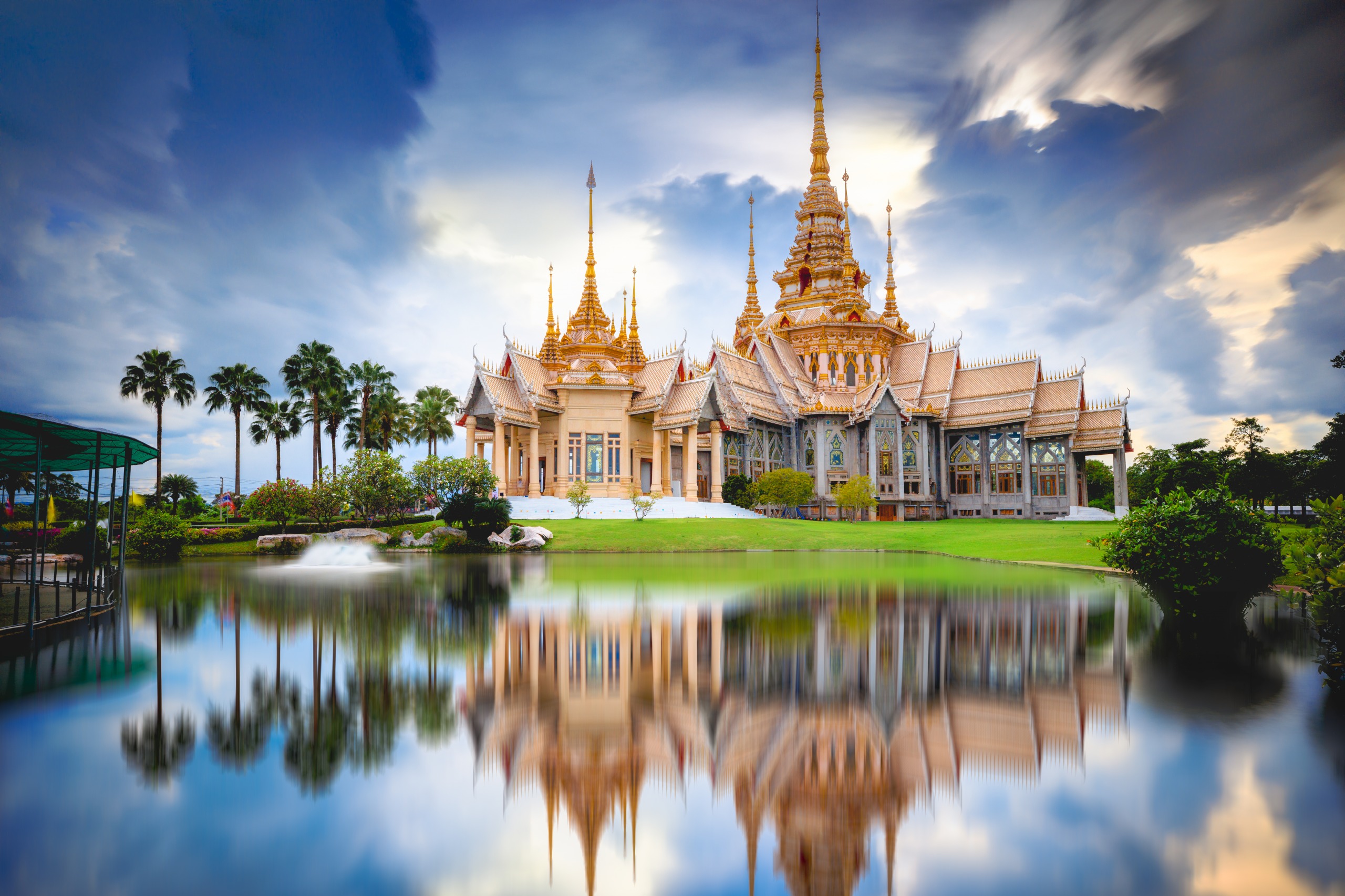
Phra Nakhon District
Phra Nakhon concentrates Bangkok's founding heritage: Grand Palace, Wat Phra Kaeo, Wat Pho, National Museum and the Indian quarter of Phahurat.
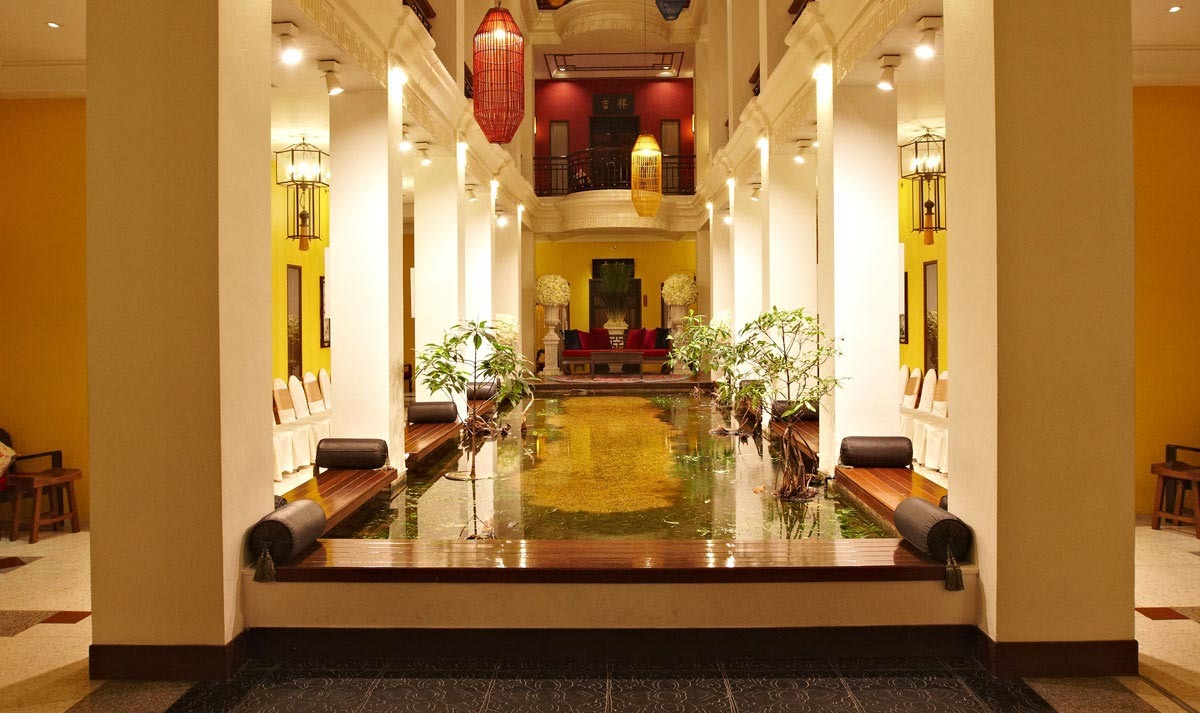
Shanghai Mansion
4-star hotel with vintage Shanghai inspiration on Yaowarat Road, in the heart of Bangkok's Chinatown. 67 rooms, Sino-Thai restaurant and jazz concert bar.
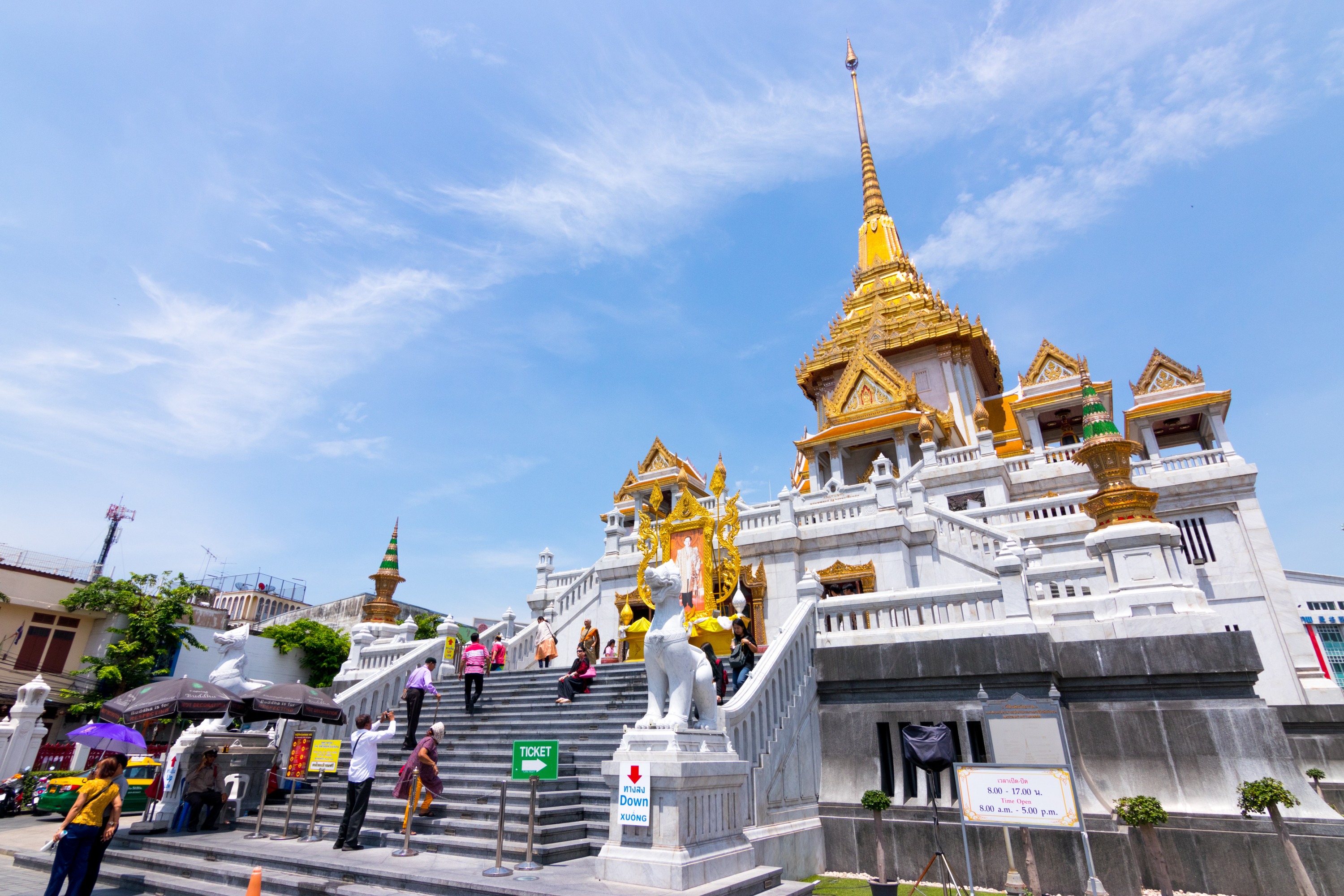
Wat Traimit, the Temple of the Golden Buddha
In Bangkok, Wat Traimit shelters a solid gold Buddha measuring 3 meters and weighing 5.5 tonnes, whose golden identity was only revealed in 1955.
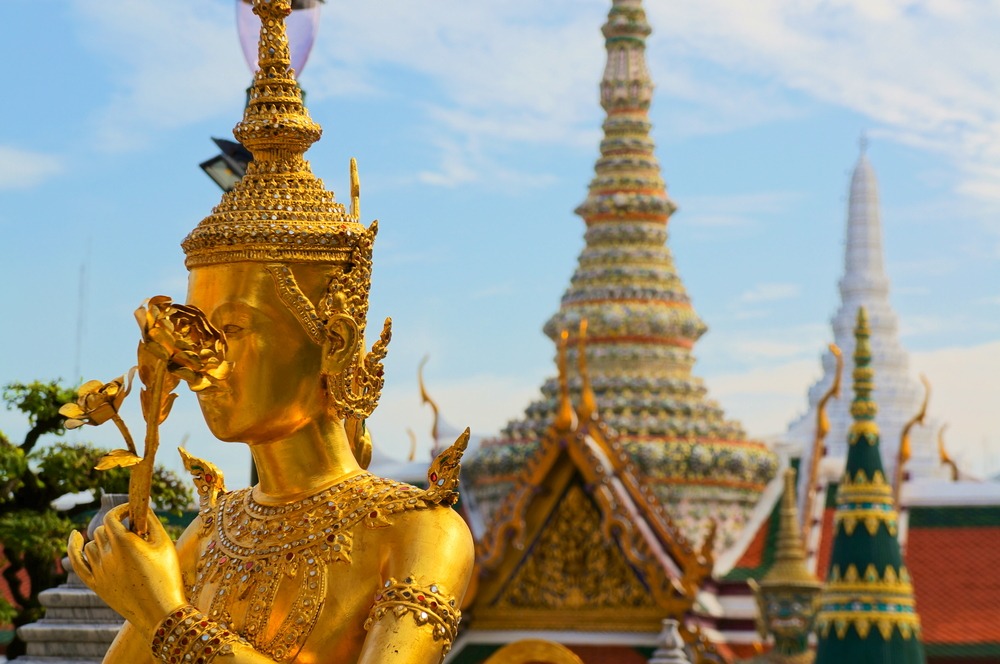
Wat Phra Kaeo
Royal temple of the Emerald Buddha, at the heart of Bangkok's Grand Palace, founded in 1783 by Rama I on the island of Rattanakosin.
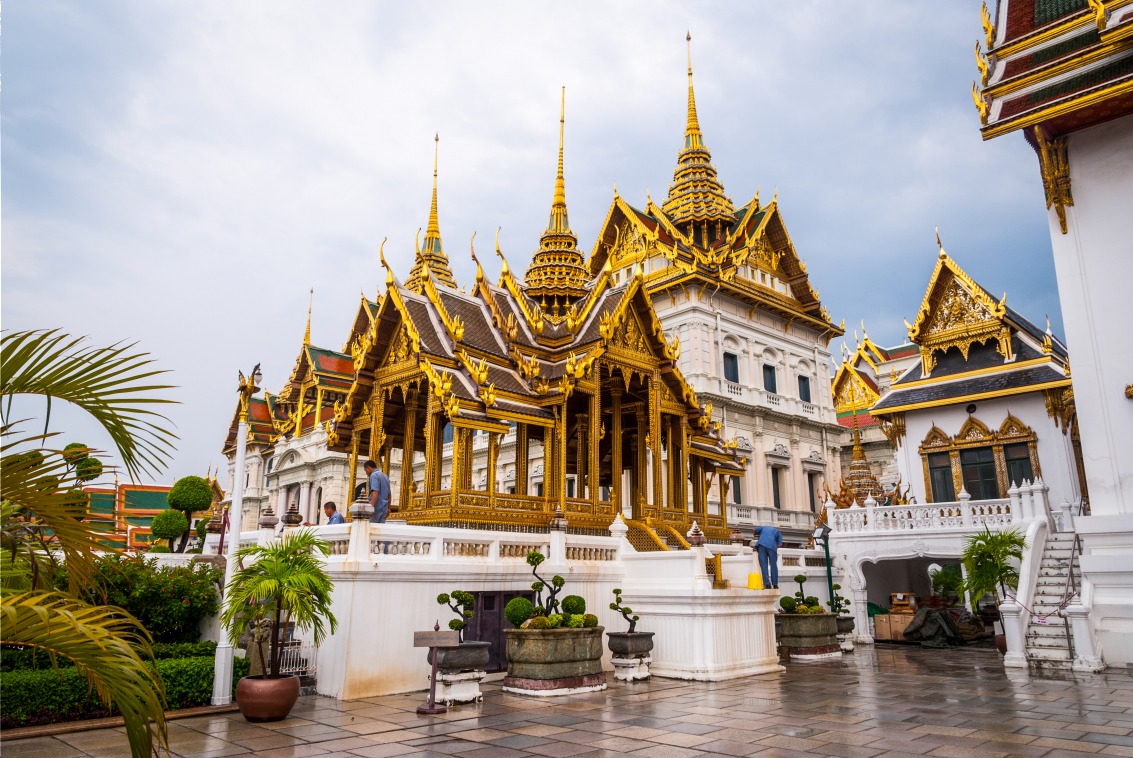
Grand Palace of Bangkok
Royal complex founded in 1782 by Rama I, the Grand Palace of Bangkok houses Wat Phra Kaeo and the Emerald Buddha. Practical guide to prepare your visit.
Interested in this visit?
We can include it in your personalised itinerary.