Marble Temple
Marble Temple
69 Thanon Rama V, Khwaeng Dusit, Khet Dusit, Krung Thep Maha Nakhon 10300, Thaïlande
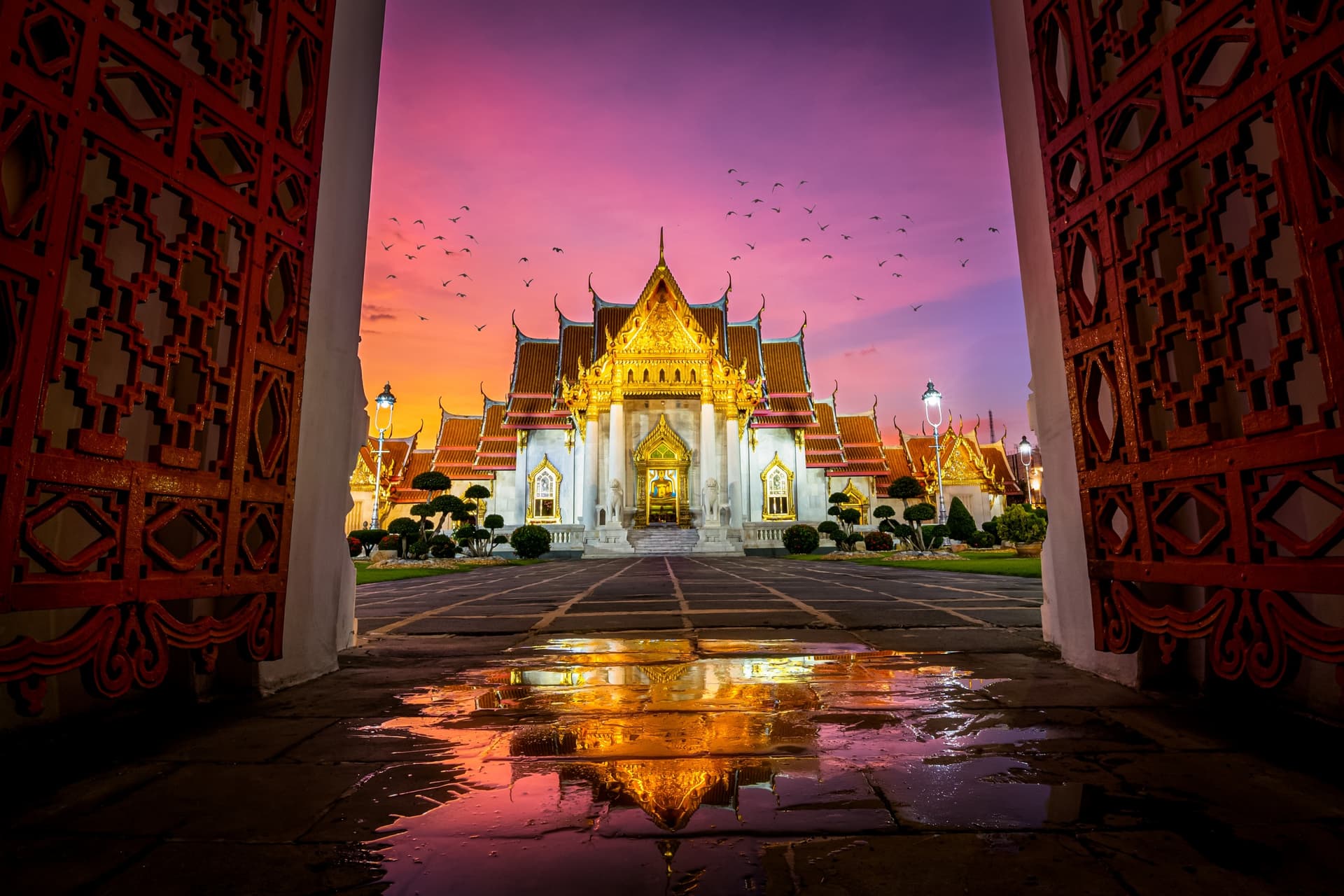
Wat Benchamabophit, or Marble Temple, is a royal sanctuary in Bangkok built under Rama V, celebrated for its Carrara marble and tiered roofs.
Wat Benchamabophit Dusitwanaram, nicknamed the Marble Temple, is one of the most distinctive sanctuaries in Bangkok. Built at the very end of the 19th century in the royal Dusit district, it stands apart from other Thai temples with its Carrara marble façade and its architectural balance of symmetry and clarity.
Why Visit the Marble Temple
Unlike the gilded and weathered temples of the historic centre, Wat Benchamabophit displays a clean, sharp silhouette. The white marble, Chinese ceramics on the multi-tiered roofs and golden accents create a particular luminosity, especially in late afternoon light. It is also an active temple, where devotees come to leave flowers and offerings, and where the monks' chanting rhythms the morning hours.
The entire complex can be visited quickly, making it a worthwhile stop within a tour of the royal Dusit district, to be combined with the Bangkok National Museum or Wat Phra Kaeo.
History of Wat Benchamabophit
The temple was constructed between 1899 and the early 20th century, on the initiative of King Rama V (Chulalongkorn). The sovereign wished to create a modern royal sanctuary, in keeping with the new Dusit Palace he was developing away from the old city. The project was entrusted to Prince Naris, the king's half-brother, a renowned architect and artist.
The full name, Wat Benchamabophit Dusitwanaram, can be translated as "temple of the fifth king situated in the forest of Dusit". The nickname Marble Temple gained rapid currency: the stone, imported from Tuscany, is Carrara marble, a material then unusual in Thai religious architecture. The glazed ceramics covering the roofs come from China.
Rama V died in 1910, before the complex was fully completed. Some of his ashes were placed beneath the main statue of the sanctuary, giving the place a memorial dimension for the Chakri dynasty.
What to See
The Ubosot, Heart of the Temple
The main building (ubosot) is entirely clad in white marble. Its façade is framed by columns, tiered roofs with sculpted gables and finely decorated teak doors. At the entrance, two stone lions stand guard, in a posture inspired by Sino-Thai models.
Inside is a replica of the Phra Buddha Chinnarat, the famous Buddha of Phitsanulok, considered one of the finest Buddhist statues in Thailand. Beneath the base rest ashes of King Rama V.
The Cloister and its Buddhas
Around the ubosot, a gallery houses a collection of bronze Buddha statues, representing different postures and regional styles (Sukhothai, Ayutthaya, Burmese or Sri Lankan schools). It is a sort of sculptured panorama of Buddhist iconography in Southeast Asia.
The Khlong and Gardens
A small khlong (canal) runs through the outer precinct, crossed by stone bridges. This landscaped setting, dotted with manicured trees and benches, gives the site a serene atmosphere, contrasting with the frenzy of Bangkok.
Practical Information
- Dress code: shoulders and knees covered, shoes removed before entering the ubosot.
- Behaviour: silence within the sanctuary, never point feet toward Buddha statues, photography allowed without flash.
- Admission: modest entrance fee (a few dozen baht).
- Duration: allow 45 minutes to 1.5 hours depending on your interest in architecture and sculpture.
When to Visit
Early morning is the best time: the low light accentuates the marble and roofs, crowds remain light and you may witness the monks' morning chanting during services. Devotees also come to leave offerings and flowers in the early hours.
Seasonally, the cool dry season from November to February offers the most pleasant visiting conditions in Bangkok. Between March and May, heat becomes heavy; from June to October, monsoon showers are frequent though often brief.
How to Get There
Wat Benchamabophit is located in the Dusit district, near Dusit Palace and the royal square. It is not directly served by the BTS or MRT metro. The easiest access is by taxi, tuk-tuk or ride-hailing app from the city centre. From the Chao Phraya river, allow a taxi ride from the Thewet or Phra Athit piers.
Nearby Attractions
- Bangkok National Museum: Thailand's principal art collection, about 2 km south.
- Wat Phra Kaeo and the Grand Palace: the historic royal complex, to explore over a full day.
- Wat Saket: the Golden Mount, another emblematic temple of the old city.
- Phra Nakhon District: the historic heart of Bangkok, to explore on foot.
Frequently asked questions
Because its main building is entirely clad in white Carrara marble, imported from Tuscany at the end of the 19th century. This choice of material, rare in Thai religious architecture, immediately earned it this nickname.
Early in the morning, at opening, to enjoy the light on the marble, limited crowds and the monks' chanting. The dry season, from November to February, is most pleasant.
The temple is not served by BTS or MRT. The most practical way is to take a taxi, tuk-tuk or ride-hailing app from your hotel. Allow 15 to 30 minutes depending on traffic.
Wear clothes covering shoulders and knees, remove shoes before entering the ubosot, maintain silence inside the sanctuary and never point feet toward Buddha statues.
No. The Grand Palace and Wat Phra Kaeo are located in the Phra Nakhon district, several kilometres to the south. Wat Benchamabophit is instead close to Dusit Palace, in the royal district of the same name.
Looking to extend your visit with a complete itinerary spanning temples, markets and Thai countryside? Discover our tailored Thailand journeys.
Photos
Nearby
Also discover
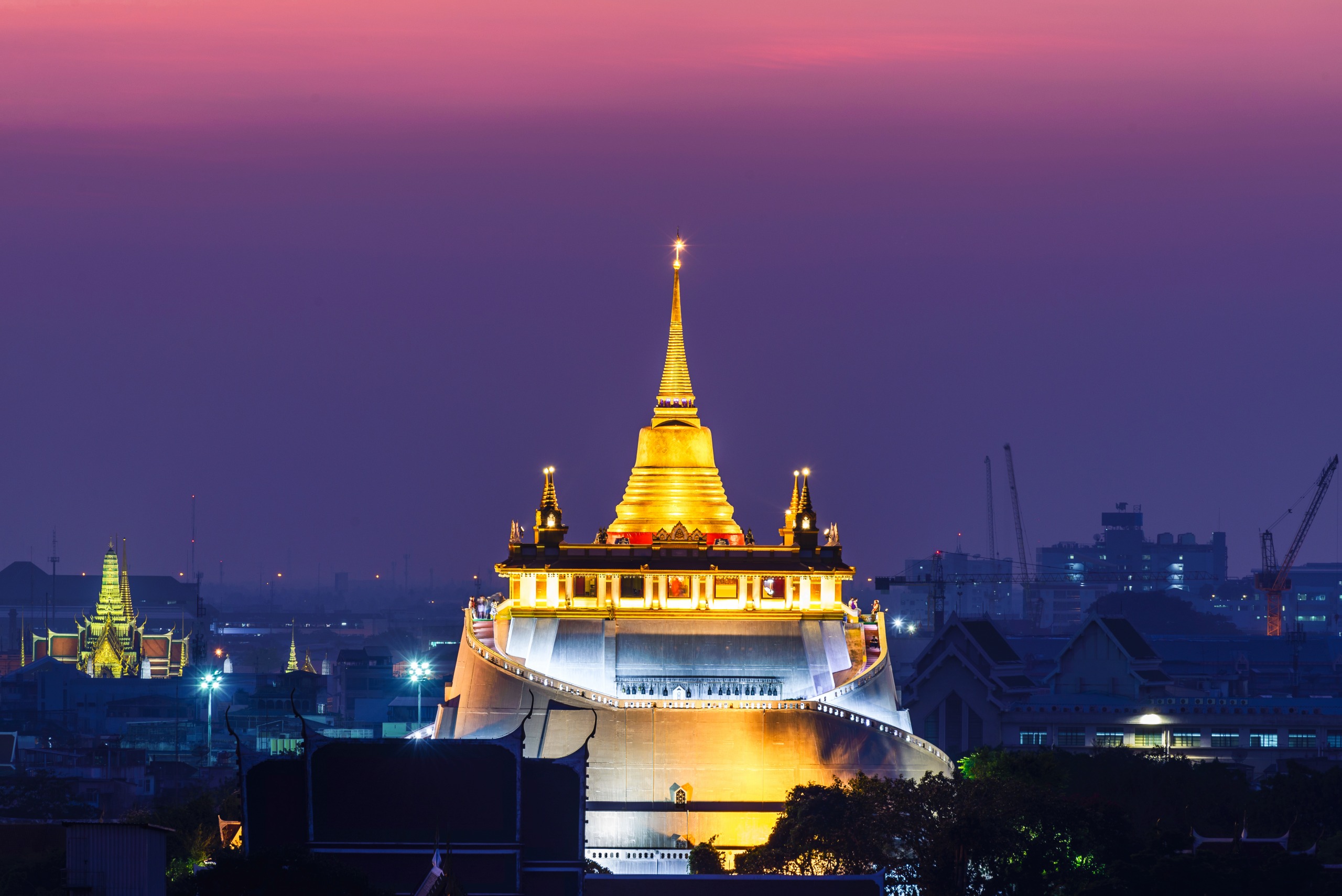
Wat Saket
Wat Saket, or the Golden Mount Temple, dominates Bangkok from its artificial hilltop. History, ascent of the golden chedi and visiting tips.
Nouvo City Hotel
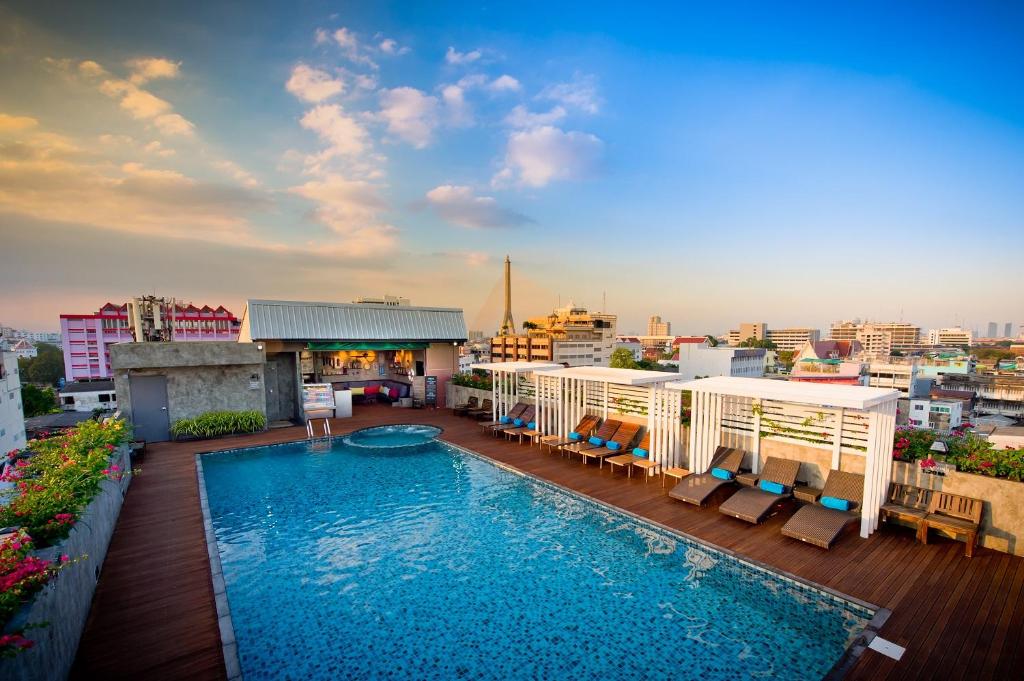
Urban comfort hotel in Banglamphu's historic district, Bangkok: rooms of 32 to 38 m², spa, two pools and recognized halal dining.
Bangkok
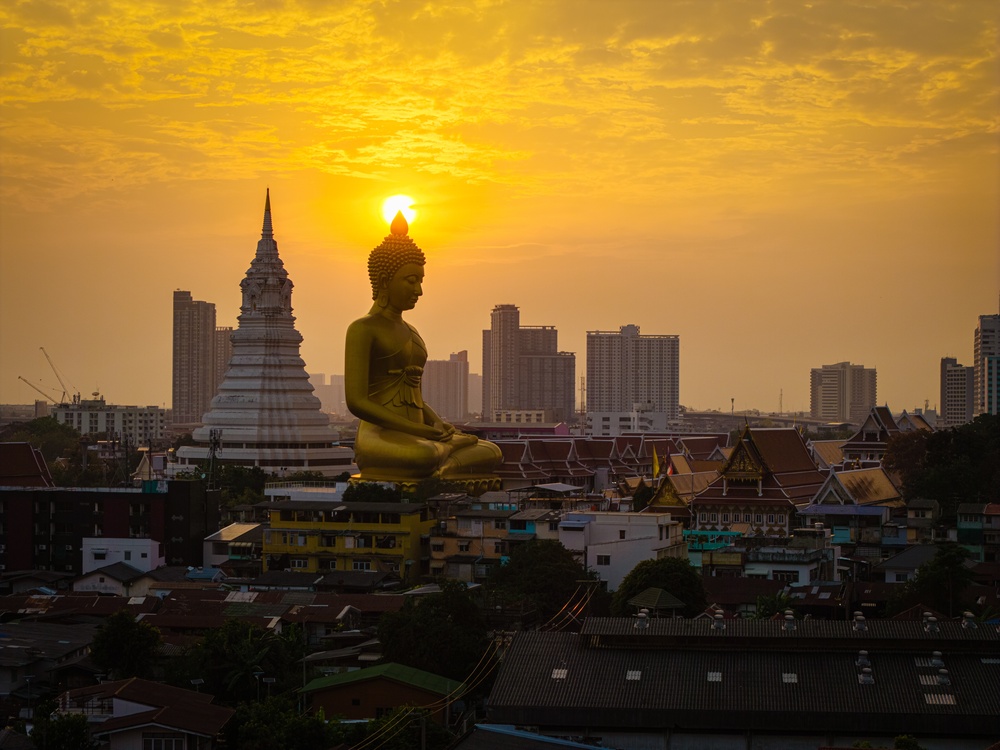
Bangkok, Thailand's vibrant capital, sometimes described as chaotic, is often overlooked by travelers who prefer the northern treks or southern beaches. Yet bypassing Bangkok during your Thailand trip means missing out on incredible Thai cultural diversity.
Phra Nakhon District
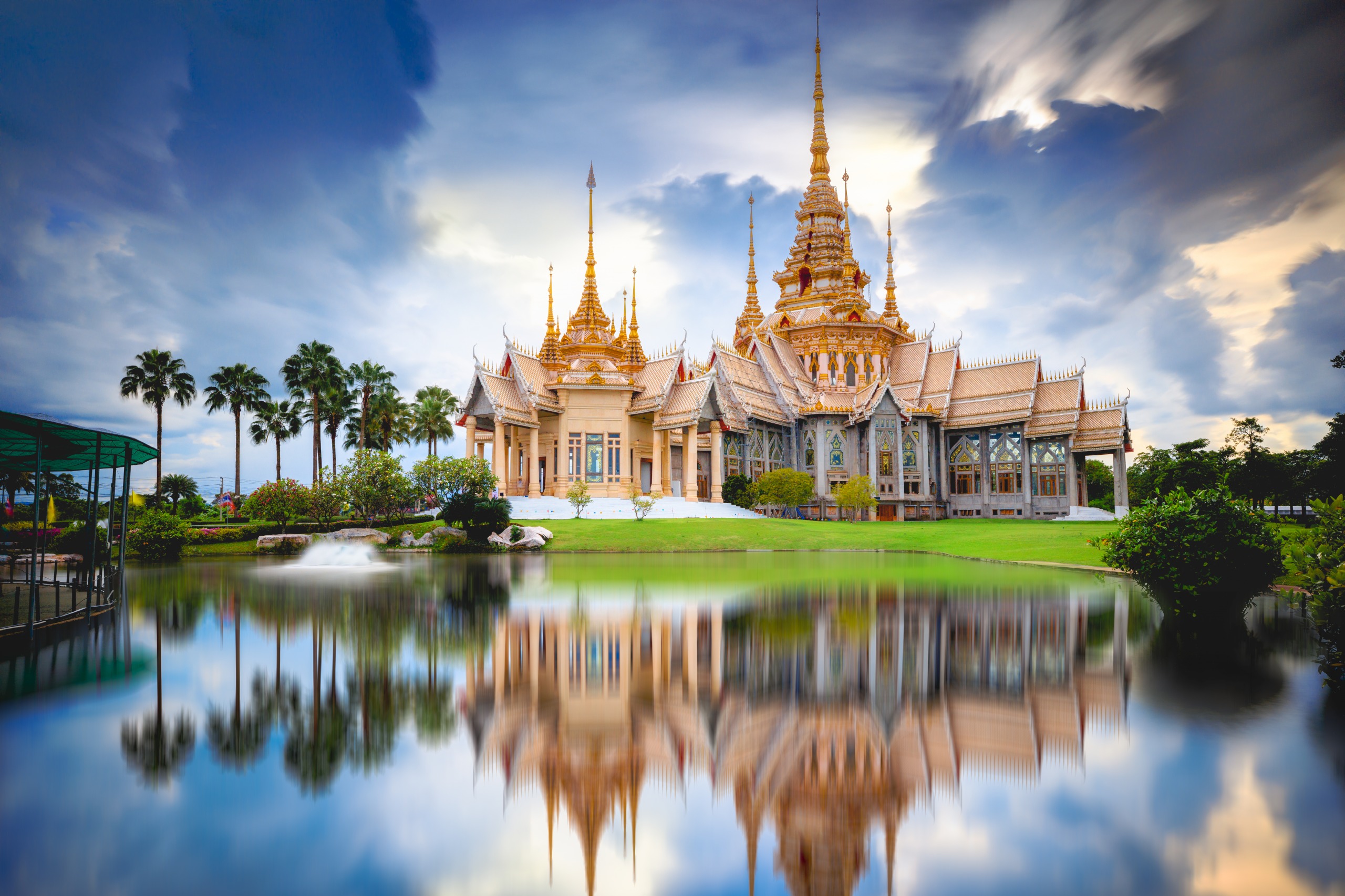
Phra Nakhon concentrates Bangkok's founding heritage: Grand Palace, Wat Phra Kaeo, Wat Pho, National Museum and the Indian quarter of Phahurat.
Jim Thompson House
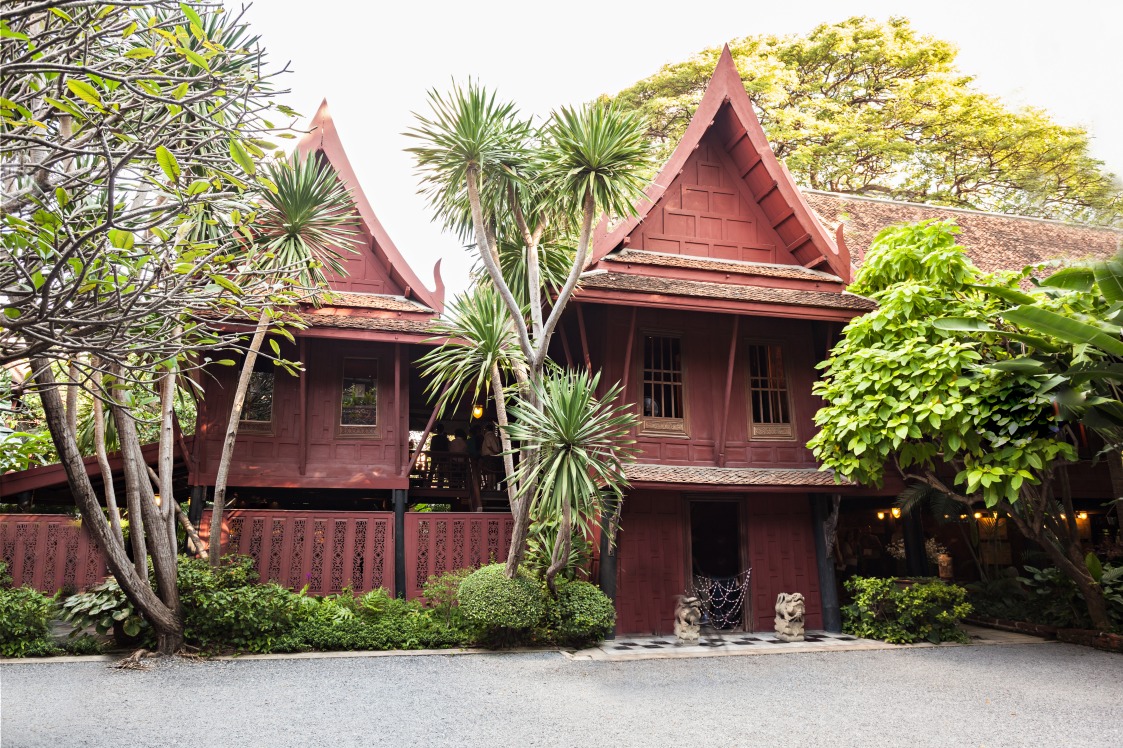
In Bangkok, Jim Thompson House preserves the teak residence and Asian art collection assembled by the American who revived the Thai silk industry.
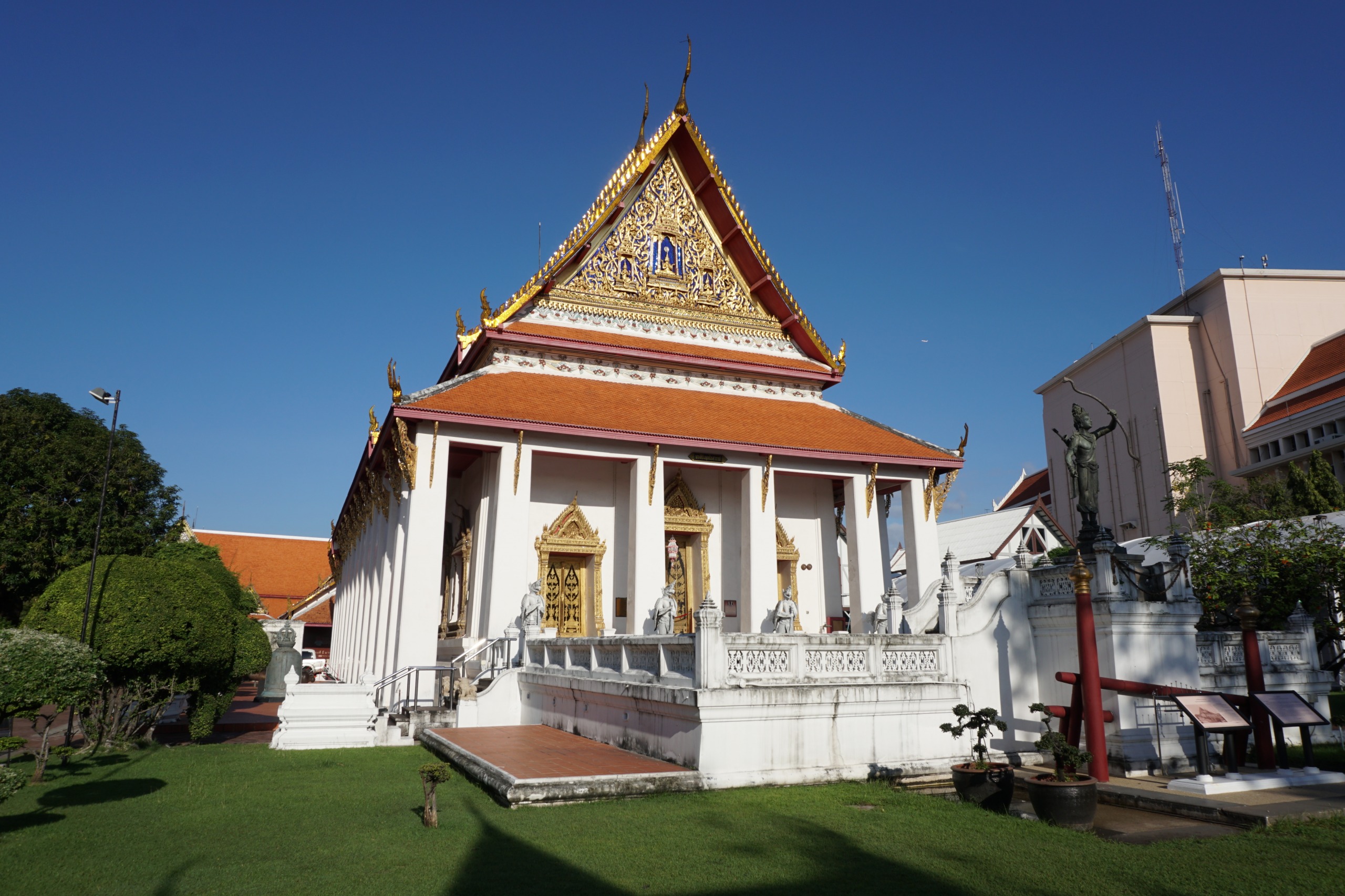
National Museum of Bangkok
Home to the country's most extensive collection of Thai art, housed in the former Wang Na palace, steps away from the Grand Palace: history, main galleries and practical advice.
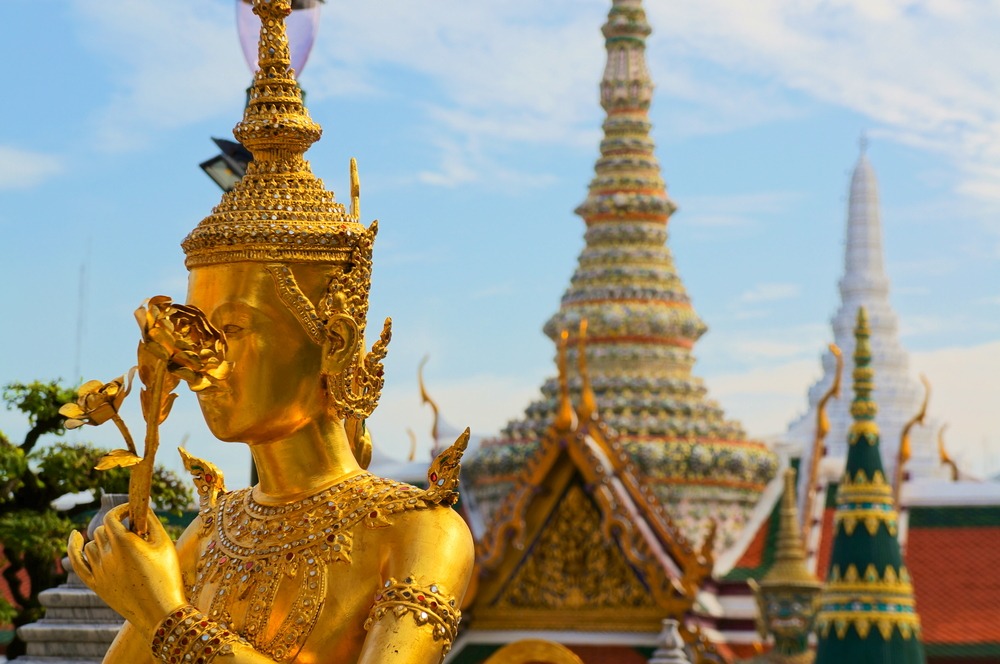
Wat Phra Kaeo
Royal temple of the Emerald Buddha, at the heart of Bangkok's Grand Palace, founded in 1783 by Rama I on the island of Rattanakosin.
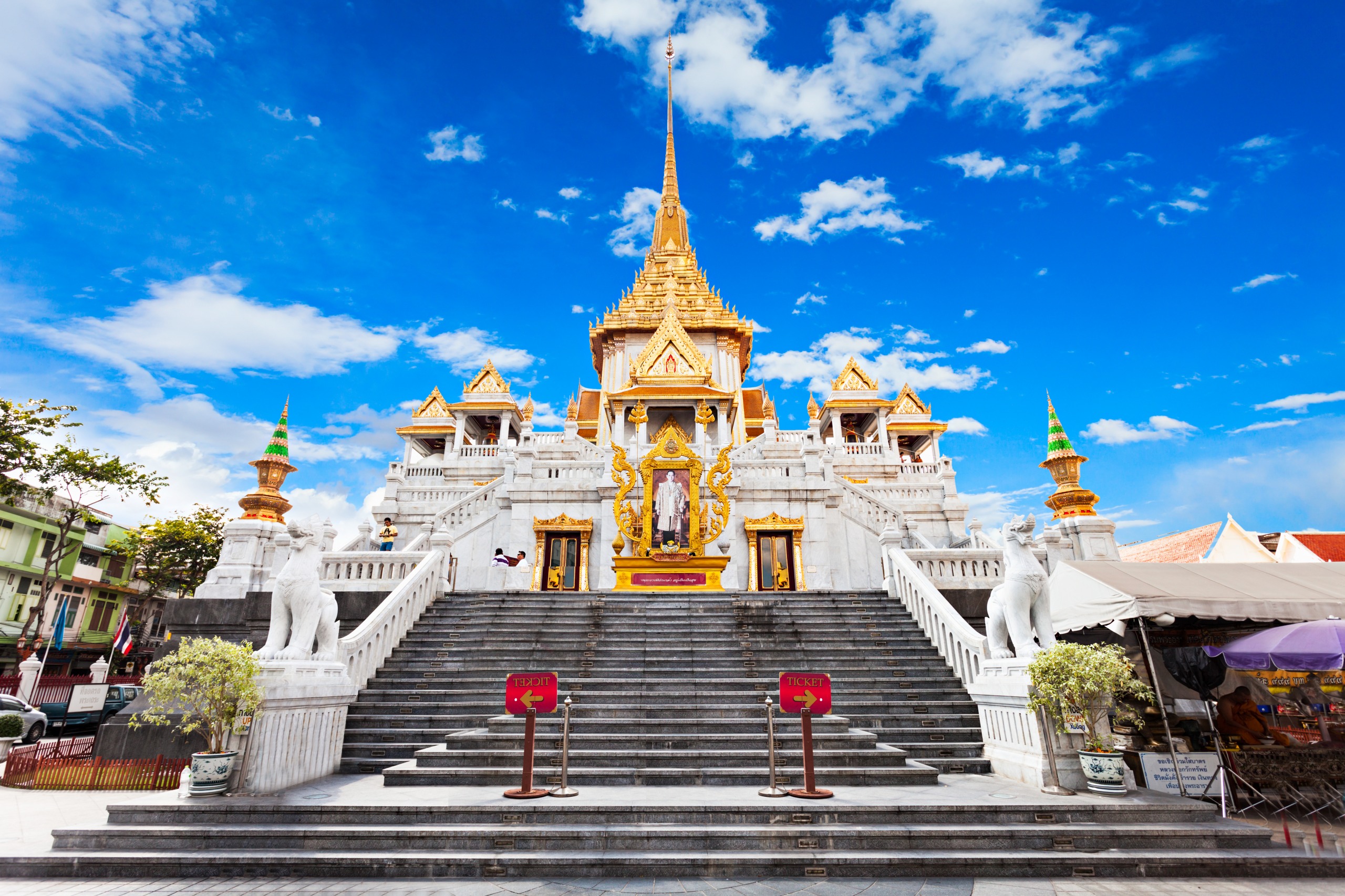
Yaowarat Chinatown Heritage Museum
On the first floor of Wat Traimit in Bangkok, the Yaowarat Chinatown Heritage Museum traces three centuries of Chinese immigration into the Kingdom of Siam.
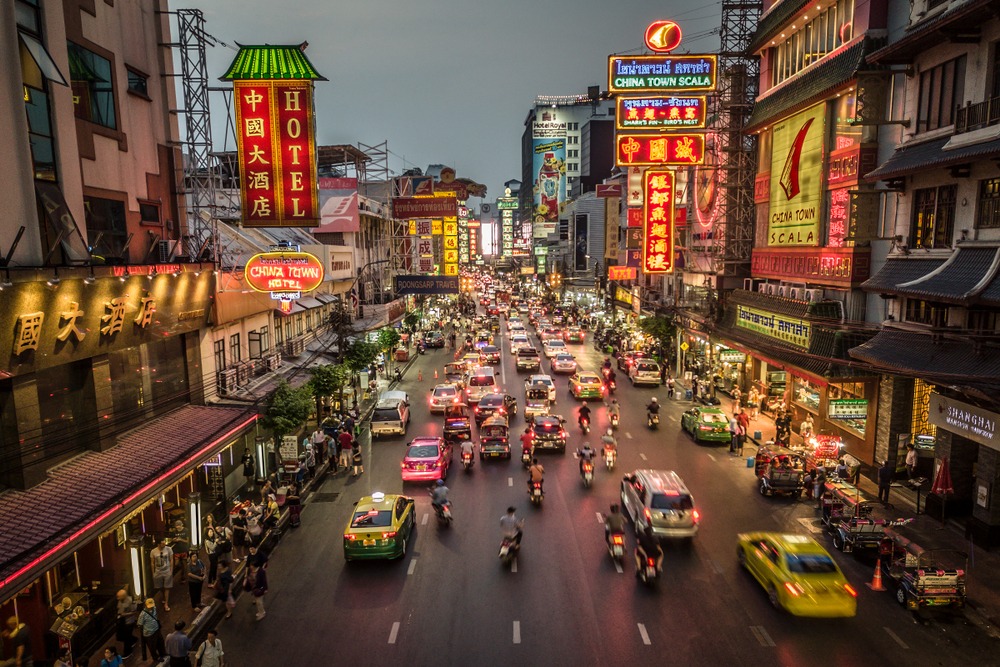
Bangkok's Chinatown
Yaowarat, Sino-Thai temples, heritage museum, and street food: a practical guide to Bangkok's Chinatown, founded in 1782 by Teochew and Hokkien communities.
Shanghai Mansion
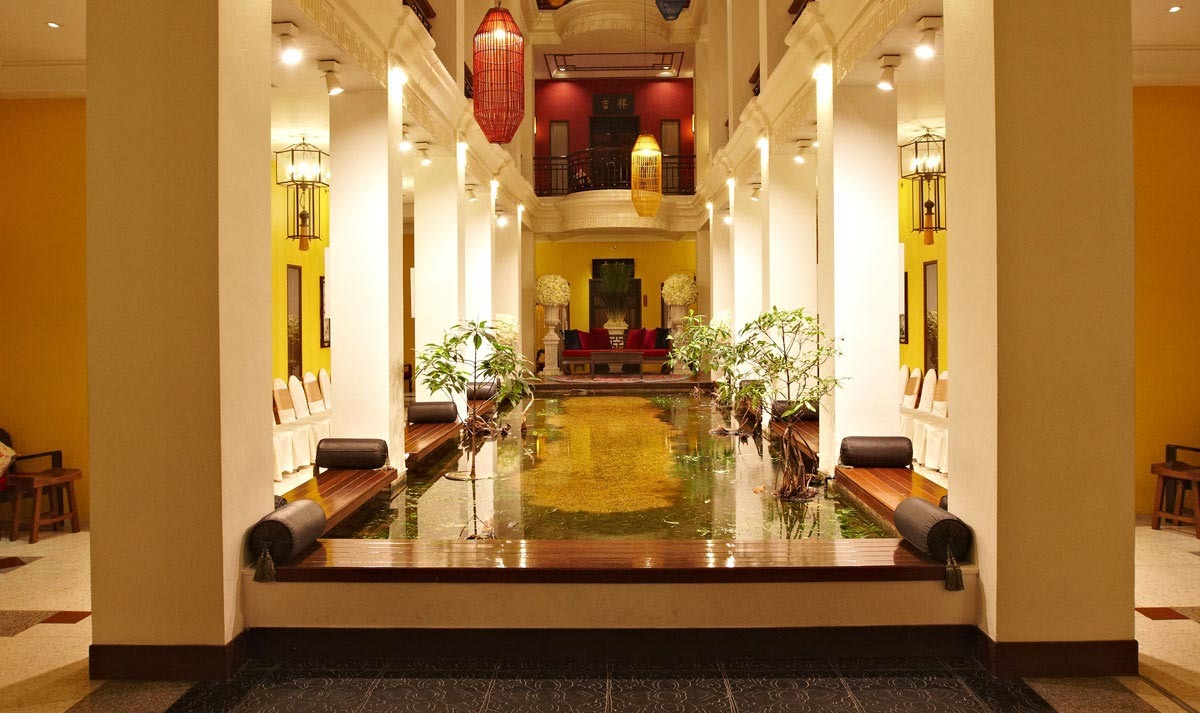
4-star hotel with vintage Shanghai inspiration on Yaowarat Road, in the heart of Bangkok's Chinatown. 67 rooms, Sino-Thai restaurant and jazz concert bar.
Interested in this visit?
We can include it in your personalised itinerary.