San Kamphaeng Hot Springs
San Kamphaeng Hot Springs
1, Tambon Ban Sa Ha Khon, Amphoe Mae On, Chang Wat Chiang Mai 50130, Thaïlande
Located 30 km from Chiang Mai, a geothermal complex combining an active geyser, thermal pools, traditional egg cooking in hot springs and Thai massages.
About thirty kilometers east of Chiang Mai, the San Kamphaeng hot springs form a geothermal complex developed as a leisure park. An active geyser, mineral pools, egg cooking in hot waters and Thai massages coexist on the same site, frequented by both local residents and travelers on day excursions.
Why Visit San Kamphaeng
The site combines three uses rarely found in the same place: a spectacular geological phenomenon (the geyser), a local culinary tradition (eggs cooked in the springs) and a wellness space with traditional massages. It's a stop suited to families thanks to the children's pool, shallow pools for dipping your feet, and picnic areas scattered throughout the park.
Unlike many Thai hot springs left in their natural state, San Kamphaeng has been developed into a tourist complex with dining, camping and shops. You can easily spend a half-day here without running out of things to do.
What to See and Do
The Geyser
The main geyser is the most photographed attraction on the site. Powered by groundwater heated deep below the surface, it regularly propels a column of steam dozens of meters into the air. Eruptions are spaced just minutes apart: plan to wait for a full cycle to witness the phenomenon.
Cooking Eggs in the Springs
Local tradition calls for purchasing a small wicker basket filled with eggs at the entrance, then plunging it into the hottest pools. Within minutes, the eggs are cooked by the spring water. You enjoy them on site with soy sauce, typically provided with the basket. It's the signature experience of the site—definitely worth doing at least once.
Baths, Pools and Foot Soaking Basins
The complex includes a thermal pool designed for children, several private basins for those seeking a more intimate bathing experience, and a network of warm water channels distributed throughout the gardens where you can simply soak your feet, free or for a modest additional fee depending on the area.
Traditional Massages
Traditional Thai massage (Nuad) is offered in dedicated rooms. Foot massages are also available outdoors, beneath the garden trees. Rates remain lower than those at spas in central Chiang Mai.
Practical Information
The site is open throughout the day, from morning until late afternoon. Admission is paid (modest fee), with additional charges depending on activities chosen: egg basket, thermal pool access, private basin, massage. Allow 2 to 3 hours to tour the main activities, longer if you plan a meal and massage.
On site you'll find barbecue areas, camping spots and several dining options serving simple Thai dishes. Shops offer clothing, decorative objects and souvenirs related to the region's craftsmanship.
Bring a swimsuit, a towel, sandals (pool edges are wet) and sun protection for between shaded areas.
When to Go
Chiang Mai and its surroundings enjoy an average annual temperature around 26°C. The rainy season runs from May to September, with frequent afternoon showers. The most pleasant period to visit San Kamphaeng stretches from November to February: mild temperatures, low humidity, clear skies. March and April are hot, marked by regional agricultural haze. Avoid Thai weekends and public holidays if you're seeking peace and quiet: local families frequent the site regularly.
How to Get There
The journey from central Chiang Mai takes about an hour for roughly thirty kilometers of road heading east. Several options are available:
By yellow songthaew departing from Warorot Market, the most economical but slowest option;
By taxi or ride-sharing app, more direct;
By rental car or motorbike, allowing you to combine the visit with other nearby sites.
Road signage is clear from major routes.
What to Combine Nearby
San Kamphaeng lends itself well to a day excursion incorporating multiple stops:
Bo Sang umbrella village, a renowned craft center known for hand-painted paper parasols;
Mae Kampong village, perched in the mountains, famous for its wooden houses and tea plantations;
Flight of the Gibbon, a zipline course through tropical canopy;
On the return to Chiang Mai, a stop at Wat Phra Singh or Wat Sri Suphan rounds out the day with a visit to an iconic temple.
Frequently Asked Questions
Frequently asked questions
Yes, but not directly in the hottest pools (reserved for egg cooking). Swimming takes place in the developed thermal pool, in private basins, or with feet in the warm water channels.
Allow 2 to 3 hours to tour the main activities (geyser, eggs, foot soaks). With a meal and massage, plan for a half-day.
Yes. A pool is specifically designed for children, and the experience of cooking eggs in wicker baskets is engaging. Supervise children near the geyser and very hot pools.
No, access is on a walk-in basis. However, for massages during peak times, it's better to register upon arrival.
Yes, both sites lie east of Chiang Mai and complement each other well on a day excursion, ideally with a personal vehicle or driver.
Prepare Your Trip
San Kamphaeng hot springs fit naturally into a stay in Chiang Mai and northern Thailand. To build a custom itinerary blending temples, nature and local experiences, consult our Thailand trips.
Photos
Nearby
Also discover
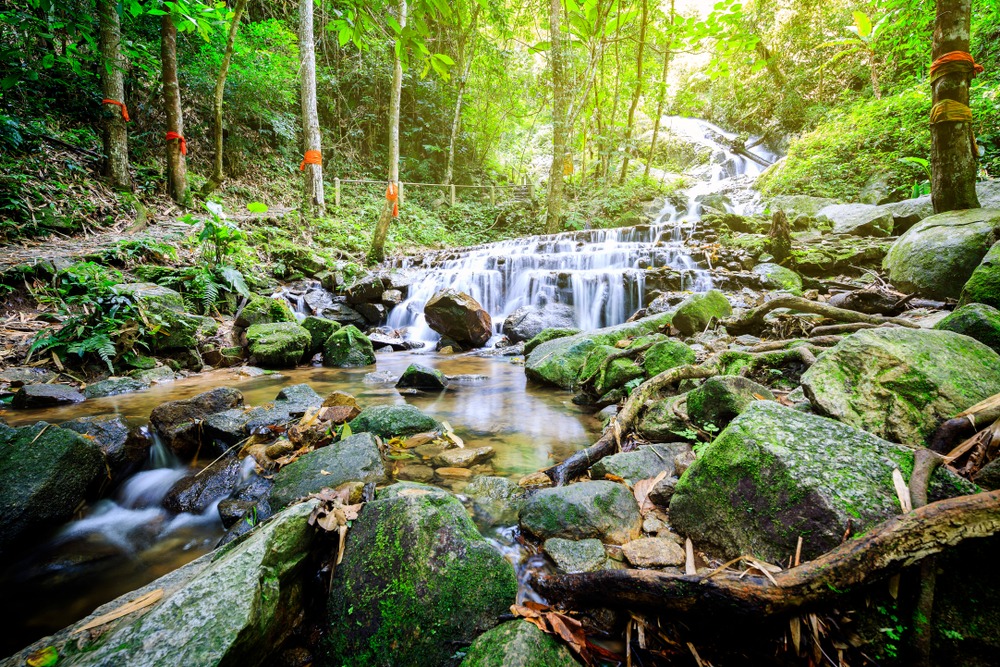
Mae Kham Pong
Nestled at 1,300 meters in Northern Thailand's mountains, Mae Kampong embodies Thai ecotourism at its finest: authentic Lanna homestays, tea gardens, and genuine hospitality.
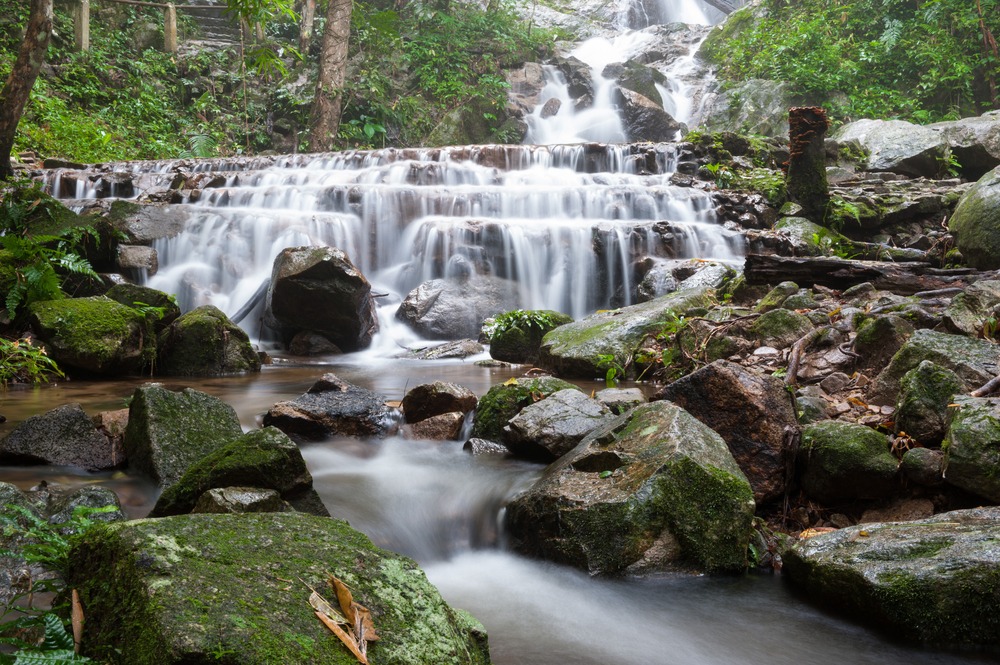
Mae Kham Pong Waterfall
Located 50 km northeast of Chiang Mai, the Mae Kham Pong waterfall cascades down multiple levels amid the tea and coffee plantations of Mae On village.
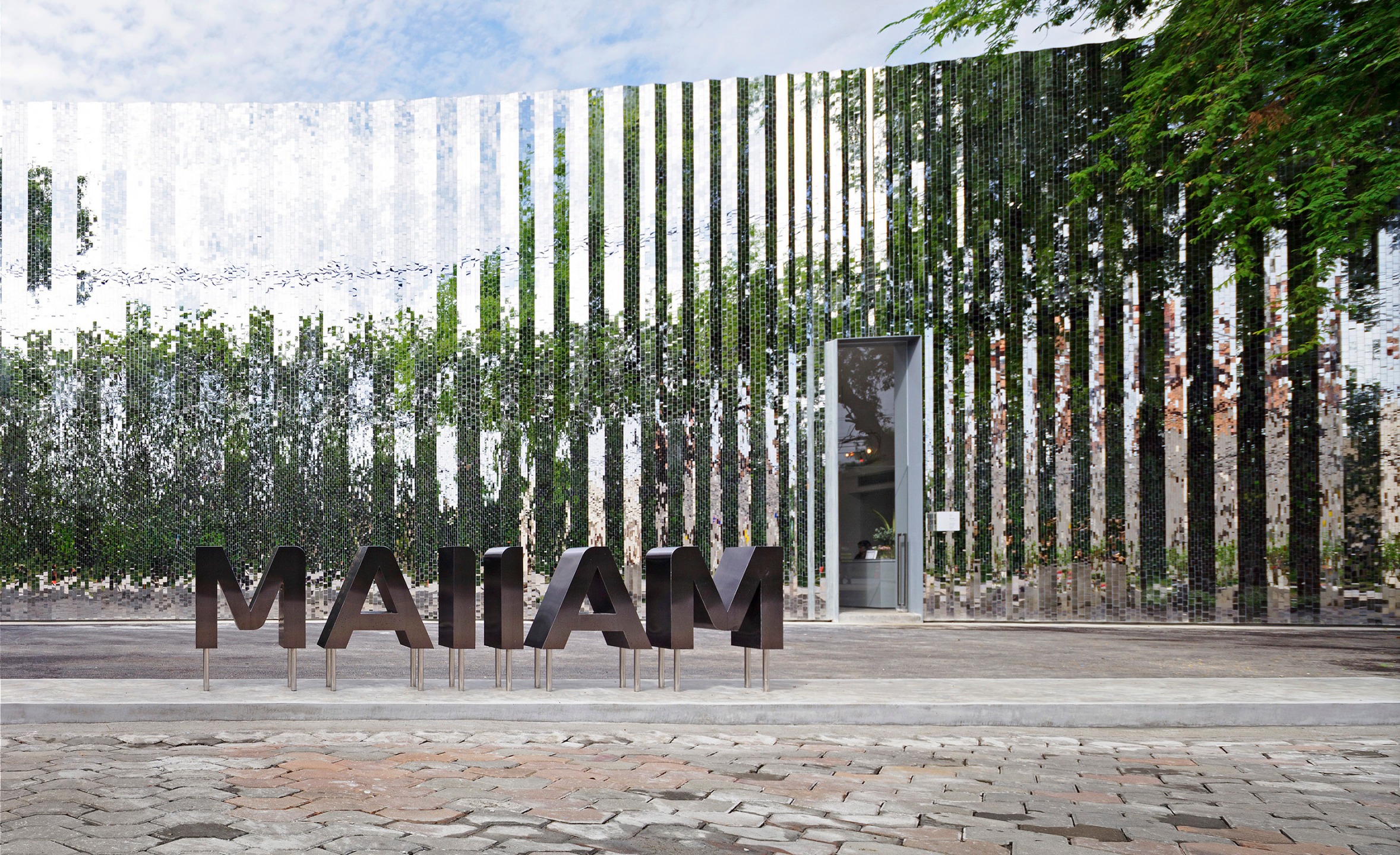
Maiiam Contemporary Art Museum
In Sankamphaeng, east of Chiang Mai, Maiiam Museum presents a collection of Thai contemporary art housed in a building with a distinctive mirrored mosaic façade.
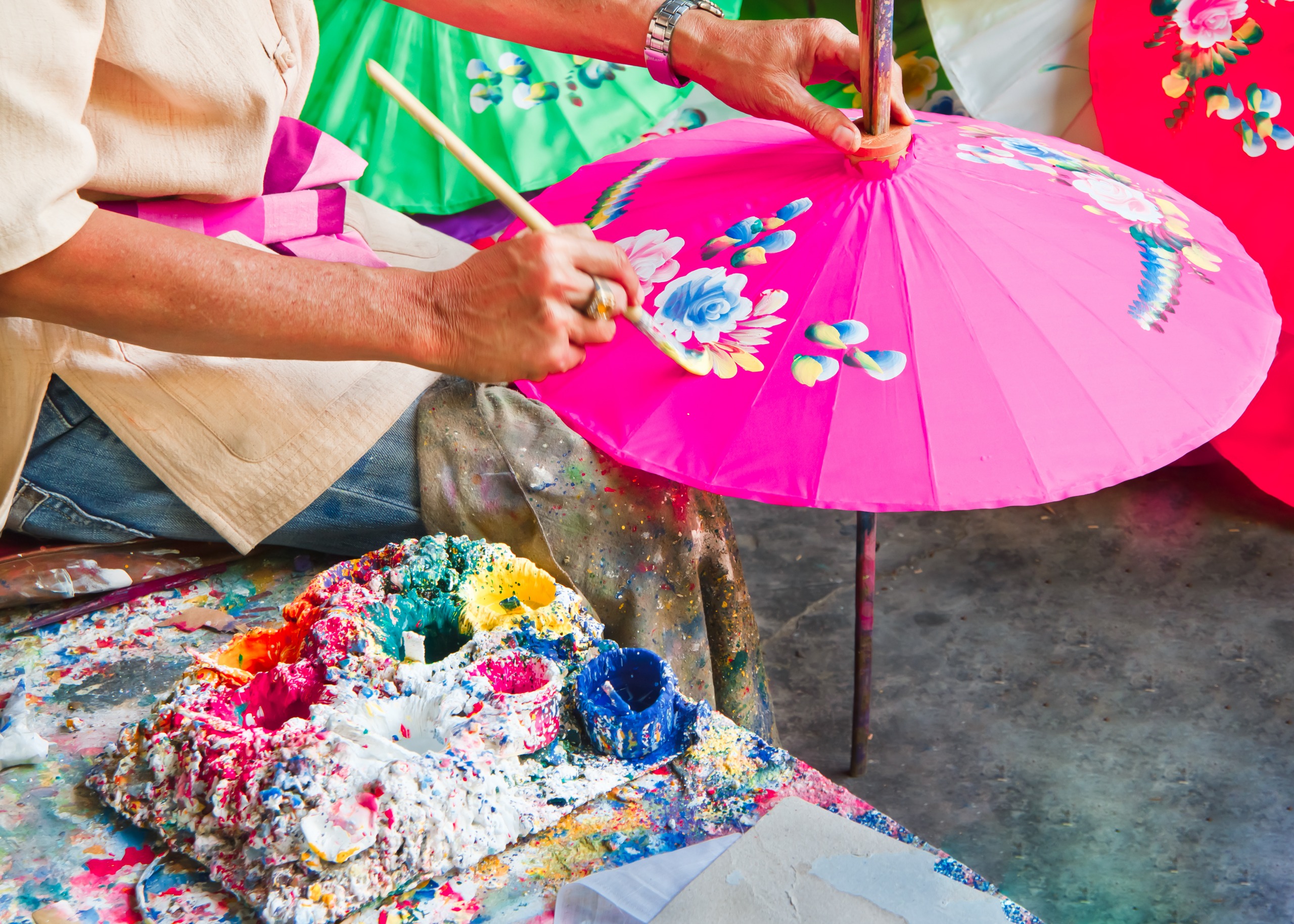
Bo Sang, the Umbrella Village
Located 10 km from Chiang Mai, Bo Sang has perpetuated for over a century the craft of hand-painted Sa paper umbrellas, with open workshops and a festival in January.
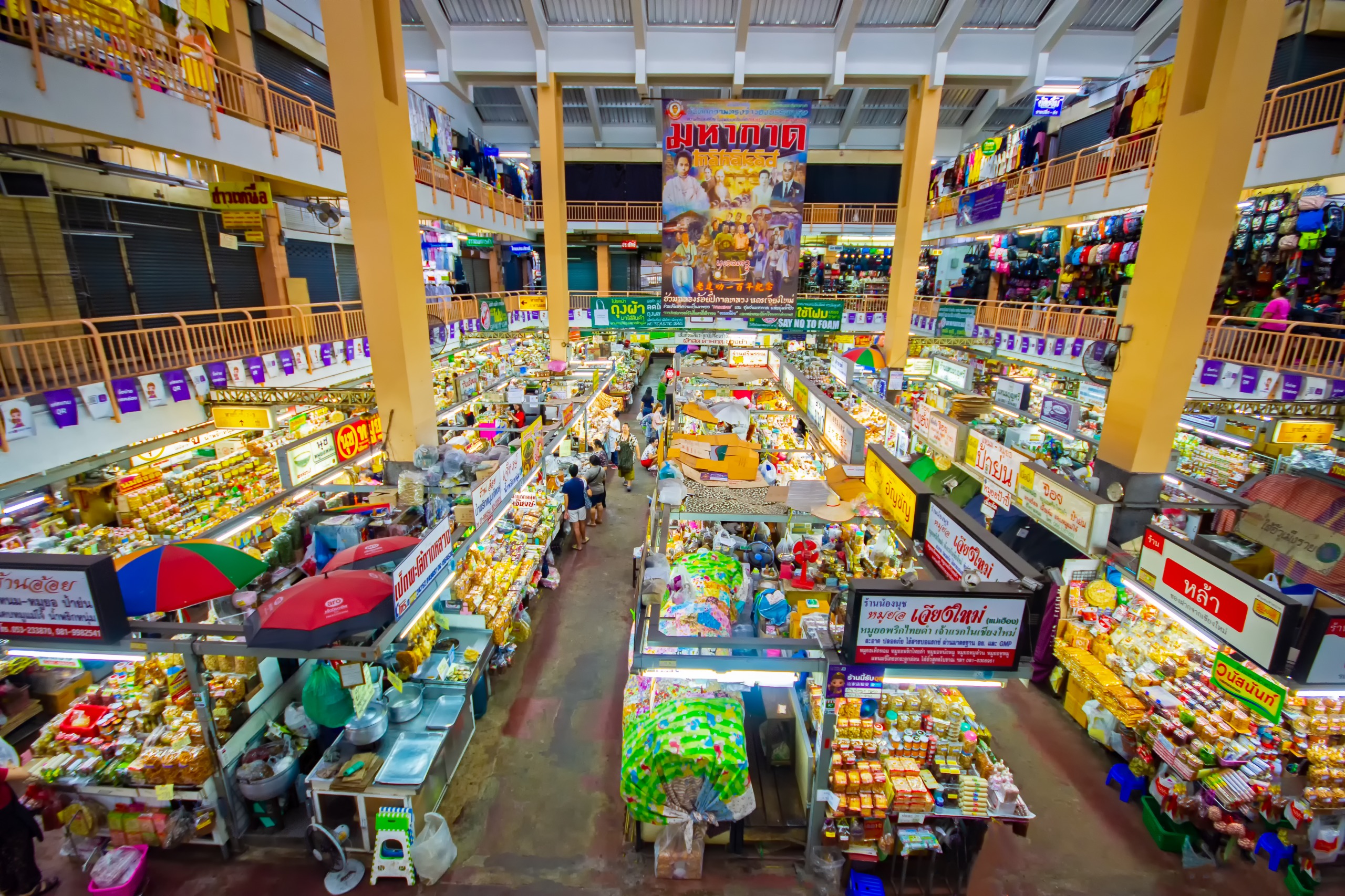
Warorot Market
Founded in 1910 by Princess Dara Rasmi, Warorot Market concentrates fresh produce, Lanna specialties and local crafts in Chiang Mai's Chinese quarter.
Interested in this visit?
We can include it in your personalised itinerary.