Wat Suwannaram
Wat Suwannaram
ซอย จรัญสนิทวงศ์ 32 Khwaeng Siriraj, Khet Bangkok Noi, Krung Thep Maha Nakhon 10700, Thaïlande
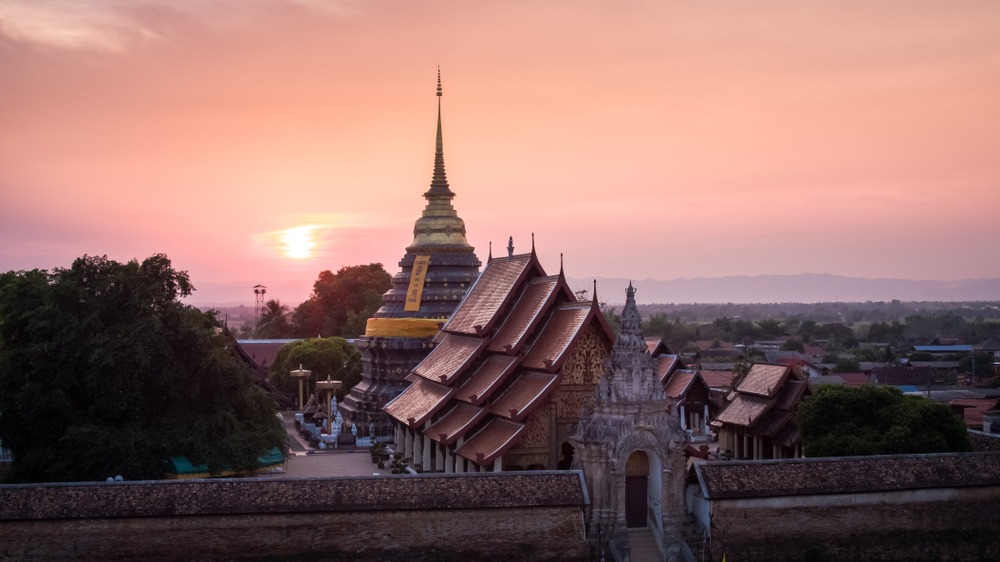
On the western bank of the Bangkok Noi canal, Wat Suwannaram combines Ayutthaya architecture, Jataka frescoes and the royal history of Siam.
On the western bank of the Bangkok Noi canal, in the Thonburi district, Wat Suwannaram brings together the architecture of the Ayutthaya kingdom and the pictorial art of the Rattanakosin era. Its full name, Wat Suwannaram Ratchaworawihan, means "golden monastery"—a name inherited from the original Wat Thong given by the monks. Less visited than the major temples in the city centre, it offers a more intimate glimpse into Bangkok's religious history.
Why visit Wat Suwannaram
The temple combines several layers of interest rarely found together elsewhere in Bangkok: an Ayutthaya-style ordination hall, a cycle of frescoes attributed to two 19th-century royal painters, a large golden Buddha from the Sukhothai era, and a living traditional neighbourhood setting, with its canals and artisan workshops. The visit works well as a half-day outing combined with a boat ride along the klongs of Thonburi.
History
Wat Suwannaram dates back to the Ayutthaya kingdom period (1351–1767), a great Siamese power whose architectural traits it preserves. Its history shifts during the reign of King Taksin (1767–1782), founder of the Thonburi kingdom: the temple then served as an execution site for Burmese prisoners of war captured in the conflicts that followed the fall of Ayutthaya.
In the 19th century, King Rama III (Nangklao, reign 1824–1851) commissioned major restoration work. It was during this period that painters Kru Thong Yu and Kru Khong Pae created the wall frescoes dedicated to the Jataka, which recount the previous lives and life of the Buddha. Later, under the reign of Rama V (Chulalongkorn, 1868–1910), part of the temple grounds served as a royal cremation site for crowned heads, generals and high-ranking kingdom dignitaries.
What to see on-site
The ordination hall (ubosot)
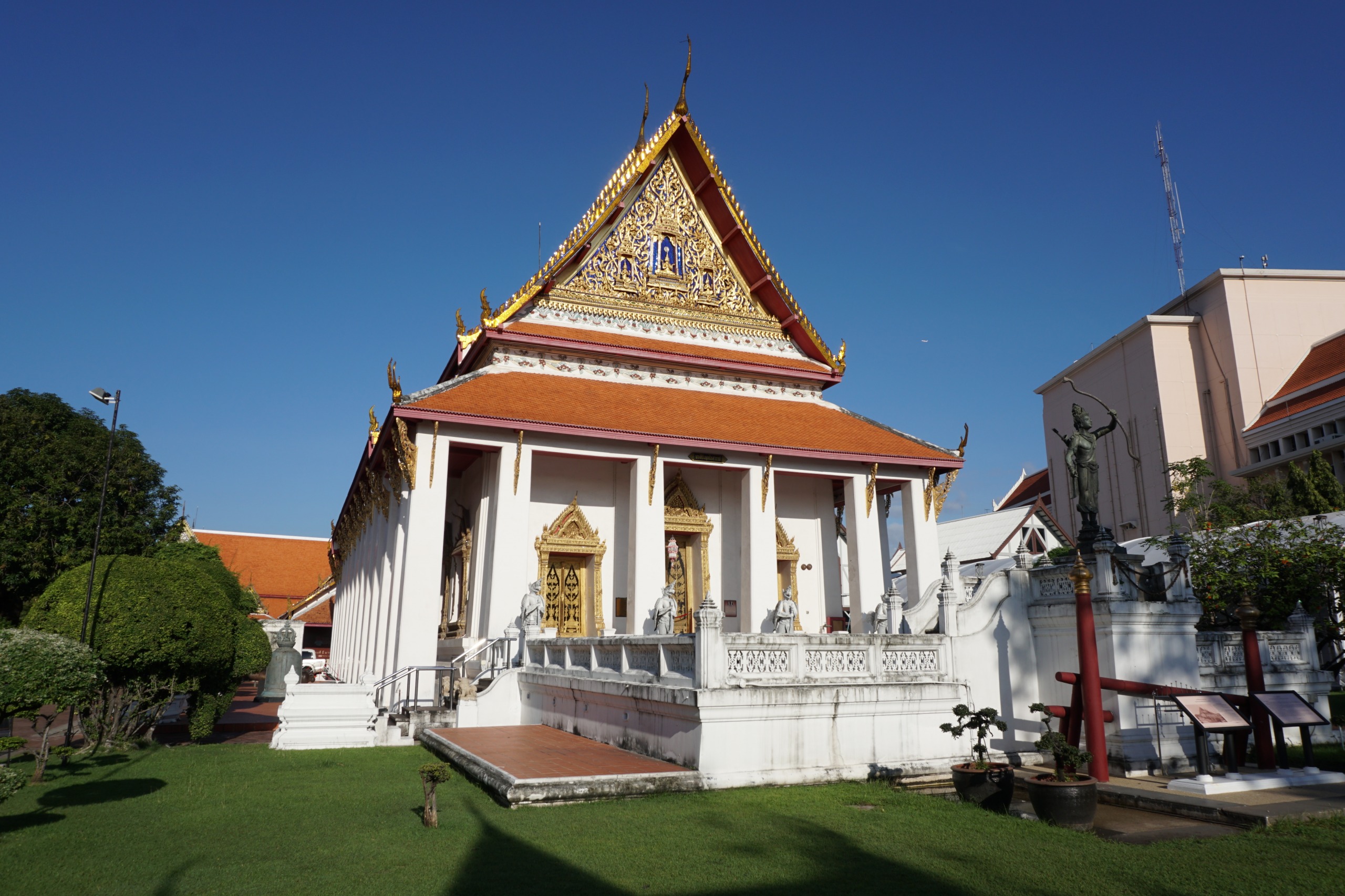
Built in Ayutthaya style, the ordination hall preserves the clean lines characteristic of this period. This is where monks publicly take their vows. Inside, the large golden Buddha named Pang Man Wichai, attributed to the Sukhothai era, occupies the central place.
The Jataka frescoes
The walls of the hall are entirely covered with paintings attributed to Kru Thong Yu and Kru Khong Pae. The scenes illustrate key episodes from the Buddha's previous lives and life: birth in Lumbini, the wise men's prophecy, princely marriage, departure from Kapilavastu palace, years of asceticism, enlightenment. In the background, the painters depicted palaces, monuments and cities of Siam, making this also an iconographic document of 19th-century Thailand. The ensemble is considered one of the best-preserved mural cycles of the Rattanakosin period.
The teak viharn
The viharn is built from teak wood. Its roof with pronounced curves evokes the hull of a Chinese sailing vessel, with polychrome decoration combining red, pale blue and golden yellow. This building illustrates the blending of Siamese and Chinese influences typical of 19th-century Bangkok.
Local legends
The site's funereal past has spawned several tales that local inhabitants still pass on: a headless ghost reported near the bell tower, apparitions in the courtyard of the school adjacent to the temple. These stories form part of the neighbourhood's folklore and are sometimes mentioned by local guides.
Nearby
Just next to the temple stands the village of artisans known as Baan Bu, a community of bronze workers settled near the Bangkok Noi canal for around two centuries. They continue the manufacture of khan long hin, polished metal alms bowls used by monks, as well as small Buddha figurines. The workshop can be visited and pieces are sold on-site.
Nearby, the Mahasawat canal allows you to extend your visit with a boat ride. This waterway once served to transport rice and agricultural goods from the countryside to Bangkok's markets; today it passes through rice paddies, fruit orchards and orchid and lotus plantations. For other iconic temples, Wat Arun and Wat Phra Kaeo remain complementary stops on the opposite side of the river, in the Phra Nakhon district.
Practical information
- Dress code: shoulders and knees covered, as in all Thai Buddhist temples.
- Duration of visit: allow 1 to 1.5 hours for the ordination hall, viharn and neighbouring Baan Bu workshop.
- Admission: free entry, as for most active temples in Bangkok.
- Dining: several Thai food stalls are set up in front of the main entrance.
How to get there
The temple is located in the Thonburi district, on the western bank of the Bangkok Noi canal. From central Bangkok, several options: a taxi or tuk-tuk ride from the eastern bank, an urban bus (check for updated routes on-site) or, more picturesque, a water taxi heading up the canal. Bangkok Noi railway station is nearby and can serve as a reference point.
Frequently asked questions
Yes, like most active Buddhist temples in Bangkok, it welcomes visitors daily, during daylight hours. Exact opening hours may vary; check locally before making the trip.
No. Access to the temple is free, in keeping with its status as a place of worship. A donation to the monastic community is appreciated.
Allow approximately 1 to 1.5 hours to see the Jataka frescoes, ordination hall and viharn. Add 30 to 45 minutes for the neighbouring bronze artisans' workshop at Baan Bu.
The dry season (November to February) is most pleasant for combining a temple visit with a boat ride on the canals. Morning offers favourable light for photographing the frescoes.
Yes. Wat Arun, on the same bank, is easily accessible. The opposite bank provides access to Wat Phra Kaeo and the Grand Palace, in the Phra Nakhon district.
To incorporate Wat Suwannaram into a broader itinerary combining temples, canals and artisan villages, consult our bespoke Thailand trips.
Photos
Nearby
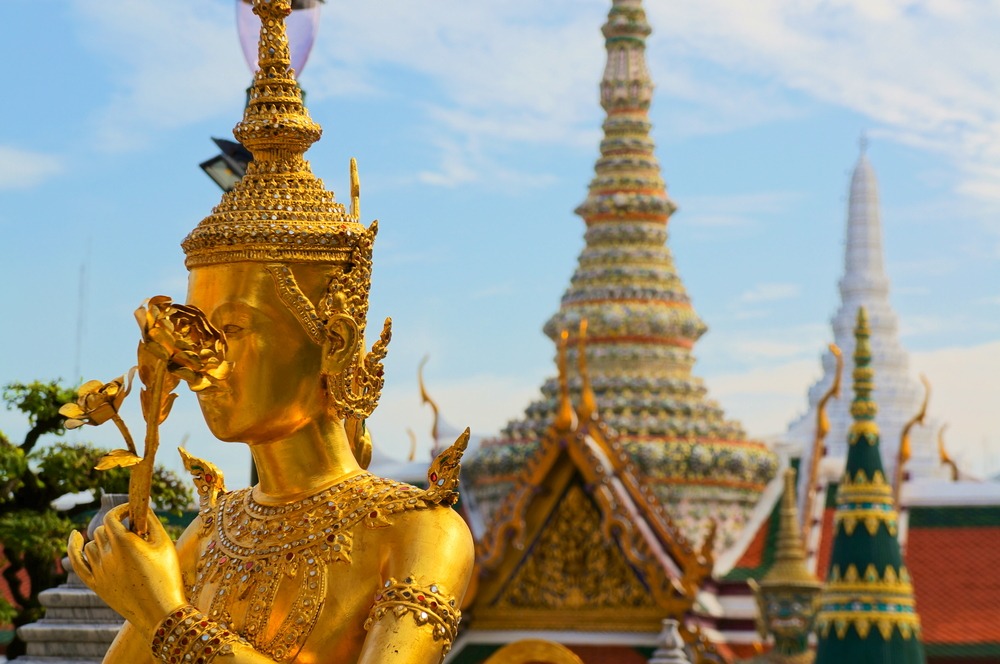
Also discover
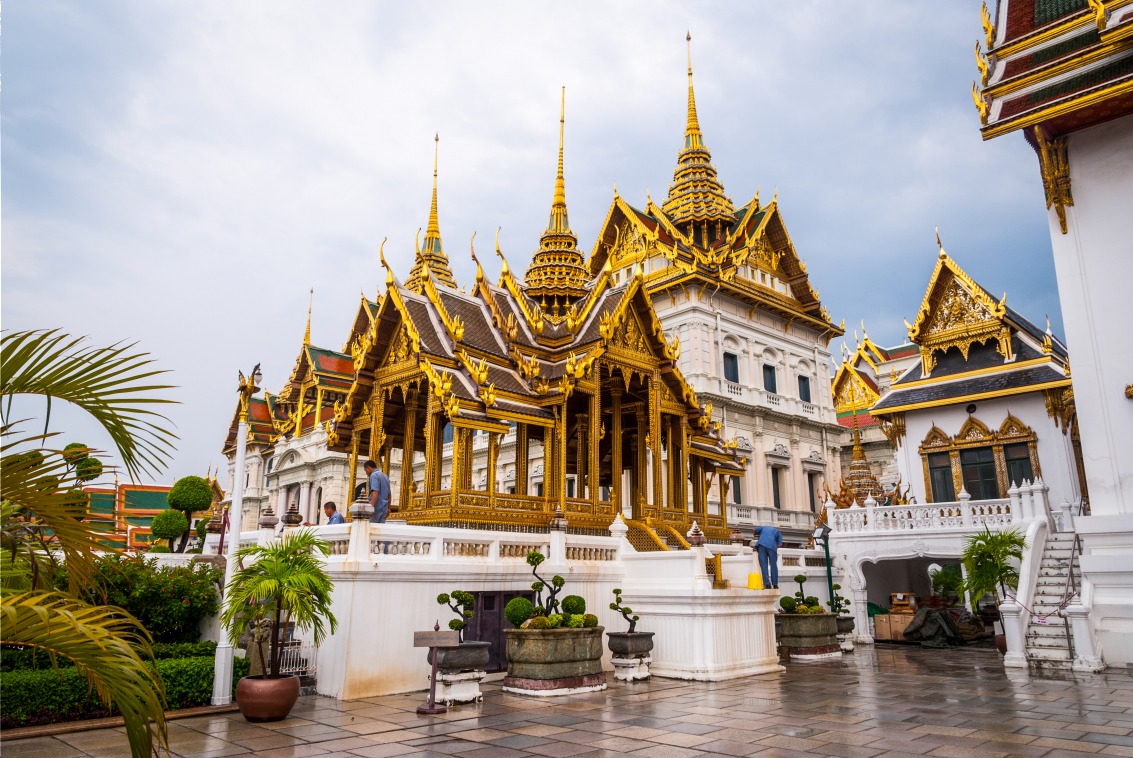
Grand Palace of Bangkok
Royal complex founded in 1782 by Rama I, the Grand Palace of Bangkok houses Wat Phra Kaeo and the Emerald Buddha. Practical guide to prepare your visit.
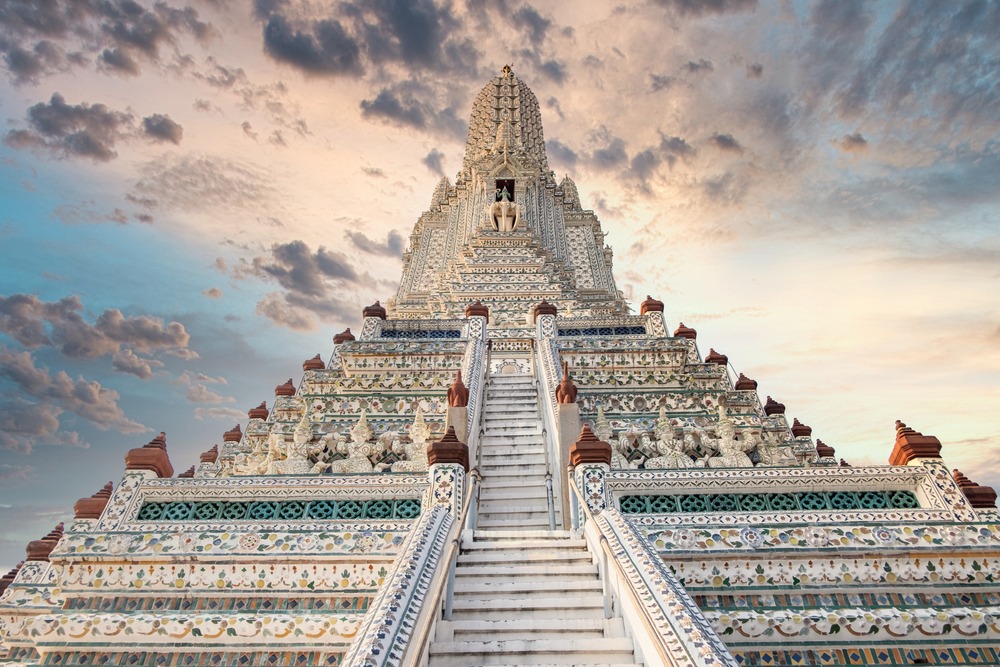
Wat Arun
Wat Arun, or the Temple of Dawn, dominates the western bank of the Chao Phraya in Bangkok with its 70-meter prang covered in porcelain mosaics.
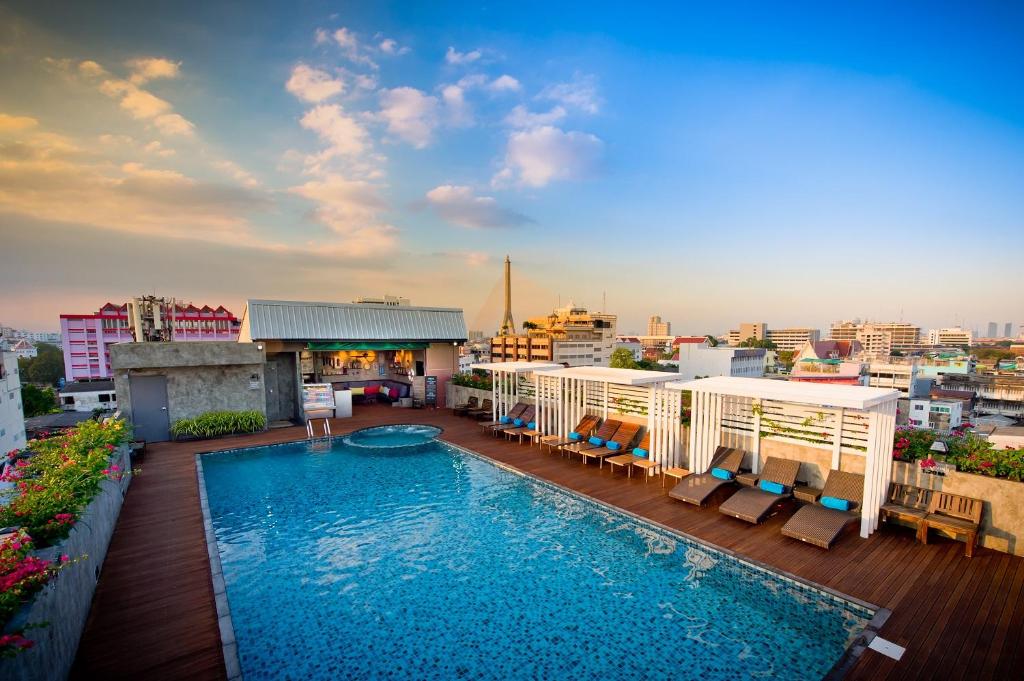
Nouvo City Hotel
Urban comfort hotel in Banglamphu's historic district, Bangkok: rooms of 32 to 38 m², spa, two pools and recognized halal dining.
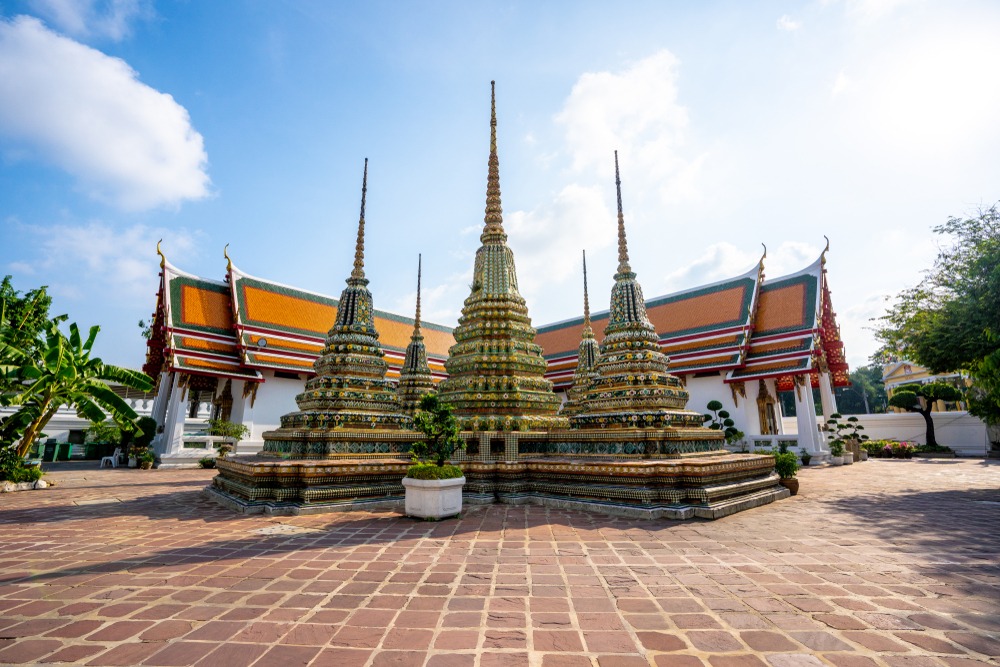
Wat Pho
South of Bangkok's Grand Palace, Wat Pho houses a 46-meter Reclining Buddha, 400 statues, and a UNESCO-recognized Thai massage school.
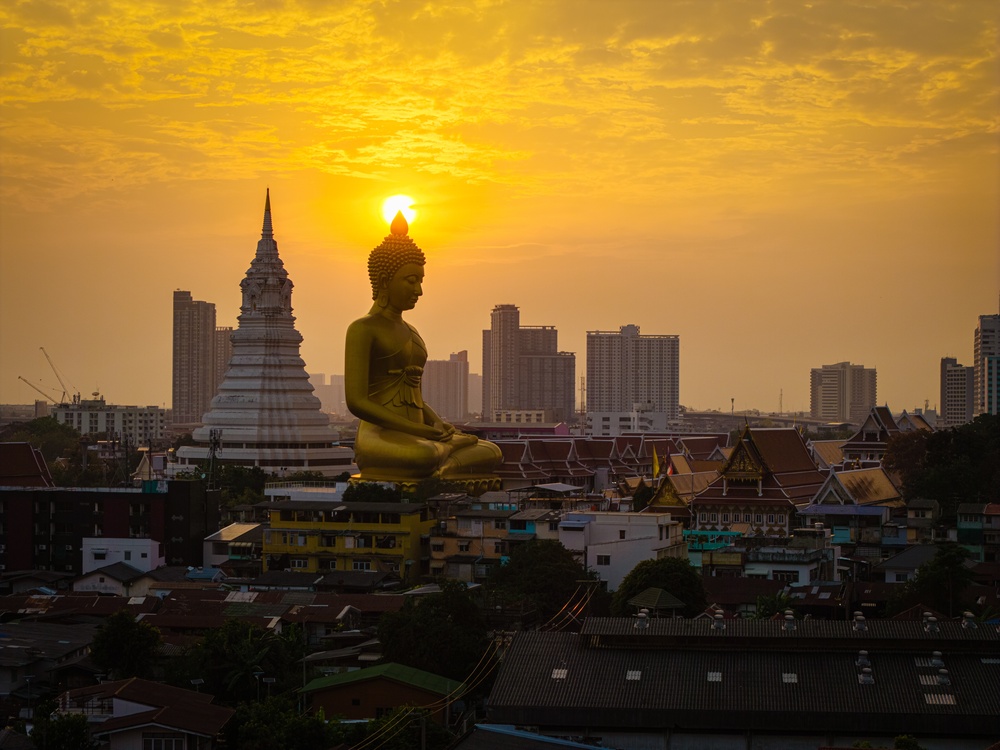
Bangkok
Bangkok, Thailand's vibrant capital, sometimes described as chaotic, is often overlooked by travelers who prefer the northern treks or southern beaches. Yet bypassing Bangkok during your Thailand trip means missing out on incredible Thai cultural diversity.
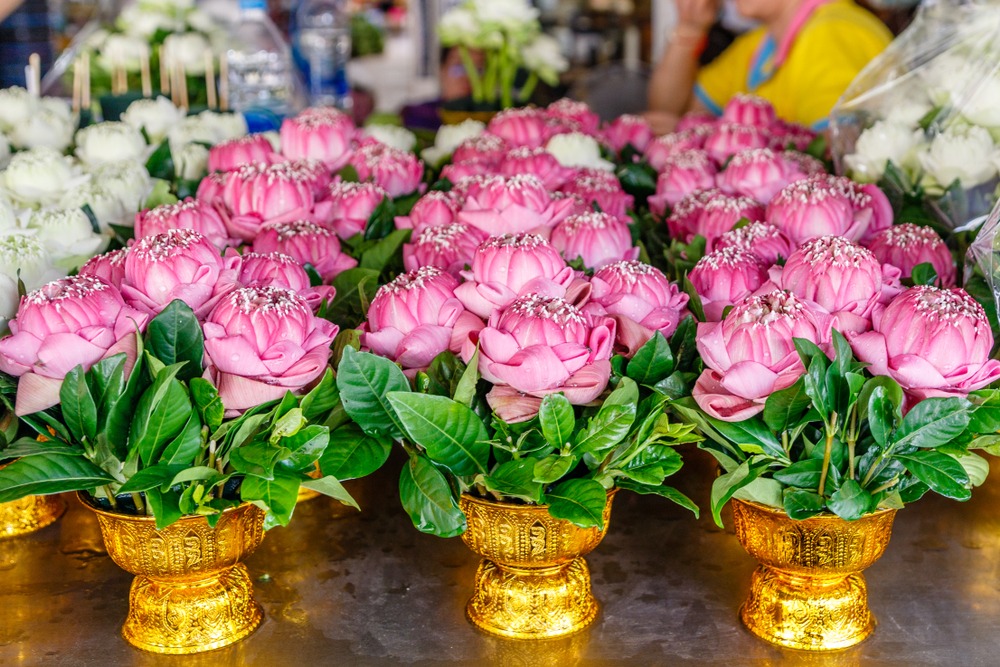
Pak Khlong Talat
Historic flower market in Bangkok, open around the clock near the Chao Phraya, supplying hotels, restaurants and temples in the capital with fresh blooms.
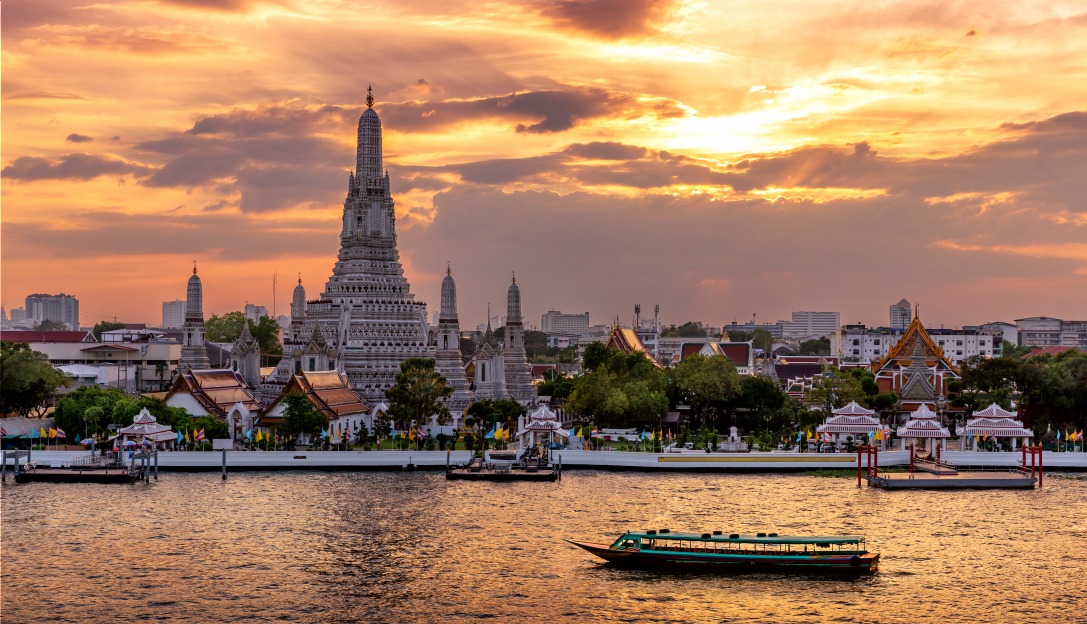
Chao Praya
Spanning 372 km, the Chao Phraya has shaped Bangkok since 1782. Temples, markets, boats: your guide to understanding and exploring the river.
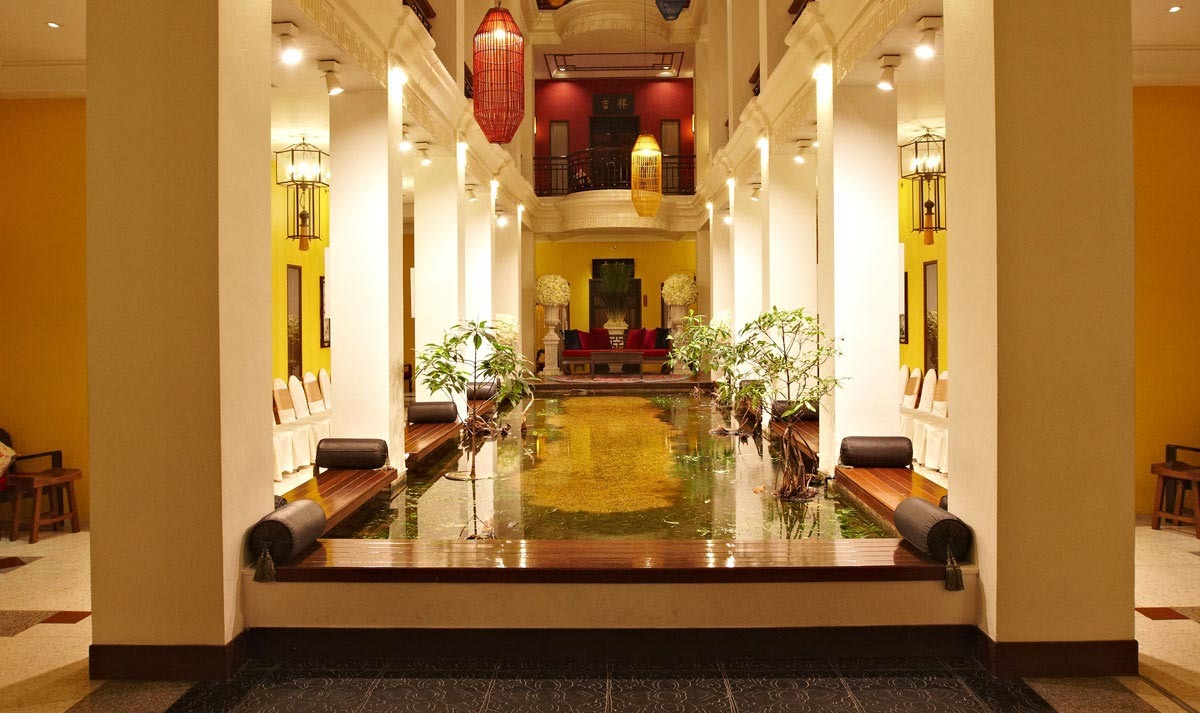
Shanghai Mansion
4-star hotel with vintage Shanghai inspiration on Yaowarat Road, in the heart of Bangkok's Chinatown. 67 rooms, Sino-Thai restaurant and jazz concert bar.
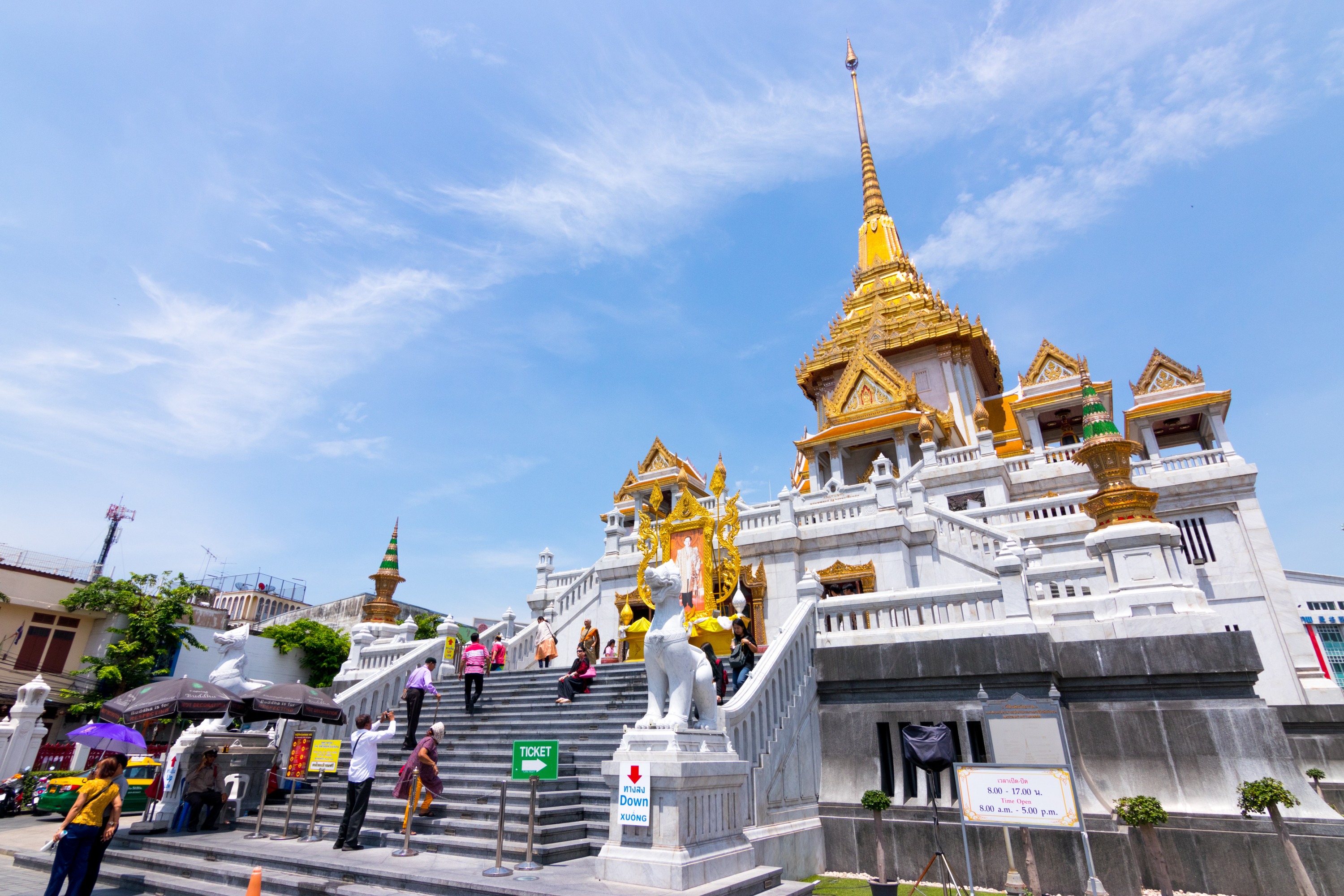
Wat Traimit, the Temple of the Golden Buddha
In Bangkok, Wat Traimit shelters a solid gold Buddha measuring 3 meters and weighing 5.5 tonnes, whose golden identity was only revealed in 1955.

Asiatique: The Riverfront
A former Danish port transformed into a night market along the Chao Phraya, Asiatique combines shopping, dining, entertainment and a Ferris wheel in Bangkok.
Interested in this visit?
We can include it in your personalised itinerary.