Chiang Mai
Chiang Mai
Chiang Mai is an unmissable destination during a Thailand trip. With its historic monuments, rich culture and natural attractions, the Rose of the North will captivate you.
Nestled in the heart of northern Thailand's mountains, Chiang Mai invites you to discover an authentic face of the kingdom. This former capital of Lanna seamlessly blends golden temples, colorful markets and lush nature. Whether you're a culture enthusiast, trekking lover or food explorer, the "Rose of the North" will enchant you.
Thailand's second-largest city after Bangkok, Chiang Mai offers exceptional quality of life at affordable prices. Its fortified historic center, over 300 temples and proximity to the mountains make it an essential stop on your Thailand journey.
Chiang Mai's Fascinating History
In 1296, King Mengrai founded Chiang Mai to make it the capital of the powerful Lanna kingdom. To protect his new city from Burmese invasions, he ordered the construction of walls and moats that still encircle the old city today.
Despite these fortifications, Chiang Mai fell to Burmese hands from 1558 to 1774. During this long occupation, the city emptied of its inhabitants and faded into obscurity. It took the reign of King Taksin for Chiang Mai to be reborn and reclaim its status as the cultural and economic capital of the North.
Chiang Mai's Most Beautiful Temples
With over 300 temples, Chiang Mai truly deserves its nickname of "the city of a thousand pagodas". Each wat tells a unique story and showcases remarkable architecture.
Wat Phra That Doi Suthep: the iconic temple
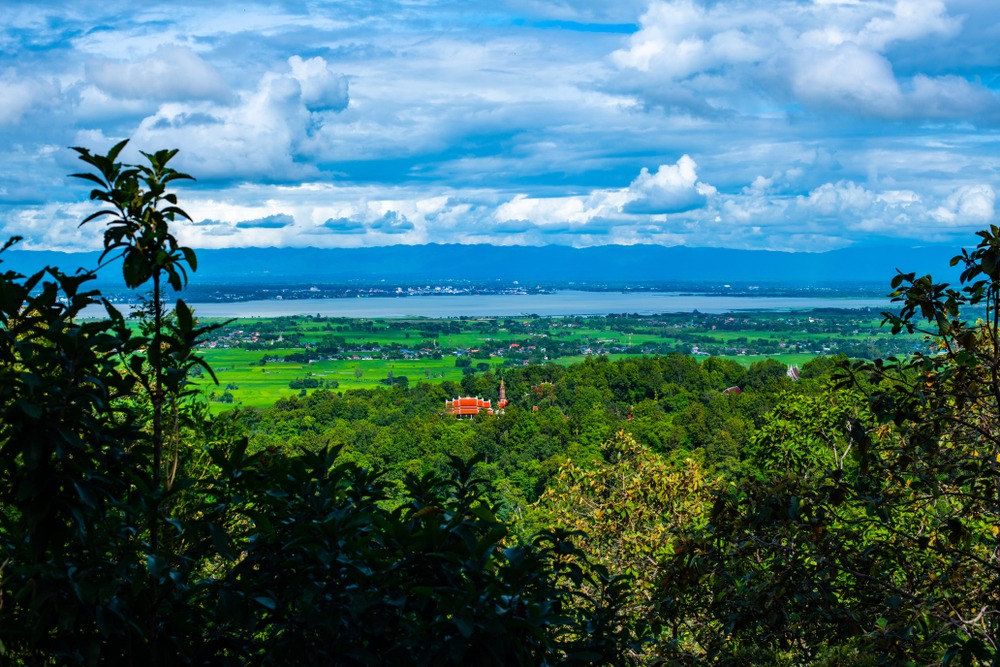
Perched at 1,200 meters altitude, Doi Suthep remains Chiang Mai's most-visited temple. Its golden chedi shines brilliantly and offers breathtaking panoramic views over the city. Expect 50 baht entry and plan 2 hours for your visit.
On the road to the summit, stop at Wat Phalat, nicknamed the "jungle temple". This hidden gem nestled in the forest offers a moment of serenity away from crowds. Access is via a one-hour hiking trail, perfect for nature lovers.
Wat Sri Suphan: the Silver Temple
Built in 1502, this unique temple worldwide dazzles with decorations entirely crafted in silver. Local master silversmiths created a truly remarkable architectural jewel of exceptional fineness.
Don't miss the "monk chats" organized every Tuesday, Thursday and Saturday from 5:30 pm to 9 pm. These exchanges with monks will help you better understand their daily lives and learn meditation basics. Free participation.
Wat Umong: the Temple of Tunnels
Set in a lush forest, this 13th-century temple fascinates with its tunnels decorated with ancient frescoes. Transformed into a meditation center in 1948, it offers classes open to the public from 6 am to 5 pm. Entry is free and the atmosphere particularly peaceful.
Wat Chiang Man: the Senior Temple
Chiang Mai's oldest temple, it houses two exceptional Buddha statues: the Phra Satang Man in crystal and the Phra Sila in marble. Its 60-meter-high pagoda, built in the 14th century, majestically dominates the northern quarter of the old city.
Exploring the Old City and Its Night Markets
Chiang Mai's historic heart is best discovered on foot through the ancient fortified city's alleyways. Craft shops, art galleries and cozy cafes succeed one another in a laid-back atmosphere.
The Sunday Walking Street Market
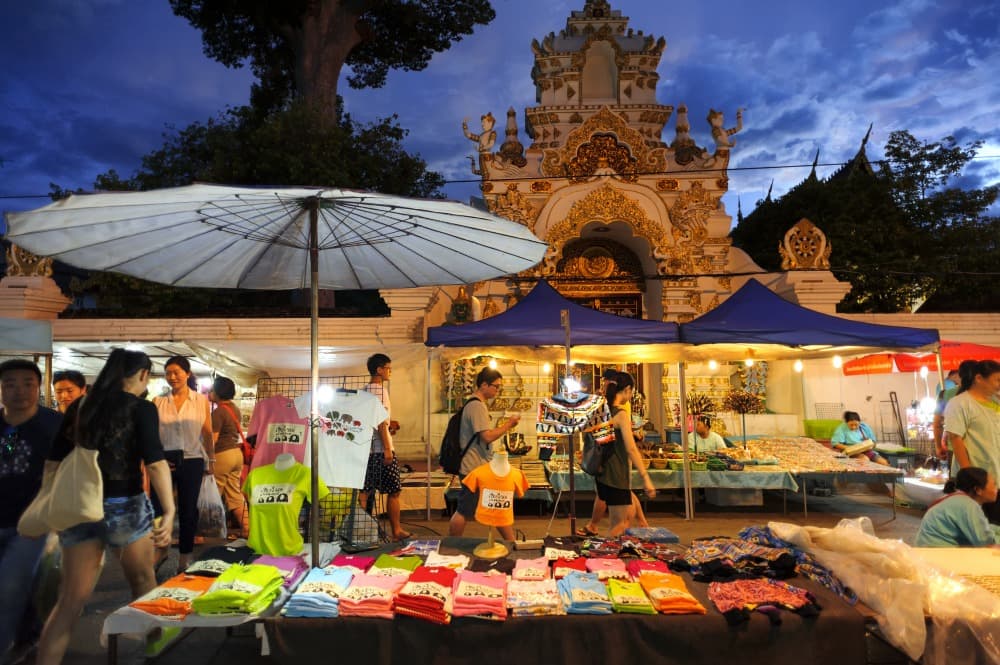
Every Sunday evening, Ratchadamnoen Street transforms into a massive pedestrian market. The atmosphere is magical with hundreds of local craft stalls, street performances and delicious food specialties.
Our top picks:
Fresh Pad Thai prepared before your eyes (40-60 baht)
Grilled pork skewers (20-30 baht)
Foot massage after a day of sightseeing (150-200 baht/30 min)
Bamboo objects and traditional silks
Other Must-Visit Markets
Warorot market, in the Chinese quarter, remains the city's most authentic. Open daily, it offers exotic fruits, spices and local products at unbeatable prices.
Saturday evening, head to the Night Bazaar in downtown. Spread across three zones (Original, Kalare and Anusarn), it offers an immense selection of souvenirs and crafts at negotiable prices.
Trekking and Nature Around Chiang Mai
Doi Inthanon National Park
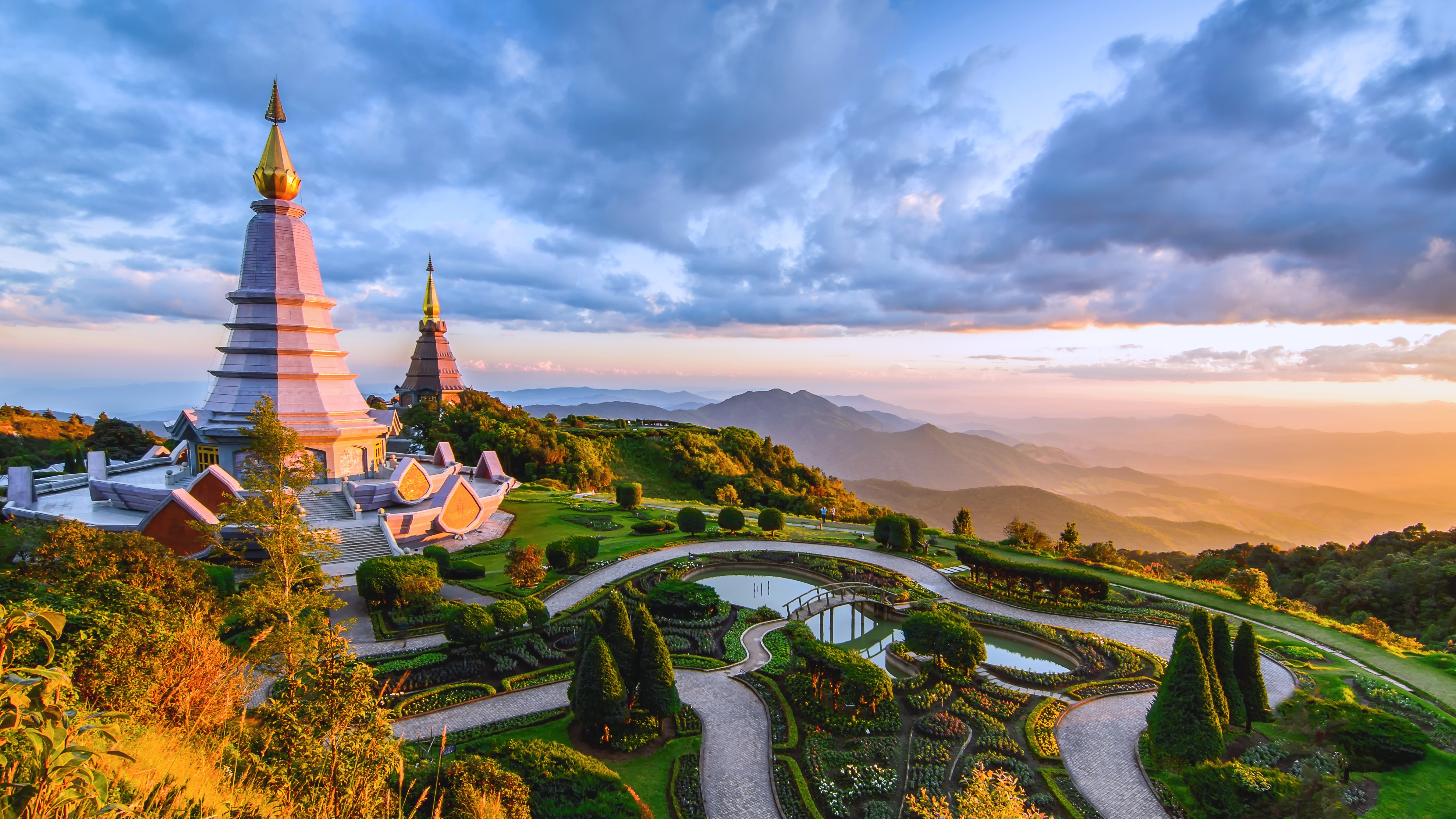
Nicknamed "Thailand's roof", Mount Doi Inthanon reaches 2,565 meters. Its hiking trails cross tropical forests, spectacular waterfalls and authentic Hmong villages.
Park highlights:
Wachirathan and Mae Klang waterfalls (entry included)
Royal pagodas Naphamethinidon and Naphaphonphumisiri
Ang Ka botanical trail (2.5 km, easy)
Karen and Hmong villages
Plan 300 baht park entry and dedicate a full day. Organized tours from Chiang Mai cost between 1,200 and 2,000 baht per person.
Popular Nature Activities
The region offers a multitude of activities for adventure seekers: zip-lining through the canopy, bamboo rafting on the Mae Ping river, ethical encounters with elephants at sanctuaries.
Festivals Not to Miss
Flower Festival (February)
The first weekend of February, Chiang Mai bursts with color. Flowered float parades, beauty contests and traditional shows animate the city for three days. The procession departs from the railway station toward Nong Buak Hat Park.
Songkran, Thai New Year (April)
From April 12-15, join the world's biggest water fight! This Buddhist purification tradition becomes a giant celebration in Chiang Mai's streets. Guaranteed fun!
When to Visit Chiang Mai
The best period spans November to February. Temperatures are pleasant (20-28°C), rainfall scarce and pollution minimal. Avoid March-May (very hot and polluted) and June-October (monsoon).
How to Reach Chiang Mai from Bangkok
By Plane (1-hour flight)
The fastest option and often most economical with budget airlines. Expect 1,500-4,000 baht depending on season. Flights from Don Mueang or Suvarnabhumi to Chiang Mai International Airport.
By Overnight Train (11-15 hours)
An authentic experience departing from Hua Lamphong station. Prices: 791 baht for 2nd-class sleeper, 1,253 baht for 1st class. Booking recommended, especially high season.
By Bus (10-12 hours)
Departing from Mo Chit bus station. VIP buses recommended for comfort (600-800 baht). Overnight buses help you save a hotel night.
Getting Around Chiang Mai
Several options suit your budget and preferences:
Red Songthaew: convenient and economical shared taxi (20-40 baht per trip)
Tuk-tuk: for short distances (negotiate price first, 60-150 baht)
Scooter: rental 150-250 baht/day (international driver's license required)
Bicycle: ideal for the old city (50-100 baht/day)
Grab: reliable and transparent ride-hailing app
Daily Budget in Chiang Mai
Chiang Mai remains a very affordable destination suited to all budgets:
Budget: 800-1,200 baht/day (hostel, street food, local transport)
Mid-range: 1,500-2,500 baht/day (3-star hotel, restaurants, some activities)
Comfort: 3,000+ baht/day (4-5-star hotel, upscale restaurants, private tours)
Where to Stay in Chiang Mai
Accommodation options are vast, from youth hostels to luxury resorts:
Old City: close to temples and markets, authentic atmosphere
Nimmanhaemin District: trendy, modern cafes, nightlife
Riverside: calm, views of the Mae Ping river
University Area: tight budget, many small restaurants
Frequently asked questions
Plan 4-5 days minimum to see the main temples, old city and markets. Add 2-3 extra days if you want to trek or explore nearby areas like Doi Inthanon.
A scooter is convenient for exploring surroundings and remote temples, but watch out for heavy traffic. For the old city, prefer walking or cycling. An international driver's license is mandatory.
Cover shoulders and knees out of respect. Avoid shorts, tank tops and tight clothing. Bring shoes that come off easily since you must remove them to enter sacred buildings.
Don't miss khao soi (noodle curry), sai ua (northern sausage), larb (spicy meat salad) and sticky rice with mango (khao niao mamuang). Night markets offer the best value.
Chiang Mai is a very safe city. Main precautions concern scooter traffic and typical tourist scams. Keep valuables secure and always negotiate tuk-tuk prices beforehand.
Technically possible by plane (1-hour flight) but quite frustrating. Chiang Mai deserves at least 2-3 days to appreciate its unique atmosphere and visit main attractions without rushing.
Photos
Attractions in Chiang Mai
See all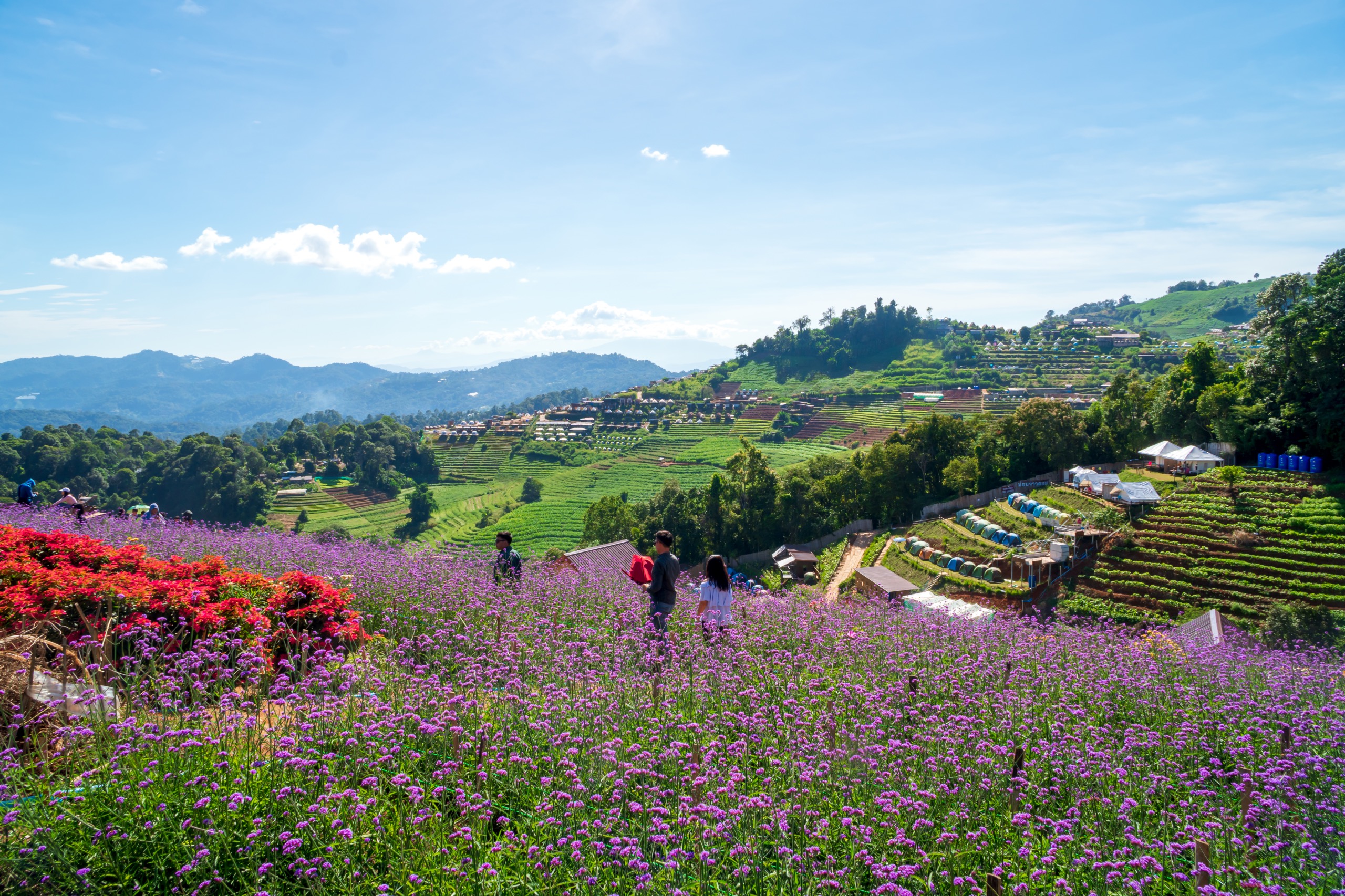
Mae Rim
À 30 minutes de Chiang Mai, Mae Rim réunit jardin botanique, lac Huay Tung Tao, villages des tribus du Nord et sanctuaires d'éléphants au pied du Doi Suthep.
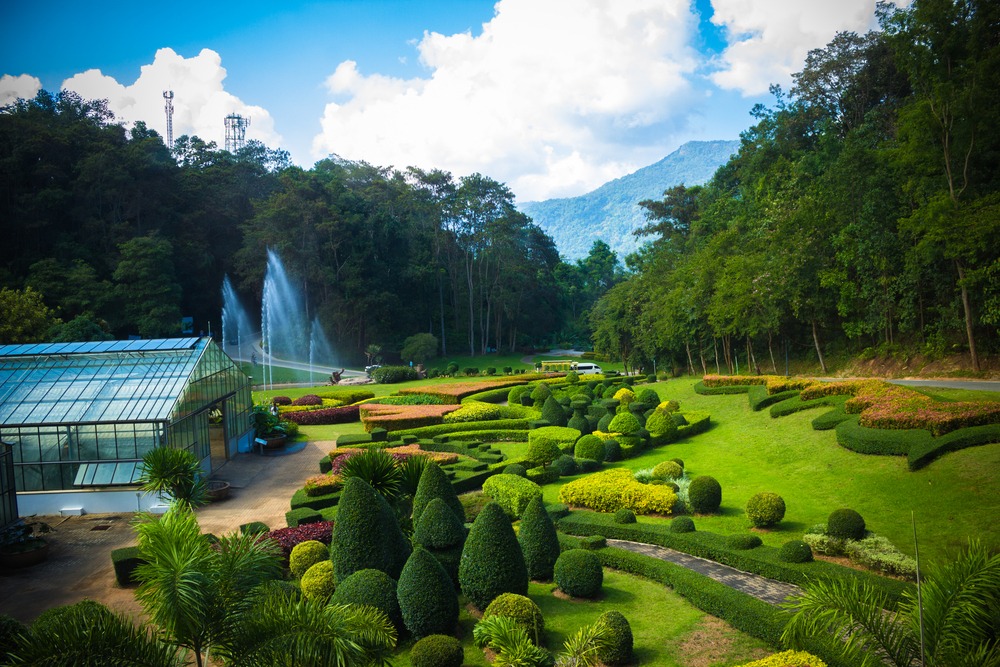
Jardin botanique de la reine Skirit
Premier jardin botanique de Thaïlande, le site de la reine Sirikit déploie 1 000 hectares de serres thématiques et de sentiers à 30 minutes de Chiang Mai.
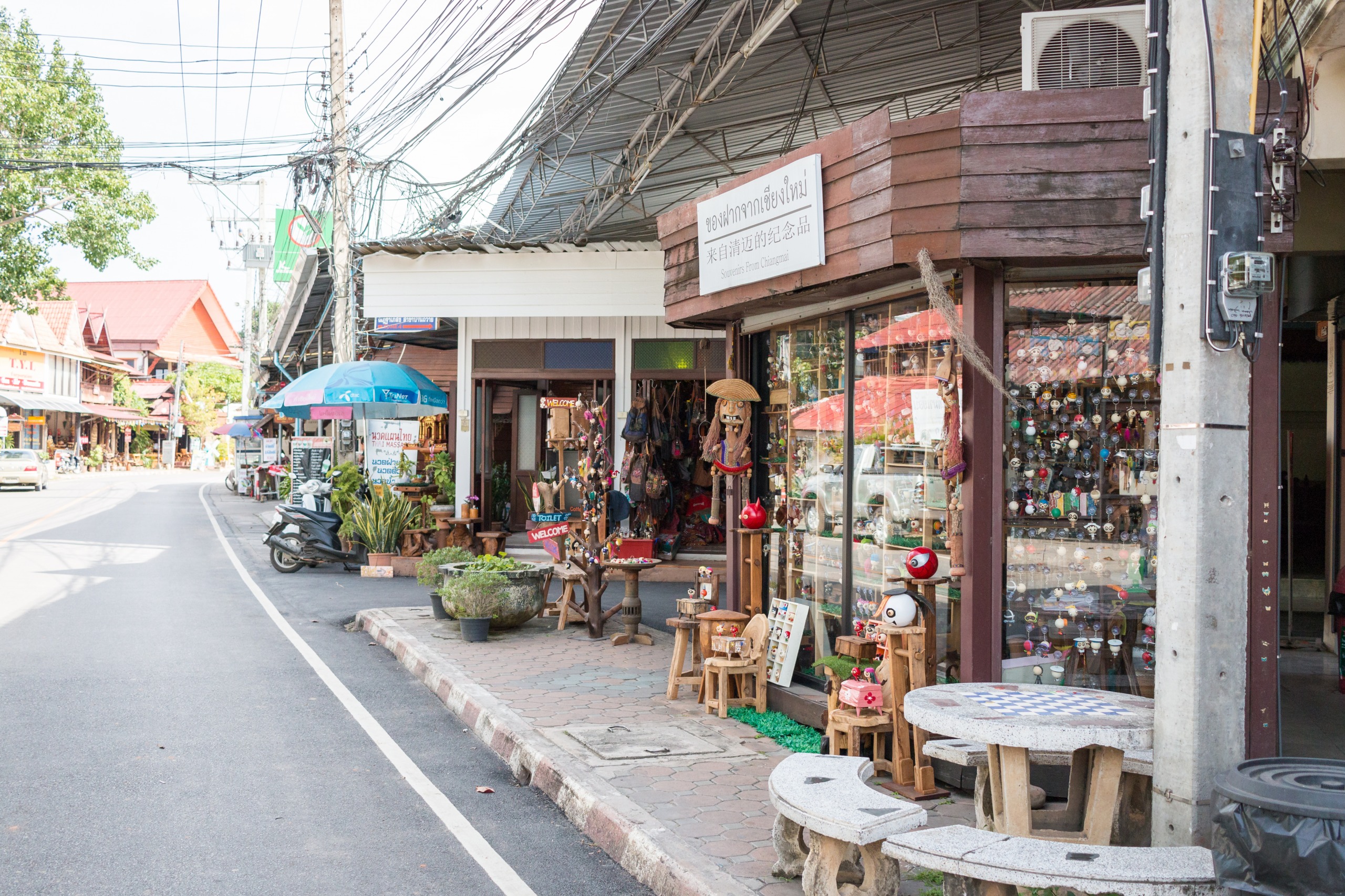
village des sculpteurs de bois de Baan Tawai
À 16 km de Chiang Mai, Baan Tawai concentre les ateliers de sculpture sur bois du nord de la Thaïlande, dans un village d'artisans en accès libre.
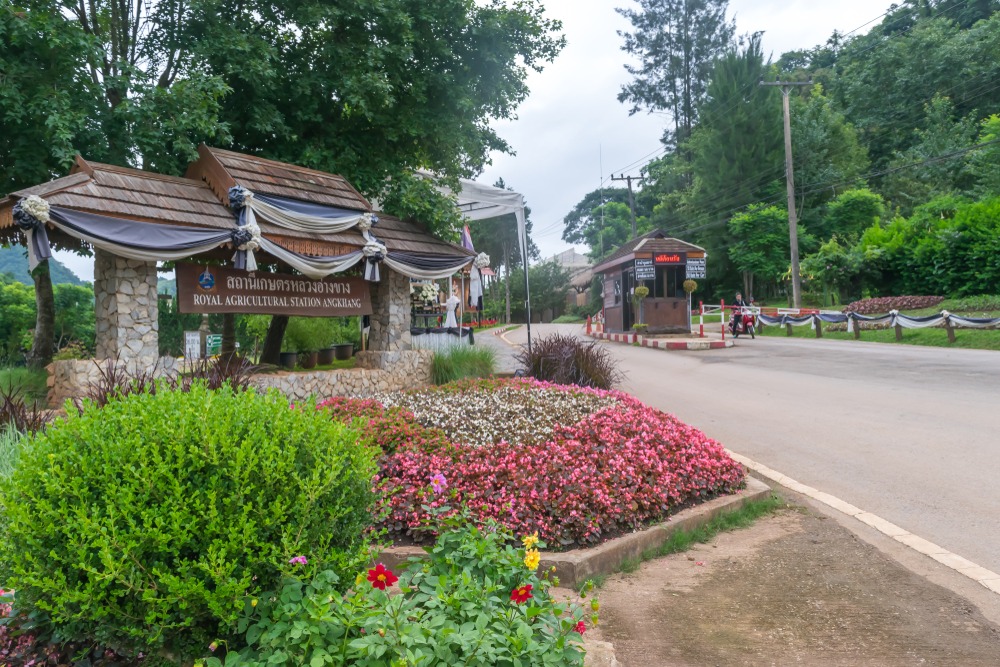
Ban Khum
Village agricole à 1 300 m d'altitude au nord de Chiang Mai, Ban Khum est l'héritier du projet royal qui a remplacé le pavot par fraises et fleurs.
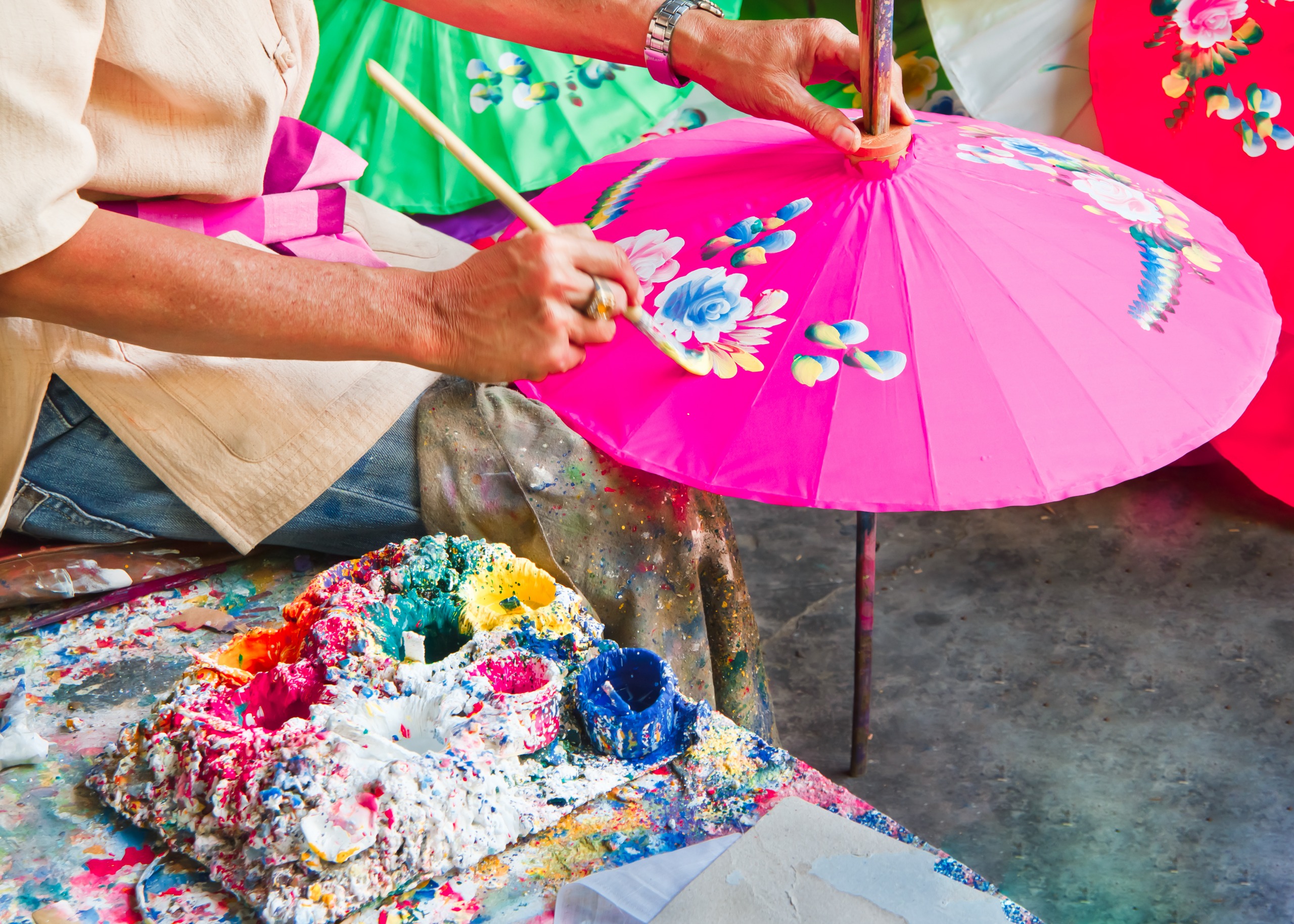
Bo Sang, le village des ombrelles
À 10 km de Chiang Mai, Bo Sang perpétue depuis plus d'un siècle la fabrication d'ombrelles en papier Sa peintes à la main, avec ateliers ouverts et festival en janvier.
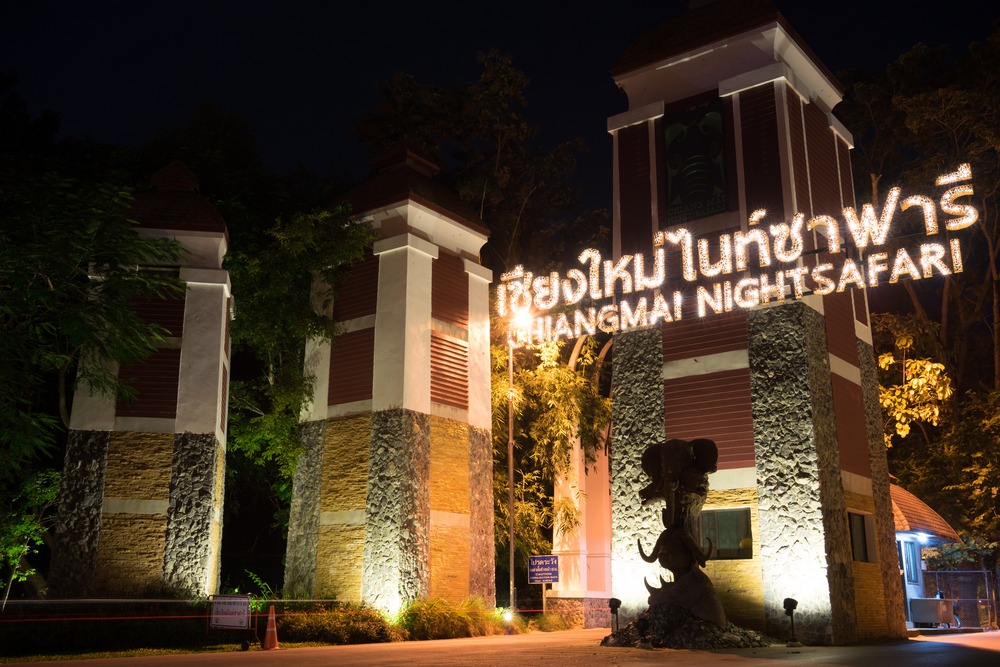
Chiang Mai night safari
Parc zoologique nocturne de 130 hectares ouvert en 2006 à 12 km de Chiang Mai, le Night Safari rassemble près de 2 000 animaux sur trois circuits thématiques.
Accommodation in Chiang Mai
See all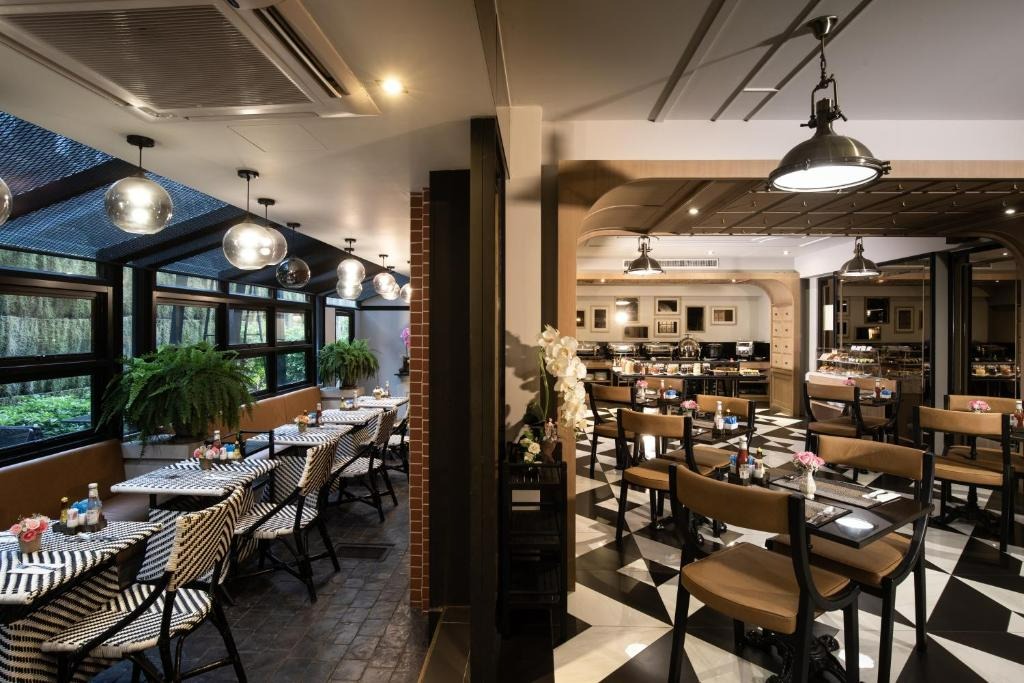
De Chai the Deco Chiang Mai
Hôtel 4 étoiles situé Thapae Road Soi 5 à Chiang Mai, à pied de la porte Tha Phae, avec piscine et chambres familiales disponibles.
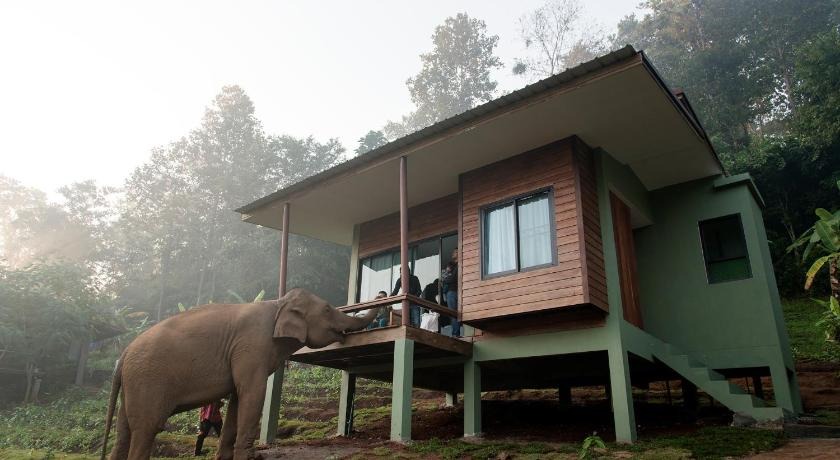
Chiang Mai Elephant Friends
Lodge en bungalows dans la vallée de Mae Wang, à 30 minutes de Chiang Mai, dédié aux activités avec les éléphants et aux balades en jungle.
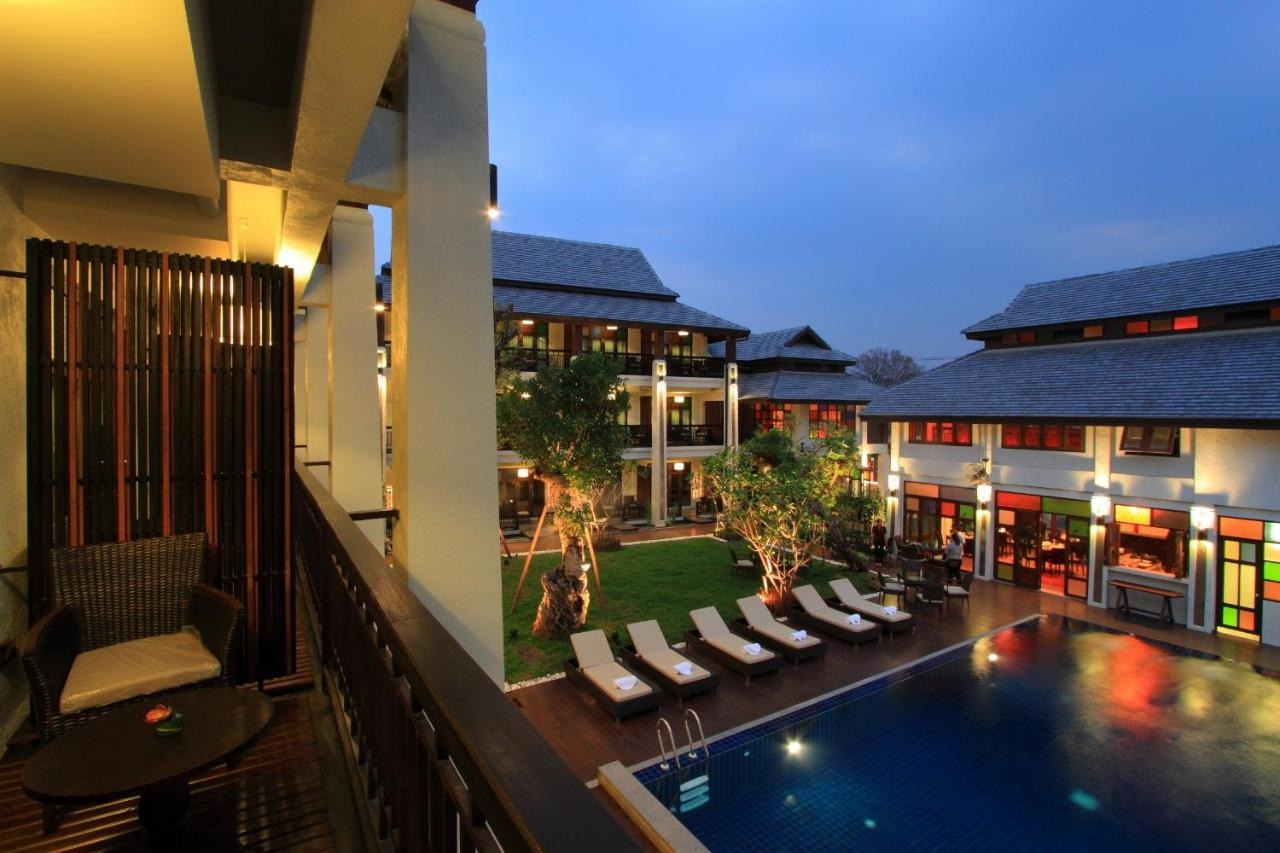
De Lanna Hotel
Hôtel 4 étoiles dans le quartier historique de Sri Phum, à Chiang Mai, avec piscine et spa. Accès à pied aux principaux sites du centre.
Also discover
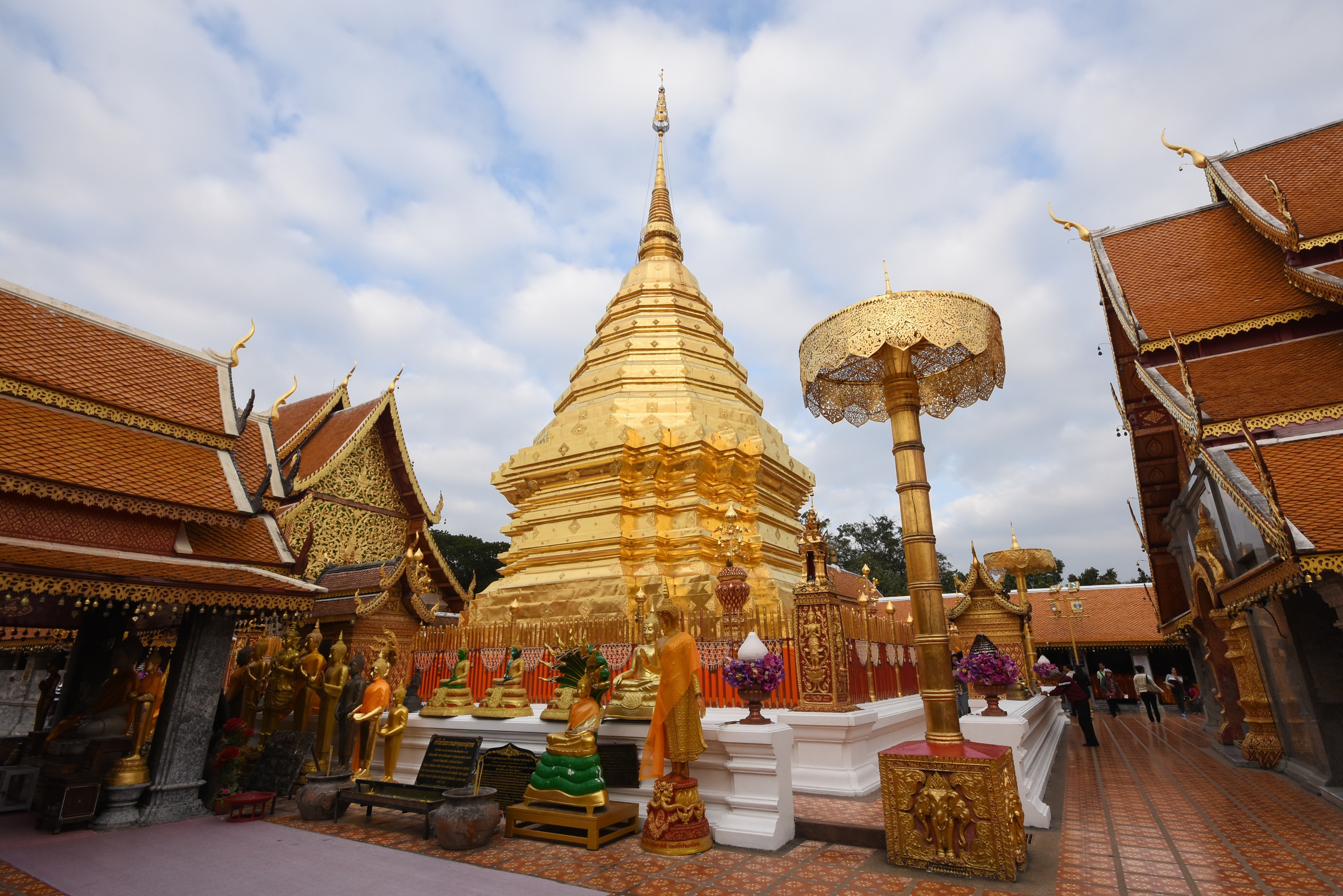
Wat Phra That Doi Suthep
Perched at 1,073 meters above Chiang Mai, Wat Phra That Doi Suthep encompasses six centuries of Lanna art around a golden chedi and a founding legend.
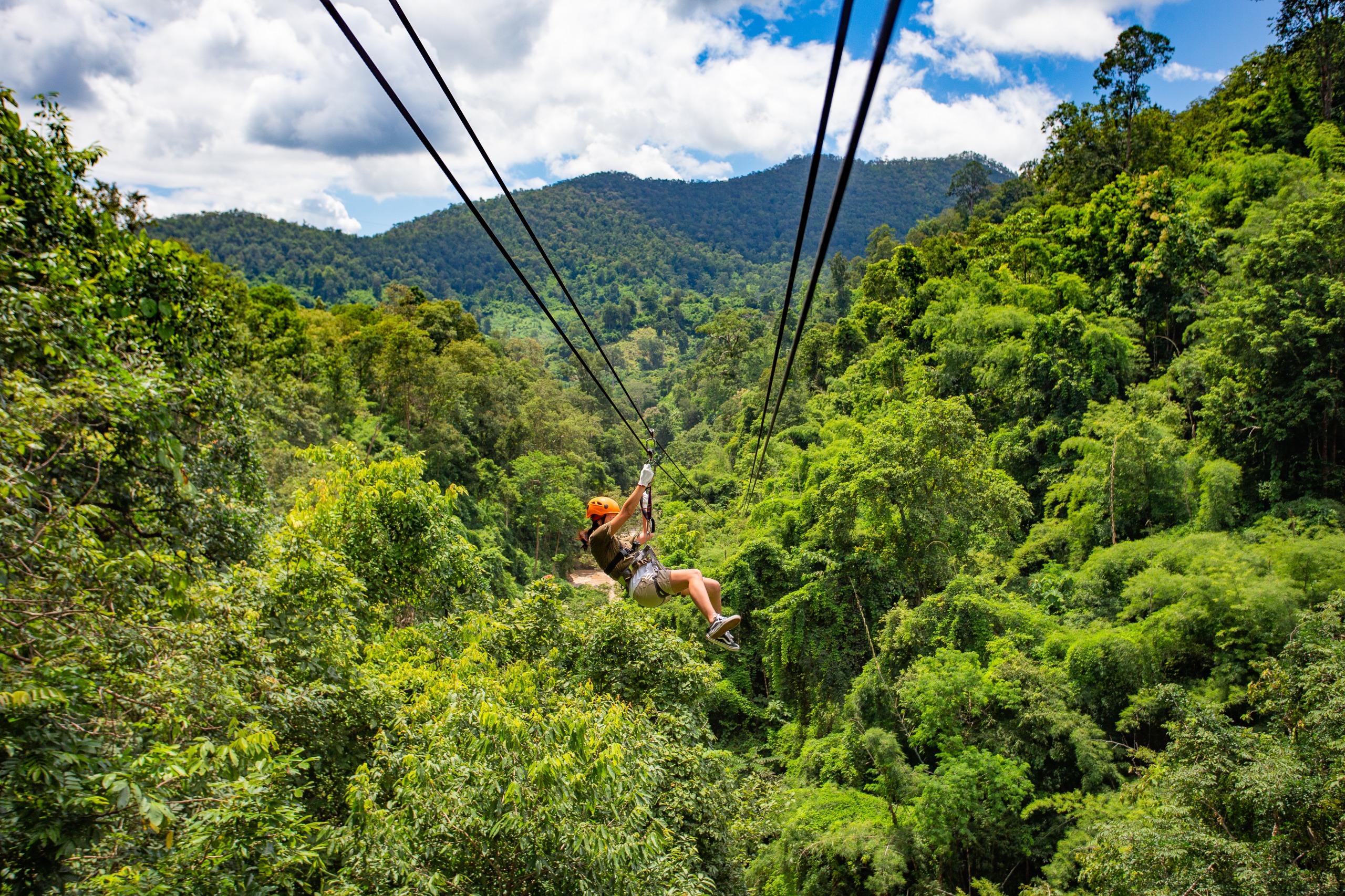
Ziplining in Chiang Mai
Chiang Mai, "The Rose of the North," opens the door to countless thrilling adventures. Nestled amid majestic mountains and lush forests, ziplines await to deliver an unforgettable rush of adrenaline while revealing the splendor of tropical nature in Thailand.
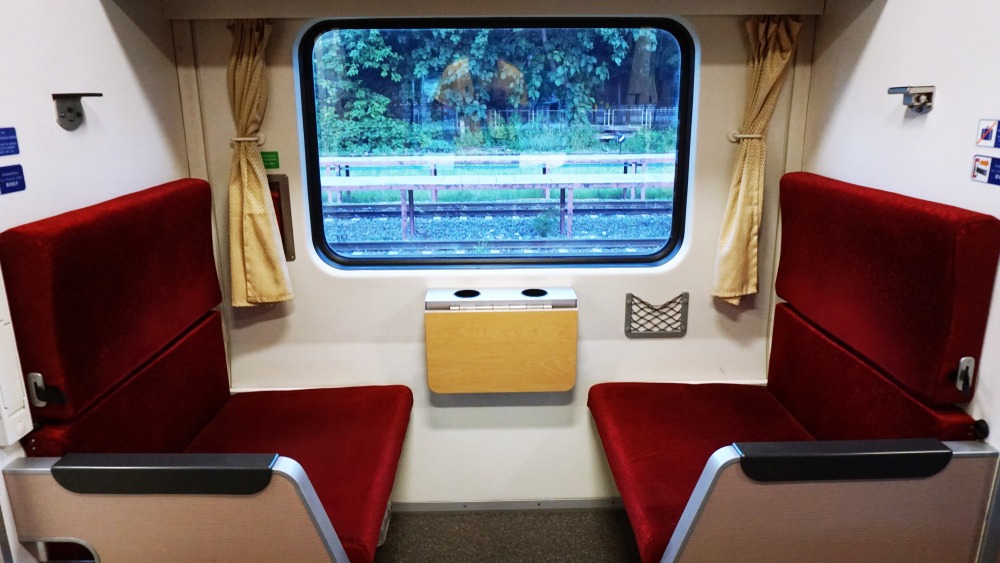
Traveling on overnight trains in Thailand
Routes, classes, journeys from Bangkok and booking advice: the complete guide for traveling on overnight trains across Thailand.
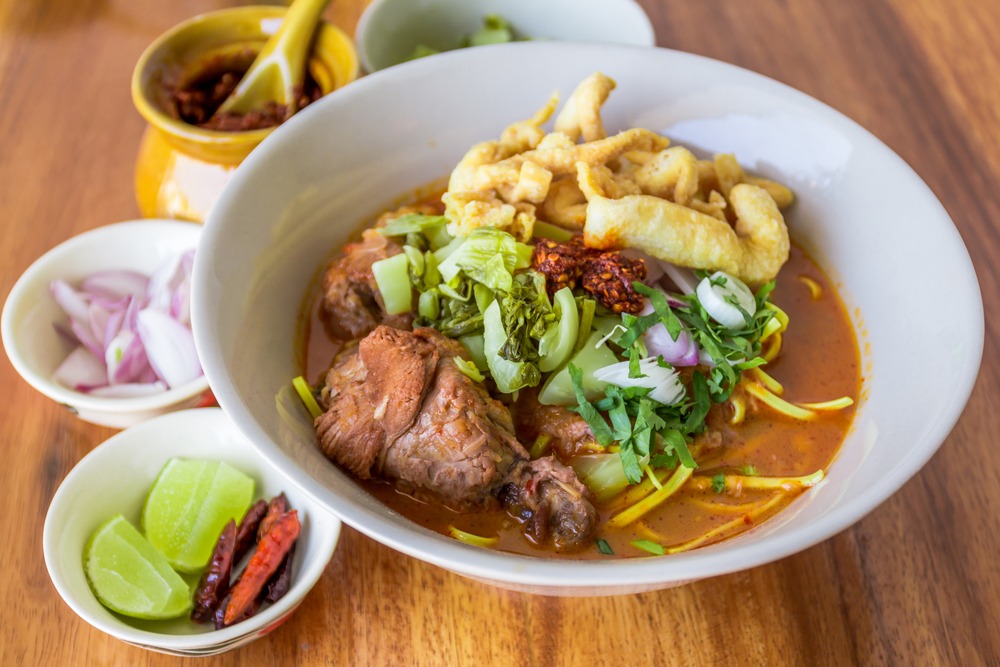
How to Prepare Khao Soi? The Authentic Recipe of Chiang Mai's Emblematic Curry
Discover the authentic recipe for Khao Soi, the emblematic soup of northern Thailand, blending creamy curry, crispy noodles and the distinctive flavors of Chiang Mai.
Want to discover this destination?
Our local advisors design your tailor-made trip.