Baan Tawai wood carving village
Baan Tawai wood carving village
Ban Tawai, Khun Klong Hang Dong District, Chiang Mai 50230, Thaïlande
Just 16 km south of Chiang Mai, Baan Tawai brings together the wood carving workshops of northern Thailand in an open-access artisan village.
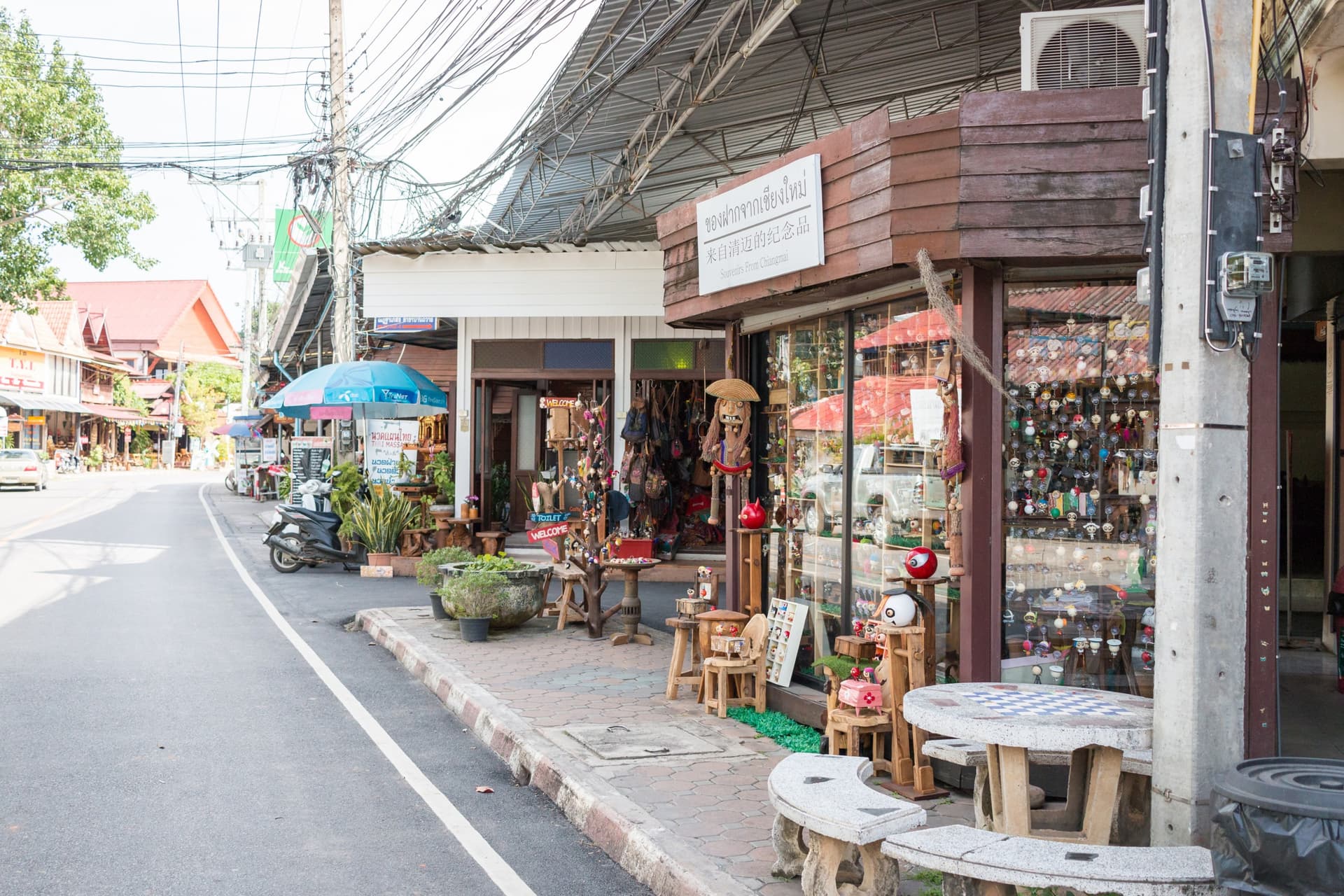
About fifteen kilometers south of Chiang Mai, the village of Baan Tawai has concentrated wood carving activity for several decades. Shop-workshops line the narrow lanes, demonstrations happen under awnings, and a permanent market thrives year-round—the place has become one of northern Thailand's main craft hubs, now distinguished with the Thailand Tourism Award.
Why visit Baan Tawai
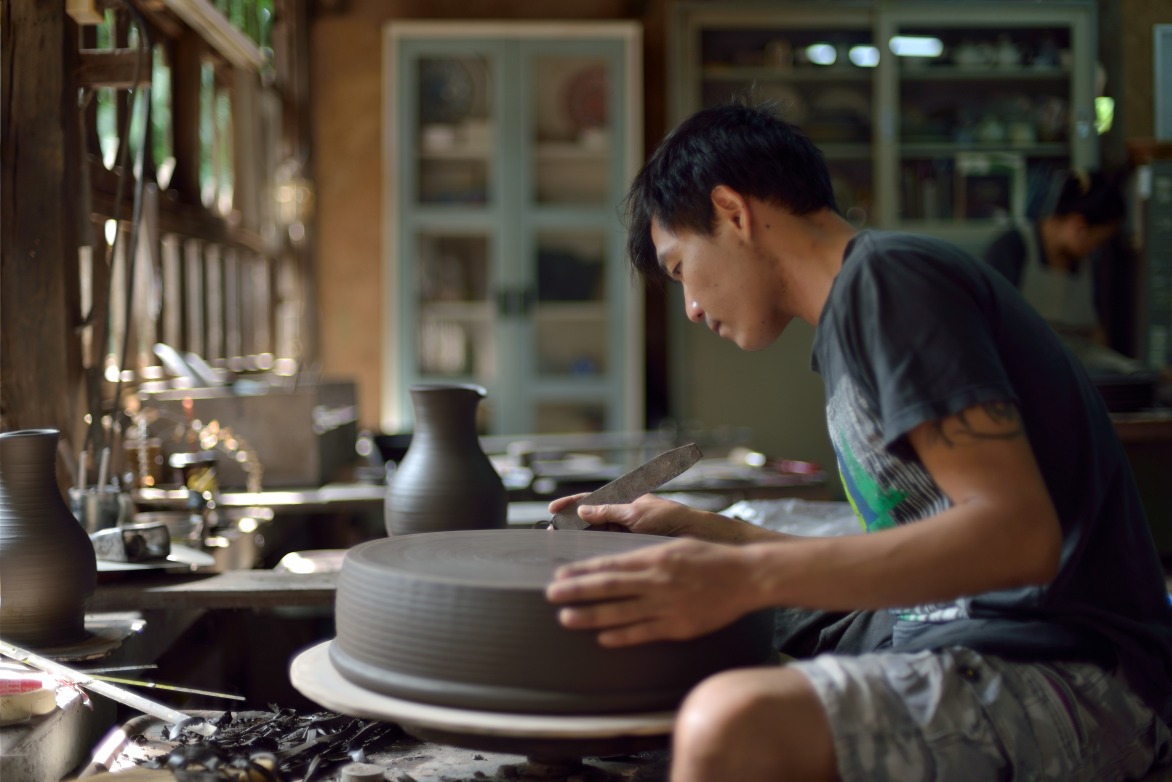
Baan Tawai is not a closed tourist site but a working village where you move freely among the studios. Here you watch artisans chisel, polish and age wood, compare pieces from shop to shop, and buy directly from makers. The local specialty is twofold: contemporary sculpture (Buddha statues, elephants, furniture) and artificial antiques crafted from new wood, aged and patinated with such realism that resellers and collectors from across Thailand seek them out.
Beyond wood, several shops stock textiles, silk, earthenware, clay, bamboo, silver objects, soaps, candles, lamps and vases—a representative range of northern craftsmanship.
History: how wood carving came to the village
The wood trade took root in Baan Tawai thanks to three villagers: Pho Naan Daeng Puntusa, Pho Jaima Inkaew and Pho Huen Puntusart. They trained at a renowned Chiang Mai studio, then returned to teach the craft to their neighbors. For over forty years, the skill has passed from father to son and mother to daughter, in a family workshop tradition.
This practice connects to the broader heritage of the Lanna kingdom, which ruled northern Thailand from the 13th to 18th century and whose teak architecture, carved motifs and Buddhist sanctuaries shaped regional identity. The houses of Baan Tawai echo this Lanna vocabulary: steep roofs, ornate joinery, carved wooden ornaments on facades.
What to see and do
The studios and permanent wood market
The village operates as an open-air fair, open year-round. You move through several specialized market zones: monumental sculpture at the village entrance, furniture in the center, small objects and souvenirs on the edges. In most studios, artisans work at street level and accept custom orders.
The Song Fung Klong center
This gallery showcases pieces by local and regional artists in a more refined setting than traditional shops: Buddha statues, elephants, design furniture, contemporary creations. It's the place to find unique pieces before comparing prices elsewhere in the village.
Buying and shipping
Several shops offer international shipping by container, especially to Europe, for furniture and large sculptures. Get a detailed quote covering packaging, maritime transport and customs before purchase—merchandise typically travels via shared container.
Practical information
The village is open-access: no admission fee or official opening hours. Most shops and studios operate during the day, from morning until late afternoon, seven days a week. Allow half a day to explore the main market areas, longer if you compare prices before a significant purchase.
Bring cash for smaller studios, though established shops accept cards. Negotiation is accepted but remains moderate: Baan Tawai prices are already competitive compared to central Chiang Mai.
When to go
The dry season, December through February, offers the best conditions: comfortable temperatures, clear skies, easy movement between outdoor studios. Avoid if possible May, August and September, marked by heavy rain that makes walking less pleasant. The climate stays warm year-round—light clothing and sun protection recommended.
How to get there
Baan Tawai lies about 16 km south of central Chiang Mai, in Hang Dong district. Access via Route 108 (toward Hang Dong), then follow signs for "Baan Tawai" for several kilometers. Allow 30 to 45 minutes depending on traffic.
The most practical options are songthaew (red shared taxi), Grab from central Chiang Mai, or scooter rental for flexibility. On-site visits are on foot; some rent bikes to cover all the market areas.
For accommodation, a few nearby options exist, like Fhasai Resort or Home Stay Saena Tawai, but most visitors stay in Chiang Mai proper.
Nearby attractions
- Tawai Temple, a Buddhist sanctuary at the village entrance
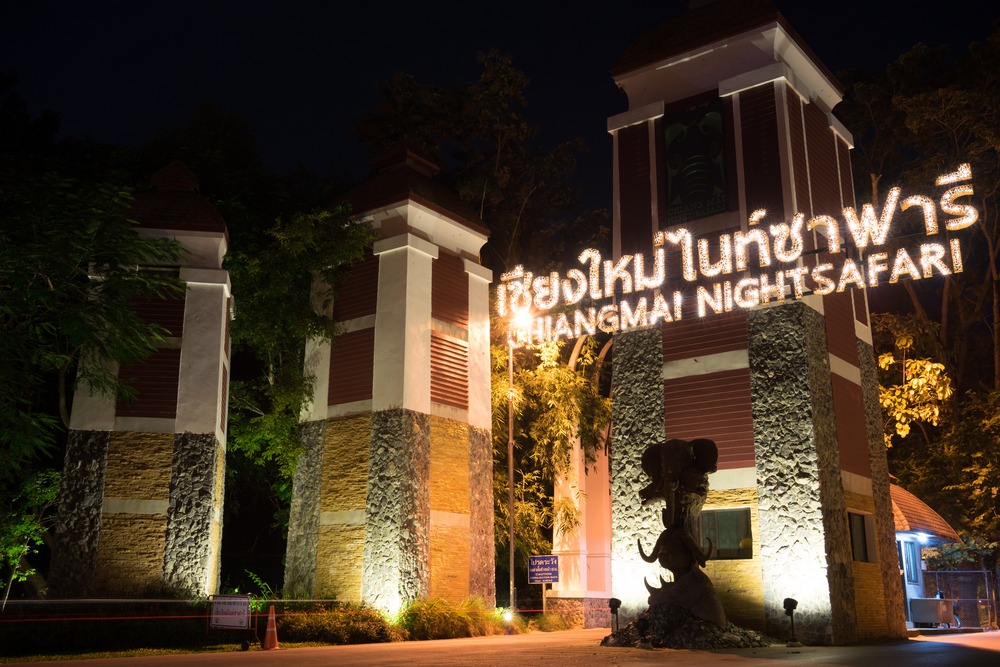
- Chiang Mai Night Safari, a nighttime wildlife park halfway to the center
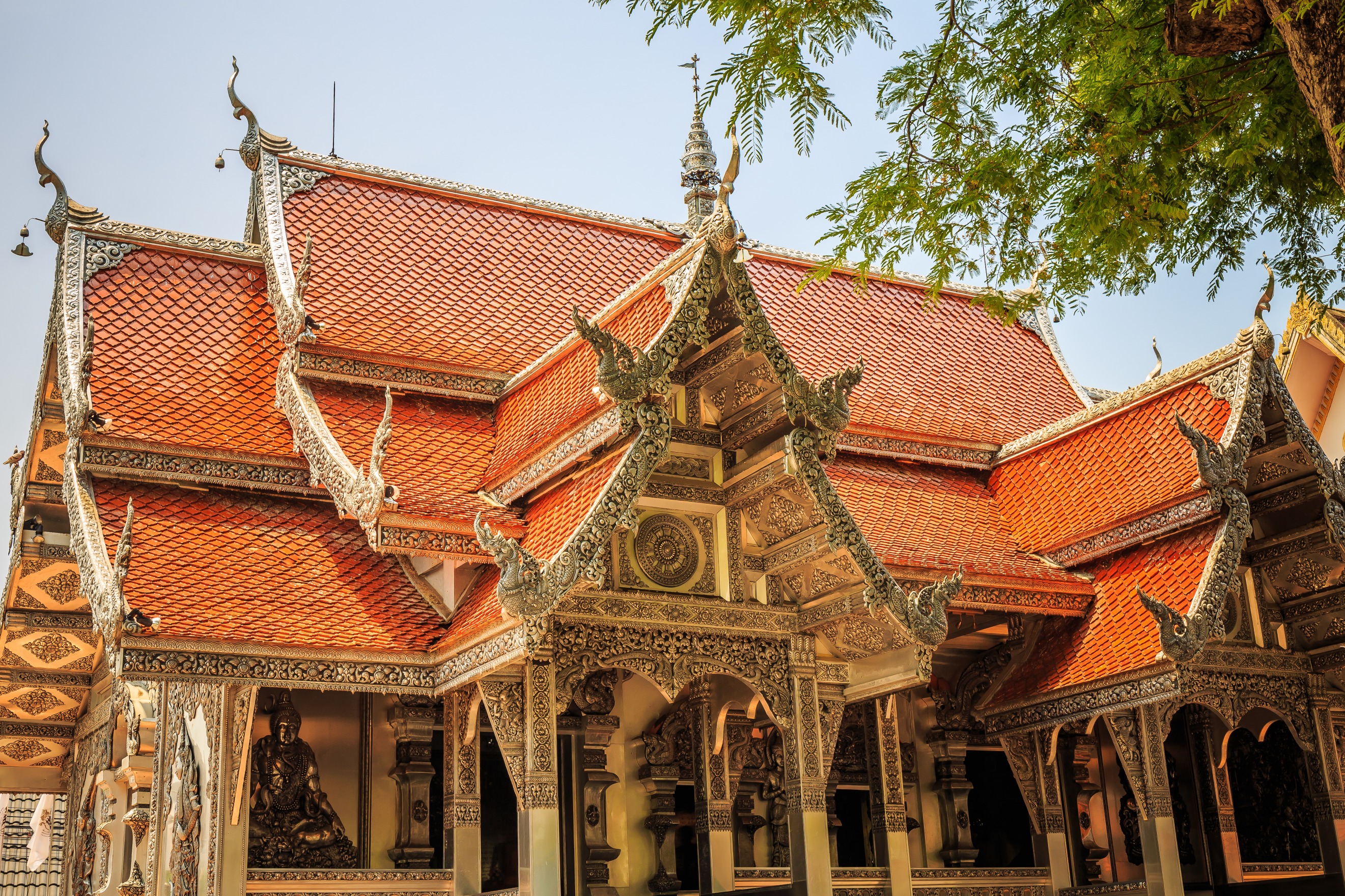
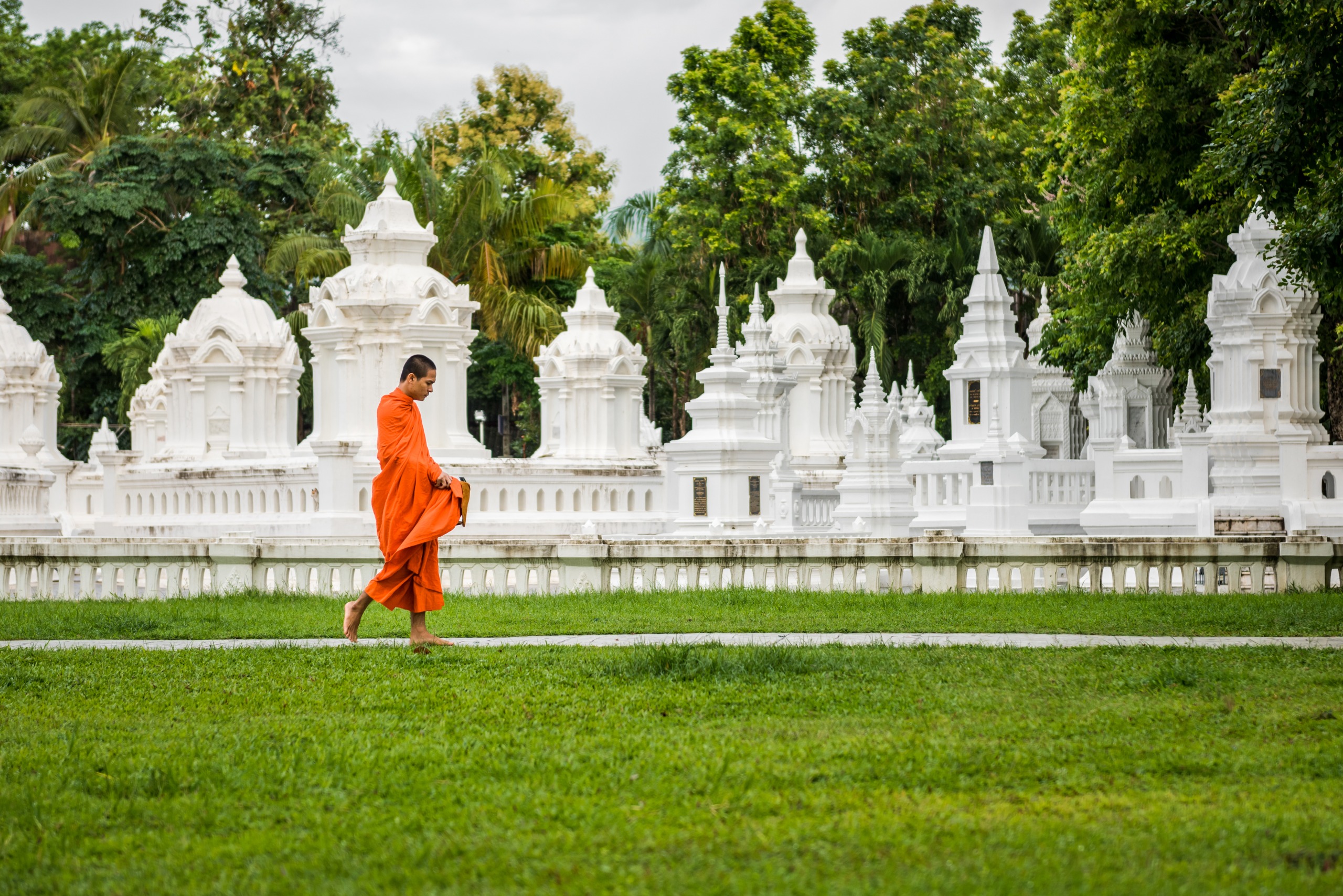
- Wat Suan Dok and Wat Sri Suphan (Silver Temple), on the route back to Chiang Mai
- Royal Flora Rajaphruek, a vast botanical park from the 2006 horticultural exhibition
Frequently asked questions
No. Baan Tawai is an open village with no entry control or admission fee. You move freely among the studios and shops.
The village is about 16 km south of the center, in Hang Dong district, via Route 108. Songthaew, Grab or scooter are the most common options.
Yes, most studios work at street level and welcome visitors. You can follow the stages of carving, from rough wood to finished and aged pieces.
Yes. Several shops offer international shipping, notably to Europe, via container ship. Get a detailed quote before purchase.
December to February, during the dry season. Avoid May, August and September, marked by heavy rain.
Baan Tawai fits naturally into a Chiang Mai stay and more broadly into a Thailand trip focused on northern culture and craftsmanship.
Photos
Nearby

Also discover
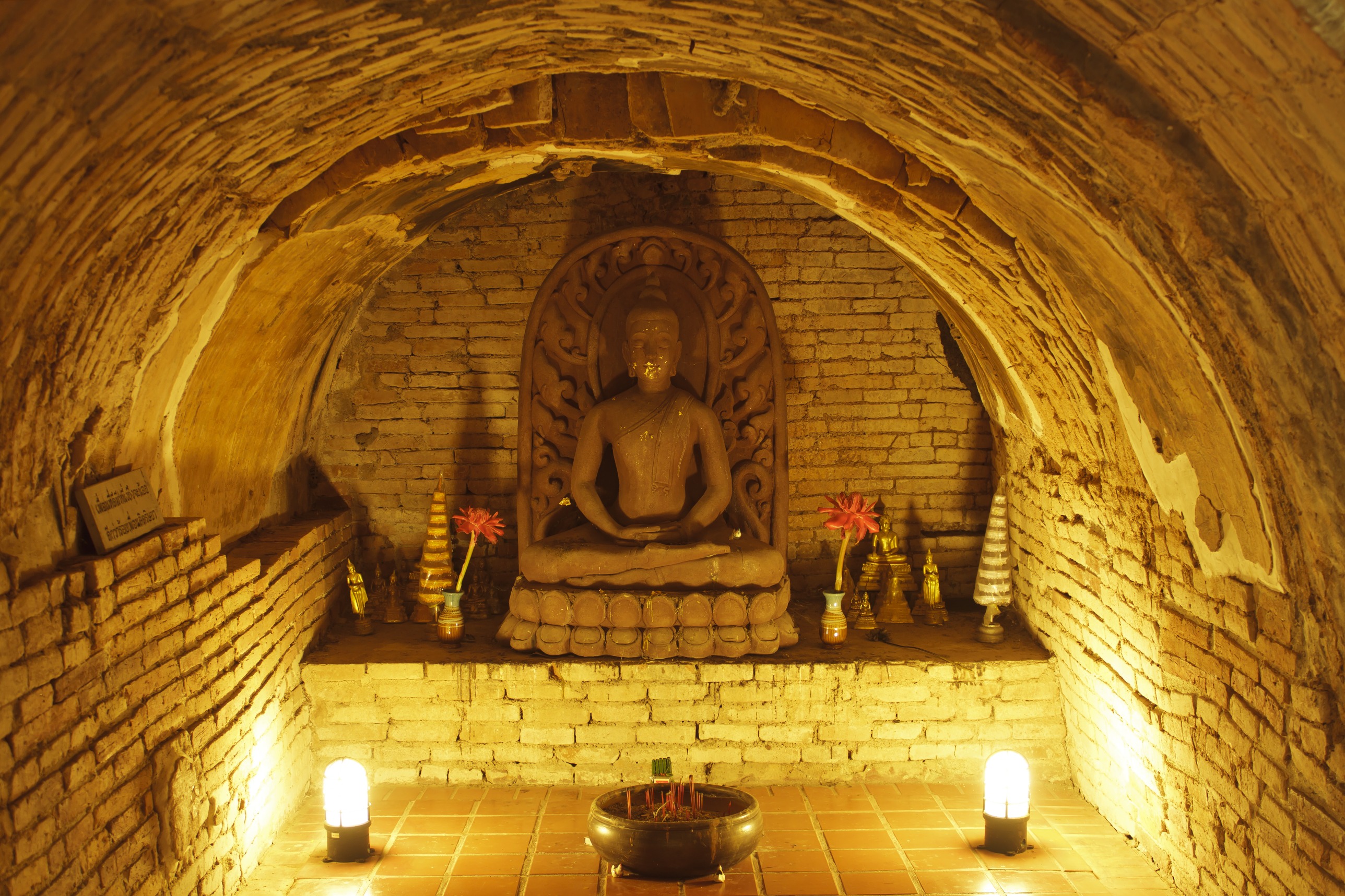
Wat Umong
On the outskirts of Chiang Mai, Wat Umong stands apart with its underground tunnels dating from the 13th century and a forest park dedicated to Buddhist meditation.
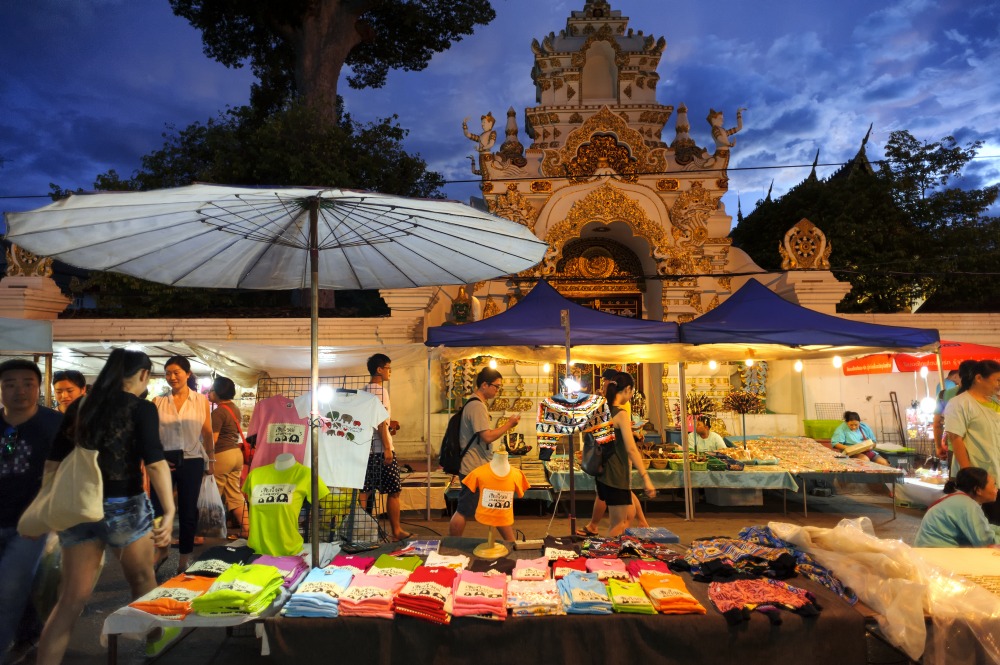
Chiang Mai
Chiang Mai is an unmissable destination during a Thailand trip. With its historic monuments, rich culture and natural attractions, the Rose of the North will captivate you.
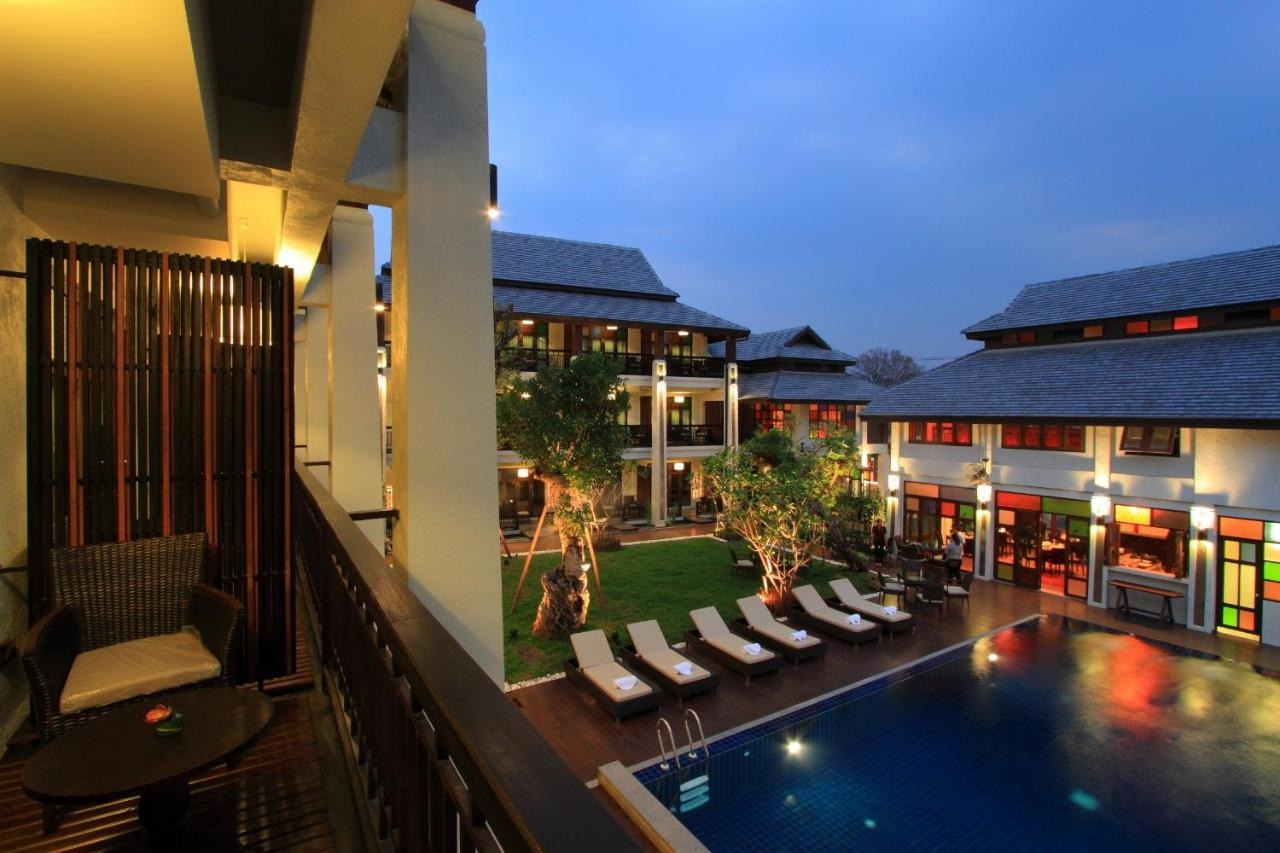
De Lanna Hotel
4-star hotel in the historic Sri Phum district of Chiang Mai, featuring a pool and spa. Walking distance to the main sites of the old town center.
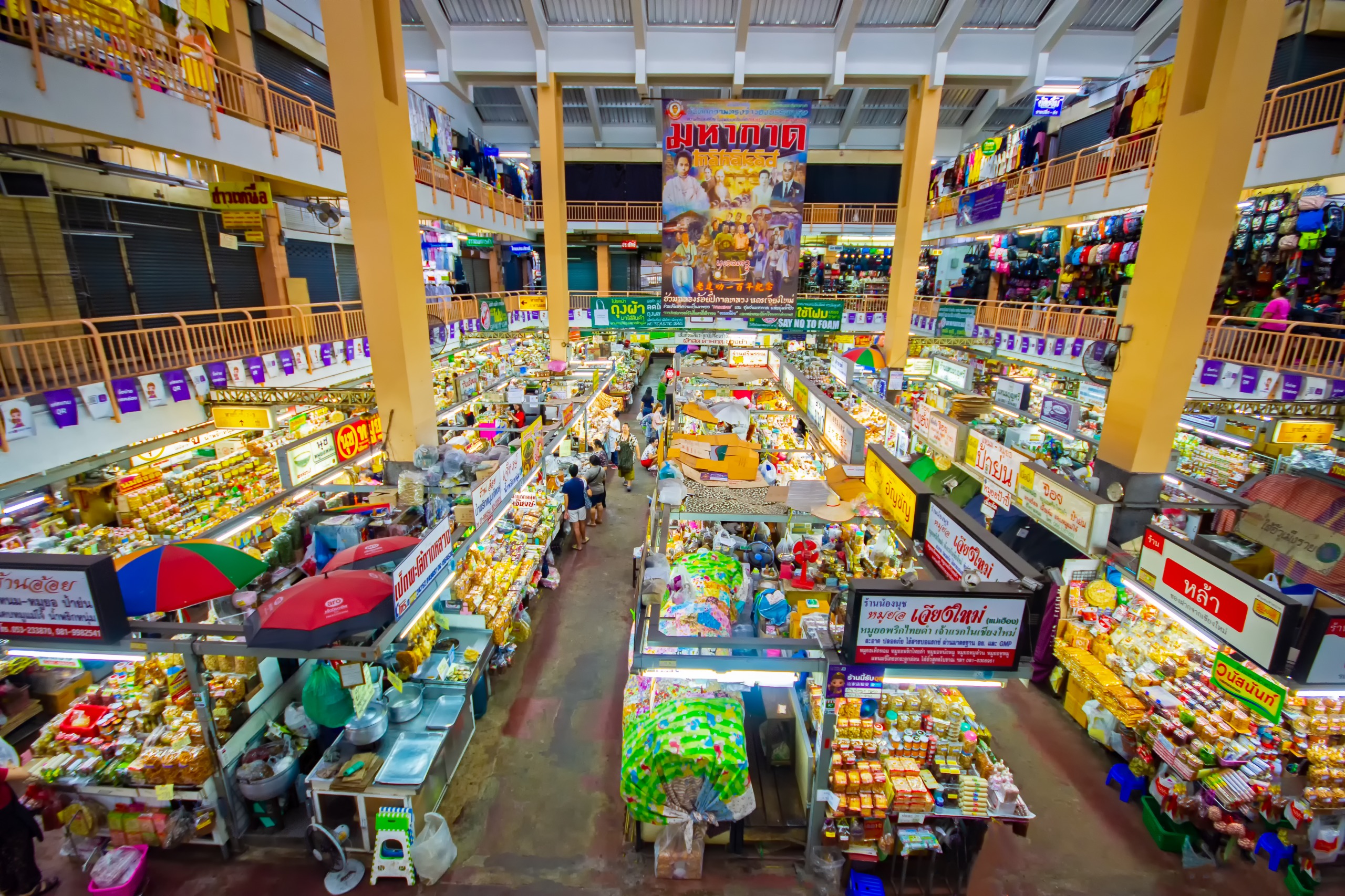
Warorot Market
Founded in 1910 by Princess Dara Rasmi, Warorot Market concentrates fresh produce, Lanna specialties and local crafts in Chiang Mai's Chinese quarter.
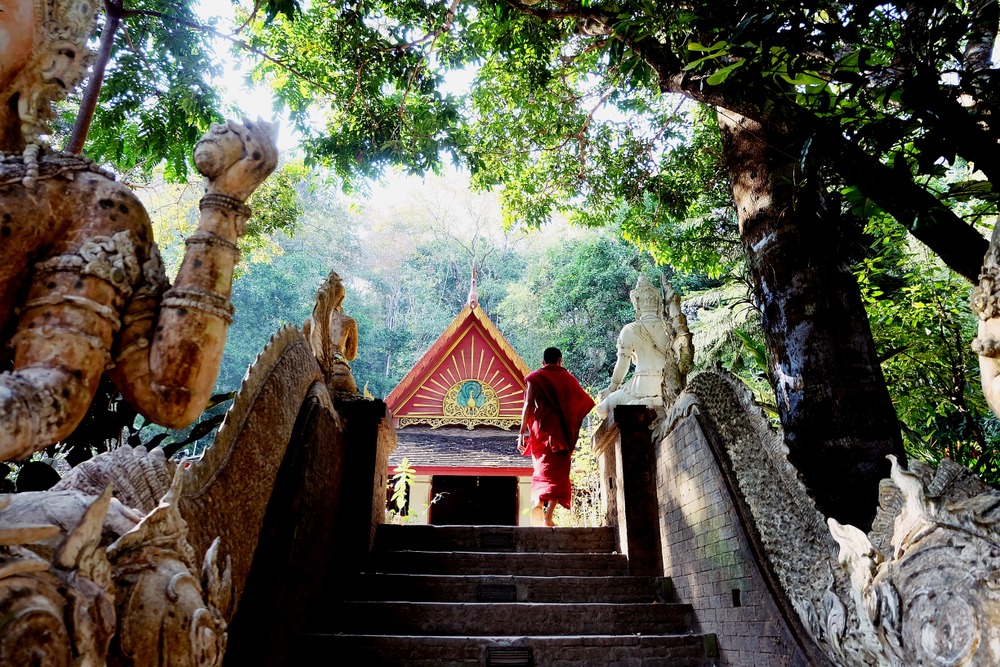
Wat Pha Lat
A forest temple founded in 1386 on the slopes of Doi Suthep, accessible from Chiang Mai via the Monk's Trail. Complete visitor's guide.
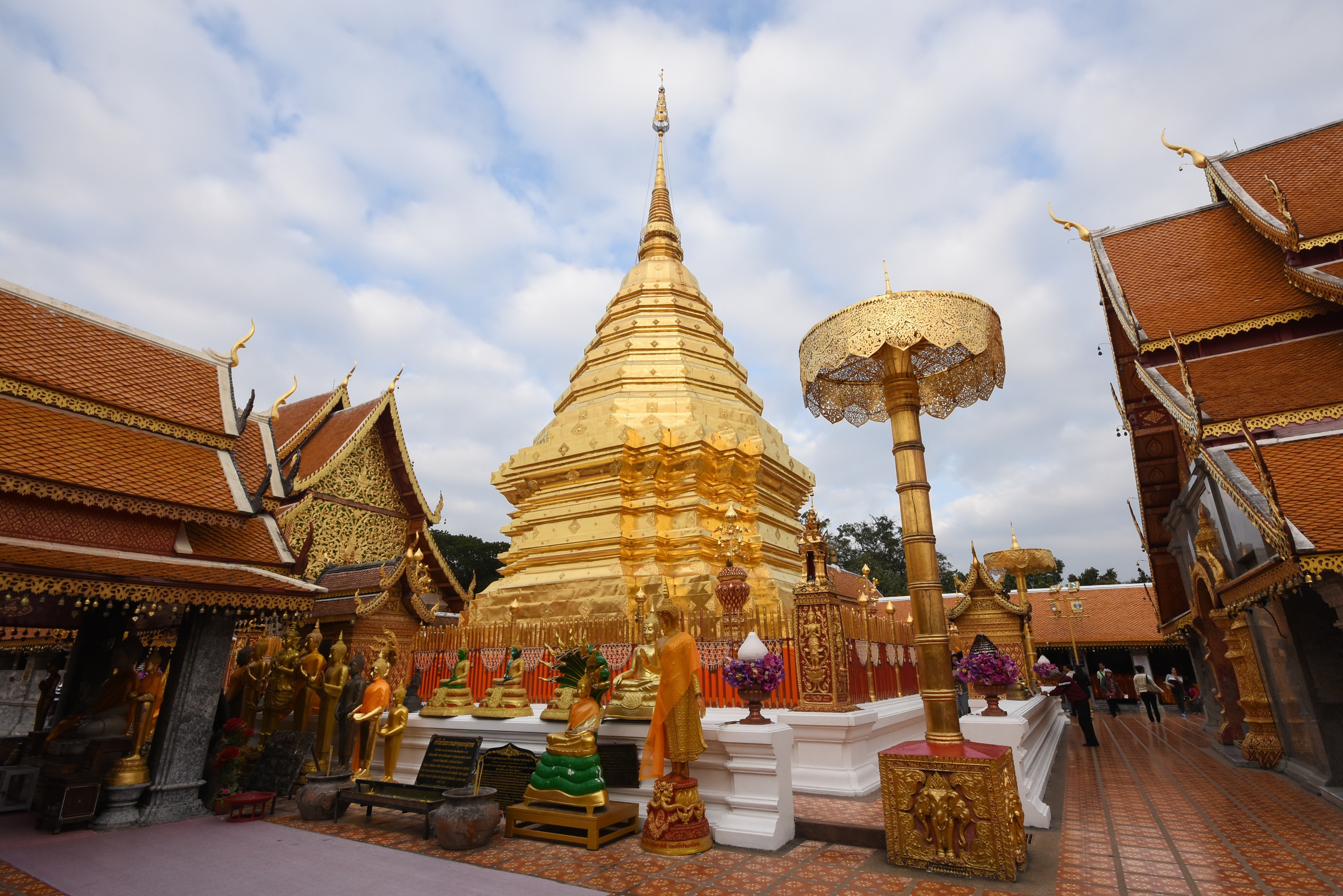
Wat Phra That Doi Suthep
Perched at 1,073 meters above Chiang Mai, Wat Phra That Doi Suthep encompasses six centuries of Lanna art around a golden chedi and a founding legend.
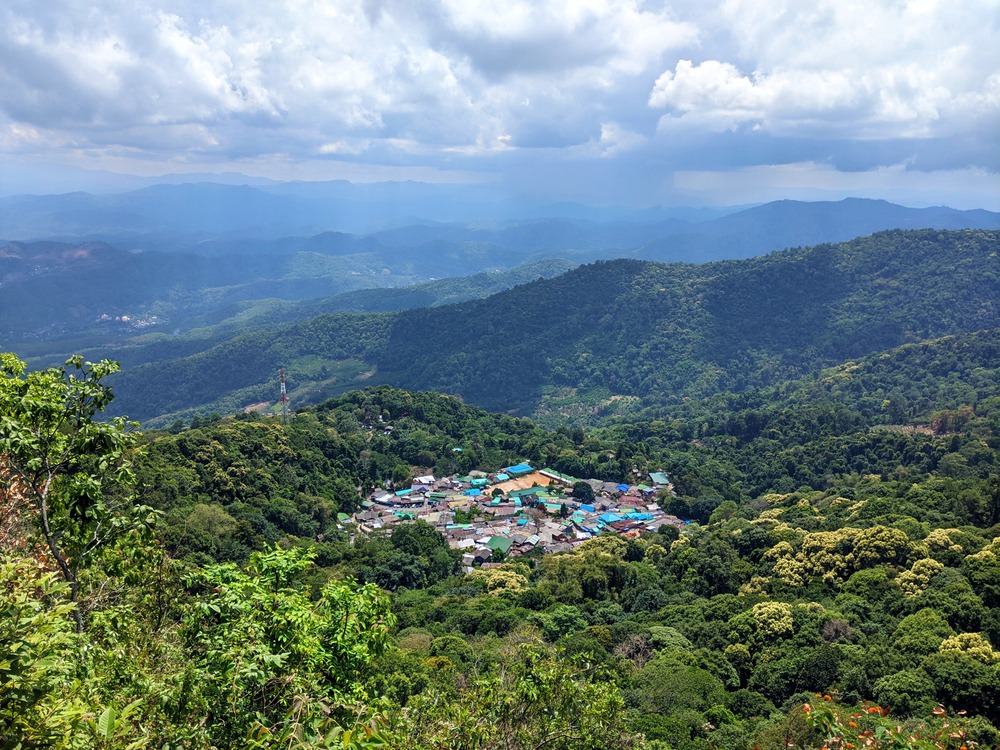
Hmong Doi Pui
Just 11 km from Chiang Mai, the Hmong village of Doi Pui brings together an ethnographic museum, blooming gardens, tribal crafts and the gateway to Doi Suthep-Pui National Park.
Interested in this visit?
We can include it in your personalised itinerary.