Wat Umong
Wat Umong
135, Tambon Su Thep, Amphoe Mueang Chiang Mai, Chang Wat Chiang Mai 50200, Thaïlande
On the outskirts of Chiang Mai, Wat Umong stands apart with its underground tunnels dating from the 13th century and a forest park dedicated to Buddhist meditation.
Away from central Chiang Mai, at the foot of Doi Suthep, Wat Umong distinguishes itself from other northern temples through its underground tunnels carved beneath an artificial mound and its forested setting. Founded in the late 13th century, it remains an active Buddhist meditation centre today.
Why Visit Wat Umong
Wat Umong, whose full name is Wat Umong Suan Puthatham ("temple of tunnels and Buddha's Dhamma garden"), holds a unique place in Chiang Mai's religious landscape. Where sanctuaries in the old town follow the codes of Lanna art with its viharns and ubosots, this site operates on different principles: a mound pierced by galleries, a forest park scattered with Buddhist quotations, and a large artificial lake.
The atmosphere is serene, far less touristy than Wat Phra Singh or Doi Suthep, and the temple remains inhabited by a community of monks who teach meditation here. It is one of the rare places in Chiang Mai where one can combine heritage visiting with an introduction to Buddhism.
Temple History
Wat Umong's foundation dates back to around 1297, during the reign of King Mengrai, founder of the Lanna kingdom. The temple is believed to have been built for the monk Thera Jan, who sought a retreat outside the city to meditate away from the hustle of urban pagodas. The sovereign had a series of tunnels carved beneath an artificial mound and their walls decorated with brick frescoes, of which only a few fragments remain today.
The sanctuary was abandoned in the 15th century, after King Tilokarat's reign, and fell into obscurity for several centuries. Its restoration dates to 1940. The complex was then repurposed as a meditation centre and Buddhist teaching facility, a role it has maintained since.
What to See On-Site
The Tunnels and Their Frescoes
This is the site's most distinctive feature. Visitors remove their shoes at the entrance before entering a series of brick-vaulted galleries, where several Buddha statues are tucked away. The original frescoes, which depicted scenes from the Buddha's life, are largely faded. Monks still come here to meditate.
The Chedi and the Great Buddha
Above the tunnels stands a campanile-shaped chedi, the only element clearly linked to Lanna architecture on the site. A staircase provides access. Beside it stands a large Buddha depicted as an ascetic fasting, a figure rarely seen in Thai temples.
Buddhist Quotations in the Forest
Along the pathways, plaques attached to trees display sentences attributed to the Buddha, translated into English: "Things are born, evolve and disappear", "Today is preferable to two tomorrows". Together they form a meditative walk that extends beyond the temple proper.
The Ashoka Pillar
The site houses a replica of the Ashoka Pillar, topped with four supporting lions and the Wheel of Dharma. The original pillar stands in India and dates to the 3rd century BC, when Emperor Ashoka, converted to Buddhism, sent religious missions throughout Southeast Asia. This replica recalls the Indian lineage of Theravada Buddhism practised in Thailand.
The Lake and Small Animal Park
A fish-stocked artificial lake occupies part of the grounds. Nearby, a small space shelters a few animals—antelopes, tortoises, ducks, birds—which visitors can feed. It is a pleasant stopping point for families, without pretensions to being a formal zoo.
Discarded Buddha Statues
Throughout the walk, you will notice numerous damaged or broken Buddha statues placed at the base of trees or against small walls. According to local tradition, when a resident replaces a damaged Buddha statue, they bring it here rather than dispose of it. Wat Umong has become, through this custom, a place of reverence for these images destined to blend back into nature.
Meditation with the Monks
The monastery offers informal conversations with monks (in Thai or English) as well as meditation courses and programmes, sometimes spanning several days for experienced practitioners. Details are to be confirmed on-site.
Practical Information
- Opening hours: open daily from morning until late afternoon.
- Admission: free entry, donations appreciated.
- Dress code: shoulders and knees covered, as in all Buddhist temples.
- Visit duration: allow 1.5 to 2 hours to explore the temple, tunnels and park.
When to Visit
The cool and dry season, from November to February, offers the most pleasant conditions: moderate temperatures and accessible pathways. From March to May, heat is intense and the air sometimes heavy with agricultural smoke. The rainy season (June to October) makes the forest particularly lush but exposes visitors to showers in late afternoon. Early morning is when the site is quietest and the light in the tunnels softest.
How to Get There
Wat Umong lies approximately 5 km southwest of Chiang Mai's historic centre, on the edge of Doi Suthep. Several options are available:
- Red songthaew: the most common and cheapest option from the old town.
- Tuk-tuk or taxi: quick; it is recommended to ask the driver to wait, as the return journey is more difficult from the temple.
- Bicycle or scooter: a feasible journey from the old town for independent travellers.
Nearby Combinations
- Wat Suan Dok: on the route between the old town and Wat Umong, famous for its white chedis.
- Wat Pha Lat: another forest temple, halfway up Doi Suthep.
- Chiang Mai Zoo: a few kilometres away, more structured than Wat Umong's small animal park.
- Wat Phra Singh: the great Lanna temple in the historic centre, a useful contrast to Wat Umong.
Frequently Asked Questions
Frequently asked questions
Allow 1.5 to 2 hours to explore the tunnels, chedi, Buddhist quotation pathway and lake.
Yes. The tunnels, fish-stocked lake and small animal park make the visit accessible for families.
Yes, the monks offer sessions and longer programmes, in Thai and English. Enquire at reception about current sessions.
Clothing covering shoulders and knees, as in all Buddhist temples. Shoes are removed at the tunnel entrance.
Local residents bring their damaged Buddha statues to Wat Umong before acquiring new ones. This tradition explains their presence along the pathways.
To integrate Wat Umong into a broader itinerary across northern Thailand, explore our Thailand trips.
Photos
Nearby
Also discover
Wat Pha Lat
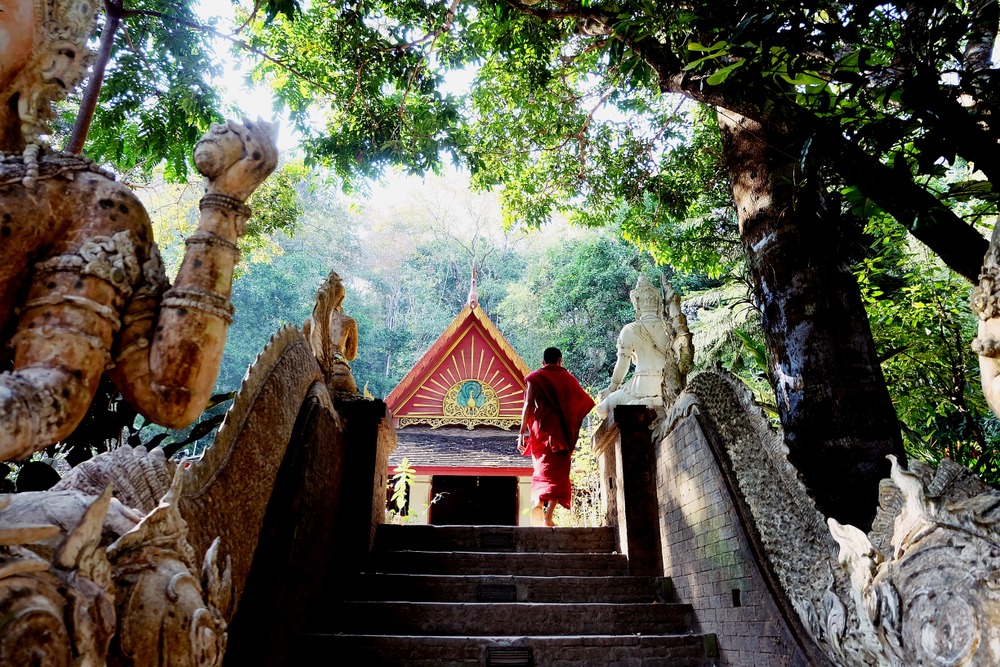
A forest temple founded in 1386 on the slopes of Doi Suthep, accessible from Chiang Mai via the Monk's Trail. Complete visitor's guide.

Chiang Mai Zoo
At the foot of Doi Suthep, Chiang Mai Zoo brings together 400 species, a Panda House and marine and freshwater tunnel aquariums across 80 hectares.
De Lanna Hotel
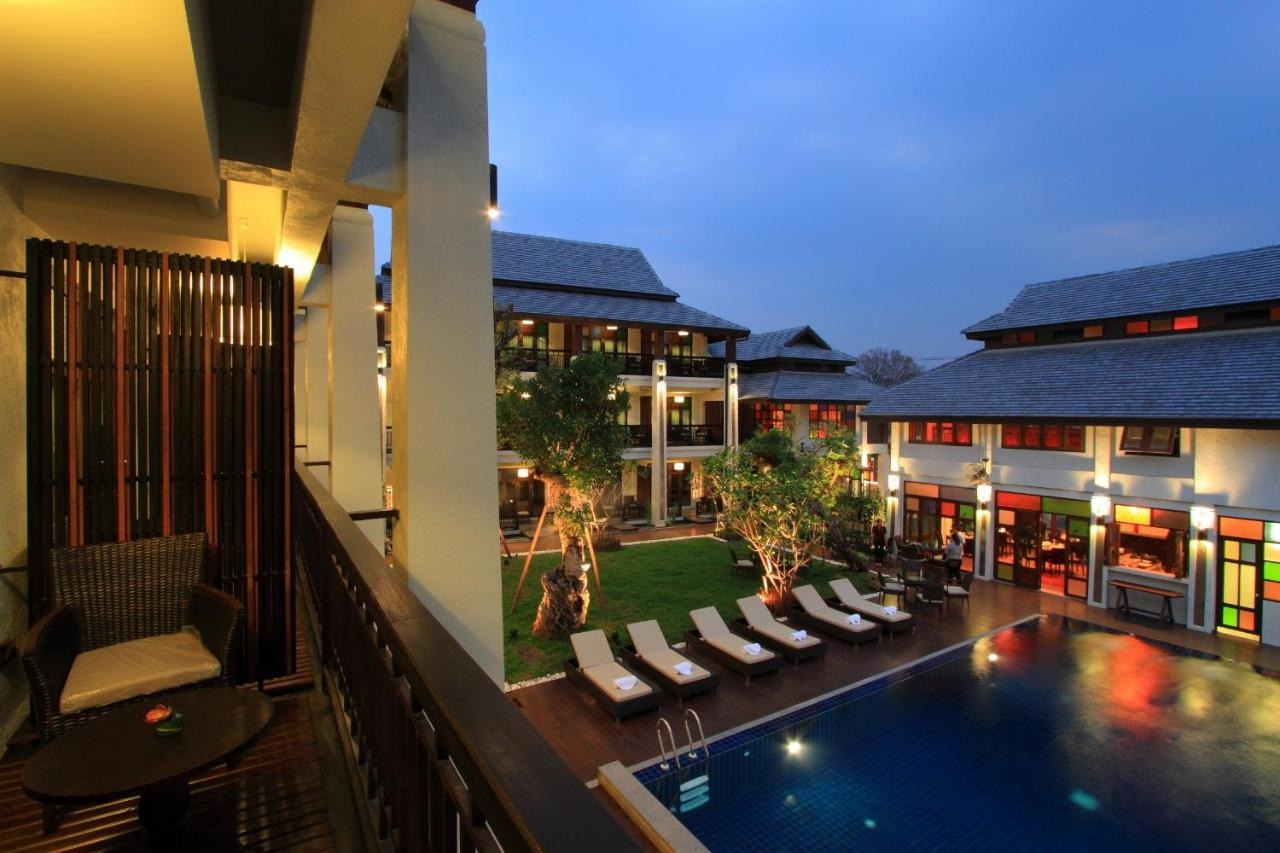
4-star hotel in the historic Sri Phum district of Chiang Mai, featuring a pool and spa. Walking distance to the main sites of the old town center.
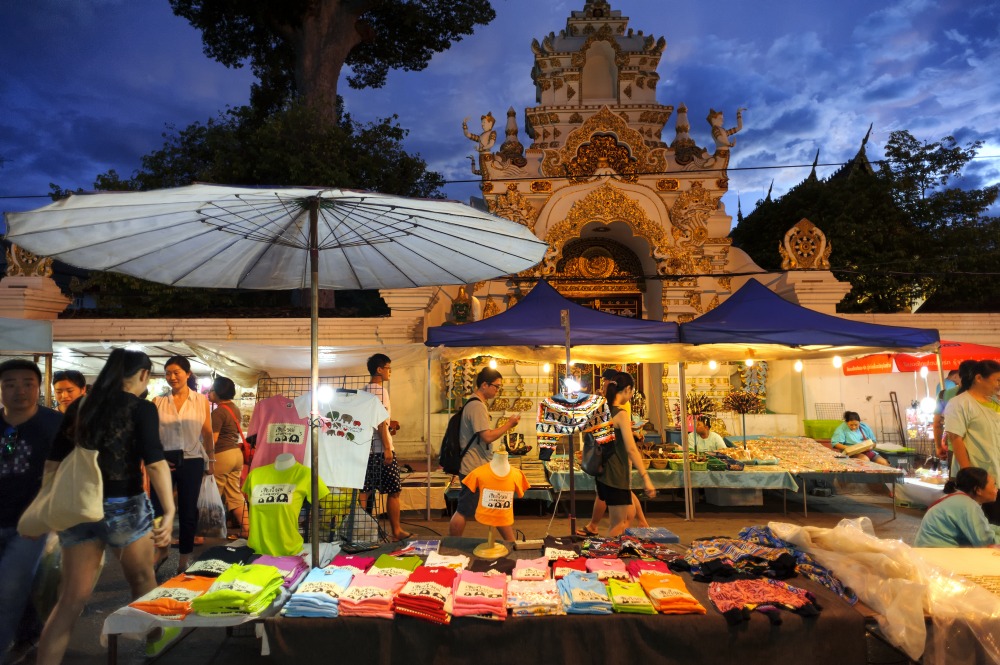
Chiang Mai
Chiang Mai is an unmissable destination during a Thailand trip. With its historic monuments, rich culture and natural attractions, the Rose of the North will captivate you.
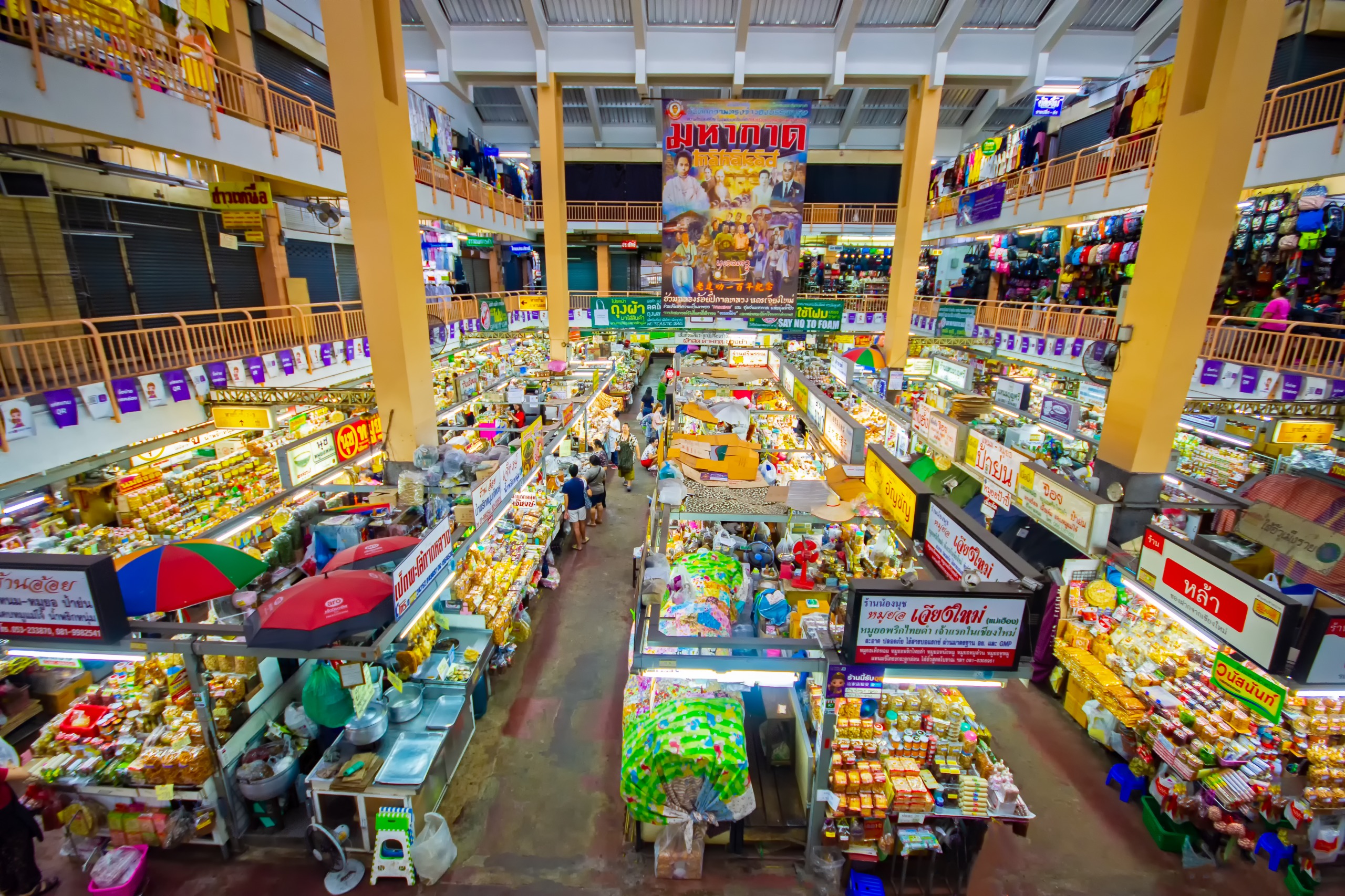
Warorot Market
Founded in 1910 by Princess Dara Rasmi, Warorot Market concentrates fresh produce, Lanna specialties and local crafts in Chiang Mai's Chinese quarter.
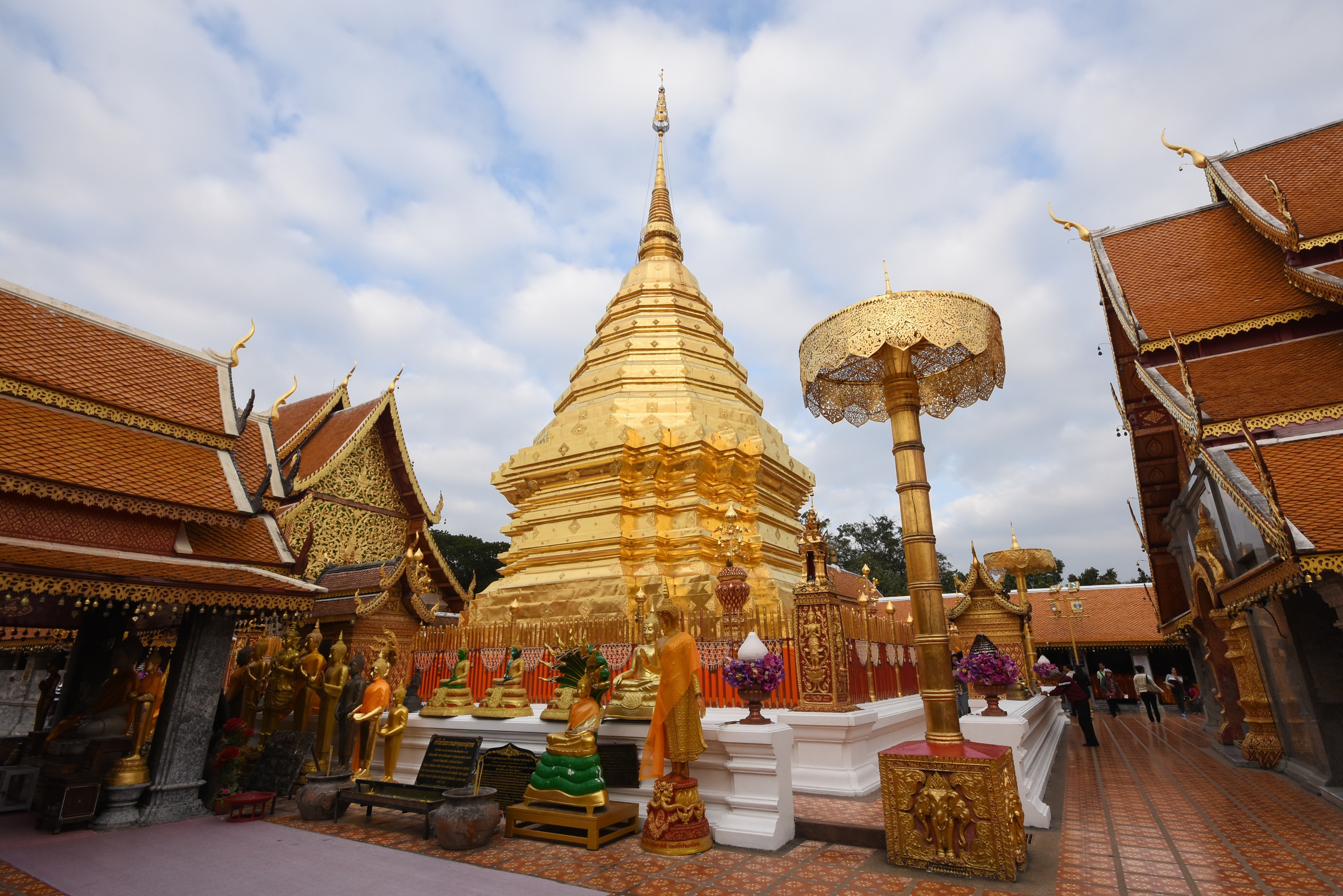
Wat Phra That Doi Suthep
Perched at 1,073 meters above Chiang Mai, Wat Phra That Doi Suthep encompasses six centuries of Lanna art around a golden chedi and a founding legend.
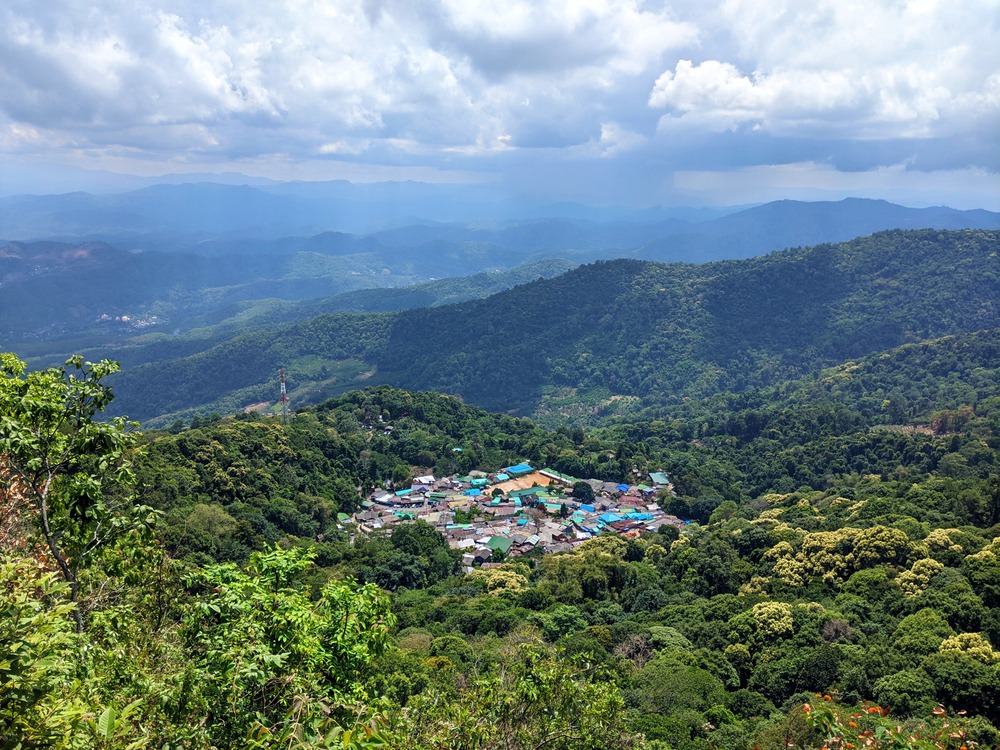
Hmong Doi Pui
Just 11 km from Chiang Mai, the Hmong village of Doi Pui brings together an ethnographic museum, blooming gardens, tribal crafts and the gateway to Doi Suthep-Pui National Park.
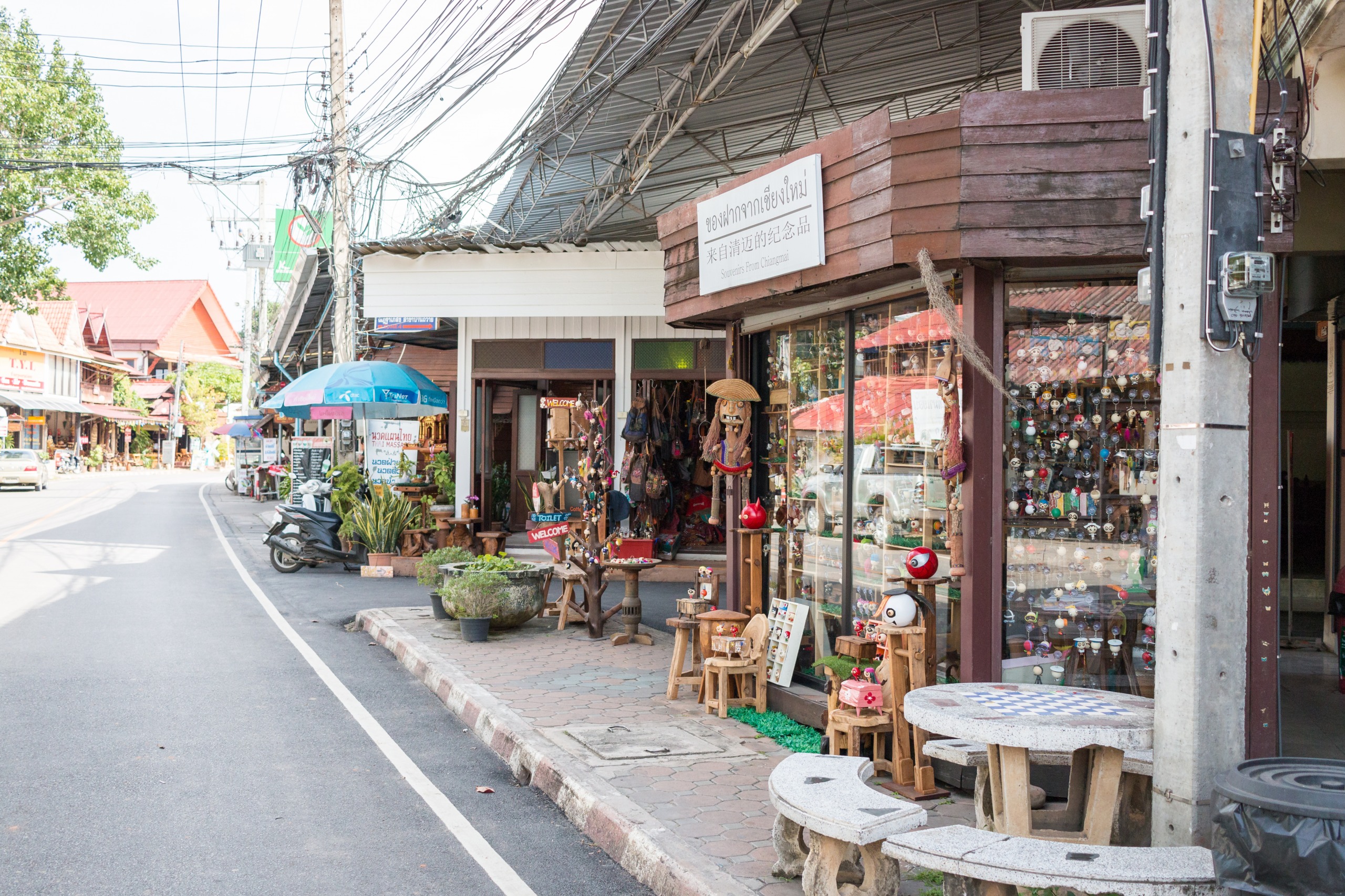
Baan Tawai wood carving village
Just 16 km south of Chiang Mai, Baan Tawai brings together the wood carving workshops of northern Thailand in an open-access artisan village.
Interested in this visit?
We can include it in your personalised itinerary.